This FAQ gives clear, practical answers about commercial cleaning on the Sunshine Coast. You’ll find how to get accurate quotes, pick the right services and add‑ons, and spot what drives cost differences. We explain local considerations, eco-friendly options, and the questions to ask suppliers so you can compare scopes and pricing without unwelcome surprises. If you need a quote or a fast way to check service fit, this guide walks you through the decision process and what to expect from reputable providers. Read on for straightforward steps that help you secure a fair quote and choose a cleaner who meets your operational and regulatory needs.
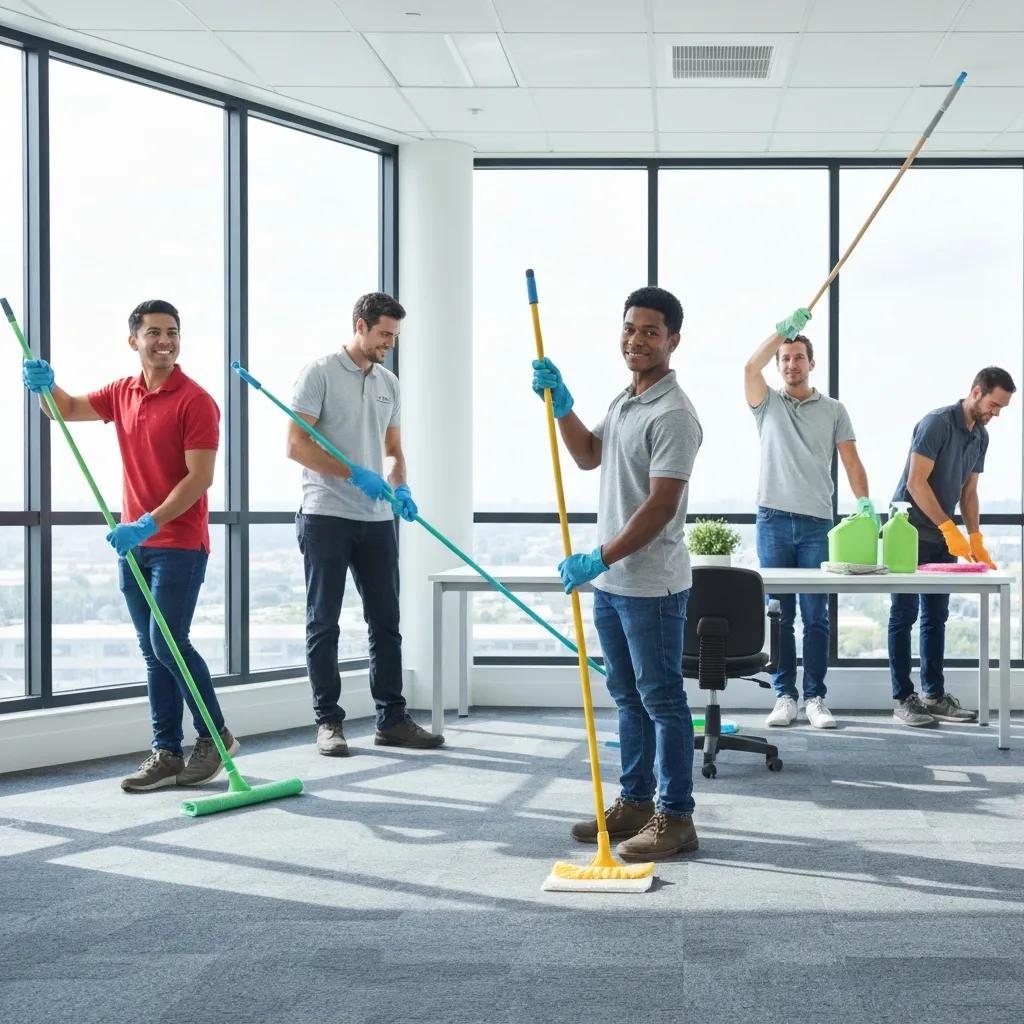
Commercial cleaning on the Sunshine Coast covers a broad set of tasks to keep workplaces hygienic, safe and presentable. Core services include dusting, vacuuming, floor care, restrooms, and rubbish removal. Specialist services—like clinical disinfection or flood restoration—meet industry or incident-specific needs. The right blend of routine and specialist work reduces infection risk, protects assets and keeps customer-facing areas looking professional. Below we list common service categories and when each makes sense so you can match your needs to the right package.
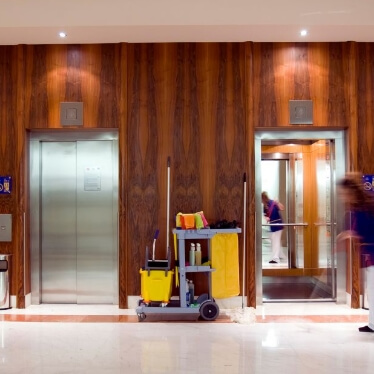
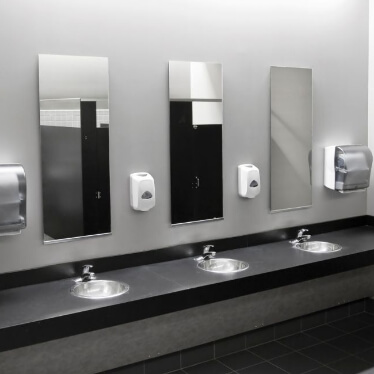
We provide customised commercial cleaning across a range of Sunshine Coast businesses, matching scope and frequency to each site’s needs. Our main services include office cleaning, strata and body corporate servicing, medical and health centre cleans with strict hygiene protocols, daycare and school cleaning focused on infection control, plus gym and dance-studio cleaning for high-traffic equipment and floors. Task lists and visit frequency are adjusted per site—offices often need daily touch-ups and weekly deep cleans, while strata common areas are serviced on a weekly or fortnightly cycle. For an accurate proposal, request a site assessment or free quote so we can align tasks, timing and expected outcomes.
Knowing which service type matches your space makes it easier to set the right frequency and include the appropriate add-ons before you request quotes.
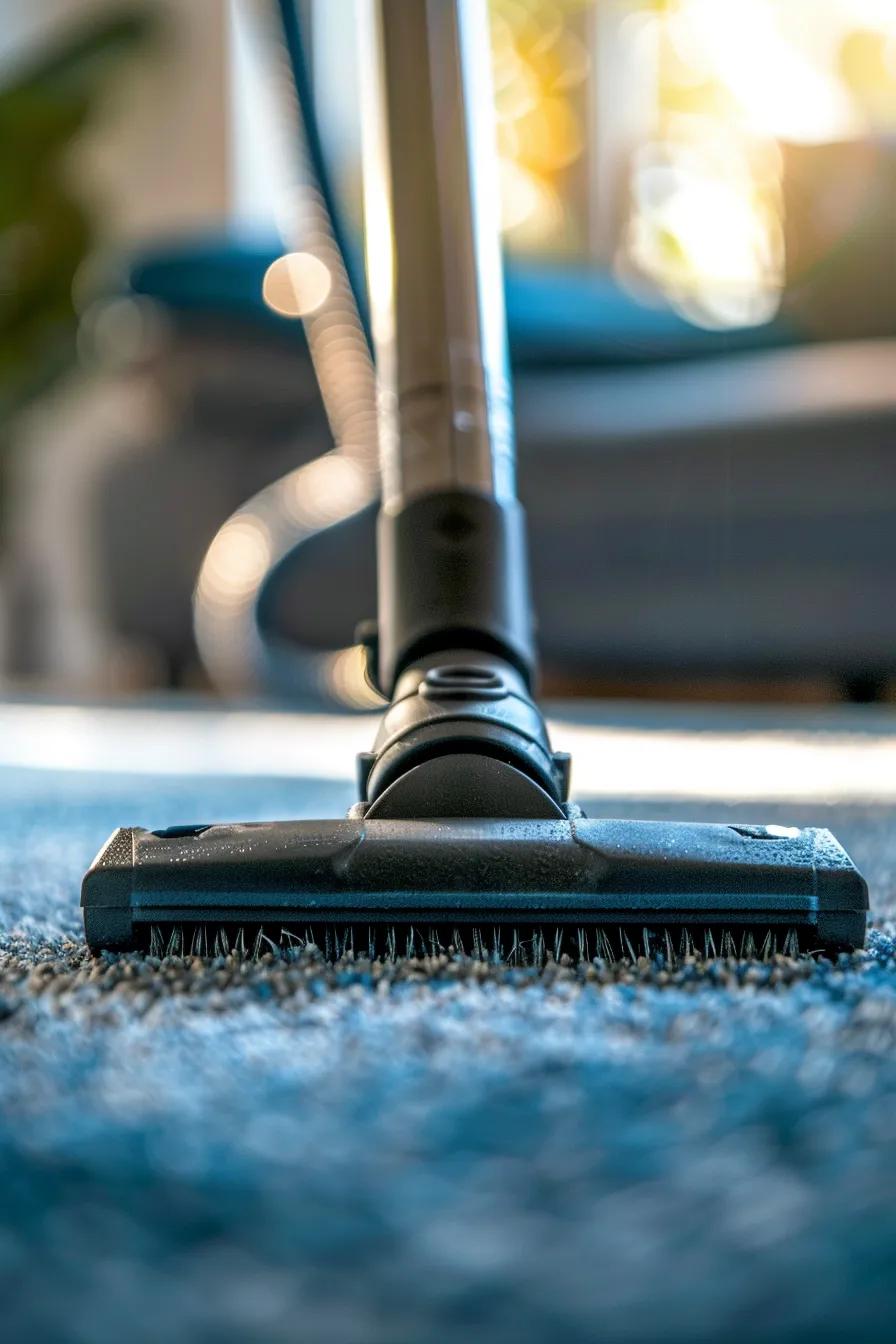
Add-ons cover tasks that go beyond routine upkeep and often require specialised equipment or training. Typical extras include carpet cleaning for high-traffic lanes and stain removal, window cleaning to keep storefronts clear, strip-and-seal for vinyl or lino restoration, tile-and-grout cleaning to remove embedded soils, high-pressure exterior cleaning for facades and walkways, and flood restoration for water-damage response. Choose add-ons based on surface types, usage patterns and budget—retail and high-traffic zones usually benefit from scheduled carpet and floor maintenance to protect appearance and safety.
Including the right add-ons lowers long‑term maintenance costs and keeps your workspace in better condition. When planning a program, list high-wear zones and align add-on frequency with how the space is used.
Service Type | Typical Included Tasks | Example Frequency |
|---|---|---|
Office Cleaning | Dusting, vacuuming, sanitising high-touch points | Daily / Weekly |
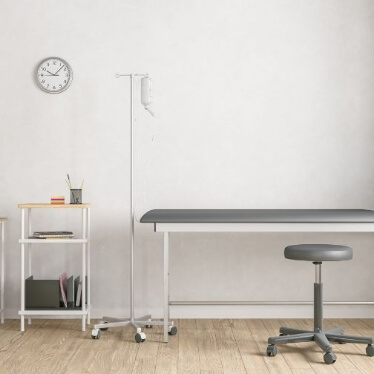
Medical Centre Cleaning | Surface disinfection, clinical‑grade sanitisation, waiting-room turnaround | Daily / Per-visit |
Strata Cleaning | Common-area sweeping, waste removal, lift and entry cleaning | Weekly / Fortnightly |
There’s no single fixed rate for commercial cleaning—costs depend on site details. Quotes typically reflect the size and layout of the premises, how often you need cleaning, the complexity of tasks (for example, medical-grade disinfection versus standard office work), and any specialist equipment or after-hours access required. Rather than asking for an hourly rate, ask for an itemised quote that ties tasks to frequency so you can compare providers fairly. Bottom line: costs vary, and the main drivers are space, visit frequency, task complexity and special requirements.
Several factors explain price differences between quotes. Square metres and the layout dictate labour and equipment time—large open areas clean faster than many small rooms. Frequency matters: regular daily cleans spread mobilization costs while infrequent deep cleans raise the per-visit price. Specialist work (clinical disinfection, flood restoration, X‑ray room cleaning) needs certified products and trained staff. After‑hours or weekend work may carry a loading, and consumables or clinical-waste handling add material costs. Reviewing these items with providers helps you budget realistically and compare quotes on a like‑for‑like basis.
Discussing these cost drivers up front reduces surprises and helps you select an efficient schedule for your site.
Pricing Factor | Impact on Price | Typical Example |
|---|---|---|
Square Meters / Layout | Increases labour hours and equipment needs | Large open-plan office vs multiple small rooms |
Cleaning Frequency | Affects per-visit cost due to mobilisation | Daily service reduces per-visit deep-clean costs |
Special Requirements | Necessitates trained staff and specialised materials | Medical disinfection or flood restoration |
Getting a free quote should be simple and transparent. A good process is: 1) Share basic details—site address, an estimated floor area, business type and preferred frequency; 2) Book a site visit or send photos/floor plans so the provider can check access and scope; 3) Receive a written, itemised quote that lists tasks, frequency, inclusions and any exclusions, plus a proposed start date; 4) Confirm scheduling, ask for references if needed, and discuss any trial period or guarantee. A professional provider will ask clarifying questions and offer options for add‑ons or adjusted frequencies rather than a one‑size‑fits‑all price.
For Sunshine Coast businesses, prepare basic site info to speed up assessments and secure a transparent, no‑surprises quote from local providers.
Ask focused questions that reveal capability, risk management and reliability. Important topics include insurance and staff screening, training and the cleaning process/checklists used, how quality is measured and fixed, contract terms (notice periods and lock‑in clauses) and whether local references are available. These questions help you compare providers on safety, consistency and responsiveness—not just price—and pick a supplier that aligns with your operational and compliance needs.
Insurance, background checks and staff training significantly reduce the risk of damage, theft or non‑compliance and should be verified during vetting. Public liability and workers’ compensation protect your business from claims and on‑site injuries; police checks and screening are crucial for childcare or healthcare sites; and documented training shows staff know cleaning protocols, chemical handling and access procedures. Always request proof of insurance, details of screening policies and training records so risk is built into your supplier selection process.
Verifying these credentials gives you confidence that the cleaner will perform professionally and respond appropriately if incidents occur.
Fair contract terms centre on clarity around scope, performance measures, notice periods and exit options—rather than long lock‑ins. Expect a service-level agreement (SLA) or checklist that defines tasks, frequency and response times for missed cleans; a clear cancellation or notice clause (many providers offer no-lock-in options); pricing review terms for major scope changes; and remedies for unsatisfactory work such as re‑cleaning or credits. Understanding these points up front prevents ambiguous obligations and keeps expectations aligned before the first invoice.
Request transparent contract wording to avoid disputes and protect business continuity.
We focus on consistent delivery through clear processes, staff screening, insurance and client-focused guarantees that reduce risk. Our approach pairs documented checklists with local service teams to deliver repeatable outcomes, and we back work with remedies designed to give Sunshine Coast clients confidence when outsourcing cleaning tasks. Below are the core process steps and trust signals we use to keep service predictable and reliable.
Our six-step process ensures every job is scoped, delivered and reviewed to a consistent standard. It starts with a site assessment to define tasks and frequency, moves to a customised cleaning plan, allocates a trained team (and the same cleaner where possible), delivers scheduled services supported by checklists, carries out regular quality checks, and finishes with remediation and plan updates as needed. This structure reduces variability and keeps results predictable across visits.
This process makes roles and expectations clear and helps maintain service quality visit after visit.
We translate key quality measures into tangible client benefits. Our insurance covers liability concerns, staff undergo police checks where appropriate, and we use a same‑cleaner policy to build familiarity and consistency. If work falls short of the agreed standard, we offer remediation pathways including re‑cleans or credits. The table below shows how these measures protect your operation and reduce risk.
Quality Measure | What It Ensures | Customer Benefit |
|---|---|---|
Insurance | Financial protection for incidents | Reduced liability and peace of mind |
Police checks | Verified staff screening | Safer access for sensitive premises |
Same-cleaner policy | Familiarity and consistency | Predictable service and fewer variations |
Together these measures create a low‑risk engagement model where expectations are set up front and quality is actively managed. If you’re not satisfied, request a follow‑up inspection or remediation and we’ll work through the agreed guarantee process.
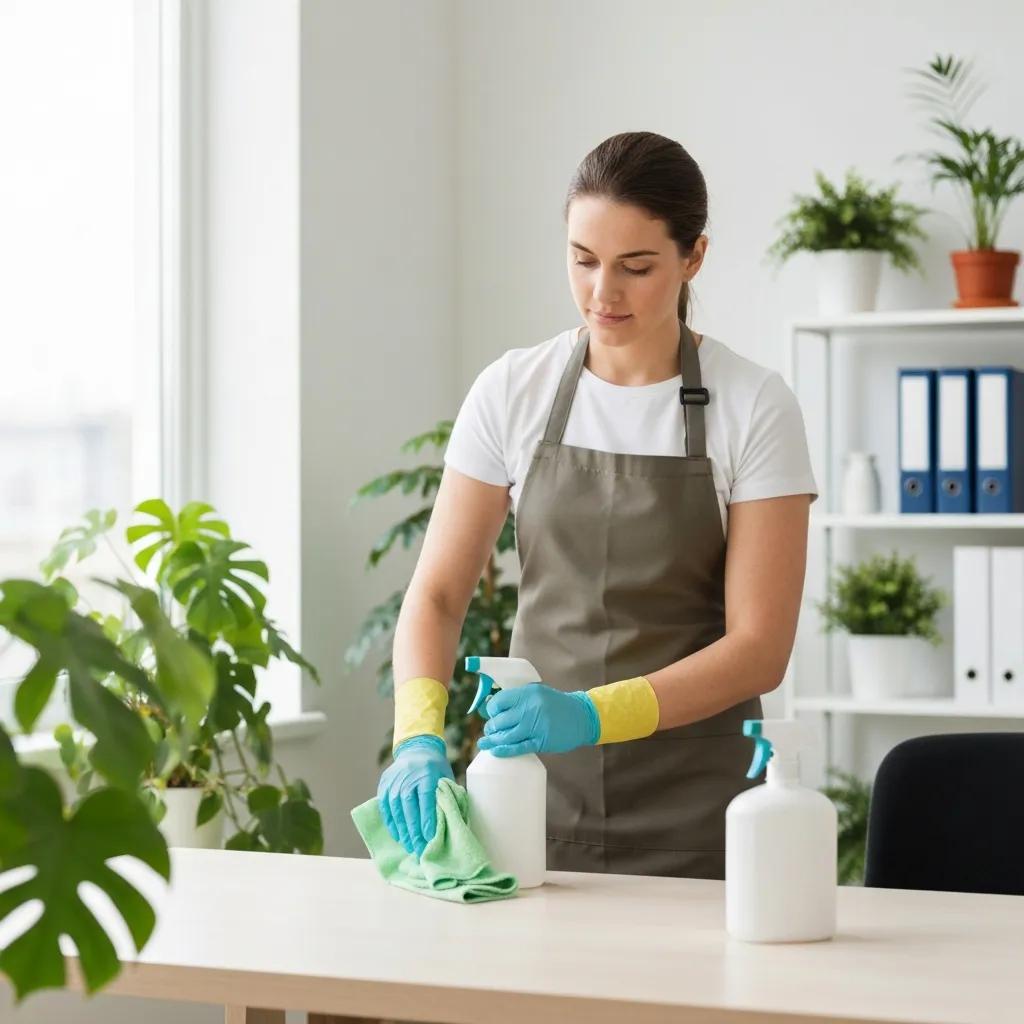
Eco-friendly cleaning reduces environmental impact while improving indoor air quality and occupant comfort. Sustainable practices include low‑VOC or non‑toxic products, microfibre systems that cut chemical use, water‑efficient methods and responsible waste handling or recycling. These approaches lower staff and occupant exposure to harsh chemicals, reduce odour complaints and can support your sustainability credentials. Note: tasks that require clinical disinfection should always use validated products with proven efficacy.
We use environmentally conscious products where suitable, apply microfibre systems to limit the need for harsh chemicals, and optimise water use for exterior tasks. Staff training focuses on correct dilution and application so products work effectively without waste. When you request a quote, tell us your eco‑preferences and we’ll include compatible products and methods in the plan while keeping performance front of mind.
These practices contribute to healthier indoor environments and support workplace sustainability goals without compromising cleanliness.
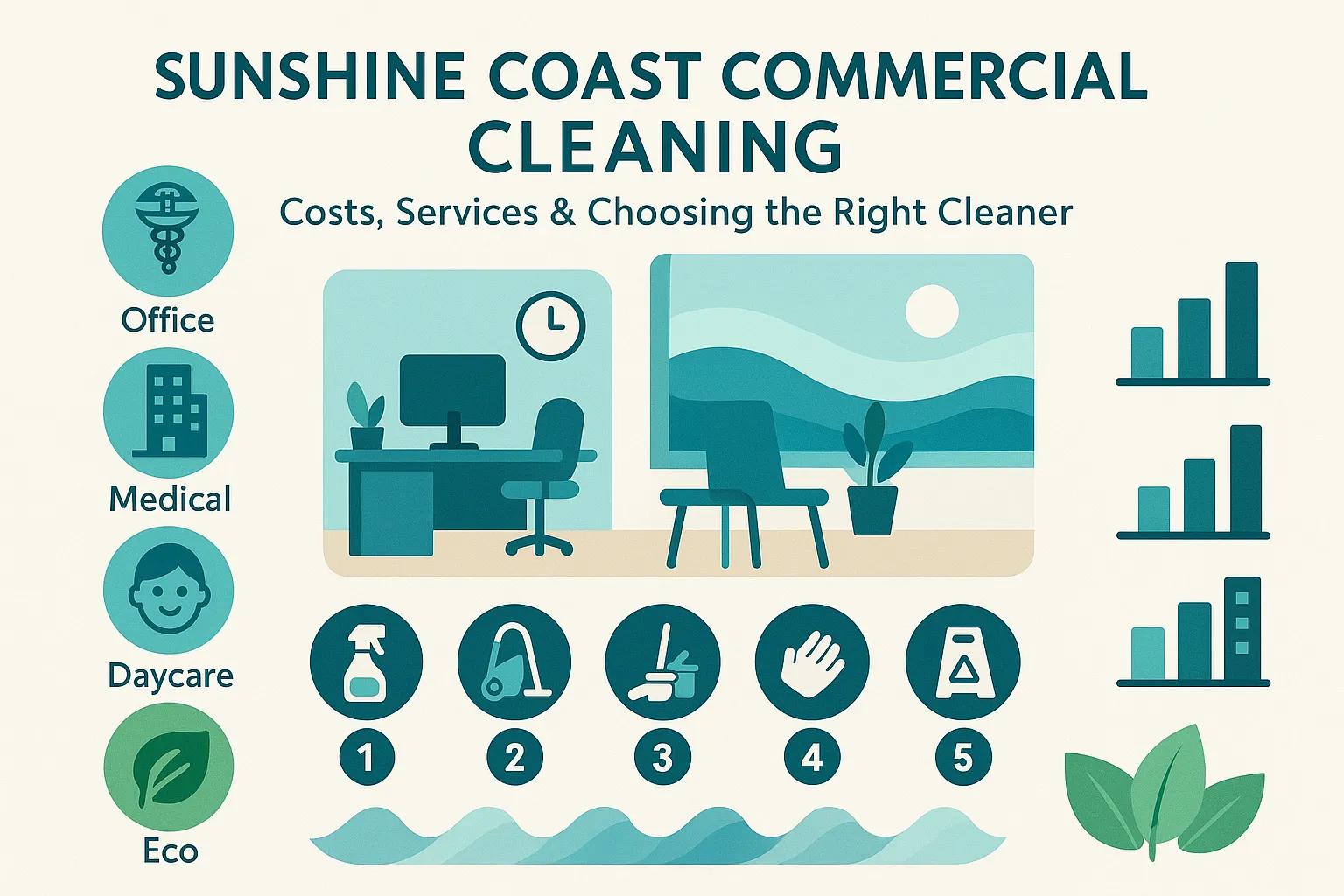
Eco-friendly cleaning brings practical benefits beyond environmental impact. Lower VOC products and reduced chemical use improve indoor air quality, which can reduce sick days and support staff wellbeing. Visible sustainability practices strengthen your brand and appeal to clients seeking greener partners. They can also reduce long-term costs through concentrated dosing, lower water use and longer asset life. To measure impact, compare consumable spend and staff comfort before and after a switch to greener methods.
Choosing greener cleaning methods can be both responsible and practical for your business.
Different businesses have different cleaning priorities driven by usage, regulations and client expectations. Medical centres prioritise infection control and clinical-waste handling, offices focus on clutter control and high‑touch sanitisation, strata cleaning targets common‑area durability and tenant safety, and daycares need strict schedules for play areas and toys. Understanding these differences helps you specify the right service mix, frequency and any required certifications or add‑ons.
Medical centres need clinical‑grade cleaning to reduce infection risk and protect vulnerable patients. That means surface disinfection, frequent cleaning of waiting areas and clear protocols for cleaning between appointments. Key elements include validated disinfectants, a focus on high‑touch surfaces and strict waste handling for clinical or biohazard materials—tasks usually performed by trained staff with documented procedures. When hiring a cleaner for a health facility, confirm the disinfectants, staff competencies and waste‑handling steps in the written scope to meet facility policies.
Include these items in a written scope to ensure patient safety and regulatory compliance.
Office, strata and daycare cleaning differ in timing, access and scope because each environment has unique use patterns and stakeholder needs. Offices usually benefit from daily workstation cleaning and weekly deep cleans to support productivity. Strata cleaning focuses on shared corridors, lifts and lobbies where durability and appearance matter. Daycares require more frequent sanitisation of play surfaces, toys and nappy areas using child‑safe products and strict schedules. Security and access also vary: strata and office cleans may happen after hours with key management, while daycares often need supervised daytime handovers.
Mapping these priorities to frequency and product choices ensures your cleaning plan matches operational requirements and stakeholder expectations.
If you’d like a tailored quote or to discuss the services that best suit your site, Divine Cleaning Services can provide a free site assessment and written proposal. Contact our Sunshine Coast office by phone at 0459 949 969 or by email at info@divinecleaning.com.au to request a quote, book a site visit or discuss customised cleaning plans. Ask about insurance, police checks, same‑cleaner options and our money‑back guarantee so you can assess risk and consistency before you commit. If you’re ready to proceed, request a proposed schedule and an itemised quote to compare providers on tasks and frequency.
These steps ensure you receive a transparent proposal tailored to your facility so you can compare options with confidence.
Look for clarity and flexibility. A good contract spells out the scope of work, exact tasks and frequencies, notice and cancellation terms, and performance metrics for quality. Also check for price adjustment clauses if the scope changes. A well‑written contract protects your interests while ensuring the cleaner meets your operational needs.
Ask what products and methods the company uses. Look for low‑VOC or non‑toxic cleaning agents, microfibre systems and water‑efficient techniques. Check their waste-disposal and recycling practices. A reputable provider will be transparent about sustainability and able to adapt their approach to your environmental goals.
Regular cleaning improves employee health and productivity, enhances the workplace appearance and extends the life of assets. Consistent cleaning reduces germs and allergens, which can lower absenteeism. A well‑maintained space also leaves a positive impression on clients and helps meet health and safety obligations, reducing potential liability.
Frequency depends on business type, foot traffic and specific needs. High‑traffic offices and retail spaces often need daily cleaning, while quieter areas might be fine with weekly or fortnightly visits. Consider operating hours, how the space is used and any regulatory requirements when setting the schedule.
A site assessment is a walkthrough where a cleaning professional evaluates your layout, size and specific needs, including high‑touch areas and any specialised requirements. They’ll ask about your preferences, frequency and concerns so they can provide an accurate, tailored quote that aligns with your expectations.
Hidden costs arise when quotes aren’t transparent. Avoid surprises by requesting an itemised quote that lists tasks, frequencies and extra charges for specialised services or materials. Ask about potential fees for after‑hours work, equipment hire or specific products. Reputable companies will disclose all likely costs up front.
Measure quality through regular inspections, client feedback and agreed performance metrics. Set clear cleanliness standards and carry out routine checks. Keep open communication with your provider and consider a feedback system for staff to report cleanliness issues—this helps maintain standards and accountability.
Understanding commercial cleaning on the Sunshine Coast helps you make informed choices that improve hygiene and operational efficiency. Pick services and providers that match your needs and you’ll keep staff, clients and assets safer and more presentable. Take the next step—request a tailored quote from Divine Cleaning Services today and see how professional, eco‑minded cleaning can benefit your business.