Commercial Cleaning in Noosa Heads — What Sustainable Cleaning Means for Your Business
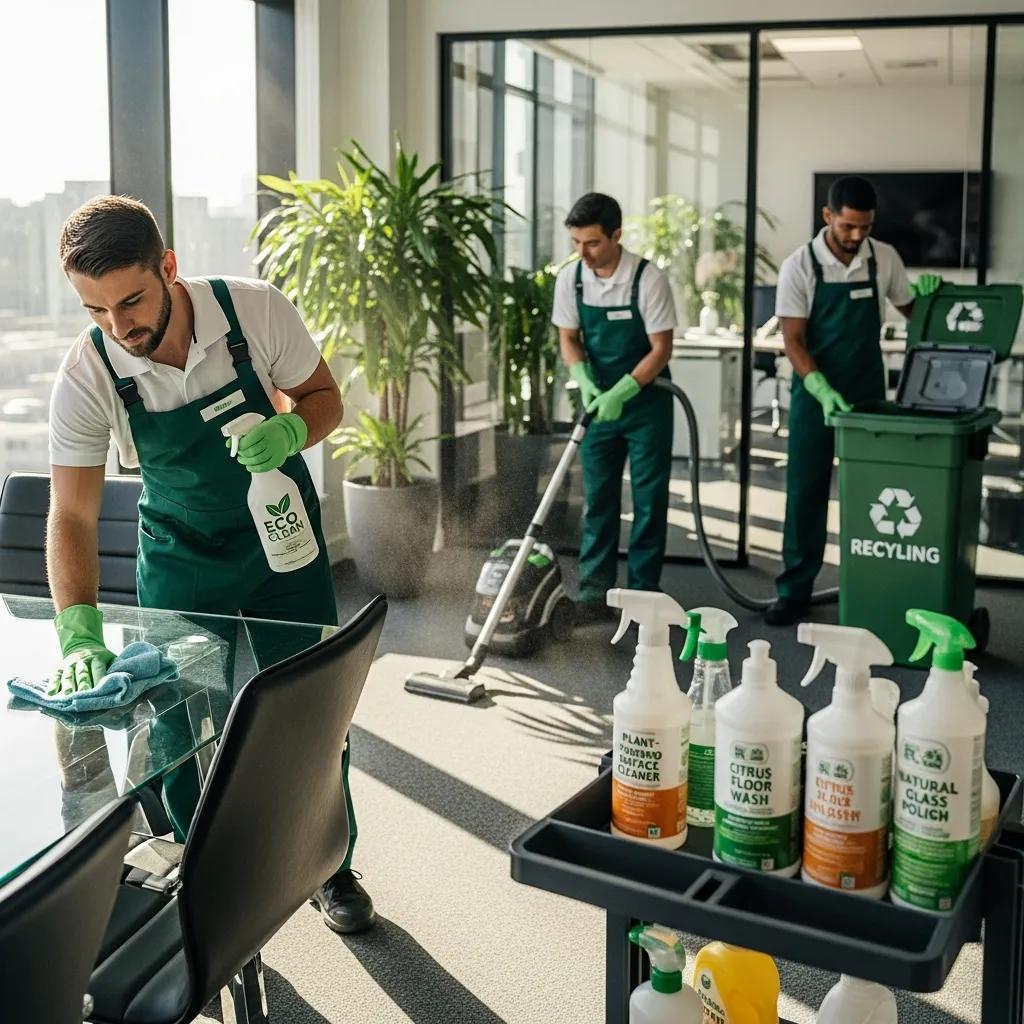
Commercial cleaning in Noosa Heads means professional facility cleaning that puts people and the environment first. That looks like biodegradable, low‑VOC and non‑toxic products, plus practices that reduce waste and chemical residues. This page explains what green commercial cleaning delivers for Sunshine Coast businesses, how it helps indoor air quality and staff wellbeing, which product categories are commonly used, and how local providers design schedules to suit different sites.
Many businesses now juggle customer expectations for sustainability, regulatory requirements, budgets and staff health — sustainable cleaning offers practical wins by cutting toxic residues, reducing VOC exposure and trimming waste while keeping you compliant and protecting your brand.
Below we outline the main benefits, common product types, how a local provider creates tailored schedules, the Australian standards to consider, and where to find measurable results and request quotes. The focus is clear, practical information for facility managers and decision‑makers looking for green cleaning solutions across Noosa Heads and the Sunshine Coast.
What Are the Key Benefits of Eco‑Friendly Commercial Cleaning in Noosa Heads?
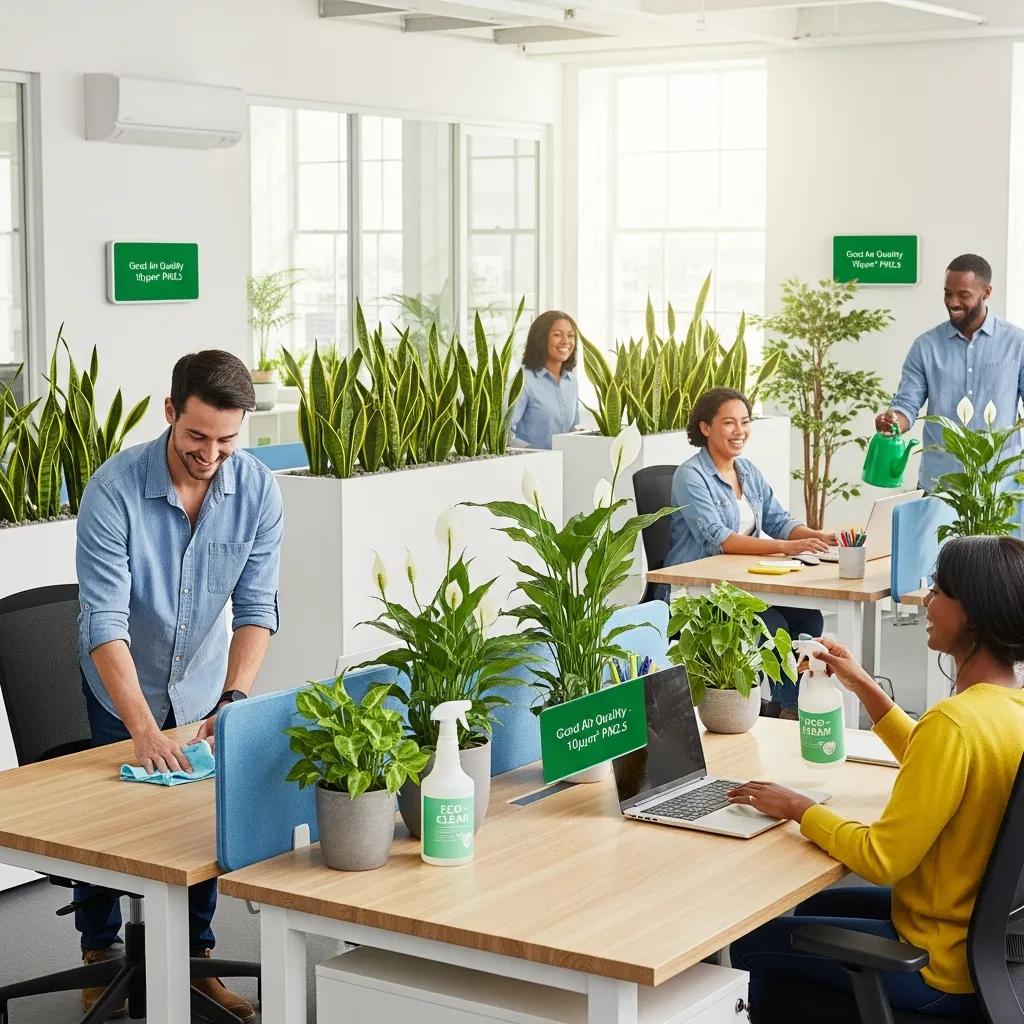
Switching to eco‑friendly commercial cleaning delivers measurable benefits: less harmful chemical exposure, better indoor air quality and a lower environmental footprint — all of which support a healthier workplace. The idea is simple: using biodegradable, low‑VOC products reduces off‑gassing and residues, which leads to fewer irritations for occupants and cleaner indoor air.
Businesses can see outcomes such as reduced sick leave, stronger customer perceptions and smaller hazardous‑waste streams. Below is a short summary of the main advantages to help facility managers prioritise what to measure.
Primary advantages of eco‑friendly commercial cleaning:
- Cleaner indoor air and lower VOC exposure, easing respiratory irritation and allergy triggers.
- Healthier, more productive staff through fewer chemical‑related sick days and increased comfort.
- Smaller environmental footprint thanks to biodegradable products and waste‑reducing practices.
- Improved reputation and customer trust when sustainability is visible in customer spaces.
These benefits map to operational metrics procurement and facilities teams can track. With those priorities clear, the next section explains how green cleaning improves air quality and health.
This table summarises common benefits, the mechanism behind them and typical measurable outcomes.
| Benefit Area | Mechanism | Typical Outcome |
|---|---|---|
| Indoor air quality | Replacement with low‑VOC cleaners reduces off‑gassing | Lower measured VOC levels; fewer irritation reports |
| Employee health | Less chemical residue and fewer allergens | Reduced short‑term sick leave and fewer complaints |
| Environmental impact | Biodegradable formulations and waste minimisation | Less hazardous waste and lower disposal costs |
| Reputation | Visible, consistent sustainability practices | Better customer feedback and CSR alignment |
Use these comparisons to decide which benefits to target first and which metrics to monitor during follow‑ups. Next we look at how green cleaning specifically improves air quality and staff wellbeing.
How Does Green Cleaning Improve Indoor Air Quality and Employee Health?
Green cleaning improves indoor air quality by swapping out volatile, solvent‑based cleaners for low‑VOC, biodegradable formulations that release fewer hazardous compounds. Fewer airborne irritants mean lower inhalation exposure for staff and visitors, reducing acute symptoms such as headaches, sore throats and asthma flare‑ups. Studies show lowering VOCs and residues often correlates with drops in short‑term sick leave and fewer comfort complaints. Practical steps include upgrading to HEPA‑filtered vacuums, increasing ventilation during cleaning and scheduling deep cleans outside busy hours to minimise occupant exposure.
Those measures improve daily comfort and support productivity over time by reducing absenteeism and easing cognitive load through better air quality. Product choice and equipment matter — we cover product categories next.
Why Choose Sustainable Office Cleaning for Your Sunshine Coast Business?
Sustainable office cleaning fits local priorities on the Sunshine Coast, where customer perception and environmental stewardship shape many brands. Tourism and customer‑facing businesses particularly benefit from visible sustainability credentials that can influence repeat visits and trust. Eco cleaning works across retail, medical centres, offices and shopping centres by adjusting scope and frequency for foot traffic and compliance needs. Decision‑makers should weigh reputational gains alongside operational wins like reduced hazardous waste and long‑term savings from more efficient product use.
Positioning cleaning as part of your broader CSR program helps meet tender requirements and community expectations. With that regional context, let’s review the product types that deliver these outcomes.
Which Biodegradable and Low VOC Cleaning Products Are Used in Noosa Heads Commercial Services?
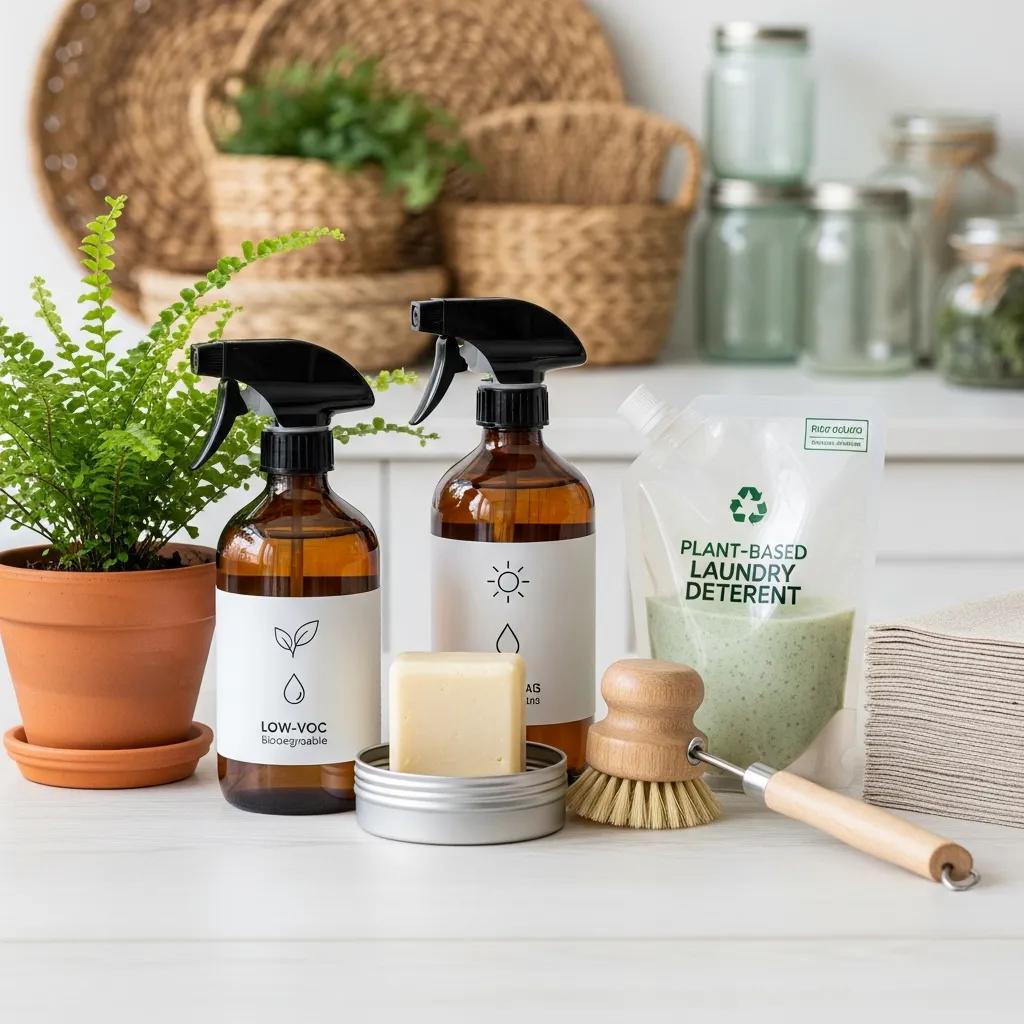
Biodegradable and low‑VOC products fall into clear categories that cover common commercial tasks while reducing health and environmental impacts. Typical categories include biodegradable all‑purpose cleaners, enzyme‑based degreasers, low‑VOC disinfectants and eco floor‑care solutions — each chosen for the site’s needs. The basic rule is substitution: use the least hazardous product that still meets hygiene standards, and apply it correctly. The short table below helps procurement teams specify the right products.
Common product categories used in green commercial cleaning:
- Biodegradable all‑purpose cleaners for daily surface maintenance that break down safely in wastewater systems.
- Low‑VOC disinfectants for medical areas and high‑touch zones to control pathogens with minimal off‑gassing.
- Eco floor care products that protect finishes while leaving low residue and reducing slip risks.
The table below compares product categories, key eco properties and practical uses.
| Product Type | Eco Property | Benefit / Example Use |
|---|---|---|
| Biodegradable all‑purpose | Breaks down readily in wastewater | Daily surface cleaning in offices and retail |
| Low‑VOC disinfectant | Minimal volatile organic compounds | High‑touch areas in medical centres and receptions |
| Enzyme‑based degreaser | Biologically active, non‑caustic | Kitchens and food‑prep adjacent spaces |
| Eco floor care | Low‑residue formulations | Large floor areas and shopping centres |
Matching products to use‑cases helps procurement balance hygiene, safety and sustainability. The next section explains how to assess biodegradability claims.
What Makes Biodegradable Commercial Cleaning Products Environmentally Safe?
Biodegradability means a product’s active ingredients break down into simpler, non‑toxic substances under natural conditions, reducing persistence in waterways and soils. Microbes and chemical processes convert residues into benign compounds, lowering long‑term ecological load. When assessing products, look for independent biodegradability verification, consider packaging impacts and favour concentrated formulas to reduce transport and packaging waste. A simple checklist: clear biodegradability claims, minimal hazardous ingredients and concentrated packaging to cut lifecycle impacts.
That lifecycle view helps avoid shifting environmental burdens and guides choices on dilution control and waste handling for cleaning teams.
How Do Low VOC Cleaning Services Reduce Environmental Impact in Brisbane and Surrounding Areas?
Low‑VOC services cut environmental and health impacts by limiting emissions that contribute to urban smog and poor indoor air. VOCs from common cleaners can react outdoors to form secondary pollutants and, inside, lower air quality and cause discomfort. Choosing low‑VOC alternatives and optimising application methods reduces both indoor exposure and community emissions — important in corridors between Noosa Heads and Brisbane. Simple swaps, like water‑based disinfectants and solvent‑free floor strippers, can noticeably lower VOC loads and help meet local environmental guidelines.
Reducing VOCs relies on the right product choices and staff training to ensure consistent application and measurable improvements over baseline air readings.
How Does Divine Commercial Cleaning Customize Eco‑Friendly Cleaning Schedules for Noosa Heads Businesses?
Divine Commercial Cleaning builds customised eco‑friendly schedules through a clear assessment and review process that matches frequency, scope and product choice to each client’s operating rhythms. Step one is an on‑site needs analysis to map high‑traffic zones, sensitive areas (for example medical suites) and client sustainability priorities. From there we propose a tailored schedule that balances after‑hours deep cleans with daytime touch‑ups, specifies biodegradable and low‑VOC products, and recommends equipment like microfibre cloths and HEPA‑filter vacuums. Ongoing performance reviews against agreed KPIs allow scope adjustments to optimise results and cost.
- Conduct a site assessment to identify traffic patterns, sensitive zones and client priorities.
- Propose a tailored schedule that sets frequencies, zones and eco‑product selections.
- Implement with trained staff using specified equipment and follow up with periodic performance reviews.
These steps reduce scope uncertainty and support measurable improvements in air quality and waste reduction. For facilities after an efficient path to green cleaning, assessment plus tailored scheduling and reviews form the engagement model.
What Training and Experience Do Cleaning Staff Have in Sustainable Practices?
Sustainable cleaning depends on trained staff who understand safe product use, accurate dilution, correct application techniques and waste segregation. Training typically covers safety data interpretation, dilution control to avoid overuse, microfibre techniques for effective surface cleaning and the operation of low‑emission equipment like HEPA vacuums. Experience in specific sectors — for example medical centres or retail — shows teams can follow the right protocols. Consistent training reduces misuse, limits chemical exposure and ensures cleaning remains effective while meeting sustainability goals.
This training focus underpins reliable delivery and supports transparent pricing and reporting valued by procurement teams.
How Does Transparent Pricing Enhance Customer Trust in Eco‑Friendly Services?
Transparent pricing builds trust by showing itemised services, clear frequency options and a defined scope so clients can compare costs and value without surprises. Important transparency elements include line‑item quotes, stated cleaning frequencies, named product types (biodegradable, low‑VOC) and clear terms for contract changes. That clarity helps with budgeting, tender reviews and long‑term planning for sustainability investments.
Clear pricing pairs with customised schedules and measurable KPIs to create a predictable service relationship that balances sustainability and cost control.
What Certifications and Compliance Standards Ensure Quality in Green Commercial Cleaning in Australia?
Quality assurance for green commercial cleaning rests on recognised environmental and industry standards that validate product claims and process controls. Relevant standards often cover product biodegradability, low‑VOC labelling and industry best‑practice cleaning processes. These frameworks help buyers assess suppliers, manage procurement risk and document compliance for tenders or audits. The table below links common certification types to their business relevance.
| Certification / Standard | Scope | Relevance to Businesses |
|---|---|---|
| Product biodegradability verification | Chemical lifecycle and breakdown | Shows lower persistence in waterways and reduced ecological risk |
| Low‑VOC labelling standards | Limits on volatile organic compound content | Helps cut indoor emissions and worker exposure |
| Industry cleaning best‑practice guidelines | Procedures and equipment standards | Ensures safe, consistent cleaning across sectors |
Clients should request documentation and third‑party verification where possible. Knowing which standards apply makes it easier to request appropriate proof during procurement.
Which Australian Environmental Standards Apply to Eco‑Friendly Cleaning Services?
Australian standards relevant to green cleaning cover product labelling, waste handling and occupational health practices related to chemical use. These standards guide product safety, correct disposal of residues and safe chemical handling at work. For high‑compliance sites — such as medical facilities — understanding applicable standards is essential for procurement and risk management. Ask providers which standards inform their protocols and request documentation that aligns service delivery with your compliance obligations.
Knowing the standards helps match provider capability to sector‑specific regulatory and procurement expectations.
How Do Sustainability Certifications Benefit Noosa Heads Commercial Clients?
Sustainability certifications reduce procurement risk, support tender requirements and strengthen communications about environmental performance. Third‑party certification validates product and process claims, useful in audits and CSR reporting. For marketing, verified claims can be shared with customers and stakeholders as part of broader environmental initiatives. Requesting certification evidence during supplier selection helps ensure environmental promises translate into operational outcomes.
These procurement and reputational benefits naturally lead businesses to ask for case studies and measurable results.
Where Can Businesses Find Case Studies and Testimonials About Eco‑Friendly Commercial Cleaning in Noosa Heads?
Case studies and testimonials show real‑world results by pairing baseline measurements with the changes made and follow‑up outcomes. Strong case studies include starting metrics, the interventions (products and processes) and follow‑up measurements such as VOC reductions, waste diverted or fewer sick days. Testimonials that add context and numbers increase credibility, especially when tied to documented KPIs. Below are common formats and tips for reading them.
Common case evidence formats include on‑site reports, downloadable PDFs and short videos that highlight measurable improvements. Each should present baseline data, intervention details and follow‑up metrics to be useful for procurement teams. Interpreting these case studies helps select KPIs that match your business priorities.
What Measurable Outcomes Demonstrate the Effectiveness of Sustainable Cleaning?
Useful KPIs include indoor VOC concentrations, particulate counts (PM2.5/PM10), short‑term sick leave counts, percentage of waste diverted from landfill and product use per square metre. Establish a baseline and re‑measure after interventions (typically 30–90 days) to spot trends and validate changes. Including contextual data — like footfall or occupancy — makes results easier to interpret for stakeholders.
Choosing the right KPIs ensures case studies address facility managers’ concerns about health, environment and cost efficiency.
How Do Client Testimonials Reflect Satisfaction with Green Cleaning Services?
Credible testimonials pair a short client quote with context (sector, problem solved) and, where possible, a measurable result such as fewer complaints or waste reductions. Best practice is to place testimonials near calls to action and pair them with brief case summaries to offer both emotional and analytical persuasion. Specifics — what changed and how the service delivered value — convert interest into procurement action more effectively than vague praise.
These testimonial practices strengthen the evidence that helps businesses request quotes and begin engagement.
How Can Businesses Request Quotes and Engage Eco‑Friendly Commercial Cleaning Services in Noosa Heads?
Requesting quotes and onboarding eco‑friendly cleaning follows a simple process that keeps scope clear, pricing transparent and implementation smooth. Typical steps are assessment, scope definition, an itemised quote and scheduling implementation and reviews. Online quote tools that capture square metres, business type and priority zones speed up accurate proposals. Providing the right information up front leads to faster, more accurate quotes and a smoother start.
Follow these steps to request and evaluate quotes:
- Provide facility details: square metres, operating hours, high‑traffic zones and sector type.
- Request an itemised proposal listing service frequencies, product categories (e.g. biodegradable, low‑VOC) and equipment used.
- Ask about site visits, trial periods and the schedule for performance reviews after implementation.
These steps clarify expectations and support transparent pricing and measurable outcomes. Online quote tools and a clear checklist make initial engagement efficient and reduce procurement friction.
What Is the Process for Obtaining Transparent Pricing and Service Details?
To get transparent pricing, give potential providers accurate facility information and ask for itemised quotes that separate labour, product categories and frequencies. A transparency checklist should include defined cleaning frequencies, clearly named product types (biodegradable, low‑VOC), equipment standards and terms for changes or extra services. Typical follow‑ups include a site visit to confirm scope and a written service agreement that references KPIs and review timelines. This process helps ensure budgets align with sustainability goals and lowers the risk of hidden costs.
Transparent pricing supports long‑term supplier relationships and makes comparing proposals straightforward.
Which Online Tools Facilitate Easy Quote Requests and Service Scheduling?
Useful online tools include structured quote forms, service tier selectors, file upload for floor plans and calendar‑integrated scheduling portals. Look for fields for square metres, high‑risk zones and preferred frequencies, plus options to specify eco‑product preferences. These tools speed procurement by helping providers prepare accurate, itemised proposals and schedule onboarding. Using them reduces service time and helps facilities track commitments and review dates.
Providing clear online inputs and selecting providers with robust digital tools simplify engagement and support transparent, auditable procurement.
Business note: Divine Commercial Cleaning
Divine Commercial Cleaning services the Sunshine Coast and Brisbane, including Noosa Heads. We offer eco‑friendly commercial cleaning using biodegradable and low‑VOC products, trained staff, customised schedules and itemised, transparent quotes. Prospective clients can request tailored proposals that list product types and service frequencies, so comparisons are easy and expectations clear. As a local provider, we focus on environmental sustainability and health safety while adapting services for offices, retail, medical centres and shopping centres.
Frequently Asked Questions
What types of businesses can benefit from eco‑friendly commercial cleaning services?
Many types of businesses benefit — offices, retail stores, medical centres, schools and more. Any site that values better indoor air quality, reduced chemical exposure and a stronger sustainability message can gain from eco‑friendly cleaning. In tourism areas like Noosa Heads, visible green practices also help with customer perception and repeat business.
How can businesses measure the effectiveness of eco‑friendly cleaning services?
Measure effectiveness with KPIs such as indoor air quality readings, sick leave rates, and waste diversion percentages. Regular assessments show trends over time; client feedback and satisfaction surveys give useful qualitative insight. Combining quantitative and qualitative data provides a clear picture of impact.
Are there specific certifications to look for when choosing eco‑friendly cleaning products?
Yes — seek certifications that back up biodegradability and low‑VOC claims, plus recognised industry standards for safety and performance. Third‑party labels and clear product documentation reduce procurement risk and help ensure compliance with local rules and sustainability targets.
What role does staff training play in the effectiveness of eco‑friendly cleaning services?
Training is essential. Staff must know correct dilution, safe handling, microfibre techniques and how to operate low‑emission equipment. Proper training prevents overuse, protects occupants and maintains cleaning effectiveness while meeting sustainability goals.
How can businesses ensure compliance with Australian environmental standards in cleaning?
Familiarise yourself with relevant standards on product labelling, waste disposal and workplace health and safety. Work with providers who can show documentation and explain how their practices meet those standards. Regular audits and reviews also help keep practices aligned with changing regulations.
What are the long‑term cost benefits of switching to eco‑friendly cleaning services?
Long‑term benefits can include lower health‑related absenteeism, reduced waste disposal costs and savings from concentrated products that use less per application. Over time these savings, plus reputation gains, often offset any small upfront cost differences.
How can businesses effectively communicate their commitment to sustainability through cleaning practices?
Share measurable outcomes — like reduced waste or improved air quality — in marketing materials, on your website and in social posts. Displaying certifications, publishing short case studies and involving staff in sustainability initiatives also strengthens credibility with customers and stakeholders.
Adopting eco‑friendly commercial cleaning in Noosa Heads improves indoor air quality, supports employee health and reduces environmental impact. By choosing biodegradable and low‑VOC products and working with a local provider, businesses get tailored solutions that meet operational needs and compliance requirements. Ready to move to a healthier, greener workplace? Contact us to explore eco‑friendly cleaning options and request a tailored quote.

Dianne, originally from Rockhampton, hails from a business-oriented family, with her father owning electrical stores and her uncle serving as Mayor. Moving to the Sunshine Coast at 13, she later pursued a rewarding real estate career and raised three children. As a single mom, she balanced university studies with domestic cleaning work. Armed with a Bachelor’s Degree in Business, majoring in Supply Chain Management, Dianne founded and grew Divine Commercial Cleaning into a thriving company. Her success is rooted in strong family mentorship, a positive attitude, and a solution-oriented approach, offering tailored cleaning services with integrity and strategic insight.