Decoding Noosaville Commercial Cleaning Costs
Commercial cleaning costs come down to a few practical variables — and knowing them helps organisations budget with confidence and get clearer quotes. This guide walks you through the main pricing drivers on the Sunshine Coast and in Noosaville, shows how they translate into real quotes, and explains what to expect from different pricing approaches and service types. Many facility managers and business owners see bills fluctuate because scope, frequency and inclusions aren’t clear; a straightforward breakdown of price elements cuts surprises and makes procurement simpler.
Below we map the primary factors — property size, cleaning frequency, task complexity, access and logistics, and consumables — then explain how those factors mesh with fixed, hourly and contract pricing. You’ll also find local insights for Noosaville, comparisons across office, retail, medical and shopping-centre work, and a clear checklist of what a reliable commercial cleaning quote should include. Throughout, we use practical examples and explain how to request a customised quote so you get an accurate price for your site.
What are the key factors influencing commercial cleaning prices in Noosaville?
Prices for commercial cleaning in Noosaville are shaped by a handful of straightforward factors that define scope, effort and delivery cost. The main drivers are property size, cleaning frequency, service complexity, site access and logistics, and the choice of supplies and equipment. Each factor affects labour hours, consumable use and equipment needs — the building blocks of any quote: labour, cleaning products, specialist gear and travel/time on site. Simply put: bigger or more complex sites need more time and specialist equipment, while frequent visits change the per-visit maths through repeatability and efficiency. Below are the top five factors that typically have the greatest impact, with a brief note on each.
The five most common pricing drivers are:
- Property size and usable floor area: Larger square-metre areas scale labour and time requirements directly.
- Cleaning frequency and scheduling: Regular contracts typically lower the per-visit rate but increase annual spend.
- Service complexity and specialised tasks: Medical-grade sanitisation, floor care and high-level cleaning add specialist costs.
- Access, logistics and security: Restricted hours, after‑hours work or security clearances increase operational overheads.
- Supplies, equipment and sustainability choices: Eco-friendly products or single‑use disposables can raise material costs.
These factors interact — for example, a large retail space with heavy footfall and restricted evening access will have different cost drivers than a small daytime office. Understanding how each piece contributes helps you choose the right pricing model and set clear expectations in your quote.
How does property size affect commercial cleaning costs?
Property size sets the baseline for cleaning because labour hours and equipment needs scale with square metres. Many providers use time‑per‑m² assumptions to create initial estimates — an open‑plan office usually needs less time per m² than a retail fit‑out with fixtures and display areas. Complex layouts, multiple levels and specialised zones (kitchens, medical rooms) add setup and movement time and often require different equipment, which increases cost. As sites grow, pricing often moves from per‑visit rates to bracketed or tiered pricing to keep billing predictable for both client and supplier. When a site reaches a new bracket you may see step changes in daily labour or the allocation of a dedicated cleaning team rather than ad‑hoc visits.
Knowing these scaling effects helps you pick site‑specific frequencies or zone‑based contracts that balance cost and cleanliness. Next we look at how frequency and task complexity further influence pricing and where regular contracts can save money.
In what ways do cleaning frequency and service complexity impact pricing?

Frequency and task complexity change pricing by affecting labour productivity, consumable use and the need for specialist services. Regularly scheduled visits generally lower the per‑visit cost because repeatability cuts deep‑clean time and improves route efficiency; however, overall annual spend will be higher with more visits. One‑off or deep cleans carry premiums to cover set‑up and extra labour. Complex tasks — medical sanitisation, HACCP cleaning, carpet extraction, or specialist floor care — are commonly itemised as add‑ons due to additional equipment, consumables, and training. Bundling routine cleaning with occasional deep services can reduce unit costs when deep work is scheduled strategically across the contract.
For budgeting: a weekly office clean gives predictable costs and lower per‑visit rates, while ad‑hoc event or end‑of‑lease cleans look pricier per visit. That trade‑off helps decide between fixed or flexible pricing models, which we cover next.
Which pricing models and contract types does Divine Commercial Cleaning offer?
Commercial cleaning pricing usually falls into three practical categories — fixed, hourly and contract‑based — each balancing predictability and flexibility differently. Fixed pricing gives a scoped monthly fee for sites that value budgeting and consistency. Hourly pricing suits irregular or one‑off needs where tasks vary. Contract‑based pricing combines negotiated rates with service‑level agreements and can deliver lower unit costs for longer terms. Providers pick models based on client needs, site features and local conditions; the main cost drivers inside each model are labour hours, consumables, equipment wear and travel. Below is a short comparison to help match your priorities to the right approach.
- Fixed pricing: Best for steady, predictable sites with a clearly defined scope and regular monthly budgets.
- Hourly pricing: Suited to ad‑hoc work, irregular schedules or trial engagements where scope is uncertain.
- Contract‑based pricing: Ideal for multi‑site clients or long‑term arrangements that can secure negotiated discounts and SLAs.
To make choices easier, the table below compares attributes of each model so facility managers can match requirements to the right option. After the table we summarise negotiation levers — term length, scope and flexibility — that affect final rates.
| Pricing Model | Characteristic | Typical Cost Drivers |
|---|---|---|
| Fixed pricing | Scoped, predictable monthly fee | Defined labour hours, consumables, scheduled equipment use |
| Hourly pricing | Flexible, charged by time worked | On‑site hours, variability in tasks, travel time |
| Contract-based pricing | Negotiated rate with SLA | Term length, service frequency, performance clauses |
This comparison shows predictability rises with fixed pricing while flexibility rises with hourly billing; contract pricing blends both depending on terms. Next we break down those differences further to help procurement teams decide.
What are the differences between fixed, hourly, and contract‑based pricing?
Fixed, hourly and contract pricing each suit different needs. Fixed pricing is strong on budgeting and predictability but less flexible. Hourly pricing gives maximum flexibility but requires active monitoring of hours and outcomes. Contract pricing often delivers the lowest unit costs in return for longer commitments and clear SLAs. In practice, fixed pricing can carry a slightly higher per‑visit rate but lower administrative overhead and billing surprises, while hourly billing can spike during busy periods or transitions. Choosing between them is about balancing financial predictability, scope control and your willingness to commit to a supplier relationship.
This groundwork prepares you to consider contract flexibility and the negotiation levers that influence rates, which we explore next.
How does contract flexibility influence commercial cleaning service rates?
Contract flexibility affects rates through term length, notice periods, scope‑change procedures and any performance incentives or penalties. Longer terms typically secure lower unit rates; short terms or high flexibility usually carry a premium. Common clauses include change‑of‑scope processes that specify how additional tasks are priced, notice periods to protect providers from short‑notice cancellations, and SLA metrics tied to performance‑based adjustments. You can negotiate better rates by committing to multi‑year terms, minimum visit frequencies or clustering multiple sites for volume discounts. Conversely, frequent scope changes or highly flexible terms often increase the base rate. Specific service expectations — for example, guaranteed on‑site staff or rapid spill response — can also add cost and should be documented in the contract.
How do different commercial cleaning service types affect pricing in Noosaville?
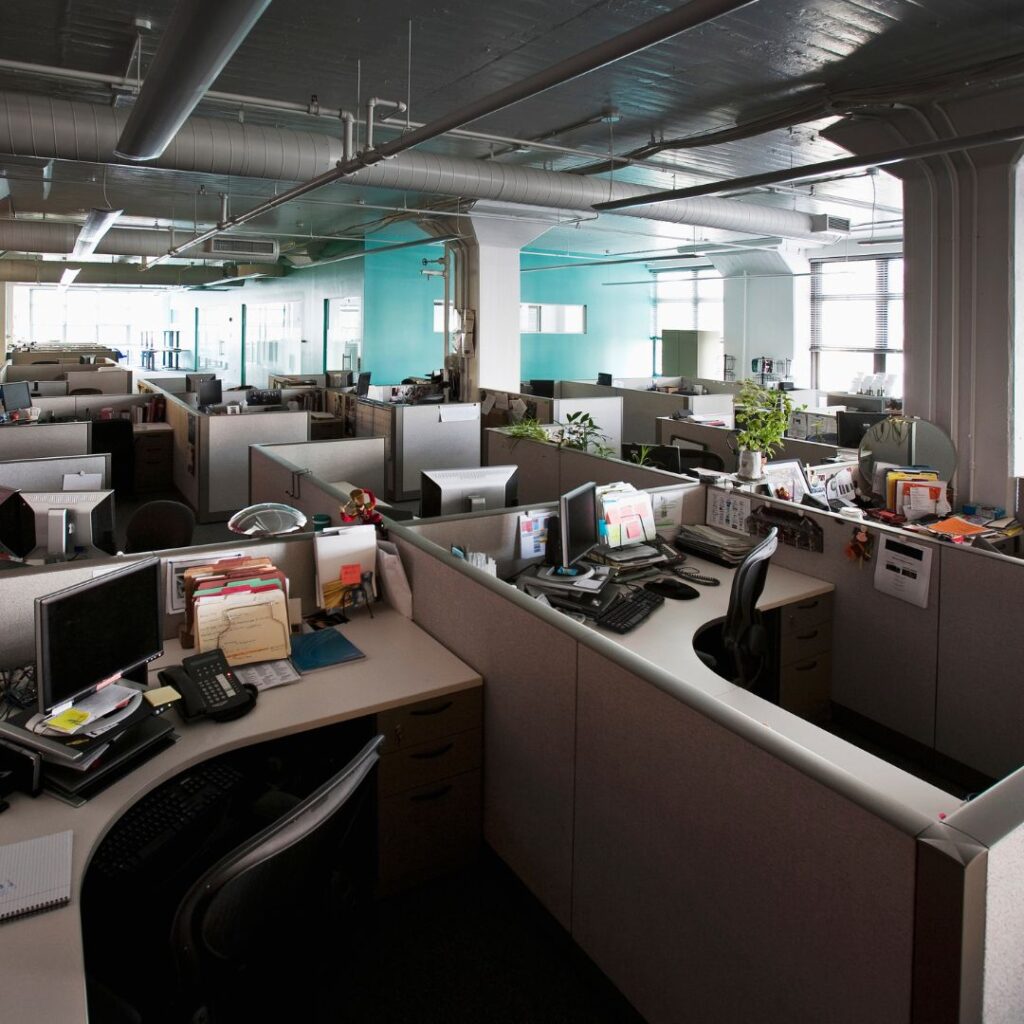
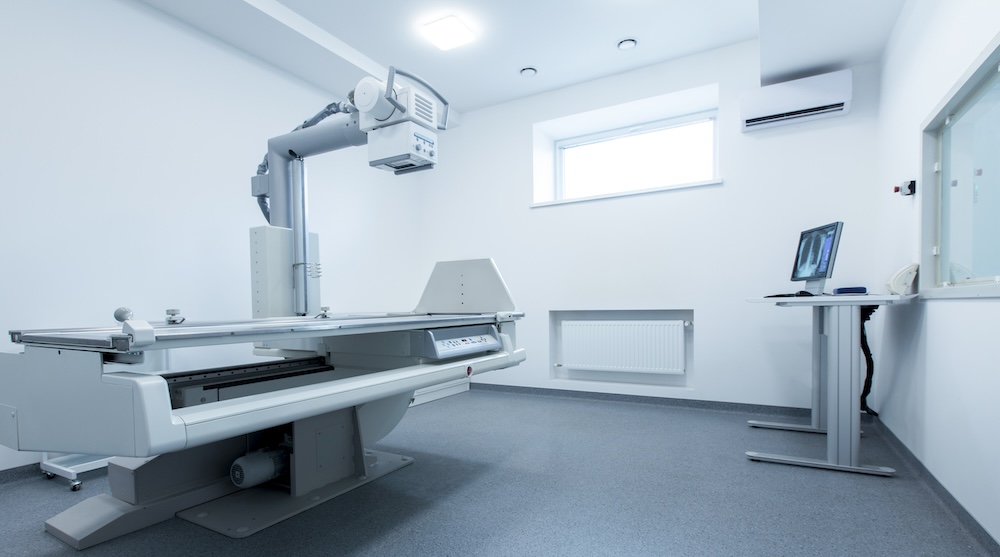
Property types — offices, retail, medical centres and shopping centres — bring different pricing patterns because of regulation, footfall, hours and task scope. Medical cleaning requires higher standards, specialist consumables and documented processes, so it’s more expensive than standard office cleaning. Retail and shopping centres face variable access windows, heavy footfall and after‑hours work that push up labour and logistics costs. Office cleaning is often easier to scope and benefits from steady schedules and bundling, but layout and tenancy still influence pricing.
The table below outlines typical price drivers for each property type to help you identify where costs originate.
| Property Type | Key Attribute | Typical Price Drivers |
|---|---|---|
| Office | Predictable schedule and layout | Square metres, desk density, carpet care needs |
| Retail | Variable footfall and access | Night‑time access, display cleaning, waste removal |
| Medical centre | High infection‑control requirements | Disinfectant consumables, training, certification processes |
| Shopping centre | Large areas and peak periods | Transit time, crowd cleaning, specialised equipment |
Because of these differences, a quote for a Noosaville medical suite will look quite different from one for an office block or retail tenancy. Site inspections and tailored proposals are essential to get accurate pricing.
What are the pricing variations for office, retail, medical, and shopping centre cleaning?
Pricing varies by regulatory needs, operating hours and task scope. Office cleaning is usually predictable and suits fixed monthly pricing based on area and desk count. Retail spaces can add charges for out‑of‑hours cleans, display maintenance and frequent waste collection. Medical centres need documented infection‑control procedures, trained staff and specialist consumables, which shows up as higher unit costs and more detailed line items. Shopping centres combine large areas and peak events with higher transit times between zones, increasing both labour and travel components.
Local examples help: a small Noosaville medical consulting suite will use different consumables than a mid‑sized retail shop on a busy strip, which in turn differs from a standard office. Those distinctions highlight why a site visit and a tailored proposal matter.
How do customised cleaning solutions impact cost determination?

Customised solutions change how costs are calculated by matching frequency, task lists, product choices and equipment to your site’s needs. Niche services can raise per‑visit rates, but well‑bundled, clearly scoped packages often reduce total cost by cutting inefficiencies. When tasks are defined and grouped correctly, providers can plan routes, allocate appropriate equipment and reduce wasted time. Custom add‑ons — specialist carpet care, kitchen degreasing or HACCP support — are listed separately so you see exactly what you’re paying for. A site inspection is critical to create a bespoke package and avoid scope creep; a clear scope minimises disputes and ensures the contract reflects real operational needs.
Good custom solutions balance tailored service with predictable budgeting and set the stage for transparent quoting, which we cover next with a regional focus.
What regional factors influence commercial cleaning costs in Noosaville and the Sunshine Coast?
Regional factors — local wages, travel time, supplier access and seasonal demand — shape pricing across Noosaville and the Sunshine Coast. Local labour conditions set baseline wage costs and influence margins; where labour is tight, rates trend higher. Travel time and the ability to service clustered sites affect per‑visit labour charges, while proximity to specialist suppliers (for example, medical disposables) changes lead times and material prices. Seasonal peaks such as tourism or local events can create short‑term demand that raises rates or limits availability. These local variables influence both the cost and the choice of providers for businesses in Noosaville.
Understanding these dynamics helps buyers plan contracting strategies that reduce travel overhead and leverage local market conditions. The list below summarises the most influential regional factors and practical responses.
- Labour costs and workforce availability influence baseline pricing and access to trained cleaners.
- Travel time and geographic spread affect per‑visit labour charges and the chance for clustering discounts.
- Local supplier availability for specialist consumables changes lead times and material costs.
- Seasonal demand and events can temporarily raise rates or require bespoke scheduling.
Recognising these factors lets organisations cluster sites, schedule daytime work where possible and plan around peak demand to manage costs — next we look at how local market conditions shape pricing strategies.
How do local market conditions affect pricing strategies?
Local market conditions shape pricing through supply and demand, competition and the presence of value‑added services. In areas with many providers and lower demand you’ll generally see more competitive rates and flexible terms. In tight markets with high demand or specialised needs, providers prioritise clients and charge premiums. Events and Sunshine Coast tourism can spike short‑term demand for retail and shopping‑centre cleaning, causing surge pricing or limited availability. Local regulations — for example, waste-disposal rules or health directives — can impose compliance costs that providers pass on to clients.
Adjusting procurement strategies — like negotiating multi‑site deals or longer contract terms — helps businesses stabilise costs and secure reliable service levels.
What role does location play in service availability and cost?
Location affects availability and cost through travel time, access restrictions and the economies of scale from clustered sites. Travel time adds to labour costs, especially for single‑site contracts, though providers often offer travel-pooling discounts for nearby sites to enable route optimisation. Site access limits — after‑hours work, secure areas or loading dock constraints — increase complexity and may need extra staff or equipment, which raises price. The presence (or absence) of local specialist suppliers for items like medical disposables also affects procurement costs and lead times; when local suppliers are scarce, material pass‑throughs can be higher.
Understanding how location changes the cost base encourages businesses to consider site clustering, flexible scheduling and clear inclusion of travel costs in quotes — which brings us to how Divine Commercial Cleaning builds and presents pricing.
How does Divine Commercial Cleaning determine pricing and manage the quote process?
Our quoting process is transparent and starts with a site inspection and needs assessment. We break down the PriceSpecification clearly and offer practical options for customised quotes. The process centres on defining scope precisely — usable floor area, task list, desired frequency, access windows and any specialist requirements — so we can calculate labour hours, consumable use, equipment needs and travel. A clear quote lists inclusions and optional add‑ons to align expectations and reduce billing disputes. Expect a timely proposal that explains assumptions and outlines options for fixed, hourly or contract‑based pricing depending on your priorities.
Below is a checklist‑style table showing typical quote components, whether they’re usually included, and notes or examples to clarify common line items.
| Quote Component | Included? | Notes / Example |
|---|---|---|
| Labour hours | Yes | Basis for most pricing; shown per visit and per frequency |
| Consumables | Often included | Daily consumables usually included; specialist disposables listed as extras |
| Equipment hire | Sometimes | Large equipment (e.g. scrubbers) may be itemised or hired |
| Travel / logistics | Yes | Travel time should be shown or included in the per‑visit rate |
| Optional add‑ons | No (separately priced) | Deep cleans, floor polishing, medical sanitisation appear as extras |
This checklist shows what a transparent quote should include and helps you compare offers fairly. The next section explains typical contents of a clear quote and how to speed up turnaround.
What is included in a transparent commercial cleaning quote?
A transparent quote spells out scope, frequency, line‑item PriceSpecification elements, optional add‑ons and contract terms so both parties share clear expectations and measurable SLAs. Standard inclusions are labour hours, routine consumables, basic equipment usage and scheduled visit frequency; optional add‑ons cover deep cleans, specialist sanitisation, floor care and carpet extraction. Contract terms usually name notice periods, billing frequency and any performance metrics; a sample quote will call out assumptions such as average desk density or hours of access. Clear line items show what’s optional and how scope changes affect pricing, reducing the risk of unexpected charges.
With that in mind, here’s how to request a customised quote and what speeds the process.
How can businesses request customised cleaning service quotes?
To get an accurate customised quote quickly, have these details ready: site size (square metres), property type (office, retail, medical, shopping centre), desired cleaning frequency, operating hours and any special requirements such as medical‑grade sanitisation or after‑hours access. You can choose an on‑site inspection for the most accurate quote or send floor plans and photos for a remote estimate. Either way, clear details speed turnaround. Typical response times vary, but a transparent workflow includes assessment, proposal and clarifying questions with a clear timeline for decision and contract start. If you have multiple sites, include those details to enable clustering discounts and be prepared to discuss whether fixed, hourly or contract pricing best fits your budget.
- Prepare site details: square metres, property type, access hours and special requirements.
- Choose quote method: on‑site inspection for highest accuracy or remote estimate for speed.
- Review proposal: check line items, optional add‑ons and SLA terms before accepting.
This stepwise approach speeds quoting, aligns expectations and helps procurement teams compare offers on an apples‑to‑apples basis.
Divine Commercial Cleaning provides commercial cleaning services across the Sunshine Coast and Brisbane, including Noosaville. We focus on transparent pricing, tailored packages and reliable delivery for offices, retail, medical centres and shopping centres. Our approach emphasises clear scope, documented PriceSpecifications and flexible pricing models to suit your priorities. If you want a quote that lays out labour, consumables, equipment and travel clearly, request a site assessment or tailored proposal for an accurate price for your Noosaville site.
Frequently Asked Questions
What should I consider when choosing a commercial cleaning service in Noosaville?
Look for experience, local reputation and the services a provider actually offers. Check that they understand your sector’s needs — medical, retail or corporate — and ask about pricing models, scheduling flexibility and green cleaning options. Reading customer reviews and asking for references will also give you a sense of reliability and service quality.
How can I ensure the cleaning service meets my specific needs?
Be clear about your requirements during the initial consultation: facility size, type of cleaning, special requests (after‑hours, specific products). Request a site inspection so the provider can tailor the service. Agree on frequency, scope and measurable performance metrics up front to keep expectations aligned.
Are there any hidden costs I should be aware of in commercial cleaning contracts?
Hidden costs can appear if the quote doesn’t list exclusions or optional extras. Ask about charges for deep cleans, specialist sanitisation, equipment hire and travel. Clarify how scope changes are handled and whether material pass‑throughs apply. A transparent quote should outline all expected costs.
What are the benefits of regular cleaning versus one‑off services?
Regular cleaning usually offers lower per‑visit rates and steadier results because the team knows your site and routines are established. It helps maintain a consistently clean environment, improving staff and customer experience, and reduces the need for disruptive deep cleans.
How do I handle performance issues with my cleaning service provider?
Raise concerns directly and promptly, document specific issues and allow the provider a chance to respond. Reputable companies will work to correct problems. If issues continue, review your contract for performance clauses and remedies, including possible penalties or termination terms.
What should I do if I need to change my cleaning schedule?
Contact your provider as soon as possible. Most companies can accommodate schedule changes with notice; check your contract for any specific terms. Clear communication and agreement on the new plan will help avoid misunderstandings.
Can I request eco‑friendly cleaning products for my commercial cleaning service?
Yes — many companies offer green cleaning options. Ask about their sustainability commitments and the specific eco‑friendly products they use. Choosing greener products can reduce environmental impact and often improves workplace air quality.
Knowing the key factors that drive commercial cleaning costs in Noosaville helps you budget smarter and get clearer quotes. By understanding how property size, cleaning frequency and task complexity interact, you can request quotes that match your needs and avoid surprises. Customised cleaning solutions often deliver better outcomes and predictable budgeting. To explore options tailored to your site, request a personalised quote from our team today.

Dianne, originally from Rockhampton, hails from a business-oriented family, with her father owning electrical stores and her uncle serving as Mayor. Moving to the Sunshine Coast at 13, she later pursued a rewarding real estate career and raised three children. As a single mom, she balanced university studies with domestic cleaning work. Armed with a Bachelor’s Degree in Business, majoring in Supply Chain Management, Dianne founded and grew Divine Commercial Cleaning into a thriving company. Her success is rooted in strong family mentorship, a positive attitude, and a solution-oriented approach, offering tailored cleaning services with integrity and strategic insight.