
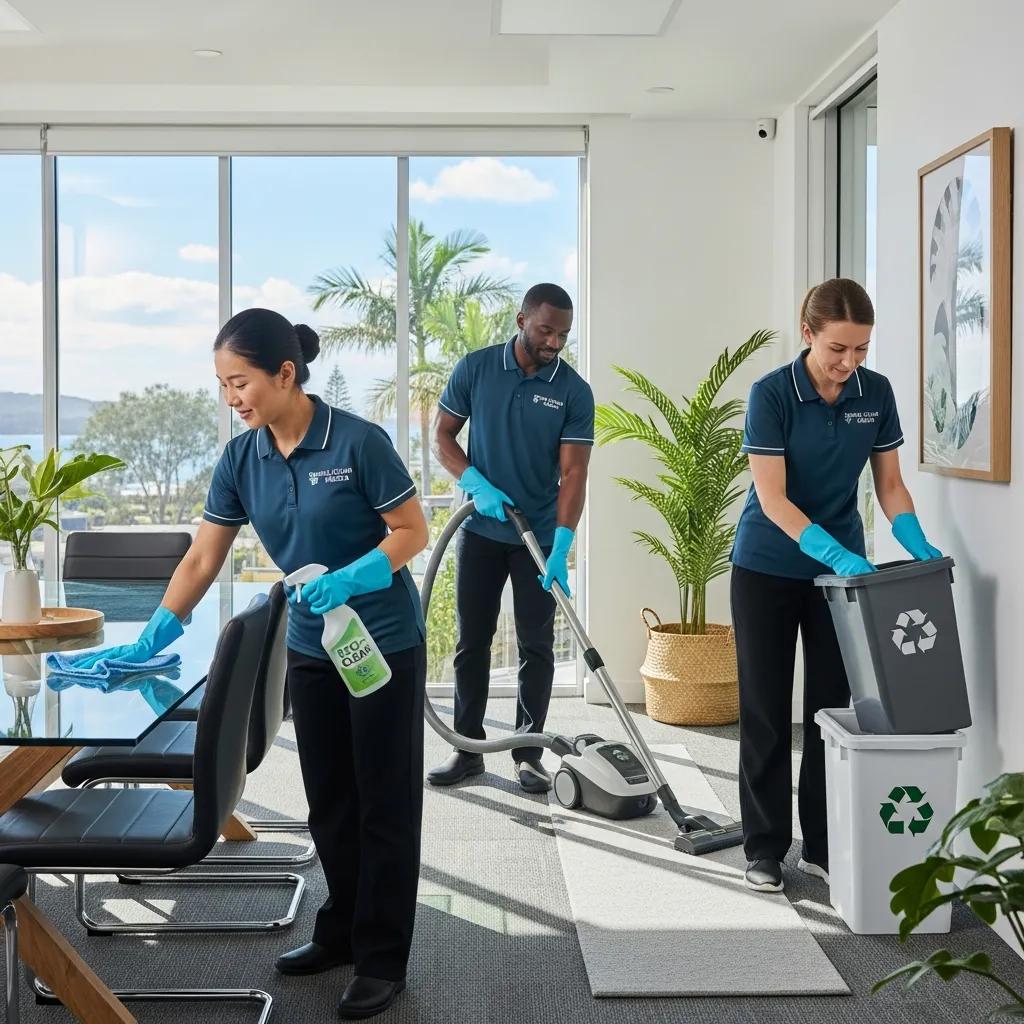
Understanding Commercial Cleaning Pricing in Noosa Heads — What Drives Cost and How to Budget
Commercial cleaning costs in Noosa Heads cover everything a business pays to keep its premises clean and compliant. Prices vary based on local factors such as the size and layout of your site, how often you need cleaning, any regulatory or clinical requirements, and travel or timing constraints. This guide breaks down those cost drivers so facility managers can budget clearly and compare quotes with confidence.
You’ll learn how different service types — offices, retail, medical centres and shopping centres — affect pricing, how frequency and contract choices change monthly spend, and which regional trends (green products, seasonality, tech) push prices up or down. We also include checklists and easy comparison tables to help you request accurate quotes and negotiate terms that suit your business.
What Are the Primary Factors Influencing Commercial Cleaning Costs in Noosa Heads?

Quotes in Noosa Heads are built from a few consistent elements that determine labour, consumables and logistics. Larger or awkward layouts take more time; different floor finishes and many high-touch points need different products and equipment. How often you clean and what you want done each visit influence recurring costs — frequent light cleans mean more visits but shorter tasks, while infrequent deep cleans concentrate hours into bigger jobs. Industry-specific needs (clinical standards, retail merchandising, food-safety) add compliance and supply costs. Finally, access times, security requirements and travel to Noosa Heads add overheads that appear on quotes.
Below are the five local cost drivers to focus on when comparing providers.
- Facility size and layout: Bigger or complex spaces increase time on site and equipment handling.
- Service frequency and scope: Daily upkeep lowers per-visit setup but raises monthly consumables; deep cleans take more time per visit.
- Business type and compliance needs: Medical and lab settings often need higher sanitation standards and record-keeping.
- Labour, equipment and supplies: Trained staff, specialist machines and green products add to direct costs.
- Access, scheduling and travel: After-hours work, security clears and travel to Noosa Heads can attract surcharges.
These are the levers suppliers use when they price a job. Knowing them helps you spot negotiable items and where paying a little more buys better quality or compliance.
How Do Service Frequency and Cleaning Scope Affect Pricing?
Frequency and scope shape your ongoing cost profile. More frequent visits (daily or several times a week) reduce the time needed each visit for routine tasks but increase the monthly total. Less frequent schedules require longer, more intensive sessions and sometimes higher hourly rates. Expanding scope — adding high-touch disinfection, sanitisation or specialist deep-clean work — increases time, different chemicals and equipment, and therefore the price. Many suppliers quote with a base rate plus modular add-ons so you can clearly see what each extra service costs.
For example: a basic maintenance clean covers rubbish removal, surface wipes and toilets; an enhanced plan adds floor care and targeted sanitisation; a deep clean adds carpet shampooing and high-level dusting. Breaking frequency and scope into modules helps balance cleanliness needs with budget.
What Role Do Business Types and Specific Client Needs Play in Cost Determination?
Business type changes the game because it dictates compliance, equipment and staffing levels. Medical centres need strict sanitisation protocols, documented procedures and often single-use consumables — all of which raise costs. Retail needs flexible windows, display care and rapid responses during trading hours, which may attract premiums. Offices tend to be more predictable with routine maintenance and lower specialised equipment needs, making them generally more cost-effective per square metre.
Quotes should reflect these operational realities: higher sanitation standards and specialised supplies justify higher rates, while predictable office patterns allow providers to optimise routes and reduce costs. Choosing a provider experienced in your sector ensures the scope matches your risk and budget expectations.
Which Commercial Cleaning Service Types Are Available in Noosa Heads and How Do They Impact Costs?
In Noosa Heads you can choose from a range of commercial services — office, retail, medical centre and shopping centre cleaning, plus specialist services like carpet and window cleaning. Each service type has different task lists, equipment needs and frequency norms. For instance, shopping centres need waste management and multiple daily passes for common areas; medical centres need validated disinfection regimes. Custom plans let you bundle regular tasks with occasional specialist work, which changes the quote structure. Knowing typical tasks and their cost impact helps you compare offers and avoid hidden exclusions.
| Service Type | Typical Tasks / Frequency | Relative Cost Impact |
|---|---|---|
| Office cleaning | Daily/weekly: desks, kitchens, bathrooms, vacuuming | Medium |
| Retail cleaning | Daily or after-hours: floors, displays, high-traffic touchpoints | Medium–High |
| Medical centre cleaning | Daily with clinical sanitisation, strict protocols | High |
| Shopping centre cleaning | Multiple daily passes, waste removal, common area floor care | High |
| Specialist services | Carpet, windows, deep cleans as scheduled | Variable (add-on) |
This table shows how the service you choose maps to price: compliance-heavy and specialist work raises costs, while standard office cleaning is more stable. When planning procurement, match the service type to the outcome you need, not just the headline price.
Many Sunshine Coast businesses favour customised plans that align frequency and scope with foot traffic to avoid unnecessary spend while keeping standards high. Local providers — including Divine Commercial Cleaning — focus on reliability and documented scopes to match property types and operating windows.
What Are the Pricing Differences Between Office, Retail, and Medical Center Cleaning?
Differences come down to task complexity, compliance and how often cleaning is needed. Offices generally have standard recurring tasks and predictable schedules, which makes pricing modular and steady. Retail often requires flexible windows and display care, which may incur after-hours or peak-period charges. Medical centres require specialist disinfectants, documented procedures and often higher-skilled staff, so rates are typically higher than for a similar-sized office.
Overall, medical settings usually have the highest per-visit cost because of compliance; retail sits between office and medical depending on footfall and display needs. Always check that quotes list tasks, exclusions and any certifications required for regulated cleaning.
How Do Customised Cleaning Plans Influence Service Rates?
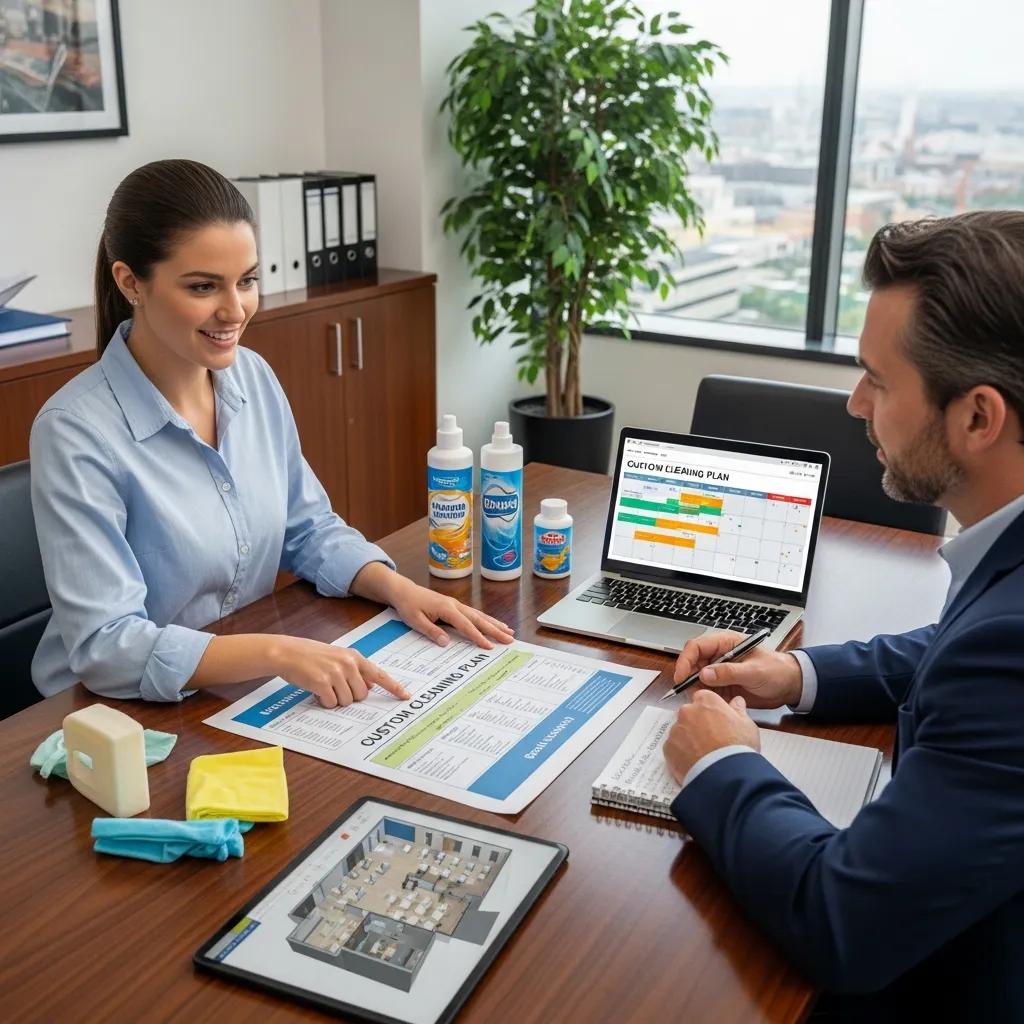
Custom plans let you pay for what you actually need. Providers commonly offer a base plan for routine tasks and let you add services like carpet shampooing, window cleaning or deep disinfection as separate line items. That modular approach provides transparency and control — bundling frequent services can reduce unit costs, while on-demand add-ons keep baseline fees low. Fixed packages can save money for steady scopes but may include services you don’t always use. Clear scopes and regular reviews keep costs aligned with changing needs.
How Does Cleaning Frequency Affect Commercial Cleaning Service Rates in Noosa Heads?
Frequency is one of the biggest price drivers because it spreads labour and consumable use over time. Daily visits mean lower per-visit time but a higher monthly total. Weekly or fortnightly visits can change staffing and route planning, lowering monthly costs but increasing per-visit intensity. Providers often offer discounts for regular, predictable schedules and long-term agreements.
Here’s a quick breakdown of the trade-offs for standard schedules.
- Daily: Short, routine visits — higher monthly cost but consistent presentation for busy sites.
- Weekly: Good balance for many offices — moderate monthly cost and full routine coverage.
- Fortnightly: Lower monthly spend but longer, more intensive visits and possible visible wear between services.
- Monthly: Best for low-use spaces — lowest regular cost but more disruptive, intensive deep cleans.
Use frequency to balance cleanliness with budget, and choose a cadence that fits your foot-traffic and hygiene needs.
| Frequency | Labour/Time per Visit | Relative Cost per Month |
|---|---|---|
| Daily | Short visits focused on maintenance | High |
| Weekly | Moderate-time visits covering full routine | Medium |
| Fortnightly | Longer visits with added tasks | Low–Medium |
| Monthly | Intensive visits and deep-clean tasks | Low (but variable) |
Picking a consistent frequency often unlocks better pricing and makes quality assurance easier to manage.
What Are Typical Cleaning Schedules and Their Cost Implications?
Typical schedules run daily for high-traffic retail and healthcare, weekly or fortnightly for standard offices, and monthly for low-use areas. Daily visits keep standards high but increase monthly spend. Weekly is the most common compromise for offices. Fortnightly or monthly schedules reduce costs but concentrate work into longer sessions that may require specialist equipment. After-hours vs in-hours work also affects price — after-hours often carries a premium to cover rostered shifts and security access.
Are There Cost Benefits to Contract Options and Long-Term Agreements?
Yes. Longer contracts and guaranteed volumes often provide price stability and discounts because they allow providers to plan staffing and routes more efficiently. Contracts can also include KPIs, scheduled QA checks and fixed monthly rates that reduce budget surprises. When negotiating, ask for clear escalation clauses, review points and scope-change terms so the agreement stays fair over time.
Well-written contracts set expectations for quality, response times and change management, preventing scope creep and unexpected fees.
What Regional Market Trends in Noosa Heads and Sunshine Coast Influence Commercial Cleaning Costs?
Local trends shape pricing. Peak tourist seasons increase demand—especially in retail and hospitality—which can drive up short-term prices as labour becomes scarce. Green cleaning is increasingly popular here, and certified eco-products usually cost more, which shows up in quotes. Technology — like automated scrubbers and scheduling/QA software — requires upfront investment but can lower long-term labour costs and improve consistency. Between 2023 and 2025 we’ve seen steady uptake of greener products and digital QA tools across the region, which differentiates providers and their pricing.
How Do Local Demand and Eco-Friendly Cleaning Practices Affect Pricing?
Tourist-driven peaks in Noosa Heads can create staffing pressure and overtime or travel charges. Eco-friendly products and certified protocols typically carry a premium, especially when suppliers source certified green chemicals. That extra cost may be worth it — reducing occupant complaints, lowering health-related absenteeism and matching tenant sustainability goals. Ask providers for a clear total-cost-of-ownership case for greener options so you can weigh short-term premiums against longer-term benefits.
What Impact Does Technology Integration Have on Service Costs?
Technology shifts costs from labour to capital and software. Advanced machines and workforce platforms can increase initial quotes due to equipment depreciation and maintenance, but they often reduce long-term labour hours and improve cleaning consistency. Scheduling and QA tools provide transparent reporting and route optimisation, reducing hidden costs from missed tasks. In clinical settings, traceability from technology can be especially valuable—ensure providers can demonstrate real efficiency gains before accepting a higher rate.
How Can Businesses Obtain Accurate Commercial Cleaning Quotes in Noosa Heads?
Accurate quotes start with clear inputs. Give suppliers square metres and a simple floor plan, operating hours and access windows, your business type and any compliance needs, desired frequency and any special services. A good quote itemises scope, lists exclusions, shows travel or after-hours charges and explains contract and QA arrangements. The more precise your brief, the easier it is to compare like-for-like offers and avoid surprises.
| Information Provided | Why It Matters | Impact on Quote Accuracy |
|---|---|---|
| Square metres & floor plan | Determines labour hours and machine needs | High |
| Hours of operation & access | Affects scheduling windows and surcharges | High |
| Business type & compliance needs | Dictates supplies, PPE, protocols | High |
| Desired frequency & scope | Drives recurring time and consumables | High |
| Special services (carpet, windows) | Adds modular costs or specialist equipment | Medium |
Use this checklist to reduce iterations and get transparent, comparable quotes that reflect your actual needs.
- Measure and map your space: Provide square metres and a simple layout showing zones, high-traffic areas and restricted access.
- State hours and preferred cleaning windows: Say if after-hours access is required or if in-hours cleaning must be avoided.
- Specify business type and compliance needs: Note any clinical, retail display or food-safety requirements.
- List desired frequency and special services: Set out routine tasks and optional add-ons with preferred cadences.
- Identify decision criteria: Tell suppliers whether price, QA metrics or sustainability credentials are most important.
Following these steps helps suppliers provide accurate, apples‑to‑apples quotes and accelerates selection.
What Information Should Be Provided for Transparent Pricing?
To get a clear price, supply a concise site brief with square metres, layout, operating hours, intended frequency and any safety or compliance notes. Detailed information stops suppliers adding risk buffers and lets them quote travel or after-hours premiums correctly. Photos or a simple map speed up on-site surveys. Also state expectations for reporting, QA checks and contract length so the quote reflects performance as well as cost.
Providing these details up front shortens the quoting cycle and reduces the chance of later contract variations.
How Does Divine Commercial Cleaning Ensure Customised and Reliable Quotes?
At Divine Commercial Cleaning, we build tailored plans, outline scopes and exclusions, and keep pricing transparent so clients in Noosa Heads and across the Sunshine Coast know exactly what they’re paying for. We match cleaning plans to your business type and operating windows, document performance expectations, and offer direct points of contact for quick clarifications.
Our focus is on dependable service, clear communication and practical solutions — from customised cleaning plans to QA checks and responsive quoting.
What Are Common Questions About Commercial Cleaning Costs in Noosa Heads?
Procurement teams often want to know what drives price, whether rates are negotiable and how frequently cleaning should happen. The main concerns are local cost drivers, the frequency vs total spend trade-off, and negotiation levers like contract length or bundled services. Understanding these helps you frame RFQs and compare supplier value beyond headline rates. Short Q&A answers to frequent buyer questions follow.
- What factors determine pricing locally? Size and layout, frequency and scope, and business-specific compliance needs are the primary factors.
- Are prices negotiable? Yes — providers commonly negotiate on frequency, contract length and bundled services for steady volumes.
- How often should cleaning be scheduled? Daily for high-traffic retail and medical sites; weekly for most offices; fortnightly for smaller or lower-traffic spaces.
What Factors Determine Commercial Cleaning Costs Locally?
Locally, the biggest determinants are facility size and layout, required frequency and scope, and any compliance needs that drive supplies and documentation. Labour and equipment requirements follow from those inputs — larger or more complex sites need more time and specialised machines. Seasonal demand in tourist-heavy Noosa Heads can also drive up short-term labour costs, while choosing eco-friendly products and tech tools can increase supply and equipment expenses. Make these factors clear in your RFQ so suppliers can produce targeted, comparable quotes.
Are Commercial Cleaning Prices Negotiable and How Often Should Cleaning Be Scheduled?
Prices are often negotiable on frequency, contract length and bundled services, especially if you offer steady volumes or a longer commitment. Negotiation levers include fixed monthly schedules, periodic bundling of specialist services, or flexible access windows to reduce after-hours costs. Recommended cadence: daily for high-traffic retail and medical settings, weekly for standard offices, and fortnightly for smaller sites. Include KPIs and periodic reviews in contracts to keep negotiated rates fair over time.
Frequently Asked Questions
What are the benefits of using eco-friendly cleaning products in commercial cleaning?
Choosing eco-friendly products improves indoor air quality and reduces environmental impact. They’re often gentler for staff and customers — an advantage in sensitive spaces like medical centres. Green cleaning can also boost your reputation with tenants and customers. Although certified green products may cost more upfront, they can reduce absenteeism and regulatory risks over time.
How can businesses ensure they receive accurate cleaning quotes?
Provide a detailed brief: square metres, layout, operating hours, any compliance needs and your preferred frequency. Be clear about special services like carpet or window cleaning. The clearer the brief, the more accurate the quote and the fewer surprises later.
What should businesses consider when negotiating cleaning contracts?
Think about contract length, service frequency and bundled services. Ask about discounts for long-term commitments, and be clear on performance metrics, QA checks and price escalation clauses. Assess the provider’s flexibility on scope changes and response times to keep the contract practical as needs evolve.
How does the size of a facility impact cleaning costs?
Size matters: larger sites need more time, staff and equipment, which raises costs. Complex layouts and many high-touch areas also require more work. Tell suppliers your exact size and layout so quotes reflect real labour and equipment needs.
What are the common pitfalls to avoid when selecting a cleaning service?
Don’t choose on price alone. Common mistakes include failing to vet providers, overlooking exclusions or hidden fees, and failing to define expectations. Read service agreements, request references, and ensure tasks and responsibilities are clearly defined.
How can technology improve the efficiency of commercial cleaning services?
Technology like automated scrubbers, sensors and scheduling/QA platforms can reduce labour hours and improve consistency. Software helps optimise routes and track performance, which lowers hidden costs from missed tasks. Ask providers for examples of measurable efficiency gains.
What role does seasonal demand play in commercial cleaning pricing?
Seasonal demand, especially in tourist areas like Noosa Heads, can drive up prices during peak periods due to higher staffing needs and overtime. Knowing these patterns lets you plan budgets and negotiate better terms for off-peak periods.
Understanding the factors that drive commercial cleaning costs in Noosa Heads helps you make smarter purchasing decisions. Consider facility size, cleaning frequency and any compliance needs to get transparent, tailored pricing. Working with a reliable local provider who documents scopes and offers regular QA will keep your premises safe, presentable, and cost-effective. Would you be ready to get an accurate quote? Start by sharing your site details and priorities — we’ll help you find the right plan.

Dianne, originally from Rockhampton, hails from a business-oriented family, with her father owning electrical stores and her uncle serving as Mayor. Moving to the Sunshine Coast at 13, she later pursued a rewarding real estate career and raised three children. As a single mom, she balanced university studies with domestic cleaning work. Armed with a Bachelor’s Degree in Business, majoring in Supply Chain Management, Dianne founded and grew Divine Commercial Cleaning into a thriving company. Her success is rooted in strong family mentorship, a positive attitude, and a solution-oriented approach, offering tailored cleaning services with integrity and strategic insight.