
Expert Office Cleaning in Newmarket
Professional office cleaning in Newmarket keeps workspaces, meeting rooms, kitchens and bathrooms consistently clean and safe. Routine tasks — vacuuming, waste removal and surface disinfecting — pair with scheduled deep cleans like carpet shampooing and window care. Choosing eco-friendly products reduces VOCs and chemical residue, which helps indoor air quality and staff comfort. This guide breaks down what commercial office cleaning covers in Newmarket, why greener choices matter for health and reputation, how to pick the right cleaning cadence, and what transparent pricing and quoting look like.
You’ll find practical checklists, recommended frequencies by business type, pricing comparisons, sector-specific protocols for medical and retail settings, and steps local businesses take when assessing service quality. We also highlight regional providers that prioritise sustainability and flexible scheduling, and explain how to request a tailored quote for your Newmarket premises.
What Are Professional Office Cleaning Services in Newmarket?
Professional office cleaning services are contracted teams that maintain hygiene, appearance and safety across commercial workplaces. They combine daily upkeep (trash collection, desk tidying), periodic tasks (carpet and window cleaning), and targeted sanitation (high-touch surface disinfection) to lower infection risk and protect finishes. The outcome is a healthier, more productive workspace and a professional environment for clients. Scopes should be tailored to office size, foot traffic and industry risk, with options for after‑hours or staggered visits to keep disruption to a minimum.
Divine Commercial Cleaning is a regional example serving Queensland — including the Sunshine Coast and Brisbane — offering office, carpet and window cleaning with an emphasis on eco-friendly products and flexible scheduling. If you need a tailored scope, request a quote and check scheduling flexibility with every shortlisted provider. Knowing the standard tasks in office cleaning will help you compare scopes and prices effectively.
Which Cleaning Tasks Are Included in Office Cleaning Services?
A clear checklist outlines expectations and helps facilities teams verify scope compliance. Contracts usually separate daily maintenance from periodic deep cleans and list tasks by area so nothing is missed.
- Workspaces: dusting communal surfaces, wiping monitors and keyboards with low‑VOC cleaners, and emptying desk bins.
- Meeting rooms: sanitising tables and controls, arranging furniture, and vacuuming carpets after meetings.
- Kitchen and break areas: cleaning sinks, sanitising benchtops, restocking paper supplies as agreed, and wiping appliance exteriors.
- Restrooms: sanitising toilets and urinals, topping up consumables, cleaning mirrors and fixtures, and disinfecting floors.
- Floors and windows: daily sweeping/mopping, scheduled carpet shampooing, and periodic window cleaning.
Those task groups translate into frequencies such as daily touchpoint cleaning for high-use zones and monthly deep cleans for carpets. Putting intervals in a written scope keeps expectations aligned. Next, we explain how eco-friendly products change results and why more businesses are choosing them.
How Do Eco-Friendly Products Enhance Office Cleaning Quality?

Eco-friendly cleaners remove soils and microbes while leaving less chemical residue, lower odour and fewer airborne irritants. Non-toxic formulations, low‑VOC solvents and biodegradable surfactants clean surfaces and reduce secondary exposure, which often means fewer occupant complaints and lower absenteeism. Using concentrated dosing and certified green products helps control supply costs and maintains consistent performance without harming finishes or electronics. Industry trends through 2023–2024 indicate rising demand for verified environmental credentials—choosing low‑residue disinfectants supports indoor air quality goals while meeting sanitation standards. Knowing product attributes helps you write clearer procurement language when comparing providers.
Why Choose Eco-Friendly Commercial Cleaning Solutions in Newmarket?
Eco-friendly commercial cleaning prioritises gentler chemistry and sustainable practices to protect staff health, support corporate responsibility and reduce environmental impact. Replacing harsh, high‑VOC agents with biodegradable, low‑toxicity products lowers airborne irritants and surface residues, improving indoor air quality and occupant comfort. Employers see benefits such as fewer complaints about odors or irritation and a stronger sustainability story to share with clients and recruits. Suppliers who document product credentials and use measured dosing systems also reduce waste and make lifecycle costs easier to track.
Before the comparison table, consider these eco-attributes and why they matter. The table links product properties to workplace benefits, so decision-makers can quickly identify what to request in proposals.
| Eco-Friendly Attribute | Characteristic | Workplace Benefit |
|---|---|---|
| Non-toxic formulations | Avoids harsh solvents and heavy bleach mixes | Less respiratory irritation and safer exposure for occupants |
| Low‑VOC cleaners | Minimal volatile organic compound emissions | Improved indoor air quality and greater comfort |
| Biodegradable surfactants | Break down naturally in wastewater | Lower environmental persistence and regulatory risk |
| Concentrated dosing systems | Controlled dilution with reduced packaging | Less waste, consistent performance and predictable cost |
This mapping shows how product choice supports operational goals — ask providers to list attributes and measurable benefits in their proposals. Next, we explore the direct advantages of non‑toxic cleaners.
What Are the Benefits of Using Non-Toxic Cleaning Products?
Non‑toxic products improve day‑to‑day workplace safety by reducing airborne chemicals and surface residues that can trigger respiratory issues. They still remove soils and microbes, but with milder actives, reducing exposure incidents and complaints about odors or irritation. In reception areas and admin hubs, non‑toxic cleaners reduce risk for visitors with allergies or chemical sensitivities. From an ESG perspective, choosing biodegradable and low‑VOC products helps meet sustainability targets and public commitments. The balance between cleaning power and safety is managed through product selection and correct application.
How Does Eco-Friendly Cleaning Support Workplace Health and Sustainability?
Eco‑friendly cleaning reduces airborne chemicals and surface residues that can worsen respiratory conditions, potentially reducing short‑term symptoms and sick days. Sustainability gains come from reduced environmental persistence of chemicals, less packaging through concentrated systems, and energy savings when combined with efficient equipment such as HEPA vacuums and microfibre cloths. These choices show a clear commitment to corporate responsibility and reinforce reputation with staff and clients. When embedded in procurement and supplier evaluation, eco‑friendly cleaning becomes part of a wider sustainability program that supports well-being and helps manage costs related to absenteeism.
How Often Should Professional Office Cleaning Be Scheduled in Newmarket?
Cleaning frequency depends on business type, occupancy and risk. The rule of thumb is to match cleaning to foot traffic and touchpoint use. High‑traffic reception and restroom areas usually require daily attention, while private offices and storage rooms may only require weekly surface care. For clinical environments or busy seasons, increase disinfection cycles. Flexible scheduling — after‑hours, weekends or staggered shifts — keeps service levels up without interrupting business.
Use the recommendation matrix below as a starting point; adjust schedules as use patterns change.
- Corporate offices: daily communal-area touchpoints, weekly detailed cleaning, and quarterly deep cleans for carpets and upholstery.
- Medical centres: daily sanitation plus enhanced touchpoint disinfection, with more frequent deep cleans in procedure or waiting areas.
- Retail outlets: daily floor and POS cleaning, hourly spot‑wipes during peak trading, and weekly display and stockroom deep cleaning.
These recommendations are a baseline — a site assessment will confirm exact intervals and when to schedule deeper interventions like carpet shampooing or window washing.
What Are Recommended Cleaning Frequencies for Different Business Types?
Frequencies vary because usage and risk differ by sector. Corporate offices typically do daily touchpoint cleaning, weekly full‑surface cleaning and monthly deep tasks. Medical centres need daily disinfection in clinical and waiting areas with documented protocols and more frequent sanitising. Retail spaces require daily floor and POS care, spot cleaning during trading hours and after‑hours deep maintenance to protect finishes. Tailored schedules optimise resources while keeping compliance and safety on track.
How Does Flexible Scheduling Minimise Business Disruption?
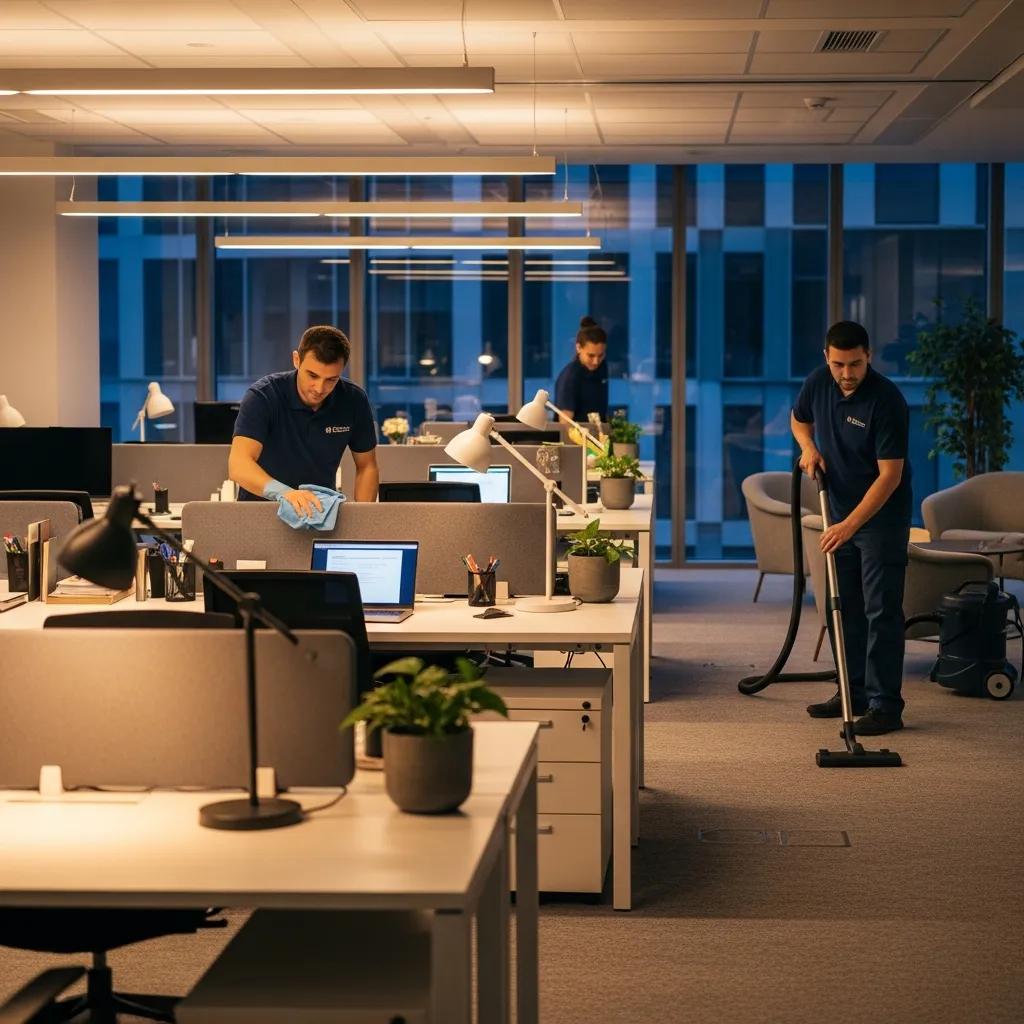
Flexible scheduling reduces disruption by moving intensive tasks to quieter times and by staggering teams to service areas in sections rather than all at once. Options include after‑hours crews, overnight shifts and weekend deep cleans — all backed by coordinated access plans and a single point of contact to simplify communication. The result is sustained productivity with minimal visible interruption. A scheduling pilot during contract negotiation can confirm the provider’s approach works for your site.
What Are the Pricing Models and Quote Request Processes for Office Cleaning in Newmarket?
Pricing usually follows three models: hourly labour rates, per‑square‑metre pricing or packaged scopes. Hourly suits variable scopes and small offices; per‑sqm works for predictable, uniform areas; packages are useful for bundled recurring services. Transparent quotes separate labour, materials, travel and any specialised tasks so you can compare like for like. A typical quote process includes initial contact, site assessment, written scope and schedule confirmation to set clear expectations and turnaround times.
The table below helps facilities teams scan model differences before asking for written proposals.
| Pricing Model | Typical Attributes | Best For |
|---|---|---|
| Hourly labour | Flexible hours, variable tasks, invoiced by time | Small offices or one‑off projects |
| Per‑square‑metre | Predictable unit price, standardised scope per area | Medium to large offices with consistent layouts |
| Package‑based | Bundled services, fixed monthly fee, defined inclusions | Organisations needing predictable budgeting |
Ask for itemised quotes showing labour, materials, equipment and any add‑ons so you can compare total cost and scope alignment before signing a contract.
How Is Transparent Pricing Structured for Commercial Cleaning Services?
Transparent pricing breaks costs into labour, consumables, equipment usage and travel so you can see what drives the price. Labour tends to be the largest line and should match the scope and frequency. Materials include eco‑friendly supplies and any specialist disinfectants. Equipment charges cover items like industrial vacuums or floor polishers, and travel or access fees should be disclosed. When comparing bids, match scope statements rather than totals — confirm which rooms and tasks are included and what counts as a chargeable extra.
What Steps Are Involved in Requesting a Quote from Divine Commercial Cleaning?
Requesting a quote is straightforward. First, contact the provider and share basic facility details and desired frequency so they can prepare a preliminary scope. Second, arrange a site visit or virtual walkthrough to confirm square metres, access points and high‑use zones. Third, receive a written, itemised quote outlining labour, materials, scheduling options and any recommended extras. Fourth, confirm scheduling and any trial or onboarding period before the first service. Expect a clear turnaround time and use the written scope to compare options. If sustainability and flexible timeslots matter, flag those priorities at first contact so they’re included in the quote.
How Do Specialised Cleaning Services Cater to Medical and Retail Offices in Newmarket?
Specialist services use tailored protocols, equipment and approved disinfectants to match each sector’s risk profile and operational needs. Medical cleaning focuses on infection control, documentation and traceable disinfectant use; retail cleaning targets heavy foot‑traffic floor care, displays and fast turnaround during trading hours. The approach varies in frequency, chemical choice, PPE and record‑keeping to meet regulatory and practical expectations. The table below compares typical sector requirements and the cleaning approaches used to meet them.
| Facility Type | Requirement | Cleaning Approach |
|---|---|---|
| Medical centres | Infection control, documentation | Daily touchpoint disinfection, hospital‑grade disinfectants, PPE and cleaning logs |
| Retail stores | High foot traffic, presentation | Frequent floor care, POS sanitation, after‑hours deep cleans |
| Offices with sensitive areas | Privacy and low cross‑contamination | Zoning, colour‑coded equipment and restricted access protocols |
Choosing a provider that documents procedures and shows sector experience lowers operational risk and improves consistency. Divine Commercial Cleaning highlights specialised capabilities for medical and retail sites and typically includes the extra documentation and disinfectant standards those sectors need.
What Are the Unique Cleaning Requirements for Medical Centers?
Medical centres need strict infection‑control routines: frequent touchpoint disinfection, approved hospital‑grade products and careful record‑keeping for traceability. Cleaning focuses on waiting rooms, exam tables and high‑touch surfaces, combined with PPE use and safe disposal to reduce cross‑contamination. Minimal disruption to clinical activity and strict privacy controls are essential. Cleaning logs and Safety Data Sheets should be available on request to verify procedures and product safety.
How Are Retail Spaces Maintained Through Professional Cleaning?
Retail cleaning blends constant spot cleaning during trading hours with scheduled after‑hours deep cleans to preserve store appearance and floor life. Tactics include hourly POS wipes during peak times, floor‑care programs for entry mats and polished surfaces, plus nightly deep cleans for shelves and displays. The aim is an inviting customer environment without interrupting sales, backed by flexible scheduling and clear communication between cleaning teams and store managers. Regular checks and demo cleans during onboarding help lock in expected results.
What Do Newmarket Businesses Say About Divine Commercial Cleaning’s Office Services?
Local businesses evaluating office cleaning often cite reliability, responsiveness and the effectiveness of eco‑friendly practices. Key signs of a dependable supplier include consistent visits, the ability to adapt schedules to avoid disruption, and transparent invoicing that matches the written scope. Facilities managers typically check review aggregates, response times and whether providers offer site assessments and written guarantees before committing. If sustainability and flexible scheduling matter to you, prioritise suppliers who emphasise those features in their proposals.
Which Local Client Testimonials Highlight Service Quality?
When summarising testimonials without naming individuals, highlight the outcomes clients report: reliable attendance, clear communication during schedule changes and visible improvements in workplace cleanliness after onboarding. Common client types include small corporate offices, retail outlets and medical reception areas — each with different cleaning rhythms and product needs. These themes give prospects a practical sense of likely results; for published pages, include exact client names and quotes once permission is secured to strengthen credibility.
How Do Customer Reviews Reflect Trust and Satisfaction?
Reviews show trust through consistent ratings, detailed feedback that signals real experience, and provider responses that demonstrate active account care. These signals map to punctuality, quality and communication. Link to live review sources like a Google Business Profile or verified testimonial page so prospects can validate claims. Use reviews to assess how suppliers handle remediation and quality checks, and consider a trial period or KPIs to turn review evidence into procurement confidence.
Frequently Asked Questions
What should I consider when choosing an office cleaning service in Newmarket?
Look for experience, local reputation and a clear commitment to eco‑friendly practices. Choose companies that build tailored plans based on your office size, foot traffic and cleaning frequency. Check itemised pricing and customer reviews to judge reliability, and ask about the products and methods they use to ensure they match your sustainability goals.
How can I ensure the cleaning service meets my specific needs?
Start with a site assessment and discuss expectations for frequency, priority areas and any special requirements. Request a detailed scope listing tasks and products, and keep communication open after the first visits so the service can be adjusted to suit your operation.
What are the environmental benefits of using eco-friendly cleaning products?
Eco‑friendly cleaners reduce chemical runoff and VOC levels, improving indoor air quality and lowering environmental impact. They’re often biodegradable, so they break down more easily in wastewater systems. Choosing non‑toxic formulations also helps create a healthier workplace, reducing the chance of respiratory irritation and supporting broader sustainability goals.
How can I assess the quality of a cleaning service?
Check reviews and ask for references, then follow up with those clients. Consider a trial period to observe performance firsthand. Regular inspections and scheduled feedback sessions ensure standards are met over time.
What are the advantages of flexible cleaning schedules?
Flexible schedules cut disruption by performing intensive tasks when staff and clients are out of the office. This preserves productivity, enables targeted frequency adjustments during busy periods or events, and keeps the workplace consistently clean without disrupting daily operations.
How do I compare quotes from different cleaning services?
Compare itemised quotes that break down labour, materials and extras. Make sure each quote covers the same scope so you’re comparing like for like. Factor in provider reputation and eco‑credentials as part of the decision.
What should I do if I am not satisfied with the cleaning service?
Raise specific concerns with the provider and give them a chance to resolve the issue. Most reputable companies will correct problems or adjust the scope. If issues persist, review contract terms and consider changing suppliers to find one that better fits your needs.
Choosing eco‑friendly office cleaning in Newmarket improves workplace hygiene, protects staff health and supports sustainability commitments. By using non‑toxic products and flexible scheduling, you can keep disruption low while maintaining a clean, safe space. Understanding the services, frequencies and pricing models helps you make an informed choice — and requesting a precise, itemised quote will ensure the provider you pick meets your operational needs. Explore recommended local providers to find the right fit for your business.

Dianne, originally from Rockhampton, hails from a business-oriented family, with her father owning electrical stores and her uncle serving as Mayor. Moving to the Sunshine Coast at 13, she later pursued a rewarding real estate career and raised three children. As a single mom, she balanced university studies with domestic cleaning work. Armed with a Bachelor’s Degree in Business, majoring in Supply Chain Management, Dianne founded and grew Divine Commercial Cleaning into a thriving company. Her success is rooted in strong family mentorship, a positive attitude, and a solution-oriented approach, offering tailored cleaning services with integrity and strategic insight.