Why Divine Commercial Cleaning’s Little Mountain Services Stand Out Among Brisbane’s Cleaning Options
Finding dependable, compliant commercial cleaning in Little Mountain and across Brisbane is often harder than it should be. Facility managers need consistent hygiene, clear regulatory alignment and minimal disruption to day‑to‑day operations. This guide breaks down what makes Little Mountain commercial cleaning different — focusing on measurable outcomes like reliable infection control, fewer staff sick days and a stronger impression on customers.
You’ll learn the value propositions local businesses care about, which specialist services and standards to expect, how greener practices benefit both business and community, and how pricing and contract flexibility shape procurement. Where helpful, we reference Divine Commercial Cleaning— a family‑owned provider serving Little Mountain, Brisbane and the Sunshine Coast — to show how local delivery models put these practices into action.
What makes Divine Commercial Cleaning the right choice for Little Mountain businesses?
Clear value propositions explain why one commercial cleaner outperforms another: better security, steady quality and lower operational risk. For Little Mountain organisations, the most relevant strengths are threefold — vetted staff, consistent teams and flexible agreements — which together reduce liability, keep service reliable and make budgeting simpler. The result is immediate: fewer hygiene lapses, stronger signals to customers and regulators, and easier vendor management. Below are the practical differentiators local buyers mention most.
- Experienced, trained cleaners: consistent technique and standards every visit.
- Police‑checked staff: greater trust and reduced insider risk for customer‑facing or secure sites.
- The same cleaner when possible: builds site knowledge and lowers variability.
- No lock‑in contracts: flexibility for seasonal work or short trials.
- Full insurance and a money‑back guarantee: shifts risk away from you and enforces accountability.
- Environmentally conscious practices: less chemical exposure and stronger local sustainability credentials.
These features translate into clearer client benefits: security, consistency, agility, financial protection and community responsibility. The compact table below links those attributes to the outcomes procurement teams care about.
| Feature | What it affects | Client benefit |
|---|---|---|
| Police‑checked staff | Site security and trust | Lower insider risk; safer workplaces |
| Same cleaner every visit | Consistency and institutional knowledge | Fewer missed tasks; cleaning tailored to your site |
| No lock‑in contracts | Contractual flexibility | Easier trialling and scaling of services |
That comparison shows how each feature lowers operational risk and makes service more predictable. As a family‑owned operator serving Little Mountain, Brisbane and the Sunshine Coast, Divine Commercial Cleaning applies these same principles — trained teams, flexible terms, customised plans, consistent staffing, full insurance and greener practices — to deliver day‑to‑day results. When comparing bids, ask how vendors deliver these outcomes to spot the suppliers who will reliably meet your standards.
How do experienced, police‑checked professionals deliver more reliable service?
Experienced, police‑checked staff reduce both risk and variability. Background checks lower the chance of internal incidents, while experience and training ensure the correct disinfection techniques, surface handling and equipment use are applied. Together, these factors let site managers focus on core operations rather than constant supervision. Ongoing training and documented procedures help senior staff pass consistent standards to newer team members, keeping quality steady over time.
Why are customised cleaning plans essential for Little Mountain sites?
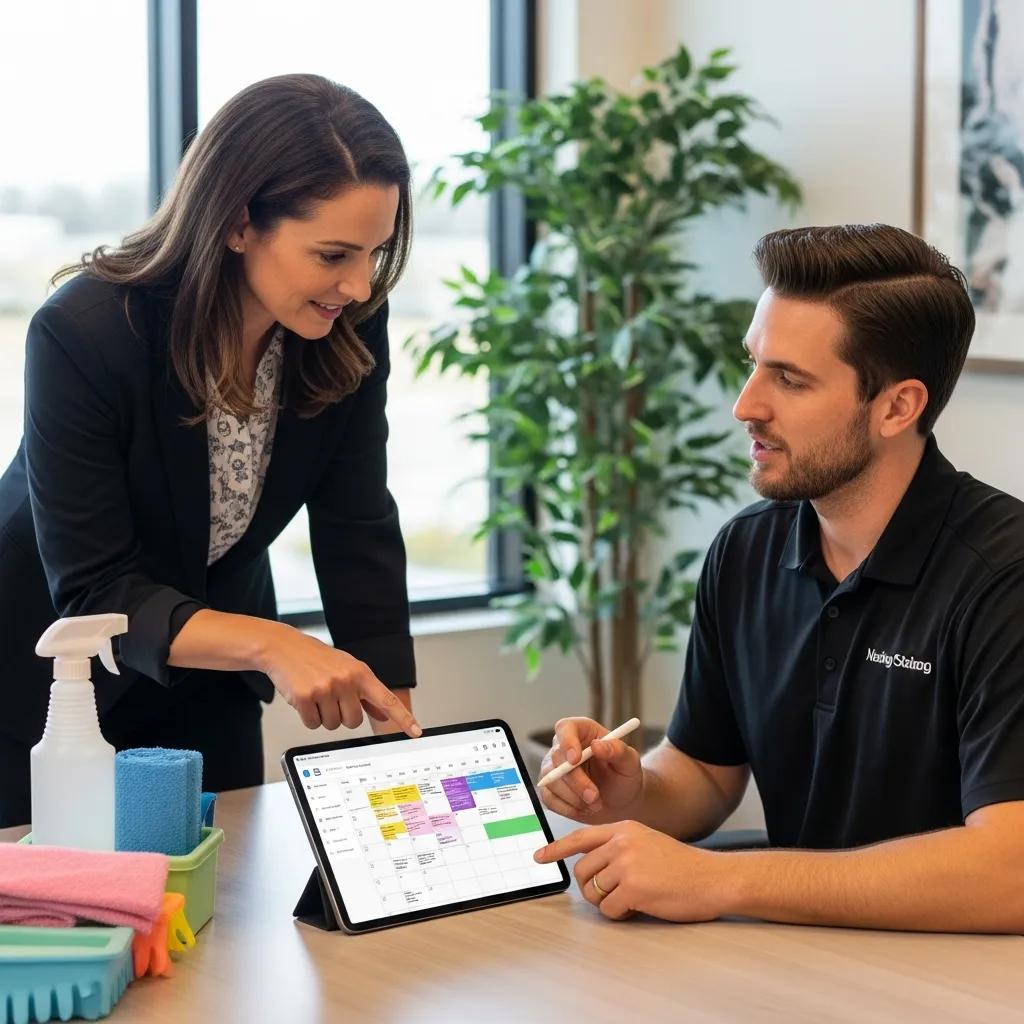
One‑size‑fits‑all plans often miss what matters. Different facilities have unique high‑touch points, occupancy patterns and regulatory needs that determine frequency and methods. Customised plans match tasks and schedules to your operational windows — for example, after‑hours deep cleans for retail centres or mid‑day sanitisation at busy clinics — preserving business continuity while targeting infection risk. The outcomes are tangible: fewer complaints, reduced staff sick days and improved hygiene audit scores. Custom plans also focus resources where they create the most value.
Which specialised commercial cleaning services does Divine provide in Little Mountain?
Specialised commercial cleaning is about scope and compliance: services range from routine office upkeep to medical‑grade disinfection, each with defined protocols and deliverables. Common service categories in Little Mountain include office cleaning, medical/healthcare cleaning, daycare and school cleaning, strata and common‑area maintenance, and retail/shopping centre cleaning. Each requires different standards — for example, medical cleaning emphasises disinfection records and traceability while strata work focuses on communal durability and resident communication. Below are the core services and their main business benefits.
- Office cleaning: keeps staff healthy and productive through regular sanitation and waste management.
- Medical and healthcare cleaning: lowers infection risk with targeted disinfection and clear documentation for audits.
- Daycare and school cleaning: uses non‑toxic products and frequent touch‑point cleaning to protect children.
- Strata and retail cleaning: maintains communal areas, curb appeal and safe access for customers and residents.
These services underpin effective hygiene strategies and should be specified in scope‑of‑work documents to ensure measurable results. The table below helps procurement teams match service types to the standards and outcomes they need.
| Service | Standards / Methods | Outcome / Benefit |
|---|---|---|
| Office cleaning | Regular sanitisation with focus on desks and communal areas | Better morale; lower sick leave |
| Medical cleaning | High‑touch disinfection, record‑keeping and compliant products | Reduced infection transmission; audit readiness |
| Daycare cleaning | Child‑safe products and high‑frequency touch‑point cleaning | Safer environment for children and staff |
Use this comparison to prioritise services based on compliance and everyday impact. Divine Commercial Cleaning delivers these specialist services locally, with customised plans and teams trained to each sector’s requirements.
What are the standards for medical and healthcare cleaning in Little Mountain?
Medical and healthcare cleaning focuses on infection prevention through validated disinfection, process traceability and appropriate product selection for clinical settings. Core practices include scheduled disinfection of high‑touch surfaces, hospital‑grade products where required, and record‑keeping that supports audits and contact tracing. Staff should be trained in cross‑contamination prevention, PPE use and waste segregation to meet regulatory expectations. Maintaining documented schedules and spot‑check logs provides evidence that cleaning meets the required standard and supports patient safety and facility accreditation.
Research supports the importance of specialised cleaning procedures — particularly those that use biological control approaches — in reducing healthcare‑associated infections on hard surfaces.
Microbial cleaning for infection control on hard surfaces
This study evaluates a novel cleaning procedure based on biocontrol mechanisms and its effect on microorganisms commonly linked to healthcare‑associated infections (for example, coliforms, Staphylococcus aureus, Clostridium difficile and Candida albicans) on hospital hard surfaces.
Hard surface biocontrol in hospitals using microbial‑based cleaning products, E Caselli, 2014
How does professional office cleaning support productivity in Little Mountain workplaces?
Professional office cleaning reduces airborne and surface contaminants that contribute to illness and distraction. Cleaner workspaces lift morale and cut absenteeism, while tidy communal areas and restrooms present a professional face to clients. Flexible scheduling — early mornings, overnight or staggered shifts — keeps cleaning out of the way of critical tasks. By balancing visible cleanliness with hygiene metrics, professional cleaning helps protect staff health and sustain steady productivity.
How does Divine’s eco‑friendly commitment help Little Mountain and Brisbane clients?

An eco‑friendly approach means choosing low‑toxicity products and methods that work as well as harsher chemicals while reducing health and environmental harm. This looks like measured dosing, microfibre systems that lift soils mechanically, and waste‑reduction practices that cut disposal costs and footprint. For businesses, the benefits include better indoor air quality, fewer chemical‑related complaints and stronger brand appeal with sustainability‑minded customers. The list below summarises common eco practices and what they deliver.
- Measured dosing and concentrated formulas: prevents overuse and saves cost.
- Microfibre cloths and mop systems: boost efficiency and cut chemical reliance.
- Low‑toxicity, biodegradable cleaners: reduce VOCs and respiratory irritation.
- Waste reduction and recycling: lower landfill impact and operational waste costs.
Those practices produce measurable outcomes — lower absenteeism linked to respiratory irritation, support for sustainability reporting and improved occupant satisfaction. Going greener also gives businesses a clear local credibility boost.
What eco‑friendly products and methods does Divine use?
We prioritise low‑toxicity formulations, microfibre tools and measured dosing systems that balance cleaning performance with environmental impact. Low‑VOC, biodegradable cleaners reduce occupant complaints, while microfibre materials trap particles more effectively than traditional cloths, cutting chemical need. Dosing systems control product use and save on waste, and recycling programs reduce disposal volumes. These methods maintain cleaning standards while supporting staff health and local environmental goals.
Why is environmentally conscious cleaning valuable for local businesses?
Greener cleaning protects staff health, meets customer expectations and reduces community concerns about chemical runoff and waste. It signals corporate responsibility to tenants, clients and local stakeholders in Little Mountain and Brisbane. Reducing chemical use and waste often saves money on products and disposal, creating a clear business case beyond ethics. For many clients, sustainable cleaning is both risk management and a market differentiator.
How is Divine’s pricing and contract approach structured in Little Mountain?
Commercial cleaning costs reflect measurable drivers: facility size and layout, visit frequency, service complexity and specialist tasks such as medical disinfection or carpet restoration. Contract options balance predictable pricing with operational flexibility — for example, no lock‑in contracts let businesses adjust service levels without long commitments. Below are the main variables that influence price to help procurement teams compare quotes fairly.
The list that follows explains the typical variables included in a commercial cleaning estimate and how they change scope and cost, helping you compare proposals on an apples‑to‑apples basis.
- Square metres and layout complexity: larger or compartmentalised spaces need more labour and time.
- Frequency and service level: daily maintenance differs from periodic deep cleans.
- Specialised services: medical‑grade disinfection or floor restoration increases resources and product needs.
- Access and scheduling constraints: after‑hours work or restricted access can add to labour costs.
Understanding these drivers lets clients anticipate where costs rise and which levers control the budget. The table below summarises cost factors, what they affect and how they usually influence price.
| Cost Factor | What it affects | How it influences price |
|---|---|---|
| Facility size | Labour hours and consumables | Larger areas increase base costs proportionally |
| Frequency | Total recurring spend | More frequent visits can lower per‑visit cost but raise monthly spend |
| Specialised tasks | Skill, time and consumables | Adds a premium for specialist training and products |
After reviewing these variables, you can prioritise outcomes and request tailored proposals that specify frequency, deliverables and flexibility. Divine Commercial Cleaning offers no lock‑in contracts, giving businesses the freedom to trial work, scale seasonally or book project‑based services while still accessing insured, trained teams.
How does Divine’s no lock‑in contract policy add flexibility?
A no lock‑in policy lowers procurement risk by letting businesses change or end services without penalties — useful for organisations with variable occupancy or seasonal demand. It supports trial periods so you can assess service quality and KPI alignment before committing longer term, and it makes scaling up for events or stepping back in quieter months straightforward. For many clients, the practical benefit is lower switching cost and greater control over ongoing vendor performance.
What factors most influence commercial cleaning costs in Little Mountain?
Cost drivers are measurable and predictable: square metres and site complexity set baseline labour; frequency and service level determine recurring spend; specialised needs (medical, carpet, high‑level work) raise resource and supervision costs; and scheduling constraints can add premium labour charges. Consumable quality and any extra reporting or auditing requirements also affect price. Reviewing these together helps you model options and choose the frequency and scope that best balance budget and risk.
How does Divine use local expertise to serve Little Mountain and Brisbane businesses?
Local expertise means applying regional logistics, customer expectations and community norms to create efficient routes, fast response times and services aligned with local rules. As a family‑owned, locally operated business, Divine Commercial Cleaning turns that local knowledge into tailored scheduling, consistent staffing and closer client relationships. Shorter travel times enable quicker mobilisation for urgent needs, and a regional footprint supports resource sharing across nearby sites. Local know‑how therefore improves reliability, responsiveness and practical scheduling for Little Mountain clients.
The section that follows prepares you for testimonials and case studies showing how local knowledge and family ownership create closer client partnerships and measurable results.
What testimonials and case studies highlight Divine’s results in Little Mountain?
Local testimonials and anonymised case summaries typically highlight cleaner audit scores, fewer complaints and faster response times after appointing a local provider. A compact case study usually sets out the problem (inconsistent cleaning), the action (tailored schedule and consistent assignment) and the result (fewer misses, higher satisfaction and verified compliance). Clients often praise reliability and the reassurance that police‑checked staff and insurance provide. Ask for references and case studies to validate performance before you contract.
How does Divine’s Brisbane presence support Little Mountain services?
Operating across Brisbane and the Sunshine Coast lets us share resources, run centralised training and maintain standard quality controls that benefit Little Mountain clients. Regional scale gives capacity for larger or multi‑site projects while retaining local responsiveness, so you get the agility of a local team plus the backup of a broader operator. This hybrid approach reduces scheduling gaps and maintains continuity during staff absences or peak demand.
What is Divine Commercial Cleaning’s process and technology for consistent results?
A transparent, repeatable process makes outcomes predictable. Divine Commercial Cleaning follows a clear multi‑step workflow supported by modern equipment and quality checks to deliver consistent results. The process centres on site assessment, a customised scope, trained execution and verification through checklists and client feedback. Technology like microfibre systems, efficient vacuums and dosing controls increases effectiveness while cutting chemical use. The numbered list below summarises the steps we follow to deliver repeatable performance.
- Site assessment and risk mapping: identifies high‑touch zones and compliance priorities.
- Custom scope and schedule: aligns tasks and frequencies to your operational windows.
- Trained team deployment: assigns experienced, police‑checked staff to your site.
- Execution with modern equipment: uses microfibre and efficient vacuums to improve cleaning outcomes.
- Quality checks and documentation: verifies tasks and records performance for audits.
- Client feedback and continuous improvement: adapts the plan based on results.
That structured approach helps keep service consistent across visits, improving hygiene metrics and client confidence. The simple table below maps process steps to the operational benefits facility managers see.
| Process Step | Mechanism | Benefit |
|---|---|---|
| Site assessment | Risk mapping | Focuses resources on priority areas |
| Custom scope | Schedule alignment | Minimises disruption; targets risk |
| Quality checks | Documentation | Demonstrable compliance and audit readiness |
What are the steps in Divine’s six‑step cleaning process?
Our six‑step process starts with a detailed site assessment to prioritise risk areas, then moves to a customised scope that defines tasks and frequencies for that site. Trained, police‑checked teams carry out the work using microfibre systems and dosing controls to keep efficacy high while lowering chemical exposure. Quality checks and documentation record completion and any issues for client review, and client feedback drives ongoing improvements. This cycle creates consistent results, clear accountability and measurable performance gains.
How does advanced cleaning equipment improve efficiency?
Equipment such as HEPA‑filter vacuums, microfibre systems and measured dosing units increases particulate capture, reduces re‑contamination and controls chemical use. These technologies shorten task times while improving effectiveness, lowering labour hours per task and cutting long‑term consumable costs. For clients, that translates to better indoor air quality, quicker turnarounds and less chemical exposure for occupants. Paired with trained staff and quality checks, advanced equipment raises the baseline of reliability for every visit.
Frequently Asked Questions
What should businesses consider when choosing a commercial cleaning service?
When choosing a commercial cleaner, look at experience, the range of services offered and contract flexibility. Check the cleaning methods and products used — especially eco credentials and safety — and confirm insurance and police checks for staff. Client testimonials and case studies are also useful for judging reliability and quality.
How often should commercial cleaning be scheduled for optimal results?
Cleaning frequency depends on your type of business, foot traffic and hygiene needs. High‑traffic areas like retail or medical facilities often need daily cleaning, while many offices are fine with weekly or bi‑weekly visits. Customising the schedule to your peak times ensures cleanliness with minimal disruption.
What are the benefits of using eco‑friendly cleaning products?
Eco‑friendly products improve indoor air quality and reduce health risks for staff and visitors. They typically contain fewer VOCs, which lowers respiratory irritation, and they help your sustainability goals while improving your public reputation. Greener practices can also cut waste disposal costs and support regulatory compliance.
How can businesses measure the effectiveness of their cleaning service?
Measure effectiveness with regular inspections and audits, client feedback and satisfaction surveys. Track metrics such as employee absenteeism from illness and hygiene‑related customer complaints. Setting clear KPIs with your provider makes ongoing performance evaluation straightforward.
What role does staff training play in commercial cleaning services?
Training is vital: it teaches safe practices, correct product use and efficient techniques. Well‑trained staff work faster and deliver higher quality, reducing accidents and ensuring compliance. Continuous training keeps teams up to date with new methods and products.
Can commercial cleaning services be tailored to specific industries?
Absolutely. Cleaning should be tailored to sector needs — healthcare, education and retail all have different standards and regulations. Medical sites need strict disinfection protocols; schools prioritise child‑safe products. Tailored services meet those challenges and deliver better hygiene outcomes.
What are the advantages of a no lock‑in contract for cleaning services?
A no lock‑in contract gives you flexibility to adjust or stop services without penalties. It’s ideal for organisations with seasonal demand or variable occupancy, and it lets you trial a provider to ensure they meet your KPIs before committing long term.
Choosing Divine Commercial Cleaning for your Little Mountain site gives you a reliable, eco‑aware cleaning partner focused on hygiene and operational efficiency. Our tailored plans, experienced and police‑checked teams, and flexible no lock‑in contracts deliver measurable benefits — from healthier staff to happier customers. If you’re ready to see how quality cleaning can support your business, explore our services and let us tailor a plan that works for you.

Dianne, originally from Rockhampton, hails from a business-oriented family, with her father owning electrical stores and her uncle serving as Mayor. Moving to the Sunshine Coast at 13, she later pursued a rewarding real estate career and raised three children. As a single mom, she balanced university studies with domestic cleaning work. Armed with a Bachelor’s Degree in Business, majoring in Supply Chain Management, Dianne founded and grew Divine Commercial Cleaning into a thriving company. Her success is rooted in strong family mentorship, a positive attitude, and a solution-oriented approach, offering tailored cleaning services with integrity and strategic insight.