Minyama Commercial Cleaning — Professional Solutions for Offices, Retail and Medical Centres
Keeping a business in Minyama clean and compliant starts with dependable commercial cleaning that protects hygiene, presentation and regulatory requirements across different sites. This guide explains what commercial cleaning covers, why robust protocols matter for offices, retail spaces, shopping centres and medical centres, and how local providers adapt services to footfall and operating hours. You’ll find practical detail on service types, healthcare hygiene protocols, greener cleaning options, typical pricing models in Minyama, and straightforward steps to request a tailored quote. The focus is practical—task scopes, scheduling choices and trade-offs—so facility managers can set clear requirements and compare providers. Wherever relevant we reference local conditions on the Sunshine Coast and Brisbane and show how a local team such as Divine Commercial Cleaning offers flexible scheduling and eco-friendly choices without getting lost in technical detail.
What Commercial Cleaning Services Does Divine Commercial Cleaning Offer in Minyama?
Commercial cleaning in Minyama covers a practical set of services to keep commercial properties sanitary, safe and presentation-ready. Typical offerings include regular office cleans, retail and shopping-centre maintenance, specialised medical-centre cleaning, floor care, window cleaning and hygiene-focused tasks like toilet sanitation and surface disinfection. Value comes from routine soil removal, targeted disinfection of high-touch areas and planned deep maintenance that prolongs assets and lowers infection risk. The benefits for businesses include better staff wellbeing, improved customer impressions and predictable maintenance costs tied to service frequency. Below is a concise list of the common service categories local businesses request and the priorities each addresses.
The core commercial cleaning service types for local businesses include:
- Office cleaning — daily upkeep, desk hygiene and communal kitchen care.
- Retail & shopping-centre cleaning — high-traffic floor care, entrance presentation and waste management.
- Medical centre cleaning — zoned hygiene protocols, surface disinfection and compliance documentation.
These categories show how providers prioritise tasks by site type and occupancy and how that thinking translates into schedules and staffing models.
Introductory service comparison table to clarify common attributes for each offering.
| Service Type | Typical Frequency | Key Tasks |
|---|---|---|
| Office cleaning | Daily / Weekly / Custom | Desk cleaning, bin emptying, kitchen & restroom sanitation |
| Retail & shopping centre cleaning | Multiple times daily / Nightly | Floor care, entrance/window cleaning, rapid spill response |
| Medical centre cleaning | Daily with zoned disinfection | Surface disinfection, clinical-area protocols, compliance records |
This comparison highlights how frequency and task mix relate to site risk and footfall, helping managers choose the right contract type and task list for their premises.
Office Cleaning Services: Daily Maintenance and Hygiene Solutions
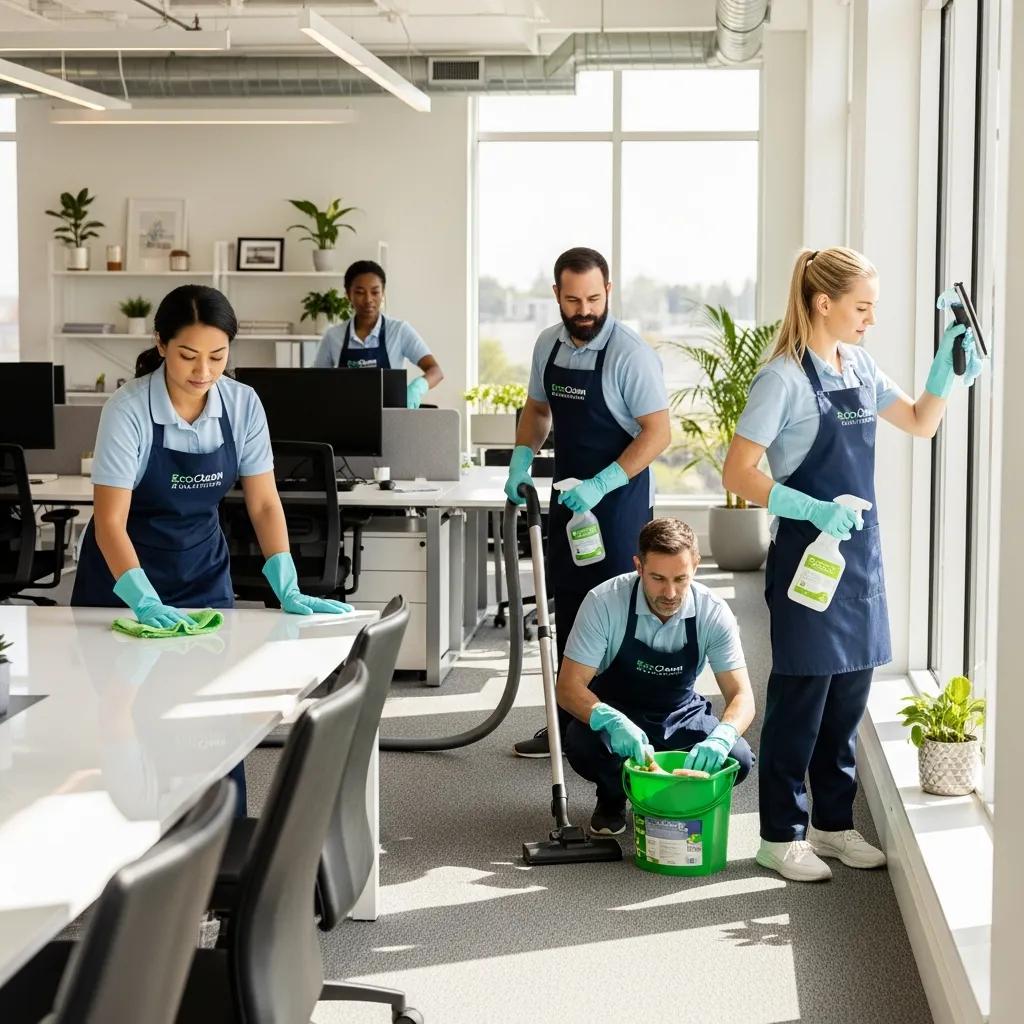
Office cleaning keeps workplaces functional and healthy by combining routine maintenance with targeted hygiene steps that limit pathogen spread and support staff productivity. Typical scopes cover reception cleaning, vacuuming or sweeping of work areas, disinfection of high-touch points, kitchen and breakroom cleaning, waste removal and restroom upkeep scheduled around business hours and occupancy. Providers adjust frequency—from daily touch-ups to occasional deep cleans—based on team size, workflows and budgets, and they log completed tasks to support quality control. A short checklist helps define expectations and measure supplier performance while keeping communication open for adjustments.
An example office cleaning checklist clarifies expectations for procurement and contract management:
- Reception & common areas: Dusting, sanitising counters and glass surfaces.
- Workstations: Tidy desks, wipe high-touch points and vacuum floors.
- Kitchen & restrooms: Deep clean appliances, sanitise sinks and replenish consumables as agreed.
These routine tasks create a reliable baseline; specialised services can be scheduled for seasonal risks or deeper maintenance needs.
Retail and Shopping Center Cleaning: Tailored Services for High-Traffic Areas
Retail and shopping-centre cleaning focuses on presentation, safety and fast response so trading environments remain welcoming and safe. Workstreams prioritise floor care—sweeping, mechanical scrubbing and polishing—entrance and window presentation, restroom sanitation and efficient waste removal to protect appearance and slip resistance. Scheduling often combines peak-hour spot checks, overnight deep cleans and rapid-response teams for spills or events so trading isn’t interrupted. By matching tasks to customer flows and tenant mixes, cleaning teams keep stores operating smoothly and maintain consistent brand appearance across retail zones.
Effective retail cleaning rests on three operational priorities:
- Presentation: Keep entrances and displays spotless to support customer perception.
- Safety: Fast spill response and routine floor care reduce slip risks.
- Continuity: Nightly deep cleaning plus daytime touch-ups preserves trading hours.
These priorities shape service-level agreements and staffing for busy retail locations.
How Do Professional Commercial Cleaners Ensure Hygiene Compliance in Medical Centers?
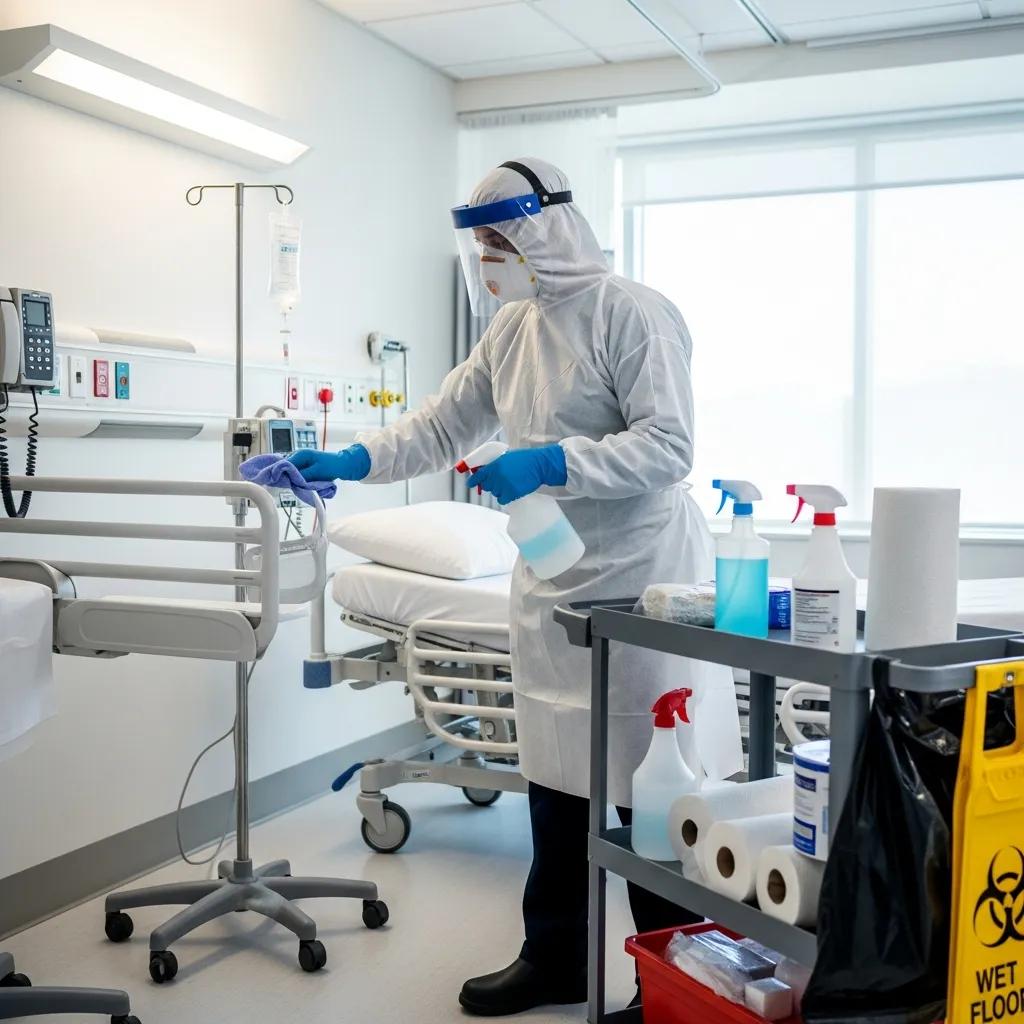
Hygiene compliance in medical centres relies on disciplined protocols, the right product selection and clear documentation to lower infection risk and meet sector expectations. Cleaners work by zoning (separating clinical from non-clinical areas), using disinfectants to manufacturers’ contact-times, and following PPE and training standards to deliver consistent results. Operational controls include audits, checklists and logbooks to record completed work and provide traceability for infection-control events. Together these practices reduce microbial load on surfaces and help clinical teams deliver safe patient care.
Below is a mapping table that links specific protocols to the outcomes professional healthcare teams expect.
| Protocol | Operational Attribute | Expected Outcome |
|---|---|---|
| Surface disinfection | Hospital-grade disinfectants applied with correct contact times | Lower pathogen survival on high-touch surfaces |
| Zoning | Clear separation of clinical and non-clinical areas | Reduced cross-contamination risk |
| Staff training & PPE | Induction plus regular competency checks | Consistent execution and safer staff practices |
This mapping shows how specific controls translate into measurable hygiene outcomes and helps facility managers specify tender requirements.
Specialized Medical Center Cleaning Protocols and Standards
Specialised medical-centre cleaning follows a stepwise approach that matches zone risk to cleaning intensity. Teams typically work from low- to high-risk areas, apply disinfectants with the required dwell time and maintain strict staff controls. Staff receive induction training on pathogen control, PPE use and waste segregation, with regular competency checks to keep standards high. Documented tasks and audit trails create accountability and a basis for corrective action if inspections identify gaps.
These routines deliver consistent hygiene outcomes and provide the flexibility needed for seasonal adjustments, outbreak responses and supplier performance reviews.
Eco-Friendly and Safe Cleaning Products for Healthcare Environments
Choosing low-toxicity cleaning products in healthcare balances microbial efficacy with occupant health. Green alternatives—lower-VOC formulations or concentrated dosing systems—can cut packaging and transport impacts but must still meet clinical efficacy requirements. Operational trade-offs may include longer contact times or extra mechanical action to compensate for milder chemistries, so procurement should favour products with clear efficacy data. Rolling out greener options usually involves staff retraining and adjusted task timings to keep infection-control outcomes consistent.
When sustainability choices are validated against hygiene performance, facilities can reduce chemical exposure for patients and staff while advancing environmental goals.
What Are the Benefits of Choosing Local Commercial Cleaning Companies on the Sunshine Coast?
Using a local commercial cleaning company on the Sunshine Coast brings practical advantages: faster response times, hands-on knowledge of regional site types and weather impacts, and better communication for arranging site visits. Local teams understand trading patterns and can offer flexible shift options—overnight, twilight or daytime quick cleans—to suit your operation and customers. A community presence makes on-site assessments easier, speeds corrective action after incidents and improves relationship management through regular supervisory visits. These benefits add up to more reliable service and a higher chance of tailored solutions for Minyama businesses.
Key benefits of local providers include:
- Responsiveness: Quicker arrival for urgent cleaning or additional services.
- Local knowledge: Familiarity with Sunshine Coast site logistics and seasonal issues.
- Relationship management: Easier coordination and on-site supervision.
These strengths reduce downtime and help align cleaning schedules with business operations.
Introductory list to guide selection considerations for Minyama managers:
- Flexible hours: Providers adapt shifts to local trading patterns.
- Rapid escalation: Local supervisors can attend site quickly when problems arise.
- Custom plans: On-site assessments enable tailored task lists and trial periods.
Choosing a local supplier helps translate cleaning requirements into workable plans quickly and sustainably.
Flexible Scheduling and Customized Cleaning Plans for Minyama Businesses
Flexible schedules and custom plans let providers match cleaning intensity to business rhythms—overnight deep cleans, daytime touch-ups or multiple short visits for busy periods. The process starts with a site assessment documenting traffic patterns, high-touch areas and floor types, then proposes a practical schedule and task list to align cost and outcomes. Trial periods and adjustment windows let businesses refine scope without long-term risk, while written service agreements set clear expectations for frequency and deliverables. This flexibility suits businesses that work outside standard hours or see variable customer flows.
Iterating schedules after a trial helps managers balance budget and cleanliness standards in step with daily operations.
Building Trust Through Local Presence and Customer Testimonials
Trust grows from open communication, accessible supervisors and proof of past performance—verified reviews and documented site references. Local presence enables regular supervisor visits, prompt issue resolution and clearer accountability for service levels. Choose providers who keep auditable records of completed work and welcome on-site inspections to verify standards. Verified third-party reviews and a strong local reputation help decision-makers assess reliability without relying on unsubstantiated claims.
These verification steps reduce procurement risk and give confidence in ongoing service delivery through demonstrable local performance.
How Does Divine Commercial Cleaning Incorporate Eco-Friendly Practices in Their Services?
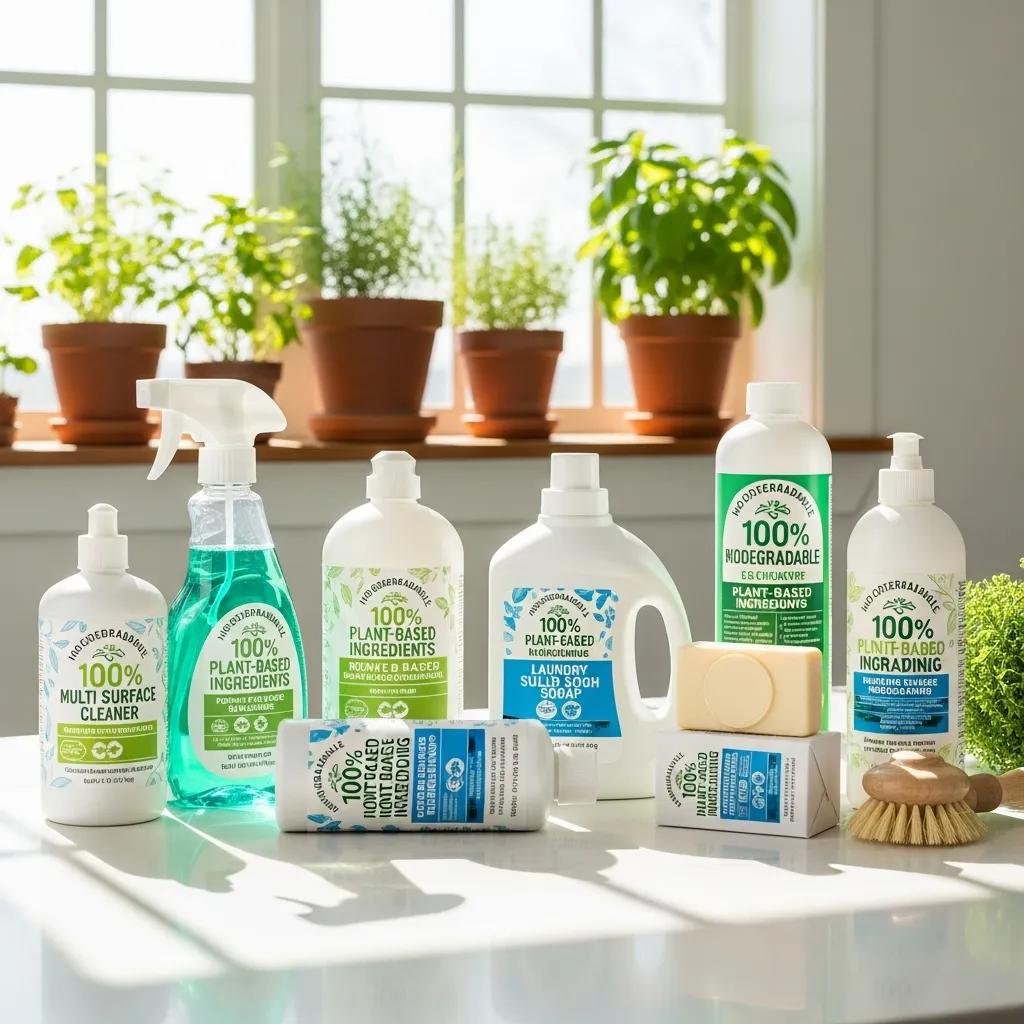
Eco-friendly commercial cleaning lowers environmental impact through smarter product choices, operational efficiency and waste reduction while keeping workplaces clean and safe. Sustainable measures include concentrated dosing systems, microfibre tools to cut chemical use, reduced-packaging purchasing and client opt-in green-cleaning schedules that switch conventional products for lower-VOC alternatives. To succeed, these choices must be integrated into cleaning protocols so contact times and mechanical action compensate where greener chemistries are milder. Done correctly, sustainability improves indoor air quality and supports corporate environmental goals without sacrificing hygiene.
Below is a short table comparing green practices and the operational benefits they deliver.
| Sustainable Practice | Implementation | Operational Benefit |
|---|---|---|
| Microfibre systems | Replace single-use cloths and reduce chemical reliance | Fewer chemicals, better soil capture |
| Concentrated dosing | On‑site dilution to cut packaging and transport | Lower waste and cost per use |
| Client opt-in green programmes | Alternative product selection on request | Reduced VOCs and improved occupant comfort |
This comparison helps facilities weigh the operational changes needed to deliver measurable environmental improvements.
Green Cleaning Options and Sustainable Product Use
Green options typically include low-VOC detergents, biodegradable surfactants, concentrated dosing and microfibre technology that match or exceed soil removal with less chemical. Rollout steps include product trials in low-risk areas, staff retraining on dilution and contact times, and stakeholder sign-off for broader implementation. Suppliers may offer opt-in packages so clients can choose sustainable options for selected tasks—balancing cost and environmental benefit while maintaining baseline hygiene for commercial spaces.
Small pilots and careful transition planning ensure greener products meet cleanliness goals without disrupting daily operations.
Impact of Eco-Friendly Cleaning on Workplace Health and Environment
Switching to greener cleaning reduces employee and visitor exposure to harsh chemicals, lowers indoor VOC levels and often improves perceived comfort. Over time, reduced chemical volume and packaging cut waste and support sustainability reporting. Decision-makers must confirm greener chemistries meet efficacy requirements for critical areas—this can call for longer contact times or extra mechanical action. When chosen and applied correctly, green practices improve indoor environmental quality and align cleaning programmes with broader ESG objectives.
Measured gains in indoor air quality and waste reduction contribute to occupant health and organisational sustainability reporting.
What Are the Pricing Structures and Quote Options for Commercial Cleaning in Minyama?
Pricing for commercial cleaning in Minyama typically follows three transparent models—hourly labour rates, per-square-metre pricing for routine area maintenance, and fixed contract retainers for scheduled services—each offering different predictability and scope clarity. Price drivers include cleaning frequency, footfall, specialised hygiene needs (for example, medical protocols), floor types and after-hours work. A clear procurement path starts with a site assessment, followed by a written proposal detailing scope, frequency and exclusions, then a trial or pilot before finalising the agreement. The table below summarises common pricing approaches to help managers match budget style with service needs.
| Pricing Model | Characteristic | Suitable For |
|---|---|---|
| Per hour | Billed by labour time | One-off or irregular tasks |
| Per sqm | Unit price by area | Large floor areas and retail spaces |
| Contract retainer | Fixed scope & frequency | Predictable, ongoing maintenance |
Transparent Pricing Models for Office and Retail Cleaning Services
Transparent pricing spells out what’s included—routine tasks, consumables, reporting—and what’s excluded, such as restorative floor work or pest control, so offers are comparable. Hourly rates suit intermittent or variable work, while per-square-metre or retainer contracts give budget stability for ongoing needs and can include agreed KPIs. Add-on services—deep cleans, window washing, floor polishing—are itemised so base costs remain clear. Requesting written inclusions and exclusions prevents scope creep and helps compare suppliers objectively.
Clear proposals reduce disputes and let managers align service levels with commercial priorities and financial plans.
How to Request a Customized Quote from Divine Commercial Cleaning
To get a customised quote, prepare key details: approximate site size, operating hours, peak footfall times, facility type (office, retail, medical) and any special requirements like infection-control or green-cleaning preferences. Expect a site visit or remote assessment to confirm floor types, high-touch zones and access constraints, followed by a written proposal that outlines scope, frequency and performance expectations. Typical timelines include an assessment within a few days, a prompt proposal turnaround and an agreed trial or onboarding plan to confirm SLAs. Businesses in Minyama can start the process by contacting us via our website contact page or business profile to arrange an assessment and quote.
Providing clear site details up front speeds accurate pricing and helps us propose the right staff and equipment mix.
What Common Questions Do Clients Have About Commercial Cleaning Services in Minyama?
Facility managers often ask about recommended cleaning frequencies, what standard services include, how providers manage clinical compliance, and how sustainability options affect cost and performance. Short, practical answers help buyers set realistic expectations and prepare specifications that attract reliable quotes. The list below gives concise, client-ready answers that link back to the detailed sections above for managers needing deeper procedural or pricing information.
Common client questions and short answers include:
- How often should offices be cleaned? Daily cleaning is standard for staffed offices; higher footfall areas or kitchens may need multiple daily touch-ups.
- How often should retail spaces be cleaned? Entrances and high-traffic aisles benefit from several daily checks and nightly deep cleaning.
- Do medical centres need specialised cleaning? Yes—zoned disinfection, correct contact times and documented checklists are essential for clinical hygiene.
How Often Should Offices and Retail Spaces Be Professionally Cleaned?
Frequency depends on occupancy and use: staffed offices generally need daily cleans plus weekly deep cleans; retail entrances and busy zones benefit from multiple daily touch-ups plus nightly maintenance; medical facilities require defined daily schedules with zoned disinfecting. Factors that increase frequency include large staff numbers, customer-facing operations, food handling and infection-control needs during seasonal outbreaks. Providers offer scalable plans for events or seasonal peaks and can return to baseline schedules afterwards. Managers should base frequency on footfall data and risk assessments to balance cost with hygiene outcomes.
A flexible approach lets businesses scale cleaning intensity quickly while keeping budgets under control.
What Does a Typical Commercial Cleaning Service Include?
A typical commercial cleaning package for offices and retail covers reception and common-area cleaning, workstations or shop floors, kitchen and restroom sanitation, dusting, vacuuming or sweeping, waste removal and periodic deep tasks such as high-level dusting or spot carpet cleaning. Optional add-ons include window washing, floor polishing, descaling and specialised clinical hygiene services. Clear service agreements list inclusions and exclusions so managers know when additional quotes are required for restorative or specialised work. Custom scopes come from site assessments and are formalised in proposals that specify frequency, task lists and performance monitoring.
Defining a clear base package plus named add-ons simplifies procurement and prevents misunderstandings about routine duties.
For tailored quotes or to arrange an on-site assessment, businesses in Minyama can contact Divine Commercial Cleaning via our online contact channels or local business profile to request a site visit and proposal. This starts a fast assessment, a written scope of work and an agreed trial to confirm service levels before signing a longer agreement.
Frequently Asked Questions
What should I consider when choosing a commercial cleaning service in Minyama?
When choosing a commercial cleaner in Minyama, check their experience with your facility type, knowledge of local regulations and ability to customise services. Review their cleaning protocols for busy or sensitive areas like medical centres, look for transparent pricing and flexible scheduling, and ask about eco-friendly options. Client testimonials and a visible local presence are useful indicators of reliability and service quality.
How can I ensure the cleaning service meets my specific hygiene standards?
Make your requirements clear during the initial consultation and ask for written details of protocols, products and compliance standards. Regular audits and performance reviews help maintain standards. Consider introducing a checklist for the cleaning team and reviewing it periodically to ensure work meets your expectations.
Are there any eco-friendly cleaning options available for commercial spaces?
Yes—many commercial cleaners offer eco-friendly options using low-VOC products, biodegradable ingredients and sustainable practices. These aim to reduce environmental impact while keeping standards high. Ask potential suppliers about their green programmes, product choices and how they verify efficacy. Greener choices can also improve indoor air quality and support sustainability reporting.
What are the typical contract lengths for commercial cleaning services?
Contract lengths vary: short-term trials (3–6 months), longer-term agreements (1–2 years) and flexible arrangements that allow changes as needs evolve. Discuss scaling options and exit terms so contracts align with your operational goals and provide the flexibility you need.
How do I handle issues or complaints with my cleaning service?
If issues arise, document them and raise them with your provider promptly. Reputable companies have complaint procedures and should work with you to resolve problems. Regular communication and feedback help prevent recurring issues and keep service levels consistent.
Can I customize my cleaning schedule based on my business needs?
Absolutely. Most commercial cleaners offer tailored schedules to match foot traffic, trading hours and events. During the initial consultation, discuss your requirements so the provider can propose a schedule that balances cleanliness with minimal disruption to your operations.
Conclusion
Professional commercial cleaning in Minyama gives you a cleaner, safer workplace that’s tailored to your needs—improving staff wellbeing and customer experience. Local providers bring flexible hours and green options that make compliance and day-to-day operations easier. Choosing a trusted partner like Divine Commercial Cleaning helps you streamline cleaning, reduce risk and focus on running your business. Contact us today to discuss your needs and request a personalised quote.

Dianne, originally from Rockhampton, hails from a business-oriented family, with her father owning electrical stores and her uncle serving as Mayor. Moving to the Sunshine Coast at 13, she later pursued a rewarding real estate career and raised three children. As a single mom, she balanced university studies with domestic cleaning work. Armed with a Bachelor’s Degree in Business, majoring in Supply Chain Management, Dianne founded and grew Divine Commercial Cleaning into a thriving company. Her success is rooted in strong family mentorship, a positive attitude, and a solution-oriented approach, offering tailored cleaning services with integrity and strategic insight.