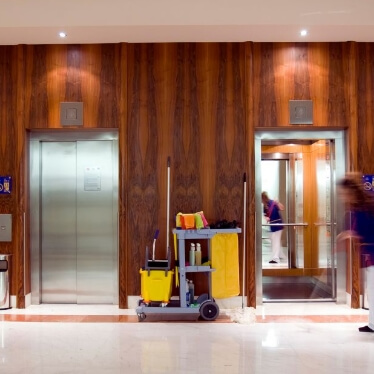
Professional cleaning team demonstrating reliability in a modern office setting

Evaluating Reliability: How Mooloolah Valley Commercial Cleaning Stands Out Among Competitors

Professional cleaning team demonstrating reliability in a modern office setting

Reliable Commercial Cleaning in Mooloolah Valley: Why Divine Commercial Cleaning Stands Out

Reliability in commercial cleaning means showing up when promised, meeting agreed standards, and proving it with records so your operation, staff and customers aren’t disrupted. This guide lays out clear, measurable reliability criteria, explains local factors that affect performance in Mooloolah Valley, and gives facilities managers practical steps to compare suppliers. You’ll learn how to read testimonials and case studies, which specialised and eco-friendly services actually support dependable results, and how to request accurate, comparable quotes. We focus on objective metrics—on‑time rates, QA frequency, staffing controls and contract clarity—using Divine Commercial Cleaning as a regional example of responsiveness and trust across the Sunshine Coast and Brisbane. The aim is simple: help decision-makers set clear expectations and choose a provider that commits to measurable outcomes.

What Defines Reliability in Mooloolah Valley Commercial Cleaning Services?

Reliable commercial cleaning delivers scheduled visits to a documented standard and provides verification so businesses can operate without avoidable cleanliness issues. Reliability is built from trained teams following standard operating procedures (SOPs), regular quality-assurance (QA) checks, and straightforward escalation paths for problems—these controls reduce variability in day‑to‑day results. In Mooloolah Valley, local logistics matter: travel time from Sunshine Coast hubs, client access windows for retail and medical sites, and steady supply of eco-friendly products all affect a contractor’s ability to meet commitments. Knowing how these factors translate into measurable metrics helps you demand transparency and predictability from providers.

Ask for these measurable criteria when evaluating commercial cleaning reliability:

  • On‑time performance rate: Percentage of scheduled visits completed as planned.
  • QA inspection frequency: How often supervisors record quality checks.
  • Missed‑cleaning incidents: Number of skipped or incomplete tasks over a set period.
  • Staff training and turnover: Evidence of onboarding, certifications and retention controls.
  • Response time for issues: Agreed SLA for resolving client‑reported problems.

These metrics turn an abstract promise of “reliability” into verifiable data. Requesting them up front reduces selection risk and sets the basis for ongoing accountability. The next section looks at local factors that most directly affect these measurements.

Which Factors Influence Commercial Cleaning Reliability Locally?

Mooloolah Valley map and local features that affect cleaning schedules

Local reliability depends on geography, client type, site access and supply‑chain stability—each affects a supplier’s ability to meet scheduled work. Geography matters because travel from Sunshine Coast or Brisbane hubs changes crew arrival windows and flexibility for late calls. Client type adds different demands: medical centres need infection‑control procedures and certifications, while retail outlets often require night teams around trading peaks. Site access constraints—locked doors, security escorts or restricted cleaning times—add complexity and demand documented SOPs to prevent missed tasks.

Good providers mitigate these risks with flexible rostering, backup crews and robust inventory management. When assessing suppliers, review their contingency plans, SOP documentation and backup staffing ratios to judge operational resilience. Those measures lead naturally to questions about how the provider delivers consistent QA day to day.

How Does Divine Commercial Cleaning Ensure Consistent Service Quality?

Consistent service relies on scheduled plans, supervisor QA checklists, structured staff training and clear escalation procedures for client concerns. Divine Commercial Cleaning builds its model on dependable delivery and open communication—scheduled visits, routine quality checks and prompt follow‑up on issues. For buyers, that means asking for evidence: QA records, sample SOPs and training outlines to confirm repeatable performance.

Ask for practical proof points such as inspection checklists, frequency of supervisory spot‑checks and examples of corrective action reports. Those documents separate providers who only claim reliability from those who can demonstrate the systems behind it. Clear verification also makes apples‑to‑apples comparisons easier, which we cover in the comparison section.

How Do Client Testimonials and Case Studies Reflect Cleaning Service Trustworthiness?

Client testimonials and case studies showing service reliability

Testimonials and case studies are useful when they include specifics: repeat engagements, measured results and real incident responses. Reliable examples reference quantifiable improvements—fewer missed cleans, faster issue resolution or higher audit pass rates—rather than vague praise. Case studies that lay out the initial problem, the intervention and measurable outcomes give the most confidence because they show methods and results in a real setting.

Look for these signs when reviewing testimonials and case studies:

  1. Specific metrics: Mentions of reduced missed‑cleaning incidents or improved inspection pass rates.
  2. Repeat engagements: Evidence of ongoing contracts or extended service relationships.
  3. Problem‑response examples: Timelines and corrective actions for issues.
  4. Sector relevance: Case details from offices, medical centres or retail sites like yours.

These signals translate marketing language into operational evidence and reduce selection risk. The next subsection summarises regional feedback and how it applies across business types.

What Do Mooloolah Valley Businesses Say About Divine Commercial Cleaning?

Local feedback typically highlights three consistent strengths: reliable scheduling, clear communication and prompt issue resolution. For Divine Commercial Cleaning, regional reports point to repeat business and positive continuity across the Sunshine Coast and Brisbane—including Mooloolah Valley—reflecting documented QA routines and responsive account management.

When reading testimonials, look past adjectives to operational detail: repeat contracts suggest sustained performance, while mentions of quick problem resolution indicate effective escalation paths. Those clues help buyers spot substantive reliability in marketing copy and lead to meaningful case‑study comparisons.

Below is a concise case‑study summary showing measured outcomes across common business types.

Case StudyBusiness TypeMeasured Outcome
Office continuity planOffice buildingFewer missed cleans; improved on‑time rate
Infection‑control upgradeMedical centreNew SOPs implemented; consistent QA pass checks
Retail peak‑period supportRetail outletNight cleans maintained during promotions with no operational disruption

These examples show how targeted interventions and QA focus produce measurable improvements in different settings. Next, we explain how to compare providers objectively on the reliability attributes that matter.

How Have Case Studies Demonstrated Reliability in Diverse Business Settings?

Case studies prove reliability when they show a clear problem, the solution applied and measurable results linked to the client’s operations. Offices often benefit from documented checklists and scheduled supervisory audits that cut missed tasks. Medical centres need staff trained in infection‑control SOPs and more frequent QA inspections. Retail environments rely on flexible rostering and contingency teams to cover promotional peaks.

Key lessons are transferable: documented SOPs, QA frequency scaled to risk and contingency staffing reduce downtime across sectors. Map these lessons to your site constraints to find a provider whose practices match your reliability needs—then use those points in your quote requests and service commitments.

How Does Divine Commercial Cleaning Compare to Other Sunshine Coast and Brisbane Providers?

Compare providers by objective attributes that affect reliability: QA practices, on‑time performance, responsiveness, contract transparency and service coverage. Focus on measurable SLAs and documented practices rather than promotional language. Regional feedback positions Divine Commercial Cleaning as a firm that emphasises trust, consistency and responsiveness—traits you can compare directly with other local providers to assess trade‑offs.

Use the table below to weigh provider features and their reliability implications.

Provider TypeAttributeTypical Reliability Metric
Divine Commercial CleaningQA frequency and responsivenessRegular QA checks; prioritises prompt client response
Some providersOperational transparencyVariable QA frequency; mixed responsiveness
Conventional providersPrice‑driven offeringsLower QA frequency; higher scheduling variability possible

This frames Divine Commercial Cleaning as an example of a QA‑focused, responsive provider while illustrating how other provider types trade price for consistency. Before you contact vendors, use these practical diagnostic questions to probe reliability claims.

Ask potential suppliers:

  • What is your documented on‑time performance rate over the past 12 months?
  • How often are supervisory QA inspections performed and how are they recorded?
  • What is your SLA for responding to service issues and how is escalation handled?
  • Which contract terms define missed‑cleaning penalties, if any, and what is included in the scope?

Requesting these items forces vendors to provide verifiable metrics rather than marketing statements. Clear answers create a solid basis for side‑by‑side comparison and support long‑term reliability.

What Are the Key Differences Among Top Commercial Cleaning Companies in Mooloolah Valley?

Top differences between providers include service scope, QA rigour, staff training and availability of eco‑friendly or specialised options. A broader scope reduces subcontracting and scheduling friction; rigorous QA protocols—documented checklists and supervisory inspections—correlate with steadier outcomes and fewer complaints.

Don’t take claims at face value: ask for sample QA logs, training outlines and references from similar sites. Those artifacts reveal operational discipline more reliably than marketing copy and help you weigh the trade‑off between lower price and potential performance variability.

How Do Pricing and Contract Transparency Affect Service Selection?

Transparent pricing and clear contract terms lower the risk of disputes and support long‑term reliability because expectations are explicit from the start. Essential contract items include a detailed scope of work, QA frequency, SLA response times, cancellation terms and what supplies or equipment are included. Vagueness in these areas invites misaligned expectations and recurring friction.

The mini‑table below shows contract elements that support reliability.

Contract ElementDescriptionReliability Impact
Scope of WorkDetailed tasks and frequenciesReduces scope creep and ensures consistent delivery
SLA Response TimeResponse and resolution targetsEnsures timely issue handling
QA DocumentationInspection records and corrective actionsEnables performance verification
Pricing InclusionsWhat is included/excludedPrevents billing disputes and ensures coverage

Clear contract elements make it easier to hold providers accountable. After reviewing contracts and features, narrow your shortlist and request precise quotes to compare true costs against promised reliability.

Specialised services and eco‑friendly practices strengthen reliability when they match compliance needs and operational priorities—think infection control in medical centres or low‑VOC protocols in retail spaces. Services such as medical‑grade cleaning, floor care and planned deep cleans require trained staff and dependable supply chains—factors that affect reliability. Eco‑friendly product choices can improve occupant health and perception, but they also demand consistent sourcing and staff training to avoid service gaps.

What Specialised and Eco-Friendly Cleaning Services Enhance Reliability?

The table below links common specialised services to their reliability impacts.

ServiceAttributeImpact on Reliability
Medical‑grade cleaningTrained staff & strict SOPsHigh reliability for infection‑control environments
Floor‑care & machine servicesSpecialised equipment & schedulesConsistent floor quality reduces safety incidents
Deep cleans / project cleansPlanned resource allocationReduces emergency downtime and backlogs
Eco‑friendly product useSupply‑chain management requiredPositive perception but needs backup sourcing to stay consistent

Specialised capabilities require operational investment to deliver reliable outcomes. The next subsection covers eco‑friendly trade‑offs in more detail.

How Do Eco-Friendly Practices Impact Commercial Cleaning Standards?

Eco‑friendly practices enhance occupant health and support sustainability goals, which can reduce complaints and build trust. They also introduce operational considerations: some green products need specific handling or longer contact times, and inconsistent supply can disrupt schedules if a provider lacks backup sourcing. Reliable suppliers maintain approved alternatives, train staff on new techniques and adapt SOPs to chemical compatibility and dwell times. Ask about suppliers, backup plans and staff certifications to ensure eco choices don’t compromise consistency.

Those operational commitments lead into the specific specialised services that a responsive provider like Divine Commercial Cleaning can deliver.

Which Specialised Services Does Divine Commercial Cleaning Offer for Business Needs?

Divine Commercial Cleaning provides tailored commercial cleaning for offices, retail outlets, medical centres and shopping centres, with a focus on dependable delivery and quick response. Their regional service mix supports sector‑specific requirements—scheduled QA for medical sites and flexible night‑shift crews for retail, for example—meaning a single supplier can cover routine and specialised work without heavy subcontracting. That reduces scheduling friction and improves consistency.

If your site needs specialised capability, ask for a tailored scope plus demonstrated QA schedules and training outlines so you can confirm reliable delivery without disrupting operations.

How Can Businesses Request Quotes and Engage with Divine Commercial Cleaning?

Getting a reliable quote and engaging a cleaning provider works best when you supply clear inputs and expectations. Prepare site specifics—size, operating hours, current cleaning frequency, any special requirements (medical‑grade cleaning, eco‑friendly products) and desired QA standards—so providers can produce accurate proposals. A clear quote process reduces back‑and‑forth and ensures proposals reflect the real scope needed for dependable service.

  1. Gather site data: Square metres, number of rooms, high‑touch areas and operating hours to define scope.
  2. List special requirements: Infection control needs, floor‑care schedules or green‑product mandates.
  3. Define QA expectations: Desired inspection frequency and reporting format.
  4. Request SLA terms: Ask for response times and corrective action processes.
  5. Compare proposals: Evaluate on QA metrics, response SLAs and contract transparency—not only price.

Following these steps produces more comparable quotes and clarifies the reliability commitments you should expect. The next section explains a typical quote process and how providers demonstrate responsiveness.

What Is the Process for Obtaining Customised Commercial Cleaning Quotes?

Start by sending site details and your specifications, then request a site assessment or virtual walkthrough. After that you’ll receive a written proposal with scope, frequencies and proposed SLAs. Providers assess site complexity, access constraints and compliance needs before finalising a quote—this helps ensure the plan supports reliable execution. Expect initial quotes to state assumptions about staff access windows and supply inclusions so there are no surprises later.

Include photos or a short video of the premises and a prioritised list of essential tasks to speed accurate pricing. Clear documentation at the outset reduces ambiguity and supports smooth onboarding.

How Does Divine Commercial Cleaning Maintain Responsiveness to Client Needs?

Divine Commercial Cleaning maintains responsiveness with clear communication channels, formal escalation procedures and proactive account management designed to resolve issues quickly and keep services running. Regional reports indicate the company encourages direct contact and quote requests and treats responsiveness as a core reliability factor. Typical mechanisms include a designated account contact, documented issue logs and scheduled performance reviews to address recurring concerns.

  1. Request a tailored quote with clear QA and SLA items.
  2. Confirm your preferred communication channel and escalation path.
  3. Agree on initial review milestones to verify service meets reliability targets.

Following these steps helps ensure your chosen provider delivers predictable, accountable service.

This guide has set out measurable criteria for evaluating commercial cleaning reliability in Mooloolah Valley, shown how to read testimonials and case studies, compared provider attributes that affect dependability, linked specialised and eco‑friendly services to reliability impacts, and given a step‑by‑step process for getting accurate quotes and onboarding a responsive supplier. Use the tables and checklists above to hold providers to verifiable metrics rather than marketing claims when selecting your commercial cleaning partner.

Frequently Asked Questions

What should I consider when comparing commercial cleaning providers?

Prioritise measurable attributes: QA practices, on‑time performance and responsiveness. Ask for inspection records and service level agreements (SLAs) so you can verify claims. Also check service scope—specialised and eco‑friendly options affect reliability—and demand contract transparency to avoid misunderstandings.

How can I ensure that a cleaning service meets my specific needs?

Be specific during the quote process. Share site size, operating hours and any special needs such as medical‑grade cleaning or green products. Request a tailored scope of work that specifies frequencies and QA expectations so the provider understands and can meet your operational priorities.

What role do eco-friendly practices play in commercial cleaning reliability?

Eco‑friendly practices boost occupant wellbeing and support sustainability goals, but they require reliable sourcing and staff training. Ask about the provider’s backup suppliers and certifications to make sure green choices don’t introduce inconsistency.

How can I assess the training and qualifications of cleaning staff?

Request the provider’s training outline and onboarding processes, and ask for evidence of ongoing training, certifications and performance reviews. Also check staff turnover—high turnover can affect consistency. A transparent provider will share these details readily.

What are the benefits of having a single provider for multiple cleaning services?

A single provider reduces subcontracting, simplifies communication and improves scheduling consistency. It also makes it easier to consolidate QA records and manage performance across routine maintenance and specialised projects.

How can I evaluate the responsiveness of a cleaning service?

Ask about communication protocols, escalation procedures and who your account contact will be. Request examples of past issue resolution times. A responsive provider will show documented processes and a track record of quick follow‑up.

What should I include in my request for a cleaning service quote?

Provide square footage, room counts, high‑touch zones, operating hours and any special requirements like medical‑grade cleaning or eco‑product preferences. State your QA expectations and ask for SLA details. Complete information leads to accurate, comparable quotes.

Evaluating commercial cleaning reliability in Mooloolah Valley comes down to measurable criteria, local logistics and clear contracts. Understanding these elements helps you choose a supplier that keeps operations running smoothly and protects staff and customers. Working with a trusted, responsive provider such as Divine Commercial Cleaning gives you documented QA, clear communication and accountable service delivery. Start by requesting a tailored quote that includes the QA and SLA items you need.

Comments

Leave a Reply

Your email address will not be published. Required fields are marked *

Gift Divine Commercial Cleaning Logo