Maroochydore Commercial Cleaning: How Our Professional Services Stack Up Against Local Competitors
If you manage a business in Maroochydore, choosing the right commercial cleaner matters for hygiene, compliance and cost control. This guide explains what commercial cleaning looks like locally, compares common provider approaches with the strengths of Divine Commercial Cleaning, outlines typical pricing and how to request a clear quote, and covers eco‑friendly and regulatory considerations. You’ll learn which services suit offices, retail, medical centres and shopping centres, how tailored plans minimise disruption, and practical scheduling tips to keep operations running smoothly.
Our aim is to give facility managers, procurement teams and business owners across the Sunshine Coast and Brisbane the information they need to decide with confidence and request a transparent proposal. The sections that follow describe services offered, competitor comparisons, pricing and quote steps, green and compliant practices, customer feedback trends, and scheduling recommendations for Maroochydore sites.
What Commercial Cleaning Services Do We Offer in Maroochydore?
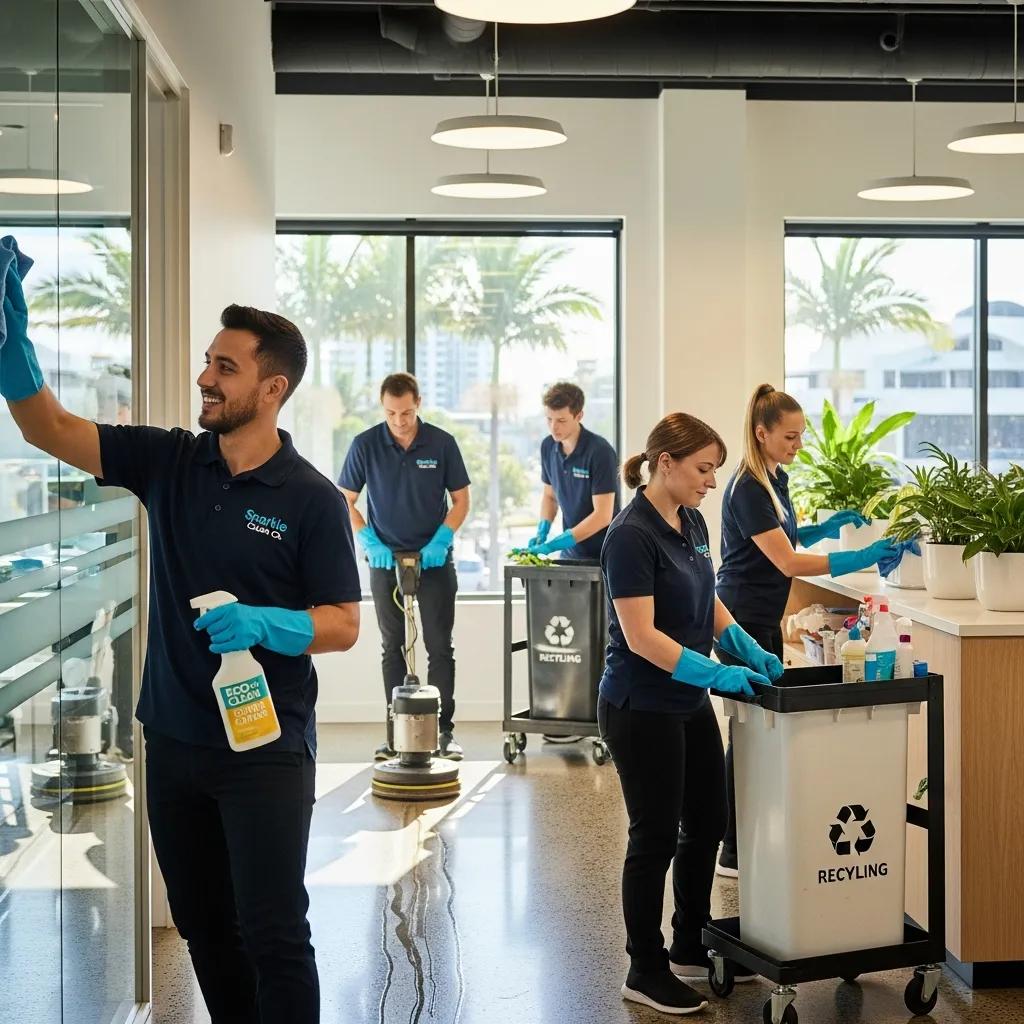
Commercial cleaning in Maroochydore covers a broad set of professional services built to maintain hygiene, presentation and regulatory standards for businesses. That includes daily office cleaning to support productivity, retail cleaning to handle heavy foot traffic and merchandising areas, specialist cleaning for medical centres with infection‑control protocols, and coordinated cleaning for shopping centres and large mixed‑use spaces.
Every service relies on trained, vetted staff, the right equipment and bespoke plans so work supports your operation rather than interrupts it. Knowing the scope of each service helps decision‑makers match frequency and tasks to real‑world needs and compliance requirements. The next sections explain which business types benefit most and how we create customised plans.
Which Business Types Benefit from Our Office, Retail, Medical, and Shopping Centre Cleaning?
Different businesses have different priorities. Offices need clean workstations and tidy communal areas, retail stores require clear displays and frequent floor care to protect stock, medical centres demand strict disinfection and documentation to control infection risk, and shopping centres need coordinated cleaning across many tenancies and shared spaces. For example, medical clinics usually require surface disinfection between appointments and audited cleaning logs, while retail outlets benefit from daytime touchpoint wipes and deeper cleans after hours. Facility managers value predictable handovers and minimal downtime during trading hours. Matching cleaning plans to those realities ensures regulatory and operational needs are met.
How Do Our Customised Cleaning Plans Meet Specific Business Needs?
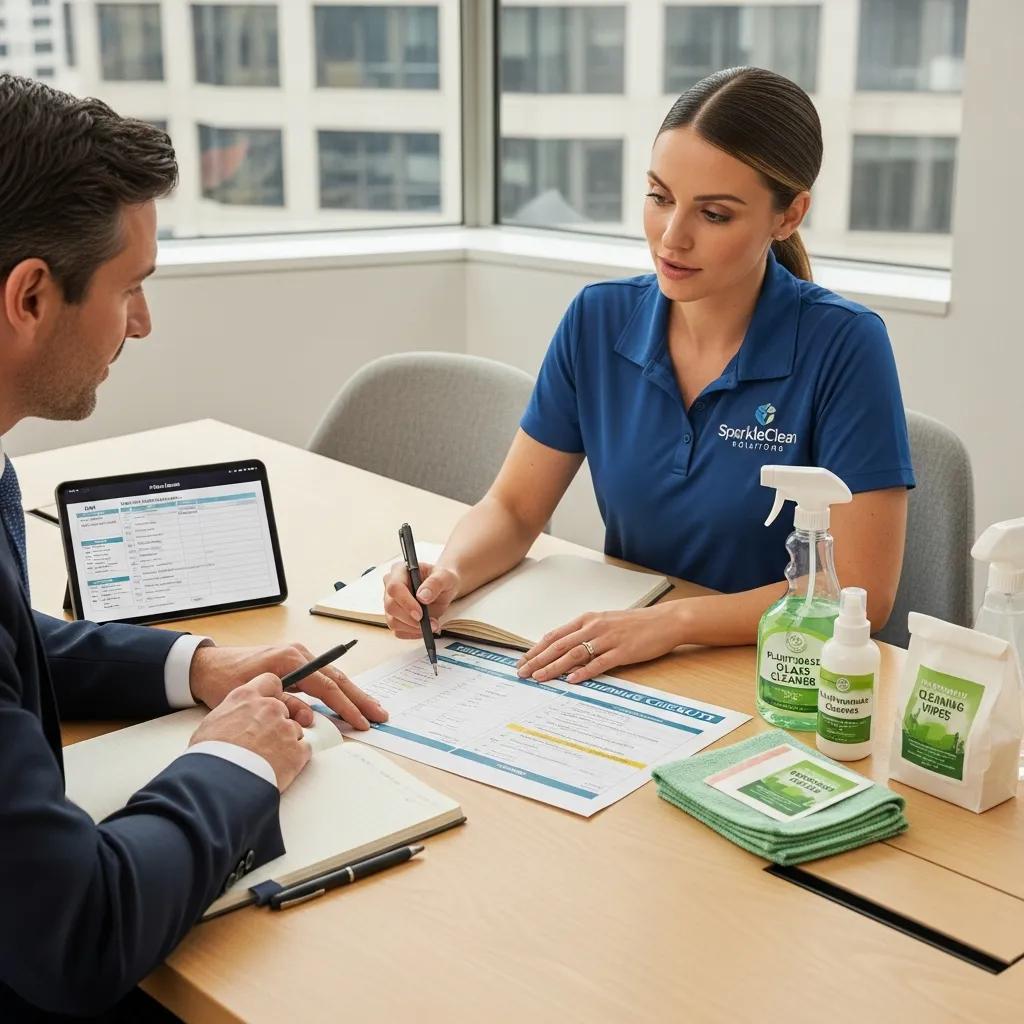
Our customised plans start with an on‑site assessment to map layouts, traffic flows, sensitive zones and client priorities. From that diagnostic we recommend scope, frequency and timing. Plans then list tasks, materials (with green options where required), staff vetting levels and service windows designed to avoid peak business activity. We usually run a short trial or orientation to refine touchpoints and reporting cadence, and establish measurable performance criteria such as inspection checklists. Clear agreements reduce scope creep, align expectations between facilities teams and crews, and deliver better long‑term value. The section below compares this approach with common local alternatives.
How Do Our Commercial Cleaning Services Stack Up Against Local Competitors in Maroochydore?
A concise comparison helps procurement teams shortlist providers quickly. Key differences are the degree of customisation, use of eco‑friendly products, thoroughness of staff vetting and clarity of pricing—areas where suppliers vary. Many local firms offer standard packages that suit lots of clients but lack deep tailoring or itemised quotes; by contrast, providers focused on tailored plans and transparent pricing reduce procurement friction. Clear information on these attributes speeds decisions and cuts the risk of disputes. The table below summarises how Divine Commercial Cleaning compares with typical local practice.
| Provider Aspect | Characteristic | Typical Local Competitors |
|---|---|---|
| Customised Plans | Site‑specific scopes and flexible frequencies | Often standard packages with limited tailoring |
| Eco-friendly Products | Industry‑compliant green products and protocols | Varies; some still rely on traditional chemicals |
| Staff Vetting | Experienced, fully vetted cleaning teams | Vetting processes can be inconsistent |
| Pricing Transparency | Itemised scopes and simple quote requests | Less transparent; services sometimes bundled |
| Service Area Coverage | Focus on Sunshine Coast and Brisbane | Coverage may be more limited |
What Unique Value Propositions Differentiate Divine Commercial Cleaning?
Divine Commercial Cleaning focuses on a few practical advantages: site‑specific cleaning plans that reflect how your space is used, eco‑friendly and standards‑compliant products that protect staff and visitors, experienced vetted teams that lower turnover and training overhead, plus clear, itemised pricing to speed procurement. Operationally, tailored plans reduce disruption by syncing work windows with your schedule and cut dispute risk with defined scopes. Green materials reduce VOC exposure and support sustainability targets. Vetted teams simplify onboarding for sensitive sites like medical clinics. Together these features deliver measurable benefits: steadier invoicing, fewer complaints and smoother compliance reporting.
How Do Pricing and Service Transparency Compare Among Sunshine Coast Commercial Cleaners?
Pricing in the Sunshine Coast market commonly follows hourly rates, fixed monthly contracts or per‑task fees, and transparency depends on how clearly scopes, inclusions and exclusions are itemised. Transparent providers supply itemised scopes, defined frequencies and documented exclusions so procurement teams can compare bids fairly. Less‑transparent offers tend to bundle services without clear task lists, which makes comparisons harder and raises the risk of later scope disputes. Clear pricing helps operations budget accurately and speeds internal approvals. The next section outlines typical pricing structures and a straightforward quote workflow.
What Are the Pricing Structures and Quote Request Processes for Commercial Cleaning in Maroochydore?
Commercial cleaning costs reflect space size, required frequency, task complexity and any specialist compliance needs. Common pricing models are hourly labour rates for variable work, fixed monthly contracts for routine services, and per‑task fees for defined one‑off projects such as deep cleans. Key cost drivers include square metres, touchpoint counts, service frequency and specialised supplies or staff qualifications. A transparent quote process shortens procurement and sets clear expectations. The steps below show the typical workflow you can expect when requesting a tailored proposal.
A straightforward quote‑request process often includes the following steps:
- Initial Enquiry: You share basic site details and priorities.
- Site Assessment: We carry out an on‑site or virtual inspection to scope tasks.
- Proposal: We issue an itemised proposal detailing scope, frequency and pricing.
- Review and Clarification: You and our team refine scope and scheduling.
- Agreement and Onboarding: Finalise the contract, schedule services and run the handover.
| Pricing Model | Attribute | Typical Timeframe/Turnaround |
|---|---|---|
| Hourly Rate | Flexible for variable or ad‑hoc work | Quotes faster; depends on inspection |
| Fixed Monthly Contract | Predictable monthly cost for recurring services | Standard proposals within a few business days |
| Per-Task / Project Fee | Defined scope for one‑off or deep cleans | Proposal after scope confirmation |
How Does Our Transparent Pricing Benefit Maroochydore Businesses?
Transparent pricing gives businesses predictable monthly costs, easier budget approvals and simpler vendor comparisons. When scopes are itemised, facilities teams can see which line items drive price differences and make informed trade‑offs between frequency and depth of service. This reduces invoice disputes and simplifies auditing for compliance, especially in regulated settings such as medical facilities. Clear pricing also improves accountability because performance is measured against an agreed scope. The next section outlines what clients should prepare when requesting a tailored cleaning quote.
What Steps Are Involved in Requesting a Customised Cleaning Quote?
To speed a customised quote, prepare a few key details and book an assessment. Typical items to provide are facility size, preferred service hours, any compliance or certification requirements and known problem areas. Then schedule a walkthrough so we can confirm access arrangements and peak periods. We’ll draft an itemised proposal listing tasks, frequencies and exclusions, followed by a review cycle to adjust scope and pricing. Once agreed, onboarding includes a site induction for cleaning staff and a reporting rhythm for inspections. Being prepared reduces back‑and‑forth and shortens procurement time.
Why Choose Eco-Friendly and Compliant Commercial Cleaning Services in Maroochydore?
Eco‑friendly, compliant cleaning protects occupant health, supports corporate sustainability goals and reduces environmental impact while meeting regulatory obligations. Low‑VOC, biodegradable products and measured dosing reduce airborne irritants and chemical residues that affect staff and customers. For regulated sites such as medical centres and childcare facilities, documented procedures, trained staff and traceable cleaning logs are essential for audit readiness. Choosing green, compliant approaches balances operational effectiveness with public health and corporate responsibility—factors increasingly scrutinised by stakeholders and regulators. Below we list practical green practices and show how these products and compliance features align operationally.
What Eco-Friendly Products and Practices Do We Use?
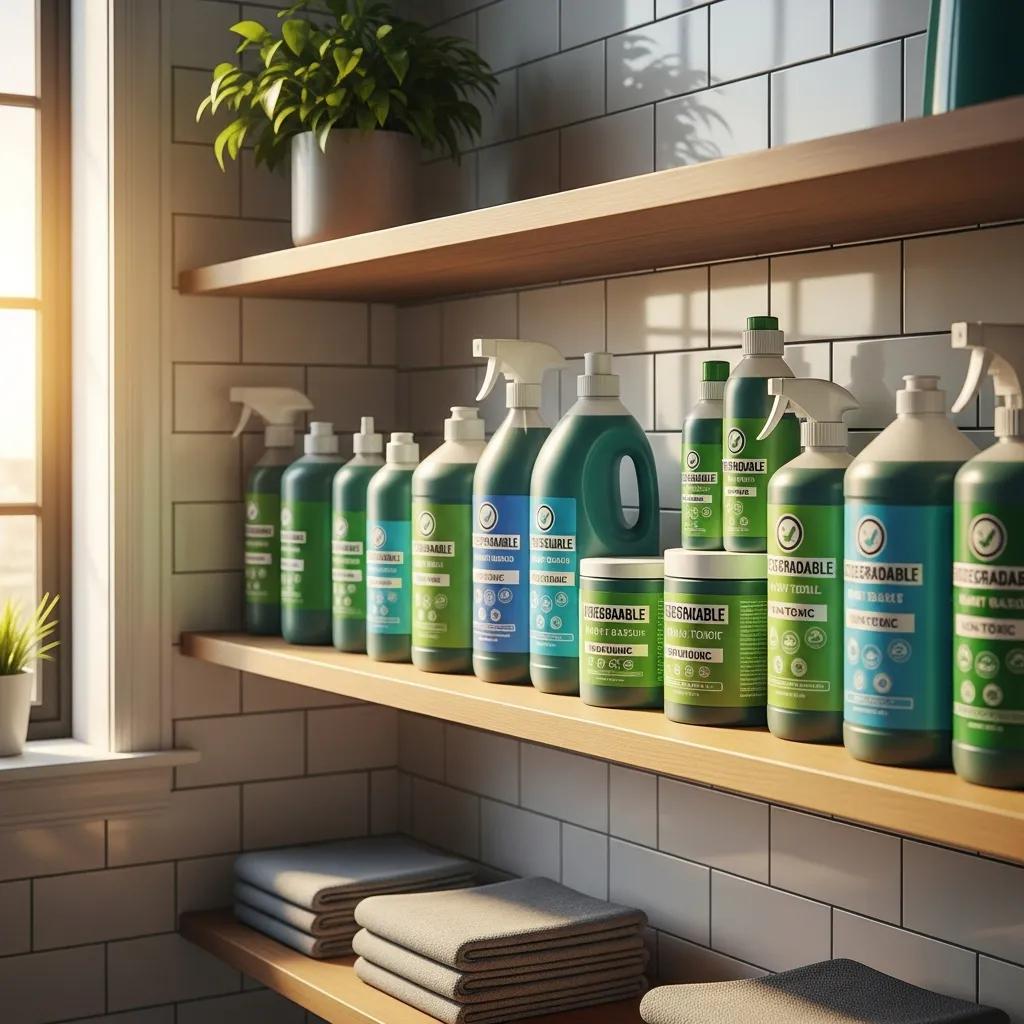
Our eco‑conscious approach focuses on methods that reduce environmental impact without compromising results: biodegradable cleaners, microfibre systems that cut chemical use, and measured dosing to avoid over‑application. Operational practices like segregated waste collection, mechanical cleaning to minimise chemicals and scheduled deep cleans all contribute to sustainability goals. These methods lower VOC exposure for staff and visitors and often reduce long‑term supply costs through more efficient use. They also support corporate sustainability reporting and community expectations across the Sunshine Coast and Brisbane.
- Biodegradable cleaners: Reduce chemical persistence in wastewater.
- Microfibre cleaning systems: Lift soil with less chemical input.
- Measured dosing systems: Prevent overuse and cut waste.
| Product / Practice | Ecological Attribute | Compliance / Operational Benefit |
|---|---|---|
| Biodegradable cleaners | Break down quickly in the environment | Reduces aquatic toxicity risk |
| Microfibre systems | Lower chemical volumes required | Fewer residues and better surface cleaning |
| Measured dosing | Minimised product waste | Consistent application and cost control |
How Do We Ensure Compliance with Australian Cleaning Standards and Health Regulations?
Compliance relies on documented procedures, staff training and audit‑ready reporting aligned with Australian cleaning and health expectations. Practical steps include standard operating procedures for clinical disinfection, training on hazardous materials and infection control, and regular internal audits with corrective‑action logs. Providers with structured reporting systems can supply the documentation procurement and compliance teams need for inspections. Embedding compliance into daily routines ensures cleaning supports clinical and regulatory obligations without adding administrative burden.
What Do Customers Say About Our Commercial Cleaning Services in Maroochydore?
Clients typically comment on reliability, responsiveness and measurable improvements in cleanliness and audit results. Testimonials and case studies often mention punctual crews, consistent service quality and the operational benefits of tailored plans that limit interruptions. Demonstrable outcomes—such as higher hygiene audit scores or fewer tenant complaints—are compelling evidence for facility managers considering a change. Clear reporting, inspection checklists and responsive account management consistently raise satisfaction levels. The sections below outline common testimonial themes and case study formats that show measurable client success.
Which Testimonials Highlight Our Service Reliability and Customer Satisfaction?
Clients praise consistent schedules, straightforward communication and fast responses to unexpected issues—factors that build trust. Frequent themes include minimal disruption during business hours, clear billing through itemised invoices, and confidence in vetted staff who understand site requirements. These comments underline operational dependability and reduced management effort for facilities teams, helping procurement anticipate the practical benefits of a steady cleaning partnership.
How Do Case Studies Demonstrate Measurable Client Success?
Strong case studies outline the starting problem, the customised approach we used, and quantifiable results—fewer complaints, better hygiene audits or reduced chemical use after adopting green practices. For example, a retail client may report fewer slip incidents after schedule optimisation, while a medical centre could pass audits more easily thanks to stricter disinfection and documented logs. Before‑and‑after metrics show the real ROI from tailored cleaning strategies and reinforce the advantages of a structured, transparent service model.
How Often Should Commercial Cleaning Be Scheduled for Optimal Results in Maroochydore?
Cleaning frequency depends on business type, foot traffic and regulatory needs—choosing the right cadence balances cleanliness, cost and operational impact. High‑traffic public spaces like shopping centres usually need daily or multiple daily touchpoint cleaning; retail stores benefit from nightly cleans plus daytime touchpoint care; offices generally use daily light cleaning with weekly deeper tasks; and medical centres often require multiple daily disinfections with documented logs. A flexible schedule that adapts to seasonal changes and special events keeps standards high without unnecessary expense. The following section lists recommended frequencies by sector and explains how scheduling flexibility helps.
What Cleaning Frequency Options Are Available for Different Business Types?
Recommended frequencies differ by sector and activity level: offices typically need daily general cleaning with weekly deep cleans; retail settings often require nightly cleans plus daytime touchpoint maintenance; medical centres need multiple daily disinfections with strict documentation; and shopping centres require coordinated daily cleaning across common areas and tenant support. Matching cadence to risk, customer expectations and regulations prevents premature wear, improves hygiene outcomes and aligns cleaning spend to actual needs.
- Offices: Daily light cleaning; weekly deep clean.
- Retail: Nightly clean; daytime touchpoint maintenance.
- Medical centres: Multiple daily disinfections; audit‑ready logs.
- Shopping centres: Daily common‑area cleaning; scheduled deep cleans.
How Does Scheduling Flexibility Enhance Business Operations?
Flexible scheduling—after‑hours cleans, weekend deep cleans and rapid‑response teams—reduces disruption to peak business activities and protects the customer experience. After‑hours work lets staff operate without interruption, weekend deep cleans cover tasks that can’t be done during trading hours, and rapid response teams handle spills or contamination quickly to limit downtime and reputational risk. Coordination with site managers and clear communication protocols ensure cleaning aligns with operational calendars and special events, preserving both cleanliness and productivity.
- After-hours cleaning: Minimises daytime disruption and customer impact.
- Weekend deep cleans: Enables more extensive work without affecting operations.
- Rapid-response teams: Provide immediate remediation for incidents.
Frequently Asked Questions
What are the benefits of using eco-friendly cleaning products in commercial cleaning?
Eco‑friendly cleaners improve indoor air quality and cut staff and customer exposure to harsh chemicals. They’re often biodegradable and less toxic, which supports corporate sustainability goals and can enhance your public image. Reducing VOCs creates a healthier environment and helps you meet environmental regulations—a practical win for health, compliance and reputation.
How can businesses ensure they are compliant with health regulations when hiring a cleaning service?
Ask providers for documented procedures, evidence of staff training and audit‑ready records such as cleaning logs. Regular internal audits and corrective action processes are also important. Choosing a supplier that prioritises compliance and provides structured reporting helps you meet regulatory requirements and reduces inspection risk.
What should businesses consider when determining the frequency of cleaning services?
Consider foot traffic, the nature of your operations and any regulatory obligations. High‑traffic retail and medical sites may need daily or multiple daily cleans, while some offices can operate with lighter daily cleaning and weekly deep cleans. Seasonal changes and special events also affect needs. Assess these factors to build a cost‑effective schedule that keeps your site clean and safe.
How can customised cleaning plans improve operational efficiency?
Custom plans align cleaning with your operational rhythms and reduce disruption during peak hours. A site assessment identifies high‑use and sensitive areas so cleaning focuses where it matters. Clear scopes and communication ensure the team and your staff share expectations, lowering interruptions and improving overall satisfaction.
What are the advantages of transparent pricing in commercial cleaning services?
Transparent, itemised pricing gives you clarity and predictability. It makes vendor comparisons easier, reduces the chance of hidden fees and simplifies internal approvals. When costs are broken down, facilities teams can make targeted decisions about frequency and task depth—and hold suppliers accountable to agreed performance levels.
How can businesses prepare for a site assessment when requesting a cleaning quote?
Gather key details: floor area, normal operating hours, known problem zones and any compliance requirements. Identify high‑traffic areas and preferred service windows, then schedule a walkthrough. Being organised helps the provider scope the job accurately and speeds up the quoting process.
Choosing Divine Commercial Cleaning in Maroochydore gives you tailored cleaning plans that meet hygiene and compliance needs while prioritising eco‑friendly practices. Our clear pricing and customised approach improve operational efficiency and build trust with clients. With our services you get a clean, safe environment that supports your business objectives. Contact us to discuss a quote and see how we can improve your commercial cleaning experience.

Dianne, originally from Rockhampton, hails from a business-oriented family, with her father owning electrical stores and her uncle serving as Mayor. Moving to the Sunshine Coast at 13, she later pursued a rewarding real estate career and raised three children. As a single mom, she balanced university studies with domestic cleaning work. Armed with a Bachelor’s Degree in Business, majoring in Supply Chain Management, Dianne founded and grew Divine Commercial Cleaning into a thriving company. Her success is rooted in strong family mentorship, a positive attitude, and a solution-oriented approach, offering tailored cleaning services with integrity and strategic insight.