
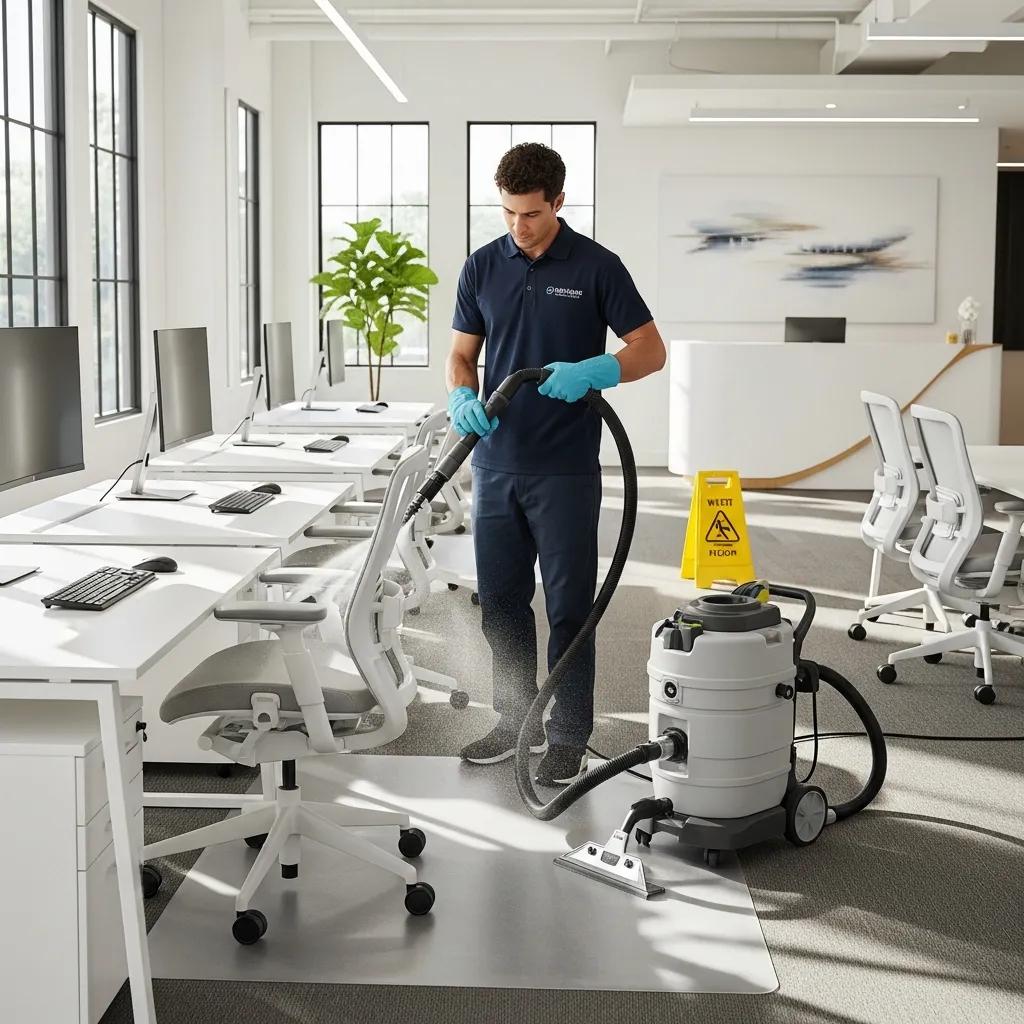
Commercial Upholstery and Furniture Cleaning for Offices in Brisbane and Sunshine Coast: Professional Services and Benefits
Commercial upholstery and furniture cleaning for offices focuses on restoring hygiene, appearance and functional longevity to upholstered assets across workplaces, reception areas and meeting spaces. This article explains what commercial-grade upholstery cleaning involves, why offices need specialist services, how professional workflows minimise downtime and what facilities managers should expect from service providers. Readers will learn the scope of services — from deep extraction and stain removal to sanitisation and fabric protection — plus material-specific methods for fabric, leather and vinyl. We address cost models and transparent quoting, recommended cleaning frequencies by usage level, and practical scheduling options that work around staffed hours. The guidance is tailored to Brisbane and Sunshine Coast commercial settings and uses industry-relevant terms like hot water extraction, low-moisture cleaning, allergen removal and upholstery protection. By the end you will have checklists, comparison tables and clear next steps for requesting a professional quote or planning a maintenance programme.
What Are Commercial Upholstery and Office Furniture Cleaning Services?
Commercial upholstery and office furniture cleaning services are specialised processes that remove soils, stains, allergens and odours from workplace seating and soft furnishings using industrial-grade equipment and methods designed to protect business operations. These services rely on targeted inspection, pre-treatment, and either hot water extraction or controlled low-moisture cleaning to restore fabric and reduce microbial load while keeping dry times compatible with office schedules. The primary value is improved hygiene and appearance with minimised downtime compared with ad-hoc domestic cleaning approaches, and the methods are selected based on fabric type, stain profile and furniture construction. Facilities teams should expect a site assessment, a documented scope of work and clear communication about expected dry times and protective treatments.
Commercial upholstery cleaning for offices typically includes the following core services:
- Deep cleaning and soil extraction for fabric and leather seating using commercial extractors and safe detergents.
- Targeted stain removal and odour control, addressing high-touch areas and common workplace spills.
- Sanitisation and protective treatments, such as antimicrobial rinses and fabric protection where compatible.
These bundled services differ from domestic cleaning because they emphasise speed, repeatability and compliance with building operations; understanding that distinction helps procurement teams select appropriate service levels.
Divine Commercial Cleaning provides local support and onsite quotes for Brisbane and Sunshine Coast offices, operating as a Lead Generation, Information Hub to help facilities managers plan maintenance and request tailored pricing. Their local positioning enables quick response for ad-hoc needs and scheduled programmes.
Defining Upholstery and Furniture Cleaning in Commercial Offices
Upholstery and furniture cleaning in commercial offices is a classification of facility maintenance that treats workplace soft furnishings as assets requiring scheduled hygiene interventions rather than occasional spot-cleaning. The approach begins with inspection and fabric identification, followed by pre-treatment of soils and stains and a cleaning method chosen to balance cleaning efficacy with rapid drying — for example, hot water extraction for heavy soils or low-moisture encapsulation for quick turnaround. This process reduces allergens, volatile odours and visible wear while maintaining warranty and appearance standards for commercial contract furniture. Facilities managers benefit from documented outcomes and repeatable service plans that align with occupancy patterns and high-traffic areas.
Types of Office Furniture and Fabrics We Clean
Commercial cleaning teams regularly service a broad inventory of office furniture items and fabrics, from ergonomic task chairs to reception sofas and modular partition panels. Typical materials include woven commercial-grade fabrics, leather and coated vinyl, polyester blends and foam cores that require careful handling; each material responds differently to water, heat and chemical agents. Common items addressed in office programmes are swivel chairs, visitor seating, lounge sofas, booth seating and fabric-covered partitions or acoustic panels. Understanding these categories helps specify appropriate cleaning methods and set realistic expectations for stain removal, dry time and protective treatments.
Why Choose Professional Commercial Upholstery Cleaning for Your Office?
Professional commercial upholstery cleaning delivers measurable benefits to workplace hygiene, asset longevity and corporate presentation that outpace DIY or domestic approaches. Trained technicians combine industrial equipment and chemical expertise to remove embedded soils, allergens and odours while applying compatible protective treatments that slow re-soiling and extend usable life. This targeted maintenance protects capital investments by delaying replacement, reduces sick-day risk through hygienic sanitisation of high-touch surfaces, and preserves the professional appearance of client-facing areas. Choosing a professional service contributes to a repeatable asset-care plan that aligns with broader facility management goals and compliance needs.
Offices gain three principal outcomes from professional upholstery cleaning:
- Healthier indoor environment with reduced allergens and microbial load on seating and high-touch surfaces.
- Longer furniture lifespan through controlled cleaning, pre-treatment and fabric protection that prevent premature replacement.
- Improved workplace appearance and client impressions, maintaining brand standards in reception and meeting areas.
These benefits combine into cost avoidance and improved occupant wellbeing; next we examine specific health and asset longevity effects in detail.
Health and Hygiene Benefits of Office Furniture Cleaning
Regular professional cleaning targets allergens, dust mites and bacteria that accumulate in upholstery, reducing airborne particulates and surface contamination in shared workspaces. High-contact zones — armrests, headrests and reception seating — are common reservoirs for microbes and require focused treatment to limit cross-contamination among staff and visitors. Sanitisation steps incorporated into commercial workflows use products and rinses compatible with office indoor air quality goals, lowering odour and microbial risk without leaving strong residues. Improved hygiene in seating areas supports overall workplace health and can complement broader cleaning protocols to reduce staff absenteeism and maintain corporate safety expectations.
Extending Furniture Lifespan and Enhancing Appearance
Cleaning interventions preserve fabric integrity by removing abrasive soils and by applying protective finishes that resist stains and UV-related fading, which together delay failures in cushions, seams and upholstery panels. Proactive maintenance prevents the progressive breakdown that leads to foam collapse and fabric pilling, delivering a measurable return on investment compared with early replacement cycles. A combination of scheduled deep cleaning and targeted spot treatments keeps furnishings looking newer longer, sustaining professional aesthetics in client-facing zones. Facilities managers can prioritise treatments for high-value items and apply protection selectively to balance budget with asset-preservation goals.
How Does Divine Commercial Cleaning Perform Office Upholstery and Furniture Cleaning?
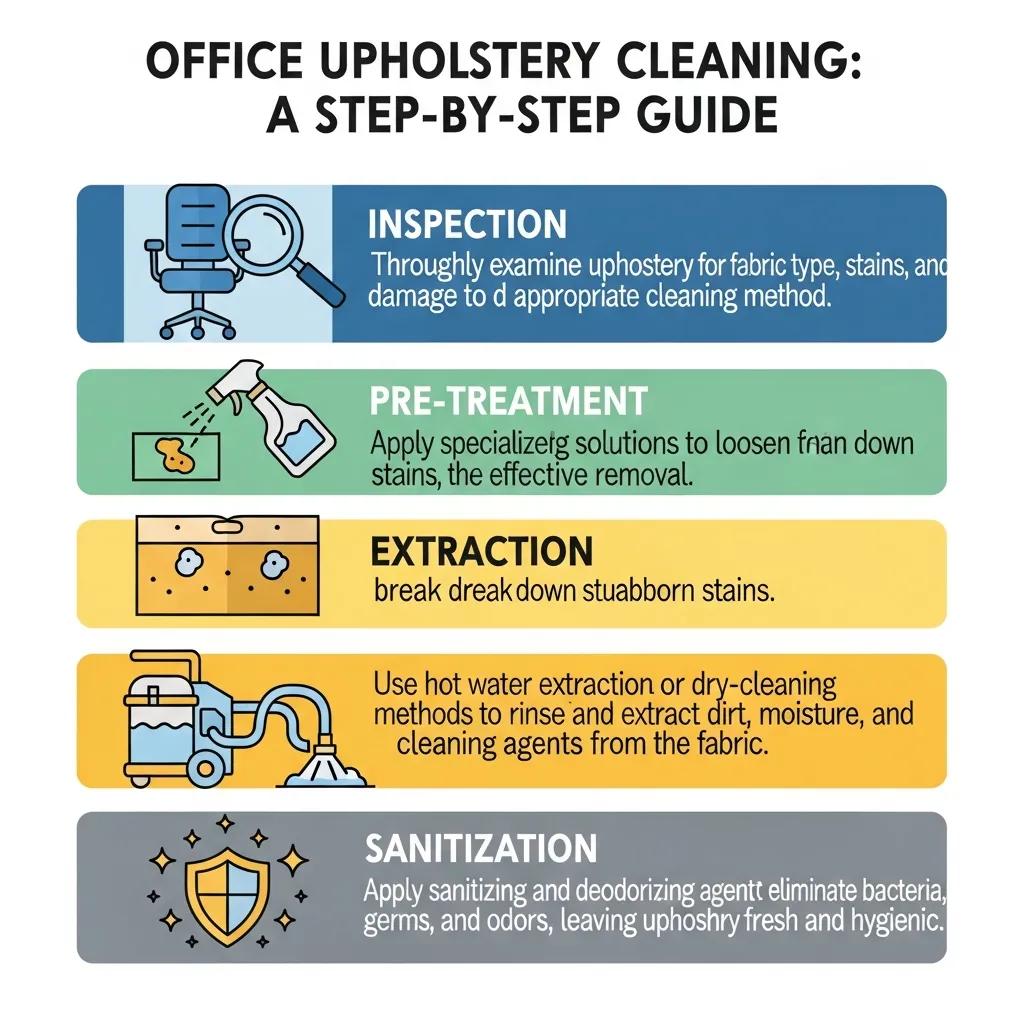
Divine Commercial Cleaning follows a structured, business-aware process that inspects fabrics, applies targeted pre-treatment, performs controlled extraction or low-moisture cleaning, and finishes with sanitisation and protection where suitable. The workflow is designed to minimise downtime in occupied offices and to document outcomes for facilities managers. Divine is a family-owned business based in Maroochydore that emphasises reliability, environmentally conscious practices and a satisfaction guarantee; their approach is customised per site with no lock-in contracts to maintain flexibility for commercial clients. For offices seeking a quote or site assessment, request a tailored proposal that outlines scope, scheduling and expected dry times.
Below is a practical breakdown of the core process steps and their purpose.
| Process Step | Purpose | Equipment/Products Used | Business Benefit |
|---|---|---|---|
| Inspection & Fabric ID | Determine method and risk | Visual inspection, fabric codes | Reduces damage risk, informs quote |
| Pre-treatment | Loosen soils and stains | Targeted detergents, stain agents | Improves stain removal rates |
| Extraction / Low-moisture cleaning | Remove soils with minimal wetting | Commercial extractors, encapsulation machines | Shorter dry time, reduced downtime |
| Sanitisation & Protection | Eliminate microbes and protect fibres | Eco-friendly sanitiser, fabric guards | Healthier environment, slower re-soiling |
Our Deep Cleaning and Sanitisation Process for Upholstered Furniture
The deep-clean workflow begins with a site walk and fabric classification to select safest, most effective methods for each item. Technicians apply pre-treatment to high-soil zones and active stains, agitating fibres where necessary before using either hot water extraction for heavy soiling or low-moisture encapsulation for quick turnaround needs. Extraction equipment removes suspended soils and rinse residues, after which a suitable sanitiser is applied to high-touch surfaces to reduce microbial counts and control odours. The process concludes with optional fabric protection for high-use items, and a documented handover that notes dry time expectations and aftercare guidance for staff.
Eco-Friendly and Safe Cleaning Products Used
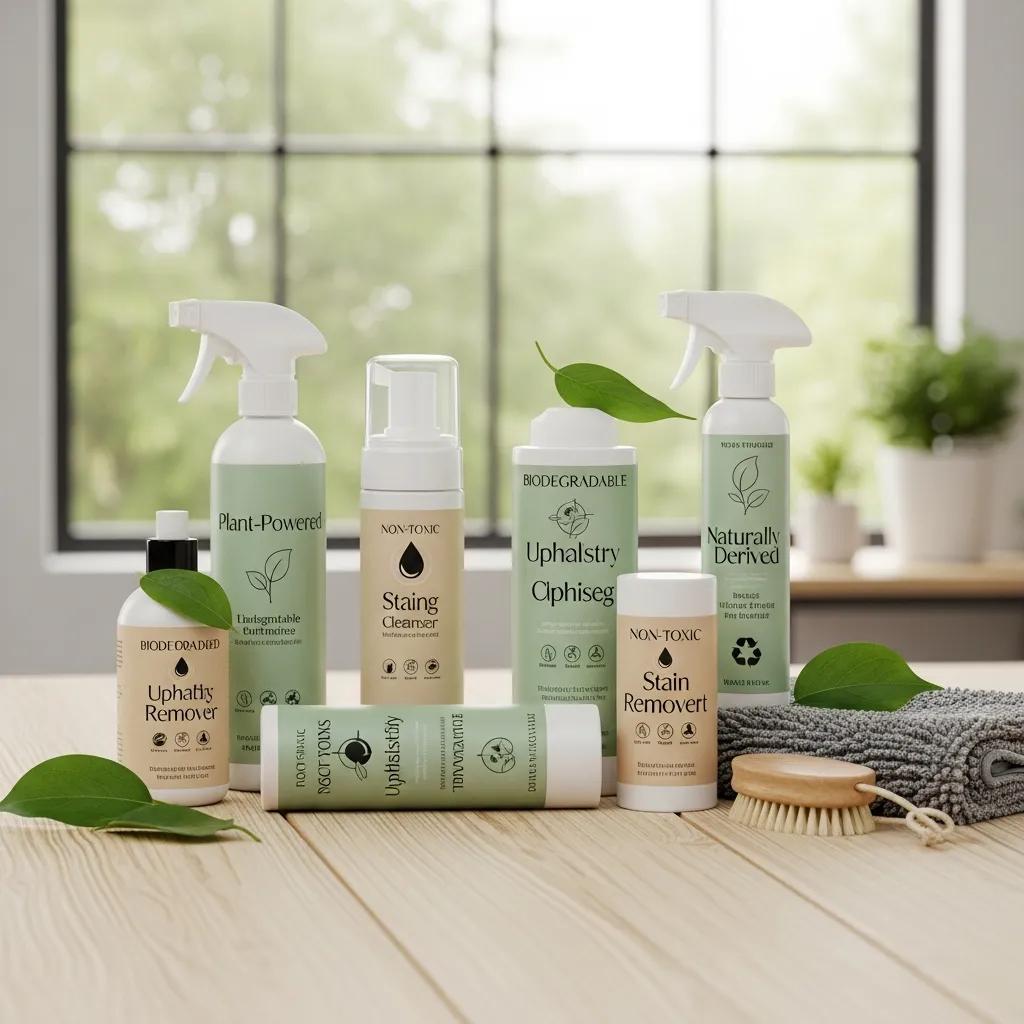
Environmentally conscious practices reduce VOCs and minimise residue on treated textiles, supporting indoor air quality and occupant comfort in busy office settings. Products selected for commercial upholstery programmes are chosen for biodegradability and low-odour performance while meeting efficacy requirements for stain removal and sanitisation. This eco-focused selection aligns with sustainable procurement goals and reduces the risk of irritation for sensitive occupants. By prioritising safe chemistries, providers can deliver a thorough clean that balances hygiene objectives with environmental stewardship.
Which Office Furniture Items and Fabrics Can Be Cleaned Professionally?
Most common commercial furniture items and materials are serviceable with appropriate methods, though delicate or inherently non-cleanable finishes require specialist advice before intervention. Professional teams typically cover fabric task chairs, leather and vinyl seating, sofas and lounge pieces, panel and partition fabrics, and some acoustic textile components. Limitations arise when fabrics carry fragile trims, unusual finishes or manufacturer restrictions; a pre-inspection identifies these exceptions and informs conservative approaches. The following table provides a quick, at-a-glance comparison to guide facilities decisions and to help prioritise treatments.
| Item | Fabric / Material | Recommended Method | Dry Time | Typical Issues Addressed |
|---|---|---|---|---|
| Task chairs | Commercial woven fabric | Low-moisture encapsulation | 1–4 hours | Stains, allergens, surface soils |
| Reception sofas | Upholstered fabric | Hot water extraction | 6–12 hours | Deep soils, odours |
| Lounge leather | Aniline / protected leather | pH-balanced leather cleaner | 1–3 hours | Surface marks, conditioning |
| Vinyl seating | Coated vinyl | Mild detergent wipe & sanitise | 30–60 minutes | Disinfecting, surface grime |
| Partition panels | Acoustic fabric | Gentle vacuum + spot clean | 1–4 hours | Dust, odours, localised stains |
Cleaning Fabric, Leather, Vinyl, and Other Materials
Material-specific guidance is essential: woven commercial fabrics tolerate hot water extraction if construction is robust, whereas delicate blends or glued foam assemblies may require low-moisture methods. Leather benefits from mild cleaning and regular conditioning rather than aggressive extraction, while vinyl typically needs surface cleaning and sanitisation without wet-extraction. Common stains — ink, coffee, oil — respond to targeted pre-treatments followed by the chosen cleaning method, but success rates depend on dwell time and prompt action. Facilities should prioritise spot-response protocols and maintain a documented fabric inventory to guide safe, effective cleaning choices.
Specialised Care for Office Chairs, Sofas, and Partitions
Different furniture forms present unique access and teardown considerations: task chairs often allow component removal for thorough cleaning, reception sofas may require sectional treatment to protect seams and zips, and fabric partitions need careful handling to preserve acoustic properties. High-wear points such as armrests, headrests and cushion edges demand focused pre-treatment and, where appropriate, protective finishes to slow re-soiling. Multi-material items require staged cleaning that addresses each surface separately to avoid cross-damage, and technicians should record any disassembly steps to ensure correct reassembly and warranty compliance.
What Are the Costs and Pricing Options for Commercial Upholstery Cleaning?
Commercial upholstery pricing typically follows clear models — per item, per hour or per square metre — adapted to the scope, material complexity and access constraints of each site. Transparent quotes come from site inspections or detailed photographs and item lists, and should list assumptions, expected dry times and any exclusions such as fragile finishes or repairs. Service packages range from one-off deep cleans to scheduled maintenance contracts offering frequency discounts, with some providers offering flexibility through no lock-in contracts to suit changing business needs. Facilities teams should request written quotes that detail unit rates and any additional fees so budget decisions are predictable.
Pricing models commonly used in the market include:
- Per item: Fixed rate per chair or sofa, useful for mixed inventories.
- Per hour: Labour-based model for flexible on-site work with variable item sizes.
- Per m2: Useful for large contiguous seating areas or custom upholstery fields.
These models allow procurement to compare quotes on a like-for-like basis and to choose the approach that best matches their workloads and reporting needs.
| Service / Pricing Model | Typical Basis | Typical Price Range | Notes |
|---|---|---|---|
| Per item | Chair / sofa rate | Varies by item complexity | Good for mixed fleets |
| Per hour | Technician time | Depends on crew size | Flexible for odd jobs |
| Per m2 | Area-based | Efficient for large volumes | Requires clear measurement |
| Maintenance packages | Scheduled visits | Discounted over ad-hoc | Ask about frequency discounts |
Transparent Pricing and Quote Request Process
A transparent quote process starts with a site inspection or a detailed inventory including fabric types, item counts and photo documentation to confirm access and condition. Providers should outline assumptions, expected dry times and any exclusions in writing and provide a clear turnaround for the quote delivery. Facilities managers can prepare a checklist to speed accurate quoting: item list, photos of problem areas, normal occupancy windows and any required insurance or supplier approvals. Clear terms reduce surprises and enable straightforward cost comparisons between vendors.
Service Packages and Maintenance Contracts
Ad-hoc cleaning handles irregular events while scheduled maintenance contracts provide predictable lifecycle management and often include frequency discounts that lower total cost of ownership. Flexible contract terms that avoid lock-in agreements let businesses adjust frequency or scope as occupancy and budget change, and satisfaction guarantees reduce procurement risk. Choosing a periodic programme enables optimised scheduling — for example, quarterly deep cleans for high-traffic reception areas and semi-annual extraction for meeting room seating — balancing cleanliness with cost-effectiveness.
Divine Commercial Cleaning’s commercial service options are presented with transparent quoting and flexible maintenance arrangements that emphasise customised solutions and no lock-in contracts; request a written quote to compare scope and frequency options directly.
How Often Should Commercial Office Upholstery Be Cleaned?
Recommended cleaning frequency depends on traffic level, furniture function and material: high-traffic chairs in reception or shared workstations need more frequent attention than low-use private office seating. As a rule of thumb, high-traffic seating merits cleaning every 3–6 months, medium-usage seating every 6–12 months, and low-usage or private office seating annually. Factors that increase frequency include visible soiling, staining events, odours, allergen concerns and special events that require pristine client-facing areas. A routine inspection schedule helps trigger ad-hoc cleaning when needed and supports data-driven budgeting for ongoing maintenance.
The following actionable recommendations help facilities plan cadence and priorities:
- Prioritise reception, waiting areas and meeting room seating for more frequent cleaning.
- Use scheduled quarterly or semi-annual visits for high-traffic zones and less frequent cycles for back-office areas.
- Implement rapid spot-clean protocols for spills and stains to reduce the need for deep interventions.
Recommended Cleaning Frequency for Different Furniture Types
Prescriptive intervals typically follow usage categories: high-traffic reception sofas and shared meeting-room chairs: every 3–6 months; daily-use workstation chairs: every 6–9 months; private office sofas and occasional seating: annually. Leather and vinyl items often require less frequent deep extraction but benefit from regular surface cleaning and conditioning schedules to maintain suppleness and appearance. Acoustic panels and partition fabrics follow inspection-led schedules based on dust accumulation and odour detection rather than strict calendar intervals.
Scheduling Flexible Cleaning Services for Business Needs
Flexible scheduling options include after-hours, weekend shifts and staged cleaning to avoid full-area closures, enabling continuous operations during business hours. Coordination with facility services ensures access to power and water where needed and allows cleaning teams to sequence work by area priority. Short-notice and event-based cleaning can be arranged within many providers’ commercial offerings to handle sudden requirements for client events or incident response; documenting preferred windows and building protocols in the service agreement streamlines future deployments.
For a tailored schedule and cost estimate, request a site assessment and quote that includes proposed visit frequency and timing options. Lead Generation, Information Hub — Divine Commercial Cleaning can prepare a customised maintenance plan and quote; call 0459 949 969 or email info@divinecleaning.com.au to request an assessment, or view our Google Business Profile for local details.
Scheduling List (Checklist for Facilities Managers)
- Inventory: Compile item counts, photos and fabric types for accurate quotes.
- Access windows: Identify after-hours or low-occupancy times for service visits.
- Special requirements: Note any sensitive materials or warranty constraints.

Dianne, originally from Rockhampton, hails from a business-oriented family, with her father owning electrical stores and her uncle serving as Mayor. Moving to the Sunshine Coast at 13, she later pursued a rewarding real estate career and raised three children. As a single mom, she balanced university studies with domestic cleaning work. Armed with a Bachelor’s Degree in Business, majoring in Supply Chain Management, Dianne founded and grew Divine Commercial Cleaning into a thriving company. Her success is rooted in strong family mentorship, a positive attitude, and a solution-oriented approach, offering tailored cleaning services with integrity and strategic insight.