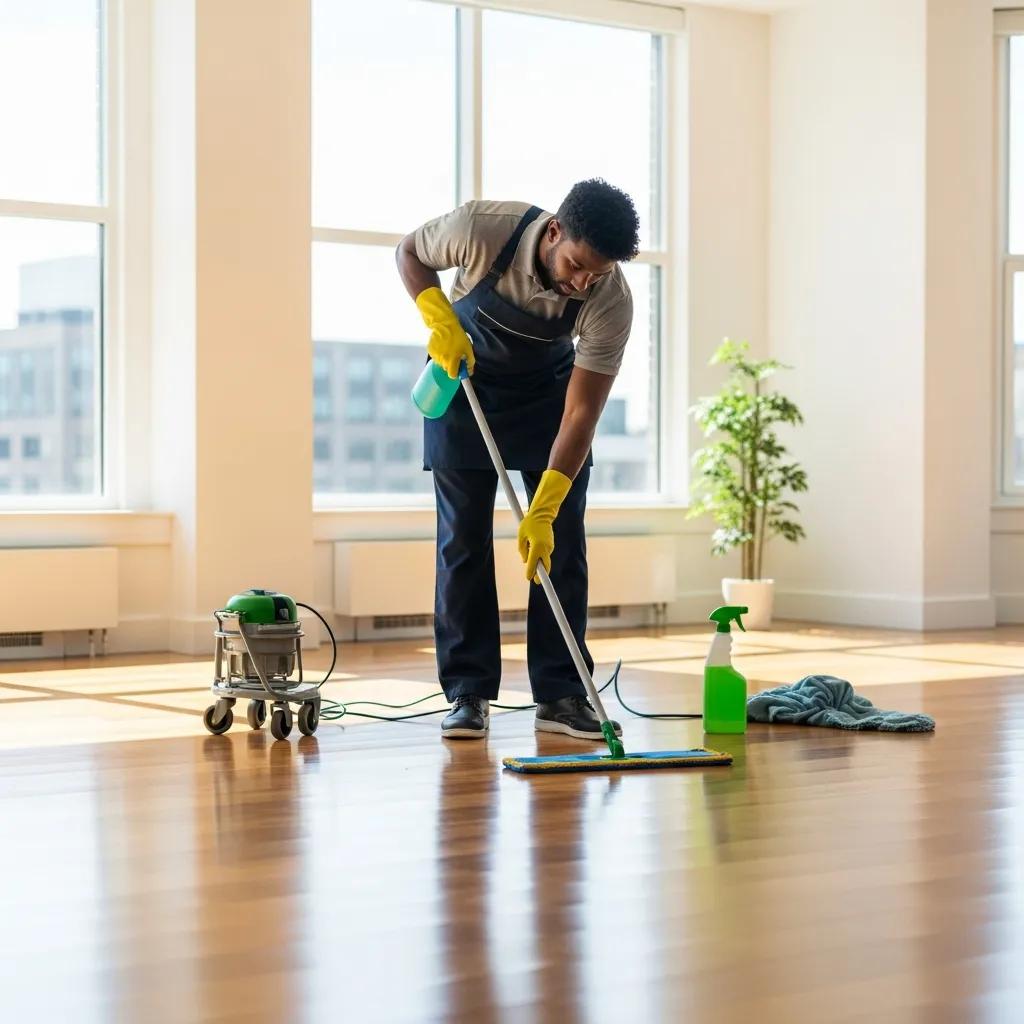
Commercial Hardwood Floor Cleaning and Maintenance Services for Businesses in Sunshine Coast and Brisbane
Commercial hardwood floor cleaning and maintenance focuses on preserving appearance, durability, and safety in high-traffic business environments across the Sunshine Coast and Brisbane.
This article explains practical routines, safe products, restoration options, and sustainable strategies that facilities managers can apply to extend a timber floor’s service life while minimising disruption.
Businesses face accelerated wear from footfall, furniture movement, and environmental moisture; targeted maintenance reduces lifecycle costs and maintains brand presentation.
You will learn when to schedule daily, weekly and quarterly tasks, which cleaning methods protect finishes and engineered substrates, when refinishing or recoating is required, and how eco-friendly choices both protect timber and support corporate sustainability goals.
The guide covers facility-specific recommendations for offices, retail, and medical centres, compares restoration steps and downtime expectations, and outlines local cost drivers in Sunshine Coast and Brisbane.
Throughout, commercial keywords like hardwood floor cleaning, commercial floor maintenance, and wood floor restoration are woven into practical guidance that facilities teams can apply immediately.
Why Choose Professional Commercial Hardwood Floor Cleaning?
Professional commercial hardwood floor cleaning specialises in methods and equipment that preserve finish integrity and timber structure while optimising appearance and safety for businesses. Trained technicians understand how finish types, plank construction, and traffic patterns interact, and they select neutral cleaners, low-moisture techniques, and appropriate pads to prevent finish stripping or cupping. Hiring specialists reduces the risk of costly mistakes such as over-wetting, abrasive sanding, or using high-alkaline products that degrade sealants, which means longer intervals between restorative recoats and lower lifecycle expense. The next section details specific business benefits that result from expert care, including measurable reductions in replacement and slip-risk costs.
What Are the Benefits of Expert Hardwood Floor Care for Commercial Buildings?
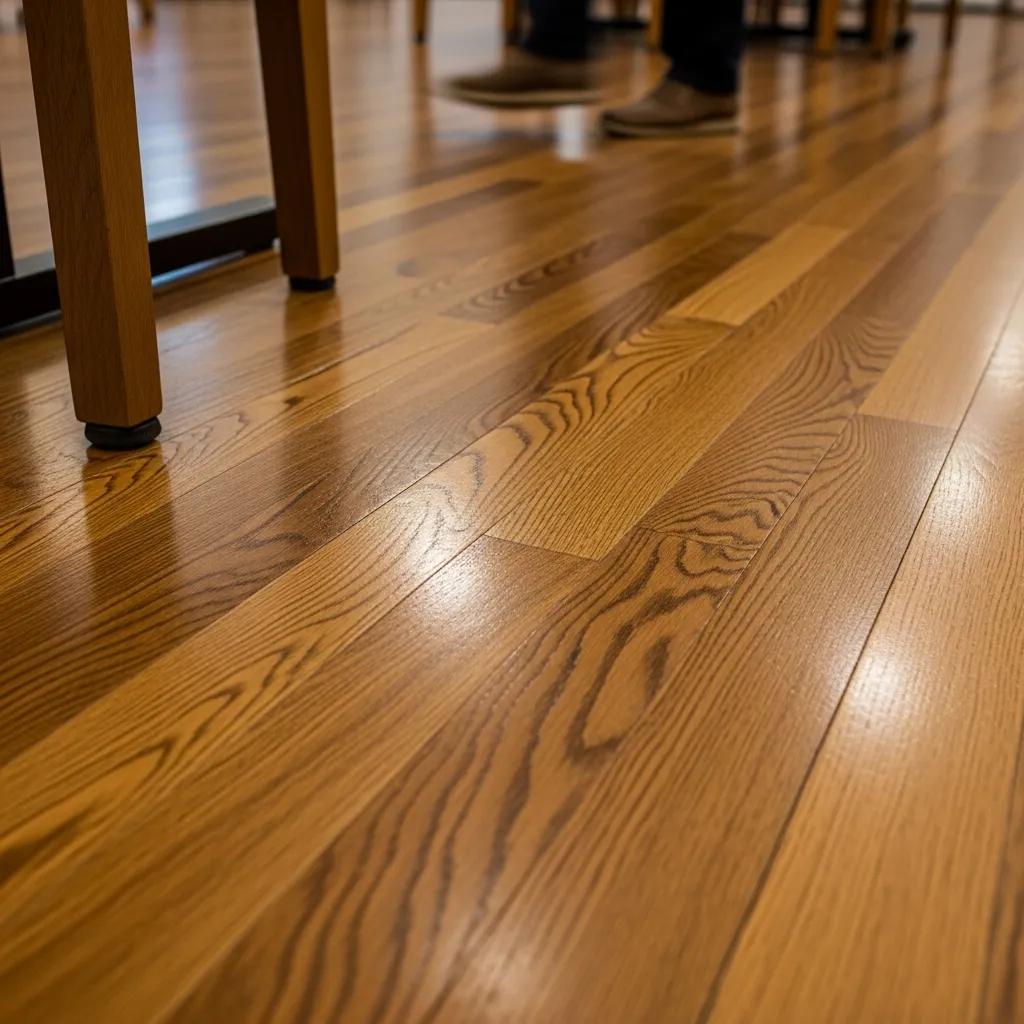
Expert hardwood floor care delivers quantifiable returns: improved first impressions, extended floor life, and fewer safety incidents from slips or splinters. Regular professional cleaning preserves finish wear layers and reduces the frequency of recoating or full sanding, effectively deferring capital replacement costs and improving total cost of ownership. In high-footfall retail or office lobbies, consistent cleaning maintains a polished aesthetic that supports brand perception and tenant satisfaction. These operational benefits also translate to safety improvements through prompt spill response and removal of grit that causes abrasive wear, setting the stage for recommended cleaning schedules described next.
How Does Divine Commercial Cleaning Ensure Reliable and Eco-Friendly Service?
Divine Commercial Cleaning is family-owned and operates with local continuity, offering fully insured teams, police-checked staff, and a same-cleaner policy that builds familiarity with a client’s site and specific floor needs. The company emphasises environmentally conscious products and low-odour processes suitable for occupied commercial spaces, which reduces business disruption and aligns with corporate ESG goals. Their money-back guarantee and flexible engagement approach provide procurement teams with risk mitigation when trialling specialist hardwood services. These trust signals demonstrate supplier reliability while the next section explains practical best practices every facility should adopt.
What Are the Best Practices for Commercial Hardwood Floor Cleaning and Maintenance?
Best practices for commercial hardwood floor maintenance prioritise daily cleanliness, controlled moisture, periodic mechanical maintenance, and preventive measures to limit abrasion and finish wear. Facilities should implement a layered approach combining daily dust removal, scheduled damp-mopping with neutral pH cleaners, periodic buffing or spray cleaning, and planned recoating based on measured wear patterns and finish type. Equipment selection—microfibre tools, low-moisture scrubbers, and non-abrasive pads—matters because appropriate machinery reduces abrasive abrasion and finish thinning while speeding service times. Below is a concise schedule comparison that facilities managers can use to match actions to outcome expectations.
Different cleaning frequencies deliver distinct operational results and safety benefits.
| Routine | Action | Outcome |
|---|---|---|
| Daily | Dry microfibre dusting and spot spill response | Removes grit and debris to prevent abrasive wear and slips |
| Weekly | Damp-mop with neutral pH cleaner in low-moisture cycle | Cleans soils without stripping finish or causing cupping |
| Quarterly | Low-speed buffing or spray-clean with non-abrasive pads | Restores gloss and removes surface scratches to extend recoat interval |
This table clarifies how simple, repeatable actions yield improved appearance, reduced downtime, and longer intervals before restorative work is needed.
The following list highlights immediate equipment and materials recommendations.
- Neutral pH Cleaners: Use low-foaming, neutral formulas to avoid finish degradation.
- Microfibre Dusting Tools: Capture fine grit that abrades finishes when walked underfoot.
- Low-Moisture Machines: Reduce water penetration risk in solid and engineered boards.
These equipment choices complement routine schedules and lead into methods that are explicitly safe versus those to avoid, which the next section outlines.
How Often Should Commercial Hardwood Floors Be Cleaned and Maintained?
A clear maintenance cadence balances appearance with operational capacity: daily dust and spill response, weekly low-moisture cleaning, quarterly buffing, and annual inspection for recoating or restoration needs. High-traffic retail zones often require daily sweeping and spot cleaning plus weekly damp-mopping, with quarterly buffing to maintain gloss and slow finish wear. Office environments with moderate traffic typically follow daily dusting, weekly damp-mop, and a semi-annual recoating assessment, whereas medical facilities demand daily cleaning with certified low-odour products and more frequent inspections for hygiene compliance. Establishing this schedule reduces long-term costs and guides procurement of appropriate service-level agreements.
Which Cleaning Methods and Products Are Safe for Hardwood Floors?
Safe hardwood floor methods emphasise controlled moisture, pH-neutral cleaners, and mechanical techniques that restore gloss without removing finish layers, while unsafe practices include steam cleaning, high-alkaline detergents, and wire-brush abrasion. Approved approaches include dry microfibre dusting, low-moisture damp-mopping with neutral formulas, low-speed buffing with non-abrasive pads, and occasional restorative recoating when wear is superficial. Avoid steam mops, ammonia-based cleaners, and harsh solvents that penetrate seams, swell boards, or strip factory finishes. These method choices protect both solid and engineered timber and lead naturally into when deeper restoration is necessary.
How Does Hardwood Floor Restoration and Refinishing Enhance Commercial Spaces?
Hardwood floor restoration and refinishing correct cumulative wear, restore consistent finish appearance, and extend the service life of timber by removing surface degradation and applying durable seal coats tailored to commercial traffic. Restoration addresses finish failure, scratches, and local damage; refinishing through sanding and recoating returns aesthetic uniformity and slip resistance while allowing businesses to schedule work to minimise operational downtime. The following table compares typical restoration steps with downtime and expected life-extension outcomes, helping facilities plan procurement and budgeting for restorative cycles.
| Restoration Step | Downtime & Disruption | Expected Outcome |
|---|---|---|
| Inspection & Moisture Check | Minimal; 1–2 hours | Identifies substrate issues and appropriate method |
| Screening & Recoat | Low; 1 day for small areas | Restores gloss and wear layer without full sanding |
| Sanding & Full Refinish | Moderate; 1–5 days depending on area | Repairs deep damage and renews surface for 7–15 years |
Understanding these steps helps facilities choose recoating versus full sanding based on damage extent and acceptable downtime. Next is a practical checklist to recognise when restoration is required.
When deciding between maintenance and restoration, look for finish failure signs such as persistent dull patches, deep scratches exposing bare timber, or cupping from moisture—these indicate recoating may not suffice and sanding is warranted. Regular inspections identify worn traffic lanes earlier, allowing screening and recoat solutions that reduce downtime compared to full sanding. For businesses that need scheduled work windows, restorative refinishing can be staged by zone to keep operations running; the following paragraph explains how a local provider supports tailored scheduling.
Divine Commercial Cleaning undertakes commercial restoration work with an emphasis on minimising downtime and coordinating scheduling with facility managers in Maroochydore, serving the Sunshine Coast and Brisbane. Their teams plan staged refinishing to keep retail and office areas operational while applying industry-appropriate sealants and offering customised quotes based on site inspection. Facilities looking to understand likely timeframes and outcomes can request an assessment to compare screening, recoating, and full sanding options tailored to their traffic patterns and finish type.
What Eco-Friendly Solutions Are Available for Commercial Wood Floor Care?

Eco-friendly hardwood floor care combines biodegradable, low-VOC cleaners and low-emission finishes with water-efficient equipment and waste-minimising practices to protect timber and indoor air quality. Sustainable products include neutral pH biodegradable cleaners, certified low-VOC sealants, and low-odour polishes suited to sensitive environments such as medical or childcare facilities. Equipment choices like microfibre systems and low-moisture scrubbers reduce water use and chemical load, while preventive maintenance reduces the need for resource-intensive restorative sanding. Below is a short list of product attributes to prioritise when specifying sustainable floor care.
Select sustainable cleaning and finishing products that align with hygiene and indoor air objectives.
- Biodegradable Neutral Cleaners: Clean effectively without persistent residues.
- Low-VOC Sealants and Polishes: Minimise off-gassing and support occupant comfort.
- Low-Moisture Equipment: Reduce water usage and limit moisture-related timber damage.
These product choices reduce frequency of restorative work and contribute to lifecycle savings, which naturally leads to how eco-friendly maintenance extends floor lifespan.
Which Sustainable Cleaning Products Protect Hardwood Floors and the Environment?
Sustainable cleaning products protect finishes by using neutral chemistries, biodegradable surfactants, and low-VOC formulations that preserve finish polymers and indoor air. Look for products that specify compatibility with polyurethane, water-based, and oil-modified finishes, and always test in a small area before full application to ensure no film or haze forms. For sensitive facilities, choose low-odour options and products with clear material safety data that confirm biodegradability and minimal aquatic toxicity. Adopting these products reduces finish degradation and limits the scope of future restoration, which is explored further in lifecycle impacts next.
How Does Eco-Friendly Maintenance Extend Hardwood Floor Lifespan?
Eco-friendly maintenance extends floor lifespan by using gentler chemistries and less abrasive techniques that preserve finish thickness and avoid premature stripping or sanding. By minimising chemical aggression and abrasive wear, facilities postpone recoating and full sanding cycles, which reduces material waste, labour costs, and operational downtime. Practical examples show that switching to neutral cleaners and quarterly buffing can extend recoat intervals by months to years, depending on traffic, thereby reducing total lifecycle cost. These sustainability benefits also feed back into procurement decisions and local regulatory compliance for indoor environmental quality.
How Much Does Commercial Hardwood Floor Cleaning Cost in Sunshine Coast and Brisbane?
Commercial hardwood floor cleaning costs depend on area size, traffic intensity, floor condition, species and finish, accessibility, and scheduling constraints; these local factors determine whether maintenance, recoating, or full restoration is most cost-effective. Typical pricing drivers include whether work can occur during business hours or requires out-of-hours scheduling, the need for furniture removal, and the selected finish system for recoats or sealants. The following table summarises common service types and how key variables impact quotes for businesses in Sunshine Coast and Brisbane.
| Service Type | Key Price Drivers | Typical Impact on Quote |
|---|---|---|
| Routine Cleaning | Area size and frequency | Moderate; scalable with contract frequency |
| Recoating/Screening | Traffic level and finish type | High; product choice and prep add cost |
| Full Sand & Refinish | Extent of damage and access | Very High; labour and cure time drive cost |
This breakdown helps facilities prioritise preventative maintenance to limit high-cost restorative work. The next list outlines primary factors influencing pricing in practical terms.
Primary variables that influence commercial hardwood cleaning quotes include traffic, area, finish condition, accessibility, and scheduling requirements.
- Traffic Intensity: Higher footfall increases cleaning frequency and product use.
- Floor Condition: Deep wear or finish failure often requires recoating or sanding.
- Accessibility and Scheduling: After-hours or staged works increase labour costs.
After considering these drivers, facilities can request tailored assessments that avoid lock-in procurement risks, as discussed next.
What Factors Influence Pricing for Hardwood Floor Cleaning Services?
Pricing is shaped by objective metrics—square metres, traffic category, and visible wear—and operational constraints such as required access windows and furniture handling. Engineered floors with glued or floating systems may require different moisture controls than solid boards, affecting prep and drying time and therefore cost. Site readiness (clear pathways, storage of moved furniture) reduces labour time and can lower quotes, while compliance needs in medical settings may add procedural steps and product specifications. Considering these factors early helps procurement obtain accurate, comparative quotes.
Are There Customised Service Plans and No Lock-In Contracts Available?
Flexible contracting options allow businesses to choose scheduled maintenance, periodic deep cleans, or on-call services without long-term lock-in commitments, reducing procurement risk for trial engagements or seasonal adjustments. Typical plans range from simple weekly maintenance to comprehensive annual restoration schedules with staged recoating, and many providers offer no lock-in or trial periods to demonstrate value. Divine Commercial Cleaning offers customised plans for businesses across Maroochydore, Sunshine Coast and Brisbane, emphasising no lock-in contracts that let facilities scale frequency and scope according to observed wear and budget. Facilities managers can therefore match service levels to operational needs without committing to long-term contracts.
Which Commercial Buildings Benefit Most from Specialised Hardwood Floor Care?
Specialised hardwood floor care benefits a wide range of commercial buildings but is especially valuable where appearance, hygiene, or heavy foot traffic directly affect business outcomes. High-visibility retail spaces and showroom floors require frequent cosmetic maintenance to uphold brand image and customer perception, while office reception areas prioritise safety and consistent aesthetics for clients and staff. Medical facilities need low-odour, certified products and regimented schedules for hygiene compliance, making specialist providers essential. The following list maps facility types to their primary maintenance priorities.
- Retail: High footfall requires daily cleaning, frequent spot repair, and quarterly buffing.
- Offices: Moderate traffic benefits from daily dusting, weekly damp-mop, and semi-annual recoating.
- Medical Centres: Hygiene and low-odour products are critical, with daily cleaning and more frequent inspections.
How Do Office, Retail, and Medical Facilities Differ in Hardwood Floor Maintenance Needs?
Office, retail, and medical facilities differ primarily in traffic patterns, hygiene demands, and acceptable downtime for works, which determines the chosen cleaning cadence and product specifications. Retail sites often prioritise daytime spot cleaning and after-hours buffing to preserve appearance without interrupting trading. Offices typically schedule maintenance during off-peak hours with semi-annual recoating windows to limit disruption to productivity. Medical centres require vetted low-VOC products and strict cleaning protocols to meet hygiene expectations; this increases frequency of inspections and may affect product selection.
What Are the Recommended Maintenance Schedules for Various Commercial Spaces?
Recommended schedules balance use and acceptable service windows: retail needs daily sweeping, weekly damp-mop, and quarterly buffing; offices should maintain daily dust removal, weekly low-moisture cleans, and semi-annual recoat assessments; medical centres require daily cleaning with approved products and more frequent inspections. Establishing KPI-driven inspections helps determine when to escalate from maintenance to recoating or restoration based on measurable wear. Implementing these schedules reduces total lifecycle costs and ensures floors remain safe and presentable for occupants and visitors.

Dianne, originally from Rockhampton, hails from a business-oriented family, with her father owning electrical stores and her uncle serving as Mayor. Moving to the Sunshine Coast at 13, she later pursued a rewarding real estate career and raised three children. As a single mom, she balanced university studies with domestic cleaning work. Armed with a Bachelor’s Degree in Business, majoring in Supply Chain Management, Dianne founded and grew Divine Commercial Cleaning into a thriving company. Her success is rooted in strong family mentorship, a positive attitude, and a solution-oriented approach, offering tailored cleaning services with integrity and strategic insight.