Deep Office Cleaning vs Regular Maintenance Cleaning: What Your Business Needs to Know
A clear distinction between deep office cleaning and regular maintenance cleaning helps businesses protect workplace hygiene, employee health, and client impressions. This article explains both approaches, why they matter for productivity and reputation, and how to choose the right schedule for your premises in the Sunshine Coast and Brisbane regions. You will learn precise definitions, practical task lists, comparative differences in scope and equipment, and localised frequency recommendations tailored to common commercial settings. The guide also outlines decision scenarios for when to deploy deep cleaning versus ongoing maintenance, and it describes how a local provider can deliver both kinds of services without long-term commitments. Throughout, keywords like maintenance cleaning, deep office cleaning, office cleaning frequency, and commercial cleaning frequency are used to make the information actionable and discoverable. Read on for structured comparisons, quick-reference tables, and step-by-step checks that help facility managers and business owners decide what their premises need next.
What Is Regular Office Maintenance Cleaning?
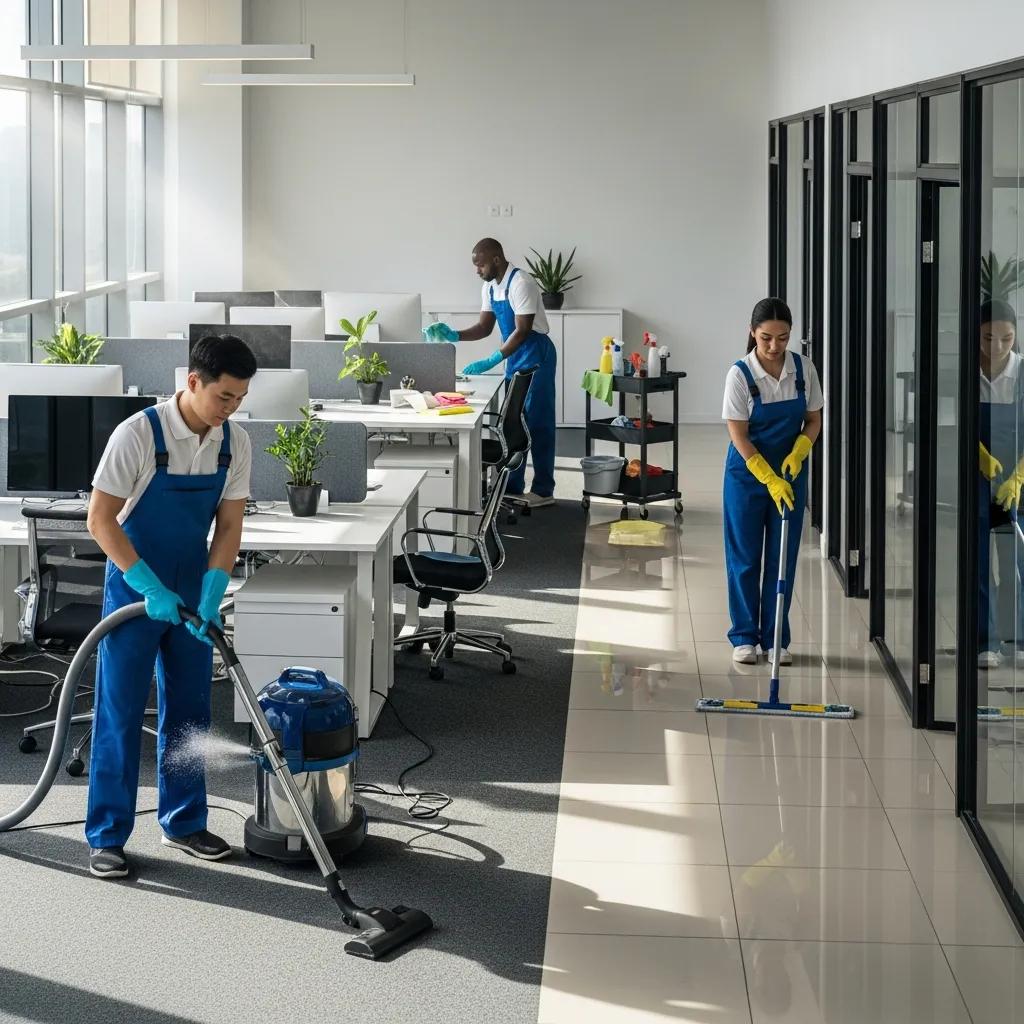
Regular office maintenance cleaning is a scheduled set of routine tasks performed to keep facilities consistently clean, hygienic and presentable for staff and visitors. It relies on repeatable actions — dusting, vacuuming, mopping and sanitising high-touch areas — to prevent daily accumulation of soil, reduce cross-contamination and sustain a professional appearance. The mechanism is straightforward: frequent surface-level removal of dirt and microbes lowers microbial load and visible wear, which supports employee comfort and reduces the frequency of restorative services. Typical equipment includes vacuums, microfiber cloths, mop systems and low-impact disinfectants formulated for commercial use. Understanding these routine duties clarifies why maintenance cleaning forms the backbone of any hygiene program and sets the stage for when deeper interventions are required.
Which Tasks Are Included in Regular Office Cleaning?
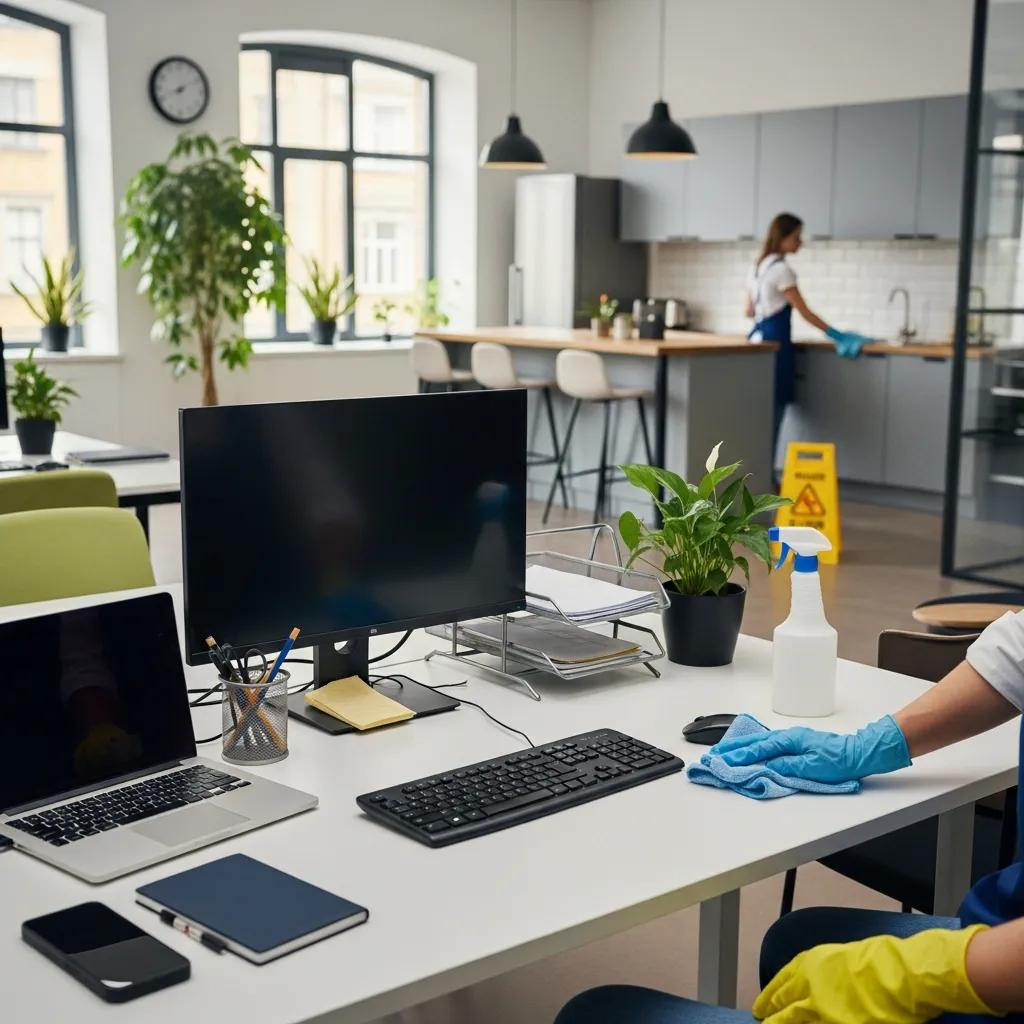
Regular office cleaning covers predictable, high-impact tasks organised by area to maintain hygiene and appearance on an ongoing basis. Workstation tasks include dusting desks and monitors, wiping keyboards and emptying bins with appropriate disinfectant wipes. Communal area tasks focus on vacuuming carpets, mopping hard floors, cleaning glass where required, and replenishing paper and soap in shared facilities. Restroom and breakroom tasks emphasise sanitisation: disinfecting high-touch surfaces, cleaning sanitary fixtures, and ensuring waste removal and stock levels. Equipment used is generally basic but effective: upright or backpack vacuums, commercial mops, microfiber cloths, and approved sanitising solutions to balance effectiveness with surface compatibility.
What Are the Benefits of Regular Maintenance Cleaning?
Regular maintenance cleaning delivers measurable business outcomes by preserving appearance, reducing illness transmission and supporting productivity across teams. It prevents dirt and grime from embedding into surfaces, which lowers long-term repair and replacement costs for carpets and furniture. Routine sanitisation of high-touch points helps reduce absenteeism by limiting pathogen spread, and a tidy workplace improves employee morale and customer perceptions. For local businesses on the Sunshine Coast and Brisbane, consistent maintenance cleaning also signals professionalism to visitors and supports compliance with basic hygiene expectations. These operational benefits naturally lead to the question of when deeper restorative cleaning becomes necessary.
What Is Deep Office Cleaning?
Deep office cleaning is an intensive, restorative process that targets hidden, embedded and hard-to-reach soils to return a workspace to a near-original condition and to address issues routine maintenance cannot resolve. It uses specialised equipment and stronger cleaning methods—such as carpet extraction, steam cleaning, high-pressure washing and detailed sanitisation of vents, ceilings and under-furniture areas—to remove ingrained dirt, biofilm and allergens. The goal is restorative hygiene: improving indoor air quality, prolonging asset life and addressing specific triggers like post-construction dust or persistent odours. Deep cleaning is typically scheduled quarterly, biannually, or on an as-needed basis after events or renovations, and it complements regular maintenance rather than replacing it. Examples of add-on services that map to deep-clean tasks include carpet cleaning, tile and grout restoration, strip seal flooring and external high-pressure cleaning, which many commercial providers offer as specialised options.
What Intensive Tasks Does Deep Cleaning Include?
Deep cleaning includes targeted interventions that go beyond surface maintenance to remove embedded contaminants and restore finishes. Carpet extraction and hot-water extraction remove deep soil and residue, using truck-mounted or portable extractors to recover embedded dust and allergens. Tile and grout cleaning, often paired with chemical neutralisation and mechanical agitation, revives grout lines and removes mould or staining. High-reach cleaning addresses ceilings, vents and light fixtures, while strip-and-seal treatments on floors remove old coatings and apply protective finishes to prolong wear life. Equipment ranges from steam cleaners and industrial vacuums to high-pressure washers and floor machines; these tools require trained operators to deliver effective, safe results and reduce the need for replacement of costly assets.
How Does Deep Cleaning Benefit Your Office?
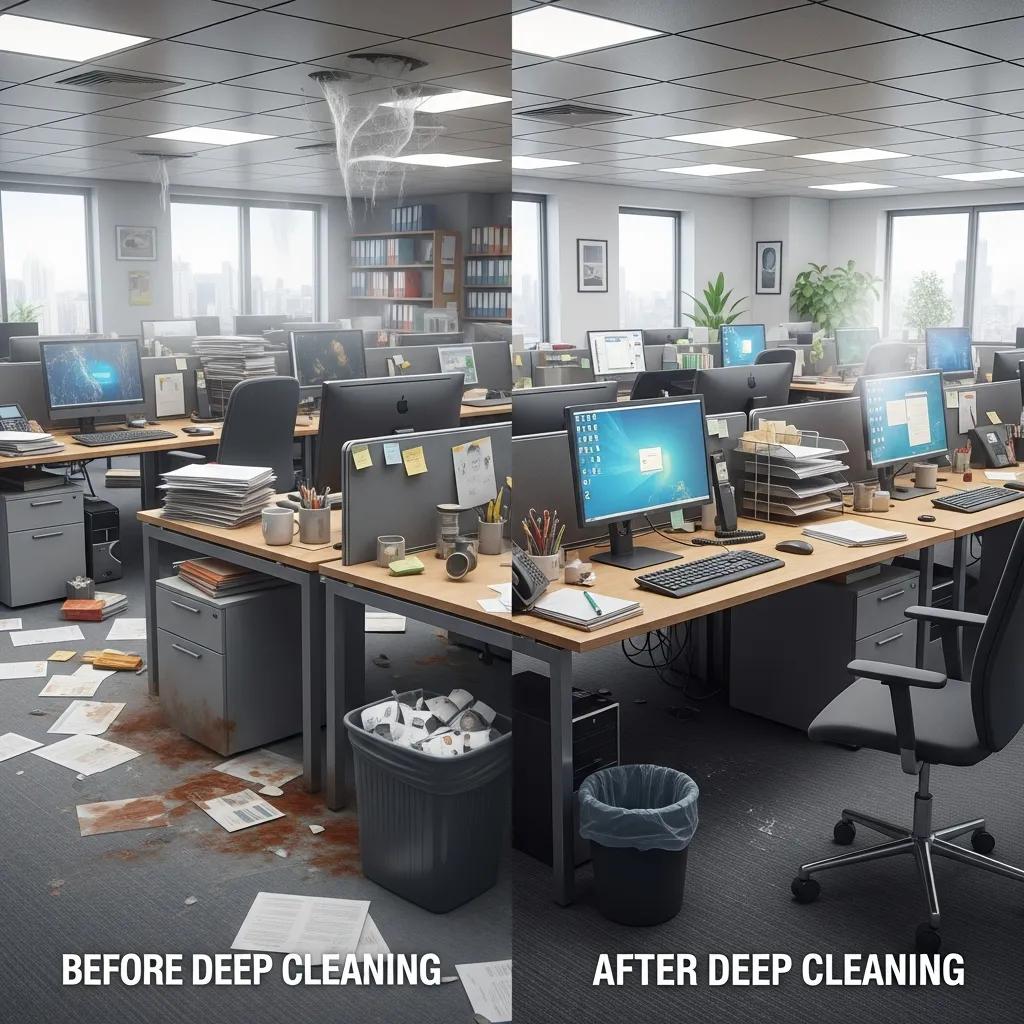
Deep cleaning produces long-term benefits that support health, asset preservation and workplace perception when routine cleaning alone is insufficient. By removing embedded dust, allergens and biofilms, deep cleaning can lower respiratory irritants and improve indoor air quality, which helps reduce sick days and improves concentration. Restorative treatments extend the useful life of carpets and hard floors, delaying capital expenditure on replacements. A thorough deep clean ahead of client events or after renovations also improves first impressions and protects brand reputation. These health, longevity and perception benefits make periodic deep cleaning a strategic investment in operational resilience and employee wellbeing, reinforcing the value of scheduling restorative interventions alongside routine maintenance.
What Are the Key Differences Between Deep Cleaning and Regular Maintenance Cleaning?
Deep cleaning and regular maintenance cleaning differ across frequency, scope, equipment and the business goals they support, so choosing between them depends on desired outcomes and resource allocation. Maintenance cleaning focuses on frequent, surface-level actions to preserve daily hygiene and presentation, while deep cleaning focuses on restorative tasks that remove embedded soils and refresh building fabric. Equipment and skill levels vary: maintenance relies on general cleaning tools and staff training, whereas deep cleaning uses specialised machines and technical know-how. Cost implications reflect this difference — regular cleaning spreads operational cost predictably, while deep cleaning represents a periodic investment to repair and restore. Understanding these contrasts helps facility managers allocate budgets and design blended schedules that align with traffic, compliance and asset-protection goals.
How Do Frequency, Scope, and Equipment Differ?
Frequency, scope and equipment create distinct operational profiles for maintenance versus deep cleaning and determine when each is appropriate. Regular maintenance typically occurs daily, several times per week, or weekly depending on foot traffic and is designed to control surface-level soils and microbes. Deep cleaning is commonly scheduled quarterly, biannually or as needed after events, renovations or outbreaks, addressing under-furniture areas, grout lines and HVAC components. Equipment for maintenance includes vacuums, mops and disinfectant applicators; deep cleaning requires extractors, steam units, floor machines and pressure washers operated by technicians trained in restorative techniques. These differences explain why blending both approaches—daily upkeep plus periodic restoration—produces the best long-term outcomes.
Before reviewing cost factors, it helps to see a concise comparison of the two approaches.
Different service models vary in frequency, scope and goals.
| Service Type | Frequency | Typical Equipment | Primary Goal |
|---|---|---|---|
| Regular Maintenance Cleaning | Daily/Weekly | Vacuum, mop systems, microfiber cloths, low-impact disinfectants | Maintain hygiene and appearance |
| Deep Office Cleaning | Quarterly/Biannual/On-demand | Carpet extractors, steam cleaners, high-pressure washers, floor machines | Restore surfaces, remove embedded soils |
| Add-On Restorative Services | As required | Tile & grout machines, strip-seal floor equipment, high-pressure units | Repair and prolong asset life |
What Are the Cost Implications and Primary Goals of Each?
Cost drivers and objectives differ between maintenance and deep cleaning, and budgeting should reflect those differences to achieve desired outcomes. Maintenance costs scale predictably with frequency, staff hours and scope: more visits mean higher recurring costs but lower per-visit restorative needs. Deep cleaning costs rise from specialised equipment, technician time and restorative consumables, making each deep session a larger but less frequent investment. The primary goal of maintenance is ongoing cleanliness and reduced daily illness transmission, while the goal of deep cleaning is restorative hygiene, asset protection and remediation after events or renovations. Facility managers should budget a blended plan that balances regular visits to control operating conditions and scheduled deep cleans to renew finishes and control long-term capital expenses.
When Should Businesses Choose Deep Cleaning vs Regular Cleaning?
Choosing between deep cleaning and regular cleaning depends on observable triggers, business type and risk tolerance; many organisations benefit from a combined approach that schedules both. Regular cleaning is sufficient when the objective is daily hygiene, consistent presentation and minimised short-term disruption. Deep cleaning is required when issues exceed surface-level care — for example, after construction, following a confirmed outbreak, or when carpets and grout show entrenched staining and odour. A blended model uses maintenance cleaning as the baseline, with planned deep interventions at set intervals or when specific triggers appear, ensuring both immediate hygiene and long-term asset condition. This hybrid strategy reduces emergency restorative costs and maintains a reliable standard of cleanliness for staff and visitors.
What Scenarios Call for Deep Office Cleaning?
Deep office cleaning is most appropriate in clear scenarios where routine maintenance cannot fully resolve problems and restorative action is needed. Post-construction or renovation projects create fine dust and residues that embed in HVAC systems, carpets and surfaces and usually require a comprehensive deep clean. Health-related triggers—such as an infectious-disease outbreak—also warrant immediate deep disinfection and thorough sanitisation beyond regular wiping. Seasonal deep cleans help remove accumulated allergens before high-allergy periods, and pre-opening or event preparation deep cleans ensure facilities make the right impression. In all these cases, scheduling a deep clean reduces ongoing complaints and prevents longer-term deterioration of materials.
When Is Regular Cleaning Most Effective?
Regular cleaning is most effective in settings where ongoing traffic and daily operations create predictable surface soil and hygiene demands that must be controlled continuously. High-traffic areas such as reception, meeting rooms and communal kitchens benefit from daily or multiple weekly maintenance visits to remove visible dirt and disinfect high-touch points. Low-traffic offices or satellite sites typically require weekly maintenance to keep standards without unnecessary cost. Consistent maintenance cleaning lowers the frequency of required deep cleans by preventing grime build-up and extends the useful life of surfaces, making it a cost-efficient baseline for most businesses. Establishing simple indicators—such as visible soil, odours, or increased sick leave—helps managers decide when to escalate to deep cleaning.
What Is the Recommended Office Cleaning Frequency for Sunshine Coast and Brisbane Businesses?
Local climate, foot traffic and business type influence recommended cleaning frequencies for Sunshine Coast and Brisbane organisations; practical schedules balance hygiene needs with budget realities. Coastal dust, humidity and tourist seasons can increase soil load and require more frequent floor and restroom attention, while medical and childcare settings need stricter, higher-frequency cleaning. A recommended baseline connects business type to both regular maintenance cadence and suggested deep-clean intervals to preserve hygiene and assets. These localised recommendations help managers plan predictable cleaning programs that reduce reactive interventions while accounting for seasonal surges and climate-driven soil loads.
How Often Should Different Business Types Schedule Cleaning?
Suggested frequencies align with foot traffic and hygiene risk to provide a quick planning reference for local businesses. Offices with standard foot traffic commonly use daily or multiple weekly maintenance with quarterly or biannual deep cleans for carpets and vents. Retail environments and shopping centres often require daily maintenance and quarterly deep cleans due to higher customer turnover. Medical centres and daycare facilities demand daily or multiple daily maintenance plus quarterly deep cleaning and more frequent disinfection as needed. Gyms and fitness centres typically need daily cleaning combined with monthly deep treatments for equipment and quarterly floor restoration to manage sweat-related soils.
Different business types need tailored frequency plans:
| Business Type | Foot Traffic / Soil Load | Recommended Regular Frequency |
|---|---|---|
| Office | Moderate | Daily to 3× weekly maintenance; deep clean quarterly |
| Retail | High | Daily maintenance; deep clean quarterly |
| Medical centre | High / High hygiene needs | Multiple daily maintenance; deep clean quarterly |
| Daycare | High / High hygiene needs | Multiple daily maintenance; deep clean quarterly |
| Gym | High / Sweat and odour load | Daily maintenance; deep clean monthly |
| Shopping centre | Very high | Daily maintenance; deep clean quarterly |
What Local Factors Affect Cleaning Frequency?
Local environmental and operational factors in the Sunshine Coast and Brisbane shape how frequently cleaning should occur and which tasks become priorities. Coastal wind and beach proximity increase fine dust and salt residue, which accelerates soiling on windows and external areas and may require more frequent external washes and floor maintenance. Humidity influences mould and grout staining risks, particularly in restrooms and on tiled surfaces, so more frequent deep grout cleaning can be necessary. Peak tourism periods and local events create temporary surges in foot traffic that call for intensified maintenance during those windows. Considering these local drivers when setting a cleaning calendar reduces surprises and aligns service levels with real-world conditions.
How Does Divine Commercial Cleaning Deliver Comprehensive Office Hygiene Solutions?
Divine Commercial Cleaning, based in Maroochydore, QLD, provides a range of commercial cleaning services designed to combine regular maintenance schedules with specialist add-on services so businesses can implement blended hygiene programs. Their service model emphasises customised solutions, same-cleaner consistency and no lock-in contracts, which helps clients adapt frequency and scope without long-term commitment. The provider offers standard office cleaning tasks and a set of add-on services—such as carpet cleaning, tile & grout restoration, strip-seal flooring and high-pressure cleaning—that map directly to deep-clean needs. Divine also highlights eco-friendly practices, police checks for staff, insurance coverage and a satisfaction guarantee, which supports both operational reliability and client trust.
What Customised Services Cover Both Deep and Regular Cleaning?
Below is a mapping of common services to typical tasks and when they are used to support both routine and restorative needs. The table illustrates how add-on services align with deep-clean triggers and ongoing maintenance to protect assets and hygiene levels.
| Service / Add-On | Typical Task / Equipment | When & Why It’s Used |
|---|---|---|
| Professional Office Cleaning | Dusting, vacuuming, mopping, sanitising | Daily or weekly maintenance to sustain hygiene |
| Carpet Cleaning | Hot-water extraction, dry-clean options | Quarterly or as-needed to remove embedded soils |
| Tile & Grout Cleaning | Mechanical agitation, chemical neutralisers | Restorative cleaning to remove staining and mould |
| Strip Seal Flooring | Strip machines, seal application | To renew protective floor coatings and prolong life |
| High-Pressure Cleaning | Pressure washers for exteriors | Remove external grime and prepare surfaces for repairs |
How Do Divine’s Unique Value Propositions Benefit Your Business?
Divine Commercial Cleaning’s operational features focus on practical business outcomes that reduce administrative burden and increase service reliability. No lock-in contracts allow businesses to adjust schedules and services as traffic patterns and budgets change, providing financial flexibility. The “same cleaner every time” approach improves quality through consistent service standards, relationship-based knowledge of site-specific needs and fewer handover errors. Insurance and police checks provide risk management and trust for client-facing premises, while eco-friendly practices reduce environmental impact and support workplace wellbeing. These UVPs collectively support the primary goals of both maintenance cleaning and deep cleaning: reliable hygiene, lower long-term costs and better impressions for staff and visitors.

Dianne, originally from Rockhampton, hails from a business-oriented family, with her father owning electrical stores and her uncle serving as Mayor. Moving to the Sunshine Coast at 13, she later pursued a rewarding real estate career and raised three children. As a single mom, she balanced university studies with domestic cleaning work. Armed with a Bachelor’s Degree in Business, majoring in Supply Chain Management, Dianne founded and grew Divine Commercial Cleaning into a thriving company. Her success is rooted in strong family mentorship, a positive attitude, and a solution-oriented approach, offering tailored cleaning services with integrity and strategic insight.