School and Educational Facility Cleaning Standards: Comprehensive School Cleaning Services Australia for Health and Safety
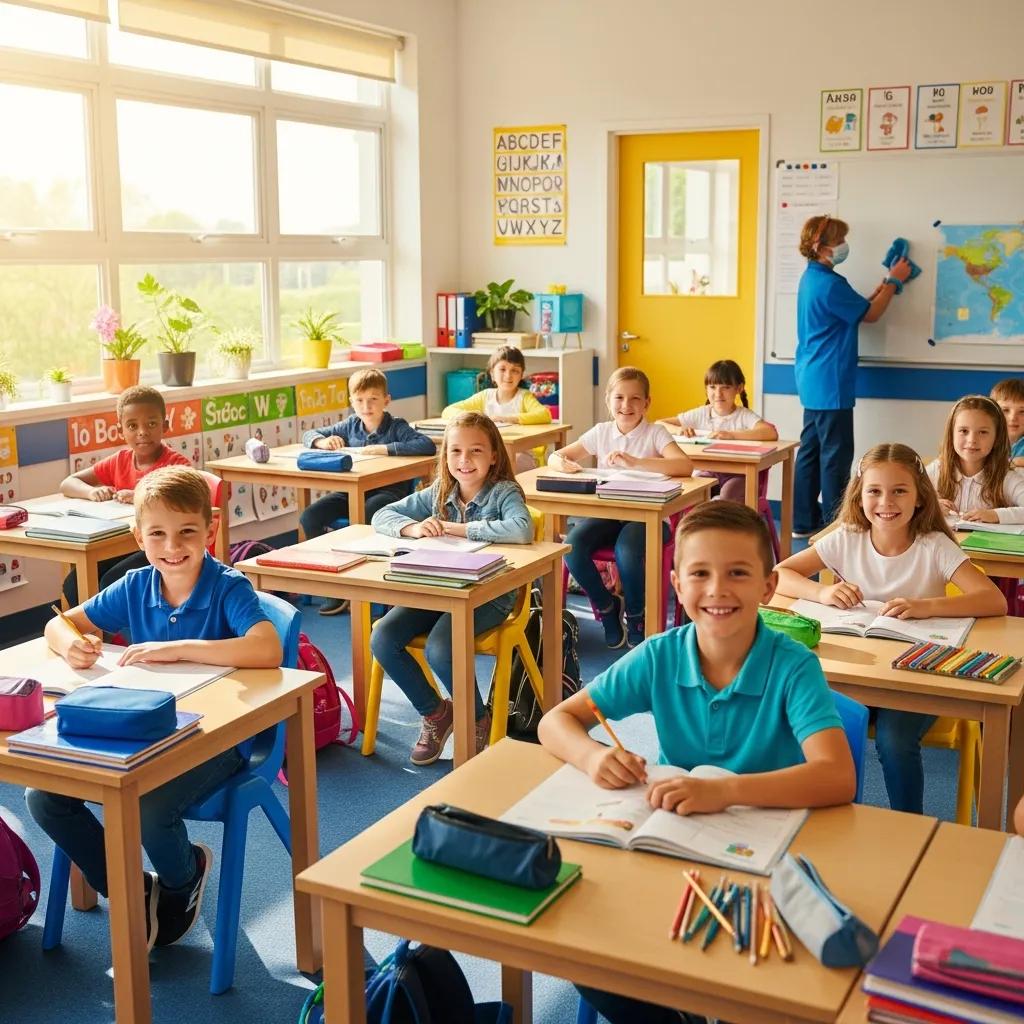
School cleaning standards define the procedures, frequencies and product choices used to keep educational facilities safe, hygienic and operational for students and staff. These standards work by reducing pathogen load on surfaces, improving indoor air quality and ensuring compliance with public health guidance, which together lower transmission of infectious diseases and support consistent attendance. This article explains core classroom disinfection protocols, specialised cleaning for restrooms, gyms and playgrounds, eco-friendly practices that protect indoor air quality, and how professional commercial cleaners deliver reliable service. Readers will learn practical checklists, evidence-based frequency recommendations, procurement guidance for low-VOC products, and local options for Queensland schools seeking compliant cleaning partners. Along the way we highlight operational measures schools can adopt immediately and how a professional provider can support implementation without long-term contractual risk. The sections that follow map directly to classroom protocols, specialised-area procedures, sustainability measures, trust signals for contractors, and local service access across Sunshine Coast and Brisbane.
Why Are School Cleaning Standards Essential for Student Health and Safety?
School cleaning standards are essential because they translate infection-control science into predictable tasks that reduce pathogen transmission and create safer learning spaces. By standardising cleaning frequency, specifying registered disinfectants and identifying high-touch surfaces, schools can lower the basic reproductive opportunities for common viruses and bacteria and reduce environmental exposure for vulnerable children. Clear standards also support regulatory compliance, demonstrate duty-of-care to parents and staff, and protect institutional reputation when outbreaks occur. Implementing standards consistently helps facilities measure outcomes, such as reduced absenteeism or fewer classroom closures, which in turn informs continuous improvement.
The measurable benefits of robust cleaning standards include reduced illness-related absences, improved indoor air quality, and better staff and student wellbeing. These outcomes are achieved through targeted cleaning of high-contact surfaces, documented restroom cleaning, and scheduled deep cleans during low-occupancy periods. Below are primary benefits summarised for quick reference.
School cleaning standards deliver practical public-health advantages:
- Reduced illness and absenteeism through routine disinfection of transmission vectors.
- Safer learning environments that support concentration and wellbeing for students and staff.
- Improved indoor air quality via filtration and low-VOC product selection.
- Regulatory compliance and documented cleaning records that protect school governance.
These benefits explain why cleaning standards form a foundational layer of school health strategy and lead directly to decisions about product selection and cleaning schedules.
Divine Commercial Cleaning can act as a trusted partner for schools implementing these standards by supplying experienced, police-checked staff and fully insured services that use environmentally conscious practices. Their no lock-in contracts and same-cleaner policy support continuity and accountability, while a satisfaction guarantee provides remedial assurance if expectations are not met. Schools seeking help with standards implementation often begin with a site assessment and tailored plan that aligns custodial tasks to student schedules, which ensures minimal disruption and measurable outcomes.
How Do Cleaning Standards Impact Student Attendance and Academic Performance?
Cleaning standards impact attendance primarily by interrupting common transmission routes for respiratory and gastrointestinal infections, which are leading causes of school absences. When high-touch surfaces and shared equipment are disinfected on a routine schedule, the incidence of communicable illness clusters typically drops, which in turn supports higher day-to-day attendance and learning continuity. Improved attendance correlates with better academic performance because students miss fewer instructional hours and maintain social continuity, reducing learning loss. Schools can track effectiveness by recording absenteeism trends before and after implementing new cleaning protocols and correlating those trends with cleaning logs and outbreak reports.
Measuring impact requires simple metrics: daily attendance rates, number of confirmed infectious episodes, and frequency of classroom closures. Documentation such as cleaning checklists and sign-off logs strengthens the causal link between cleaning interventions and outcomes. These operational metrics allow facility managers to present evidence to administrators and parents that investments in hygiene directly support student achievement.
What Are the Key Health and Safety Requirements in Australian Educational Facility Hygiene Standards?
Australian educational hygiene guidance emphasises registered disinfectants, documented cleaning schedules, staff training in safe product use, and robust restroom sanitation practices. Queensland Health and relevant national standards encourage use of child-safe, registered disinfectants at manufacturer-recommended dilution and contact times, appropriate PPE for custodial staff, and clear incident reporting for potential exposures. Restroom protocols commonly require frequent touchpoint disinfection, adequate ventilation, and recorded deep-clean cycles to reduce biofilm and odour issues. Staff training and supervision ensure that products are used correctly, that dilution is accurate, and that cleaning tasks are completed consistently.
Operational compliance also means keeping records, performing risk assessments for high-traffic areas, and coordinating cleaning during non-teaching hours where possible to protect students from exposure. These procedural steps align with duty-of-care obligations and provide a defensible audit trail in the event of infection-control queries or inspections.
What Are the Core Classroom Disinfection Protocols for Effective Germ Control?
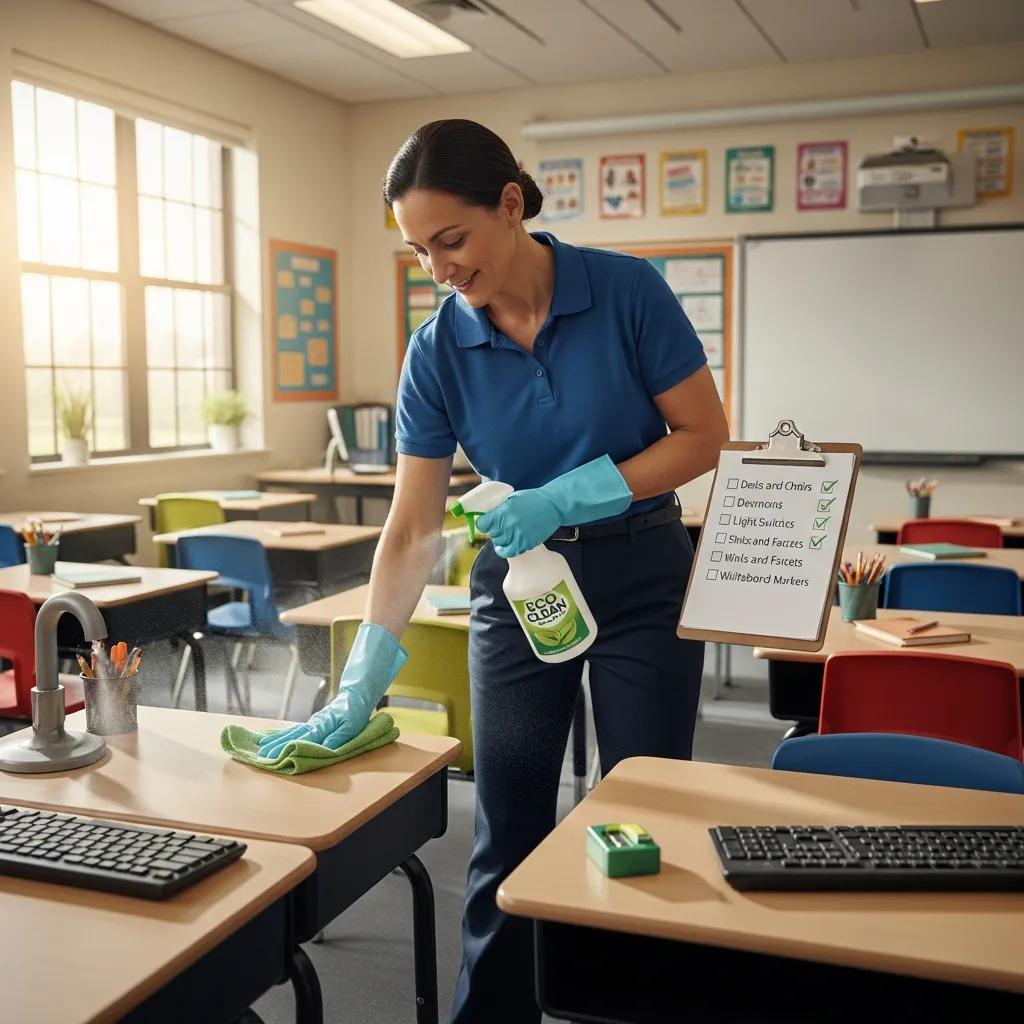
Core classroom disinfection protocols convert risk assessment into daily and periodic tasks that control germs while preserving indoor air quality and safety for children. At the core are daily disinfecting of high-touch surfaces, end-of-day rubbish removal, spot cleaning of spills, and weekly or termly deep cleans for floors and soft furnishings. Effective protocols specify product type (child-safe, registered disinfectants), application method (spray, wipe, or electrostatic where suitable), contact time, and PPE requirements for staff, plus ventilation steps before re-occupancy. A short checklist helps custodial teams maintain consistency and supports featured-snippet style quick reference for school administrators.
Classroom disinfection checklist:
- Daily wipe-down of desks and high-touch surfaces: Use registered disinfectant with specified contact time.
- Sanitise shared devices between use: Fingertip keyboards, tablets and mice require alcohol-based wipes or approved disinfectants.
- End-of-day rubbish removal and floor sweep: Prevents microbial build-up and reduces pests.
- Weekly vacuuming with HEPA-filter equipment: Removes particulate and supports indoor air quality.
These daily and weekly tasks reduce pathogen reservoirs in classrooms and set the stage for deeper periodic cleaning during term breaks. The following table provides a quick-reference mapping of classroom surfaces to cleaning frequency and recommended methods.
| Surface / Area | Cleaning Task / Frequency | Recommended Product / Method |
|---|---|---|
| Student desks and chair backs | Daily wipe with disinfectant | Child-safe registered disinfectant, microfiber cloth, contact time per label |
| Door handles and light switches | Daily disinfection | Alcohol-based or quaternary ammonium disinfectant; wipe and dry |
| Shared devices (tablets, keyboards) | Between-user sanitising | 70% isopropyl wipes or manufacturer-approved disinfectant |
| Floors and carpets | Weekly vacuum; monthly deep clean | HEPA filtered vacuuming; low-moisture extraction for carpets |
This EAV table clarifies routine responsibilities and supports procurement choices by linking surfaces to methods. Implementing these classroom protocols reduces immediate transmission risk and supports longer-term cleanliness strategies.
Which High-Touch Surfaces Require Daily Disinfection in Classrooms?
Prioritising high-touch surfaces ensures that limited custodial time yields maximum infection-control benefit by addressing the places students and staff contact most frequently. Desks, chair backs, door handles, light switches and handrails are primary vectors because they are handled by many individuals multiple times per day. Shared teaching aids, whiteboard markers and technology devices (keyboards, tablets) are next-tier priorities and benefit from between-use sanitising. Scheduling disinfection between breaks and at the end of each day reduces the window for contamination and aligns with natural low-occupancy periods for safer product application.
Practical tips for custodial staff include batching tasks by surface type to reduce product mixing errors, using colour-coded microfiber cloths to prevent cross-contamination, and documenting completion on visible checklists. These measures standardise procedure and make it easier to train substitute or casual staff.
How Are Safe and Eco-Friendly Cleaning Products Used in Classroom Sanitisation?
Selecting safe, eco-friendly products balances antimicrobial efficacy with minimal impact on indoor air quality and child health. Criteria for product selection include registration with appropriate authorities, low or no-VOC formulations, absence of harsh fragrances, and proven efficacy against common school pathogens. Application practices—such as following manufacturer dilution and contact times, ventilating rooms during and after application, and using PPE when required—ensure both safety and effectiveness. For soft surfaces and electronics, manufacturers’ guidance should be followed to avoid damage while maintaining sanitisation.
Choosing green-certified or low-VOC disinfectants helps preserve indoor air quality, particularly in tightly sealed classrooms, and supports sustainability goals without compromising germ control. Combining product selection with HEPA vacuuming and scheduled airing out of rooms maximises health benefits.
How Do Commercial School Cleaning Solutions Address Specialised Areas and Facility Needs?
Commercial cleaning solutions translate classroom protocols into tailored strategies for specialised areas such as restrooms, gyms, playgrounds and cafeterias, where contaminants and material types vary widely. Providers use different equipment, disinfectants and frequencies depending on surface porosity, humidity, and usage patterns to manage risk effectively. Standard commercial approaches include stronger disinfectants or mechanical agitation for restroom biofilms, reinforced cleaning schedules for gyms to control sweat-related bacteria, and surface-safe methods for playground equipment that minimise environmental runoff. Coordination with school timetables ensures these activities cause minimal disruption while meeting hygiene targets.
Below is a comparative EAV table that outlines common risks and protocol choices across specialised school spaces.
| Specialised Area | Common Contaminants / Risks | Protocol / Equipment / Frequency |
|---|---|---|
| Restrooms | Fecal bacteria, biofilm, odour | Daily touchpoint disinfection, mechanical scrubbing, ventilation; registered disinfectants |
| Gyms and sports halls | Sweat-related bacteria, shared mats | Daily equipment wipe-downs, weekly deep clean of mats, anti-microbial surface treatments |
| Playgrounds (outdoor) | Soil pathogens, bird droppings | Routine rinsing, surface-safe disinfectants, inspection after weather events |
| Cafeterias / kitchens | Food-borne bacteria | Food-safe sanitising, scheduled deep cleans, temperature-controlled waste removal |
This table clarifies resource allocation and equipment choices that reduce targeted risks while preserving facility surfaces. The next section explains practical protocols for key specialised spaces and how custom schedules increase maintenance efficiency.
What Are the Cleaning Protocols for School Restrooms, Playgrounds, and Gyms?
Restrooms demand a layered approach: frequent touchpoint disinfection, scheduled deep cleans to remove biofilm, and continuous ventilation to reduce aerosol concentration. Cleaning staff should use mechanical scrubbing for toilet fixtures, followed by registered disinfectants applied with correct contact times and protective equipment. Gyms require attention to mats, shared equipment and locker rooms; alcohol-based wipes for equipment between sessions and weekly intensive cleaning for porous mats are common. Playgrounds benefit from surface inspections, debris removal and occasional sanitisation using products that do not harm outdoor surfaces or create hazardous runoff for surrounding green areas.
These specialised protocols prevent recurrent contamination and reduce the likelihood of outbreaks related to high-moisture or high-contact environments. Scheduling these tasks outside of peak usage times reduces disruption and improves safety during application.
How Does Customised Cleaning Enhance Educational Facility Maintenance?
Customised cleaning aligns effort and cost with actual facility needs by adjusting frequency, staffing and task lists to match occupancy, age groups and facility complexity. For example, early-learning centres require more frequent surface wiping and toy sanitation than senior secondary classrooms, while sports-focused schools need expanded gym and locker-room cycles. Custom schedules can include same-cleaner assignments to build familiarity and accountability, and targeted deep cleans during school holidays to address accumulated dirt without interrupting classes. This targeted model reduces wasteful effort on low-risk areas and concentrates resources where they deliver the greatest hygiene and reputational returns.
Customised plans also facilitate measurable quality control through checklists, inspections and feedback loops that help administrators monitor that agreed standards are met and adjusted as use patterns change.
What Eco-Friendly Practices Are Integrated into School and Educational Facility Cleaning?
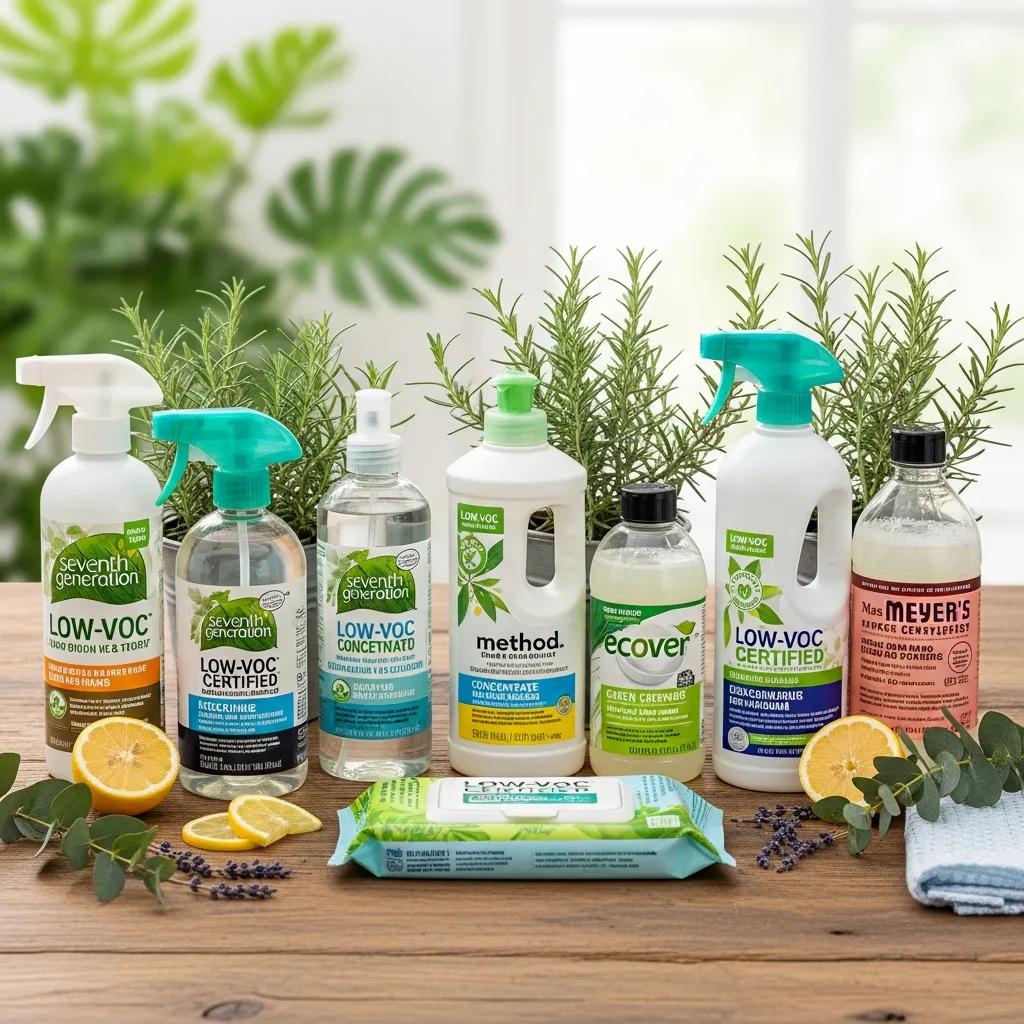
Eco-friendly practices in school cleaning reduce environmental impact while improving indoor air quality and safeguarding student health through product choice, equipment selection and operational timing. Key measures include using low-VOC or green-certified disinfectants, HEPA-filtered vacuuming to reduce airborne particulates, microfibre systems that reduce chemical usage, and dosing systems that control dilution accurately. Waste reduction strategies—such as source-segregated recycling and single-stream minimisation—further support sustainability goals and demonstrate responsible procurement to parents and regulators. These practices contribute measurable improvements in IAQ and lower the potential for chemical-related irritation among sensitive students.
The following table links sustainable products and methods to environmental and indoor-air benefits to aid procurement decisions.
| Product / Practice | Environmental Benefit | Indoor Air Impact / Safety Notes |
|---|---|---|
| Low-VOC disinfectants | Reduced chemical emissions | Lower odour and respiratory irritation; ventilate during use |
| HEPA-filter vacuuming | Reduced particulate resuspension | Improves IAQ by capturing fine dust and allergens |
| Microfibre cleaning systems | Less chemical volume required | Effective soil removal with minimal detergents |
| Chemical dosing systems | Reduced waste and overuse | Ensures accurate dilution and consistent efficacy |
This table helps procurement teams weigh green options against performance requirements and safety notes. Combining these practices supports both sustainability and health objectives in educational settings.
Which Sustainable Products and Methods Promote Indoor Air Quality in Schools?
Sustainable product selection focuses on low-VOC formulations, unscented options and certifications that indicate reduced environmental impact without sacrificing germ-killing ability. HEPA-filtered vacuums remove fine dust and allergenic particles that standard vacuums may reintroduce to the air, and microfibre cloths remove soils without heavy chemical loads. Timing cleaning activities when rooms are unoccupied and ensuring post-clean ventilation minimise occupant exposure to any residual vapours. Together these methods reduce the cumulative chemical load in classrooms and support better respiratory health for students and staff.
Routine IAQ monitoring and simple operational rules—such as airing rooms after deep cleans—reinforce the benefits of these sustainable choices and provide measurable improvements administrators can report.
How Does Divine Commercial Cleaning Implement Environmentally Conscious Solutions?
Divine Commercial Cleaning lists environmentally conscious practices among its operational principles and applies these where appropriate in educational settings by prioritising eco-friendly product choices and IAQ-supportive equipment. Their operational approach can include HEPA vacuuming, low-VOC product selection and microfibre systems to reduce chemical volumes, aligning cleaning outcomes with schools’ sustainability targets. When partnered with a school, Divine’s staff training emphasizes safe application and ventilation steps to protect students during and after cleaning activities. These practical implementations support both health outcomes and institutional sustainability commitments.
Using a provider that integrates eco-conscious practices helps schools meet procurement policies and demonstrates to parents that facility hygiene aligns with environmental values.
How Does Divine Commercial Cleaning Ensure Reliable and Trustworthy School Cleaning Services?
Divine Commercial Cleaning ensures reliability and trustworthiness through a combination of vetted personnel, transparent policies and customer-focused guarantees that reduce procurement risk for schools. Their staff are described as experienced and police-checked, and the company carries insurance to cover operational risks, which together address safeguarding and liability concerns for educational clients. Operational policies such as providing the same cleaner where possible, offering no lock-in contracts, and a money-back satisfaction guarantee create service continuity and accountability. Quality control practices typically include documented checklists, supervision and responsive remediation when issues are raised.
These trust signals are important to school administrators because they reduce uncertainty and support long-term working relationships that prioritise consistent standard delivery and student safety.
What Role Do Experienced Cleaners and Police Checks Play in School Safety?
Experienced cleaners bring task proficiency, correct chemical handling and efficient time management to school environments, which reduces safety incidents and improves cleaning outcomes. Police checks are a core safeguarding control for providers working in schools, ensuring staff meet background screening expectations required for on-site work around children. Together, experienced and vetted staff provide continuity and build trust with school communities, as regular personnel familiar with a site will more readily notice anomalies and report maintenance or safety concerns. Operational transparency—such as providing verification of checks and a clear reporting channel—further supports administrators’ oversight responsibilities.
Maintaining these safeguards through documented procedures and training ensures both compliance and a quality-driven service experience.
How Are Customised Schedules and Satisfaction Guarantees Delivered to Educational Clients?
Customised schedules begin with a site assessment to map usage patterns, traffic density and risk areas, then convert that analysis into daily, weekly and termly tasks aligned to school timetables. Quality control typically includes checklists that cleaners sign off, supervisory spot checks and a feedback channel for rapid remedial action if standards are not met. Divine Commercial Cleaning’s offering of no lock-in contracts and a money-back satisfaction guarantee provides procurement flexibility and remedial assurance, reducing the perceived risk of engaging a new provider. These operational features help schools trial tailored plans, scale services as needs change, and hold providers accountable to agreed service levels.
Clear contractual terms and an accessible complaint resolution process complete a practical delivery model that supports ongoing performance improvement.
Where Can Schools in Queensland Access Professional Cleaning Services Meeting Hygiene Standards?
Schools in Queensland seeking compliant cleaning services can access providers that operate across regional hubs and urban centres, with local knowledge helping tailor protocols to climate and community needs. Divine Commercial Cleaning serves areas across the Sunshine Coast and Brisbane region, including Maroochydore, Pacific Paradise and Birtinya, and positions itself as a local partner that understands school schedules and regional requirements. When evaluating local providers, administrators should request examples of school-specific protocols, verification of police checks and evidence of environmentally conscious product use. A straightforward procurement pathway includes an initial contact, site assessment and a written proposal that outlines tasks, frequencies and quality control measures.
Below is a simple step-by-step process schools can follow to request a tailored cleaning quote and begin a partnership:
- Prepare basic facility details and usage patterns for assessment.
- Contact the provider to request a site visit and discuss objectives.
- Review the tailored cleaning plan and agree on scheduling and KPIs.
- Confirm arrangements and begin with agreed trial or initial term.
This process yields a customised plan that matches hygiene standards to school priorities and provides a clear baseline for measuring outcomes.
Which Areas Are Served by Divine Commercial Cleaning Across Sunshine Coast and Brisbane?
Divine Commercial Cleaning lists service coverage across Sunshine Coast and Brisbane with specific mentions of Maroochydore, Pacific Paradise and Birtinya, reflecting a regional footprint that supports schools in those communities. Schools outside these named localities are encouraged to enquire directly to confirm coverage and receive a tailored response that considers travel and scheduling needs. Local providers bring benefits such as prompt response times, familiarity with regional health guidance and the ability to coordinate around school calendars for minimal disruption. Choosing a regional contractor also simplifies coordination for holiday deep cleans and emergency response.
Local knowledge complements technical capability by ensuring cleaning schedules fit real-world school operations and community expectations.
How Can Schools Request a Free Quote for Tailored Cleaning Solutions?
Requesting a free quote typically follows a simple workflow: initial contact to express interest, provision of basic facility information, scheduling of a site visit, and delivery of a written proposal outlining tasks, frequencies and pricing. Schools should prepare details such as building square metres, number of classrooms, restroom counts and typical occupancy to help providers produce accurate proposals. Divine Commercial Cleaning offers free quotes and will usually follow this same assessment-and-proposal workflow, highlighting their no lock-in contracts and satisfaction guarantee as part of the proposal to reduce procurement risk. After review, schools can agree to a trial period or a phased rollout to validate performance before committing to ongoing arrangements.
This straightforward approach provides transparency in cost and scope and allows schools to compare proposals based on documented cleaning standards, sustainability practices and trust signals such as police checks and insurance.

Dianne, originally from Rockhampton, hails from a business-oriented family, with her father owning electrical stores and her uncle serving as Mayor. Moving to the Sunshine Coast at 13, she later pursued a rewarding real estate career and raised three children. As a single mom, she balanced university studies with domestic cleaning work. Armed with a Bachelor’s Degree in Business, majoring in Supply Chain Management, Dianne founded and grew Divine Commercial Cleaning into a thriving company. Her success is rooted in strong family mentorship, a positive attitude, and a solution-oriented approach, offering tailored cleaning services with integrity and strategic insight.