Keeping Currimundi Businesses Safe: Commercial Cleaning Safety Protocols
Workplace safety in Currimundi depends on consistent, evidence-based cleaning — missed steps increase risks from infection, slips and chemical exposure, which can harm staff, customers and your ability to trade. This guide explains how targeted commercial cleaning practices limit pathogen spread, control hazards from spills and contaminants, and help businesses meet Australian WHS obligations. You’ll find clear reasons why hygiene matters for business safety in Currimundi, how regulations shape responsibilities, and which operational controls — from risk assessment to verification — deliver measurable safety results. We also map protocols for medical centres, offices, retail and industrial sites, outline the role of trained cleaners and PPE, and show the business benefits such as fewer sick days and lower incident costs.
Throughout, we highlight sustainable cleaning methods and practical checklists local owners and facility managers can use straight away to improve compliance and resilience.
Why Is Workplace Hygiene Essential for Business Safety in Currimundi?

Workplace hygiene is about managing environmental risks so your team stays healthy, accidents are avoided, and the business keeps running. Cleaning surfaces and controlling indoor air reduces routes for respiratory and contact-borne illnesses, while organised cleaning routines cut hazards like slippery floors or chemical residues that can cause injury. In a coastal town that depends on tourism and steady client flow, visible cleanliness preserves your reputation and customer confidence — and that stability supports revenue. That’s why hygiene programs need to be written down, properly resourced and regularly checked to meet both community expectations and legal WHS duties.
Workplace hygiene gives value across four practical areas every Currimundi business should focus on:
- Health protection: lowers infection transmission and work-related illness through targeted cleaning and disinfection.
- Regulatory compliance: shows due diligence under WHS/OHS rules and contractor obligations.
- Operational continuity: reduces downtime from outbreaks, contamination or slip-and-fall incidents.
- Reputation and trust: maintains customer confidence and strengthens brand credibility through visible, verifiable cleanliness.
Those points lead to the next practical question: how national and state WHS rules affect cleaning duties and contractor responsibilities in Australia.
How Do Australian WHS Regulations Impact Commercial Cleaning in Currimundi?
Australian WHS law sets a shared duty of care: employers and contractors must eliminate or minimise risks so far as is reasonably practicable. That directly affects cleaning contracts and on-site practices. Cleaning companies and client businesses need to coordinate risk assessments, agree on control measures for hazardous tasks, and keep training and incident records to demonstrate compliance. Typical contractor duties include providing trained staff, appropriate PPE, safe chemical handling procedures and documented safe systems of work. Clients must give safe access, share hazard information and provide oversight.
Key compliance actions businesses should take include:
- Keep a written cleaning scope and verification records for high-risk areas.
- Make safety data sheets available and ensure staff are trained in safe chemical use.
- Coordinate permit-to-work or isolation procedures for tasks that need restricted access.
This framework points to the specific standards and guidance Queensland businesses should follow to meet national and state expectations.
What Are the Key Health and Safety Standards for Queensland Businesses?
Queensland guidance sits within the national WHS system and spells out practical obligations for different settings, especially healthcare and high-traffic commercial premises. Facility managers should consult state advice on hazardous substances, infection prevention in health settings, and rules for disposing of sharps and biomedical waste. Useful references include state WHS documents, accepted healthcare cleaning protocols and international environmental management frameworks that inform local practice.
Practical items to check for Queensland operations include:
- Whether healthcare sites follow health-service infection prevention protocols and waste-segregation rules.
- If commercial premises document frequencies and methods for high-touch disinfection and indoor air quality control.
- That organisations use certified training and evidence-based products for sanitisation tasks.
Confirming these items supports safe cleaning implementation and prepares businesses for audits and incident response. Next we cover how structured, safety-first processes are applied day to day.
How Does Divine Commercial Cleaning Implement Safety-First Practices in Currimundi?
At Divine Commercial Cleaning we use a simple, safety-first workflow: identify risks, apply controls during cleaning, then verify and record results to show compliance and effectiveness. Our approach focuses on hazard-based scheduling, safer chemistries and microfibre technology, plus documented procedures for high-touch and clinical environments. Verification — via logs and audits — proves sanitisation meets targets and that staff follow safe systems of work.
A clear, step-by-step view of core operational controls shows how this works in practice:
- Carry out an initial site risk assessment to map hazards and set cleaning frequency.
- Provide staff with the right PPE and task-specific chemical handling instructions.
- Use targeted sanitisation and disinfectants validated for high-touch areas.
- Verify results with checklists, photos and periodic audits to close the loop.
This model depends on clear accountability; the table below summarises how risk assessment, routine controls and oversight are assigned and measured.
| Safety Process | Typical Frequency | Responsible Party |
|---|---|---|
| Site risk assessment and SOP creation | On engagement and annually or after layout changes | Cleaning contractor + client supervisor |
| High-touch surface sanitisation | Daily or multiple times per shift in busy areas | Cleaning staff under supervisor schedule |
| Chemical handling reviews and SDS checks | Monthly reviews and whenever products change | Contractor safety officer |
| Verification and audit reporting | Weekly checklists; quarterly audits | Contractor QA lead and client auditor |
That clarity makes operational control visible to both clients and regulators. Next we explain how initial risk assessments are done in detail.
What Risk Assessment Processes Ensure Safe Cleaning Operations?
Risk assessment for cleaning brings together hazard identification, control selection and ongoing monitoring so tasks are done safely and effectively in Currimundi workplaces. We start with a site walkthrough to spot slip hazards, biological risks, chemical storage issues and access limits, then rank risks by severity and likelihood to prioritise controls. Typical measures include engineering and administrative controls, correct PPE, signage and work sequencing to reduce exposure during cleaning while protecting occupants.
A practical risk-assessment checklist often includes:
- Identify high-traffic and high-touch zones and set sanitisation frequency.
- Verify safe chemical storage, SDS availability and spill-response kits.
- Confirm PPE needs and exclusion zones during wet cleaning or disinfectant use.
Embedding these steps in SOPs ensures risk assessments guide daily routines and staff instructions. This preventive approach also aligns with eco-friendly methods that reduce chemical risks.
Which Eco-Friendly Cleaning Methods Enhance Workplace Safety?

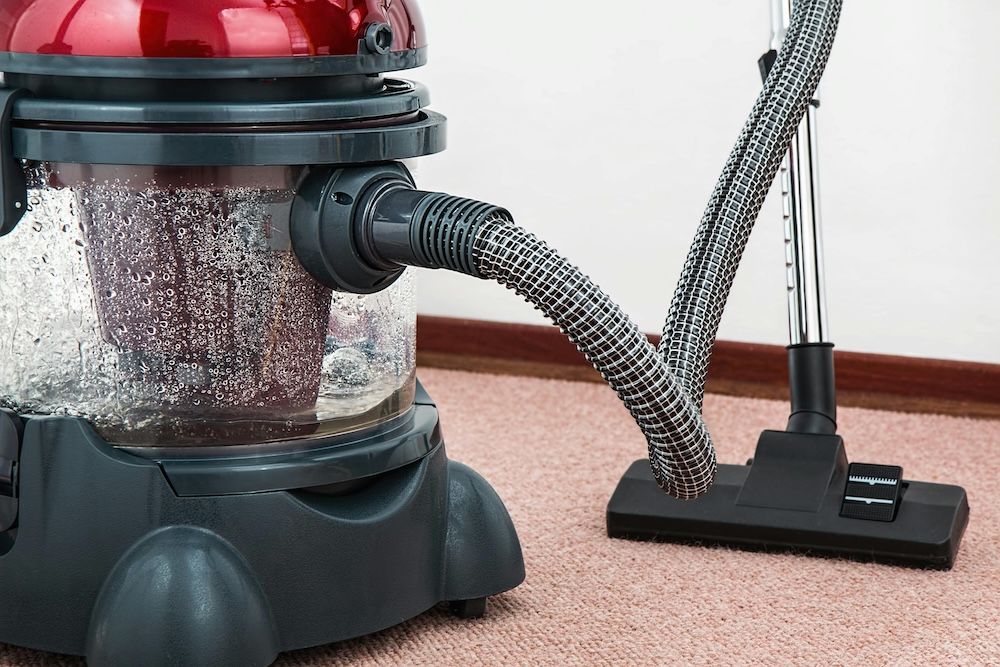
Eco-friendly cleaning can lower harmful exposures while keeping hygiene outcomes high — a practical win for Currimundi businesses. Safer chemistries such as low-volatile, non-irritant disinfectants and enzyme cleaners reduce respiratory and skin risks, while microfibre systems capture soils better and cut chemical use. Water-efficient techniques and HEPA-filtered vacuuming also improve indoor air quality by reducing airborne particles that aggravate allergies or breathing issues.
Common green cleaning components and their safety benefits include:
- Microfibre cloths and mops: remove contaminants mechanically and reduce disinfectant volumes.
- HEPA filtration and targeted extraction: improve indoor air quality and lower particulate loads.
- Measured dilution systems and safer disinfectants: prevent overuse and reduce residue risks.
These sustainable choices maintain infection control, support long-term workplace safety and work hand-in-hand with verification and staff training to deliver consistent results.
What Are the Tailored Cleaning Safety Protocols for Different Currimundi Business Types?
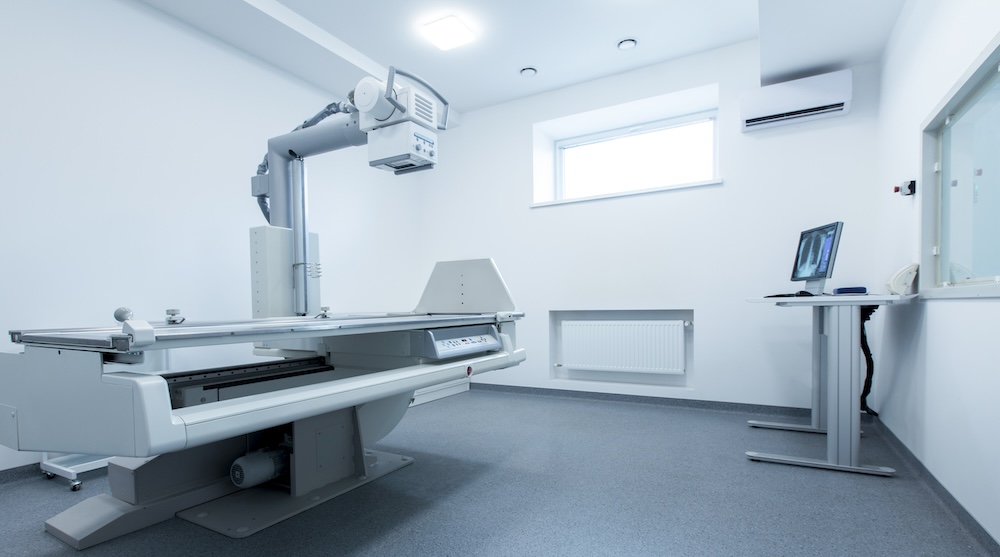
Cleaning protocols should be tailored to each business’s hazards and customer interactions so medical centres, offices, retail, industrial, daycare and amenity spaces get the right level of control. Healthcare settings need clinical-grade disinfectants, strict biomedical waste segregation and traceable audit records. Offices benefit from high-touch programmes and ventilation checks. Industrial sites prioritise spill response, equipment-safe cleaning and floor treatments to prevent slips and contamination.
The table below outlines common protocol elements by business type and the safety outcomes to expect:
| Business Type | Protocol Element | Expected Outcome / Benefit |
|---|---|---|
| Medical centres | Hospital-grade disinfectants; sharps and biomedical waste handling | Lower infection risk; regulatory compliance |
| Offices & retail | High-touch sanitisation; restroom and communal-area schedules | Reduced transmission; improved customer confidence |
| Industrial/warehouse | Spill response plans; equipment-safe cleaning; floor treatments | Fewer slips; safer machinery operation |
| Daycare/amenity spaces | Child-safe products; frequent surface cleaning; toy sanitation | Less cross-infection; protect vulnerable users |
This comparison helps facility managers choose the right controls. Our local experience across offices, medical centres, daycares and amenities shows tailored plans deliver consistent safety without locking clients into long contracts — we use experienced staff and flexible hours to reduce disruption.
How Are Medical Centre Cleaning Safety Standards Maintained?
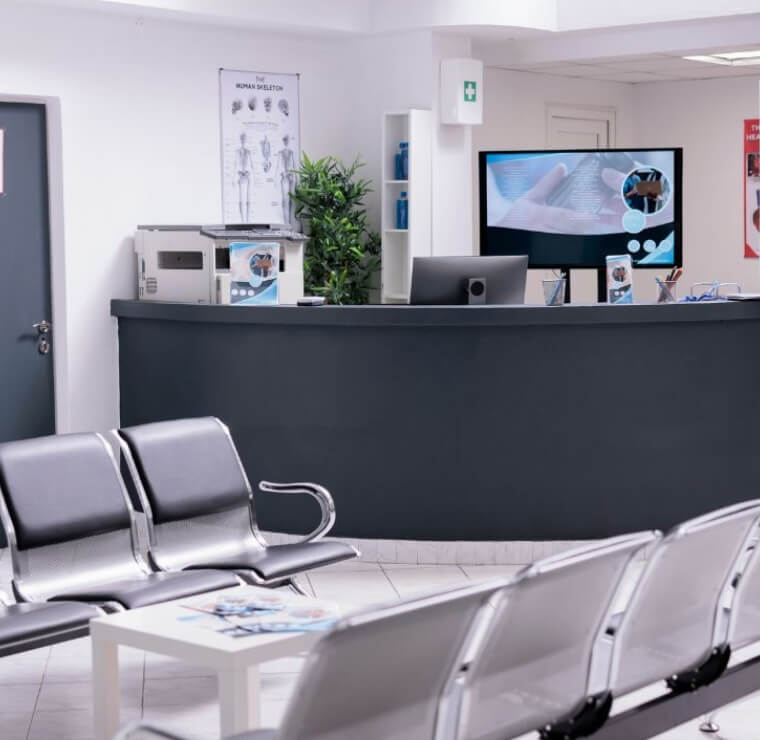
Medical centre cleaning targets healthcare-associated infection prevention through validated disinfection, strict waste segregation and documented audits that meet health-service expectations. Tasks include using hospital-grade disinfectants with correct contact times, single-use or properly laundered linens, and secure containment of sharps and biomedical waste to prevent cross-contamination. Frequency is matched to patient flow and risk areas, with theatres, treatment rooms and high-dependency zones prioritised for more frequent cycles and verification checks.
Key actions typically performed are:
- Apply disinfectants at manufacturer-specified dwell times and record applications.
- Segregate biomedical waste in compliant containers and follow secure removal procedures.
- Use daily checklists and periodic third-party audits to validate cleaning effectiveness.
Following these standards protects patients and staff and fits into wider infection-control programs — a clear example of how tailored protocols keep high-risk environments safe.
What Safety Practices Are Used for Offices, Retail, and Industrial Spaces?
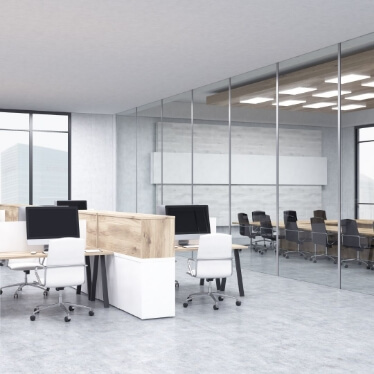
Non-healthcare businesses use targeted practices that match their exposure. Offices and retail focus on high-touch surfaces, shared facilities and visible cleanliness to reassure staff and customers, while industrial sites concentrate on hazard control, spill response and equipment-safe methods. Office routines typically include desk-area sanitisation, restroom deep cleans and ventilation checks. Retail manages peak-period cleaning and contact-point disinfection. Industrial cleaning emphasises machine-safe methods, chemical residue control and floor treatments to prevent slips.
Common tasks by sector include:
- High-touch protocols for door handles, lift buttons and POS systems in retail and offices.
- Scheduled deep-clean cycles for carpets and ducted HVAC components to improve indoor air quality.
- Spill response plans and restricted-area procedures during industrial maintenance windows.
These examples show how frequency, methods and staffing vary by context, and how training and PPE use ensure safe, consistent delivery.
How Do Trained Cleaning Professionals Contribute to Business Safety in Currimundi?
Trained cleaners reduce organisational risk by using proven techniques, following safe systems and spotting hazards that need escalation — together these actions lower incidents and improve compliance. Training ensures correct dilution and application of products, proper cleaning sequences to avoid cross-contamination, and safe use of equipment like HEPA vacuums or UV-C devices. Regular competency checks and refreshers keep teams up to date with best practice and new technology, such as IoT sensors or robotics, which support human teams rather than replace safety oversight.
The role of certification and ongoing supervision is central to safe outcomes:
- Training creates consistent technique and reduces chemical misuse.
- Supervision and audits enforce SOPs and reveal improvement areas.
- Upskilling allows safe adoption of new methods that raise efficiency and safety.
These staffing and training measures lead into the practical certifications and learning areas clients should expect from a cleaning provider.
What Certifications and Training Ensure Compliance with Safety Regulations?
Certifications and role-specific training prove competence and form part of a defensible safety system for clients and regulators. Relevant credentials include WHS induction, first aid, safe chemical handling and task-specific competencies like biomedical waste handling or operation of specialised machinery. Clients should ask for evidence of current training, documented competencies and internal QA processes that verify staff capability against regulatory expectations.
Typical certification and training items include:
- WHS/OHS induction and site-specific hazard briefings for all staff.
- Task-specific qualifications for biomedical waste, disinfection and equipment operation.
- Regular refresher training and recorded competency assessments to maintain standards.
These certificates and records show compliance and reduce incidents from unskilled practice. That brings us to correct PPE selection and use.
How Is PPE Properly Used to Protect Staff and Clients?
Correct PPE use starts with selecting gear for the task, practising proper donning and doffing, and disposing of items safely to avoid spreading contamination. For routine sanitisation, gloves and eye protection may be enough; clinical or spill-response tasks require higher-grade protection and masks or respirators if aerosol risks exist. Training on sequence — put PPE on before exposure, avoid touching the face and remove equipment in the right order — reduces cross-contamination and preserves protection.
Essential PPE practices include:
- Choose PPE based on risk assessment and chemical exposure.
- Train staff on correct donning/doffing and disposal into designated streams.
- Inspect and maintain reusable items and keep spares stored for availability.
Clear procedures and supervision make PPE part of a layered safety approach rather than a false sense of security, supporting the wider benefits of a well-managed cleaning regime.
What Are the Benefits of Maintaining a Safe and Clean Business Environment in Currimundi?
A safe, clean workplace delivers measurable business value: healthier staff, stronger customer trust, fewer incidents and lower operational risk — which can reduce insurance and remediation costs. Regular targeted cleaning cuts disease transmission and absenteeism, while visible cleanliness boosts customer confidence in a tourism-driven local economy. Quantifying these benefits helps justify investment in tailored cleaning programmes and shows the return on prevention versus reactive remediation.
The table below links benefit areas to metrics and business impact so decision-makers can prioritise cleaning spend:
| Benefit Area | Metric / Indicator | Impact / Business Value |
|---|---|---|
| Employee health | Reduced sick days per employee | Higher productivity; lower replacement costs |
| Customer confidence | Customer satisfaction and repeat visits | Increased revenue and stronger reputation |
| Incident reduction | Fewer slips/falls and contamination events | Lower insurance claims and legal exposure |
| Operational continuity | Decreased downtime from outbreaks | Consistent service delivery and revenue protection |
These metrics form a practical framework to assess program effectiveness and guide how cleaning frequency and scope should be optimised to support staff health and productivity.
How Does Cleaning Improve Employee Health and Productivity?
Effective cleaning lowers pathogen levels on surfaces and in air, reducing spread of respiratory and contact-borne illnesses that cause absenteeism and reduced performance. Better indoor air quality from filtration and dust control supports concentration and reduces allergy impacts, which together improve productivity. Practical schedules that combine daily high-touch disinfection with periodic deep cleans match cleaning intensity to occupancy, maximising health benefits with minimal disruption.
Recommended operational frequencies to support health include:
- Daily sanitisation for communal and high-touch areas, with extra cycles during peak seasons.
- Weekly deep cleans for carpets and upholstery, and quarterly HVAC filter servicing.
- Immediate spill and contamination response procedures to limit exposure windows.
These routines help businesses protect staff wellbeing and maintain capacity. Next we explain how that protection converts into reputation and cost savings.
In What Ways Does Business Safety Enhance Reputation and Reduce Costs?
Investing in safety-focused cleaning prevents reputational damage from visible neglect or contamination incidents and cuts direct costs tied to slips, outbreak responses and emergency remediation. Customers expect clear hygiene practices; meeting those expectations supports retention and referrals. Preventive programmes avoid costly reactive work and insurance claims — a small rise in preventive cleaning often yields savings through fewer lost workdays and lower incident-response spending.
A practical ROI example might show:
- A 10–20% reduction in absenteeism through improved hygiene can pay back cleaning costs within months thanks to sustained productivity.
- Visible compliance and clear signage at entrances improves customer perception and can increase repeat business.
If you’d like a customised, safety-focused cleaning quote, Divine Commercial Cleaning offers tailored plans, eco-friendly options, experienced local cleaners, no lock-in contracts and a satisfaction guarantee. Currimundi clients can request a quote through our contact channels and review local feedback on our business profile.
Frequently Asked Questions
What types of businesses benefit most from tailored cleaning protocols?
Tailored protocols help any business with high foot traffic or specific hygiene needs — for example medical centres, retail stores and daycares. Each setting has different risks: medical sites need strict infection controls, retail focuses on high-touch points for customer confidence, and daycares require child-safe products and frequent cleaning. Customising cleaning to the environment reduces risk and keeps people safe.
How can businesses measure the effectiveness of their cleaning protocols?
Measure effectiveness with simple metrics: reduced absenteeism, customer satisfaction and fewer incidents like slips or contamination reports. Regular audits, staff and customer feedback, and a structured reporting system that tracks these metrics over time will show whether cleaning is working and where to improve.
What role does employee training play in maintaining cleaning standards?
Training is essential. It ensures staff know correct techniques, safe chemical handling and PPE use. Regular training reinforces best practice, introduces new methods and builds a safety-first culture. Well-trained teams deliver more reliable results and reduce the chance of mistakes that cause incidents.
How often should cleaning protocols be reviewed and updated?
Review and update protocols at least annually, and whenever significant changes occur — new equipment, different occupancy levels or changes in health rules. Also review after incidents or outbreaks to find improvements and update procedures accordingly.
What are the environmental benefits of using eco-friendly cleaning methods?
Eco-friendly methods reduce chemical runoff, improve indoor air quality and lower exposure to harmful substances for staff and customers. Biodegradable products and water-efficient techniques reduce environmental impact, while HEPA filters cut airborne pollutants. These choices support a healthier workplace and community.
How can businesses ensure compliance with local health regulations?
Stay informed about current laws and guidance, conduct regular risk assessments, keep accurate cleaning records and train staff appropriately. Working with certified cleaning professionals who understand local regulations helps ensure compliance. Regular audits and inspections verify that you’re meeting requirements.
What should businesses look for when choosing a commercial cleaning service?
Look for experience, certifications and a clear approach to safety. Ask about protocols for high-touch areas and infection control, training and qualifications of staff, use of eco-friendly products, and flexibility in scheduling. Client testimonials and local reviews are also useful indicators of reliability and quality.
Strong cleaning protocols in Currimundi protect staff, customers and your bottom line. Prioritising hygiene reduces infection and accident risk, keeps operations running and helps you meet regulations. Investing in a tailored cleaning plan — one that is documented, audited and delivered by trained professionals — is a practical step to safeguard your people and reputation. To learn how Divine Commercial Cleaning in Currimundi can tailor a solution for your business, explore our services or request a quote today.

Dianne, originally from Rockhampton, hails from a business-oriented family, with her father owning electrical stores and her uncle serving as Mayor. Moving to the Sunshine Coast at 13, she later pursued a rewarding real estate career and raised three children. As a single mom, she balanced university studies with domestic cleaning work. Armed with a Bachelor’s Degree in Business, majoring in Supply Chain Management, Dianne founded and grew Divine Commercial Cleaning into a thriving company. Her success is rooted in strong family mentorship, a positive attitude, and a solution-oriented approach, offering tailored cleaning services with integrity and strategic insight.