
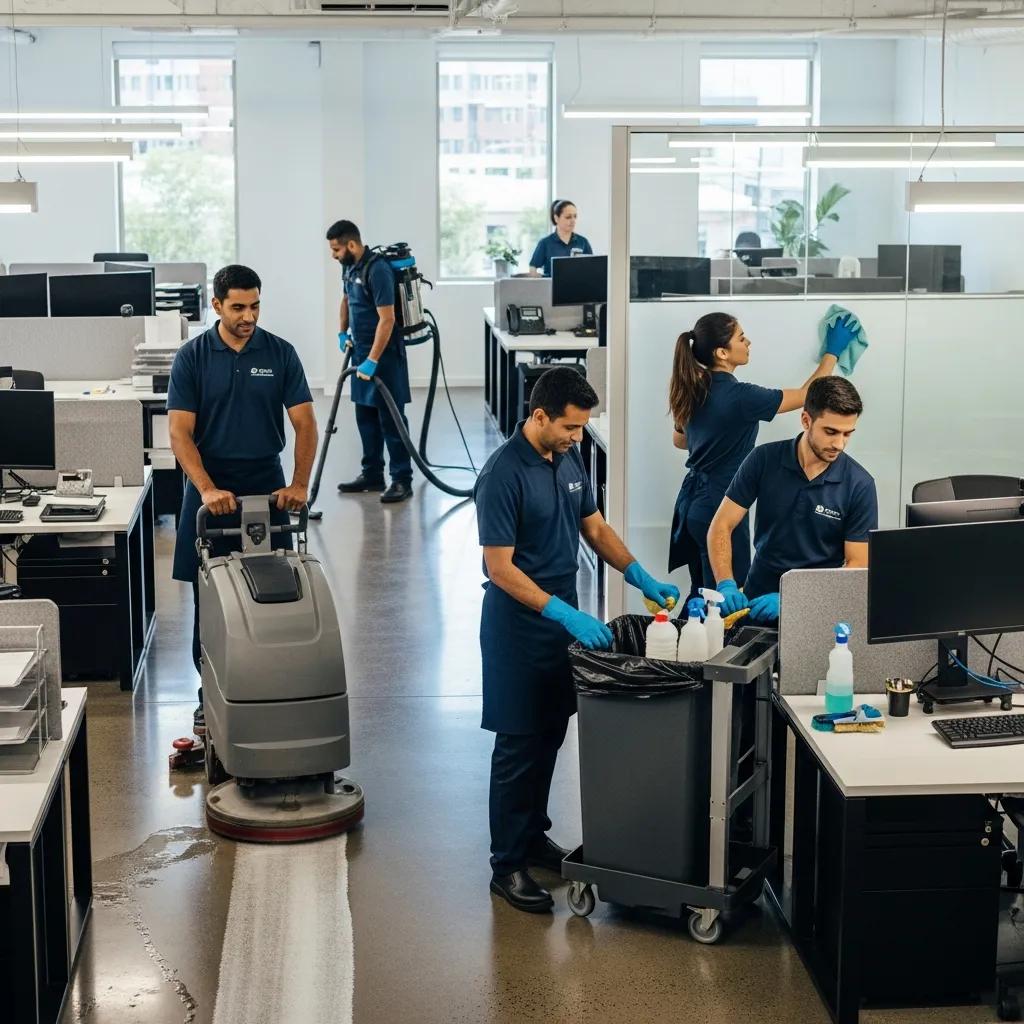
Commercial cleaning pricing in Everton Hills — why rates vary and how to compare
Prices for commercial cleaning in Everton Hills differ because suppliers use different pricing models, define their services differently and face local cost pressures. This guide breaks down common approaches — hourly rates, per‑square‑metre fees and fixed contracts — explains the local cost drivers that set Everton Hills apart from Brisbane and the Sunshine Coast, and shows you how to get clear, comparable quotes. Many businesses get stung by hidden fees, shifting scopes and inconsistent quality; here you’ll get practical steps to normalise quotes, spot red flags and pick the best value for offices, medical centres and strata buildings. Inside: pricing models explained, a look at location-driven cost drivers, regional rate ranges and a straightforward process for securing itemised, competitive quotes — including how Divine Commercial Cleaning frames our Everton Hills options. Read on to learn how to compare “hourly rate commercial cleaners Everton Hills” with “commercial cleaning per square metre Everton Hills” and turn those comparisons into reliable procurement decisions.
What are the common commercial cleaning pricing models in Everton Hills and Brisbane?
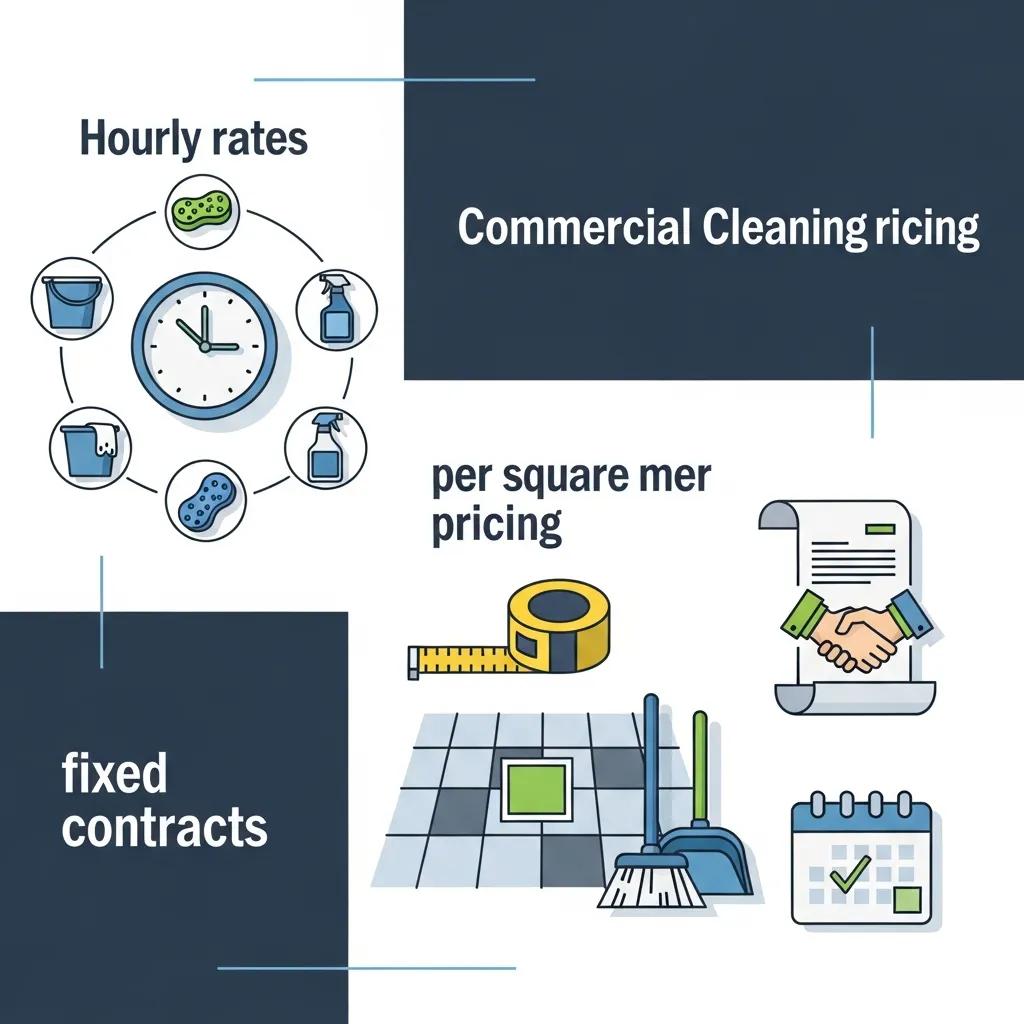
Providers commonly use four pricing approaches: hourly billing, per‑square‑metre rates, fixed‑rate contracts and bundled service packages. Each model balances predictability, fairness and fit with operations differently. Small, irregular jobs often suit hourly billing, while per‑metre and fixed contracts scale better for larger, repeatable sites. Picking the right model for your space reduces surprises and makes monthly budgeting straightforward.
When each model is typically used:
- Hourly rate: Ideal for small offices or ad‑hoc jobs where time varies.
- Per square metre: Best for large open‑plan areas or warehouses where area drives effort.
- Fixed‑rate contract: Works well for regular, high‑frequency services that need predictable billing.
- Bundled services: Handy when routine cleaning is combined with periodic specialist tasks.
These models reflect core cost drivers like labour time, travel and specialised equipment. Below we contrast hourly and fixed approaches so you can estimate which will usually be more economical for your frequency and scope.
How do hourly rates compare to fixed‑rate contracts?
Hourly rates bill for labour time and suit irregular or one‑off cleans where the scope changes — they’re flexible but less predictable for budgeting. Fixed‑rate contracts set a recurring fee for an agreed scope and frequency, giving you predictable monthly costs and often a lower per‑visit rate when visits are regular, because crews work more efficiently. To compare, convert hourly estimates into a monthly figure by multiplying expected weekly hours by the hourly rate and adding travel or supply surcharges. If that total exceeds a fixed contract quote for the same scope, a contract will usually be more cost‑effective. Watch for minimum call‑out times, overtime and penalty rates — what looks cheap by the hour can become expensive once those items are added. This trade‑off helps decide whether you need flexibility (hourly) or budget stability and lower unit costs (fixed).
What is the role of per square metre pricing in commercial cleaning?
Per‑square‑metre pricing applies a rate per m² and multiplies it by the measured area to produce a predictable fee for standardised spaces like open‑plan offices and retail floors. The calculation is simple — total price = sqm × rate — but assumptions matter: confirm whether washrooms, kitchens, consumables and travel are included. Per‑sqm ranges vary by task complexity and region; for larger quotes ask how irregular features (split levels, mezzanines) are handled and whether rounding or minimums apply. Always request a verified floor area or an on‑site measurement to avoid disputes. Clear scope alignment under per‑sqm pricing makes it far easier to compare Everton Hills rates with other suppliers.
Research shows that service requirements — office size, cleaning frequency and floor material complexity — are central variables in commercial cleaning pricing.
Commercial cleaning pricing variables & service requirements
Service needs such as office size (square metres), cleaning frequency, daily occupancy and floor‑surface complexity significantly affect price.
Market analysis and pricing model for office cleaning services: All‑Rounders Oy, 2025
Different pricing models at a glance:
| Pricing Model | Characteristic | Typical Use‑case |
|---|---|---|
| Hourly rate | Charges per labour hour; flexible | Small offices, ad‑hoc cleans |
| Per square metre | Area‑based; predictable for large spaces | Warehouses, retail floors |
| Fixed‑rate contract | Agreed scope/frequency; predictable monthly cost | High‑frequency services, offices |
| Bundled services | Combines routine + specialist tasks | Sites needing mixed scopes (e.g., gym + office) |
This table shows where each model tends to deliver the most value; next we explain how location and travel affect pricing.
Which key factors influence commercial cleaning costs in Everton Hills compared to nearby areas?
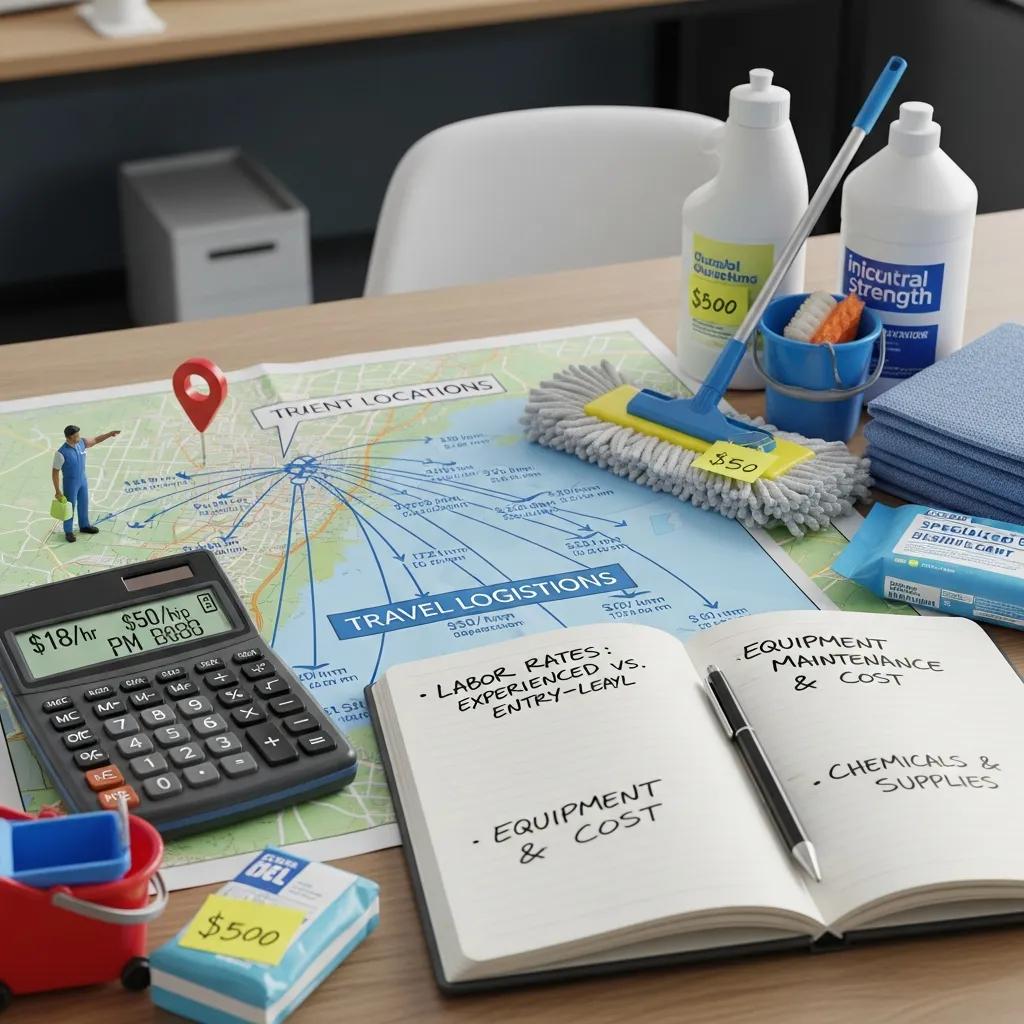
Several core factors explain why Everton Hills prices can differ from other suburbs: local labour rates, travel time, demand patterns, property access and sector‑specific compliance (for example, medical centres). Labour is usually the largest cost component; travel and logistics add per‑visit premiums for outlying or multi‑site schedules. Demand cycles — daytime business demand versus evening suburban work — affect availability and penalty rates. Equipment needs, consumable quality and insurance or police‑checked staff requirements also add line items that change comparative pricing.
Primary cost drivers to check when comparing providers:
- Labour and penalty rates: Influence both hourly and contract pricing.
- Travel and logistics: Add per‑visit fees for remote runs.
- Frequency and scope complexity: Determine effort per visit.
- Insurance, training and compliance: Raise baseline costs for specialised sites.
Knowing these factors helps you request itemised quotes that isolate cost drivers so you can compare Everton Hills pricing with consistent assumptions. The next subsection looks at travel and location differences between Everton Hills and the Sunshine Coast.
How do location and travel affect pricing between Everton Hills and the Sunshine Coast?
Travel increases per‑visit cost through fuel, vehicle wear and crew time. Providers either absorb short trips or pass on longer travel as a separate line item or minimum charge. Routes to the Sunshine Coast typically require longer travel windows and fewer back‑to‑back jobs, which reduces operational efficiency and raises per‑visit rates compared with inner‑suburb Everton Hills runs. Some companies use travel bands or distance surcharges; others build travel into a higher hourly rate for remote sites. Always ask for the travel breakdown so you know which method applies. Bundling nearby sites into a single run or negotiating multi‑site schedules can reduce travel premiums and lower the effective rate per location.
Where sites are clustered, expect lower unit prices; where sites are remote, expect higher fixed per‑visit charges. The following section explains how scope and frequency further affect price.
What impact do service scope and frequency have on cleaning prices?
Scope (basic tidy vs deep clean vs clinical cleaning) and visit frequency strongly influence unit price and total cost. Routine services benefit from repeatability and time efficiency, so higher frequency often reduces per‑visit time compared with infrequent deep cleans that need more labour and consumables. Specialist tasks — for example, imaging centre cleaning or clinical‑grade disinfection — require trained staff, extra PPE and specialised agents, which push costs above standard office cleaning. Itemised scopes in quotes prevent scope creep and surprise invoices; specify tasks, consumables and exclusions so comparisons stay fair.
For predictable unit costs choose higher‑frequency, focused visits and reserve periodic specialist cleans for certified work that genuinely requires those standards. With those drivers in mind, next we compare regional rates across Everton Hills, Brisbane and the Sunshine Coast.
How do Everton Hills commercial cleaning rates compare with Brisbane and Sunshine Coast providers?
Regional differences usually reflect local wages, demand intensity and travel logistics. Everton Hills generally sits between inner‑Brisbane metro averages and the more variable Sunshine Coast ranges. Brisbane’s core metro areas tend to offer competitive hourly availability and lower travel fees due to density, while Sunshine Coast providers may charge higher per‑visit premiums for regional travel and smaller route efficiencies.
Regional comparison by typical rate estimates (illustrative, with scope qualifiers):
| Region | Attribute | Typical Range (AUD) |
|---|---|---|
| Everton Hills | Avg hourly rate estimate | $60–$80 per hour |
| Brisbane metro | Avg hourly rate estimate | $55–$75 per hour |
| Sunshine Coast | Avg hourly rate estimate | $65–$90 per hour |
These ranges show Everton Hills close to Brisbane metro rates but able to edge higher when travel or specialist needs apply. The subsections that follow give numeric ranges and explain the labour and demand forces behind these spreads.
What are the average hourly and per square metre rates across these regions?
Ranges depend on service type: routine office cleaning hourly rates commonly fall between $55 and $80 per hour depending on frequency and inclusions, while per‑square‑metre rates for standard day‑to‑day cleaning typically range from $0.50 to $2.50 per m² depending on task complexity and region. These numbers assume basic consumables are included and standard hours without penalty rates; deep cleans, medical‑grade disinfection or after‑hours work will sit above these bands. Use these ranges to sanity‑check quotes: multiply the quoted hourly rate by expected weekly hours or calculate sqm × quoted rate and compare totals under the same scope to spot outliers.
When vetting quotes, annotate assumptions (GST, supply inclusions, travel) so you compare apples with apples rather than packaging differences that hide true cost.
How do local labour costs and demand affect pricing differences?
Labour is typically the largest cost in a supplier’s price and moves with minimum wages, penalty rates and required training. A modest wage rise of 4–6% can push suppliers to increase rates or change contract terms. Demand surges — seasonal events, end‑of‑lease windows or spikes in medical work — create short‑term premiums and reduce crew availability, raising quotes. Equipment and consumables are secondary drivers: specialised disinfectants or engineered tools add cost but can cut labour time. Knowing which component dominates a supplier’s pricing helps you negotiate — for example, offering guaranteed hours can improve utilisation and lower unit prices.
Understanding these dynamics makes regional quotes easier to interpret; next we outline the non‑price value a local provider can bring to Everton Hills.
What value does Divine Commercial Cleaning offer beyond pricing in Everton Hills?
At Divine Commercial Cleaning we emphasise value that lowers your total cost of ownership: no lock‑in contracts, tailored solutions, the same cleaner where possible, a money‑back guarantee and environmentally conscious practises. These features reduce operational friction — flexible terms lower switching risk, consistent staffing improves service continuity and a guarantee makes it easy to trial our service without a long commitment. Eco practices may slightly increase consumable costs but can reduce long‑term maintenance and reputational risk for sensitive sectors like medical centres and childcare. Our staff are fully insured and police‑checked, and we have sector experience across medical, education, office and strata clients to help meet compliance and quality expectations for Everton Hills businesses.
Below is a concise mapping of Divine’s features to client benefits so you can weigh value against headline price.
| Feature | Benefit | Client Impact |
|---|---|---|
| No lock‑in contracts | Flexibility to change suppliers | Lowers long‑term risk and procurement friction |
| Same cleaner every time | Consistency and familiarity | Reduces supervision and improves quality |
| Money‑back guarantee | Performance assurance | Mitigates trial risk for new contracts |
| Environmentally conscious practises | Health and compliance benefits | Lowers long‑term maintenance and reputational risk |
| Insured & police‑checked staff | Risk management | Supports sector compliance (medical, education) |
This table shows how value items translate into measurable operational effects; the next two subsections unpack customisation and eco‑practice benefits and when they matter most.
How do customised solutions and no lock‑in contracts benefit clients?
Customised scopes align tasks and frequencies with real operational needs, removing wasted services that inflate costs and ensuring staff bring the right skills to the right areas. No lock‑in contracts reduce procurement risk during trials or transitions — a new tenancy or pilot can start without a long commitment, which increases supplier accountability early on. For cautious clients, ask for a short trial or performance milestones tied to payment to validate service before committing longer term. Customisation plus flexible terms lets organisations scale services as occupancy changes, reducing stranded costs and keeping procurement agile.
These flexibility mechanisms often deliver net savings versus rigid contracts that include unnecessary tasks or inflexible minimums; the following subsection covers eco‑practice price implications.
Why is environmental consciousness important in commercial cleaning pricing?
Environmentally conscious cleaning uses greener consumables and low‑impact equipment, which can nudge consumable costs slightly higher but deliver downstream benefits such as better indoor air quality, reduced chemical residue and less surface wear. Short‑term uplifts are usually modest (low single digits), while improved asset longevity and lower sick‑leave exposure can offset those increases. For healthcare, childcare and corporate clients, eco practises also bring reputational and compliance benefits that are valuable to procurement decisions. When reviewing quotes, ask providers to list the eco‑certified products they use and any measurable outcomes to back up long‑term savings claims.
Balancing feature benefits with cost implications lets you compare suppliers on value, not just headline rates. Next is a step‑by‑step approach to getting transparent, competitive quotes in Everton Hills.
How can businesses obtain transparent and competitive commercial cleaning quotes in Everton Hills?
To get fair, comparable quotes, define scope clearly, request itemised inclusions and exclusions, and compare providers using the same assumptions. Ask for an on‑site inspection where possible, verify floor areas for per‑sqm quotes and require disclosure of travel and penalty rates for after‑hours work. Watch for red flags like vague inclusions, missing insurance or absent police‑check verification for staff — these often lead to extra charges later. Below is a practical six‑step process to use when requesting and comparing quotes in Everton Hills.
Understanding procurement and contract practices helps businesses navigate outsourced cleaning services effectively.
Commercial cleaning procurement & contract practices
An analytical framework showing how procurement shapes outsourced cleaning work, based on six case studies that highlight procurement characteristics and employment conditions.
Coming Clean: Procurement and Contract Practices in Commercial Cleaning, D. Grimshaw, 2014
Requesting quotes checklist:
- Define scope: List rooms, tasks and frequency in detail.
- Require itemisation: Ask for labour, consumables, travel and extras shown separately.
- Verify credentials: Confirm insurance and police‑checked staff are documented.
- Normalise assumptions: Ensure GST, supplies and travel are treated consistently.
- Ask for references: Request client types or sector experience (not specific contacts).
- Trial & guarantees: Negotiate a short trial period or a performance guarantee.
These steps standardise procurement and make price comparisons reliable; the next subsection describes Divine Commercial Cleaning’s six‑step quoting process as an example of transparent practice.
What is Divine Commercial Cleaning’s six‑step quote process?
Our six‑step quoting process is designed for clarity and fairness in Everton Hills proposals. First, we take an initial inquiry to understand your sector and site needs. Second, we arrange an on‑site or virtual inspection to confirm area and task details. Third, we prepare an itemised quote that separates labour, supplies and travel. Fourth, we present frequency and customisation options, including no lock‑in terms. Fifth, we propose performance guarantees and same‑cleaner assignments where feasible. Sixth, we finalise scheduling and start a trial or handover with follow‑up quality checks to confirm satisfaction. Asking suppliers to follow a similar flow helps you get comparable, transparent proposals that are easy to evaluate.
This transparent approach reduces ambiguity and leads into how we maintain clarity and satisfaction after the contract starts.
How does Divine ensure pricing clarity and customer satisfaction?
We ensure clarity with itemised quotes that list labour, consumables and travel separately and by documenting scope to prevent scope creep after start‑up. Our same‑cleaner policy and scheduled inspections create continuity that lowers your supervisory time and speeds issue resolution. If you’re not satisfied, our money‑back guarantee and remedial steps aim to resolve problems quickly and without dispute. Quality assurance practices — scheduled feedback checks and performance reviews — help maintain standards and give you measurable checkpoints to validate value. Together, these practices reduce hidden costs and support long‑term satisfaction beyond the initial price negotiation.
Frequently asked questions
What should I look for in a commercial cleaning contract?
Check the scope of services, cleaning frequency and any minimum service requirements. Ensure the contract lists included tasks and any extra charges for additional work. Review cancellation terms, performance guarantees and contract duration. Also verify the provider’s insurance and compliance with local regulations to reduce risks when hiring external cleaners.
How can I ensure quality in commercial cleaning services?
Ask for references and client reviews, and favour providers that offer a satisfaction guarantee or trial period so you can assess performance. Maintain regular communication and feedback with the cleaning team. Assigning the same cleaner consistently helps because familiarity with your space improves results. Use a checklist for cleaning tasks to monitor standards over time.
Are there additional costs associated with commercial cleaning services?
Yes. Additional costs can include specialised cleaning tasks, after‑hours fees or travel surcharges for remote locations. Some providers also charge for consumables or equipment use. Ask for itemised quotes to avoid surprises and make sure extras are clearly listed in the contract.
How often should commercial cleaning be scheduled?
Frequency depends on business type, space size and foot traffic. Offices commonly use weekly or bi‑weekly cleaning, while high‑traffic retail areas may need daily service. Medical facilities often require more frequent, specialist cleaning to meet hygiene standards. Assess your needs and consult providers to set a schedule that keeps the site clean without unnecessary cost.
What are the benefits of using a local cleaning service?
Local services usually have lower travel costs and faster response times. They understand local regulations and community expectations, which can improve service quality. Supporting local businesses strengthens community ties and the local economy. Local providers are often more flexible with last‑minute requests or changes to frequency.
How can I compare quotes from different cleaning providers?
Make sure each quote uses the same scope of work and includes detailed itemisation. Check consistency in frequency, task lists and included consumables. Normalise travel fees and minimum charges so you compare true unit costs. Also consider reputation, experience and any guarantees or trial periods when judging overall value.
What should I do if I’m not satisfied with the cleaning service?
First, raise your concerns with the provider — most reputable companies have a process to address complaints and will offer to rectify the issue. If problems persist, refer to the contract for performance guarantees or cancellation terms. Keep records of correspondence and, if needed, consider another provider that better suits your expectations.
What is the average cost of commercial cleaning in Everton Hills?
Costs vary by model and scope: routine office cleaning typically sits in the $55–$80 per hour range, while per‑square‑metre rates commonly range from $0.50 to $2.50 per m² for standard services, depending on complexity and frequency. Deep cleans, specialist medical cleaning or after‑hours work sit above these bands due to extra labour, training and consumables. Recent 2024 wage trends have nudged supplier rates up modestly, so expect new quotes to reflect those labour baselines. Always request itemised quotes and verify what’s included so the estimate matches your needs.
How do pricing models differ between Everton Hills and nearby Brisbane suburbs?
Key differences include how providers apply travel fees, minimum call‑out times and penalty rates for after‑hours or weekend work. Suburban Everton Hills quotes may include small travel components while central Brisbane suppliers often absorb short travel distances. Normalise quotes by aligning scope, frequency and consumable inclusions to compare true unit costs. When assessing Sunshine Coast providers, expect higher per‑visit travel premiums that should be disclosed. For clustered sites, a local Everton Hills provider often offers lower travel overheads.
What factors should businesses consider when comparing cleaning service prices?
A practical checklist to ensure quotes are comparable:
- Scope clarity: Confirm exactly which tasks are included and excluded.
- Inclusions/exclusions: Ensure consumables, equipment and travel are specified.
- Credentials: Verify insurance coverage and police checks for staff.
- Frequency and minimums: Note any minimum visit charges or call‑out times.
- Guarantees and trial terms: Prefer vendors offering performance guarantees or short trials.
Asking these questions reduces procurement risk and helps you focus on value rather than headline price. If you want a transparent, itemised quote that reflects Everton Hills realities, request on‑site assessments and use the same scoring criteria across submissions so you can confidently choose the provider that best balances cost, compliance and continuity.
Understanding pricing variations in commercial cleaning helps you make decisions that match your budget and operational needs. By learning the common pricing models and the main cost drivers, you can compare quotes more effectively and choose the best value provider. Start by requesting itemised quotes that reflect your specific requirements — and if you’d like, explore our services to see how Divine Commercial Cleaning delivers clear, professional results for Everton Hills businesses.

Dianne, originally from Rockhampton, hails from a business-oriented family, with her father owning electrical stores and her uncle serving as Mayor. Moving to the Sunshine Coast at 13, she later pursued a rewarding real estate career and raised three children. As a single mom, she balanced university studies with domestic cleaning work. Armed with a Bachelor’s Degree in Business, majoring in Supply Chain Management, Dianne founded and grew Divine Commercial Cleaning into a thriving company. Her success is rooted in strong family mentorship, a positive attitude, and a solution-oriented approach, offering tailored cleaning services with integrity and strategic insight.