Choosing the Right Office Cleaning Service in Currimundi — a practical guide to hiring reliable commercial cleaners
Picking the right office cleaner in Currimundi matters. The right team protects staff health, keeps your workspace productive and presentable, and supports your brand’s professional image. This guide walks you through what to look for when assessing commercial cleaners, how to compare quotes properly, and which checks turn a standard contract into a dependable working relationship. You’ll get clear vendor‑selection criteria, the main cost drivers for local cleaning services, standards for specialised sites (medical centres, retail), and a ready-to-use checklist for ongoing quality assurance. Examples reference local Sunshine Coast practices without favouring any single supplier — the focus is practical, vendor-neutral advice you can act on straight away.
Why professional office cleaning matters for Currimundi businesses
Commercial cleaning does more than make a room look tidy — it removes contaminants, disinfects high-touch areas and protects finishes so your workplace stays safe, functional and welcoming. A well-run cleaning programme lowers pathogens and allergens, extends the life of carpets and fixtures, and reduces avoidable staff absences. It also helps equipment and shared spaces stay usable, and a clean front of house strengthens client confidence. Knowing these outcomes helps you set the right cleaning scope, frequency and quality checks that match your business needs in Currimundi.
Local Sunshine Coast providers demonstrate how this value is delivered: tailored cleaning plans, police‑checked staff, environmentally conscious products, flexible hours and consistent teams are concrete features that protect health, productivity and professional appearance. The next section explains the specific criteria you should use when vetting suppliers.
First, let’s look at how cleaning directly supports staff health and performance.
How office cleaning protects staff health and boosts productivity

Targeted cleaning — daily disinfection of high-touch sites, dust and allergen removal, and routine deep cleans — reduces the risk of respiratory and surface-borne illness, which helps keep sick leave down and teams more consistent. Cleaner air and fewer odours also mean fewer distractions and more comfortable working conditions, which supports concentration across customer-service and knowledge-work roles. A simple practical step: prioritise daily disinfection of communal touchpoints and schedule regular deep cleans for vents and filters to get the best health return.
Cleaning’s practical value goes beyond health. The next section covers how front-of-house cleanliness affects how clients see your business.
How a clean office shapes client impressions and your brand
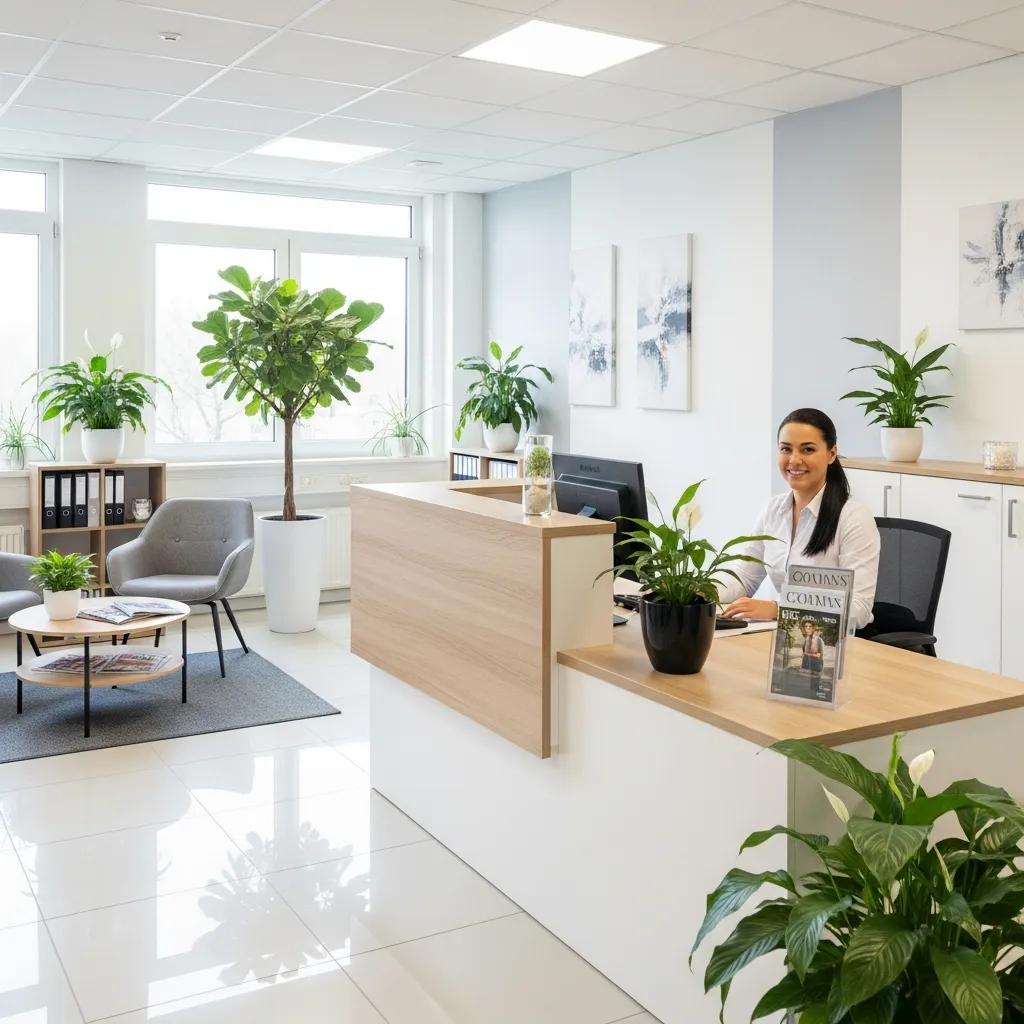
Visitors form quick judgements from what they see: a tidy reception, clean meeting rooms and well-maintained restrooms communicate professionalism and reliability. Small, visible details — polished surfaces, uncluttered seating and streak-free glass — can influence negotiation outcomes and referrals. Focusing more frequent cleaning on front-of-house areas usually delivers the biggest return in perceived quality, and this can be scheduled to avoid interfering with business hours. A practical step is to create a short front-of-house checklist and ask prospective cleaners to show how they’ll keep those areas looking their best on a site visit.
Those visual signals tie directly into what to look for when choosing a supplier — which we cover next.
Key business benefits of using a professional office cleaner in Currimundi:
- Better staff health: Regular disinfection and allergen control reduce illness-related absences.
- Higher productivity: Functional, distraction‑free shared spaces help staff work better.
- Stronger client impressions: Clean front-of-house areas boost credibility and confidence.
- Asset longevity: Proper floor and fixture care extends their usable life.
Use these outcomes to prioritise which cleaning features matter most when you evaluate providers.
What to check when selecting an office cleaning company in Currimundi
Choosing the right commercial cleaner comes down to credentials, process, people and guarantees. Key things to verify are local experience and references, insurance and staff police checks, a tailored cleaning plan and flexible scheduling, eco-friendly product options and a documented quality assurance regime. Ask for specific documents during vetting so you can compare suppliers on equal terms rather than on price alone. The short vetting matrix below is a practical checklist to use during calls or site visits.
Thorough vendor evaluation is standard practice across many industries: qualifying essential services reduces operational risk and keeps supply chains reliable.
Qualifying cleaning service vendors for essential operations
Many facilities contract vendors for essential services — cleaning, calibration, pest control, preventive maintenance — and treat those suppliers as critical to ongoing operations. Vendor qualification and supply management should be viewed as an interconnected process that safeguards quality and continuity.
| Criterion | What to ask | What a strong provider should supply |
|---|---|---|
| Experience & references | “Which similar local businesses have you cleaned?” | Relevant client references and short case examples |
| Insurance & checks | “Can you provide insurance certificates and police checks?” | Public liability documents and proof of staff background checks |
| Scope customisation | “How will you tailor the plan to our layout and hours?” | Site visit report and a bespoke scope document |
| Eco practices | “Which products and dilution systems do you use?” | A statement of eco-friendly products and usage protocols |
| Scheduling flexibility | “Can you clean outside trading hours?” | After-hours options or flexible shift patterns |
| Quality assurance | “How do you monitor and report quality?” | Regular inspections, a feedback loop and QA cadence |
This matrix shows what to expect and helps you compare suppliers objectively. Below we explain why some items — especially police checks and references — matter in practice.
Why experience, reputation and police checks matter
Local experience and a good reputation are good indicators of reliability and the ability to handle site-specific challenges like mixed-use strata or medical reception areas. Police checks and verified backgrounds reduce security and liability risk — especially where after-hours access or sensitive documents are involved. When you vet a supplier, ask for sample reference contacts and written staff screening policies; signed statements or documented procedures are stronger evidence than verbal claims. Confirming these details during a site visit or in proposal documents reduces onboarding risk and helps avoid turnover-related problems.
Thorough people and process checks set the foundation for tailored plans and flexible schedules, which we cover next.
How tailored plans and flexible scheduling benefit your business
A tailored cleaning plan focuses effort where it matters most — high-touch surfaces, shared equipment and client-facing zones — while avoiding time wasted on low-impact tasks. Flexible scheduling reduces disruption by allowing after-hours deep cleans or daytime touch-ups when it suits your operation. For example, offices often prefer early-morning vacuuming and daily desk disinfection, while retail sites schedule overnight deep cleans for carpets and quick daytime touch-ups for counters. Tailored scopes can also be more cost-effective because they match frequency and task lists to actual needs rather than using a generic checklist.
To compare proposals fairly, you’ll want to understand common pricing drivers and ask for itemised quotes — we explain that next.
Quick checklist items to use when talking with prospective cleaners:
- Request evidence of police checks and insurance: Get documents, not just verbal claims.
- Insist on a site visit: A proper visit should produce a bespoke scope and task schedule.
- Require a quality assurance plan: Look for scheduled inspections and corrective-action processes.
- Confirm eco-friendly product options: Ensure products meet your health and sustainability needs.
- Verify staffing consistency: Ask whether the same cleaner will attend your site regularly.
With those items covered, you’re ready to compare costs intelligently — see the next section.
Understanding and comparing office cleaning costs in Currimundi
Cleaning prices are driven by clear factors: office size and layout, service frequency and level, specialist tasks (carpets, medical disinfection) and travel or coverage charges. A robust evaluation includes a site visit, itemised quotes listing tasks and frequencies, and a line-by-line comparison of proposals rather than accepting lump-sum prices. Be wary of vague inclusions, ambiguous task lists or missing guarantees — they’re common sources of later disputes. The simple comparison table below helps you line up quotes on equal terms.
Remember: a reputable provider will do a site visit and deliver an itemised quote based on what they saw — that’s the standard you should expect when collecting bids.
| Office size | Frequency | Typical tasks included | Price drivers / notes |
|---|---|---|---|
| Small (up to 100 m²) | 3× weekly | High-touch disinfection, vacuuming, rubbish removal, restroom sanitising | Complex layouts and many high-touch points increase cost |
| Medium (100–300 m²) | Daily or 5× weekly | Desks, kitchen cleaning, glass, general floor care | Special floor finishes and after-hours work add to price |
| Large (300+ m²) | 5–7× weekly | Comprehensive daily service plus scheduled deep cleans | Specialist equipment and travel time are key cost drivers |
Use this breakdown to spot which elements are driving price differences and ask targeted follow-up questions. Below we list the main factors that typically affect commercial cleaning pricing.
Factors that affect commercial cleaning pricing
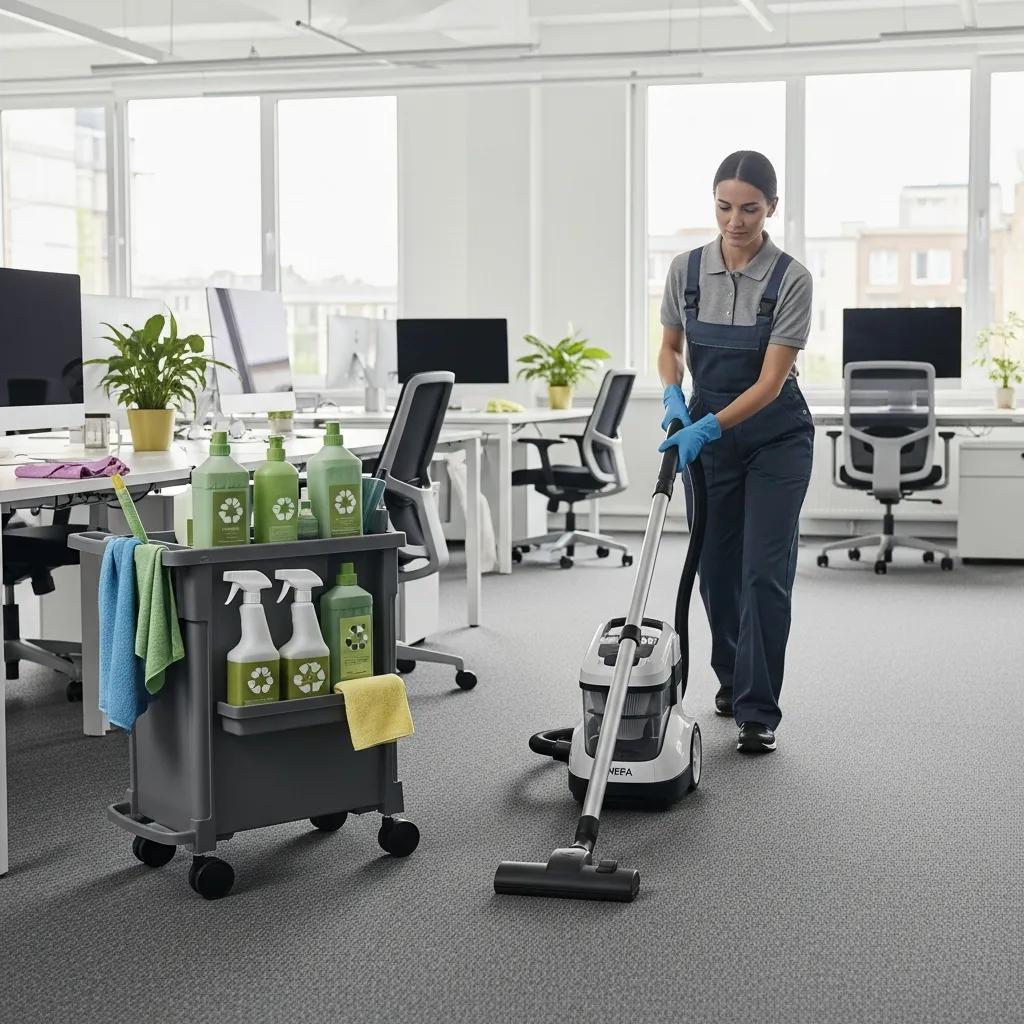
Price responds to tangible variables: floor types (carpet vs hard floors), number of high-touch points that need disinfection, requirement for specialist equipment (HEPA filtration, industrial scrubbers), and whether work happens during trading hours. Open-plan offices with hard floors generally need less labour per square metre than segmented spaces with many rooms and soft furnishings. After-hours shifts or weekend work usually carry a labour premium, and medical or lab cleaning requires validated protocols and PPE, which adds cost. Knowing these drivers helps you match quotes to the service you actually need.
How to request and evaluate accurate cleaning quotes
Ask for a site visit, an itemised scope listing tasks and frequencies, and documentation of staff checks and QA processes. Compare quotes line-by-line — match tasks, frequencies and included consumables so you’re comparing like-for-like. Ask providers to clarify ambiguous items and to state any trial or guarantee terms. Where possible, request a short trial period or a money-back guarantee and insist on a written schedule for regular quality checks. Suppliers who provide transparent, itemised quotes after inspecting your site are far easier to manage than those offering one-line prices.
Three clear steps for collecting quotes:
- Schedule a mandatory site visit: Make sure each bidder sees the same conditions.
- Request an itemised written quote: Require tasks, frequencies and consumables to be listed.
- Compare like-for-like and check QA terms: Align the scope before judging price.
Next, we outline what to look for in a local provider as an example of well-documented features and processes.
Why clients choose Divine Commercial Cleaning for Currimundi offices
Divine Commercial Cleaning is a family-owned service on the Sunshine Coast that covers Brisbane and nearby areas and focuses on professional office cleaning. Their documented strengths include tailored cleaning plans, police‑checked and experienced staff, eco-friendly products, flexible hours, no lock-in contracts with a money‑back guarantee, and consistent staffing so many clients see the same cleaner each visit. Those features address the core selection criteria we covered earlier: they manage security (police checks), quality (bespoke plans and consistent teams), safety (green products) and flexibility (no long contracts). Below is a concise outline of their six-step QA process, which shows how a provider operationalises reliability.
How Divine’s six-step quality assurance process keeps standards high
Divine’s six-step flow starts with first contact and a scheduled site visit to create a tailored scope, moves through onboarding and allocation of a consistent cleaner, then implements scheduled service delivery, regular quality reviews and corrective actions. The process includes quality checks every 90 days. Documenting expectations up front and reviewing performance on a fixed cadence reduces onboarding risk, improves scope alignment and makes it easier to resolve issues quickly — giving clients a predictable QA rhythm.
Why eco-friendly products and the same cleaner matter
Green cleaning products reduce exposure to harsh chemicals for staff and visitors and support better indoor air quality and sustainability goals. Having the same cleaner attend regularly raises reliability: they learn site priorities, know equipment locations and spot issues sooner. Together, eco products and consistent staffing protect assets and strengthen the client–cleaner relationship, improving communication and response times between scheduled reviews.
Divine’s core service promises in brief:
- Tailored cleaning plans built for your site.
- Experienced, police‑checked cleaners who earn your trust.
- Eco-friendly products to protect people and the environment.
- Flexible hours, no lock-in contracts and a money-back guarantee.
- Consistent cleaner assignments and a six-step QA process with 90‑day reviews.
Specialist cleaning needs for Currimundi offices
Some sites need higher standards or specialist equipment — medical/health centres, busy retail environments, and heavy-duty carpet or upholstery work are good examples. Mapping the different types of commercial cleaning (medical, retail-facing, deep cleans, strata common areas) to the tasks, frequencies and compliance documents you require makes it easier to get the right quote. Providers for these niches should explain their protocols, show staff training evidence and list the equipment they use. Below we outline expected standards for medical sites and how retail and deep cleans differ.
Standards for medical and health centre cleaning
Medical cleaning needs written disinfection protocols, clear frequency schedules for high-touch and patient-facing areas, and staff training in infection control. Ask for details on chemical types and contact times, PPE use and waste-handling procedures — these matter when you’re reducing cross-infection risk in waiting rooms and treatment rooms. Don’t accept generic assurances; request written protocols and examples of staff competency checks. Many clinical sites require validated cleaning cycles and specialist chemicals, so confirm your provider can demonstrate both process and equipment adequacy.
How retail and deep cleaning differ for local businesses
Retail cleaning focuses on front-of-house presentation and spot-cleaning during trading hours, while deep cleaning covers less frequent, intensive tasks — carpet shampooing, grout scrubbing and HVAC vent work — that need longer windows and specialist kit. Retail operators typically combine daytime touch-ups with overnight or after-hours deep cleans to keep customers unaffected. Typical deep-clean tasks include floor stripping and resealing, intensive carpet maintenance and upholstery cleaning, usually scheduled quarterly or semi‑annually depending on foot traffic. Coordinate timing with peak trading hours to minimise disruption while keeping standards high.
When to request specialist training or separate quotes:
- Clinical or regulated environments: Ask for documented disinfection protocols and training evidence.
- High foot-traffic retail: Require frequent front-of-house touch-ups plus scheduled deep cleans.
- Specialist surfaces: Marble, stone or lab floors may need specialist contractors and equipment.
The office cleaning checklist Currimundi managers can use right away
This checklist organises tasks by frequency and links each task to the tools, products and QA standards you should expect. Daily tasks focus on high-touch disinfection and rubbish removal; weekly work covers vacuuming, dusting and glass cleaning; monthly and quarterly items protect air quality and asset longevity. Use the table below as an operational QA tool during inspections or to include in a service-level agreement.
The checklist turns earlier advice — vendor selection, cost comparison and QA — into a practical list of expectations you can measure.
| Task | Recommended frequency | Tools / products / standards |
|---|---|---|
| High-touch surface disinfection | Daily | EPA‑equivalent disinfectant, microfibre cloths, sign-off log |
| Trash and recycling removal | Daily | Segregated bins, bin liners, weekly bin wash |
| Vacuuming and floor care | Weekly | HEPA-filter vacuums for carpets; neutral pH cleaners for hard floors |
| Glass and reception area | Weekly | Streak-free glass cleaner, lint-free cloths |
| Carpet deep-cleaning | Quarterly | Hot-water extraction or certified carpet equipment |
| Vent and duct inspection | Quarterly | HVAC filter checks and vent vacuuming |
Essential daily and weekly tasks
Daily and weekly work are the backbone of office hygiene: disinfect high-touch points, empty bins, wipe kitchen areas and do vacuuming and spot-cleaning. Quick daily QA checks — spot-check restrooms, reception and busy meeting rooms — give immediate feedback and can be recorded with initials and a date on a sign-off sheet. Weekly tasks should include more thorough dusting, glass cleaning and floor maintenance. A simple checklist with initials and dates makes it easy to hold providers to agreed standards.
Monthly and quarterly deep-clean tasks you should schedule
Monthly and quarterly deep-clean items protect air quality and extend the life of furnishings and floors: carpet shampooing, upholstery cleaning and vent/duct cleaning are typical. Deep cleans lower allergen loads, restore appearance and prevent slow-developing maintenance issues that become expensive later. For heavily soiled or specialised items, bring in specialists and request written method statements and equipment lists. Log outcomes in your QA records to track trends and budget for lifecycle maintenance.
Monthly/quarterly deep-clean priorities:
- Carpet and upholstery shampooing: Protects appearance and indoor air quality.
- HVAC vent and filter maintenance: Keeps airflow healthy and reduces dust recirculation.
- Floor stripping, resealing or polishing: Extends hard-floor life and appearance.
Frequently asked questions
What should I consider when comparing office cleaning services?
Focus on experience, reputation and the exact services on offer. Look for providers who tailor plans to your needs, and check insurance and staff background checks. Ask about eco-friendly products and how they handle feedback and quality assurance. Request itemised quotes so you can compare services rather than just prices.
How often should I schedule office cleaning services?
Frequency depends on office size, staff numbers and the work you do. Many offices benefit from daily cleaning of high-touch areas plus weekly or monthly deeper tasks. Tailor the schedule to your operation to minimise disruption — for example, early-morning touch-ups or after-hours deep cleans.
What are the benefits of using eco-friendly cleaning products?
Eco-friendly products generally improve indoor air quality and reduce exposure to harsh chemicals for staff and visitors. They’re often biodegradable and kinder to the environment, and using them can support your sustainability goals — something clients and staff increasingly value.
How can I ensure the quality of cleaning services provided?
Set clear expectations from the start, require a documented cleaning schedule and QA process, and use daily/weekly checklists with sign-offs. Regular inspections and an open feedback loop with the cleaning team make it easier to address issues promptly and keep standards high.
What specialised cleaning services might my business need?
Specialist needs include clinical cleaning for medical sites, frequent front-of-house touch-ups for high-traffic retail, and deep cleaning for carpets, upholstery and sensitive surfaces. Tell potential providers about any regulated or specialist requirements so they can demonstrate appropriate training and equipment.
How can I assess the reliability of a cleaning service provider?
Check local references and reviews, verify insurance and staff checks, and ask for a bespoke scope after a site visit. Reliable providers will offer transparent, itemised quotes and a clear QA process — both good signs they’ll deliver consistently.
Choosing the right office cleaning service in Currimundi will protect staff health, improve productivity and strengthen the way your business is seen. Use the selection criteria, pricing guidance and checklist here to evaluate options and request tailored, itemised quotes from local providers.
When you set clear expectations up front and monitor quality regularly, you’ll get a cleaner, safer and more professional workplace — and more predictable outcomes for your business.

Dianne, originally from Rockhampton, hails from a business-oriented family, with her father owning electrical stores and her uncle serving as Mayor. Moving to the Sunshine Coast at 13, she later pursued a rewarding real estate career and raised three children. As a single mom, she balanced university studies with domestic cleaning work. Armed with a Bachelor’s Degree in Business, majoring in Supply Chain Management, Dianne founded and grew Divine Commercial Cleaning into a thriving company. Her success is rooted in strong family mentorship, a positive attitude, and a solution-oriented approach, offering tailored cleaning services with integrity and strategic insight.