Mons commercial cleaning: clear advantages for Brisbane and Sunshine Coast businesses
Mons commercial cleaning describes a tailored, business-first approach to facility care that pairs defined protocols, modern tools and sustainable practices to deliver more reliable, measurable results than many traditional cleaners. In this guide we explain why Mons-style services suit offices, retail stores, medical centres and shopping centres across Brisbane and the Sunshine Coast. You’ll see how Mons methods improve consistency, increase transparency with tech-enabled reporting, adapt scheduling to operational needs and reduce environmental impact. Many businesses struggle with inconsistent cleans, vague scopes and limited reporting; Mons solves those problems with verified staff training, digital task-tracking and greener chemistries that reduce risk and protect brand standards. The article covers Mons vs traditional providers, sector-specific benefits, common eco and technology techniques, how pricing and quoting typically work, and practical tips for reading client feedback. Finally it explains how Divine Commercial Cleaning can deliver Mons-style solutions locally and accepts quote requests from businesses seeking tailored proposals.
What sets Mons commercial cleaning apart from traditional providers in Brisbane?
Mons commercial cleaning stands out through four connected strengths: flexible, business-aligned scheduling; verified and ongoing staff training; the use of efficiency-boosting technologies; and a clear commitment to greener products and processes. Together, these elements improve consistency, strengthen accountability, reduce environmental impact and lower total cost of ownership for facility teams. Knowing these differences helps decision‑makers evaluate proposals beyond headline rates and focus on guarantees, reporting frequency and proof of competence.
The sections below break down practical features and explain how each one improves outcomes and builds buyer confidence.
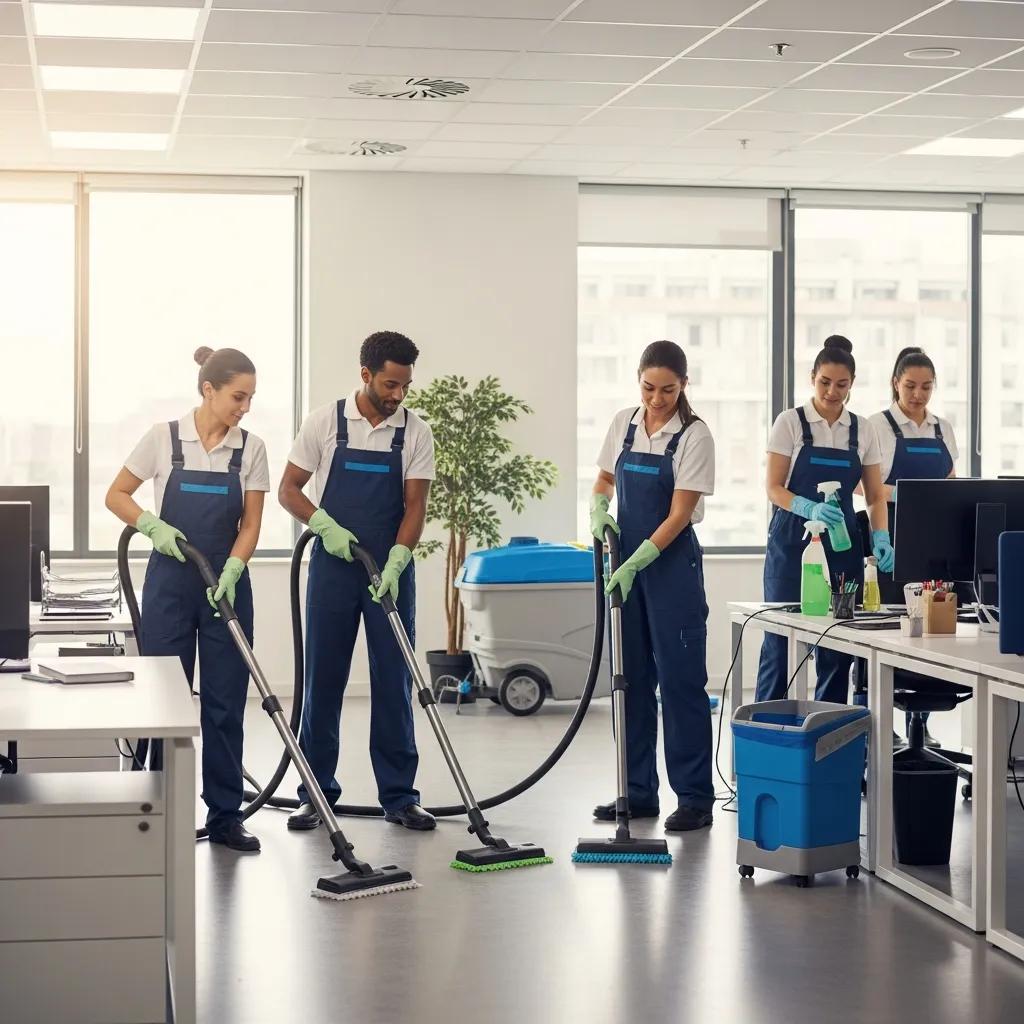
Mons operations rely on specific process and technology changes that reshape how cleaning is scoped and delivered. Teams use digital job assignment and reporting tools so supervisors can confirm completion and capture quality metrics in real time—reducing missed tasks and speeding corrective action. Mons protocols also prioritise measurable training outcomes: regular competency checks and scenario-based refreshers ensure staff consistently follow infection‑control sequences, specialised floor-care methods and customer-facing finishes. These controls cut variability and help businesses meet compliance or brand standards without repeated rework.
This comparison table summarises the main areas where Mons-style services typically differ from conventional approaches.
| Mons vs Conventional Providers | Characteristic | Typical Impact |
|---|---|---|
| Scheduling flexibility | Custom service windows and dynamic reallocation | Less disruption; better fit with business hours |
| Staff training & verification | Regular competency checks and scenario drills | Fewer mistakes; consistent standards |
| Technology use | Digital task tracking, sensors and automation | Faster issue detection; clear audit trails |
| Eco options | Green chemistries and waste-reduction workflows | Lower exposure risks; stronger brand perception |
| Service guarantees | Performance SLAs with remediation steps | Predictable outcomes; stronger accountability |
Facility managers frequently choose Mons-style providers when reliability, reporting and sustainability are priority factors.
Key features and innovations in Mons cleaning services
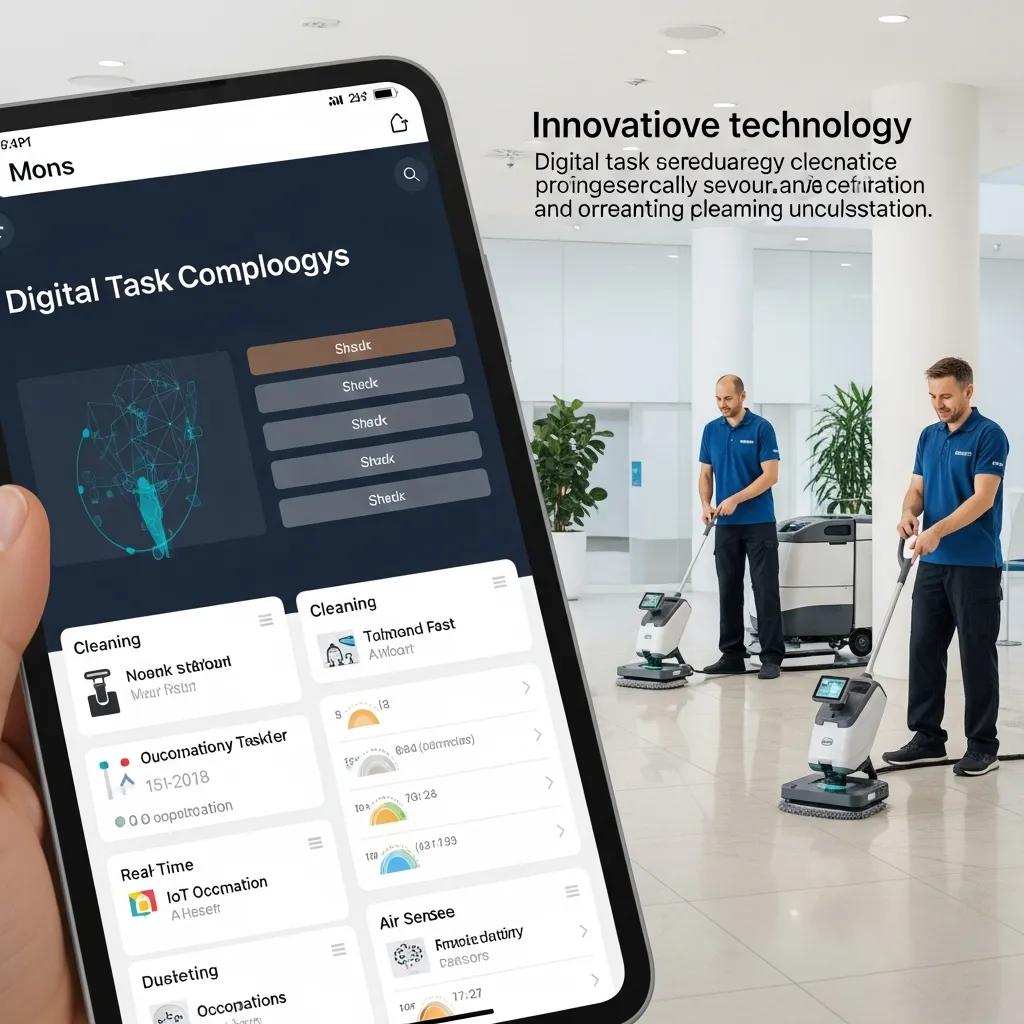
Mons packages combine operational features that produce measurable hygiene and efficiency gains. Common elements include digital task-tracking with timestamps, equipment upgrades such as HEPA‑filtered vacuums and structured microfibre programmes, plus modular service options that focus resources where footfall or risk is highest. Each feature has a clear benefit: traceable logs for compliance, better air-quality through HEPA filtration, and reduced wasted labour by targeting high-impact areas. For example, a busy retail entrance might get concentrated floor and touchpoint cycles while back-office zones follow a lighter routine. These design choices show how Mons delivers both visible cleanliness and reliable performance metrics.
How Mons improves reliability and professionalism in commercial cleaning
Reliability in Mons systems comes from deliberate staffing practices, documented quality controls and a culture of proactive oversight. Recruitment focuses on role-fit and baseline skills, followed by scheduled training and competency testing so every operative meets a defined standard before working independently. Quality control commonly uses supervisor spot checks, photo verification of completed tasks and periodic performance scorecards shared with clients. Buyers should ask providers for evidence of these systems and a short checklist that maps supervisory touches per visit. These processes reduce service failures and speed resolution when issues occur, helping protect operations and minimise downtime.
Which business types benefit most from Mons commercial cleaning?
Mons programmes suit organisations that need consistent standards, customised protocols and documented compliance: offices aiming for better indoor air and fewer sick days; retail outlets wanting customer-facing polish and resilient floors; medical centres needing infection-control rigour; and shopping centres managing large foot traffic and multiple tenants. Mons replaces ad‑hoc or checklist‑only services with measurable processes and verifiable outcomes, which is especially valuable where visibility, regulation or brand presentation matter.
Primary business verticals that benefit from Mons-style solutions and why:
- Offices: Improved air quality, flexible scheduling and fewer employee sick days.
- Retail: Customer-ready appearance, specialised floor care and quick recovery after peak periods.
- Medical centres: Infection-control protocols, documentation and trained staff for compliance.
- Shopping centres: Scalable programmes for high-traffic areas and tenant coordination.
Across these sectors, Mons techniques address both operational needs and public perception by delivering measurable standards.
Office cleaning advantages with Mons in Brisbane and the Sunshine Coast
Offices benefit from Mons methods through improved indoor air, lower microbial loads on shared surfaces and schedules designed to minimise disruption. Typical setups separate daytime soft cleans from after‑hours deep cleans so daily operations remain uninterrupted while hygiene baselines are maintained. Measurable outcomes can include fewer surface complaints and more consistent audit results, supporting employee wellbeing and productivity. When reviewing proposals, look for clear audit logs and flexible frequency options that match occupancy patterns.
Retail and medical centre cleaning: tailored Mons solutions
Retail and medical environments require different priorities: retail focuses on presentation, floor resilience and customer touchpoints, while medical centres prioritise infection control, traceable cycles and compliance records. Mons providers create tailored protocols—such as frequent high‑touch cycles in waiting areas and specialised floor recoating in shops—to meet those needs. The outcome is fewer customer complaints in retail and stronger audit trails in medical settings, helping managers show adherence to standards and protect brand trust.
How Mons blends eco-friendly practices with technology
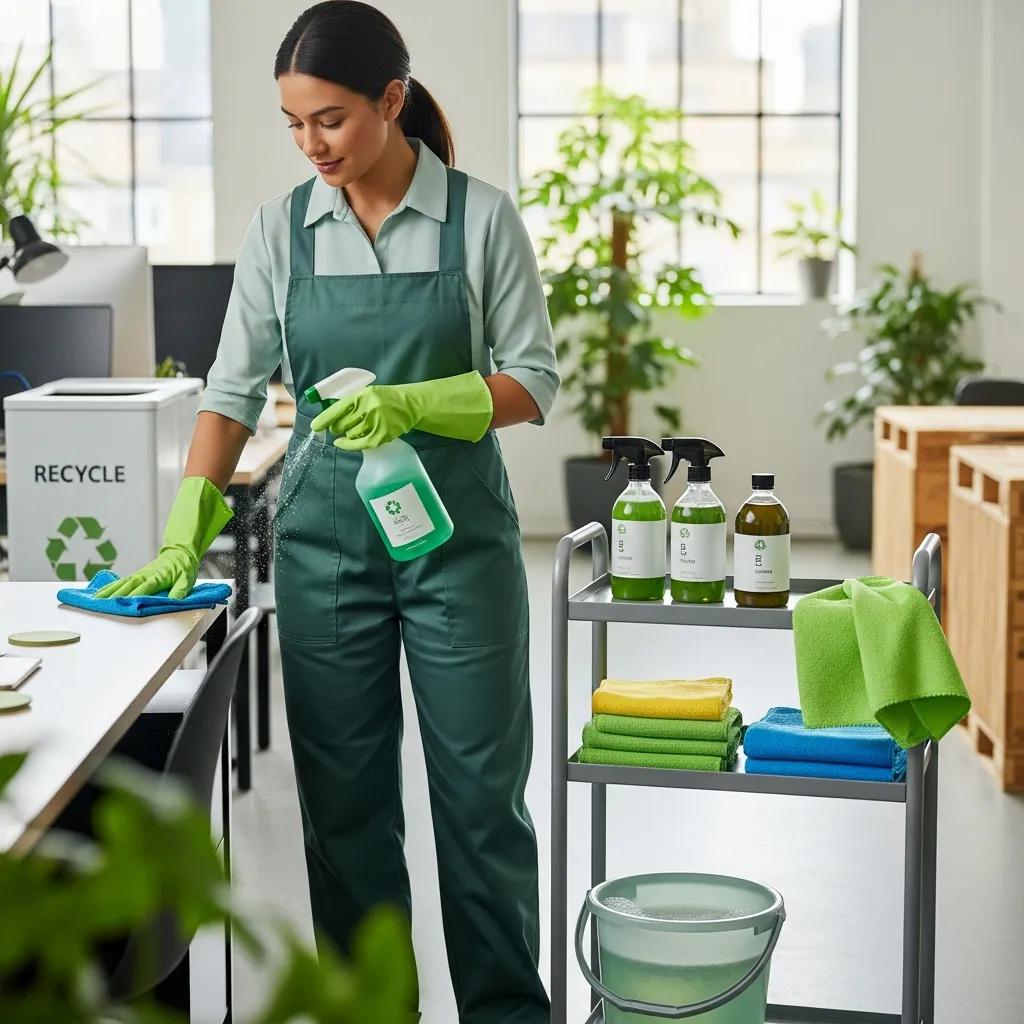
Mons intentionally pairs greener chemistries with technology to lower environmental impact while improving precision and transparency. The idea is simple: replace overused or hazardous chemicals with targeted green alternatives and combine this with dosing systems, IoT sensors and task-tracking software to reduce waste. That mix delivers benefits across health, cost and reporting—fewer harmful residues, lower chemical use and credible sustainability claims for stakeholders. The subsections below describe typical sustainable practices and the technology stack Mons teams often use.
| Eco/Tech element | Environmental / efficiency benefit | Example application |
|---|---|---|
| Green cleaning concentrates | Lower chemical volume; reduced runoff | Metered dosing for daily surface cleaning |
| Microfibre systems | Less water and chemical use; better soil removal | Routine surface and floor programmes |
| HEPA filtration | Improved air quality; particulate removal | Vacuums in offices and medical zones |
| IoT occupancy sensors | Optimised cleaning frequency; fewer wasted cycles | Triggered cleans after events or high usage |
| Digital task-tracking | Audit trails and fewer repeat visits | Time-stamped completion reports for clients |
Combining eco measures with targeted technology reduces total cost of ownership and supports measurable sustainability goals.
Sustainable cleaning practices offered by Mons commercial cleaning
Sustainable Mons programmes include precise dosing systems to cut chemical overuse, broad microfibre adoption to lower water and detergent needs, and waste‑reduction workflows such as segregated recycling stations and reduced single‑use disposables. These steps lower exposure to harsh chemicals, support corporate sustainability goals and meet local compliance expectations. Success is often measured by chemical usage per square metre and waste‑stream reductions—metrics that also deliver CSR and marketing value. These practices help organisations balance cleanliness with environmental responsibility.
Technology integration in Mons cleaning for greater efficiency
Mons technology typically covers scheduling and workforce-management platforms, sensor-driven triggers for conditional cleans, and hardware upgrades like HEPA filtration and ride‑on scrubbers to improve surface contact. A common workflow looks like: a job is scheduled in the platform → staff receive an assignment with a checklist → completion is recorded with photos and timestamps → QA triggers follow-up if required. This chain strengthens accountability, shortens remediation cycles and gives clients concise reporting for audits or KPIs. Visible data streams are often the deciding factor when facilities teams switch from traditional providers.
How Mons pricing and quoting usually work
Pricing for Mons-style cleaning depends on service model (contract vs ad hoc), measurement basis (per hour, per square metre), frequency and scope complexity (specialised protocols, compliance needs). Rather than blanket prices, providers model costs around these variables so budgets reflect actual service intensity and SLA commitments. Expect proposals to list unit rates, frequency, included tasks and any contingency or compliance surcharges.
How to request a quote and common pricing approaches:
- Provide site size, desired frequency and any compliance or high-risk requirements for an accurate proposal.
- Common pricing models include per-hour staffing rates, per-square-metre contract rates, or packaged pricing for specialised services.
- Allow time for a site visit and expect a 3–7 business day turnaround for a tailored proposal with scope and SLA details.
The following section explains pricing drivers in more detail and what to prepare to compare quotes objectively.
| Service type | Pricing model | Included tasks / notes |
|---|---|---|
| Office cleaning | Per hour or per sqm contract | Daily rubbish, workstations, scheduled deep cleans |
| Retail cleaning | Per visit or contract package | Floor care, display area cleaning, peak‑hour recovery |
| Medical centre cleaning | Contract with compliance add‑ons | Infection‑control cycles, documentation logs |
| Shopping centre common areas | Scale‑based contract | High‑traffic floor care, waste management, event cleaning |
Understanding Mons commercial cleaning prices in Brisbane and the Sunshine Coast
Local pricing reflects labour costs, site complexity and any regulatory or tenancy requirements, but the main drivers remain frequency, scope and specialised protocols. When reviewing quotes, ask for breakdowns showing base cleaning cycles, any specialised treatments (for example, high‑touch disinfection) and any tech or reporting fees. Comparing line items helps spot when a low headline rate omits essential tasks or reporting, so you can make apples‑to‑apples comparisons. Clear scope definitions reduce later variations and change orders.
How to request a customised cleaning quote from Divine Commercial Cleaning
To get a Mons-style quote from Divine Commercial Cleaning, prepare a short brief including site floor area, desired cleaning frequency, any high‑risk zones or compliance needs, and preferred service windows. After you submit those details expect an initial phone call, an optional site visit to confirm measurements, and a written proposal outlining scope, frequency and performance expectations. Typical timelines include an acknowledgement, scheduling of a site assessment and a follow-up proposal within a few business days—allowing facilities teams to budget and compare options. Businesses ready to review Mons-style performance guarantees can contact Divine Commercial Cleaning for a tailored assessment and written quote.
What clients say about Mons commercial cleaning
Client feedback for Mons-style services typically highlights better consistency, clearer reporting and closer alignment between cleaning activity and operational needs. While specific testimonials are published by providers, common themes reported by facilities teams include fewer ad‑hoc complaints, measurable drops in missed tasks and improved occupant satisfaction after switching to Mons. The next sections explain how to read testimonials and what to request from providers when vetting proposals.
Quick checklist for reviewing client feedback and case summaries:
- Ask for before → after examples that show operational improvement.
- Request measurable outcomes where available (for example, fewer complaints or higher audit scores).
- Verify testimonials come from organisations of similar size and risk profile to your own.
Client testimonials that highlight Mons’ advantages
When you read testimonials, focus on context: the client’s industry, the problem solved and the timeframe of improvement. Testimonials that reflect Mons strengths will mention improved reporting, fewer quality issues and responsiveness during irregular events such as promotions or busy periods. Because published quotes are provider‑controlled, ask for case evidence or references during the proposal stage that match your sector and scale—those contextual details are more useful than generic praise.
Case studies showing Mons’ impact on cleanliness and operations
Short case studies usually follow a problem → solution → outcome format: identify the issue (inconsistent cleans, compliance gaps), describe the Mons interventions (retraining, digital monitoring, tailored frequency) and summarise results (fewer complaints, auditable logs, better inspection scores). Ask providers for concise case summaries that include the baseline problem, the specific Mons protocols used and any measurable impacts—metrics help confirm whether the approach delivered the expected reductions in risk and variability.
For businesses seeking Mons-style proposals in Brisbane and the Sunshine Coast, Divine Commercial Cleaning is a local provider that accepts quote requests and can prepare tailored assessments to meet operational and compliance needs. Requesting a quote is the next practical step for teams ready to compare Mons-style guarantees and reporting features.
Frequently Asked Questions
1. How can businesses ensure they get the most value from Mons commercial cleaning services?
Define your cleaning needs clearly up front—frequency, priority areas and any compliance requirements—so the provider can match scope to outcomes. Keep regular communication channels open, review performance metrics and audit logs, and set a feedback loop for continuous improvement. Clear scope, agreed KPIs and periodic reviews help ensure the service delivers ongoing value.
2. What types of eco-friendly products does Mons use?
Mons programmes favour products that reduce environmental and health impacts while staying effective: concentrated green cleaners with metered dosing, microfibre systems that cut water and detergent use, and biodegradable agents where appropriate. The emphasis is on targeted, lower‑impact chemistries combined with techniques that reduce overall consumption.
3. How does Mons handle special cleaning needs across industries?
Mons tailors services to each sector’s priorities. Medical facilities get infection‑control protocols and documentation, retail focuses on presentation and floor resilience, and offices receive air‑quality and disruption‑minimising schedules. Staff receive specialised training and use techniques and products aligned with industry requirements to deliver compliant, fit‑for‑purpose cleaning.
4. What technology is used in Mons cleaning processes?
Mons integrates technologies like digital task‑tracking platforms, IoT occupancy sensors and automated equipment to boost efficiency and transparency. These tools provide time‑stamped completion reports, trigger condition‑based cleans and support QA processes so clients can track service quality and compliance in near real time.
5. How can businesses assess their current cleaning provider's effectiveness?
Review KPIs such as audit scores, complaint frequency and missed tasks. Conduct regular inspections, gather staff and occupant feedback, and compare performance to industry benchmarks. If gaps appear, discuss them with your provider and request action plans or consider options that offer clearer reporting and accountability.
6. How long does it usually take to receive a Mons-style quote?
Expect a 3–7 business day turnaround for a tailored quote. That allows time for an initial enquiry, a possible site visit to confirm measurements and requirements, and preparation of a detailed proposal. Providing complete site information up front will speed the process.
7. Do Mons cleaning staff hold specific certifications or training?
Yes. Mons staff complete structured training, regular competency assessments and scenario‑based refreshers tailored to different industries. Training covers infection control, safe equipment use and eco‑friendly practices, ensuring consistent service quality and compliance with sector requirements.
Choosing Mons commercial cleaning in Brisbane gives businesses a practical way to improve cleanliness, accountability and sustainability. With tailored protocols, modern technology and ongoing staff verification, Mons approaches produce measurable hygiene and operational gains. If you want cleaning that protects your brand and supports a healthier workplace, contact Divine Commercial Cleaning to discuss a customised Mons-style solution for your site.

Dianne, originally from Rockhampton, hails from a business-oriented family, with her father owning electrical stores and her uncle serving as Mayor. Moving to the Sunshine Coast at 13, she later pursued a rewarding real estate career and raised three children. As a single mom, she balanced university studies with domestic cleaning work. Armed with a Bachelor’s Degree in Business, majoring in Supply Chain Management, Dianne founded and grew Divine Commercial Cleaning into a thriving company. Her success is rooted in strong family mentorship, a positive attitude, and a solution-oriented approach, offering tailored cleaning services with integrity and strategic insight.