Chevallum Commercial Cleaning: How Divine Commercial Cleaning Stacks Up on Quality and Reliability
Many Chevallum businesses face inconsistent cleaning standards and missed appointments that affect staff health, customer impressions and regulatory compliance. This guide compares the real quality and reliability features you should expect from commercial cleaners in Chevallum, with practical checklists, KPIs and local context to help managers choose a dependable supplier. You’ll find clear definitions of measurable quality, the reliability factors that drive steady service, the impact of eco-friendly methods, how cleaning should be adapted by sector, and what local clients report about outcomes. We draw on proven criteria — training, inspection cadence, equipment, eco-credentials and scheduling systems — and link them to business results like fewer reworks, better staff wellbeing and stronger impressions for visitors. By the end you’ll have a concise checklist and comparison points to evaluate any provider, plus a clear summary of how Divine Commercial Cleaning operates in Chevallum.
What Defines Quality in Chevallum Commercial Cleaning Services?
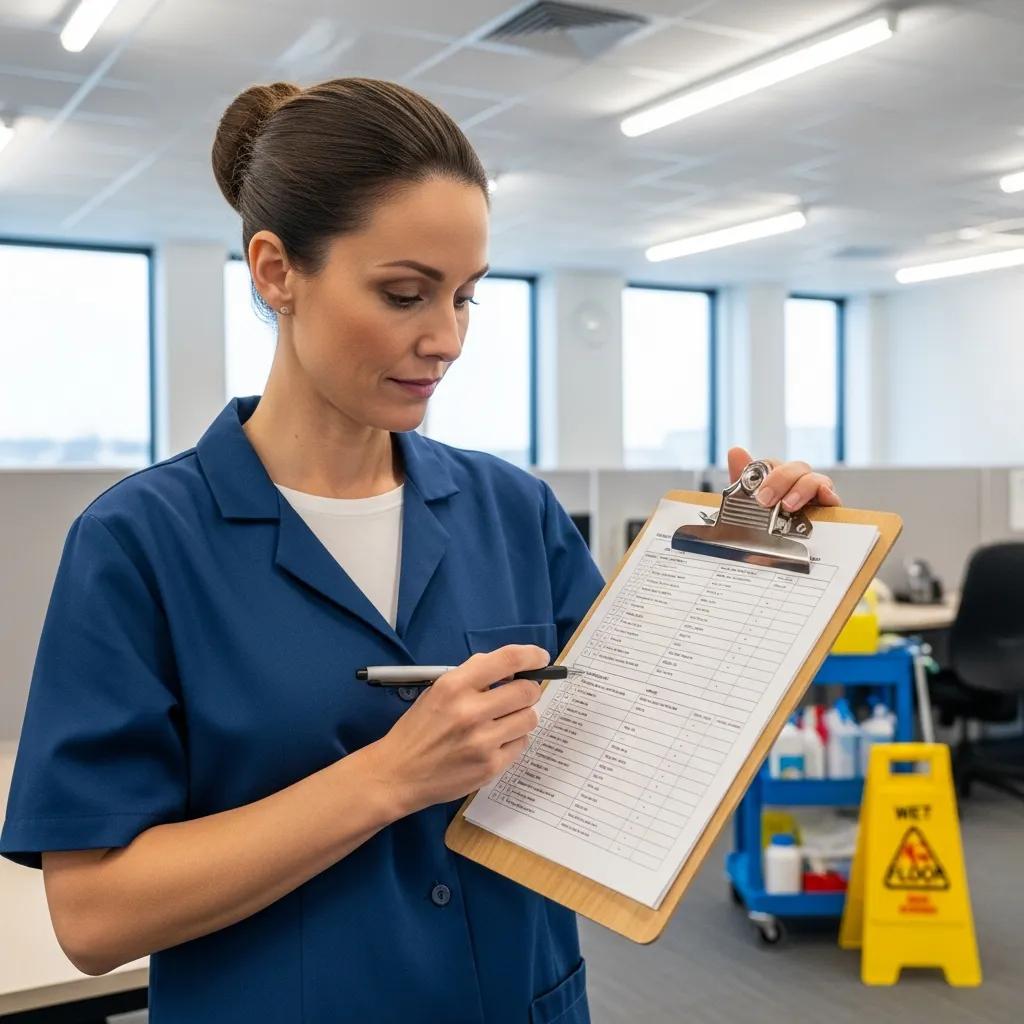
Quality in commercial cleaning means repeatable, measurable results delivered by trained staff using the right equipment and verified through routine audits. Together, those elements cut rework and protect occupant health. Look for measurable practices such as regular training sessions, formal audit checklists, maintenance logs for machinery and products chosen for the specific surfaces they’ll be used on — each practice shows up as higher inspection pass rates and fewer complaints. Below is a practical seven-point checklist to help you separate genuine quality from marketing claims.
Industry experience consistently shows that strong quality controls are vital for protecting health, safety and an organisation’s reputation.
Janitorial Quality Control — Health, Safety & Measurable Standards
Robust quality control in janitorial services directly affects the health, safety and standing of any facility. Whether it’s an office, medical clinic, public space or school, consistent, measurable cleaning standards support occupant wellbeing and help meet regulatory expectations. Many organisations struggle with inconsistent inspections, variable contractor performance and a lack of formal standards — all of which create service gaps and dissatisfaction. Without clear benchmarks it’s hard to evaluate performance or hold providers to account.
Best practices for janitorial quality control focus on documented procedures, regular audits and clear accountability.
- Staff Training Frequency: Ongoing hands-on training and thorough onboarding for new team members.
- Inspection Cadence: Regular scheduled audits plus random spot checks with recorded outcomes.
- Equipment Standards: Commercial-grade vacuums, microfibre systems and calibrated dosing equipment.
- Product Appropriateness: Using detergents and disinfectants that match each surface and sensitivity.
- Quality Checklists: Written, sign-off checklists used for every clean.
- Client Feedback Loop: Fast corrective actions and visible updates after issues are raised.
- Transparent KPIs: Tracking on-time rate, rework frequency and client satisfaction.
Use this checklist as a quick reference when comparing providers. The next section shows how to turn these items into simple comparison criteria for procurement.
Providers will vary in how thoroughly they implement each item, so compare structured attributes that include frequency and measurable values rather than relying on vague statements. The table below maps typical quality elements to practical attributes and expected measurements you can request when evaluating proposals.
| Quality Element | Attribute | Typical Measurement |
|---|---|---|
| Training | Frequency | Weekly practical sessions; refresher every 6–12 weeks |
| Inspections | Cadence | Formal audit monthly + random spot checks weekly |
| Checklists | Coverage | Room-by-room signed checklists; tasks ticked and timestamped |
This table clarifies what to ask for in proposals and what to expect as evidence. Comparing measurable attributes separates providers who can show regular processes from those offering only general claims.
How a provider records and acts on quality data usually determines longer-term results — fewer complaints, less rework and better inspection outcomes. Next we look at how a local supplier like Divine Commercial Cleaning implements these quality controls and supports client oversight.
How Does Divine Commercial Cleaning Ensure Superior Quality?
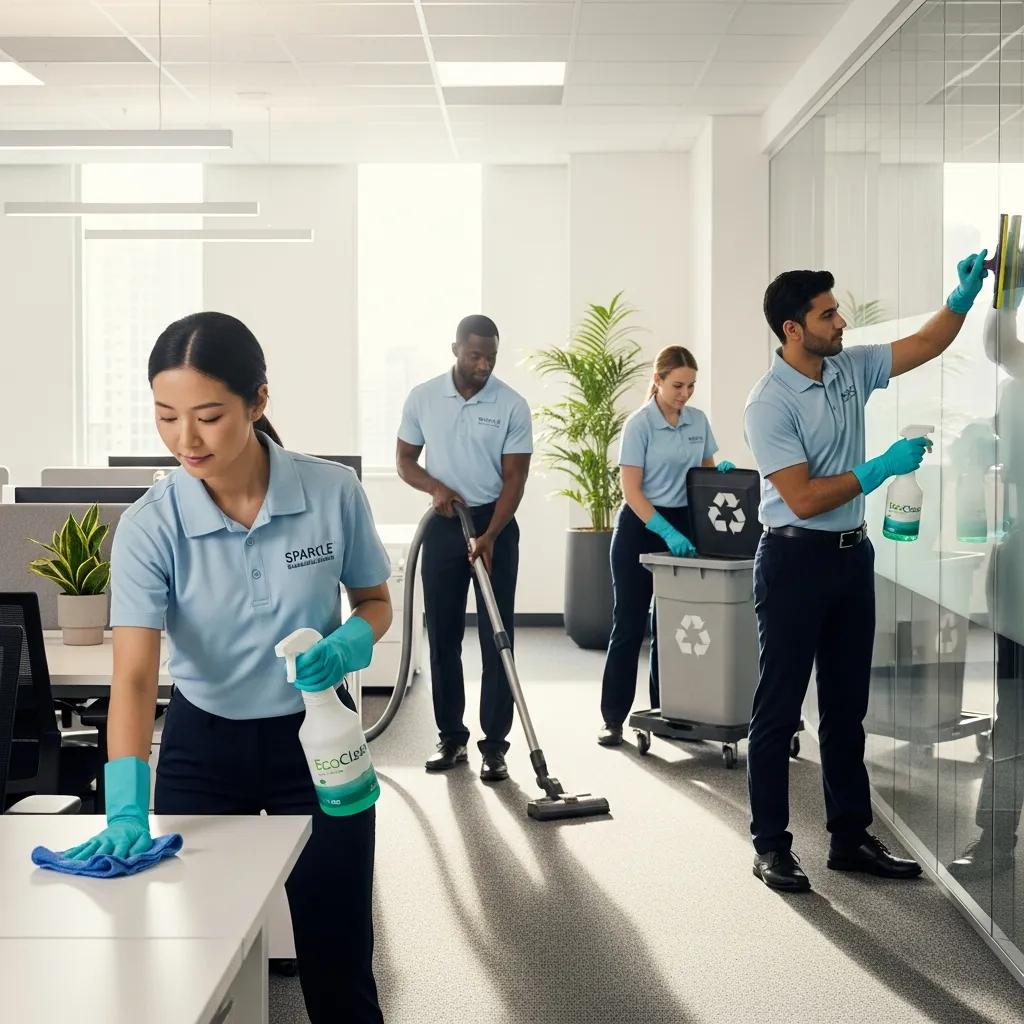
At Divine Commercial Cleaning we use structured training, regular inspections and standardised checklists across our Sunshine Coast and Chevallum sites. Our training focuses on practical skills for offices, medical facilities and retail spaces, with scheduled refreshers and competency checks to reduce variation between team members. Quality is documented with signed, room-level checklists and routine audits that trigger corrective actions and client updates — a system that lowers missed tasks and rework. We pair these processes with calibrated equipment and microfibre systems to boost cleaning effectiveness and reduce cross-contamination risks, which in turn delivers higher inspection pass rates and greater client confidence.
Documented inspections create a feedback loop: audits highlight trends, supervisors address gaps with targeted training, and later audits measure improvement. That cycle is what separates credible quality claims from wishful thinking, and it leads into the standards and certifications relevant for Chevallum businesses.
What Industry Standards and Certifications Apply to Chevallum Cleaners?
Relevant standards cover infection control, chemical handling and workplace safety — following them signals professionalism for cleaners working in offices and sensitive environments. Common references include national cleaning guidelines and industry association frameworks that set out training expectations, safe chemical use and documented procedures. Providers who can point to these frameworks and show how they measure compliance give buyers clearer evidence of quality. Compliance is usually demonstrated through audit checklists, competency sign-offs and supply-chain records for cleaning products.
In medical or regulated settings there are extra requirements — enhanced disinfection routines, documented waste handling and restricted-area procedures — and those should be measurable through audit pass rates and written protocols. Verifying a provider’s adherence helps match capability to sector-specific needs and sets up the next discussion on operational reliability and scheduling.
How Reliable Are Commercial Cleaning Companies in Chevallum?
Reliability means predictable delivery of scheduled services with minimal missed shifts and stable standards. It depends on staffing stability, contingency planning and clear communication. Key reliability KPIs include on-time rate, shift coverage, staff retention and response time for corrective actions — these give objective evidence of operational consistency. Below is a compact KPI list procurement and facilities managers can use when reviewing providers.
- On-time Rate: Percentage of scheduled cleans completed as planned.
- Shift Coverage: Backup staff plans and use of float teams.
- Communication Response: Average time to acknowledge and resolve issues.
- Retention Metrics: Staff turnover levels that affect continuity and know-how.
Including these KPIs in supplier scorecards makes it easier to compare claims of “reliability” across local companies. The table below shows typical reliability attributes and reasonable expectations you can ask for in procurement.
| Operational Metric | Attribute | Expected Practice |
|---|---|---|
| On-time Rate | Measurement | >95% scheduled completions with timestamps |
| Backup Staffing | Mechanism | Dedicated float teams or contingency roster |
| Communication | Channels | Formal reporting cadence with documented responses |
This structured view helps buyers insist on measurable reliability elements instead of anecdote. The following section explains how practices like scheduling systems and contingency staffing translate into fewer missed cleans and quicker fixes.
Good scheduling systems, dedicated backup staff and regular reporting reduce missed appointments and service variability — improving hygiene and client satisfaction. The subsections below explore which operational habits differentiate reliable providers and how scheduling and communication affect consistency.
What Reliability Factors Set Divine Commercial Cleaning Apart?
Divine Commercial Cleaning focuses on robust scheduling, contingency staffing and clear client communication tailored to Sunshine Coast businesses, which boosts consistency for Chevallum sites. Our model includes rostered float teams to cover absences, job packs for each site and regular supervisor check-ins to confirm standards. These measures reduce missed shifts and preserve site-specific knowledge. Our reporting gives clients concise updates after audits and when corrective actions occur, which builds transparency and trust. For businesses this operational discipline means fewer surprises and a clear audit trail when reviewing performance.
These tactics improve on-time rates and issue-resolution times and create a continuous-improvement loop. The next section explains how scheduling and communication work together to produce consistent outcomes.
How Do Scheduling and Communication Impact Cleaning Service Consistency?
Scheduling and communication form a chain: booking, confirmation, execution, audit and feedback. Each step affects whether a clean meets expectations over time. A solid booking process includes immediate confirmation and a pre-clean checklist; execution is followed by supervisor audits and timestamped completion records; feedback mechanisms capture client concerns and trigger corrective actions. When these steps are documented and time-bound, facilities see steadier performance, fewer mistakes and faster fixes. Clear, timely communication shortens the corrective loop and raises client satisfaction.
By formalising those steps and tracking response times, providers turn vague promises into predictable outcomes that facilities managers can rely on. That clarity naturally shifts the conversation to eco-friendly practices and their effect on staff health and productivity.
What Eco-Friendly Practices Differentiate Divine Commercial Cleaning in Chevallum?

Eco-friendly cleaning uses low-VOC products, microfibre technology and water-efficient methods to reduce environmental impact while keeping standards high. These practices lower chemical exposure, improve particulate capture and cut water and chemical runoff — benefits that support occupant health and align with corporate sustainability goals. The table below links specific sustainable practices to measurable business impacts.
| Sustainable Practice | Attribute | Business Impact |
|---|---|---|
| Microfibre systems | Chemical reduction | Better particulate pick-up, less detergent required |
| Low-VOC detergents | Toxicity profile | Improved indoor air quality and staff comfort |
| Water-efficient processes | Consumption | Lower water use and reduced utility costs |
This comparison shows how sustainable choices map to operational benefits. The next paragraph explains how to balance eco-credentials against required cleaning effectiveness in different settings.
Assessing eco-friendly practices means weighing environmental credentials against surface-appropriate efficacy. In many offices and retail spaces green methods perform as well or better than conventional options; in higher-risk medical settings, targeted disinfection protocols remain essential. The following section outlines the products and methods local providers commonly use and how they perform in commercial environments.
Which Sustainable Products and Methods Are Used by Divine Commercial Cleaning?
Divine Commercial Cleaning uses microfibre systems, green-certified detergents and water-saving techniques to reduce chemical load while maintaining cleanliness across Sunshine Coast sites. Microfibre traps more soil and reduces reliance on heavy chemicals, selected low-VOC products cut airborne irritants that can affect staff and sensitive environments, and calibrated dosing systems keep dilution consistent and limit waste. Combined, these approaches lower environmental impact while meeting industry hygiene expectations and helping reduce health-related absenteeism.
These choices support client sustainability goals and often improve occupant comfort — which leads into the question of whether green cleaning can match conventional methods for effectiveness.
Are Eco-Friendly Cleaning Services More Effective for Businesses?
Yes — when chosen and used correctly, eco-friendly cleaning can match conventional methods while adding benefits for staff health and corporate responsibility. Operational comparisons show microfibre and targeted low-VOC chemistries remove soil and microbes effectively without the side effects of stronger chemicals. Measurable outcomes include better indoor air quality and fewer sick days. In regulated environments (some medical or lab settings), green methods should be combined with validated disinfection protocols to meet compliance. Selecting the right mix of sustainable and targeted products achieves both effectiveness and environmental benefit.
The best approach depends on risk profile and foot traffic, which brings us to how services should be tailored by industry in Chevallum.
How Does Divine Commercial Cleaning Tailor Services for Different Chevallum Industries?
Good commercial cleaning adapts frequency, methods and documentation to each industry: medical centres need higher-frequency disinfection and traceable audits, offices prioritise presentation and air quality, and retail spaces focus on high-traffic surface care. Tailoring means defining the scope (daily touchpoints versus periodic deep cleans), choosing products that suit surfaces and sensitivities, and documenting protocols for compliance or brand standards. The list below highlights core expectations per sector and how custom plans map to measurable outcomes such as infection-control metrics or visitor impressions.
- Medical Centres: Enhanced disinfection, auditable logs and correct waste handling.
- Offices: Regular high-touch cleaning, air-quality-friendly products and flexible after-hours service.
- Retail: Frequent floor care, tidy entrances and visible cleaning that supports brand image.
This sector mapping helps procurement teams choose which capabilities to prioritise when assessing proposals and leads into the standards expected per sector.
What Are the Cleaning Standards for Medical, Office, and Retail Spaces?
Medical settings require documented protocols, validated disinfectants and traceable audit logs to meet client and regulatory needs. Offices generally need daily attention to high-touch areas, scheduled deep cleans for carpets and upholstery, and products that support indoor air quality. Retail environments demand consistent floor care, frequent sanitisation of shared touchpoints and visible cleaning to reassure customers. Frequency varies by footfall: medical sites may need several daily interventions, while offices and retail balance daily touchpoint cleaning with weekly or monthly deep cleans.
These standards translate into checklist items and KPIs you should request in proposals, which supports building customised plans that improve hygiene and productivity.
How Do Customised Solutions Improve Business Hygiene and Productivity?
Custom cleaning plans align scope and timing with how your business operates, reducing disruption and improving measurable outcomes like fewer complaints, lower absenteeism and better appearance. Custom options can include night-time cleans to avoid client interference, deep cleans during low-traffic windows or specialised protocols for sensitive zones — each adjustment supports smoother operations and higher staff morale. Examples include staggered deep-clean schedules, a dedicated contact for rapid issue resolution and tiered service levels that scale with need. Matching cleaning intensity to actual risk and use patterns gives better hygiene for a lower total cost.
Practical tips: audit peak-traffic areas, test product compatibility with your surfaces and set KPIs for regular review. Next we cover what local clients report after these practices are applied.
What Do Chevallum Clients Say About Divine Commercial Cleaning’s Quality and Reliability?
Local feedback usually highlights reliable attendance, quick responses to issues and careful attention to detail as the main drivers of trust and satisfaction. Case summaries from nearby sites often show measurable improvements — fewer maintenance complaints and a tidier workplace after tailored interventions — giving procurement teams concrete examples to consider. Look for reviews that focus on timeliness, problem resolution and audit consistency rather than general praise; those specifics are far more useful when comparing providers.
The following subsections offer short case examples and practical advice for interpreting testimonials so you can extract meaningful evidence during procurement.
Which Success Stories Highlight Divine’s Impact on Local Businesses?
Short case examples from the Sunshine Coast show Divine Commercial Cleaning tackling repeat issues with targeted changes: one office cut recurring spot-soiling by switching to microfibre and adding weekly deep cleans; a retail store improved entrance presentation and customer impressions after schedule tweaks and supervisor-led audits. Each example follows a simple pattern — identify the problem, apply a tailored fix and document the improved outcome — and demonstrates how operational tweaks deliver measurable gains for local clients.
These micro case studies show the value of customised solutions and set realistic expectations for results when similar measures are applied.
How Do Client Testimonials Reflect Service Satisfaction and Trust?
Useful testimonials name what was fixed, how quickly it was handled and what measurable change followed — those details are strong indicators of reliability. When reviews mention audit records, faster response times or fewer recurring issues, they provide verifiable evidence buyers can follow up on. Encouraging clients to leave context-rich reviews helps suppliers stay accountable and gives procurement teams structured data for decision-making. Implementing review and aggregateRating schema also improves discoverability and signals that the provider systematically collects feedback.
Reading testimonials with an eye for specifics helps you separate providers who consistently deliver from those with unsubstantiated claims, leading into the final comparison of Divine against other local companies.
Why Choose Divine Commercial Cleaning Over Other Companies in Chevallum?
Divine Commercial Cleaning emphasises practical strengths that matter to Chevallum businesses: tailored service plans, a trained and certified team, eco-friendly methods, flexible scheduling and competitive pricing without sacrificing standards. These value points match procurement priorities — quality controls, measurable reliability, sustainability and transparent pricing — so you can weigh cost against outcomes. The table below summarises Divine’s core advantages in practical terms.
| Value Proposition | Characteristic | Practical Benefit |
|---|---|---|
| Customised Solutions | Tailored scoping per industry | Matches cleaning intensity to risk and budget |
| Experienced Team | Structured training and audits | Consistent standards and fewer reworks |
| Eco-friendly Practices | Low-VOC and microfibre systems | Improved indoor air quality and less waste |
- Tailored service plans: Scope and frequency adjusted to your industry’s needs.
- Operational transparency: Documented checklists and audit reporting you can review.
- Sustainable methods: Microfibre and low-VOC products that support staff wellbeing.
As a family-owned business based in Maroochydore serving the Sunshine Coast and Brisbane, Divine Commercial Cleaning prides itself on local responsiveness and relationship-driven service. If you want a supplier that pairs documented quality processes with flexible scheduling and eco-conscious methods, request a tailored quote from Divine and compare providers using measurable KPIs rather than marketing lines. When evaluating bids, ask to see audit templates, training schedules and sample checklists to validate claims.
What Unique Value Propositions Make Divine the Best Choice?
Divine stands out for verifiable commitments rather than vague promises: sector-specific cleaning plans, a trained and certified team model, eco-friendly products and scheduling flexibility. Evidence for these claims comes in the form of written procedures — training modules, audit cadences and product lists — that procurement teams can request. Our local, family-owned structure supports faster responses and closer client relationships, which often translates to quicker corrective actions and better alignment with client needs.
Together these propositions make Divine a strong option for Chevallum businesses that need high standards and adaptable service.
How Does Divine’s Pricing Balance Affordability with High Standards?
Divine prices services to balance cost-effectiveness with proven quality by providing tailored quotes based on site-specific needs — frequency, risk profile and scope — instead of a one-size-fits-all rate. Our value-based approach means you pay for audited checks, trained staff and eco-friendly methods rather than lowest-cost labour alone. That makes it easier to compare total cost of ownership, including likely rework and operational risk. Flexible contract terms and bespoke quoting let you scale services as needs change, helping maintain standards while controlling spend.
When comparing proposals, request a breakdown of tasks, frequencies and KPIs so you’re comparing equivalent services rather than headline prices.
Frequently Asked Questions
What should I look for when comparing commercial cleaning services?
Focus on measurable quality indicators: how often staff are trained, the cadence and detail of inspections, and equipment standards. Ask for formal checklists used during audits and clear communication processes. Also consider eco-friendly methods, how client feedback is handled and whether services can be tailored to your industry. Request detailed proposals that include these elements so you can decide on quality and reliability — not just price.
How can I assess the reliability of a cleaning service?
Check KPIs like on-time completion rates, staff retention and average response times for issues. Ask for evidence of operational practices such as backup staffing plans and communication protocols. Reliable providers show a history of consistent performance, few missed appointments and a clear process for resolving problems. Client testimonials that mention these points can also be helpful.
What eco-friendly practices should I expect from a commercial cleaning service?
Expect low-VOC cleaning products, microfibre systems and water-efficient methods. These reduce environmental impact, improve air quality and support staff wellbeing. A reputable provider will explain how their green methods meet industry standards and produce measurable benefits, such as reduced absenteeism. Always ask for specifics on products and techniques to ensure they meet your sustainability goals.
How often should cleaning services be scheduled for different industries?
Frequency depends on industry and footfall. Medical facilities usually need enhanced disinfection and multiple daily interventions. Offices benefit from daily high-touch cleaning plus scheduled deep cleans. Retail sites require frequent floor care and visible cleaning to maintain customer perception. Matching cleaning frequency to actual usage helps meet hygiene standards and operational needs.
What role does client feedback play in evaluating cleaning services?
Client feedback gives real-world insight into a provider’s performance. Look for reviews that detail specific fixes, timelines and measurable improvements — for example fewer complaints or faster issue resolution. Detailed feedback helps you distinguish providers who consistently deliver from those making unverified claims and should factor into procurement decisions.
Customised plans align cleaning with your operations and risk profile, reducing disruptions and improving measurable outcomes like fewer complaints and lower absenteeism. Examples include off-peak cleaning, targeted deep cleans and a dedicated contact for quick problem resolution. By matching cleaning intensity to actual need, businesses often get better results at a lower total cost.
How can customised cleaning solutions benefit my business?
Choosing the right commercial cleaner in Chevallum improves hygiene, staff wellbeing and your organisation’s reputation. By prioritising measurable quality, reliable delivery and eco-friendly methods, Divine Commercial Cleaning offers tailored solutions that meet local needs. To get started, request a personalised quote and ask for audit templates and sample checklists so you can compare providers on what matters most. See the difference a committed, local cleaning partner can make for your workplace.

Dianne, originally from Rockhampton, hails from a business-oriented family, with her father owning electrical stores and her uncle serving as Mayor. Moving to the Sunshine Coast at 13, she later pursued a rewarding real estate career and raised three children. As a single mom, she balanced university studies with domestic cleaning work. Armed with a Bachelor’s Degree in Business, majoring in Supply Chain Management, Dianne founded and grew Divine Commercial Cleaning into a thriving company. Her success is rooted in strong family mentorship, a positive attitude, and a solution-oriented approach, offering tailored cleaning services with integrity and strategic insight.