
Mooloolah Valley Commercial Cleaning Prices — How Divine Commercial Cleaning Compares to Local Competitors
Commercial cleaning costs in Mooloolah Valley matter — they affect your operating budget, compliance obligations and the safety and comfort of everyone on-site. This guide explains how prices are set locally, shows practical ways to compare suppliers, and flags what to watch for when you want transparent, good-value contracts. You’ll learn the main cost drivers, how different facility types change the scope and rates, and a step‑by‑step method for requesting comparable quotes. We also include simple comparison tables, checklists to normalise bids, and a focused look at how Divine Commercial Cleaning’s local packages match common buyer needs. Read on for clear pricing factors, EAV-style tables and scoring rubrics to make evaluating Sunshine Coast cleaning quotes straightforward.
What influences commercial cleaning prices in Mooloolah Valley?
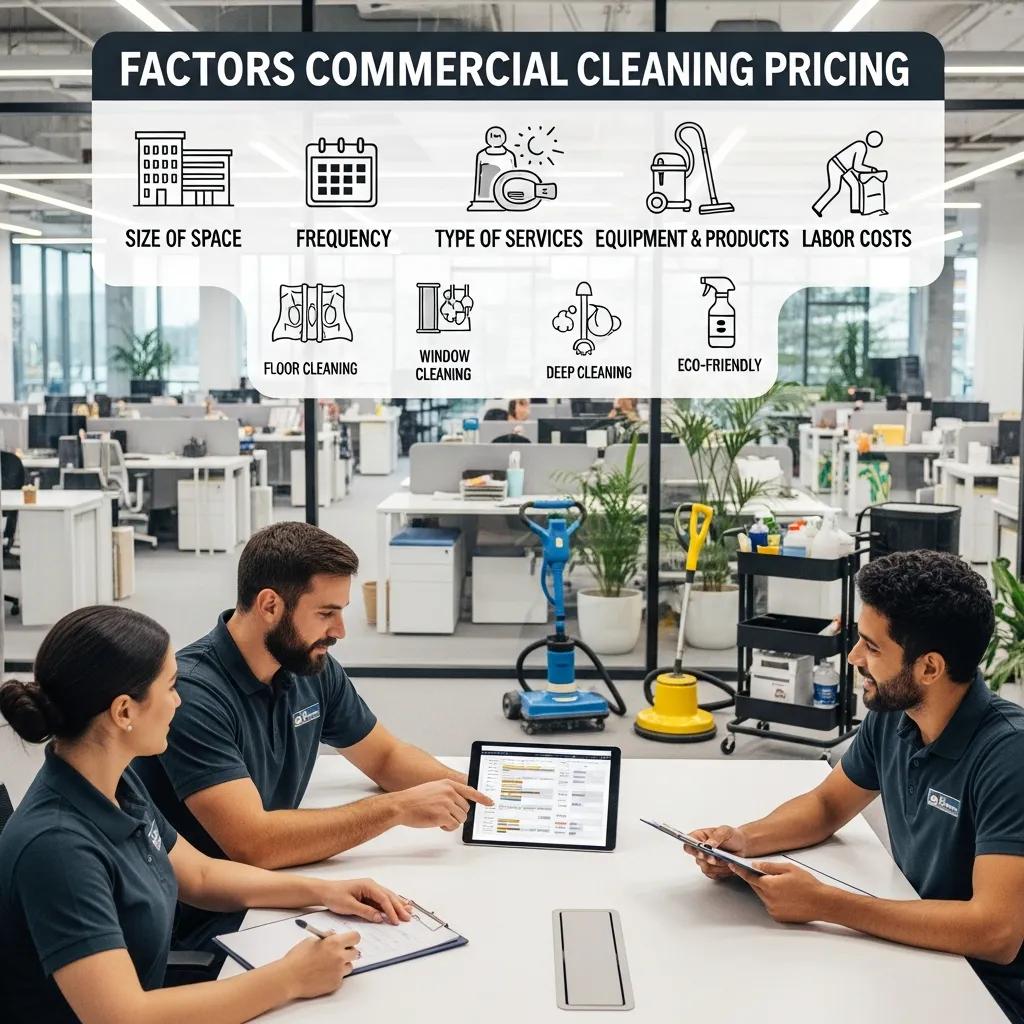
Local cleaning prices come from a mix of measurable site characteristics and operational choices. Facility size, scope of work, visit frequency and any required compliance standards drive labour hours, consumable use and equipment needs — and those inputs determine the price. Regional labour rates and travel logistics add to baseline costs, while green products or clinical cleaning protocols introduce extra charges. Knowing how these elements interact helps you predict which parts of a quote will push costs up or down and gives you leverage when negotiating.
For quick decisions, here are the top factors in plain terms.
- Facility size and layout: Larger areas and complex floorplans mean more staff time.
- Service scope and frequency: More tasks or more visits increase recurring costs.
- Compliance and special requirements: Clinical work or hazardous-waste handling needs extra training and oversight.
- Supplies, equipment and eco-options: Premium or green products and specialist machinery add cost.
- Local labour and logistics: Travel time, parking and local wage levels influence baseline rates.
Below is a practical EAV-style table that links each factor to measurable attributes and expected price impact — a tool you can use when reviewing quotes.
Different pricing drivers map to measurable attributes that influence quote outcomes.
| Pricing Factor | Measurable Attribute | Typical Price Impact |
|---|---|---|
| Facility size | Square metres / layout complexity | More area typically increases labour hours and cost |
| Service frequency | Visits per week / per month | Higher frequency raises ongoing cost but can lower per-visit deep-clean needs |
| Compliance level | Clinical protocols / certifications required | Moderate to high increase due to training and waste handling |
| Supplies & equipment | Eco-products / specialist machinery | Small to moderate increase; potential long-term savings |
| Local logistics | Travel time / parking constraints | Small travel or access surcharge |
How do different business types change cleaning costs?
Business type sets the baseline scope: each premises needs a different task list, staffing level and compliance approach, which changes time on site and consumable use. Offices are usually predictable — dusting, vacuuming, restrooms and periodic deep cleans — so quotes are often per square metre or per visit. Retail and shopping centres need frequent public-area attention, waste handling and flexible windows around trading hours, which increases labour and supervision. Medical and clinical facilities require certified infection-control procedures, specialist consumables and clinical waste disposal, so per-square-metre costs are higher because of compliance and extra training.
Put simply: Office cleaning → routine maintenance; Medical cleaning → strict clinical protocols; Retail cleaning → flexible staffing and scheduling. Those differences explain why medical sites usually cost more and retail sites have higher variable expenses.
What role do contract terms and service frequency play?
Contract length and visit frequency shape pricing by changing predictability and minimum commitments. Longer-term agreements often lower per-visit prices because providers can optimise routes and spread onboarding costs, while short-term or ad-hoc work usually carries a premium for flexibility. Frequency affects consumable use and the intensity of each visit: daily cleaning can reduce the need for frequent deep cleans, lowering average cost per visit but increasing total monthly spend.
When you negotiate, ask for clear Service Level Agreements (SLAs) that spell out response times, replacement-staff policies and variation clauses. Defined notice periods and scope limits stop scope creep and hidden fees when business needs shift.
How does Divine Commercial Cleaning’s pricing compare to other Sunshine Coast providers?
To compare Divine Commercial Cleaning with other local suppliers, look beyond headline rates to starting price models, inclusions and contract flexibility. Many providers quote hourly or per-square-metre ranges with basic inclusions, but differences in consumables, supervision and travel surcharges can make a big difference to total cost. Divine focuses on tailored plans, clear communication and local knowledge — factors that change how packages are scoped and priced compared with cookie-cutter providers.
The table below uses generic labels to show structural differences to look for when you compare bids.
For an apples-to-apples comparison, weigh inclusions and contract terms, not just unit rates.
| Provider Type | Typical Starting Rate Basis | Common Inclusions | Contract Flexibility |
|---|---|---|---|
| Provider A (generic) | Per hour / per sqm | Basic tasks, minimal consumables | Short-term contracts, limited SLAs |
| Provider B (mid-tier) | Per visit / weekly packages | Cleaning + basic consumables + periodic deep clean | Standard 6–12 month terms, some customisation |
| Divine Commercial Cleaning | Tailored packages to match needs | Custom scope, transparent communication, local scheduling | Flexible plans with clear inclusions and direct quoting |
What customised packages does Divine offer for offices and retail spaces?
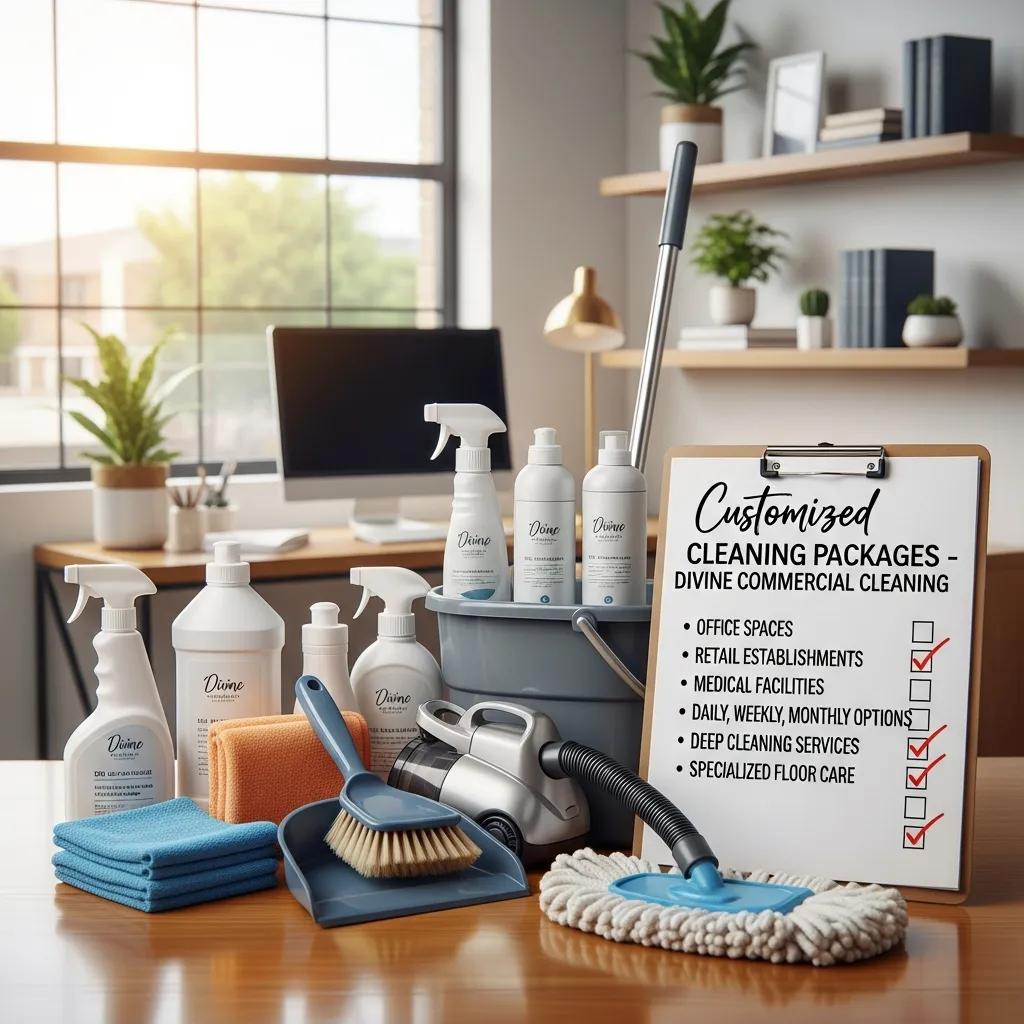
Divine Commercial Cleaning provides tiered, customised packages that align tasks and visit frequency with business size and site needs so you don’t pay for services you don’t need. A basic package covers essential daily or weekly tasks; a standard package adds scheduled deep cleans and consumables; a premium package includes specialist floor care, window cleaning and priority incident response. Quotes are tailored by square metres, foot traffic and compliance level so offices and retail spaces get pricing that reflects actual workload, not a one-size-fits-all number.
We operate across the Sunshine Coast and Brisbane and offer commercial cleaning solutions for offices, retail outlets, medical centres and shopping centres. If you’d like a tailored quote, tell us the size, frequency and any special requirements so we can prepare an itemised proposal that reflects the true scope and avoids surprise fees.
How do Divine’s rates reflect local knowledge and service quality?
Our local experience on the Sunshine Coast and in Brisbane helps us schedule efficiently and optimise routes, which reduces travel time and keeps overall pricing competitive. Familiarity with common regional premises means our teams can spot high-traffic zones or access challenges that affect staffing and equipment choices. Quality controls like supervisory spot checks and itemised invoicing may mean slightly higher rates in some cases, but they reduce variability and prevent costly service failures down the line.
In short: local expertise → smarter scheduling; smarter scheduling → lower logistics costs. When comparing bids, consider quality controls and transparency as part of the overall value, not optional extras that just add cost.
What are the benefits of choosing Divine Commercial Cleaning in Mooloolah Valley?
Choosing a local provider with clear pricing reduces procurement risk and gives you predictable operational costs. Suppliers who provide itemised quotes and SLAs make budgeting simpler and cut down on disputes over scope. Providers that offer eco-friendly options and bespoke plans help you meet sustainability targets without compromising compliance or cleanliness — creating longer-term value beyond simple price comparisons.
- Transparent pricing: Itemised quotes make true costs clear.
- Local responsiveness: Proximity improves response times and lowers travel surcharges.
- Tailored plans: Matching frequency and scope to your needs avoids overpaying for unused services.
Those benefits translate into steadier operations, more predictable budgets and fewer service interruptions.
How does Divine build reliability and trust through transparent pricing?
We itemise tasks, frequencies and consumables in our quotes so it’s clear what’s included and what’s an add-on. SLAs that cover response times, replacement staffing and escalation paths set measurable expectations both sides can rely on. Variation clauses for one-off events and a clear policy for additional services stop surprises when your needs change.
We work across the Sunshine Coast and Brisbane, serving offices, retail outlets, medical centres and shopping centres, with a primary focus on commercial cleaning for Mooloolah Valley. Our strengths are local expertise, tailored cleaning plans, reliability and clear communication. These practices help businesses verify commitments before signing and reduce post-contract disputes.
Transparent quotes and reliable SLAs build long-term relationships that protect both budgets and operational continuity.
What eco‑friendly cleaning options does Divine offer?
Eco options typically include green-certified consumables, microfibre systems that cut chemical use, and dilution-control equipment that reduces waste and exposure. These choices can raise upfront consumable costs but often lower long-term expenses by reducing product volume, rework and occupant complaints while improving indoor air quality. If sustainability is a goal, ask for eco-options in your quote so any incremental cost and potential savings are clear.
When comparing eco options, look at total cost of ownership: premium products may cost more per bottle but often require less volume and lower rework. Request consumable usage estimates in itemised quotes so you can compare environmental benefits alongside cost trade-offs.
How can businesses request quotes and compare cleaning prices effectively?
Comparable quotes start with consistent information provided to every bidder so responses reflect the same scope and constraints. Normalise bids by documenting square metres, a detailed task list, frequency, access windows and any compliance needs. Use a scoring rubric that weights price, scope, SLAs and eco-options to turn qualitative differences into a single comparative metric for easier decisions.
Follow this checklist to make quotes comparable.
- Describe the premises clearly: include sqm, layout and high-traffic zones.
- List required tasks explicitly: define restrooms, floors, windows, waste and any special tasks.
- Specify frequency and access times: state visits per week and whether after-hours access is needed.
- State compliance needs: note clinical cleaning, certifications or hazardous-waste handling.
- Request itemised pricing and SLAs: ask for per-task and per-visit breakdowns plus response commitments.
Giving identical information to each bidder reduces variance and highlights genuine differences in approach and cost.
The table below shows what to include in a quote request and why it matters for the estimate.
A checklist of required fields helps suppliers produce accurate, comparable quotes.
| Information to Provide | Why It Matters | Example / Expected Outcome |
|---|---|---|
| Premises size & layout | Determines labour hours | “Office, 450 sqm, open plan + reception” |
| Frequency & timing | Sets scheduling and staffing needs | “5 days/week, after-hours access needed” |
| Specific tasks & standards | Clarifies scope and performance expectations | “Daily restroom sanitisation; weekly carpet extraction” |
| Compliance needs | Adds training and disposal requirements | “Clinical waste handling for medical rooms” |
| Access/logistics | Affects travel and time surcharges | “Limited parking; single key-card access” |
What information should be provided when requesting a quote?
Send concise, unambiguous details so providers can model labour, consumables and overhead accurately. Include building size, number of rooms or zones, typical foot traffic, service frequency, any after-hours constraints and a clear task list. For specialised sites, note compliance needs like clinical cleaning or hazardous-waste handling and offer contact windows for inspections or walk-throughs.
A practical example: “Office, 450 sqm, 5 days/week service, high-traffic reception and kitchen, after-hours access available, fortnightly deep clean required.” Specific inputs reduce assumptions and produce tighter, more comparable quotes.
How to use pricing comparison tables to make informed decisions?
Build a simple comparison table with columns for provider, total monthly price, explicit inclusions, SLA highlights and eco-options. Apply weightings that match your priorities — for example 40% price, 25% inclusions/SLAs, 20% reliability/response, 15% eco-options — then score each provider. That converts qualitative differences into a total score that reflects your organisation’s needs rather than the lowest price alone.
When a bid looks unusually cheap, treat it with caution: low prices can hide exclusions, reduced supervision or cheaper consumables. Use your scoring rubric to penalise missing inclusions so the lowest-value providers are clear.
Common questions businesses ask about commercial cleaning pricing in Mooloolah Valley
Businesses often want to know average cost ranges, how pricing varies by facility type, and how to avoid hidden fees. While exact rates differ, providers commonly quote per hour, per square metre, or per visit depending on site complexity. The best way to set a realistic budget is to obtain multiple itemised quotes using the checklist above.
What is the average cost range for commercial cleaning services?
Pricing is usually shown as per hour, per square metre or per visit. Per-hour rates are common for ad-hoc work; per-square-metre models suit regular, predictable scopes; per-visit pricing fits retail and high-traffic venues with fixed schedules. Costs vary by scope — simple office maintenance is typically cheaper per sqm than clinical cleaning — so request itemised quotes tailored to your site to get reliable budget numbers.
Use itemised quotes to turn high-level ranges into actionable budget figures for your specific needs.
How do pricing factors differ between medical centres and shopping centres?
Medical centres usually have higher per-square-metre costs because clinical cleaning requires certified protocols, specialist consumables and clinical waste disposal — all of which raise time and training requirements. Shopping centres need larger teams for communal spaces, flexible scheduling for events and multi-tenant waste management, which increases labour and coordination costs and may be priced per visit or per zone. These operational differences mean medical facilities should expect higher unit costs for compliance, while shopping centres see higher total costs driven by scale and scheduling complexity.
Knowing these distinctions helps procurement teams set realistic expectations and benchmark quotes appropriately.
Frequently Asked Questions
What should businesses look for in a commercial cleaning contract?
Check that the contract clearly defines included services, visit frequency and any extra-cost items. Look for SLAs that specify response times and quality standards, and make sure pricing transparency is written into the agreement so you understand how costs are calculated and when surcharges apply. Also review contract flexibility so you can adjust services as your needs change.
How can businesses ensure they are getting a fair price for cleaning services?
Get multiple itemised quotes from different providers using the same checklist. Compare the exact inclusions and SLA terms, and consider reputation, references and local experience. Ask questions about unclear charges and negotiate where possible — a fair price balances cost with service levels, reliability and transparency.
What are the risks of choosing the lowest bid for cleaning services?
Lowest bids can hide gaps: limited services, cheaper products, inadequate staffing or fewer quality checks. That can lead to poor cleanliness, compliance failures and unexpected add-on costs later. Evaluate overall value — service quality, supervision and contract clarity — rather than choosing purely on price.
How often should businesses schedule cleaning services?
Frequency depends on business type, foot traffic and cleanliness standards. Offices may be fine weekly or bi-weekly, while retail and medical sites often need daily cleaning. Seasonal peaks or events may require increased visits. Regular reviews and staff feedback help decide if the schedule needs adjusting.
What are the benefits of eco-friendly cleaning products?
Eco-friendly products reduce environmental impact and lower exposure to harsh chemicals for staff and visitors, often improving indoor air quality. They can support sustainability goals and enhance your public image. Although they may cost more initially, they can reduce absenteeism and rework, delivering longer-term benefits.
How can businesses measure the effectiveness of their cleaning service?
Use regular inspections, audits and staff feedback to track cleanliness. Log complaints and service issues, and compare performance against SLAs. Clear contract metrics such as response times, quality checks and scheduled audits help you objectively assess ongoing performance.
Choosing Divine Commercial Cleaning in Mooloolah Valley gives you transparent pricing, local knowledge and service packages tailored to your needs. By understanding the main cost drivers and using itemised quotes, you can make informed choices that improve operational efficiency and budgeting certainty. Ready to get a clearer picture of your cleaning costs? Request a customised quote and see how a reliable, local cleaning partner can make a measurable difference for your business.

Dianne, originally from Rockhampton, hails from a business-oriented family, with her father owning electrical stores and her uncle serving as Mayor. Moving to the Sunshine Coast at 13, she later pursued a rewarding real estate career and raised three children. As a single mom, she balanced university studies with domestic cleaning work. Armed with a Bachelor’s Degree in Business, majoring in Supply Chain Management, Dianne founded and grew Divine Commercial Cleaning into a thriving company. Her success is rooted in strong family mentorship, a positive attitude, and a solution-oriented approach, offering tailored cleaning services with integrity and strategic insight.