
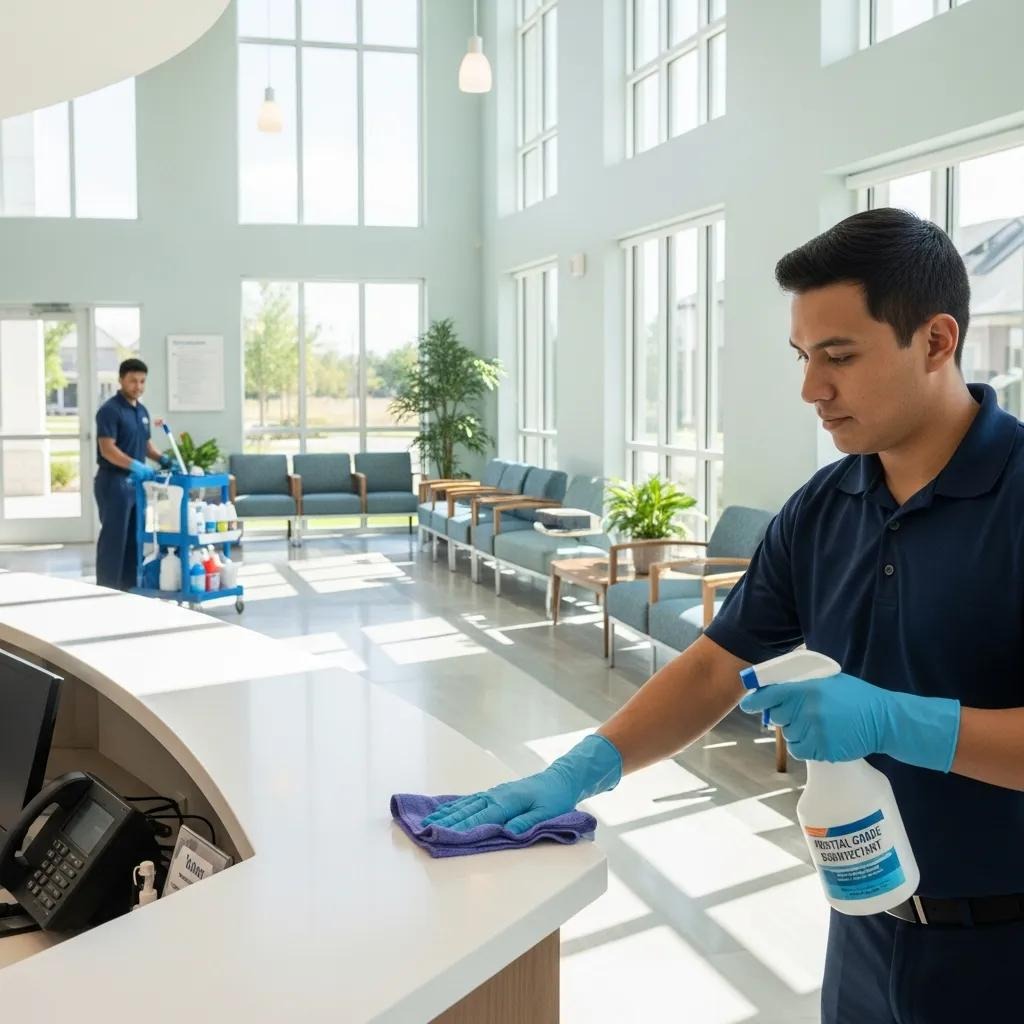
A spotless, well-maintained medical centre protects patients, staff and the wider community. This guide summarises the core services Eagle Farm medical centre cleaners provide, why they matter, recommended cleaning cadences, common pricing models and the benefits of hiring trained healthcare cleaners.
What services do Eagle Farm medical centre cleaners provide?
Eagle Farm cleaning teams deliver specialised services for healthcare settings, focused on reducing infection risk and supporting an efficient clinic for patients and staff.
Comprehensive medical centre cleaning and disinfection
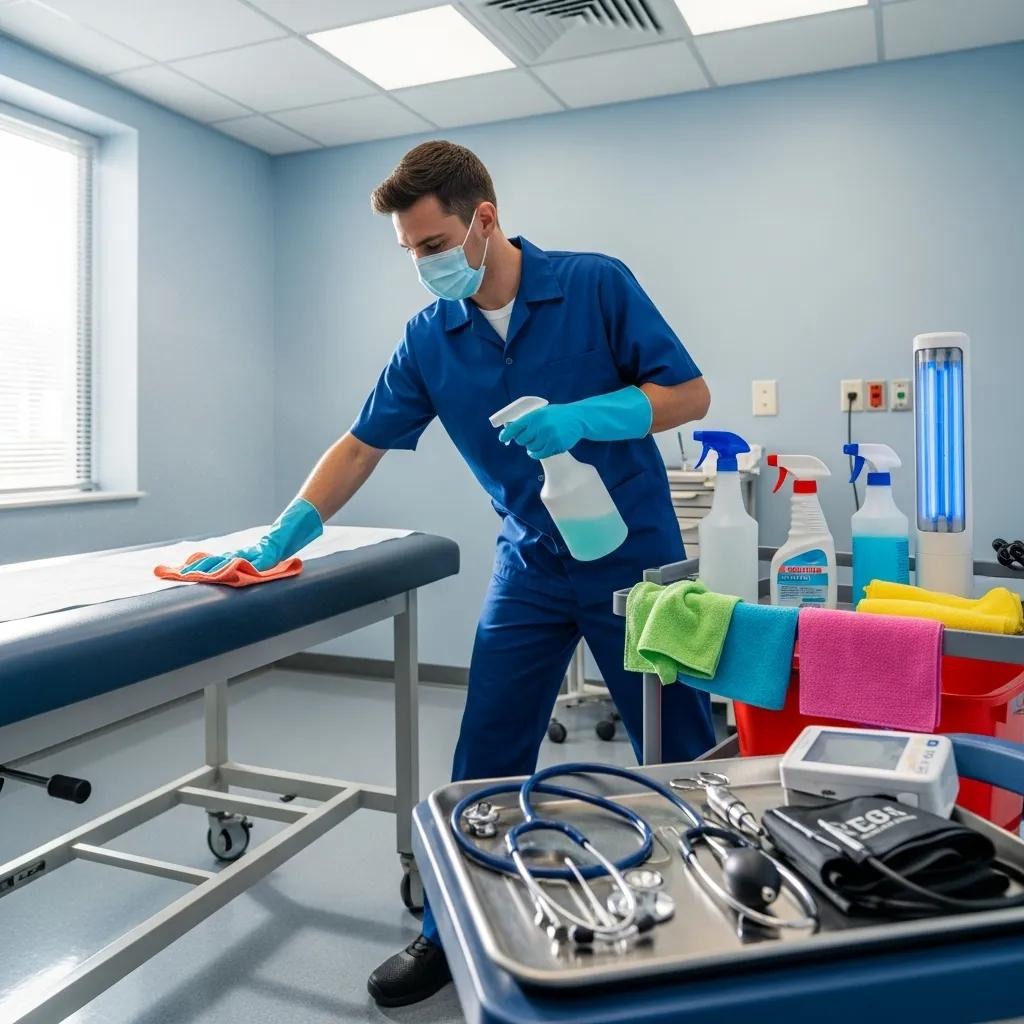
Thorough cleaning and targeted disinfection prevent infection across waiting rooms, treatment rooms and restrooms. Typical tasks include:
- Routine disinfection : Regular wiping and disinfecting of high-touch points like doorknobs, light switches and medical devices.
- Deep cleaning : Scheduled intensive cleans after busy periods or at set intervals.
- Specialised equipment : Use of hospital-grade disinfectants and professional tools for consistent results.
Attention to high-touch surfaces helps reduce healthcare-associated infection risk and improves visible cleanliness.
Reducing HAIs: Cleaning high-touch surfaces matters
Healthcare-associated infections remain a significant global concern, causing extra illness, longer hospital stays and higher costs. Patient care items and frequently touched environmental surfaces can transmit microbes — including bacteria, viruses and yeasts — and improved cleaning and disinfection has been shown to lower HAI rates. Both manual and automated surface-cleaning strategies contribute to outbreak control, and emerging approaches such as antimicrobial surfaces are being explored.
High-touch surfaces: microbial neighbours at hand, MM Azevedo, 2017
Using the right products and strict disinfection routines is a cornerstone of environmental infection control and supports patient safety and confidence.
Environmental infection control in healthcare settings
While the healthcare environment is not the main source of most infections, exposed or immunocompromised patients can be affected by environmental or airborne pathogens. Effective infection-control strategies — including the correct use of cleaners and disinfectants, proper equipment maintenance, water-quality controls and timely management of water intrusion — help minimise HAIs and pseudo-outbreaks.
Guidelines for environmental infection control in health-care facilities, MJ Arduino, 2003
Specialised infection control protocols for healthcare environments
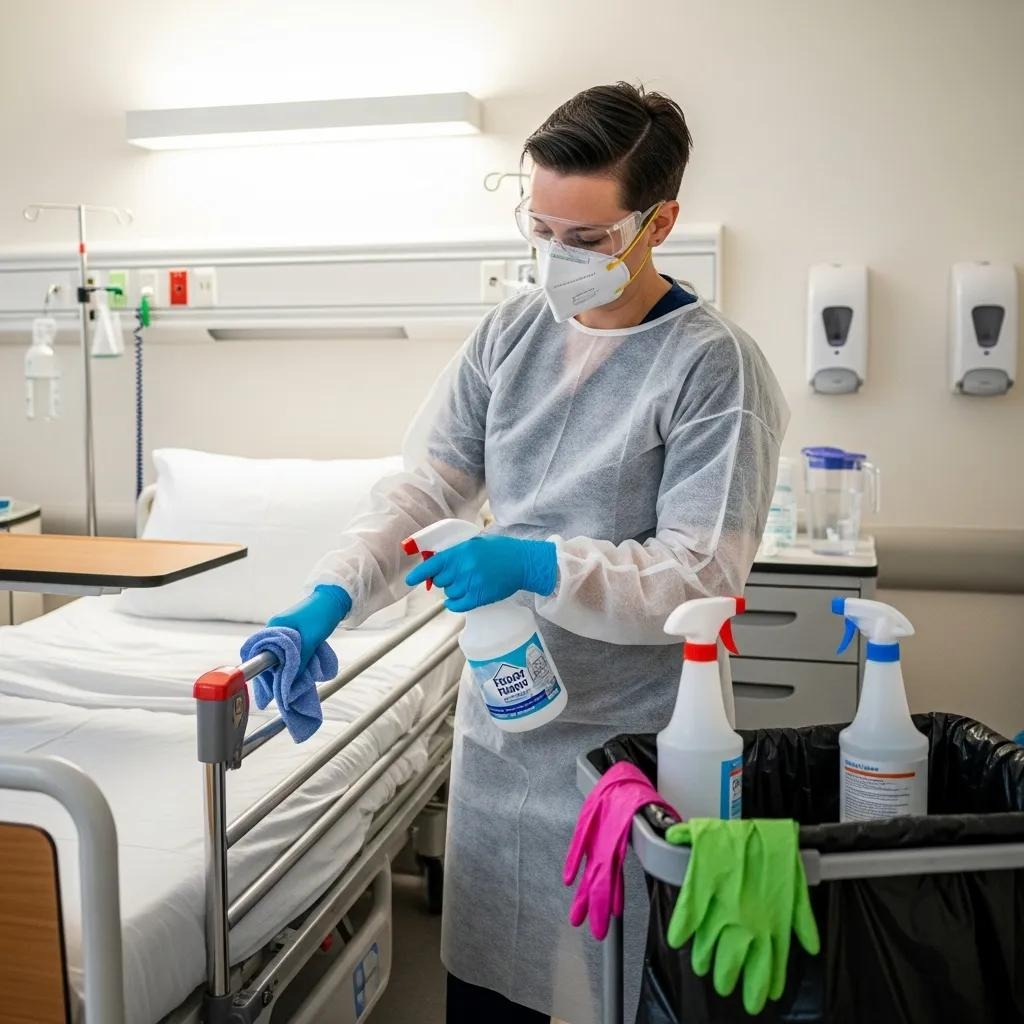
Trained cleaners follow protocols to minimise cross-contamination and protect patients and staff. Core measures include:
- Use of personal protective equipment (PPE) : Appropriate PPE for staff to reduce transmission risk.
- Training and compliance : Regular training ensures teams follow current infection-control standards.
- Monitoring and reporting : Audits and documented checks provide assurance that procedures meet expectations.
These practical protocols are the backbone of safe medical-centre cleaning and require periodic review as best practices evolve.
Practical guidance for surface cleaning in healthcare
Scientific evidence has not produced a single universal protocol for surface cleaning and disinfection. This review synthesises expert recommendations to help healthcare workers apply routine cleaning and disinfection practices that are practical and effective within clinical settings.
Practical recommendations for routine cleaning and disinfection procedures in healthcare institutions: a narrative review, O Assadian, 2021
How often should medical centres in Eagle Farm be professionally cleaned?
Cleaning frequency depends on patient throughput, service types and local health requirements.
Recommended cleaning schedules for clinics and healthcare facilities
Many clinics use daily, weekly and as-needed cleaning. Typical approaches include:
- Daily cleaning : High-traffic areas and patient rooms cleaned every day.
- Weekly deep cleaning : An intensive clean weekly (or per facility protocol).
- Post-patient cleaning : Treatment and procedure areas cleaned after each patient where required.
A clear, documented schedule helps maintain standards and reduce infection risk.
Tailoring cleaning frequency to compliance and health standards
Align cleaning cadence with regulations and operational needs. Consider:
- Regulatory requirements : Local health authorities may define expectations by facility type.
- Patient volume : Busier clinics usually need more frequent cleaning.
- Type of services offered : Higher-risk procedures require stricter protocols.
Adjust schedules based on these factors to ensure compliance and protect patient safety.
What are the pricing and quote options for Eagle Farm medical centre cleaning?
Clear pricing helps clinics budget. Eagle Farm cleaners commonly use a few straightforward models.
Transparent pricing models for medical centre cleaning services
Providers typically offer:
- Flat rate pricing : A fixed fee for defined services — useful for predictable budgeting.
- Hourly rates : Time-based charges for flexible or variable needs.
- Customised packages : Plans tailored to facility size, services and compliance needs.
These options make it easier to balance cost and coverage.
How to request a customised cleaning quote in Eagle Farm
Requesting a tailored quote is simple. Follow these steps:
- Contact the cleaning service : Call or email with basic details and timelines.
- Provide facility details : Share facility size, services offered and any special cleaning protocols.
- Receive a quote : Get a proposal listing services, frequencies and costs.
This ensures quotes reflect operational and compliance requirements.
Why choose professional healthcare facility cleaners in Eagle Farm?
Professional cleaners bring training, systems and quality checks that maintain hygiene standards and protect patients and staff.
For medical centres seeking reliable cleaning services, Divine Cleaning’s clinical cleaning solutions offer specialist support tailored to healthcare environments.
Expertise of Divine Cleaning in medical centre hygiene
Divine Cleaning specialises in healthcare cleaning and applies practical experience and specialist know-how. Core strengths include:
- Trained staff : Teams trained in current cleaning techniques and infection-control protocols.
- Quality assurance : Regular audits and checks to maintain standards.
- Customised solutions : Programs designed to meet each facility’s needs.
That expertise supports safer care environments and smoother clinic operations.
Compliance with Australian health standards is essential. Professional cleaners such as Divine Cleaning design services to help facilities meet those requirements.
Client feedback and regulatory compliance
Testimonials and case feedback commonly show improved cleanliness and better regulatory compliance after professional engagement — outcomes that matter to patients and providers.
- Positive feedback : Clients report dependable cleaning and improved day-to-day hygiene.
- Regulatory compliance : Professional teams follow practices that align with health regulations, giving managers confidence.
These points underline why experienced, compliant cleaners are important for medical centres.
Frequently asked questions
What qualifications should professional medical centre cleaners hold?
Cleaners should have infection-control training, correct use of hospital-grade disinfectants and safe PPE procedures. Certifications or documented training and ongoing refreshers help ensure adherence to current standards.
How do cleaning services make sure they comply with health regulations?
Compliance is maintained with documented cleaning protocols, approved disinfectant use, record-keeping and regular audits. Providers keep staff training current and update procedures when best practices change.
What are the benefits of using specialist cleaning products in healthcare?
Specialist products target common clinical pathogens and are safe for medical equipment and high-touch surfaces. They can shorten contact times, reduce cross-contamination and protect sensitive surfaces.
Can cleaning services be customised for different medical facility types?
Yes. Plans are adapted to facility size, patient volume and service type — surgical centres typically need stricter protocols than small outpatient clinics. Custom packages ensure appropriate cleaning and compliance.
What should medical centres look for when choosing a cleaning service?
Choose providers with proven healthcare experience, clear training programs, transparent pricing and references. Verify compliance processes and request sample cleaning schedules to assess fit and reliability.
How can medical centres keep spaces clean between professional visits?
Maintain daily routines for high-touch surfaces, provide hand-sanitiser stations, encourage handwashing and train staff in basic cleaning tasks. A simple daily checklist helps keep areas hygienic between professional cleans.
Engaging professional cleaning services helps Eagle Farm medical centres maintain hygienic environments, protect patients and meet regulatory expectations. With tailored protocols, trained teams and clear pricing, clinics can keep consistent standards and reduce infection risk. Contact us to discuss a cleaning plan that fits your facility.

Dianne, originally from Rockhampton, hails from a business-oriented family, with her father owning electrical stores and her uncle serving as Mayor. Moving to the Sunshine Coast at 13, she later pursued a rewarding real estate career and raised three children. As a single mom, she balanced university studies with domestic cleaning work. Armed with a Bachelor’s Degree in Business, majoring in Supply Chain Management, Dianne founded and grew Divine Commercial Cleaning into a thriving company. Her success is rooted in strong family mentorship, a positive attitude, and a solution-oriented approach, offering tailored cleaning services with integrity and strategic insight.