Eco-friendly Commercial Cleaning in North Lakes: Practical, Sustainable Benefits for Local Businesses
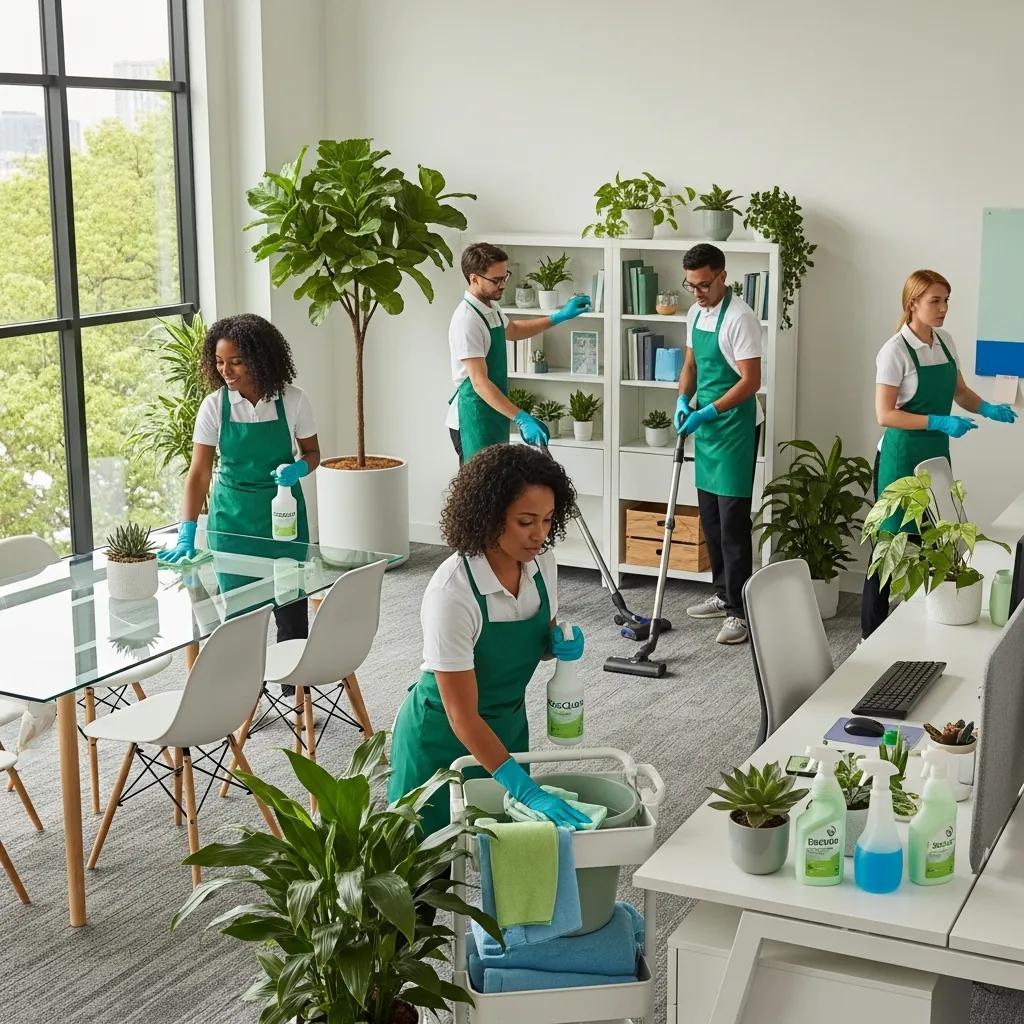
Commercial cleaning in North Lakes uses greener products and more innovative processes to cut pollution, improve indoor air quality and protect building assets over the long term. This article outlines the environmental, health and cost advantages of green cleaning for local businesses and gives clear steps for assessing and buying sustainable services.
You’ll learn how low‑VOC products, water‑saving methods and modern equipment lower emissions and waste while keeping staff, visitors and nearby waterways safe. We also summarise operational efficiency gains, local case examples, and procurement guidance for offices, retail sites, and medical centres in North Lakes.
Where applicable, Divine Commercial Cleaning is shown as a local provider offering eco-focused packages and tailored quotes. By the end, decision-makers will have clear vetting criteria and a step‑by‑step process for requesting competitive, sustainability‑aligned quotes.
What are the main environmental benefits of eco-friendly commercial cleaning in North Lakes?
Green commercial cleaning reduces environmental harm by lowering volatile organic compound (VOC) emissions, cutting chemical runoff and reducing solid waste through recyclable packaging and concentrated products. These practices also save water through dosing controls and efficient rinsing, reducing discharge to municipal systems and local waterways. The net result is a smaller ecological footprint for businesses in North Lakes: less contribution to local air and water pollution and fewer hazardous cleaning residues.
Knowing these advantages helps businesses align their cleaning approach with broader sustainability targets and community expectations, thereby supporting local ecosystem health and brand reputation.
How does green cleaning cut environmental impact?
Green cleaning cuts impact by using low‑toxicity formulas, dilution control and efficient tools that lower chemical and water use during routine work. Low‑VOC products and biodegradable surfactants reduce airborne emissions and weaken the persistence of chemicals in wastewater, while microfibre cloths trap soils with less detergent and fewer rinses. Equipment choices such as HEPA‑rated vacuums and water‑efficient floor machines further reduce particulate emissions and water consumption, resulting in measurable reductions in pollutant loads. Together, these measures lower ecological risk and help businesses meet local expectations for environmental stewardship.
Which sustainable cleaning products does Divine Commercial Cleaning use?
Divine Commercial Cleaning focuses on product categories designed for lower environmental impact, including low‑VOC all‑purpose cleaners, enzyme‑based degreasers and recycled‑content paper supplies. These choices favour biodegradability, reduced packaging and recognised eco‑labels to limit persistence in the environment and improve disposal profiles. Using these product types reduces lifecycle impacts while keeping cleaning performance high across offices, retail spaces and healthcare settings.
When assessing suppliers, ask about product categories, certification claims and evidence showing formulations meet low‑toxicity and biodegradability standards.
| Practice Category | Environmental Outcome | Relative Impact |
|---|---|---|
| Low‑VOC formulations | Lower airborne chemical emissions | Significant |
| Dilution‑control systems | Less chemical used per clean | Moderate–Significant |
| Microfibre tools | Reduced water and detergent needs | Moderate |
| Water‑saving machines | Lower rinse and disposal volumes | Moderate |
Combining several green practices delivers bigger gains than single changes, so procurement choices should focus on complementary measures that give measurable environmental improvements.
- Common environmental wins include fewer emissions, reduced water use and less hazardous waste.
- Mixing complementary practices produces larger benefits than isolated changes.
- Local businesses gain most when practices directly address watershed and air‑quality risks common to coastal and suburban areas.
These points help facility managers prioritise the interventions that will most effectively cut environmental impact in the North Lakes setting.
How do eco‑friendly commercial cleaning services improve health and safety for North Lakes businesses?

Eco‑friendly cleaning improves health and safety by reducing staff and visitor exposure to irritating or toxic chemicals, improving indoor air quality and keeping infection‑control routines compatible with low‑toxicity products. Replacing high‑VOC solvents and harsh disinfectants with gentler, evidence‑based alternatives lowers respiratory irritation and skin sensitisation for employees and customers. Better air quality reduces allergy triggers and increases occupant comfort, which often links to higher productivity and less absenteeism. These health and safety benefits make green cleaning a strong choice for offices, retail outlets and medical centres that prioritise occupant welfare and regulatory hygiene standards.
What health benefits come from using environmentally safe commercial cleaners?
Environmentally safe commercial cleaners reduce respiratory irritation, headaches and skin reactions by cutting exposure to VOCs and corrosive agents found in many conventional products. Lower chemical exposure is tied to fewer short‑term symptoms such as sore throats and headaches and can reduce long‑term sensitivity in vulnerable groups. Occupational health guidance indicates that replacing high‑VOC products with low‑toxicity alternatives reduces indoor pollutant levels and related complaints. In facilities with vulnerable occupants—like medical centres or food retail—these benefits support hygiene objectives and improve patient and customer experience.
How does green cleaning boost workplace safety and hygiene?
Green cleaning improves safety by using safer storage, reducing manual handling of concentrated chemicals and adopting equipment that lowers operator exposure—examples include closed‑loop dilution systems and ergonomic dispensers. These steps reduce the chance of spills and chemical injuries while simplifying training and compliance. Properly chosen green disinfectants and surface cleaners can still meet pathogen control requirements when used with the correct contact times and application methods. Combining safety‑focused procedures with sustainable products delivers effective infection control and fewer occupational health risks.
For North Lakes businesses reviewing suppliers, Divine Commercial Cleaning’s health‑focused protocols demonstrate how a provider can pair low‑toxicity products with procedural controls to enhance safety. Companies should request a site‑specific assessment and a tailored quote to confirm outcomes for their site.
What are the cost and efficiency benefits of sustainable office cleaning in North Lakes?
Sustainable office cleaning can be cost‑effective when you consider total cost of ownership — product use, equipment life, staff health outcomes and maintenance frequency — not just upfront prices. Eco approaches often cut per‑clean chemical volumes via dilution control and microfibre, extend assets by using gentler formulas and reduce rework with better soil removal tools. Those efficiency gains mean fewer emergency cleans, slower wear on floors and finishes, and lower health‑related absenteeism, producing measurable savings over time. For procurement, comparing lifecycle costs and productivity impacts yields a more accurate ROI than focusing on unit prices alone.
Are eco‑friendly commercial cleaning services cost‑effective for businesses?
Yes. Over a typical operating lifecycle, eco‑friendly cleaning is often cost‑effective once you include lower product consumption, reduced maintenance and fewer staff sick days. Some green products may cost a little more per unit, but reduced re‑cleans and longer asset life usually offset that premium. Managers should model total cost of ownership across 12–36 months, including productivity and maintenance savings. This lifecycle view typically shows investments in sustainable cleaning return savings and operational resilience that outweigh initial price differences.
| Cleaning Model | Typical Upfront Cost | Long‑Term Cost Drivers |
|---|---|---|
| Conventional cleaning | Lower product price per unit | Higher product volume, increased asset wear |
| Eco‑friendly cleaning | Marginally higher per‑unit price | Lower consumption, reduced maintenance, fewer sick days |
| Hybrid programs | Variable | Blend of upfront savings and lifecycle benefits |
This comparison shows decision‑makers should weigh long‑term drivers—like reduced asset turnover and health‑related productivity—when reviewing proposals.
How do sustainable cleaning methods improve operational efficiency?
Sustainable methods improve efficiency through tools and workflows that cut labour time, lower repeat cleans and optimise resource use. Examples include microfibre systems that remove more soil per pass, dilution‑control dispensers that prevent overdosing, and preventive cleaning schedules that reduce the frequency of deep-cleaning. Workflow changes—such as batching tasks and zone cleaning—also cut transit times and boost team productivity. Together, these methods shorten cleaning time per shift, reduce product spend and free staff for higher‑value tasks.
- Key efficiency techniques: microfibre, dilution control and preventive scheduling.
- These methods reduce time and materials while improving consistency across spaces.
- Facilities using them report fewer emergency cleans and longer asset life.
Divine Commercial Cleaning offers structured packages and efficiency‑focused workflows as practical examples local businesses can explore when requesting a tailored quote.
Which case studies and client testimonials show the benefits of eco‑friendly commercial cleaning in North Lakes?
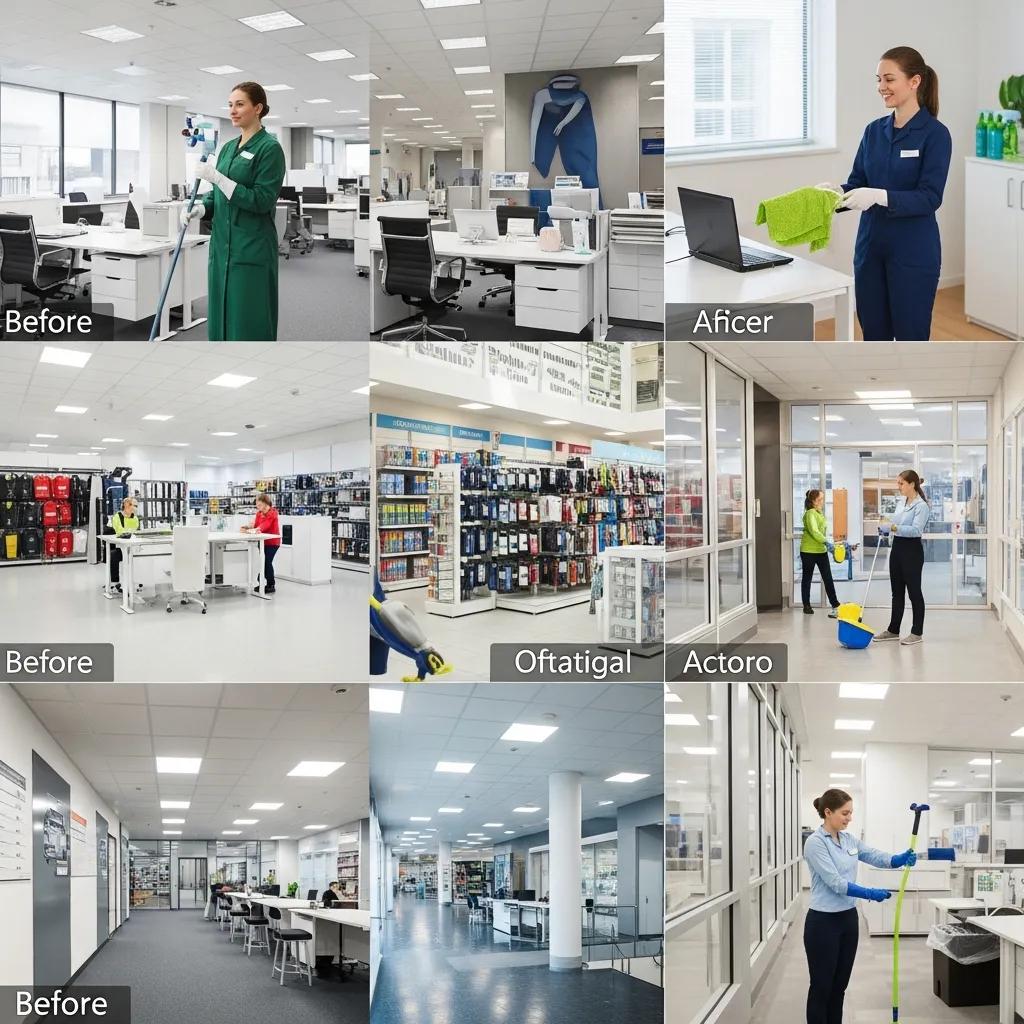
Local case studies and client feedback confirm that eco‑friendly cleaning can deliver measurable environmental, health and cost benefits when implemented and measured correctly. Project summaries show reduced chemical use, higher occupant satisfaction in surveys and operational savings from longer asset lifecycles. Testimonials often highlight reliability and clear communication alongside sustainability wins, showing that delivery quality matters as much as product choice. Short case summaries and anonymised testimonial themes help procurement teams set realistic expectations and compare vendor performance.
What success stories highlight Divine Commercial Cleaning’s impact?
Divine Commercial Cleaning has helped North Lakes businesses adopt greener cleaning by replacing high‑VOC products with certified low‑toxicity options, introducing microfibre systems and improving dosing controls. In sample projects, these steps lowered product use and improved perceived air quality, resulting in fewer occupant complaints and smoother maintenance cycles. Each engagement started with a site assessment, followed by a phased rollout and measured follow‑up to confirm results. These examples show how systematic implementation and ongoing monitoring produce real benefits in local commercial settings.
| Client Type | Intervention | Outcome |
|---|---|---|
| Office complex | Microfibre + low‑VOC products | Reduced product use; improved IAQ reports |
| Retail outlet | Dilution‑control + preventive schedule | Fewer emergency cleans; faster turnaround |
| Medical centre | Enzyme‑based cleaners + protocol training | Maintained hygiene standards with lower irritant exposure |
How do local businesses rate their experience with sustainable cleaning services?
Local businesses often report three consistent themes when reviewing sustainable cleaning services: better communication and reliability, fewer cleaning‑related complaints, and satisfaction with customised packages that meet operational needs. Anonymised feedback shows that providers who use clear measurement and maintain consistent delivery earn higher trust and renewal rates. Prospective clients should request references and evidence of measurable outcomes—such as product‑use reductions or occupant satisfaction scores—to validate claims. For those seeking detailed testimonials, contacting providers to request case materials and quote options is a good next step.
- Common ratings: reliability, improved indoor environment quality and cost transparency.
- Request measurable outcomes and references to verify supplier claims.
- Providers offering site assessments and follow‑up measurements tend to achieve stronger client satisfaction.
Divine Commercial Cleaning’s local projects and testimonial highlights provide concise examples of these themes and are available upon request via the company’s quote and contact channels.
How can North Lakes businesses access reliable, eco‑friendly commercial cleaning services?
Finding reliable eco‑friendly cleaning means following a transparent procurement process: define your sustainability goals, ask vendors for product and process evidence, request site assessments and compare lifecycle cost models rather than unit prices alone. Vetting should cover product categories, dilution and dosing systems, staff training and safety protocols, and documented service levels. Preparing a concise scope—listing space types, peak hours and any special requirements—helps vendors deliver comparable, tailored quotes. This structured approach aligns operational needs with sustainability objectives for North Lakes businesses.
What service packages does Divine Commercial Cleaning offer for local businesses?
Divine Commercial Cleaning offers sample package categories suited to North Lakes organisations: regular office cleaning, scheduled deep cleans and specialist services for healthcare or retail, all built to include eco‑friendly products and efficient processes. Typical inclusions might be surface cleaning with low‑VOC products, floor care using water‑efficient machines and periodic deep cleans with enzyme‑based solutions. Each package can be customised to your business size and hours; we recommend requesting a site visit so the proposed package aligns with both your sustainability goals and daily operations.
How do you request a quote for sustainable office cleaning solutions?
Requesting a quote is straightforward if you provide the right information: facility square‑metres, desired frequency (daily/weekly), high‑traffic zones, any special needs (medical or food handling) and your sustainability targets. After you submit these details, expect a site assessment, a proposed scope with lifecycle cost estimates and a timeline for implementation and review. The vendor should list product categories, equipment to be used and measurable KPIs such as product‑use reductions or indoor air quality indicators. Ask for references and a short pilot or phased start to confirm performance before committing to a longer engagement.
- Provide facility details: include size, usage patterns and special areas needing attention.
- State sustainability goals: specify targets such as low‑VOC use, waste reduction or water savings.
- Request lifecycle pricing: request total cost of ownership estimates for 12–36 months.
- Arrange a site assessment: schedule an on-site review to develop a tailored proposal.
Following these steps produces more comparable quotes and proposals that match operational realities. Businesses that prepare this information usually receive faster, more accurate proposals and can better judge which provider delivers the best mix of sustainability and value.
- Provide accurate facility data and clear sustainability expectations to get precise quotes.
- Expect a site visit and a proposal that includes measurable KPIs and lifecycle cost estimates.
- Use a pilot period or phased rollout to validate performance before a long‑term commitment.
Frequently Asked Questions
What should businesses consider when choosing an eco‑friendly cleaning service?
When choosing an eco‑friendly cleaning service, check the provider’s real commitment to sustainability: the types of products they use and any recognised certifications. Ask about their cleaning methods, staff training and safety controls, plus experience with similar facilities and the ability to customise services. Finally, request references and case studies to confirm they deliver reliable, sustainable results.
How can businesses measure the effectiveness of eco‑friendly cleaning services?
Measure effectiveness with clear metrics: indoor air quality readings, fewer cleaning‑related complaints and occupant satisfaction surveys. Track emergency cleans and maintenance needs to see operational impact. Set KPIs for product usage, cost savings and health outcomes so you can monitor value over time.
Are there specific certifications to look for in eco‑friendly cleaning products?
Yes. Look for recognised ecolabels that show a product meets environmental and health standards—examples include Green Seal, EcoLogo and the EPA’s Safer Choice. For paper products, FSC certification indicates sustainable sourcing. These labels help ensure cleaning products are effective and better for the environment and workplace.
What are the long‑term benefits of switching to eco‑friendly cleaning solutions?
Long‑term benefits include better indoor air quality, improved employee health and productivity, and reduced absenteeism from chemical‑related issues. Eco-friendly practices can lower total cleaning costs by reducing product use and extending equipment life. Over time, businesses also boost their reputation by showing a clear commitment to sustainability, which can attract conscious customers and clients.
How can businesses ensure compliance with health and safety regulations when using green cleaning products?
To stay compliant, keep up with local and national regulations on cleaning chemicals and practices, especially in healthcare and food environments. Train staff on correct product use and maintain safety data sheets (SDS) and documented protocols. Regular audits and assessments help verify compliance and highlight areas for improvement.
What role does employee training play in the success of eco‑friendly cleaning programs?
Training is essential. Well‑trained staff understand how to use sustainable products effectively, reducing waste and maximising cleaning performance. Training also covers safety and handling, lowering accident risk. Engaging employees in sustainability builds a culture that supports better outcomes across the organisation.
Switching to commercial cleaning in North Lakes improves environmental outcomes, creates healthier workplaces and can boost operational efficiency. By choosing green cleaning, businesses reduce their ecological footprint while improving indoor air quality and supporting staff wellbeing. The guidance here gives decision‑makers the tools to choose sustainable, value‑for‑money cleaning solutions. For a tailored approach that fits your site, contact us for a personalised quote today.

Dianne, originally from Rockhampton, hails from a business-oriented family, with her father owning electrical stores and her uncle serving as Mayor. Moving to the Sunshine Coast at 13, she later pursued a rewarding real estate career and raised three children. As a single mom, she balanced university studies with domestic cleaning work. Armed with a Bachelor’s Degree in Business, majoring in Supply Chain Management, Dianne founded and grew Divine Commercial Cleaning into a thriving company. Her success is rooted in strong family mentorship, a positive attitude, and a solution-oriented approach, offering tailored cleaning services with integrity and strategic insight.