Emergency Office Cleaning Services: Rapid Response for Unexpected Situations in Commercial Spaces
Emergency office cleaning is rapid, targeted commercial cleaning deployed when unexpected incidents — like floods, spills, biohazards or fire damage — threaten workplace safety and business continuity. This guide explains what emergency office cleaning involves, why speed and procedure matter, and how rapid response reduces downtime, reputational risk and secondary damage. Divine Commercial Cleaning serves Sunshine Coast and Brisbane businesses and can respond to urgent commercial cleaning requests; the page’s primary goal is lead generation and to act as an information hub for local businesses seeking same-day or 24/7 emergency support. Readers will learn which incidents require urgent intervention, the practical steps professionals take during disaster cleanup and restoration, and what to expect when arranging same-day service. The article maps core topics from risk triage and water extraction to biohazard decontamination and fire restoration, and it integrates how a local provider with eco-conscious practices and no lock-in plans fits into an emergency response plan. Throughout, target phrases like emergency office cleaning, urgent commercial sanitisation, and commercial flood damage restoration are used to help readers find the right resources quickly.
Why Is Rapid Emergency Office Cleaning Critical for Business Continuity?
Rapid emergency office cleaning is essential because it contains hazards, preserves assets and restores safe operations before secondary damage and business disruption escalate. When a commercial space is affected by water, biohazard or smoke, immediate actions such as containment, water extraction and targeted disinfection interrupt processes that would otherwise cause mould, corrosion or infection spread. Fast response protects revenue by enabling staged reopening of critical work areas and supports brand reputation through prompt customer and staff communication. The following benefits summarise how speed and procedure protect continuity and lower long-term recovery costs, and the next section explains mechanisms that minimise downtime in concrete terms.
Emergency cleaning delivers four principal continuity benefits:
- Minimised Downtime: Immediate containment and triage reduce the time critical areas remain unusable.
- Reputation Protection: Fast, documented action reassures clients and stakeholders that the business is secure.
- Damage Limitation: Early water extraction and dehumidification prevent mould growth and structural deterioration.
- Health and Safety: Targeted sanitization and PPE use lower infection risk for employees and visitors.
These benefits show why businesses prioritise rapid emergency cleaning; the following subsection explains how urgent cleaning operations specifically minimise downtime and protect a company’s public image.
How Does Urgent Cleaning Minimise Downtime and Protect Your Reputation?
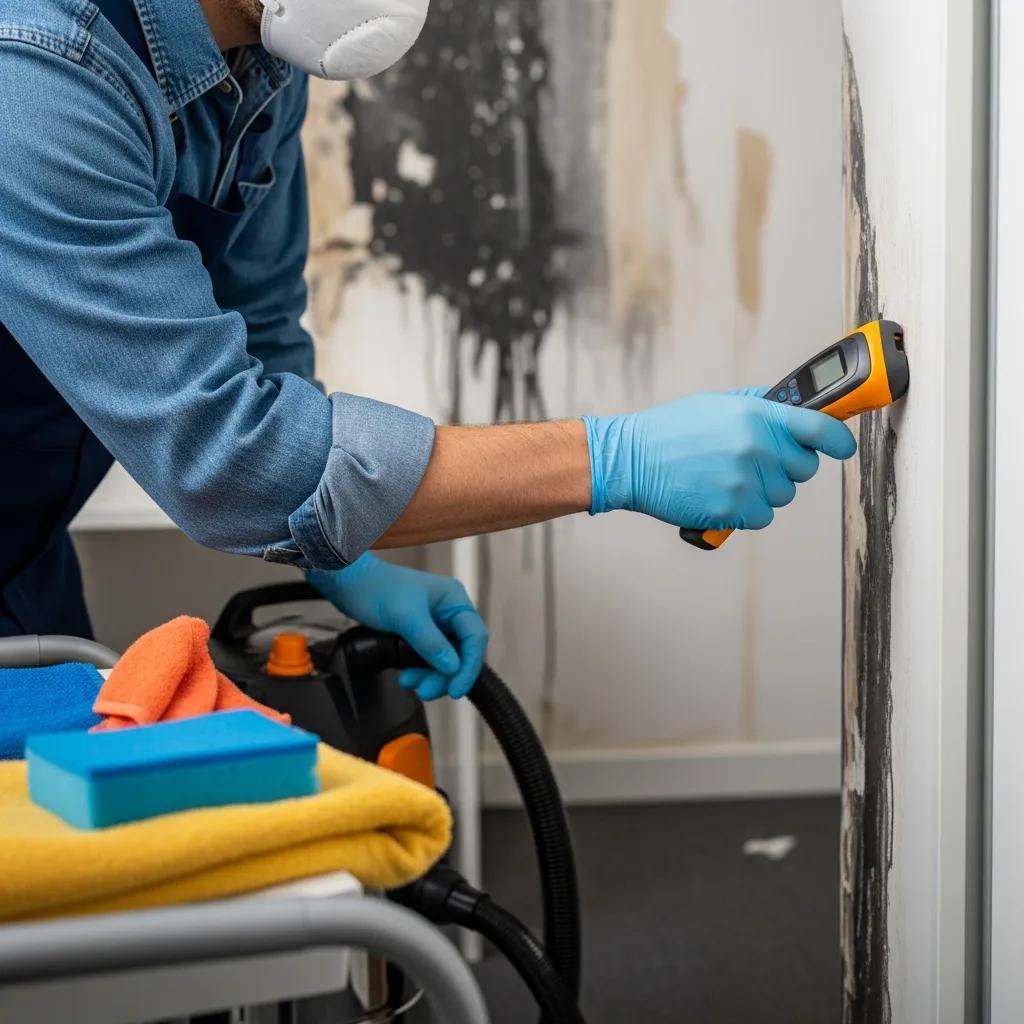
Urgent cleaning minimises downtime by combining rapid triage, priority tasking and staged reopening to get essential services running while broader restoration continues. First, teams perform an immediate assessment to identify safety risks and critical assets, then contain hazards (for example isolating a flooded reception) and extract water using pumps and industrial vacuums. Second, cleaners prioritise areas needed for core operations — server rooms, client reception and staff facilities — so limited reopening can proceed even while non-critical areas are restored. Third, clear communication and verification documentation reassure clients and employees that reopening decisions are safe, protecting customer confidence and brand reputation. A short case note illustrates this approach: a leak at a reception desk was contained and dried within hours, allowing client meetings to continue the next business day while carpets were scheduled for full restoration.
What Safety and Hygiene Benefits Does Emergency Cleaning Provide for Employees and Clients?
Emergency cleaning improves workplace hygiene by removing biological residues, applying infection-control disinfectants and reducing physical hazards such as wet floors and debris that cause slip-and-fall incidents. Teams use PPE, containment barriers and targeted disinfectants with appropriate dwell times to neutralise pathogens and produce documentation suitable for WHS audits and insurance queries. Beyond pathogen control, technicians perform hazard mitigation — cordoning areas, placing signage and conducting moisture readings — so that staff can return to work only after the environment meets safety thresholds. This combination of infection control, physical hazard management and transparent verification both protects occupants and supports management decisions about phased reopening.
Clear documentation of safety checks and remediation outcomes sets the stage for understanding which unexpected scenarios require professional intervention and what immediate actions businesses should take before help arrives.
Which Unexpected Situations Require Emergency Office Cleaning Services?
Offices face a predictable set of unexpected incidents that justify emergency office cleaning, ranging from burst pipes and flash flooding to medical incidents, chemical spills and fire damage. Professional teams prioritise hazards that threaten safety or assets and follow containment, mitigation and restorative steps that limit harm. Businesses benefit from understanding typical triggers so they can implement immediate actions — such as isolating the affected zone or shutting power — while waiting for a specialist crew.
The table below compares common emergency scenarios, typical causes and the immediate actions businesses can take to stabilise the situation before professionals arrive.
The following comparison helps facility managers decide when to call urgent cleaning specialists and what to do first.
| Emergency Scenario | Typical Causes | Immediate Actions (Value) |
|---|---|---|
| Water intrusion | Burst pipes, roof or window leaks, storm flooding | Stop source if safe, move electrical equipment, call emergency cleaning for water extraction |
| Biohazard incident | Bodily fluids, medical events, contamination | Isolate area, restrict access, don PPE and contact professional decontamination teams |
| Fire / smoke damage | Electrical faults, kitchen incidents, arson | Ensure building is safe, ventilate where safe, avoid cleaning soot without specialists |
| Chemical spill | Cleaning agents, lab chemicals, accidental mixing | Evacuate if necessary, cordon area, consult hazardous materials protocols and call specialists |
How Is Office Water Damage Cleanup Handled After Floods or Leaks?
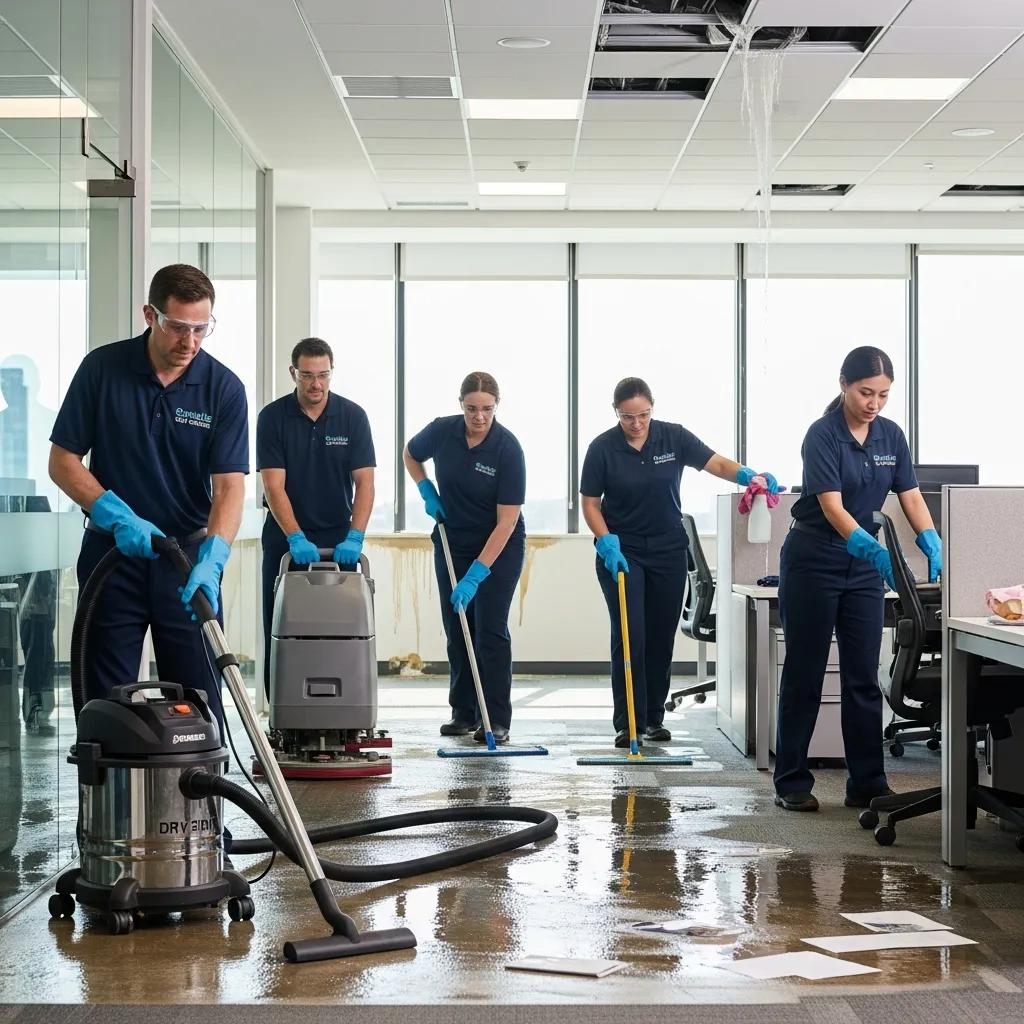
Water damage cleanup begins with rapid assessment, containment and water extraction to reduce saturation and prevent secondary issues like mould and structural weakening. Technicians deploy submersible pumps and industrial wet/dry vacuums to remove standing water, then use air movers and dehumidifiers to accelerate drying while monitoring moisture levels with meters. After structural drying, affected materials are evaluated for salvage or removal, and antimicrobial treatments are applied to inhibit mould growth and sanitise surfaces. This staged approach shortens restoration timeframes and reduces repair costs by addressing moisture at the source rather than treating visible symptoms only.
Clear, documented moisture monitoring guides the restoration timeline and transitions naturally into protocols for biohazard and infection-control cleanup that follow similar containment principles.
What Are the Procedures for Biohazard and Infection Control Cleanup in Offices?
Biohazard cleanup follows strict containment, PPE use and regulated waste handling to protect staff and clients from exposure to infectious materials. Teams set up barriers, don appropriate PPE, and apply infection-control-grade disinfectants with validated contact times to affected surfaces, then collect contaminated materials in sealed, labelled bags for safe disposal. Documentation of products used, contact times and waste removal is maintained for WHS records and to support any public-health follow-up. When incidents involve potential pathogens, professionals coordinate with workplace health advisors and follow standard protocols to ensure environments are safe before reoccupation.
These infection-control steps overlap with the operational readiness required for same-day and 24/7 services, which is described next along with how local teams are prepared across Brisbane and the Sunshine Coast.
How Does Divine Commercial Cleaning Deliver Same-Day and 24/7 Emergency Cleaning in Brisbane and Sunshine Coast?
Divine Commercial Cleaning delivers rapid-response emergency cleaning by maintaining on-call teams, strategically staged equipment and local knowledge that supports same-day mobilisation across Sunshine Coast and Brisbane. Operational readiness combines crew availability, portable extraction and drying equipment and eco-conscious product inventories so teams can respond to urgent commercial sanitization requests at any hour. To request assistance, businesses benefit from providing location details, incident type and access instructions to expedite triage and dispatch. The next subsection outlines a clear, step-by-step disaster recovery workflow so managers know what to expect from initial assessment through verification and handover.
Below is a concise process table that clarifies responsibilities and expected outcomes during typical commercial disaster recovery cleaning operations.
Our proven emergency process clarifies roles, equipment and timeframes so building managers can plan contact and insurance communications effectively.
| Process Step | Responsibility (team/equipment) | Expected Outcome/Timeframe |
|---|---|---|
| Initial assessment & triage | Lead technician with moisture meter and risk checklist | Hazard identified and scope set (30–60 minutes) |
| Containment & source control | Response crew with barriers and pumps | Hazard contained and immediate risks reduced (1–3 hours) |
| Extraction, drying & dehumidification | Industrial pumps, air movers, dehumidifiers | Moisture levels reduced to safe range (24–72 hours depending on severity) |
| Disinfection & verification | Trained cleaners using infection-control disinfectants | Safe reoccupation with documentation (after cleaning completes) |
What Is the Step-by-Step Process for Commercial Disaster Recovery Cleaning?
A clear, numbered recovery sequence ensures accountability and predictable outcomes during emergency cleaning, starting with assessment and ending with verification and follow-up.
- Assess and document: The lead technician evaluates hazards, photographs conditions and sets safety protocols.
- Contain and isolate: Crews cordon affected zones, stop leak sources if safe and protect unaffected assets.
- Remove and restore: Extraction, drying and targeted cleaning remove contaminants; damaged materials are either salvaged or routed for disposal.
- Verify and hand over: Moisture readings, disinfection records and a final walkthrough confirm safety and outline recommended next steps.
Each step assigns responsibilities to a team role and uses equipment matched to the damage type, which speeds restoration and provides the transparent records needed for business continuity planning.
This stepwise approach relies on technologies and environmentally sensitive products discussed in the following subsection.
Which Eco-Friendly and Advanced Technologies Are Used in Urgent Office Cleaning?
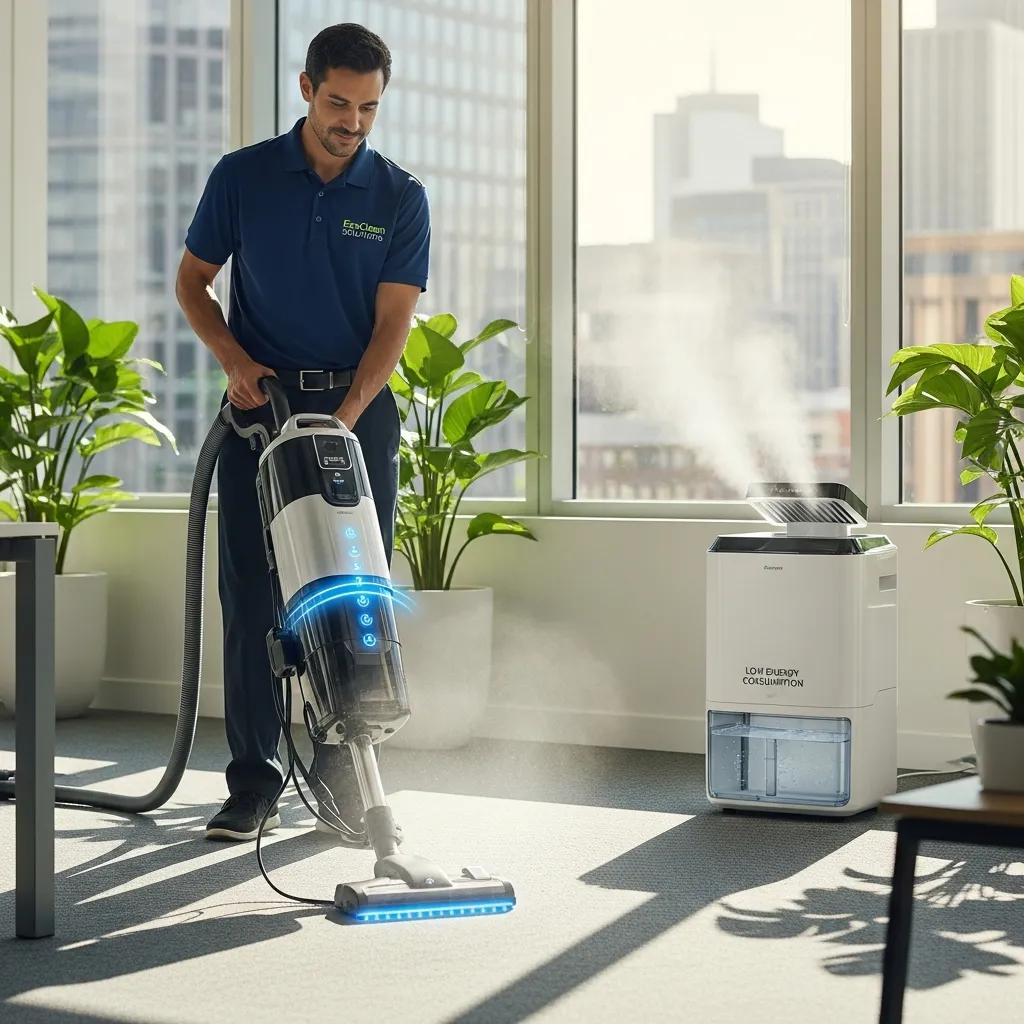
Urgent commercial cleaning increasingly uses energy-efficient dehumidifiers, high-efficiency particulate (HEPA) vacuums and low-impact disinfectants to balance effectiveness with environmental considerations. HEPA filtration captures fine particulates including soot and biological matter, while industrial air movers and variable-capacity dehumidifiers reduce drying time with lower energy consumption. When appropriate, targeted technologies like ozone-safe odor control and containment-compatible anti-microbial agents reduce chemical load without compromising sanitation. Selecting these tools and green-certified products aligns with client expectations for reliable outcomes and reduced environmental footprint, and it prepares businesses for safer, faster reoccupation after incidents.
Understanding how different spill types and fire damage are addressed helps facilities decide when to call for specialist cleaning versus broader restoration contractors, which is covered next.
What Types of Commercial Spills and Fire Damage Are Addressed by Emergency Cleaning Services?
Emergency cleaning handles a spectrum of spill and fire scenarios, from routine liquid spills to hazardous chemical releases and smoke or soot infiltration after fires. Each typology requires specific containment and remediation steps: absorbents and neutralisers for liquid spills, specialist hazmat referrals for regulated chemicals, and soot removal plus odour control for fire damage. Safe initial actions — evacuation, cordoning and isolating power sources — reduce risk before experts arrive.
The list below summarises common spill and fire types and basic immediate safety actions businesses should take, while the following subsections cover chemical spill management and staged fire restoration.
- Liquid spills (non-hazardous): Contain and absorb, ventilate, and contact cleaning services for thorough sanitization.
- Chemical hazards: Evacuate if needed, cordon area, and notify specialist hazmat services before cleanup.
- Minor fires / smoke events: Secure the scene after safety clearance, then arrange soot removal and odor control with trained technicians.
These categories indicate when to escalate to specialised contractors, which leads into a discussion of containment and neutralisation tactics for chemical hazards.
How Are Accidental Spills and Chemical Hazards Managed in Office Environments?
Managing accidental spills begins with immediate containment, cordoning and assessment to determine whether a spill is a controlled cleaning job or a reportable hazmat event. For non-regulated liquids, absorbents and appropriate neutralisers are applied, followed by surface cleaning and disposal of contaminated materials according to waste handling protocols. For unknown or hazardous chemicals, evacuation and specialist hazmat referral are necessary; trained crews coordinate with on-site safety officers to ensure safe removal. Throughout the response, documentation of the material, actions taken and disposal methods preserves compliance records and informs risk mitigation planning.
These containment practices transition into the staged approach necessary for fire and smoke restoration, where safety clearance and soot removal require specialist techniques.
What Are the Key Steps in Fire and Smoke Damage Restoration for Businesses?
Fire and smoke restoration follows staged remediation that begins with safety assessment and proceeds through soot removal, odor control and surface restoration to return a workspace to functional condition. After a structural and safety clearance, technicians tack dust and soot with dry sponges and HEPA vacuuming, then apply controlled cleaning agents for deeper residues while protecting sensitive equipment. Odor control techniques — including targeted ventilation and, where appropriate, low-impact neutralisers — address persistent smoke smells without introducing harsh chemicals. Businesses should expect phased access: immediate safe zones first, followed by progressive restoration of affected areas and documented verification for insurance and continuity planning.
These practical steps and safety considerations lead into why businesses might select a particular local provider, discussed in the next section.
Why Choose Divine Commercial Cleaning for Your Emergency Office Cleanup Needs?
Divine Commercial Cleaning is a family-owned commercial cleaning business serving the Sunshine Coast and Brisbane that positions itself as reliable, trustworthy and responsive for urgent commercial cleaning needs. The company emphasises customised cleaning plans without lock-in contracts, environmentally conscious practices, and a satisfaction guarantee that underpins client confidence. Divine’s local teams and staged equipment allow for fast mobilisation across the region, and the business goal of this page is to generate leads and provide an information hub for organisations needing same-day or 24/7 emergency cleaning. For immediate assistance or to request an emergency quote, businesses can contact Divine Commercial Cleaning directly at 0459 949 969 or via email at info@divinecleaning.com.au; their postal address is Birtinya, QLD, 4575 and local contact Dianne Webber coordinates enquiries.
What Makes Divine Commercial Cleaning Reliable and Trusted for Urgent Commercial Cleaning Services?
Reliability stems from local staffing, trained crews, and a clear service model: prompt mobilisation, documented procedures and a satisfaction guarantee that commits to quality outcomes. Divine Commercial Cleaning’s family-owned local presence in Maroochydore and service coverage across Sunshine Coast and Brisbane provide practical advantages in mobilisation and supplier networks during high-demand incidents. The company offers customised cleaning plans without lock-in contracts, allowing businesses to engage emergency services as needed while maintaining flexibility. These operational qualities, combined with transparent communication and documented verification after each job, create trust and make Divine a practical option when rapid, reliable emergency cleaning is required.
How Does Local Expertise Enhance Emergency Cleaning in Queensland Offices?
Local expertise improves emergency outcomes by reducing travel times, enabling faster equipment staging and leveraging established supplier relationships for parts and rentals during high-demand periods. Familiarity with region-specific risks — such as seasonal storms that increase flood likelihood — helps local teams anticipate common failure modes and prepare appropriate response kits. Local teams also understand typical building layouts and client needs across Sunshine Coast and Brisbane, allowing more efficient triage and prioritisation of critical areas for rapid reopening. This neighbourhood knowledge complements technical capability and supports smoother liaison with local businesses and insurers when recovery requires coordinated action.
What Are the Most Common Questions About Emergency Office Cleaning Services?
Companies commonly ask how quickly teams can respond, what to expect during a job, and what information to have ready when requesting a quote; answering these questions helps expedite service and set clear expectations. Response times depend on location and severity, but providing detailed incident information, photos and clear access instructions speeds triage and mobilisation. The following concise FAQ items address typical concerns and include practical tips on preparing for an emergency cleaning dispatch. After the FAQ, guidance on on-site procedures explains what happens during a visit from arrival to handover.
- What information should I have ready when calling?: Provide location, incident type, extent of visible damage and any access constraints.
- Will you coordinate with my insurer?: Many providers document work and share records to assist with claims and continuity planning.
- Can partial reopening be arranged??: Yes, staged reopening is possible after priority areas are made safe and verified.
These practical points lead into clearer guidance on expected response windows and ways to expedite arrival of emergency teams.
How Quickly Can Emergency Cleaning Teams Respond to Unexpected Office Incidents?
Response windows vary by distance, severity and current workload, but a local, on-call provider can typically triage and dispatch a crew for same-day service or 24/7 response in urgent cases. Factors that affect arrival include exact location (access within Sunshine Coast or Brisbane), severity of the incident (active flood vs. minor spill) and site access constraints such as locked facilities or restricted hours. To expedite response, provide photos, exact access instructions and contact details for on-site personnel; clear staging instructions let crews bring the right equipment and personnel immediately. Understanding these variables helps businesses set realistic expectations while prioritising containment and safety until teams arrive.
What Should Businesses Expect During an Emergency Office Cleaning Service?
During an emergency cleaning call, teams begin with an initial safety assessment and triage, then proceed to containment, targeted cleaning and verification before handover and follow-up recommendations. Expect crews to document the scene, apply containment measures (barriers, signage), and use appropriate extraction or disinfection equipment while respecting WHS protocols. Disruption is minimised by prioritising critical work areas first, and businesses receive verification records — moisture readings, cleaning logs and disposal notes — to support audits or claims. After handover, teams typically advise on prevention measures and schedule any required follow-up restoration work to complete full recovery.

Dianne, originally from Rockhampton, hails from a business-oriented family, with her father owning electrical stores and her uncle serving as Mayor. Moving to the Sunshine Coast at 13, she later pursued a rewarding real estate career and raised three children. As a single mom, she balanced university studies with domestic cleaning work. Armed with a Bachelor’s Degree in Business, majoring in Supply Chain Management, Dianne founded and grew Divine Commercial Cleaning into a thriving company. Her success is rooted in strong family mentorship, a positive attitude, and a solution-oriented approach, offering tailored cleaning services with integrity and strategic insight.