Post-Construction Cleaning for Commercial Renovations and Expansions: Comprehensive Solutions for Businesses in Sunshine Coast and Brisbane
Post-construction cleaning is the specialist service that turns renovation and expansion sites into safe, inspection-ready commercial spaces by removing debris, fine dust, and construction residues. This article explains how a structured builders clean—covering rough, light and final phases—protects occupant health, preserves finishes, and speeds project handover for businesses across the Sunshine Coast and Brisbane. Readers will learn the step-by-step cleaning process, the tasks and equipment used (including HEPA vacuuming and floor care), which project types need tailored approaches, and how to estimate costs and request a quote. For businesses seeking local post-construction expertise, Divine Commercial Cleaning offers customised builders clean services designed for commercial renovations and expansions, focusing on safety, environmental practices and consistent teams. The following sections map essential benefits, a phase-by-phase checklist, project-specific responses, the company’s differentiators, pricing influencers, and concise answers to common client questions about timing and equipment.
Why Is Specialized Post-Construction Cleaning Essential for Commercial Renovations and Expansions?
Specialised post-construction cleaning is the targeted service that removes construction residues and airborne particulates which general cleaning cannot address, enabling safe occupancy and regulatory handover. The process works by combining staged cleaning phases—rough, light, and final—using mechanical dust extraction, HEPA filtration, and surface-specific treatments to eliminate hazards and protect new finishes. The result is a workspace that meets inspection criteria, minimises rework, and presents professionally to customers and staff. Below is a concise list of core benefits and how each contributes to operational readiness and risk reduction.
The primary advantages of specialised post-construction cleaning include the following:
- Health and Safety: Reduces airborne dust, silica and contaminants to lower respiratory and allergic risks for occupants.
- Handover Readiness: Ensures sites meet inspection and compliance standards required for final approvals.
- Finish Protection: Removes abrasive dust and residues that can damage floors, glazing and and fixtures if left in place.
- Time Savings: Speeds client occupancy and revenue generation by reducing delays tied to rework or additional cleaning.
These benefits demonstrate why construction cleanup is a specialised discipline, and they lead directly into the specific health and regulatory hazards that cleaners must address on commercial sites.
What Are the Health and Safety Benefits of Post-Construction Cleaning?
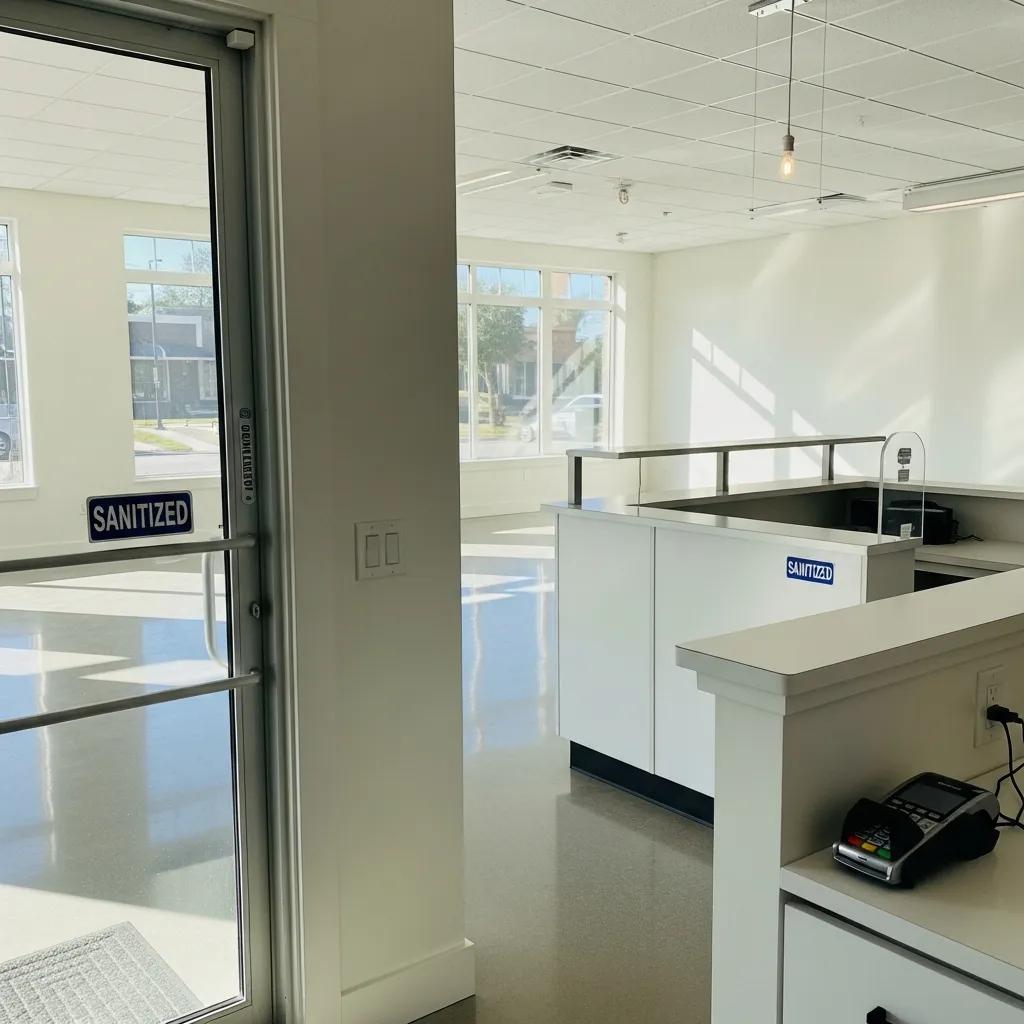
Post-construction cleaning significantly reduces exposure to fine particulates, volatile residues and potential allergens by removing settled dust and using HEPA-grade extraction to capture respirable particles. This mechanism lowers short-term respiratory irritation and long-term risks associated with silica and other construction-related airborne contaminants, which is especially important before staff or patients occupy a space. Effective cleaning also reduces slip hazards from dust on floors and removes chemical residues from new finishes that can off-gas or irritate occupants. Understanding these health and safety improvements clarifies why occupational health considerations often dictate the sequence and thoroughness of builders clean tasks.
Reducing these risks supports regulatory compliance and creates safer handover conditions for inspectors and clients. The next section explains how professional cleaning ties directly to smoother project handover and earlier occupancy.
How Does Professional Cleaning Enhance Project Handover and Business Readiness?
Professional post-construction cleaning accelerates project handover by delivering a consistent, inspection-focused checklist that targets finish protection, key fixtures and customer-facing areas. Cleaners prepare spaces for final inspections by ensuring floors, glazing, sanitary fixtures and HVAC outlets are free from dust, residues and debris that would otherwise cause punch-list items or require rework. This readiness translates into faster occupancy and reduced downtime for businesses, enabling earlier revenue generation and improved customer perception. By aligning cleaning deliverables with handover requirements, contractors and building owners minimise delays and provide a demonstrably safe environment for employees and visitors.
This handover focus naturally connects to the practical three-phase cleaning process most commercial projects use, which the next section outlines in detail.
What Is the Step-by-Step Post-Construction Cleaning Process for Commercial Sites?
The post-construction cleaning process for commercial sites is an ordered three-phase approach—Rough, Light and Final—that progressively removes debris, dust and residues to prepare spaces for occupancy and inspection. Each phase has defined tasks and typical outputs, and professional crews sequence these phases to protect new surfaces and meet client timelines. Below is an EAV-style comparison summarising the phases, followed by a clear ordered list that targets featured-snippet intent.
This table compares the three standard phases and their typical outputs:
| Phase | Key Tasks | Typical Outputs |
|---|---|---|
| Rough Clean | Large debris removal, coarse dust sweeping, waste segregation | Site cleared of bulky waste and major dust sources |
| Light Clean | Detailed surface cleaning, glass and fixtures, initial floor care | Visible surfaces dust-free and minor residues removed |
| Final Clean | Polishing, sanitisation, touch-up, client-ready inspection | Inspection-ready space with sanitized touchpoints |
This comparison highlights how each phase builds toward inspection readiness and protects finishes. The following ordered list summarises the steps in plain terms.
- Rough Clean: Remove large debris and perform coarse dust control to make the site safe for follow-up work.
- Light Clean: Clean fixtures, glazing and surfaces in detail to remove construction grime and prepare for final finishes.
- Final Clean: Polish floors, sanitise touchpoints and complete a client walkthrough for handover approval.
With the overall sequence established, the next subsections detail tasks and safety practices within each phase, starting with rough cleaning.
What Tasks Are Included in the Rough Clean Phase: Debris Removal and Initial Dusting?
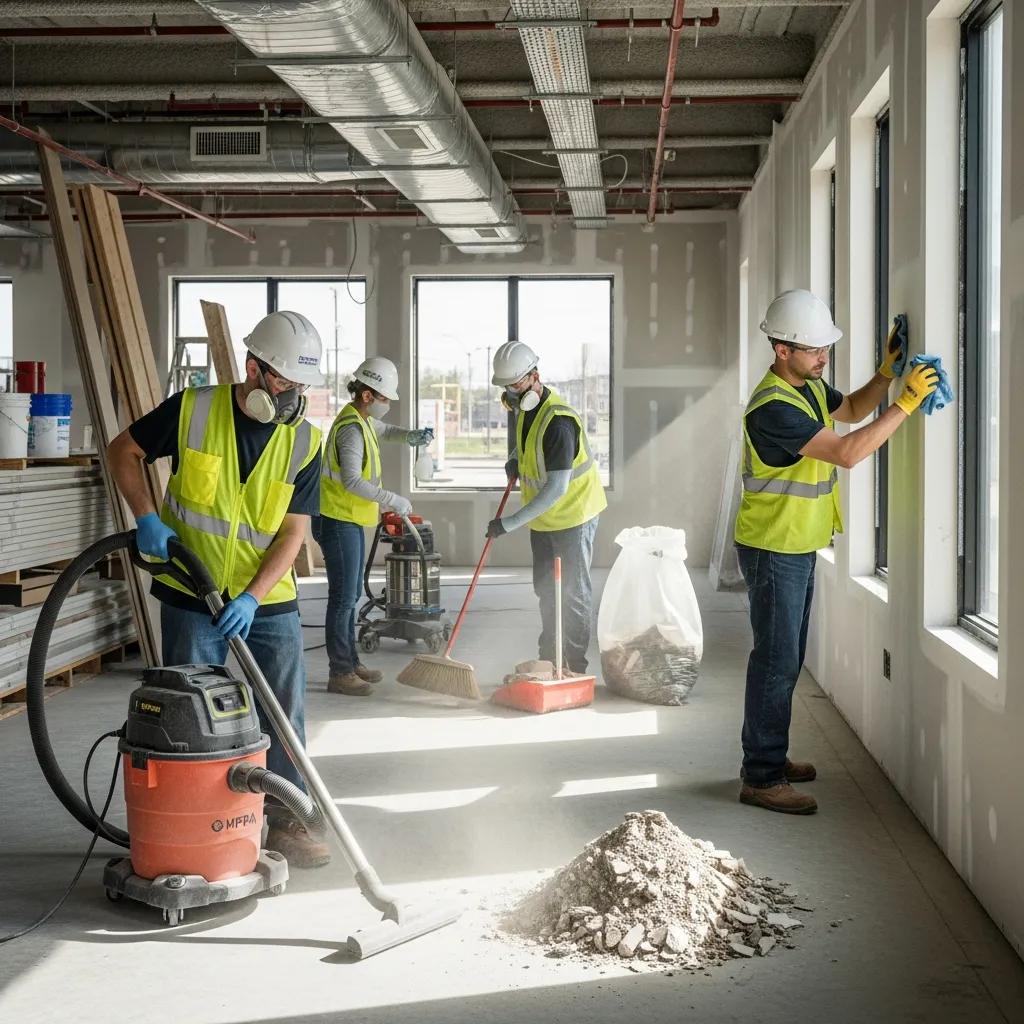
The rough clean phase focuses on removing bulk waste, construction detritus and the heaviest deposits of dust so that subsequent cleaning can be effective and safe. Typical tasks include clearing packaging and offcuts, segregating hazardous waste, removing large adhesive residues and performing coarse vacuuming to reduce airborne dust. Crews use PPE and dust-control tools at this stage to protect workers and avoid cross-contamination of finished areas. Proper rough cleaning reduces the time needed in later phases and prevents abrasive particles from scratching floors or embedding in seals, which leads into the more detailed light clean work.
Rough cleaning establishes a foundation for targeted surface cleaning and mechanical extraction during the light and final phases of a builders clean.
How Do Light Clean and Final Clean Phases Ensure a Spotless and Sanitized Space?
The light clean concentrates on detailed surface work—wiping down cabinetry, cleaning glazing, removing stickers and cleaning sanitary fixtures—using HEPA-filter vacuums and non-abrasive agents to avoid damaging new finishes. The final clean then completes polish and sanitisation tasks, applies protective treatments where specified, and follows a final inspection checklist to verify all client requirements are met. Equipment commonly used includes HEPA vacuums for fine dust, low-moisture floor machines for sealed surfaces, and microfiber systems for streak-free glazing. A documented client walkthrough during the final clean confirms handover readiness and finishes the process.
This layered approach ensures both visible cleanliness and underlying sanitisation, which is essential for safe commercial occupancy and successful inspections.
Which Commercial Renovation and Expansion Projects Require Tailored Post-Construction Cleaning Services?
Different commercial projects demand tailored post-construction cleaning responses because surface types, hygiene expectations and contamination levels vary widely between offices, retail outlets, medical facilities and industrial sites. Matching cleaning scope to project characteristics reduces risk, protects expensive finishes and ensures compliance where higher hygiene standards apply. The table below maps common project types to their typical challenges and the cleaning responses that address them, providing a quick reference for planners and facilities managers.
| Project Type | Typical Challenges | Typical Cleaning Responses |
|---|---|---|
| Office Renovation | Carpet fibres, workstations, IT equipment | Targeted vacuuming, safe dusting of electronics, carpet grooming |
| Retail Expansion | Customer-facing floors, displays, glazing | Superficial polishing, anti-slip floor care, streak-free window cleaning |
| Medical Facility Refurb | Infection-control, sterile surfaces | Medical-grade disinfectants, strict PPE, documented sanitisation |
| Industrial Development | Heavy debris, grease, specialised waste | Heavy-duty scrubbing, industrial waste handling, degreasing |
This mapping clarifies why project-specific planning matters and leads directly into a closer look at how offices and retail spaces are approached.
How Are Office Renovations and Retail Expansions Addressed in Cleaning Solutions?
Office and retail projects prioritise presentation and minimal disruption, aiming to achieve clean carpets, spotless glazing and workstations that are safe to use immediately after handover. Cleaners often schedule work in phases to accommodate tenant access and protect sensitive equipment with controlled extraction and static-safe methods. For retail, floor finish condition and merchandising-ready presentation are key deliverables, while office cleans emphasise workstation dust control and hygiene in shared areas. Scheduling and coordination with project managers reduce downtime, and pre-handover checks ensure customer-facing spaces meet operational expectations.
These priorities contrast with the stricter hygiene and waste-handling demands of medical and industrial projects, which require different protocols.
What Are the Unique Cleaning Needs for Medical Facilities and Industrial Developments?
Medical facility renovations require elevated infection-control measures, certified disinfectants and careful sequencing to prevent cross-contamination between clean and dirty zones. Cleaners apply sterile cleaning protocols for procedure rooms and use documented sanitisation records to support compliance and audits. Industrial developments present challenges such as heavy debris, metal filings and chemical residues that need specialised removal, waste segregation and appropriate PPE for crews. Both types often require bespoke equipment and training to manage site-specific hazards safely and to protect expensive or sensitive infrastructure.
Understanding these unique needs helps project teams specify the correct scope and equipment for effective post-construction cleaning.
How Does Divine Commercial Cleaning Differentiate Its Post-Construction Cleaning Services?
Divine Commercial Cleaning positions its builders clean offering around locally delivered, customised commercial cleaning solutions that emphasise safety, environmental responsibility and consistent teams for client trust. As a family-owned operation serving the Sunshine Coast and Brisbane region from Maroochydore, Divine focuses on tailored schedules, police-checked staff and insured operations to reduce client risk during handover. The company’s approach combines specialist equipment—such as HEPA extraction and floor-care machinery—with eco-conscious cleaning products and no lock-in contracts, creating flexible, accountable service for commercial renovation projects.
These differentiators are intended to streamline handover, protect finishes and provide clear pathways for businesses to request assessments or quotes.
What Are the Unique Value Propositions: Family-Owned, Eco-Friendly, and Experienced Teams?
Being family-owned lets Divine Commercial Cleaning offer personalised service and local responsiveness, often resulting in consistent crews assigned to repeat clients for continuity and trust. Eco-friendly practices reduce environmental impact and lower the use of harsh chemicals on new finishes, benefiting occupants and supporting sustainability goals in commercial fitouts. Experienced teams bring knowledge of builders clean sequencing and equipment use, ensuring HEPA vacuuming, floor care and glazing work are carried out with finish protection in mind. These features together reassure clients that their renovation cleanup is handled professionally and with attention to both safety and presentation.
These value propositions support the company’s safety and scheduling practices, which are described in the next subsection.
How Do Customized Solutions and Safety Protocols Benefit Commercial Clients?

Customised cleaning plans allow Divine to align crew size, shift timing and equipment selection with a project’s complexity, minimising disruption and matching client handover windows. Safety protocols—such as police-checked staff, documented insurance coverage, PPE use and HEPA-based dust control—reduce liability and mitigate occupational health risks for both workers and future occupants. Project-specific risk assessments also guide waste segregation and disposal methods for hazardous residues, protecting both site teams and surrounding environments.
These controls lead to fewer inspection issues and faster client acceptance during final walkthroughs.
Such client-focused safety and scheduling measures make requesting an accurate quote important; the next section explains key pricing factors and how businesses can obtain an estimate.
What Are the Costs and How Can Businesses Get a Quote for Post-Construction Cleaning?
Pricing for post-construction cleaning varies with project size, finish level, contamination and access constraints, and accurate quotes require project details and, ideally, a site inspection or photos. Rather than fixed prices, cleaners assess variables such as surface types, degree of dust, presence of hazardous materials and whether specialised equipment (HEPA vacuums, floor stripping machines) is necessary.
The table below summarises common cost influencers and how they typically affect estimates, followed by a short explanation of how to request a quote from a specialist provider.
| Cost Driver | Attribute | Typical Influence on Estimate |
|---|---|---|
| Project Size | Square metres and number of spaces | Larger areas increase labour and equipment time |
| Finish Level | High-gloss, specialty finishes | Requires gentler methods and longer polishing time |
| Contamination Level | Heavy dust or hazardous residues | May require HEPA extraction or specialised disposal |
| Access & Scheduling | Restricted access or staged handovers | Adds coordination time or off-hours work |
This table helps procurement teams understand why bespoke estimates are standard and leads to a practical list of factors to prepare when requesting a quote.
When preparing to request a quote, consider the following factors:
- Project scope and plans: Provide area sizes, floor finishes and number of rooms.
- Project timeline: Indicate expected handover dates and any staged access.
- Site constraints: Note restricted access, lifts, or sensitive equipment present.
- Contamination notes: Mention visible heavy dust, adhesives or hazardous residues.
These details shorten the quoting process and improve estimate accuracy. The next subsection explains step-by-step how businesses can request a free quote from a local provider.
What Factors Influence Post-Construction Cleaning Pricing for Commercial Renovations?
Several variables drive pricing: the total area to be cleaned, the degree of remaining dust and construction debris, surface types (carpet, timber, sealed concrete) and any special compliance needs like medical-grade sanitisation. Projects with intricate finishes or extensive glazing require more time and specialist consumables, and sites with limited access or staged handovers can add logistical labour costs. Heavy contamination may trigger the use of HEPA filtration systems and additional waste handling, both of which raise estimates. Each of these factors means that bespoke, site-informed quotes are the reliable way to predict costs and schedule resources.
Recognising these influencers helps businesses gather the right information before requesting an estimate, which the following subsection outlines.
How Can Businesses Request a Free Quote from Divine Commercial Cleaning?
To request a free quote, prepare clear project information—scope, approximate square metre coverage, finish types and a preferred handover date—and submit that information through Divine Commercial Cleaning’s website enquiry form or reference the company’s Google Business Profile for reviews and local presence. Include photos or plans where possible so the estimator can assess contamination levels and access limitations remotely before proposing a site visit. After initial submission, expect a follow-up to confirm details and arrange an on-site assessment if required; this sequence ensures quotes reflect real site conditions without inventing fixed prices up front.
Providing these project details speeds an accurate estimate and aligns cleaning resources with your handover schedule, which leads naturally into common client questions about scope and equipment.
What Are Common Questions About Post-Construction Cleaning for Commercial Renovations and Expansions?
Clients frequently ask what a builders clean includes, how long it takes and what equipment is used; concise answers help procurement and facilities teams make informed decisions. Below are direct Q&A-style entries designed for quick extraction and clarity about scope, timing and safety measures, followed by two H3 subsections that expand on typical inclusions and the equipment and safety protocols commonly deployed.
What Does Post-Construction Cleaning Include and How Long Does It Take?
Post-construction cleaning typically includes debris removal, comprehensive dust extraction (including HEPA-grade vacuuming), detailed surface cleaning of joinery and fixtures, window and glazing cleaning, floor care and final sanitisation of touchpoints. Duration depends on project size, finish complexity and contamination level; small fitouts can be completed quickly, while larger expansions require staged crews and more time. Because of this variability, providers give time estimates based on a site assessment or photos rather than fixed hours. Understanding these inclusions ensures stakeholders set realistic handover expectations and schedule final inspections appropriately.
These scope elements connect directly to the specialised equipment and safety measures used on commercial builders cleans.
What Equipment and Safety Measures Are Used During Commercial Builders Clean?
Commercial builders cleans commonly use HEPA-filter vacuums to capture fine particulates, low-moisture floor machines or scrubbers for sealed surfaces, microfiber systems for streak-free glazing, and targeted sanitising agents for touchpoints; additional equipment may include lift platforms for high glazing or specialist polishers for floor finishes. Safety measures include PPE for crews, staff vetting and police checks where requested, documented insurance coverage and adherence to occupational health and safety protocols to protect workers and future occupants. For projects with silica or other hazardous dusts, specialised extraction and containment procedures are applied to avoid cross-contamination.
These equipment and safety practices set the stage for final client acceptance and provide the basis for organising a prompt quote or site assessment. If you are ready to move forward, the next steps explain how to contact a local provider for an assessment and quote.

Dianne, originally from Rockhampton, hails from a business-oriented family, with her father owning electrical stores and her uncle serving as Mayor. Moving to the Sunshine Coast at 13, she later pursued a rewarding real estate career and raised three children. As a single mom, she balanced university studies with domestic cleaning work. Armed with a Bachelor’s Degree in Business, majoring in Supply Chain Management, Dianne founded and grew Divine Commercial Cleaning into a thriving company. Her success is rooted in strong family mentorship, a positive attitude, and a solution-oriented approach, offering tailored cleaning services with integrity and strategic insight.