How Chevallum Commercial Cleaning Keeps Clients Happy with Fast Feedback and Quick Fixes
Fast, reliable feedback and quick problem resolution mean we acknowledge concerns promptly, get to the root cause, and restore the agreed standard with a named owner and verifiable evidence. This guide shows how a clear feedback loop reduces downtime, protects workplace standards and preserves client trust through open communication and measurable follow-up. You’ll find practical guidance on how clients report issues, a straightforward six‑step response workflow, proactive quality controls that stop repeat problems, and simple communication patterns that keep everyone on the same page. We also reference Divine Commercial Cleaning — a local, family-owned example that uses written guarantees, police‑checked staff and a 90‑day Quality Review to support these practices. If you need a tailored commercial cleaning solution, request a quote and we’ll assess your site requirements. The sections below cover feedback channels, the six‑step response process, quality assurance, trust-building policies, communication strategies and the real benefits of swift complaint handling so facility managers can evaluate or adopt similar systems.
What Are the Key Channels for Customer Feedback in Chevallum Commercial Cleaning?
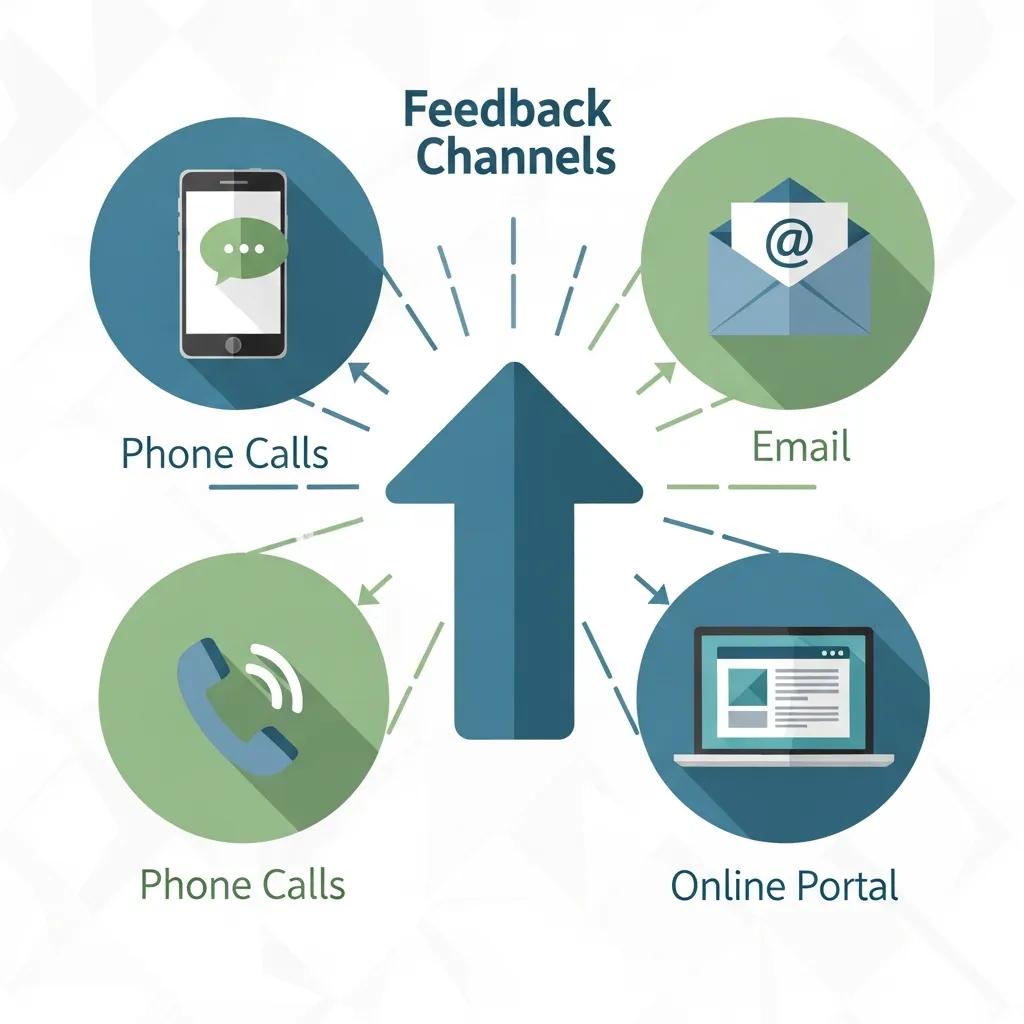
Feedback channels are how clients tell us about service issues and how corrective action starts. Each channel suits different urgencies and types of evidence. For safety or serious quality failures a phone call or on‑site alert is best; routine observations work well by email, a client portal or post‑service survey. Clear SLAs for each channel create predictable acknowledgement and escalation, and a ticketed workflow makes resolution auditable. Below are the common channels and short SLAs to help decide what to use.
- Phone: Acknowledge within 2 hours for urgent safety or major quality issues.
- Email: Acknowledge within one business day for non‑urgent feedback and documentation.
- Online portal/form: Auto‑ticketed on submission with owner assignment within 4 hours.
- Onsite supervisor/contact: Immediate notification and same‑day triage for site issues.
- Post‑service surveys: Trend detection and follow‑up within 72 hours for flagged items.
This quick comparison helps clients pick the right reporting method by severity and record‑keeping needs. The table below outlines practical attributes for each channel.
Choose a channel based on urgency, the evidence you can supply and the level of traceability you want; the table that follows makes that choice easier.
| Channel | Response SLA | Best use case | Tracking method |
|---|---|---|---|
| Phone | Acknowledge within 2 hours | Urgent safety issues or major missed cleans | Incident ticket + call log |
| Acknowledge within 24 hours | Detailed reports with attachments | Email thread + ticket | |
| Online portal/form | Auto‑acknowledge; owner within 4 hours | Structured reports with photos | Ticketing system with status |
| Onsite supervisor | Immediate on‑site triage | Real‑time problems needing same‑day fix | Supervisor report + photos |
| Post‑service survey | Review within 72 hours | Trend detection and quality scoring | Survey dashboard + escalation list |
That table clarifies which channel to use and sets expectations for response and tracking so both clients and providers reduce confusion.
How Can Clients Provide Feedback and Report Service Issues?
Using a short, standardised checklist speeds up investigation and resolution. Consistent details let us diagnose the cause faster. Start with the site name, date and time, a brief description, the area affected, on‑site contacts if you know them, and any photos or short videos. Tell us the outcome you want (for example, a re‑clean, schedule change or staff conduct follow up) so the assigned owner can propose the right remedy. If you don’t get a timely acknowledgement, follow the escalation instructions — re‑send the form, mark the subject “urgent” or contact the onsite supervisor — to move the ticket up the chain.
- Site name and the area within the site.
- Date/time of the problem and staff present.
- Clear description with attached photos or short video.
- Preferred corrective action and best contact details.
Following this checklist reduces back‑and‑forth and speeds the investigation. The next section explains how direct contact and surveys work together to catch problems early.
What Role Do Direct Contact and Post-Service Surveys Play?
Direct contact and post‑service surveys complement each other. Direct contact — onsite supervisor check‑ins or a phone call — fixes immediate, site‑specific problems quickly. Surveys flag trends across visits so we can make lasting changes. Typical practice is immediate supervisor contact for urgent items, post‑service surveys after each visit, and a fuller Quality Review every 90 days to validate trends and corrective actions. Survey data informs root‑cause work and training, while direct contact short‑circuits escalations and keeps operations running smoothly.
Direct outreach shortens resolution times for critical issues, and survey analysis prevents repeats by guiding training and SOP updates. Next we outline the practical six‑step response workflow that puts this into action.
How Does Chevallum Commercial Cleaning Implement Its 6-Step Issue Resolution Process?
A clear six‑step resolution process creates predictable outcomes by assigning ownership, setting timelines and verifying closure. The steps are acknowledgement, investigation, ownership & apologise, proposed solution, rectification, and follow‑up/quality verification. Each step has a named owner and a target timeframe so clients can track progress. With ticketing and photo evidence, providers quantify progress and confirm work meets the agreed standard. Divine Commercial Cleaning uses a similar model, including a 90‑day Quality Review and a money‑back option if remediation doesn’t restore service as promised.
This practical approach aligns with established root‑cause methods and keeps things transparent.
Six‑Step Process for Root Cause Analysis
Mikel Harry and engineer Bill Smith described a six‑step method that uses data to understand and correct recurring process issues.
Application of six sigma technique on vials washing process., K Daniel, 2024
- Acknowledge the report and create a ticket with an assigned owner.
- Investigate on‑site or from evidence; gather facts and photos.
- Accept ownership, apologise where needed, and propose a remedy.
- Schedule and carry out rectification with an assigned technician.
- Verify the fix with photos and client sign‑off.
- Run a Quality Review (90‑day cadence) and close the loop or escalate if needed.
To make these steps actionable, the table below shows the owner, timeline and expected outcome so facility managers can set realistic SLAs and monitor performance.
| Step | Action | Who / Timeline / Outcome |
|---|---|---|
| 1. Acknowledgment | Create ticket, capture initial details | Customer service / within 2 hours / ticket logged |
| 2. Investigation | Inspect and gather evidence | Site supervisor / 24 hours / diagnosis recorded |
| 3. Ownership & Apology | Assign owner and communicate apology | Account manager / 24 hours / client informed |
| 4. Proposed solution | Offer remedy and schedule work | Operations coordinator / 24–48 hours / plan set |
| 5. Rectification | Execute corrective cleaning | Assigned technician / same‑day to 48 hours / area restored |
| 6. Follow-up / Quality Review | Verify, record and schedule QA review | Quality manager / 90 days for review / closure or escalation |
This breakdown makes it clear who does what and when. The next subsection walks through the typical timeline from acknowledgement to follow‑up.
What Are the Steps from Acknowledgment to Follow-Up?
The timeline starts with a prompt acknowledgement to reassure the client and prevent escalation. After ticket creation, a supervised investigation collects objective evidence — photos, staff notes and checklists — to decide if the issue is a one‑off or a symptom of a wider gap. Ownership means a single contact who keeps the client updated, proposes remedies and schedules corrective work within agreed SLAs. After rectification, we verify results with client confirmation and keep the evidence in the ticket. A recurring Quality Review every 90 days checks that fixes have held and highlights any process improvements.
Fast, documented handovers between steps stop responsibility from being dropped and shorten the overall resolution time. The next subsection explains why prompt rectification matters for client relationships.
How Does Prompt Rectification Ensure Client Satisfaction?
Quick fixes calm complaints and restore normal operations, which boosts client retention and confidence. Addressing the immediate problem — a missed clean or scheduling mix‑up — and showing transparent ownership with verification rebuilds trust. Industry practice shows many complaints are defused if replied to within 24 hours, and documented follow‑up reduces the risk of contract termination. Fast rectification lowers reputational risk, avoids repeated rework costs and signals that quality standards are enforced.
Showing the chain — acknowledgement → remedy → verification — helps procurement teams favour suppliers with solid response systems. Next we cover proactive QA measures that reduce the need for reactive fixes.
What Proactive Quality Assurance Measures Support Service Excellence in Chevallum?
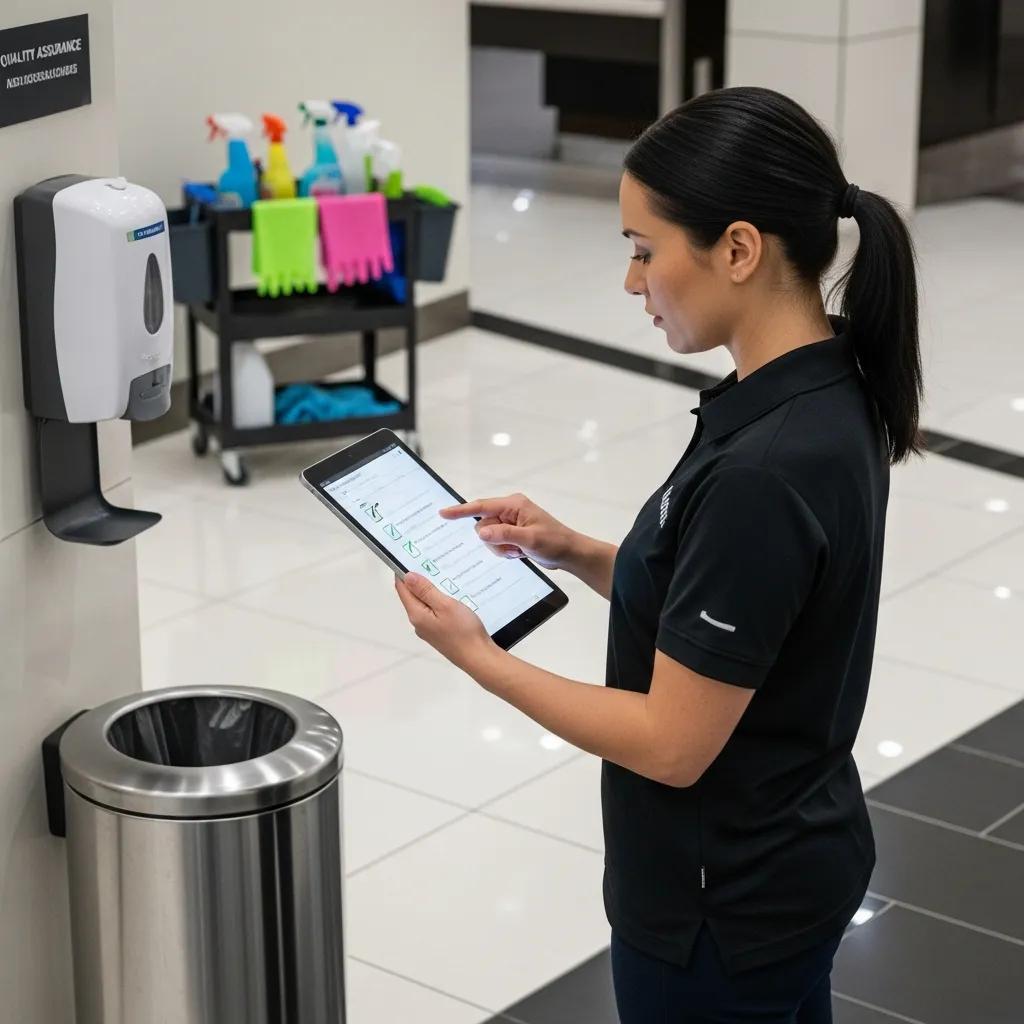
Proactive QA focuses on prevention through training, inspections and smart use of technology. These steps lower the number and severity of complaints. Structured onboarding and refresher training build consistent technique and client communication, while regular site inspections and digital checklists make sure the agreed scope is followed. Technology provides timestamped photo evidence and analytics that reveal trends before they become problems. Together these elements create a continuous improvement loop where inspection results feed training and SOP updates.
Industry guidance underscores the need for a solid quality system covering both control and assurance.
Essential Quality Control & Assurance for Services
A solid quality system is necessary for timely and accurate reporting. This discussion outlines the key components of quality control and quality assurance.
Quality control and quality assurance, 2021
- Structured onboarding and regular competency checks for staff.
- Routine site inspections and corrective action plans for findings.
- Digital task tracking and photo capture (timestamps) for transparency.
- Regular Quality Reviews (for example, every 90 days) to confirm long‑term performance.
The table below compares these QA measures by frequency and likely impact to help managers prioritise where to focus.
| QA Measure | Frequency | Impact / Evidence |
|---|---|---|
| Staff training & certification | Onboarding + quarterly refreshers | Reduces errors; measurable competency checks |
| Site inspections | Weekly to monthly | Finds gaps early; corrective plans logged |
| Digital checklists & photo capture | Per service | Provides auditable proof; builds client trust |
| Quality Review cadence | Every 90 days | Validates sustained compliance; drives SOP updates |
Each QA element helps reduce complaints and keep service consistent. The next subsection looks at the training and checks that underpin these measures.
How Are Staff Training and Certification Conducted?
Good training pairs initial onboarding with ongoing coaching, competency checks and background verification so staff meet client expectations. Onboarding covers safety, cleaning processes for different facility types (office, medical, retail) and client communication standards; practical shadowing and sign‑offs confirm competence. Refresher sessions, spot audits and performance reviews keep standards current and detect drift from SOPs. Background checks like police vetting — common with Australian commercial cleaners — add an extra level of trust for sensitive sites.
Verifying skills through audits and evidence supports both prevention and faster corrective action. The following subsection describes the tech and inspections that make verification straightforward and efficient.
What Technologies and Inspections Enhance Service Quality?
Digital tools — task‑tracking apps, photo evidence capture, scheduling platforms and ticketing systems — turn subjective complaints into objective records and speed up auditable resolution. Standardised inspections use checklists and photos to score performance and trigger corrective workflows when thresholds aren’t met. Analytics on inspection and survey data reveal persistent failure modes and guide targeted retraining or process changes. This technology‑to‑inspection feedback loop gives clients transparency and creates internal accountability, reducing disputes about service quality.
When inspection data links directly to training and SOP updates, providers tackle root causes rather than repeatedly treating symptoms. Next we outline how these controls build longer‑term client trust.
How Does Chevallum Commercial Cleaning Build Long-Term Trust with Clients?
Trust grows from consistent delivery, clear policies and verifiable guarantees that reduce risk when awarding or renewing contracts. Public guarantees — for example a money‑back promise — no lock‑in contracts, and consistent staffing like a same‑cleaner policy make service commitments tangible and reduce admin hassle. Local accountability, a family‑owned approach and police‑checked staff further increase confidence for sensitive sites such as medical centres and schools. Testimonials and case examples provide social proof that fast resolution practices work in real situations.
- Money‑back guarantee for unresolved issues within a defined scope.
- No lock‑in contracts so clients can change providers without penalty.
- Same‑cleaner assignments and police‑checked staff to maintain continuity and safety.
These policies lower switching barriers and align provider incentives with client satisfaction. The next subsection explains the guarantees and operational commitments that back those promises.
What Guarantees and Policies Reinforce Client Confidence?
Guarantees only carry weight when backed by operational commitments like defined SLAs, documented Quality Reviews and insurance cover. A money‑back guarantee gives clients clear expectations if a remediation doesn’t meet the agreed standard. No lock‑in contracts let clients move providers without punitive terms. Same‑cleaner assignments and police‑checked staff address continuity and safety concerns, and insurance reduces financial risk from accidental loss or damage.
Publishing these policies and linking them to the six‑step workflow makes promises verifiable. The following subsection shows how testimonials and local knowledge strengthen those reassurances.
How Do Testimonials and Local Expertise Strengthen Relationships?
Testimonials and local case studies turn policies into relatable stories: the problem, the action taken and the verified result. Short, anonymised snippets that show prompt action and successful outcomes help future clients trust the process. Local knowledge — practical familiarity with Sunshine Coast and Brisbane logistics — enables faster on‑site responses and more realistic scheduling, shortening remediation times.
Together, testimonials and regional expertise build a narrative of competence and reliability that supports renewals and referrals. Next we look at communication strategies that keep this transparency working day‑to‑day.
How Does Chevallum Commercial Cleaning Use Communication to Enhance Customer Support?
Clear, proactive communication keeps clients informed at every stage of an issue and reduces uncertainty that can turn a complaint into a dispute. Standardised acknowledgement templates, named owner contact details and regular status updates make it obvious who is responsible and when action will happen. Proactive outreach — routine check‑ins, scheduled QA reviews and survey follow‑ups — prevents many problems by catching them early. Clear escalation paths supported by ticketed messages and evidence help both sides resolve disagreements based on facts, not memory.
- Immediate acknowledgement with ticket number and owner contact.
- Owner‑led updates during investigation and when scheduling rectification.
- Closing follow‑up to confirm client satisfaction and capture sign‑off.
- Scheduled periodic reviews and proactive site visits to prevent recurrence.
These habits create a reliable rhythm and set expectations around communication. The next subsection gives sample messages and recommended cadences for operational use.
What Are the Strategies for Transparent and Proactive Client Communication?
Using concrete message templates removes ambiguity and keeps responses consistent. An immediate acknowledgement should include the ticket number, a brief summary of next steps and an estimated investigation time. Owner updates should summarise findings, the proposed remedy and when the rectification is scheduled. Closing messages ask for confirmation and note any upcoming Quality Review dates. Recommended timings: acknowledgement within 2 hours, a substantive update within 24 hours, rectification scheduled within 48 hours and a 90‑day verification review. Assigning a named contact to each ticket reduces handoffs and improves closure rates.
Templates and timing standards embed expectations into daily routines so clients always know the current status. The next subsection explains how we turn feedback into continuous improvement.
How Is Feedback Integrated into Continuous Service Improvement?
Feedback follows a simple loop: capture → analyse → act → verify. Survey responses and complaint tickets feed trend dashboards that reveal recurring issues. Those insights drive targeted training, SOP changes or scope adjustments. Corrective actions are implemented through retraining, updated checklists or process changes, and later inspections verify their effectiveness. Regular review cycles — monthly trend meetings and 90‑day Quality Reviews — close the loop by confirming improvements or escalating persistent patterns for deeper intervention.
This structured pathway turns client input into measurable improvements, reduces future complaints and supports long‑term service stability. The final section summarises the tangible benefits of prompt complaint handling.
What Are the Benefits of Responsive Complaint Resolution for Commercial Cleaning Clients in Chevallum?
Responsive complaint handling delivers clear business and operational benefits: it protects facility uptime, preserves reputation and lowers long‑term costs from repeat failures. Fast acknowledgement and remediation reduce disruption to daily operations and cut the risk of safety incidents or regulatory non‑compliance in sensitive environments. A reliable resolution process also improves retention and generates positive reviews and referrals. From a cost viewpoint, quick fixes avoid expensive rework and stop escalation that can lead to contract terminations.
- Higher client retention and satisfaction through visible accountability.
- Less operational downtime and lower safety risk from rapid resolution.
- Reduced lifecycle costs thanks to fewer repeat failures and lower escalation overhead.
These benefits make investing in a structured resolution system cost‑effective. The next subsection explains how rapid response affects retention and satisfaction and which metrics to watch.
How Does Rapid Response Impact Client Retention and Satisfaction?
Rapid response turns potential churn into an opportunity to show value and care. Clients who see fast, documented remediation are more likely to renew and refer. Operationally, many complaints calm down if acknowledged within 24 hours, preventing escalation to contract disputes. Documented fixes and follow‑up Quality Reviews give procurement teams the evidence they need to keep a supplier. Over time, fewer complaints and shorter mean time to resolution raise customer lifetime value and reduce churn.
Track metrics such as acknowledgement time, rectification time and repeat‑issue rate to quantify the business case for strong response protocols. The next subsection lists common issues and the immediate steps we take to handle them.
What Are Common Service Issues and How Are They Effectively Handled?
Common issues fall into quality, scheduling, communication and staff conduct. Each category has a clear immediate response to contain impact and restore standards. Quality problems (missed or poor areas) trigger a re‑clean at the next visit or the same day where possible; scheduling errors are rescheduled immediately with root‑cause follow up; communication gaps get an assigned owner and improved templated updates; staff conduct concerns start an investigation, retraining or reassignment, with documentation and police‑checked verification where required.
| Problem Category | Immediate Action | Responsible Party |
|---|---|---|
| Quality (missed/poor area) | Schedule re‑clean; provide photo evidence | Operations supervisor |
| Scheduling error | Reschedule and confirm new timetable | Scheduling coordinator |
| Communication lapse | Assign owner; send status updates | Account manager |
| Staff conduct concern | Investigate; reassign staff; document | HR/Operations lead |
These mappings shorten decision time and make responsibilities clear. If you’d like help evaluating or implementing these systems, Divine Commercial Cleaning offers tailored proposals and on‑site assessments to align service levels with your facility’s needs. Request a quote or call to discuss your site requirements and see how these practices work locally.
Frequently Asked Questions
What should clients do if they do not receive a timely response to their feedback?
If you don’t get a timely response, follow the escalation steps provided when you reported the issue. That may mean re‑sending the form, marking the subject “urgent” or contacting the onsite supervisor directly. Re‑confirm the key details so the ticket is prioritised and handled promptly.
How does Chevallum Commercial Cleaning ensure the quality of its staff?
We ensure staff quality through structured onboarding, ongoing refresher training and competency assessments. Onboarding covers safety, cleaning procedures for different facility types and client communication standards, with practical sign‑offs. Regular performance reviews and background checks, including police vetting where required, help maintain high standards and give clients confidence, especially in sensitive environments.
What role do technology and inspections play in maintaining service quality?
Technology and inspections provide objective records of work. Task‑tracking apps, photo evidence capture and scheduling platforms document performance, while standardised checklists and inspections ensure services meet agreed criteria. Analytics from these tools identify trends and guide retraining or process changes, delivering continuous improvement.
How can clients measure the effectiveness of the complaint resolution process?
Measure effectiveness with KPIs such as acknowledgement time, rectification time and repeat‑issue rate. Post‑service surveys also offer direct feedback on satisfaction and areas for improvement. Analysing these metrics shows how well the service responds and resolves issues and supports decisions about ongoing engagement.
What are the benefits of having a structured feedback loop in commercial cleaning?
A structured feedback loop reduces downtime, improves service quality and builds client trust. By capturing and addressing concerns systematically, providers can fix issues quickly and prevent escalation. This approach fosters accountability and continuous improvement, leading to higher client satisfaction and retention.
How does Chevallum Commercial Cleaning handle recurring service issues?
We handle recurring issues with root‑cause analysis and targeted corrective action. When patterns appear, we investigate the cause and may retrain staff, revise SOPs or introduce new QA measures to prevent repeats. The goal is consistent, reliable service that meets client expectations.
Putting a clear feedback loop and rapid issue resolution in place improves client satisfaction and operational efficiency in commercial cleaning. By prioritising transparent communication and proactive quality assurance, Chevallum Commercial Cleaning builds trust and delivers consistent service. Facility managers can use these ideas to tighten their own processes and keep standards high. For tailored solutions that fit your site, request a quote from Divine Commercial Cleaning today.

Dianne, originally from Rockhampton, hails from a business-oriented family, with her father owning electrical stores and her uncle serving as Mayor. Moving to the Sunshine Coast at 13, she later pursued a rewarding real estate career and raised three children. As a single mom, she balanced university studies with domestic cleaning work. Armed with a Bachelor’s Degree in Business, majoring in Supply Chain Management, Dianne founded and grew Divine Commercial Cleaning into a thriving company. Her success is rooted in strong family mentorship, a positive attitude, and a solution-oriented approach, offering tailored cleaning services with integrity and strategic insight.