Safe, Eco-Friendly Commercial Cleaning at Moffat Beach: Practical Green Solutions for Local Businesses
Eco-friendly commercial cleaning means professional facility care that puts low-toxicity, biodegradable products and proven procedures first — protecting people and the environment while keeping high hygiene standards. This guide explains how careful product selection, clear Safety Data Sheets (SDS), and consistent application methods combine to deliver reliable results for businesses in Moffat Beach and nearby Sunshine Coast and Brisbane locations. Many organisations must balance clean, healthy workplaces with lower chemical risk for staff and visitors. Choosing verified green products and control measures answers both needs while supporting regulatory and reputational goals. You’ll find which product groups work well and safely, the safety checks and staff training that back proper handling, measurable workplace and environmental benefits, and how cleaning plans are tailored to different facility types. The guide also explains how to request a customised eco-friendly cleaning quote and includes anonymised examples showing how sustainable choices deliver measurable safety and satisfaction.
What Eco Friendly Commercial Cleaning Products Does Divine Commercial Cleaning Use?
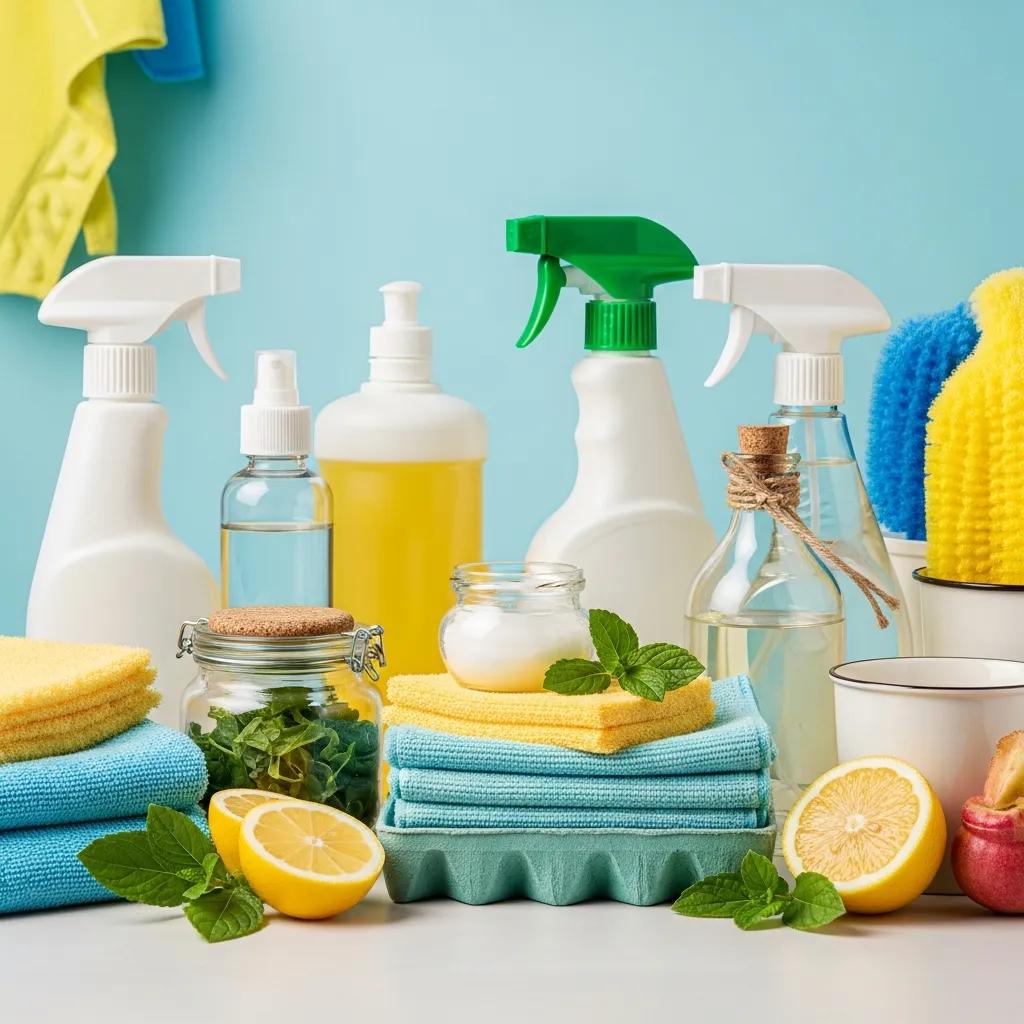
We choose product categories that reduce toxicity and environmental persistence without giving up disinfecting or cleaning effectiveness. Typical features are low-VOC formulations, plant-based surfactants and enzyme action. These products rely on the right active ingredients, correct dilution and appropriate contact times to remove soils and lower microbial load while avoiding harmful residues — creating safer indoor air for occupants and cleaner wastewater for the local environment. Product selection balances performance, SDS transparency and recognised certifications so businesses can be confident surface hygiene goals are met with minimal chemical exposure. Below is a concise summary of the core product categories we commonly use and why they suit business settings.
These categories are practical for offices, retail, hospitality and light-medical spaces because they pair cleaning power with safety features that reduce occupational and environmental risk.
- Low-VOC neutral cleaners for everyday surfaces — they cut airborne irritants while removing dirt and fingerprints effectively.
- Plant-based disinfectants using alternatives to harsh quats or relying on citric formulations — biodegradable options for surface sanitation.
- Enzyme-based degreasers for kitchens and extraction work — they break down organic soils without corrosive chemicals.
- Biodegradable detergents for floors and hard surfaces — formulated to lower aquatic toxicity after disposal.
This category list helps decision-makers choose safer options without compromising results. The table below compares typical product types by tangible safety features and operational impact for facility managers.
Comparing product categories by safety attributes makes it easier to match purchases to business priorities.
| Product Category | Safety Feature / Certification | Benefit / Operational Impact |
|---|---|---|
| Low-VOC Cleaners | Reduced volatile organic compounds; lower inhalation risk | Improves indoor air quality and occupant comfort during and after cleaning |
| Plant-based Disinfectants | Biodegradable actives; transparent SDS | Sanitises surfaces with less environmental persistence |
| Enzyme-based Degreasers | Non‑corrosive, targeted organic breakdown | Protects equipment and reduces the need for harsh solvents |
| Biodegradable Detergents | Lower aquatic toxicity; faster degradation | Reduces long-term chemical load in wastewater |
This comparison shows how safety attributes translate into operational benefits, helping facility managers prioritise products that balance performance and risk reduction.
Which Safe Cleaning Chemicals for Offices Are Included in Our Green Product Range?
Safe office cleaning focuses on low-odour, non-corrosive formulas that protect electronics, soft furnishings and indoor air while removing everyday soils and microbes. Examples include neutral pH surface cleaners for desks and screens, low-foaming floor detergents for vinyl and timber, and alcohol-free disinfectant alternatives where frequent use or occupant sensitivity is a priority. Safety is always backed by accessible Safety Data Sheets (SDS) that list ingredients, exposure controls and first-aid steps — keeping facility managers informed and ready to respond if needed. In sensitive spaces like open-plan offices or shared equipment zones, we use dilution-control systems and microfiber application to reduce product volumes and contact time while keeping results consistent. These practices limit residues and odours that can cause irritation, supporting a healthier workplace for staff and visitors.
How Do Eco Friendly Products Ensure Environmental Safety in Commercial Cleaning?
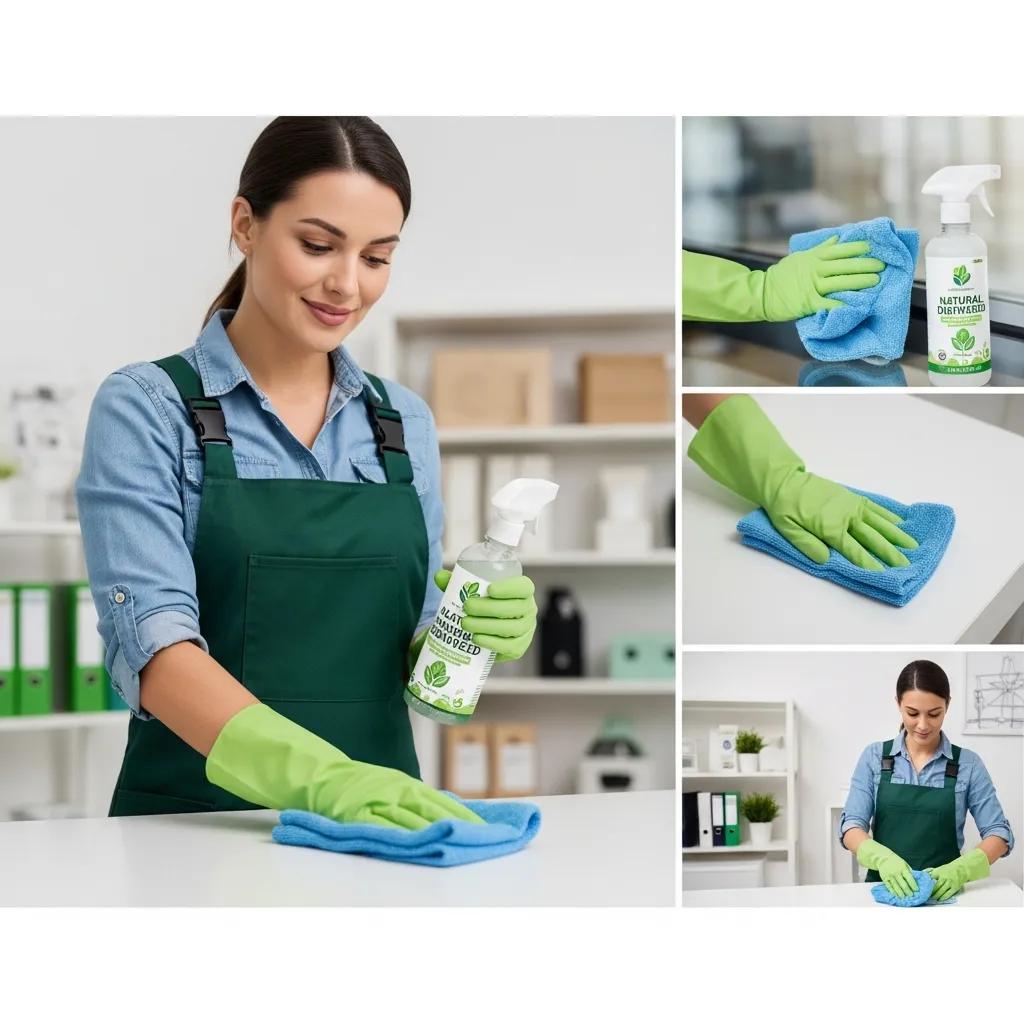
Eco-friendly products support environmental safety by using ingredients that biodegrade more quickly, reducing persistence in stormwater and wastewater systems. Lower-VOC formulas also cut contributions to indoor and outdoor air pollution, which matters for coastal communities like Moffat Beach and the wider Sunshine Coast. Many green products avoid corrosive or chlorinated chemistries, simplifying disposal and lowering the risk of soil or water contamination. Recent industry guidance (2023–2025) emphasises ingredient transparency and life-cycle thinking — encouraging buyers to choose products with proven degradability and lower aquatic toxicity. Thinking about environmental fate complements occupational safety: when ingredients are less persistent and less toxic, both people and ecosystems benefit.
What Commercial Cleaning Safety Standards Does Divine Commercial Cleaning Follow at Moffat Beach?
Our safety standards combine clear procedures, trained staff and verification steps so eco-friendly products are used safely and effectively across client sites. Core elements include SDS review, strict dilution control, appropriate PPE and documented application methods that reflect product claims and site risk. We verify compliance with checklists, periodic audits and ongoing client communication to confirm both cleaning outcomes and safe handling/disposal. The protocols below summarise the common compliance and operational measures we apply to maintain chemical safety in commercial cleaning services.
These protocols set consistent expectations for on-site teams and give facility managers transparent checkpoints to confirm safe product use.
- SDS Review and Recordkeeping: Keep an SDS for every product on file and accessible to staff and clients.
- Dilution-Control Systems: Use measured dispensing to avoid over-concentration and reduce unnecessary exposure.
- Personal Protective Equipment (PPE) Standards: Supply suitable gloves, masks and eye protection based on product risk.
- Application and Contact-Time Procedures: Follow manufacturer contact times and application methods to ensure efficacy and safety.
These steps create a predictable, verifiable framework for safe operations and lower the chance of accidental exposures or environmental releases. The table below shows who is responsible for each protocol and how outcomes are verified so there’s a clear accountability trail.
| Protocol or Standard | Responsible Party / Method | Verification / Outcome |
|---|---|---|
| SDS Management | Operations manager maintains SDS library and staff access | Quarterly review logs and on-site availability |
| Dilution Control | Training on dispensers; calibrated systems | Audit records show correct concentrations |
| PPE Usage | Supervisors supply and enforce appropriate PPE | Random checks and incident logs track compliance |
| Application Methods | Standard Operating Procedures (SOPs) guide application | Checklists and client sign-off confirm procedures followed |
This protocol table makes clear how safety measures are assigned and validated, so both staff and clients can rely on documented controls during service delivery.
How Are Cleaning Staff Trained in Safe Handling of Eco Friendly Chemicals?
Our training blends classroom sessions, hands-on practice and competency checks that focus on reading SDSs, dilution control, choosing the right PPE and emergency response. Modules cover ingredient roles and hazards, correct mixing and dispensing, surface compatibility and safe storage to avoid incompatible mixes or spills. Competency is proven through observed demonstrations, checklists and scheduled refreshers so teams stay confident with new products or regulatory updates. This layered training reduces errors in product use and supports consistent, safe cleaning results across different business environments.
What Protocols Ensure Client and Environmental Safety During Cleaning Services?
Operational protocols protect clients and the environment by structuring work before, during and after cleaning: pre-service risk assessment, careful product selection, controlled application and responsible waste handling with ventilation checks. Pre-service assessments identify sensitive areas, occupant schedules and surfaces needing special care, guiding product choice and timing to reduce exposure. During service we use techniques such as microfiber systems, low-spray application and strict contact times to minimise residues and airborne dispersal. After service we segregate waste, dispose of used materials correctly, verify ventilation and provide client reports to confirm cleanliness and absence of adverse effects. These steps form a closed-loop process that protects people, preserves environmental quality and documents outcomes for client assurance.
What Are the Benefits of Using Environmentally Safe Cleaning Services for Businesses?
Eco-friendly cleaning delivers measurable gains across health, operations, reputation and environmental performance — all important to modern workplaces. Better indoor air and lower chemical exposure reduce irritation complaints and can mean fewer sick days. Sustainable practices strengthen brand reputation with customers and partners. Operationally, safer products lower hazards around storage and disposal and reduce spill risk and related liability. Environmentally, cutting VOC emissions and using biodegradable chemistries reduces impact on local waterways and coastal ecosystems. The table below links these benefit areas to measurable impacts and examples facility managers can use when assessing value.
| Benefit Category | Measured Impact | Example / Metric |
|---|---|---|
| Workplace Health | Fewer respiratory complaints | Reduced reports of irritation and fewer short-term sick days |
| Operational Risk | Lower hazardous waste handling | Less need for corrosive waste disposal procedures |
| Brand & Perception | Stronger customer and stakeholder trust | Positive sustainability messaging in communications |
| Environmental Impact | Reduced VOCs and aquatic toxicity | Lower hazardous chemical load in wastewater |
These metrics help translate sustainability choices into business outcomes that support procurement decisions and stakeholder reporting.
How Do Green Cleaning Methods Improve Workplace Health and Hygiene?
Green cleaning improves workplace health by cutting airborne irritants and residue build-up while keeping thorough surface hygiene to lower microbial spread.
Low-VOC cleaners combined with proper ventilation reduce concentrations of irritant compounds that can cause headaches and breathing symptoms, improving daily comfort and productivity.
Microfiber systems and targeted disinfection reduce chemical use by increasing removal efficiency, meaning fewer high-strength applications and lower cumulative exposure.
Together these methods reduce irritation complaints and help maintain a hygienic environment that supports staff attendance and visitor confidence. The next section explains how these improvements also deliver environmental benefits.
What Environmental Impact Reductions Result from Eco Friendly Commercial Cleaning?
Switching to eco-friendly cleaning cuts emissions to air and water by lowering VOC release and using ingredients that break down more readily.
These choices reduce long-term persistence of cleaning agents in aquatic systems and lessen the need for complex hazardous waste handling.
Using fewer chlorinated or strongly alkaline chemistries also reduces the formation of hazardous byproducts during wastewater treatment.
Paired with responsible disposal and lower product volumes via dilution control, the overall environmental footprint of cleaning operations falls — a clear benefit for coastal catchments near Moffat Beach and the wider Sunshine Coast.
Understanding these reductions helps businesses justify green procurement through environmental stewardship and risk mitigation.
How Does Divine Commercial Cleaning Customise Eco Friendly Cleaning Services for Moffat Beach Clients?
We tailor eco-friendly cleaning plans by assessing site-specific factors — foot traffic, surface types and any sensitive zones — then choosing product groups and service frequencies that meet hygiene goals while reducing exposure.
Customization balances business needs, regulatory requirements and client preferences to produce schedules and product lists that fit operational realities like opening hours and equipment sensitivities. We communicate openly about chosen products and timing so clients understand safety trade-offs and the reasons behind our approach, which builds trust and streamlines coordination.
- Business type and footfall determine cleaning frequency and product strength to keep hygiene without overusing chemicals.
- Surface materials guide compatible cleaners and techniques to prevent damage while achieving sanitation goals.
- Operational hours and client schedules shape service timing to minimise occupant exposure and keep business running smoothly.
By addressing these factors, cleaning plans protect safety while delivering the hygiene outcomes each facility needs.
What Factors Influence Tailored Cleaning Plans Using Green Products?
Key influences include the business type (office, retail, hospitality, healthcare-adjacent), surface materials, peak occupancy times and any regulatory or client-specific sanitation needs. For example, a café with food-prep areas needs enzyme degreasers and more frequent sanitation of food-contact surfaces, while an office will prioritise low-odour, low-VOC solutions to support occupant comfort. Scheduling choices — after-hours deep cleans or midday quick touch-ups — align with peak use and minimise disruption. Product selection also considers on-site storage and disposal limits to reduce transport of hazardous materials and match local wastewater constraints. This focused approach creates efficient, safe cleaning plans tailored to each client’s operations.
How Does Transparent Communication Build Trust in Our Eco Friendly Services?
Transparency means sharing product categories, SDS access, application timing and post-service reports so clients know exactly what was used and why. Pre-service notes and post-service checklists help clients prepare spaces and review completed work, while prompt SDS access shows our commitment to safety and compliance. Regular reporting and feedback loops — scheduled check-ins and documented audits — create a performance record and allow quick adjustments. Clear communication turns vendor relationships into collaborative partnerships centred on safety and sustainability.
What Case Studies and Client Testimonials Demonstrate Effective Use of Eco Friendly Products?

Short, anonymised case snapshots show how the right product choices and disciplined protocols deliver both safety and performance across different client types. Each example outlines the issue, the green solution applied and the safety or operational outcome verified by inspection or client feedback. These success snapshots help other businesses judge whether similar approaches suit their needs and set realistic expectations about results. Below are two anonymised examples focused on safety outcomes and the verification used, followed by a summary of common themes and an invitation to request a tailored proposal.
- A retail store with delicate fabrics swapped solvent-based cleaners for low-VOC neutral cleaners and enzyme spot treatments, leading to fewer fabric complaints and consistent surface cleanliness confirmed by staff inspections.
- A small coastal office moved to plant-based disinfectants with strict dilution control, which reduced odour complaints and recorded no chemical-exposure incidents across quarterly audits.
These examples show how intentional product choices and strict procedures deliver both safety and satisfaction; the next section summarises how reviews reflect these outcomes.
Which Success Stories Highlight Safety and Efficacy of Our Green Cleaning?
One anonymised client reported fewer staff irritations and better customer feedback after switching to low-VOC cleaners and microfiber systems — results validated by internal staff surveys and surface swab checks.
Another hospitality client cut post-clean odour complaints by using plant-based disinfectants and moving applications to off‑peak hours, with improvements confirmed by follow-up inspections and client sign-off.
Both cases paired product substitution with process changes — dilution control and scheduling — showing that safety comes from systems thinking: the right product, used correctly and verified, delivers dependable outcomes.
How Do Client Reviews Reflect Satisfaction with Environmentally Safe Cleaning Services?
Clients typically praise clear communication about products and schedules, consistent results and fewer nuisances like lingering smells or skin irritation among staff and visitors. Reviews often highlight that easy access to SDS and documented checklists boosted trust and made it simpler for facility managers to include eco-friendly work in sustainability reporting. If you’d like to explore a tailored proposal, the steps to request a customised quote are described in the next section. Overall, safety, transparency and measurable verification are the most valued aspects of green cleaning partnerships.
How Can Businesses Request Quotes and Contact Divine Commercial Cleaning for Safe Eco Friendly Services?
To request a quote for eco-friendly commercial cleaning, prepare basic site details, outline service goals and confirm your location so providers can prepare accurate, tailored proposals that cover hygiene and safety priorities. A simple three-step process keeps things quick for busy facility managers and speeds responses. Divine Commercial Cleaning covers Moffat Beach, the Sunshine Coast and Brisbane — we ask prospective clients to include facility specifics and preferred service windows when requesting a quote so scope and pricing are accurate. Below are the practical steps to get a customised estimate and check local coverage.
- Provide facility details: square metres, main surface types, typical occupancy and desired cleaning frequency so we can scope labour and product needs accurately.
- Describe safety or sustainability priorities: low-VOC needs, SDS access or sensitive zones so the proposal includes the right product selections and protocols.
- Expect a follow-up site visit or virtual walk-through and a written proposal outlining scope, recommended products and verification measures; schedule and finalise once both parties agree.
These steps make it clear what information helps us prepare an accurate quote and what to expect next. To confirm exact service eligibility in your area, contact Divine Commercial Cleaning via our public business listing or website for the most current coverage details.
What Are the Steps to Obtain Customised Eco Friendly Commercial Cleaning Quotes?
Preparing for a quote speeds the process and improves accuracy by giving the provider enough context to propose safe, effective green cleaning options.
- First, gather basic site information such as floor area, hours of operation and any high-risk or sensitive areas that may need special products or timing.
- Second, state desired service frequency and any performance metrics (surface swab targets, odour thresholds or air quality priorities) so proposals include verification plans.
- Third, arrange a follow-up — a site visit or virtual inspection — so the provider can finalise scope, draft a proposal and present product and protocol details for your review.
This structured approach reduces ambiguity and helps align safety expectations with day-to-day operations.
Where Are Our Service Locations on the Sunshine Coast and Brisbane Including Moffat Beach?
We focus on Moffat Beach and the broader Sunshine Coast and Brisbane areas. Eligibility depends on site location and service needs, so confirming coverage is part of the initial enquiry.
Prospective clients should check our public business listing or official website for current service boundaries and scheduling availability rather than relying on third-party information.
During the quote process we’ll confirm whether an address fits our regular routes or needs a bespoke arrangement, and we’ll outline any travel or logistics costs in the proposal.
This step helps set clear expectations about availability and avoids misunderstandings when arranging regular eco-friendly cleaning services.
Frequently Asked Questions
What are the key advantages of using eco-friendly commercial cleaning products?
Eco-friendly cleaning products offer several clear advantages: better indoor air quality, lower chemical exposure and improved safety for employees and the environment. They’re often made from biodegradable ingredients that break down more easily, lessening their impact on local ecosystems. Low-VOC formulations also reduce air pollution — a real benefit for coastal areas like Moffat Beach. Businesses that switch to greener products commonly report healthier, more satisfied staff, which can boost productivity and reduce absenteeism.
How can businesses ensure compliance with eco-friendly cleaning standards?
To maintain compliance, implement structured practices: regular staff training, up-to-date Safety Data Sheets (SDS), and clear protocols for product use. Routine audits and checklists verify that cleaning follows safety and environmental guidelines. Open communication with your cleaning provider about product choices and application methods also helps ensure all control measures are followed effectively.
What should businesses consider when selecting a green cleaning service?
When choosing a green cleaning provider, look for experience with eco-friendly products, strong safety practices and transparency. Review the products they use, any certifications and the training given to staff. Also assess their ability to customise plans to your facility type and occupancy patterns so hygiene goals are met without compromising safety or environmental integrity.
How do eco-friendly cleaning methods impact employee productivity?
Green cleaning can boost productivity by creating a healthier work environment. Less exposure to harsh chemicals reduces headaches and respiratory issues that distract staff and lower morale. Improved air quality and fewer irritants make the workplace more comfortable, helping people focus. Organisations that prioritise green cleaning often see higher staff satisfaction and retention.
What role does client feedback play in improving eco-friendly cleaning services?
Client feedback is essential. Regular input shows what’s working and what needs adjusting, helping providers refine products and methods. Positive feedback reinforces successful practices; constructive comments prompt improvements. Ongoing dialogue creates a collaborative relationship that improves service quality and client satisfaction.
How can businesses measure the effectiveness of their eco-friendly cleaning practices?
Measure effectiveness using a mix of indicators: employee health reports, air quality tests and client satisfaction surveys. Track reported health issues (allergies, respiratory problems) to see the impact of cleaning methods. Regular inspections and surface testing verify hygiene standards. Clear performance indicators, reviewed regularly, ensure your eco-friendly cleaning delivers the expected results.
Using eco-friendly commercial cleaning products improves workplace safety and supports a healthier environment for staff and visitors. Prioritising low-toxicity, biodegradable solutions lets businesses meet cleaning goals while reducing chemical exposure. These sustainable practices also help with regulatory compliance and enhance brand reputation. If you’d like a tailored eco-friendly cleaning plan for your site, request a customised quote from Divine Commercial Cleaning today.

Dianne, originally from Rockhampton, hails from a business-oriented family, with her father owning electrical stores and her uncle serving as Mayor. Moving to the Sunshine Coast at 13, she later pursued a rewarding real estate career and raised three children. As a single mom, she balanced university studies with domestic cleaning work. Armed with a Bachelor’s Degree in Business, majoring in Supply Chain Management, Dianne founded and grew Divine Commercial Cleaning into a thriving company. Her success is rooted in strong family mentorship, a positive attitude, and a solution-oriented approach, offering tailored cleaning services with integrity and strategic insight.