How to Tell if a North Lakes Commercial Cleaning Provider Is Truly Reliable
Reliable commercial cleaners deliver consistent results, meet industry standards and help businesses in North Lakes avoid operational and legal headaches. This guide explains what “reliability” looks like in practice — steady service delivery, correct insurance and certificates, documented quality checks, clear contracts and contactable client references — and shows how to evaluate suppliers before you sign up. You’ll learn how to spot essential certifications and insurance, verify references and on-site performance, read customer reviews critically, check WHS and professional standards, and judge pricing clarity and customer service.
The advice is practical and action-focused, with checklists and verification steps tailored for facility managers, procurement teams and business owners assessing North Lakes commercial cleaning options. We also note local considerations for North Lakes, the Sunshine Coast and Brisbane while keeping the focus on measurable indicators you can confirm independently.
What Certifications and Insurance Should Trusted Commercial Cleaners in North Lakes Have?
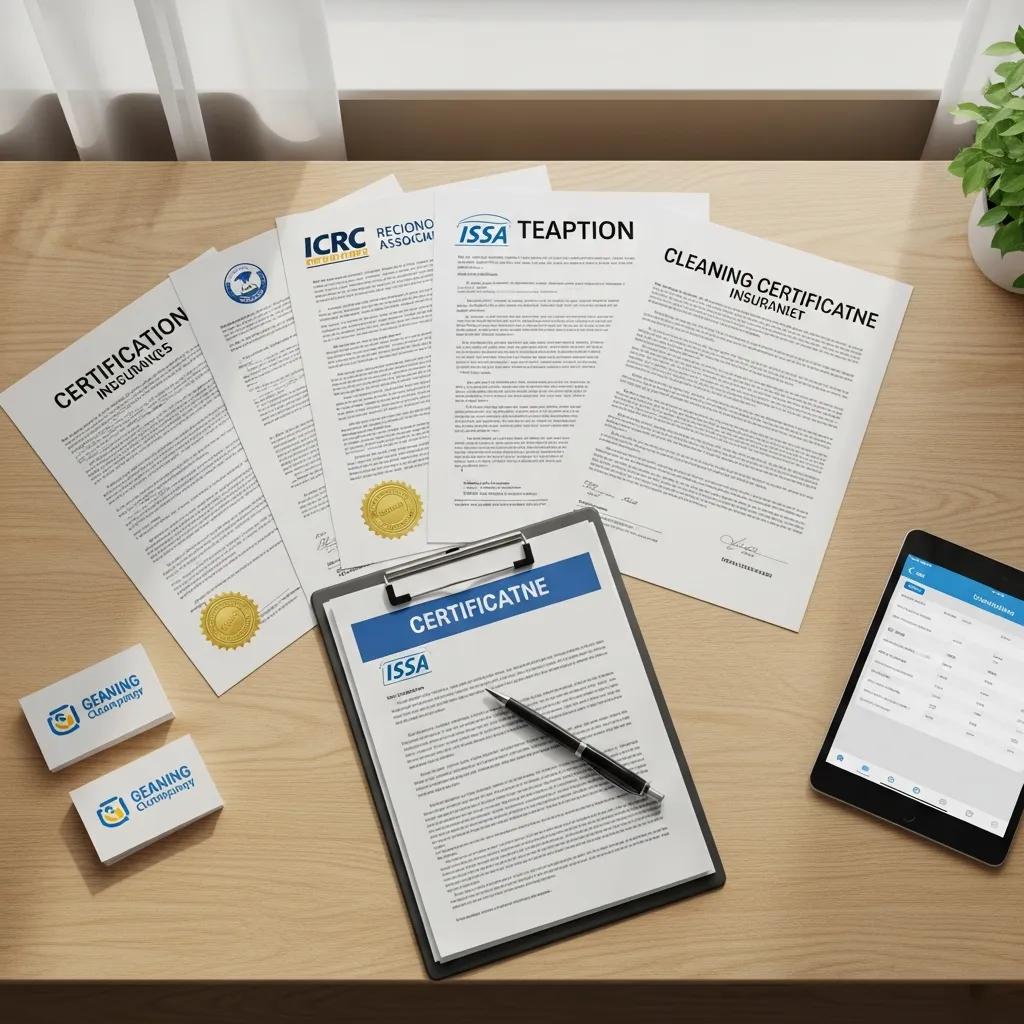
Trusted commercial cleaners demonstrate reliability through recognised credentials and appropriate insurance to protect you and their team. Certificates and training confirm staff competence, infection-control knowledge for sensitive sites and formal quality systems that keep standards consistent across crews. Insurance—such as public liability and workers’ compensation—reduces financial exposure if accidents or damage occur on site; professional indemnity and product liability cover advice or chemical-related incidents. Knowing which certificates and policies to ask for helps you quickly shortlist providers with verifiable risk controls and documented training programs.
This table summarises common certification types and why they matter so you know what evidence to request.
| Certification or Insurance | What it verifies | Why it matters |
|---|---|---|
| Industry training certificate (e.g., Certificate III or IV in Cleaning Operations) | Staff competency in cleaning procedures and equipment use | Shows teams are trained and follow safe, repeatable processes |
| Infection‑control or clinical cleaning accreditation | Procedures to prevent cross‑contamination in medical settings | Reduces risk in medical centres and other high‑touch environments |
| Quality management (e.g., ISO 9001-style systems) | Documented processes for consistent service delivery | Demonstrates continuous improvement and standardised audits |
| Public liability insurance | Coverage for third‑party injury or property damage | Protects your business from claims after incidents |
| Workers’ compensation insurance | Coverage for staff injuries while working | Prevents liability if employees are hurt on site |
Why Are Certifications Essential for Commercial Cleaning Reliability?
Certifications formalise training and reduce variability between crews and shifts. They show personnel or an organisation has completed standard training, understands safe chemical use and follows documented cleaning protocols — which leads to more predictable on-site outcomes. Accredited providers usually keep records and run refresher training, so ask to see current certificates and evidence of ongoing education. That confirms continuing competence rather than a one‑off qualification and leads naturally into why insurance complements certificates by protecting against operational risk.
How Does Insurance Protect Your Business When Hiring Cleaners?
Insurance transfers financial risk away from your business if something goes wrong during cleaning. Public liability covers third‑party injury or property damage, workers’ compensation covers staff injuries, and product or professional indemnity can apply if chemicals cause damage or advice leads to loss. When you evaluate providers, request policy names, limits and expiry dates and check the insurer’s details on the certificate of currency to ensure cover matches the size and complexity of your premises. Confirming insurance addresses practical risk and should be part of any supplier check before moving to references and site verification.
How to Verify Commercial Cleaning Service Reliability in North Lakes?
Verifying reliability combines document checks, reference validation, on‑site observation and a short trial engagement to reveal operational consistency and responsiveness. Start with documentation — certificates, insurance and Safety Data Sheets — then validate references and, importantly, arrange a supervised sample clean or site walk with a proposed supervisor to watch standards in practice. A step‑by‑step checklist makes verification repeatable and lets you compare bidders objectively during procurement.
Follow this step‑by‑step checklist to verify a North Lakes commercial cleaning provider:
- Document review: Request certificates of currency for public liability and workers’ compensation and copies of staff training records.
- Reference checks: Speak to at least two recent clients about consistency, issue resolution and confidentiality.
- Site observation or trial clean: Book a supervised sample clean or walkthrough to confirm protocols are followed.
- Safety documents: Ask for Safety Data Sheets (SDS) for chemicals and evidence of WHS procedures and incident reporting.
- Contract review: Check scope, frequencies, KPIs and change‑control or termination clauses before signing.
Use this checklist during procurement so you compare providers on documented evidence and observed performance rather than marketing claims.
| Reference Type | What to ask | Expected verification evidence |
|---|---|---|
| Client reference (recent contract) | Was work completed on schedule and to the agreed standard? | Contactable referee, recent contract dates, permission to reference |
| Site visit / trial clean | Did staff follow safety protocols and complete scope items during the visit? | Observed checklists, supervisor notes, before/after photos |
| Online reviews and testimonials | Are complaints consistent or isolated incidents? | Multiple recent reviews with specific detail and dates |
| Supplier / subcontractor verification | Are subcontracted staff vetted and insured? | Subcontractor agreements, ID/visa checks, insurance certificates |
This table helps you prioritise the verification evidence that matters and shows what counts as reliable proof versus vague claims. With that evidence in hand you can ask more detailed operational questions during final selection.
If you’re ready to proceed, request references and a customised quote to compare verified proposals; many providers across the Sunshine Coast and Brisbane will supply sample references and tailored quotes to show transparency and fit.
What Are Effective Methods to Check Cleaning Service References?
Good reference checks use the same short script for each referee so answers are comparable. Start by confirming the referee’s role and the exact scope the cleaner performed, then ask about punctuality, missed tasks, communication during incidents and how complaints or scope changes were handled. Red flags include referees who can’t be contacted, inconsistent answers across referees or repeated reports of poor communication. Positive signs are detailed examples, referees willing to be contacted and measurable improvements or audit results. A structured approach makes inconsistencies easy to spot and supports a confident selection.
Which Questions Should You Ask Before Hiring a Commercial Cleaner?
A concise question checklist covers the core procurement topics — operations, safety, scheduling and pricing — so decision‑makers can compare providers quickly. Start with operations (staffing, supervision, quality checks), then confirm safety and insurance, followed by scheduling flexibility and escalation paths, and finish with pricing transparency and contract terms. These priorities help you assess reliability, not just price, and set clear expectations for reporting and audits.
- Operational: How many supervisory visits per month and what auditing method is used?
- Safety / Compliance: Can you supply current SDS for all chemicals and a certificate of currency for insurance?
- Scheduling: How are out‑of‑hours or urgent cleans managed and staffed?
- Pricing / Contract: Is pricing itemised and how are scope changes quoted and approved?
Using this checklist in supplier interviews reduces selection risk and creates a defensible procurement record. Clear answers set expectations that can be written into the contract and tied to payment or remediation terms.
What Role Do Customer Testimonials and Reviews Play in Assessing Cleaning Services?
Testimonial and third‑party reviews are useful evidence of a provider’s delivery record and responsiveness, but they need careful interpretation. Authentic reviews include specific details about scope, dates, locations or measurable outcomes. Generic five‑star praise or many reviews posted in a short time can be misleading. Combine review analysis with direct references and site observation to build a complete picture of dependability and whether public feedback aligns with your priorities for North Lakes sites.
Three practical signs of authentic reviews and how to use them:
- Specificity: Reviews mentioning tasks, timeframes or named supervisors are stronger indicators of real performance.
- Recency and pattern: A steady flow of recent reviews with similar themes suggests consistent performance.
- Balanced feedback: Constructive criticism and provider responses show accountability and remediation.
These cues help you prioritise providers whose public feedback matches their reference interviews and operational evidence. At Divine Commercial Cleaning we collect structured client feedback and can provide contactable sample references on request to demonstrate consistent performance across the Sunshine Coast and Brisbane.
How to Interpret Commercial Cleaning Service Reviews in North Lakes?
When reading reviews, look for patterns rather than outliers. Single low or high ratings are less useful than recurring comments that point to systemic strengths or weaknesses. Focus on mentions of punctuality, communication during incidents, cleanliness of high‑touch areas and responsiveness to extra requests — these are direct proxies for reliability. Cross‑check review dates with contract periods where possible and favour reviews that include verifiable details like business type or site size. This approach helps you separate anecdote from trend and informs the questions you’ll ask referees.
Where to Find Authentic Client Testimonials for Local Cleaners?
Authentic testimonials appear on verified business profiles, industry directories and in direct reference conversations. Ask prospective suppliers for case studies or contactable references, check third‑party listings and business profiles for verified reviews, and request post‑service survey data if available. Suppliers willing to connect you with recent clients for a short reference call are signalling transparency — and that’s a strong indicator of reliability.
How Do Professional Commercial Cleaning Standards Ensure Service Quality?
Standards and QA frameworks convert procedures into measurable outcomes using checklists, audits and supervisor inspections that maintain consistent delivery across sites. Standards define what “clean” means for different environments — office, retail or medical centre — and QA processes measure performance with KPIs such as task completion rates, audit scores and remedial response times. Using standards reduces variability between teams and lets you manage suppliers with data, which is essential when you want a reliable cleaning partner for the lifetime of a contract.
Key quality assurance practices commonly used in commercial cleaning:
- Standardised checklists: Site‑specific lists that ensure routine tasks are completed and create an auditable record.
- Scheduled audits: Regular supervisor checks and third‑party inspections that measure compliance and prompt corrective actions.
- Performance KPIs: Cleanliness scores, completion rates and response times that quantify service delivery for contract management.
What Are the Key Quality Standards for Commercial Cleaning Services?
Key standards include written site checklists, documented supervisory audit routines, measurable KPIs for cleanliness and response times, and specific protocols for specialised areas like medical centres or food prep zones. Typical KPIs are percentage of audited tasks completed, average resolution time for defects and client satisfaction scores. Asking for sample audit reports or average KPI results from suppliers reveals how seriously they treat quality and whether they can sustain consistency across your premises — which ties directly to WHS and infection‑control obligations.
How Does Compliance with Health and Safety Regulations Affect Reliability?
Compliance with workplace health and safety rules and infection‑control guidance reduces operational risk and shows a provider can manage hazards proactively. Suppliers who document WHS training, incident reporting, risk assessments and chemical handling protocols are less likely to expose your organisation to incidents or regulatory breaches. Request evidence of WHS systems and escalation paths to understand the supplier’s operational maturity and their ability to protect staff and occupants — a decisive factor when choosing a reliable partner.
Why Is Pricing Transparency and Clear Contracts Vital for Reliable Cleaning Services?
Transparent pricing and clear contracts reduce disputes, prevent scope creep and signal a professional approach — all essential for a reliable long‑term relationship. Contracts should detail scope, frequencies, performance metrics, insurance requirements, dispute resolution and change‑control so both parties know expectations and remedies. Itemised quotes make like‑for‑like comparisons easier and reduce the risk of unexpected fees, which helps keep delivery consistent because expectations are contractual, not implied.
The table below compares essential contract elements, what each protects and sample wording you can request during negotiation.
| Contract Element | What it protects | Typical example wording |
|---|---|---|
| Scope of Work | Prevents task omissions and scope creep | “Provider will clean designated areas X times per week, including tasks A, B and C.” |
| Insurance & Liability | Protects client from third‑party claims | “Provider must maintain public liability insurance of $X and supply a certificate of currency.” |
| Performance Metrics | Drives accountability and corrective action | “Provider to maintain a 90% audit pass rate; failures rectified within 48 hours.” |
| Change‑control & Pricing | Controls additional charges for out‑of‑scope work | “Variations to be quoted in writing and require client approval before work commences.” |
| Termination & Notice | Allows exit for poor performance | “Either party may terminate with 30 days’ written notice for material breach.” |
This table helps you identify contractual protections that affect reliability and shows specific clauses operational teams should request. Clear contract language reduces ambiguity and creates enforceable expectations that align supplier incentives with dependable performance.
What Should Be Included in a Commercial Cleaning Service Contract?
A solid contract should cover a defined scope of work, service frequencies and times, insurance clauses, performance KPIs and audit procedures, pricing and variation controls, confidentiality and data‑handling where relevant, and termination notice periods. Including remediation timelines and service credits for missed audits or repeated failures adds accountability and links commercial terms to expected reliability. Have legal or procurement review the contract so reliability becomes an enforceable obligation, not a best‑effort promise.
How Does Transparent Pricing Build Trust with Clients?
Transparent pricing builds trust by making comparisons straightforward and removing hidden charges that harm long‑term relationships. Itemised quotes show what’s included, what costs extra and how one‑off or emergency cleans are charged, enabling fair comparisons and better budgeting. Asking suppliers to explain exclusions and common scenarios that trigger extra fees reveals whether pricing is truly transparent or deliberately opaque — a useful way to separate reliable providers from those with a low headline price but unpredictable extras.
How Do Response Time and Customer Service Reflect the Reliability of Cleaners?

Response time and customer service give a clear signal of how a provider will perform when issues arise. Fast, structured responses stop small problems becoming major disruptions. Providers with defined escalation paths, documented SLA response times and a single point of contact usually resolve issues quicker and keep operations running smoothly. Test response speed during procurement and note clarity of communication — it’s a good predictor of ongoing reliability and how they’ll handle emergencies or schedule changes.
Key customer‑service elements to evaluate for reliability:
- Response SLAs: Defined timelines for initial response and resolution of common issue types.
- Escalation pathways: A clear chain of responsibility for unresolved issues or safety incidents.
- Service recovery processes: Documented steps to rectify missed tasks and compensate clients where appropriate.
Why Is Prompt Communication Important in Commercial Cleaning Services?
Prompt communication prevents small deviations from escalating by enabling swift corrective action, scheduling adjustments and safety alerts. Reasonable response targets — for example an initial acknowledgement during business hours and a remedial action timeline based on severity — help set expectations and measure performance. Providers that commit to SLAs and show consistent responsiveness during sales and verification are more likely to maintain those standards in delivery; testing response protocols during procurement lets you observe this behaviour in advance.
How Can Customer Service Impact Your Cleaning Experience?
Customer service shapes day‑to‑day experience: it determines how quickly issues are fixed, how changes are handled and whether the provider proactively suggests improvements. Good customer service reduces operational disruption, clarifies scheduling and builds a partner‑like relationship that supports continuous improvement. Test support channels, ask for sample escalation reports and check willingness to customise service levels to see if a partner can sustain reliable operations as your needs evolve.
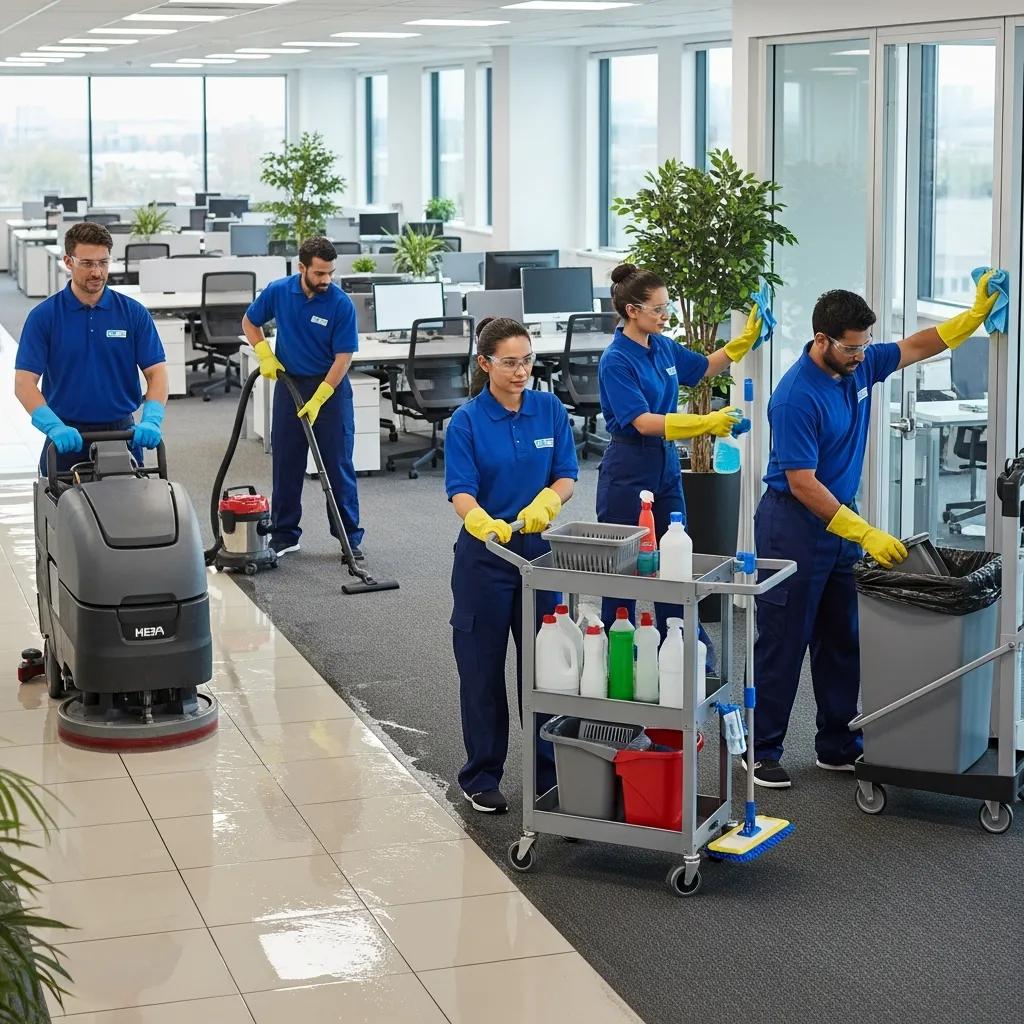
Divine Commercial Cleaning operates across Queensland, offering tailored commercial cleaning solutions for offices, retail, medical centres and shopping centres on the Sunshine Coast and in Brisbane. We focus on trained staff, professional equipment and transparent communication when preparing quotes and service briefs. If you’d like a tailored assessment and verified references, request a customised quote and sample client contacts so you can compare documented evidence and operational fit.
Next step: request a quote or a reference check from Divine Commercial Cleaning for a tailored assessment and documented proof points to support your procurement decision.
Frequently Asked Questions
What should I look for in a commercial cleaning service contract?
Look for a clearly defined scope of work with specific tasks and frequencies, plus performance metrics, required insurance and change‑control and termination clauses. Also check confidentiality and data‑handling provisions if relevant. These elements protect your interests and make expectations explicit for both parties.
How can I assess the customer service quality of a cleaning provider?
Evaluate response times to enquiries, the presence of SLAs and escalation processes, and how they handle service recovery. A provider that communicates promptly and follows a structured approach to issues is more likely to be reliable throughout the contract.
What are the benefits of conducting a trial clean before hiring a service?
A trial clean lets you see the provider’s performance in real time — adherence to protocols, work quality and responsiveness to your needs. It’s a low‑risk way to identify issues before you enter a long‑term agreement.
How important is it to check online reviews for cleaning services?
Online reviews give insight into other clients’ experiences, but focus on detailed, recent reviews and look for patterns. Consistent themes across reviews are more informative than isolated ratings.
What role does training play in the reliability of cleaning services?
Training ensures staff know the correct procedures, safety measures and how to use equipment and chemicals. Well‑trained teams deliver more consistent results and reduce the chance of mistakes or accidents. Ask about training programs and ongoing education.
How can I ensure that a cleaning service complies with health and safety regulations?
Request WHS policies, training records and incident reporting procedures. Ask for evidence of regular risk assessments and chemical handling protocols. A reliable supplier will be transparent about compliance and provide supporting documents.
What factors contribute to the overall cost of commercial cleaning services?
Cost depends on area size, service frequency, task complexity and any specialised cleaning needs. Additional costs can come from specific products, equipment or trained personnel for sensitive environments. Make sure quotes are itemised so you understand what’s included and avoid surprise charges.
Choosing a reliable commercial cleaner in North Lakes means getting consistent quality, meeting industry standards and reducing operational risk. By checking certifications, insurance, QA processes and contract clarity — and by testing references, reviews and response times — you can make an informed decision that protects your premises and people.
Take the next step: request a customised quote and contactable references so you can compare verified proposals. Partner with a team that prioritises your needs and delivers measurable results.

Dianne, originally from Rockhampton, hails from a business-oriented family, with her father owning electrical stores and her uncle serving as Mayor. Moving to the Sunshine Coast at 13, she later pursued a rewarding real estate career and raised three children. As a single mom, she balanced university studies with domestic cleaning work. Armed with a Bachelor’s Degree in Business, majoring in Supply Chain Management, Dianne founded and grew Divine Commercial Cleaning into a thriving company. Her success is rooted in strong family mentorship, a positive attitude, and a solution-oriented approach, offering tailored cleaning services with integrity and strategic insight.