How Chermside Businesses Achieve Consistent, High‑Quality Commercial Cleaning
Service quality and consistency in commercial cleaning mean delivering the same reliable level of cleanliness, safety and operational dependability every time — at every site. In Chermside, that reliability comes from clear quality controls, repeatable procedures, focused staff training, smart product choices and strong client collaboration. These elements reduce variation and deliver better outcomes for businesses. This article breaks down the systems that make quality measurable: the stages of a cleaning workflow, audit and feedback loops, SOP‑led execution, sustainable practices, customised plans for different premises and alignment with OH&S. You’ll get practical steps managers can use to evaluate providers, the KPIs that show dependable service, and how tailored plans protect higher‑risk sites like medical centres and childcare facilities. At the end we note how Divine Commercial Cleaning applies these methods locally in Chermside and how to request a quote so you can act on the guidance.
Divine Commercial Cleaning is a family‑owned business serving Brisbane — including Chermside — and we focus on reliability, customised service and eco‑conscious cleaning. If you want a quote or site assessment, our contact options are listed on the site. This short mention shows a practical application of the frameworks below before returning to a provider‑agnostic look at what produces consistent cleaning outcomes.
How Does Divine Commercial Cleaning Ensure Superior Quality Control in Chermside?
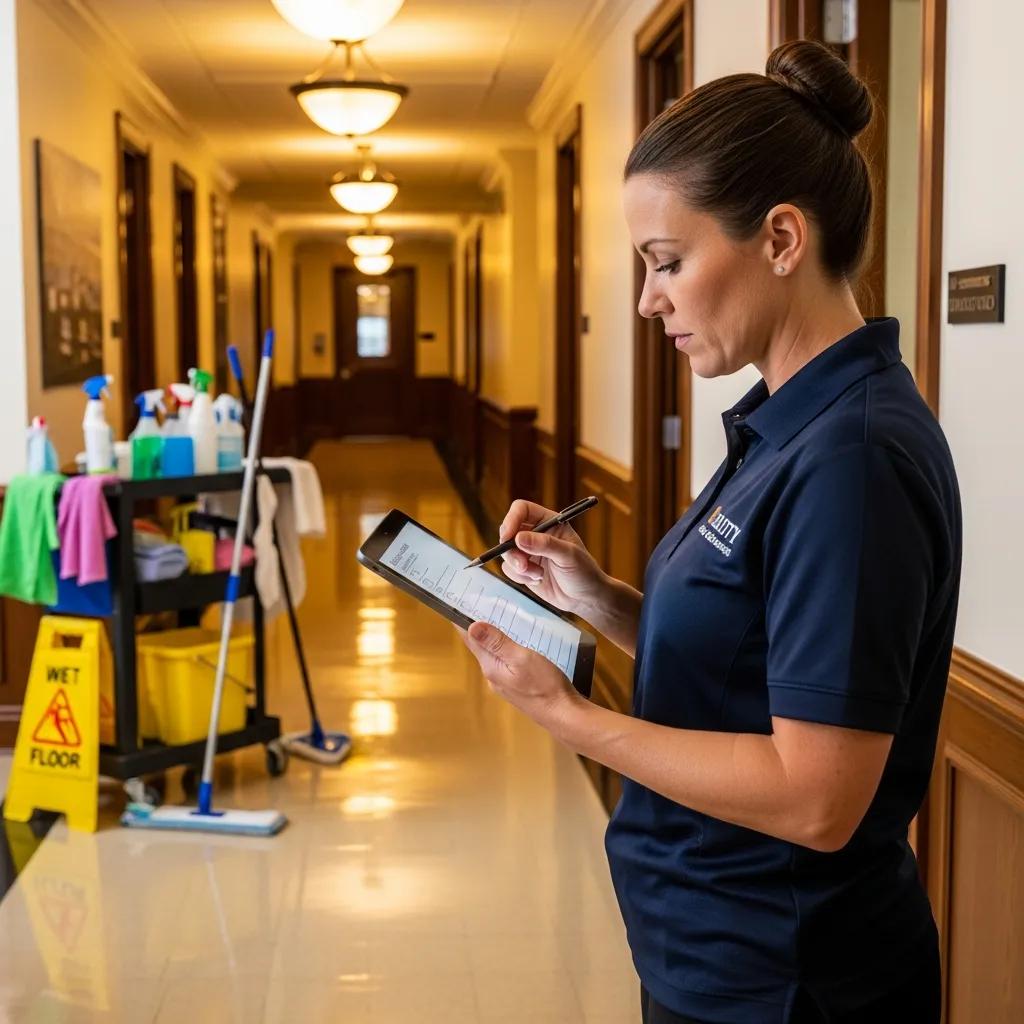
Quality control in commercial cleaning is a structured approach to planning, inspection and corrective action that makes sure services meet agreed standards and regulatory requirements. It relies on clear standards, scheduled audits, documented SOPs and measurable KPIs so teams spot deviations quickly and restore service to specification. The result is less rework, higher client satisfaction and traceable accountability. Below are the core steps that summarise this quality‑control approach in a format useful for quick reference.
- Agree standards and scope with the client, including frequencies, specific tasks and acceptance criteria.
- Use checklists and digital audit logs to record performance at every visit.
- Close the loop with client feedback and corrective workflows that prioritise safety and timely response.
Taken together, these steps form a continuous improvement cycle: audits reveal patterns that feed training and SOP updates. The sections that follow expand on those connections.
This section also lays out typical audit categories and suggested cadences so facility managers can compare approaches and set clear expectations.
| Audit Category | Typical Frequency | Outcome / Purpose |
|---|---|---|
| Routine Site Audit | Weekly or per visit | Checks daily compliance with cleaning checklists and visible standards |
| Quality Assurance Audit | Monthly | Confirms task completion, performance trends and KPI targets |
| Incident / Response Audit | After an event | Records corrective actions following spills, contamination or complaints |
| Deep‑clean Audit | Quarterly or scheduled | Verifies effectiveness of periodic deep cleans and equipment calibration |
The table shows how different audit types map to outcomes and why a mix of frequencies provides both operational control and strategic insight. Next we walk through the operational stages of a typical cleaning system that supports these audits.
What Are the Steps in the Divine Cleaning System for Quality Assurance?
The Divine Cleaning System is a staged workflow that links client onboarding to ongoing assurance and improvement, delivering consistent results through defined phases. It starts with a consultative assessment that maps site layout, high‑touch areas, risk zones and client expectations — this becomes the blueprint for SOPs and scheduling and reduces misalignment. Execution uses trained teams following task‑specific SOPs and checklists, backed by energy‑efficient equipment and dilution controls for chemicals, with performance recorded at the point of service via digital logs. Quality assurance includes routine supervisor spot‑checks and monthly audits against KPIs; when standards aren’t met, we apply corrective actions and retraining. Connecting these stages continuously reduces rework and keeps service reliable. The next section explains how inspections and client feedback close the improvement loop.
How Are Quality Control Checks and Client Feedback Integrated?
Inspections and client feedback create a closed‑loop system where objective checks and client observations both trigger corrective action and ongoing improvement. Inspections usually produce timestamped digital reports, photos and pass/fail checklist items stored centrally; when a client raises an issue via a ticket or account manager, it’s matched to the inspection record to prioritise the response. Typical workflows escalate unresolved items to a supervisor within defined response windows, prompt on‑site verification and deliver an action report the client can review. That transparency builds trust and reduces repeat issues. Aggregated feedback is discussed in monthly quality meetings to spot recurring faults and refine SOPs or training, so the whole organisation learns and improves.
What Strategies Guarantee Consistent Commercial Cleaning Services in Chermside?
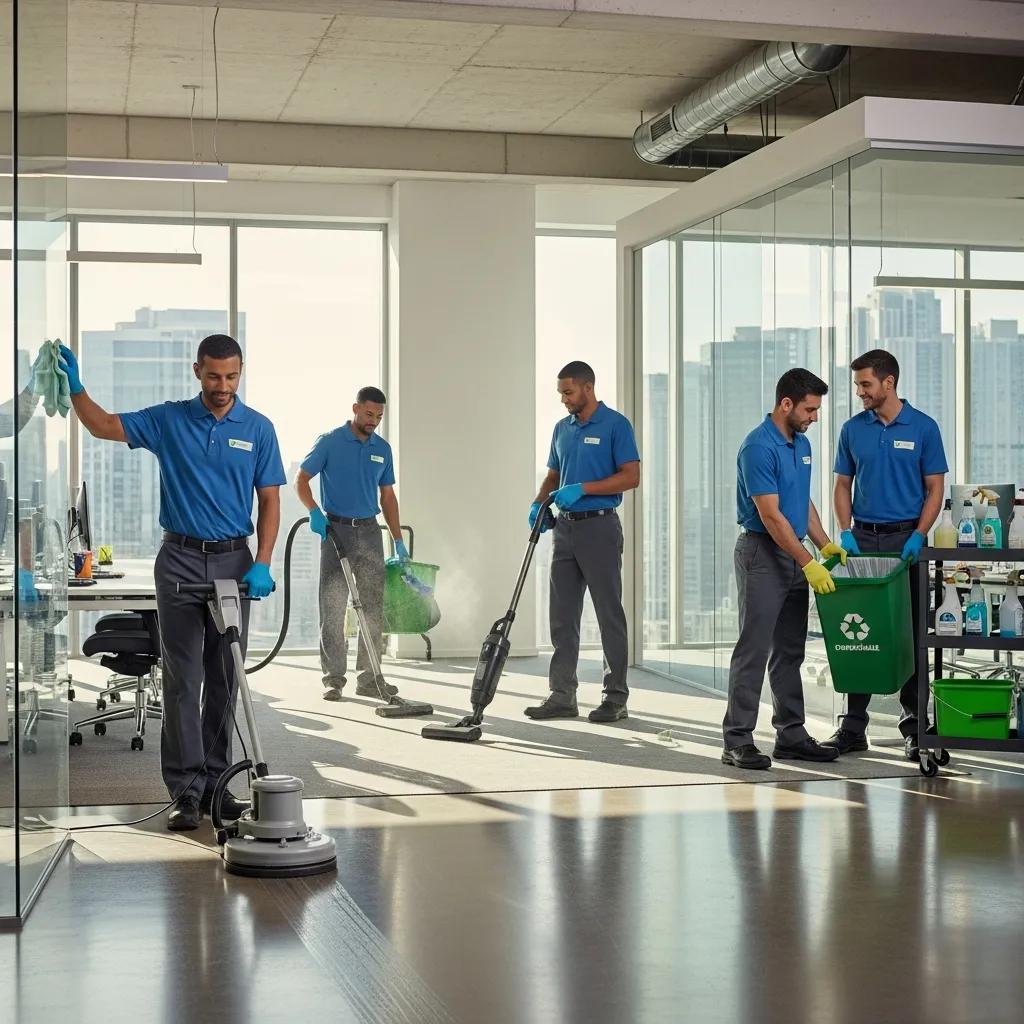
Consistency means repeatable results across teams, shifts and sites. The mechanism combines standardised procedures, staff competence and the right tools so performance is predictable and measurable. Providers who prioritise consistency codify routines into SOPs, assess staff competence regularly and use equipment that delivers repeatable application. The following procedural steps are commonly used to lock in consistent service delivery.
- Document and enforce clear SOPs for every task and environment.
- Train staff with staged induction, practical assessments and refresher programmes.
- Standardise equipment and supply chains to eliminate product variability.
These pillars work together: SOPs set expectations, training aligns people to those expectations, and equipment helps deliver the documented method reliably. The table below compares attributes across these pillars to show how they support ongoing consistency.
| Implementation Pillar | Key Attribute | Typical Application |
|---|---|---|
| Staff Training | Assessment‑based progression | Induction → shadowing → competency checks |
| Standard Operating Procedures | Task sequencing & acceptance criteria | Prep → clean → verify |
| Equipment & Tools | Performance & maintenance schedule | Microfibre systems, vacuum classes, dilution‑control units |
| Scheduling Model | Predictable staffing and coverage | Fixed rosters, relief pools, peak coverage plans |
This comparison clarifies how each pillar supports consistency and why coordinated management across these areas matters. The next sections look closer at staff training and how SOPs pair with advanced equipment.
How Does Staff Training and Certification Support Service Consistency?
Training translates SOPs into demonstrable skills and regular checks that prove performance over time. A typical programme includes an induction covering company standards and OH&S, on‑the‑job shadowing with a certified mentor, practical and written competency assessments, plus scheduled refresher training informed by audit results. This staged approach ensures new starters reach the same baseline as experienced team members. Frequent assessments create a feedback loop: training gaps found in audits are closed quickly, reducing rework and support tickets. Training records also guide staff allocation — for example, assigning experienced teams to medical centres with stricter disinfection needs. Tying training to measurable KPIs connects people capability to operational results.
What Role Do Standard Operating Procedures and Advanced Equipment Play?
SOPs reduce variability by setting the sequence, technique and acceptance criteria for each task; reliable equipment reduces human variability by delivering consistent dosing, pressure and coverage. SOPs spell out prep steps, cleaning sequences, disinfectant dwell times and verification points — when teams follow these, predictable outcomes follow. Equipment categories such as high‑efficiency vacuums, microfibre systems, controlled‑dilution dispensers and energy‑efficient floor machines help standardise application. Regular maintenance and calibration keep performance steady, and checklists confirm equipment readiness before critical tasks. SOPs plus dependable kit sustain productivity and quality over time.
How Does Divine Commercial Cleaning Implement Eco-friendly and Sustainable Practices?
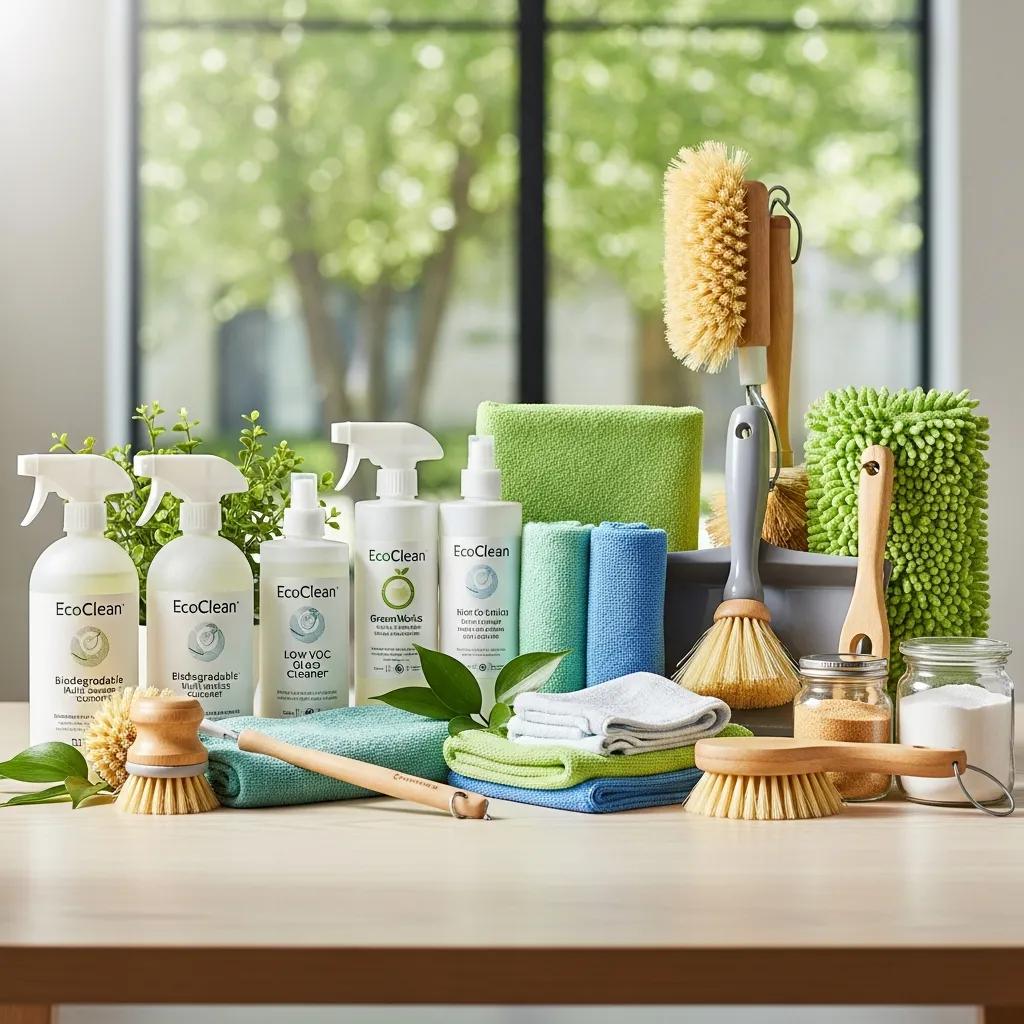
Eco‑friendly commercial cleaning blends product choice, method selection and waste and energy management to lower environmental impact while keeping workplaces safe and hygienic. The approach uses lower‑toxicity chemistries, efficient application techniques and resource‑aware scheduling to create healthier spaces. Sustainable choices reduce VOC exposure, cut waste and improve occupant safety — all increasingly important to businesses and regulators. Below are common green practices and how they translate to workplace benefits.
- Move to biodegradable or low‑VOC products to reduce airborne and surface chemical hazards.
- Use microfibre and dilution‑control systems to cut chemical volumes while improving cleaning effectiveness.
- Set up waste segregation and recycling to divert material from landfill.
These practices need operational controls and supplier checks so environmental gains are measurable and lasting. The table below summarises product types, their environmental benefits and operational notes for procurement and use.
| Product Category | Environmental Benefit | Operational Note |
|---|---|---|
| Low‑VOC Cleaners | Lower airborne emissions | Suitable for occupied areas; check surface compatibility |
| Biodegradable Detergents | Break down more quickly in the environment | Confirm wastewater acceptance and cleaning performance |
| Non‑toxic Sanitisers | Reduced toxicity risk for staff and occupants | Follow per‑surface instructions to ensure effectiveness |
| Microfibre Systems | Less reliance on chemicals | Maintain laundering protocols to preserve effectiveness |
This comparison helps decision‑makers choose products and practices that meet both health and environmental goals. The next subsection explains common green methods and product categories in more detail.
Which Eco-friendly Products and Green Cleaning Methods Are Used?
Green cleaning commonly uses biodegradable detergents, low‑VOC surface cleaners and certified non‑toxic sanitisers alongside methods like microfibre wiping, dilution control and targeted touchpoint cleaning. Microfibre removes soils mechanically, enabling lower chemical concentrations, while dilution‑control systems ensure accurate dosing to prevent waste. When selecting products, consider surface compatibility, occupant sensitivities and regulatory needs for high‑risk areas; trial a small area and verify effectiveness with ATP testing or visual checks before full roll‑out. Practical green methods balance efficacy and safety, cutting exposure and measurable waste.
How Are Energy‑Efficient Equipment and Waste Management Applied?
Using energy‑efficient equipment and structured waste management cuts the environmental footprint of cleaning operations through lower power use and higher recycling rates. Equipment choices favour better energy ratings, optimised route planning reduces run time, and preventative maintenance keeps machines running efficiently — lowering emissions and operating costs. Waste management includes on‑site segregation, swapping disposable wipes for reusable microfibre where practical, and scheduling deep cleans to avoid unnecessary repeat work. Tracking waste diversion rates and machine runtime gives the data to show improvements and drive further optimisation. With sustainability in place, providers can tailor plans so cleaning intensity and frequency match each client’s needs.
How Are Tailored Cleaning Plans and Client Collaboration Enhancing Service Quality?
Tailored cleaning plans are service blueprints built from site‑specific risk assessments, usage patterns and regulatory needs. The process aligns resources and methods to actual demand, delivering effective and cost‑efficient results. When providers collaborate with clients on scope, frequency and verification, satisfaction rises, costs fall through task rationalisation and sensitive environments receive proper protection. Development typically moves from site assessment to draft plan, trial runs and ongoing review so the plan evolves with the business. Below are examples of how plans differ by business type.
- Office environments: priority on communal areas, daily waste removal and scheduled floor care.
- Medical centres: strict disinfection protocols, specialised PPE and validated cleaning cycles.
- Retail/restaurant spaces: emphasis on frequent sanitisation of high‑touch areas, fast turnaround cleaning and spill response.
Custom plans also set SLAs, KPIs and reporting schedules so both parties agree on success measures. The next subsection explains how assessments turn into plan elements and includes a short note on Divine Commercial Cleaning’s tailored options and enquiry process.
Divine Commercial Cleaning uses site assessments to design customised plans for offices, medical facilities and strata properties; businesses can request a quote or site visit to see how an assessment‑driven plan would work in Chermside.
How Are Customised Cleaning Plans Developed for Different Business Types?
Custom plans begin with a structured site assessment that documents footfall, surface types, usage patterns and compliance needs. The assessment pinpoints high‑risk areas and sets the right cleaning frequency and methods for each zone. Key decision factors include occupancy, regulatory exposure (for medical settings) and surface sensitivity, which determine whether tasks are daily, weekly or periodic and whether specialised disinfectants or extra checks are required. Practical differences appear in the plan: offices focus on washrooms and communal areas, while childcare centres need non‑toxic products and strict toy‑sanitisation routines. Trial runs validate the plan and allow SOP fine‑tuning before final sign‑off, and regular reviews make sure the plan adapts to operational changes. This ensures each plan protects health, preserves assets and controls costs.
What Systems Ensure Effective Communication and Feedback Integration?
Good communication combines a named liaison, digital reporting and scheduled reviews so performance is transparent and actionable. Typical tools include a dedicated account manager, a digital ticketing system for issues, and regular reports showing audit results and KPI dashboards — these keep issues tracked, escalated and closed within agreed timeframes. Response times, review cadences (weekly or monthly) and escalation paths are written into SLAs so expectations are clear. Photo verification and digital checklists give objective proof of work and speed resolution, while aggregated data from these systems drives wider service improvements and targeted training.
What Measures Ensure Health, Safety, and Compliance in Chermside Commercial Cleaning?
Health, safety and compliance are delivered through embedded OH&S practices, verified disinfection protocols for regulated areas and alignment with recognised industry guidance. The approach builds safety into daily work through training, PPE, risk assessments and documented verification. These steps reduce incidents, protect vulnerable occupants and help meet regulatory obligations. The checklist below summarises core OH&S and disinfection components that should be part of any robust commercial cleaning programme.
- Carry out site‑specific risk assessments and communicate hazards before work begins.
- Provide teams with the right PPE and train them in safe chemical and equipment handling.
- Keep incident reporting procedures and corrective action timelines up to date.
These measures create a defensible safety posture while enabling consistent disinfection where needed. The next subsection explains how OH&S and disinfection protocols are put into practice and verified.
How Does Divine Commercial Cleaning Adhere to OH&S and Disinfection Protocols?
Compliance starts by embedding OH&S into SOPs and training so teams work safely and hazards are managed proactively. Operational steps include pre‑task risk assessments, PPE checks, safe manual‑handling techniques and chemical safety training. Disinfection for high‑risk areas specifies contact times, validated disinfectants suited to the target organisms and verification through checklists and photos; teams log completed tasks and supervisors perform spot checks to confirm compliance. Incident response procedures record notification, containment and remediation steps to limit exposure and restore safety fast. By combining well‑designed procedures, training and verification, providers protect workers and occupants while keeping records that support compliance and continuous improvement.Which Certifications and Industry Standards Are Followed?
Providers should reference recognised quality, safety and environmental frameworks when designing programmes; commonly used references include ISO‑style guidance for quality and OH&S and recognised green cleaning certifications as benchmarks. Companies should only claim specific certifications if they can provide evidence. These standards help shape SOPs, risk management and performance measurement and offer third‑party frameworks for continuous improvement. When evaluating providers, ask which standards they align with and request proof of any claimed certifications to ensure transparency. Confirming alignment with authoritative guidance reduces liability and helps ensure cleaning regimes meet expectations for health‑sensitive environments.
This final section reiterates that systematic quality control, consistent operational pillars, sustainability and collaborative planning are the strategies that deliver reliable commercial cleaning in Chermside. If you’d like a tailored proposal, contact Divine Commercial Cleaning via the enquiry channels on our site to arrange a site assessment and quote.
Frequently Asked Questions
What are the benefits of using eco-friendly cleaning products in commercial cleaning?
Eco‑friendly products reduce exposure to harsh chemicals for both cleaning teams and building users. They typically have lower VOCs, improving indoor air quality, and are often biodegradable, which lessens environmental impact. Adopting sustainable cleaning can also support your sustainability goals and enhance your business reputation. In short, green products help create healthier workplaces while aligning with modern environmental expectations.
How can businesses assess the effectiveness of their commercial cleaning service?
Set clear KPIs that match your needs, and measure against them with regular audits, client feedback and performance reports. A digital ticketing system helps track issues and resolutions, while periodic site inspections compared to agreed standards confirm whether the service meets expectations. This structured approach encourages accountability and continuous improvement.
What types of training do cleaning staff undergo to ensure quality service?
Training usually includes an initial induction, on‑the‑job shadowing, and formal competency checks (practical and, where relevant, written). Topics cover company standards, OH&S and site‑specific techniques. Refresher training is scheduled based on audit findings so gaps are closed promptly. This ensures teams have the skills needed to deliver consistent, high‑quality work.
How do customised cleaning plans improve service delivery?
Custom plans align cleaning tasks with how a facility is used. A thorough site assessment identifies high‑risk areas and sets the right frequencies and methods, improving efficiency and compliance while managing costs. Regular reviews and adjustments based on feedback keep the plan effective and responsive to changing needs.
What role does technology play in modern commercial cleaning services?
Technology boosts efficiency, accuracy and transparency. Tools like scheduling software, mobile reporting apps and performance dashboards streamline operations and let teams log activities in real time. Smart equipment can also optimise resource use and improve results, making cleaning more effective and sustainable.
How can businesses ensure compliance with health and safety regulations in cleaning?
Maintaining compliance starts with regular risk assessments, proper staff training and up‑to‑date procedures. Provide appropriate PPE, train staff in chemical and equipment safety, and keep detailed records of cleaning activities and incidents. Regularly review procedures and update them to reflect regulatory changes to maintain a strong safety posture.
Consistent, high‑quality commercial cleaning in Chermside depends on systematic quality control, tailored plans and sustainable practices. Understanding these strategies helps managers choose providers that protect staff, occupants and assets. If you’re ready to raise your cleaning standards, request a site assessment or customised quote to see how Divine Commercial Cleaning can help.

Dianne, originally from Rockhampton, hails from a business-oriented family, with her father owning electrical stores and her uncle serving as Mayor. Moving to the Sunshine Coast at 13, she later pursued a rewarding real estate career and raised three children. As a single mom, she balanced university studies with domestic cleaning work. Armed with a Bachelor’s Degree in Business, majoring in Supply Chain Management, Dianne founded and grew Divine Commercial Cleaning into a thriving company. Her success is rooted in strong family mentorship, a positive attitude, and a solution-oriented approach, offering tailored cleaning services with integrity and strategic insight.