
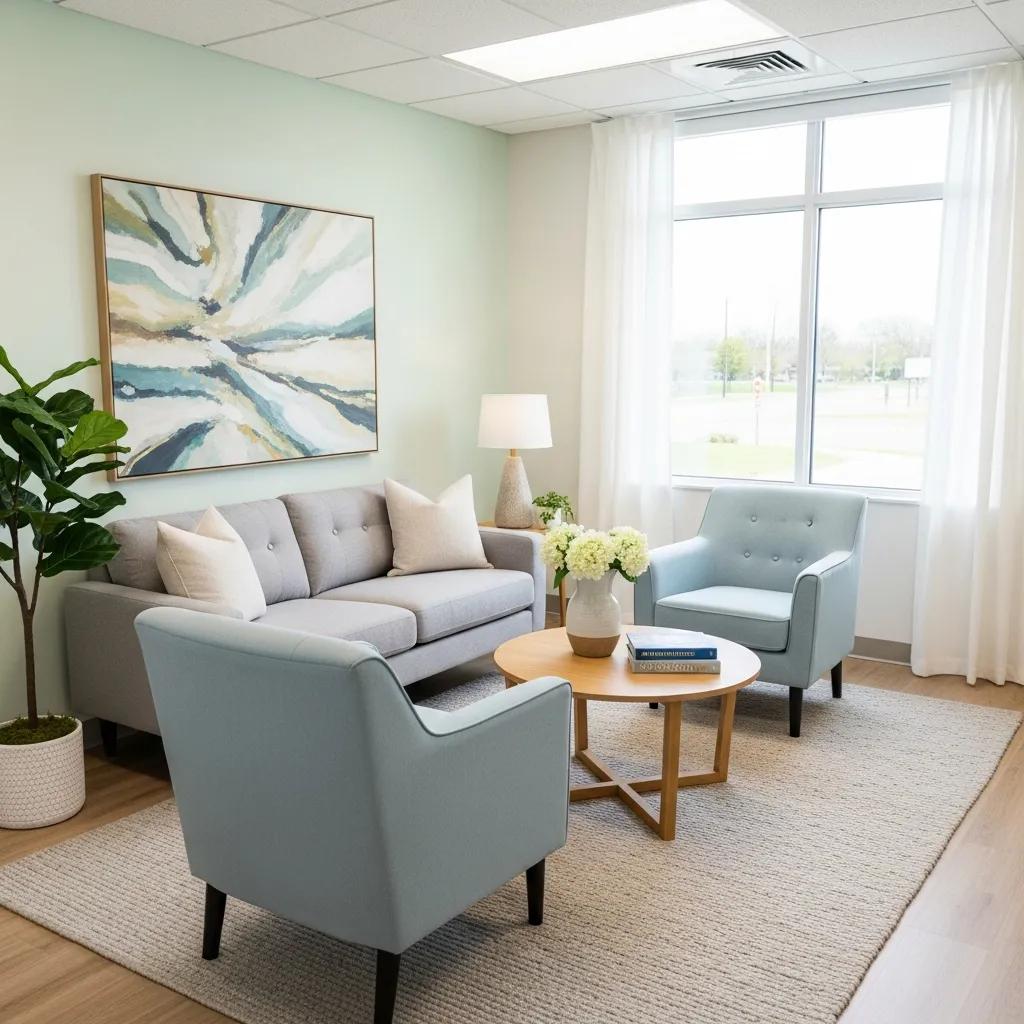
Mental Health Clinic Cleaning Services: Essential Standards and Protocols for Counseling and Therapy Offices
Maintaining cleaning standards for mental health clinics means more than removing dust and disinfecting surfaces; it requires practices that protect patient safety, respect confidentiality, and support a calm therapeutic atmosphere. This article explains what “mental health clinic cleaning standards” entail, why they differ from general commercial cleaning, and how targeted sanitation and environmental controls directly improve patient outcomes and staff wellbeing. Readers will learn specific protocols for therapy rooms, waiting areas, and staff zones, evidence-based disinfection choices, and how to manage soft furnishings and sensitive equipment without compromising the clinical environment. For clinics seeking a service partner, Divine Commercial Cleaning — a family-owned provider based in Sunshine Coast, QLD offering medical/health centre cleaning — provides customised, eco-friendly options and discretion-focused scheduling that align with these standards. The sections that follow cover why specialised standards matter, concrete cleaning protocols and frequencies, waiting room management, effects on staff and patients, how Divine implements tailored services, and the relevant Australian guidance that governs clinical cleaning.
Why Are Specialised Cleaning Standards Crucial for Mental Health and Counseling Offices?
Specialised cleaning standards are protocols tailored to the clinical, psychological and privacy needs of mental health services; they combine infection control with trauma-informed, low-sensory approaches to preserve safety and therapeutic integrity. These standards work by reducing exposure to pathogens on high-touch surfaces, minimising chemical and sensory triggers from strong fragrances, and scheduling cleaning to protect confidentiality and avoid session disruption. The result is a calmer environment that decreases client anxiety, improves concentration during therapy, and lowers the risk of healthcare-associated infections. Understanding these mechanisms clarifies why therapy room cleaning differs from routine office cleaning and why staff training and documented procedures are essential to implementation and auditability. The next subsection explains how cleanliness directly supports patient well-being and confidentiality, illustrating practical timing and behavioural controls that clinics can adopt.
How Does Cleanliness Support Patient Well-being and Confidentiality?
Cleanliness supports patient well-being by lowering cognitive load and reducing environmental stressors that can exacerbate anxiety or interfere with therapeutic engagement. Removing clutter, controlling odours, and keeping seating orderly help clients focus and feel safe, while evidence from environmental psychology shows that orderly physical spaces correlate with lower reported stress and improved attention. Confidentiality is reinforced through discreet cleaning schedules, staff training in privacy-preserving conduct, and limiting cleaning activities during sessions or in adjacent rooms to prevent interruption and accidental disclosure. For example, scheduling cleaning between appointments, using quiet equipment, and training cleaners in confidentiality protocols prevents inadvertent breaches and supports trust. These practices set the stage for specific therapy-room protocols discussed next, which address surface disinfection, soft-furnishing care, and equipment handling.
What Are the Key Cleaning Protocols for Therapy Rooms and Counseling Spaces?
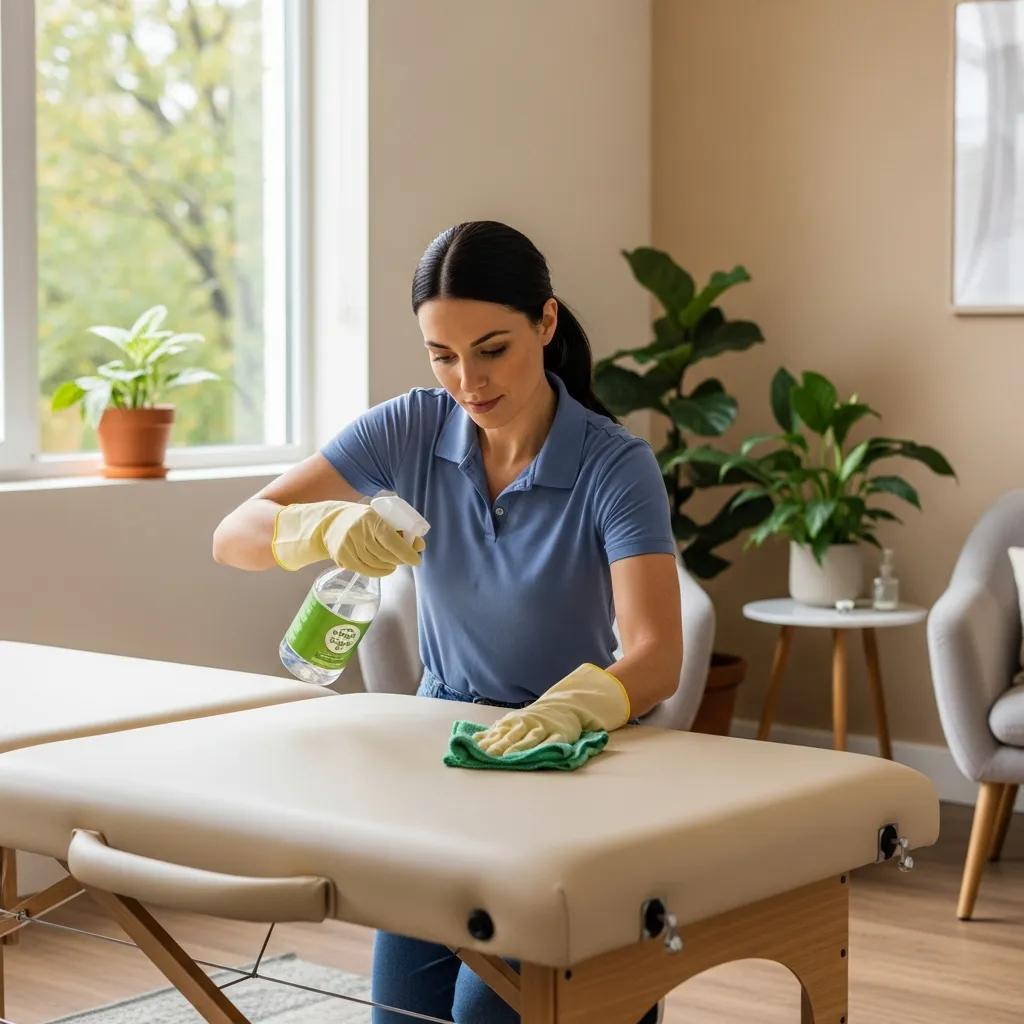
Key protocols for therapy rooms integrate targeted disinfection, gentle textile care, and careful handling of assessment and electronic equipment to preserve safety and therapeutic ambience. Protocols prioritise high-touch surface cleaning, fabric-safe techniques for soft furnishings, approved methods for electronics, and documented scheduling and verification to ensure consistency.
Clinics should adopt a risk-assessment approach that defines frequency based on client throughput and special risks, balancing effective infection control with low-odour, low-sensory interventions to avoid triggering clients.
- High-touch surface disinfection: Prioritise door handles, light switches and tabletops after each client or at least daily.
- Soft-furnishing care: Use steam cleaning or fabric-appropriate treatments weekly to monthly depending on use and fabric type.
- Sensitive equipment handling: Wipe electronics with manufacturer-approved disinfectant wipes and log cleaning actions.
- Documentation and verification: Maintain cleaning logs and incident records to demonstrate compliance and traceability.
These core protocols ensure both safety and a therapeutic environment; the next subsections detail effective disinfection choices and fabric/equipment treatment.
Introductory checklist: The table below provides a scannable, practical schedule mapping areas to specific protocols and recommended frequency for therapy rooms, waiting areas, restrooms, reception and staff rooms. This helps administrators assign tasks and monitor compliance.
| Area | Protocol | Recommended Frequency |
|---|---|---|
| Therapy room surfaces | Disinfect high-touch surfaces with low-odour, approved disinfectant | After each client or daily |
| Soft furnishings | Steam clean or use encapsulation; spot-treat stains with fabric-safe products | Weekly to monthly depending on use |
| Electronics & assessment tools | Use manufacturer-approved wipes; avoid soaking and follow contact-time guidance | After each use or daily |
| Waiting area seating | Wipe arms and high-touch zones; rotate deep-cleaning of cushions | Daily surface wipe; weekly deep clean |
| Restrooms | Hospital-grade cleaning for fixtures and touchpoints; restock hygiene supplies | Multiple times daily depending on patient flow |
This table clarifies how clinics can allocate resources and set realistic frequencies; the following subsection covers disinfectant selection and safety.
Which Disinfection Practices Ensure Safety in Therapy Rooms?
Choose disinfectants that balance efficacy with low odour and low irritancy, such as healthcare-grade solutions indicated for non-critical surfaces and labelled for contact times appropriate to the pathogen of concern. Follow manufacturer instructions for dilution and contact time, avoid aerosolised applications in occupied rooms, and use personal protective equipment as required to protect staff and clients. Consider low-volatile, fragrance-free formulations to minimise sensory triggers for trauma-affected clients, and ensure adequate ventilation during and after application to disperse any residual vapours. Maintain a document that lists approved products and their safe-use guidelines, and train cleaning staff on safe handling and correct application to meet both infection control and client comfort objectives. These disinfectant choices lead naturally into care methods for soft furnishings and electronics.
How Should Soft Furnishings and Sensitive Equipment Be Cleaned?
Soft furnishings require fabric-appropriate cleaning methods that remove contaminants without altering texture, scent, or appearance; options include steam cleaning, low-moisture encapsulation, or targeted spot treatments using neutral pH products. Use HEPA-filter vacuuming for dust and allergen removal, and document fabric types that require special care to prevent damage from harsh chemistry. For electronics and assessment tools, use manufacturer-approved wipes and allow devices to dry fully before reuse; avoid soaking connectors and keep liquids away from screens and ports. Log each cleaning event and flag items that need specialised repair or replacement to maintain functionality and hygiene. These textile and equipment practices support a calm therapy environment and transition into guidelines for waiting area management.
How Should Waiting Areas and Common Spaces Be Maintained in Mental Health Facilities?
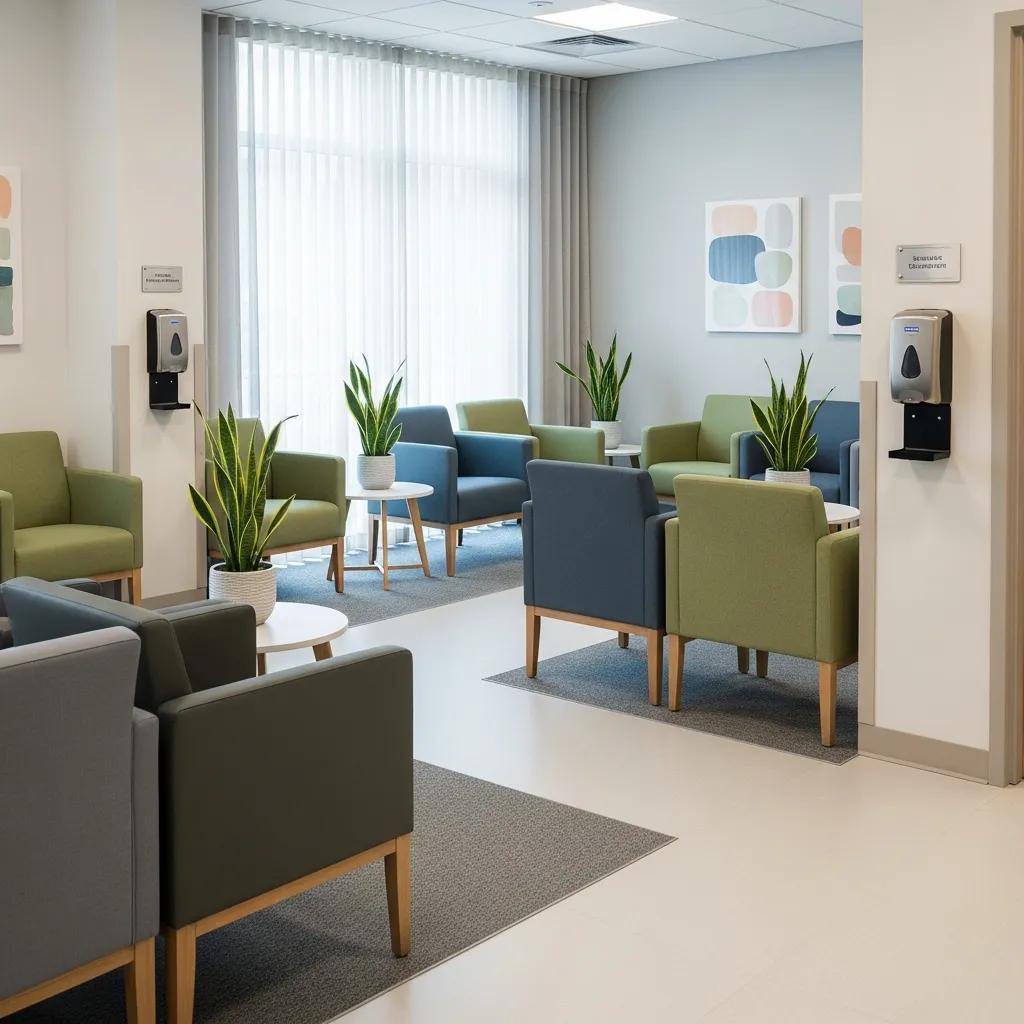
Waiting areas and common spaces require hygiene routines that prioritise visible cleanliness, clutter reduction, privacy, and air quality to reduce patient anxiety and demonstrate professionalism. Effective maintenance combines frequent surface wipes of seating and armrests, accessible hand hygiene stations placed discreetly, and layout strategies that maximise personal space and reduce perceived crowding. Use low-odour, eco-friendly products for routine cleaning and reserve deeper, scheduled cleans for upholstery and rugs to avoid frequent sensory disturbances. Clear sightlines to clean, orderly spaces act as visual cues of safety and professionalism, reassuring clients before sessions and fostering trust. The next subsections outline practical hygiene measures and air quality/clutter control tactics.
The following list summarises best-practice actions clinics can implement immediately to improve waiting room hygiene and comfort.
- Ensure seating is arranged to maximise personal space and privacy while allowing staff visibility.
- Provide discreet hand hygiene stations and signage that emphasises cleanliness without clinical alarm.
- Use low-odour, eco-friendly cleaning products and schedule deep cleaning during low-occupancy periods.
These actions form a foundation; the next paragraph explores specific hygiene measures that reduce patient anxiety.
What Hygiene Measures Reduce Patient Anxiety in Waiting Rooms?
Visible cleanliness reduces anticipatory stress by signalling that the facility cares for safety and client comfort, while low-odour products avoid triggering sensitivity or trauma responses. Keep clutter to a minimum by restricting loose literature, using enclosed storage for toys or magazines, and maintaining an organised reception desk that reduces visual noise. Provide subtle privacy cues—such as spaced seating and strategic plant placement—to help clients feel less exposed without creating barriers to staff access. Schedule audible or disruptive cleaning outside peak arrival times and train cleaning teams in low-visibility techniques to avoid interrupting or alarming clients. These hygiene measures align with air quality and clutter control recommendations discussed next.
How Does Air Quality and Clutter Control Impact Mental Health Clinics?
Indoor air quality and clutter management have measurable effects on cognition, comfort, and perceived safety; clean air reduces irritants and allergens that can distract or aggravate clients, while reduced visual clutter lowers cognitive load and promotes calm. Implementing HEPA filtration, ensuring adequate ventilation, and regularly maintaining HVAC filters reduces volatile organic compounds and particulate matter that impair concentration. Routine decluttering—removing unnecessary items, organising storage, and minimising busy patterns in décor—reduces visual stress and supports therapeutic presence. Together, air quality and clutter control improve session quality and reduce staff fatigue, which leads into how clean environments affect both staff and patient mental health.
What Is the Impact of Clean Environments on Staff and Patient Mental Health?
Clean clinical environments protect physical health and uplift psychological wellbeing for both clients and staff by reducing stressors, lowering infection risk, and enhancing perceived professionalism. Employees working in orderly, low-clutter spaces report higher focus levels and lower perceived workload, leading to improved session quality and reduced absenteeism from illness. For patients, careful cleaning signals competence and respect, strengthening the therapeutic alliance and increasing the likelihood of continued engagement in care. Documented cleaning schedules and visible but unobtrusive protocols reassure stakeholders and contribute to an organisational culture of safety and reliability. The following subsections explore mechanisms for staff focus and the role of cleanliness in building patient trust.
How Does a Pristine Workspace Enhance Focus and Reduce Stress?
A tidy workspace lowers cognitive load by removing irrelevant stimuli and making essential tools and documents easier to find, which improves clinician focus during sessions and administrative tasks. Consistent cleaning routines create predictable environments that reduce anticipatory stress and support emotional regulation for both staff and clients, enabling clinicians to be fully present. Practical steps include daily decluttering rituals, designated storage systems for assessment materials, and brief mid-day surface wipes to maintain order during busy schedules. These operational habits reduce decision fatigue and can measurably improve clinical performance and job satisfaction. Enhanced focus from environmental order naturally supports trust, which is discussed next.
Why Is Trust Built Through Meticulous Cleaning in Counseling Offices?
Meticulous cleaning functions as a trust signal by demonstrating that the clinic adheres to safety standards, respects client dignity, and takes practical steps to minimise risk. Visible measures—such as tidy waiting areas, labelled cleaning logs, and discrete hygiene stations—communicate professionalism and attention to detail, which are core components of a therapeutic alliance. When cleaning is done discreetly and consistently, clients perceive both competence and care, increasing their comfort with sensitive disclosures and ongoing treatment. Maintaining and communicating compliance also reduces legal and reputational risk, reinforcing the clinic’s standing in the community. With these principles in mind, the next section explains how a specialised provider can deliver services that match these standards.
How Does Divine Commercial Cleaning Deliver Specialised Mental Health Facility Cleaning?
Divine Commercial Cleaning provides tailored cleaning solutions designed for medical and health centres, combining trained staff, eco-friendly practices, and scheduling flexibility to protect client safety and privacy. As a family-owned business based in Sunshine Coast and Brisbane, Divine offers customised plans without lock-in contracts, a satisfaction guarantee, and environmentally conscious methods that minimise odour and irritants in therapy settings. Their approach pairs clinical cleaning expertise with discreet, trauma-informed scheduling to avoid session disruption and preserve confidentiality. The table below maps core service features to attributes and benefits so clinic managers can evaluate fit quickly.
| Service Feature | Attribute | Benefit/Outcome |
|---|---|---|
| Eco-friendly products | Low-odour, sustainable formulations | Reduced sensory triggers and environmental impact |
| Customisable schedules | After-hours and between-session options | Minimal disruption and preserved confidentiality |
| Trained cleaning staff | Discretion and healthcare cleaning protocols | Consistent compliance and client trust |
| No lock-in contracts | Flexible service agreements | Operational flexibility for clinics |
| Satisfaction guarantee | Quality checks and responsive service | Assurance of standards and accountability |
This mapping shows how Divine’s features translate into outcomes important to mental health clinics; the next subsections explain eco-friendly options and discretion practices in more detail and how these align with clinical needs.
What Eco-Friendly and Customised Solutions Are Offered?
Divine emphasises sustainable cleaning agents and low-odour disinfectants suited to therapy environments, enabling effective sanitation while minimising chemical sensitivities that can unsettle clients. Custom plans are available to match clinic size and client flow, with options for after-hours cleaning or between-session turnover to preserve privacy and avoid interruption. These choices reduce environmental footprint and maintain a neutral sensory profile in clinical spaces, improving patient comfort and staff satisfaction. Documentation and transparent scheduling help clinics coordinate cleaning around appointment times, which preserves confidentiality and operational continuity.
How Is Discretion and Professionalism Maintained During Cleaning?
Professionalism and discretion are achieved through trained personnel who follow confidentiality protocols, perform low-visibility cleaning techniques, and coordinate schedules with clinic management to avoid occupied-session disruption. Divine’s local presence across the Sunshine Coast and Brisbane allows teams to work closely with clinics to meet site-specific privacy needs, and their satisfaction guarantee supports accountability for service quality. Clear communication channels for scheduling and reporting help ensure that cleaning improves clinic safety without drawing attention or compromising client trust. These operational features support compliance with Australian guidance, which the next section outlines.
Which Australian Health Guidelines Govern Mental Health Office Cleaning Standards?
Australian and Queensland health authorities provide guidance that frames clinical cleaning around risk assessment, approved disinfectant selection, staff training, and documentation—principles that clinics should apply proportionally to their patient mix and service model. Relevant guidance emphasises identifying risk levels for different areas (e.g., high-touch surfaces, restrooms), using recommended cleaning agents with validated contact times, and keeping records of cleaning schedules and product use. Implementing these standards reduces healthcare-associated infection risk and demonstrates regulatory diligence that builds patient and stakeholder trust. The table below maps typical guideline sources to practical clinic-level implementations for clarity.
| Guideline | Requirement | Practical Implementation |
|---|---|---|
| Queensland Health & state guidance | Risk-based cleaning frequency and product approval | Conduct area risk assessments and set documented cleaning schedules |
| Australian Department of Health recommendations | Use of approved disinfectants and staff training | Maintain product registers, MSDS records, and staff competency logs |
| Healthcare infection-control standards | Documentation and auditability of cleaning actions | Keep cleaning logs, incident reports, and periodic audits |
This mapping helps clinics translate guidance into actionable steps; the following subsections summarise regulatory checkpoints and how compliance enhances safety and trust.
What Are the Regulatory Requirements for Medical Facility Cleaning?
Regulatory expectations typically include documented cleaning schedules, use of approved disinfectants with manufacturer instructions, staff training records, incident reporting mechanisms, and retention of product safety data for audits. Clinics should maintain a written cleaning plan that lists products, frequencies, responsible personnel, and verification steps to demonstrate compliance during inspections or internal reviews. Regular staff competency checks and refresher training ensure procedures are followed consistently, and logs provide traceability for infection-control events. Implementing these checkpoints makes ongoing compliance operational rather than episodic, which directly supports patient safety and trust.
How Does Compliance Enhance Patient Safety and Facility Trust?
Compliance reduces the incidence of healthcare-associated infections and demonstrates professional standards that reassure clients, staff, and regulators, creating a safer care environment and stronger reputation. Documented procedures and visible yet discreet hygiene practices signal organisational competence and respect for client wellbeing, improving retention and referrals. From a risk-management perspective, documented adherence to guidelines helps mitigate liability and supports continuous quality improvement cycles. For clinics seeking assistance aligning operations with guidance, partnering with a specialised cleaning provider can streamline compliance while preserving therapeutic priorities.
For clinics on the Sunshine Coast or in Brisbane seeking a tailored approach to mental health office cleaning, Divine Commercial Cleaning offers customised, eco-conscious solutions and discreet scheduling to meet clinical and privacy needs; contact the company directly to request a quote and discuss a compliance-aligned cleaning plan.

Dianne, originally from Rockhampton, hails from a business-oriented family, with her father owning electrical stores and her uncle serving as Mayor. Moving to the Sunshine Coast at 13, she later pursued a rewarding real estate career and raised three children. As a single mom, she balanced university studies with domestic cleaning work. Armed with a Bachelor’s Degree in Business, majoring in Supply Chain Management, Dianne founded and grew Divine Commercial Cleaning into a thriving company. Her success is rooted in strong family mentorship, a positive attitude, and a solution-oriented approach, offering tailored cleaning services with integrity and strategic insight.