Minyama Office Cleaning — Professional Commercial Services for a Healthier, More Productive Workplace
A professional Minyama office cleaning service keeps workplace environments hygienic, safe and productive by applying commercial-grade methods and infection-control best practice. This guide explains how targeted commercial cleaning preserves workplace health, reduces the spread of pathogens, and protects building assets while supporting staff morale and the impression you make on clients. You’ll find the key benefits of professional cleaning, the eco-friendly choices that lower environmental and occupant risk, how customised plans fit different businesses, a clear pricing and quote-request process, and the health & safety controls that underpin compliant programs. We include local context for Minyama and the Sunshine Coast region, straightforward examples (cleaning vs sanitisation vs disinfection) and practical checklists to help you choose or evaluate providers. Throughout, we link benefit → mechanism → outcome so you can match your needs (health, productivity, compliance) to actions that deliver measurable results.
What Are the Key Benefits of Professional Commercial Office Cleaning in Minyama?
Professional commercial office cleaning in Minyama delivers clear, measurable benefits: fewer pathogens, better indoor air quality, protected assets and a consistently professional environment that supports your business goals. That outcome comes from routine, targeted cleaning of high‑touch areas combined with scheduled deep cleans and floor care that extend material life. The result is fewer sick days, sharper employee focus, lower long‑term maintenance costs and a stronger impression for visitors and clients. Knowing these outcomes helps employers prioritise cleaning frequency and scope based on footfall, risk and the types of assets in their Minyama workplaces.
Here are the core business and health benefits organisations typically see:
- Improved employee health: Lower surface pathogen levels reduce transmission and sick leave.
- Higher productivity: Cleaner workspaces cut distractions and support concentration.
- Asset protection: Regular floor and upholstery care extends carpets, finishes and fittings.
- Professional presentation: Reliable cleanliness strengthens brand perception and client confidence.
These benefits directly inform operational choices such as visit frequency, disinfection targets and materials care. We explore those links in the comparisons and examples that follow.
Different benefit areas require different cleaning mechanisms and deliver distinct outcomes in practice.
The table below shows how specific cleaning tasks translate into measurable business outcomes and helps set priorities for Minyama workplaces.
| Benefit area | Mechanism | Outcome |
|---|---|---|
| Employee health | Focused disinfection of high‑touch surfaces and improved air filtration | Fewer sick days and reduced transmission |
| Productivity | Regular cleaning, decluttering and allergen reduction | Better focus and faster task completion |
| Asset longevity | Scheduled floor care, stain management and upholstery maintenance | Lower replacement and renovation costs |
| Professional image | Consistent schedules and attention to front‑of‑house areas | Stronger client impressions and business credibility |
How Does Office Cleaning Improve Workplace Hygiene and Employee Health?
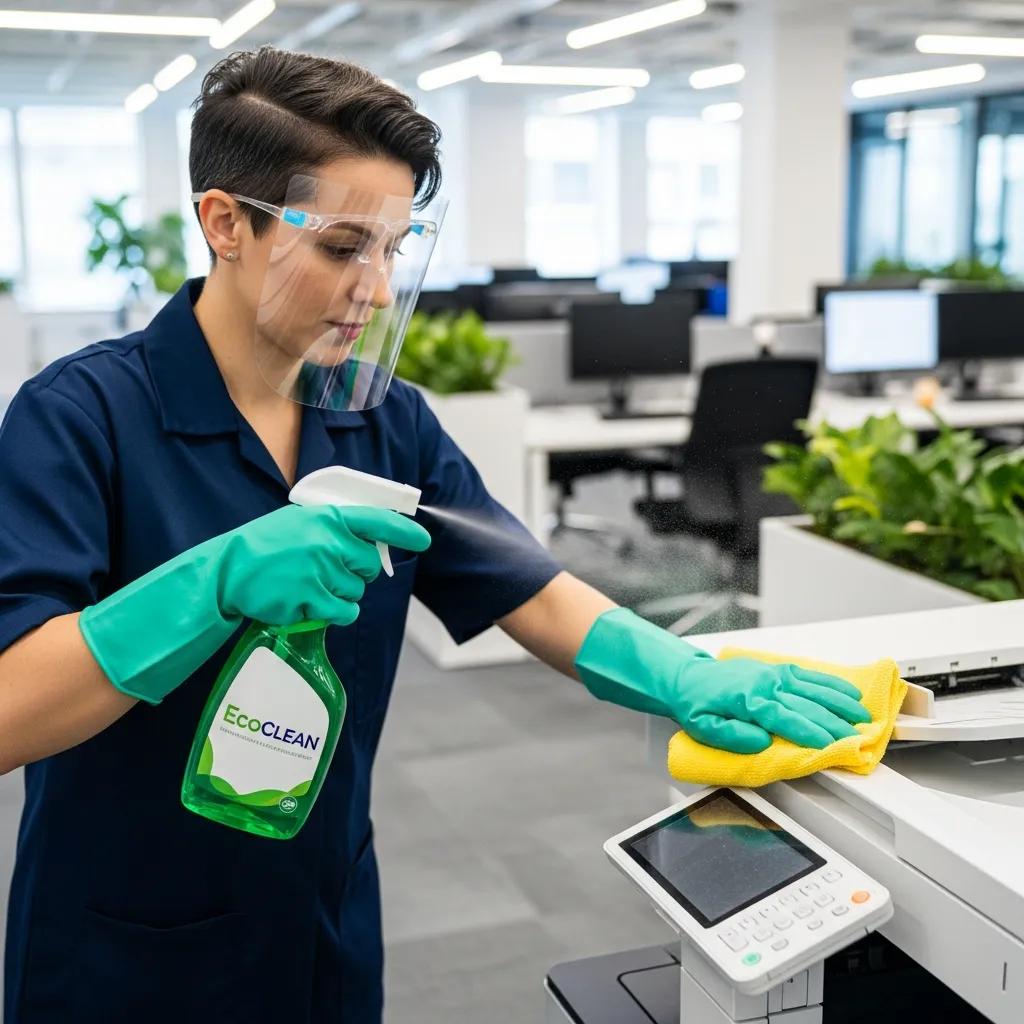
Effective office cleaning removes dirt, organic matter and the micro‑reservoirs where pathogens and allergens linger. Routine sanitisation lowers microbial counts on high‑touch items—door handles, lift buttons, shared desks and communal kitchen surfaces—while periodic disinfection is used for outbreak response or high‑risk zones based on assessed exposure. Improved indoor air quality follows from removing dust and particulates and choosing low‑VOC products that reduce airborne irritants. Together, these steps reduce absenteeism and support a healthier, more reliable workforce.
It’s useful to understand how cleaning, sanitisation and disinfection differ: cleaning removes soils, sanitisation reduces microbes to safer levels, and disinfection targets and inactivates specified pathogens. Clear protocols that match action, product and dwell time to each surface improve effectiveness and avoid unnecessary chemical use. With that clarity, employers in Minyama can match service levels to their health objectives and request documentation confirming work was completed to standard.
What Productivity Gains Result from a Clean Office Environment?
A well‑maintained office boosts productivity by reducing visual and physical distractions, lowering allergy triggers and creating conditions that support concentration and efficient workflows. When workstations and communal areas are kept hygienic, employees spend less time dealing with clutter or complaints and more time on core tasks. Studies linking indoor environmental quality to cognitive performance and reduced absences show this can translate into a tangible return on investment. Fewer cleaning‑related interruptions also ease managerial load and improve overall workplace satisfaction.
To turn these gains into policy, align cleaning frequency with peak usage, add quick‑touch cleaning for shared equipment and manage waste and recycling to avoid distractions. Simple interventions—midday sanitisation of communal zones or daily desk upkeep—can produce immediate improvements in staff focus and perceived workplace quality for Minyama businesses.
Which Eco-Friendly Cleaning Practices Does Divine Commercial Cleaning Use in Minyama?

Eco‑friendly cleaning lowers environmental impact without sacrificing hygiene by combining thoughtful product selection, efficient techniques and waste‑reduction measures. Key elements include low‑VOC, biodegradable formulations, microfibre cloths that capture soils with less chemical reliance and measured dosing systems that reduce packaging and transport emissions. These changes cut indoor chemical exposure for occupants and shrink the ecological footprint of routine facility care in Minyama commercial spaces—making sustainable cleaning a practical choice for organisations aligning operations with corporate responsibility goals.
Common eco‑friendly methods used in professional settings include:
- Microfibre and mechanical cleaning to reduce chemical use.
- Concentrated, measured dosing systems to limit waste and packaging.
- Recycling and waste segregation to lower landfill contribution.
Adopting these approaches requires training and small operational adjustments, but they typically lead to cleaner indoor air and lower long‑term supply costs. For Minyama businesses, choosing sustainable cleaning also signals environmental stewardship to employees and clients and can support broader sustainability commitments.
| Practice | Key feature | Environmental benefit |
|---|---|---|
| Microfibre cleaning | Physical soil capture with minimal chemicals | Less chemical runoff and lower indoor VOCs |
| Concentrated dosing | Accurate dilution systems | Reduced packaging and transport emissions |
| Biodegradable products | Formulations that break down safely | Lower aquatic toxicity and disposal impact |
How Do Eco-Friendly Products Reduce Environmental Impact?
Eco‑friendly products cut environmental impact by using low‑VOC ingredients, biodegradable surfactants and formulations with fewer toxic residues—reducing airborne irritants and downstream ecological harm. Concentrated products improve life‑cycle impacts through less packaging and fewer transport emissions, while refill and bulk systems further reduce waste. Paired with mechanical methods like microfibre, these products maintain high hygiene standards with smaller chemical loads. For Minyama offices, that means safer indoor air for staff and fewer compliance headaches around hazardous waste.
Measurable benefits include lower indoor VOC readings, reduced risk of skin and respiratory irritation among staff, and a smaller environmental footprint from cleaning chemicals. Introducing eco‑friendly options should include training so teams dose correctly and know when traditional disinfection is still required for infection control.
Why Choose Sustainable Cleaning Solutions for Your Minyama Office?
Choosing sustainable cleaning supports health, reputation and long‑term cost management. Sustainable programs can lower absenteeism through improved air quality, reduce chemical exposure and reinforce employer values—helping with retention and recruitment. From a procurement view, reduced waste and efficient dosing often save money over time despite an initial investment in training and supplies. For Minyama businesses, sustainability also signals to clients and stakeholders that your organisation takes its environmental responsibilities seriously.
Frame sustainable cleaning as a strategic investment: it reduces exposure risks, protects assets and supports corporate messaging about responsible operations. Evaluate providers on their product lists, staff training and waste‑management policies to ensure sustainability claims deliver measurable workplace improvements.
How Are Customized Cleaning Plans Tailored for Different Business Types in Minyama?
Customised cleaning plans start with a site assessment covering business type, footfall, risk profile, operating hours and surface materials to define scope, frequency and methods. That risk‑and‑use assessment maps high‑traffic zones and critical control points to cleaning tasks and schedules, creating a plan that balances hygiene, cost and operational disruption. Customisation focuses resources where they deliver the biggest return—scaling back routine tasks where appropriate and increasing attention to priority areas such as reception, kitchens and patient zones. For Minyama businesses, a tailored approach keeps cleaning aligned with service hours and brand standards while keeping costs predictable.
Below is a compact comparison of typical service packages by business type to help decision‑makers understand core differences.
| Business type | Core tasks | Typical frequency |
|---|---|---|
| Office | Desk cleaning, high‑touch disinfection, vacuuming, waste removal | Daily to multiple times per week |
| Medical centre | Infection‑control cleaning, specialised waste handling, surface disinfection | Daily with enhanced outbreak protocols |
| Retail | Floor polishing, display cleaning, peak‑hour touch‑ups, rubbish management | Daily with additional weekend or after‑hours shifts |
This comparison highlights how tasks and visit frequency change with risk and public interaction, helping managers pick the right package for their Minyama site.
When providers detail tailored plans they normally describe the assessment process, recommended frequencies and optional services. As a local example, Divine Commercial Cleaning offers customised solutions across sectors, matching scope and frequency to operational needs while emphasising eco‑friendly products and experienced teams.
What Cleaning Services Are Offered for Offices, Medical Centers, and Retail Spaces?
Service offerings vary by sector because presentation, infection risk and traffic patterns differ. Offices typically need daily desk care, high‑touch sanitisation, waste management and scheduled floor maintenance; medical centres require strict infection‑control protocols, surface disinfection and correct waste segregation; retail focuses on display and glass cleaning, floor polishing and flexible peak‑hour coverage with minimal disruption. Tailoring tasks to each environment ensures compliance and maintains the customer‑facing presentation managers expect. Ask providers for service‑level descriptions and examples so you can confirm the proposal covers your highest priorities.
Choosing the right mix of services may involve trial periods or phased rollouts so you can measure outcomes and tweak frequency. Clear task lists, responsibilities and performance metrics help build a productive client–provider relationship and keep expectations aligned with results and budgets.
How Does Customization Enhance Cleaning Effectiveness and Client Satisfaction?
Customisation improves effectiveness by concentrating effort on critical areas and aligning frequency with actual use—often delivering better hygiene outcomes for the same or lower cost. Clients report higher satisfaction because services match operational rhythms, cause less disruption and come with clearly documented deliverables. Custom plans also support predictable budgeting and reduce unexpected extras, making it easier to compare proposals. A simple before/after—adding midday touch‑point cleaning and targeted floor care—can cut complaints and show quick returns, strengthening client trust in the provider.
Regular review and open communication are essential; periodic reassessment lets schedules evolve with occupancy and business needs so the cleaning plan continues to deliver the desired health and presentation outcomes.
What Is the Pricing and Quote Request Process for Minyama Office Cleaning Services?
Commercial cleaning pricing depends on transparent factors: site size, visit frequency, task complexity (specialised disinfection, biohazard handling), operating hours (after‑hours or weekend work) and any specialised equipment or consumables. Providers typically offer a base rate covering standard tasks, then list optional add‑ons for specialised services so clients can compare offers clearly. Understanding what’s included, what’s optional and the proposed schedule helps Minyama businesses make informed purchasing decisions that match budget and risk appetite.
Below is a breakdown of typical pricing components to check when comparing quotes.
| Pricing component | What it covers | Value to client |
|---|---|---|
| Base rate | Standard daily or weekly cleaning tasks for agreed areas | Predictable core cost |
| Frequency adjustment | Additional visits or after‑hours service | Matches usage and risk |
| Specialised tasks | Disinfection, floor restoration, window cleaning | Protects assets and manages outbreak risk |
| Consumables | Eco‑friendly supplies, paper goods | Operational convenience and product consistency |
Follow this practical quote‑request workflow to get accurate, comparable proposals:
- Prepare site details: Note total area, business type, peak hours and any high‑risk zones.
- List special requirements: Include items like medical disinfection or after‑hours access.
- Request written breakdowns: Ask for a base rate, optional add‑ons and proposed schedules.
- Schedule a site visit: Let providers walk the site to confirm assumptions and refine the quote.
- Compare and clarify: Review proposals and ask for clarification on anything unclear.
After you receive quotes expect a follow‑up—often a draft scope or site inspection—to finalise pricing and scheduling. These steps help ensure the final agreement fits your operational needs without hidden costs.
How Transparent Are Pricing Options for Commercial Cleaning?
Transparent pricing lists included tasks, visit frequency, consumables and any surcharges for specialised services or after‑hours work. A clear quote separates the base scope from optional extras—deep carpet cleaning, specialised disinfection or emergency call‑outs—so you can compare providers on value rather than just price. Contract models range from fixed‑term agreements for predictable budgeting to ad‑hoc services for flexibility; each has trade‑offs. Look for guarantees or documented performance metrics as part of transparent pricing arrangements.
When comparing providers, request itemised quotes and sample task lists for each price tier so you can assess true value and reduce disputes over deliverables.
What Steps Are Involved in Requesting a Quote from Divine Commercial Cleaning?
To request a quote from Divine Commercial Cleaning, prepare a short brief: your business type, approximate square metres or number of rooms, desired cleaning frequency and any specialist needs such as medical cleaning or after‑hours access. Submit this via the provider’s quote channels and expect a response that clarifies assumptions and, where required, proposes a site visit for an accurate assessment. Divine Commercial Cleaning operates locally and offers customised plans, eco‑friendly product options and experienced teams—its quotation process emphasises clear breakdowns and customer satisfaction.
After your initial submission you can expect a site inspection if needed, a draft proposal with a transparent pricing breakdown, and time to discuss optional items and scheduling. This ensures the final service level aligns with your needs and budget while keeping included tasks and extra charges clear.
How Does Divine Commercial Cleaning Ensure Health and Safety Compliance in Minyama?
Health and safety compliance starts with documented procedures that align cleaning actions to industry safe‑work practices and recognised standards for chemicals, waste and infection control. That approach includes written safe work method statements, appropriate PPE, and task sequencing with colour‑coded tools to prevent cross‑contamination. For Minyama workplaces these controls reduce occupational exposure, ensure safe chemical handling and support audits or client enquires about compliance. Providers should be ready to share their procedures and explain how they supervise and verify compliance on site.
A robust compliance program also includes staff training, documented quality checks and incident reporting—creating a continuous improvement loop that protects workplace safety and service quality. Requesting documented procedures and routine quality‑check evidence helps clients confirm that a provider’s compliance claims are operationally embedded.
| Compliance area | How it is managed | Client assurance |
|---|---|---|
| Chemical safety | Secure storage, dilution controls and PPE use | Reduced exposure risks |
| Infection control | Task sequencing, targeted disinfection and documentation | Traceable cleaning actions during outbreaks |
| Quality assurance | Spot checks, supervisory reviews and client feedback loops | Consistent service and accountability |
What Industry Standards and Certifications Are Followed?
Reputable providers follow recognised industry best practice for safe work and infection control, documenting methods and holding relevant credentials. Rather than rely on marketing claims, ask for documented procedures, insurance details and examples of quality‑assurance reporting. Demonstrated adherence comes through audits, staff competence records and transparent reporting of cleaning outcomes. For Minyama businesses, doing this due diligence confirms your chosen provider applies current best practice and can answer questions during inspections or compliance reviews.
When engaging a provider, request written confirmation of standard operating procedures and recent audit or quality‑check examples so you can be confident they align with your risk policies.
How Are Cleaning Teams Trained to Maintain Workplace Safety?
Training covers chemical handling, correct dilution and dosing, equipment safety, infection‑control protocols and safe manual handling to prevent injuries. Onboarding teaches operational essentials, while regular refreshers and spot checks keep standards current and respond to procedural changes. Supervision, documented quality checks and clear reporting channels help translate training into consistent field performance; ongoing coaching lets teams adapt to site‑specific requirements. For Minyama clients, ask about training frequency and covered topics to gain confidence that staff will perform safely and to your standards.
Routine competency assessments and feedback loops ensure training is ongoing—not a one‑time event—so safety and service quality are sustained over time.
Frequently Asked Questions
What types of businesses benefit most from customized cleaning plans?
Customised plans suit any organisation with varying foot traffic or specific hygiene needs—especially offices, medical centres and retail. Medical facilities need stringent infection control; retail requires frequent touch‑ups to maintain customer appeal; offices benefit from scheduled desk care and high‑touch sanitisation. Tailoring schedules and tasks to each operation’s rhythms and risk profile improves effectiveness, compliance and client satisfaction.
How often should office cleaning be scheduled for optimal results?
Frequency depends on foot traffic, the nature of work and hygiene needs. High‑traffic and communal areas usually need daily cleaning; less used spaces may be cleaned less often. A practical approach combines daily high‑touch cleaning with periodic deep cleans. Regular reviews let you adjust schedules as occupancy patterns change.
What are the key differences between cleaning, sanitization, and disinfection?
Cleaning removes dirt and debris. Sanitisation reduces microbial counts to safer levels. Disinfection inactivates specific pathogens. Each has its place: routine cleaning plus sanitisation for everyday hygiene, and disinfection for outbreaks or high‑risk areas. Using the right action for the right surface improves effectiveness and limits unnecessary chemical use.
What should businesses look for when evaluating cleaning service providers?
Look for experience and reputation, clear service lists, health & safety compliance, and evidence of training. Check product lists for eco‑friendly options and ask for itemised proposals that show deliverables and pricing. Client testimonials or case studies also help judge reliability and effectiveness.
How can businesses ensure their cleaning provider maintains compliance with health standards?
Ask for documented procedures, training records and quality‑assurance measures. Regular audits and performance reviews verify adherence to best practice. Establish clear reporting channels for issues and require providers to show how they meet relevant health regulations—especially in high‑risk settings like medical or food‑service areas.
What are the benefits of using eco-friendly cleaning products?
Eco‑friendly products reduce indoor air pollution and chemical exposure, lower environmental impact and are often biodegradable. They can improve staff wellbeing, support corporate sustainability goals and enhance reputation. For Minyama businesses, choosing greener products promotes a healthier workplace and signals responsible operations to clients and employees.
Investing in professional office cleaning in Minyama improves workplace hygiene, supports employee health and lifts overall productivity. Customised plans and eco‑friendly practices create safer, more attractive spaces for staff and clients while helping you manage costs and compliance. If you’re ready to prioritise cleanliness and workplace wellbeing, explore our tailored cleaning solutions and let us help you create a healthier workplace.

Dianne, originally from Rockhampton, hails from a business-oriented family, with her father owning electrical stores and her uncle serving as Mayor. Moving to the Sunshine Coast at 13, she later pursued a rewarding real estate career and raised three children. As a single mom, she balanced university studies with domestic cleaning work. Armed with a Bachelor’s Degree in Business, majoring in Supply Chain Management, Dianne founded and grew Divine Commercial Cleaning into a thriving company. Her success is rooted in strong family mentorship, a positive attitude, and a solution-oriented approach, offering tailored cleaning services with integrity and strategic insight.