Minyama Retail Store Cleaning Services: Your Practical Guide to Commercial Cleaning on the Sunshine Coast
Retail store cleaning is a coordinated program of services that keeps shop floors, displays, fitting rooms and customer areas clean, safe and welcoming for shoppers and staff. Professional commercial cleaning in Minyama helps protect your brand and assets by focusing on high-touch surfaces, managing odours and using the right equipment and methods for retail environments. This guide explains why dependable retail cleaning matters for Minyama businesses, how schedules and contracts are shaped around Sunshine Coast trading patterns, and what to look for when comparing providers. You’ll find the main benefits, a clear breakdown of service types, practical frequency suggestions for different retail formats, typical pricing approaches and how flexible contracts handle seasonal demand. Throughout, we point out local considerations and show how Divine Commercial Cleaning positions itself as a partner for consistent presentation and compliance. By the end you’ll know what to request in a cleaning scope, how often to schedule visits and how to get a tailored quote for your Minyama store.
What Are the Key Benefits of Retail Store Cleaning Services in Minyama?
Good retail cleaning delivers more than a tidy shopfront — it improves hygiene, safety and the customer experience, all of which support sales. Professional cleaning reduces microbes on high-touch areas and in restrooms, helping stores meet Australian hygiene expectations and cut complaints and staff absenteeism. A well-presented store boosts shopper confidence and dwell time, which often produces higher basket values and repeat visits. Regular maintenance preserves floors, fixtures and displays, lowering long-term repair bills. Scheduled cleaning also reduces slip and trip risks through proactive floor care and prompt spill response, supporting workplace safety and public-liability risk management.
How these advantages play out day-to-day depends on targeted tactics and local knowledge; the next section explains the specific mechanisms that influence customer experience and store hygiene.
How Does Professional Cleaning Enhance Retail Hygiene and Customer Experience?
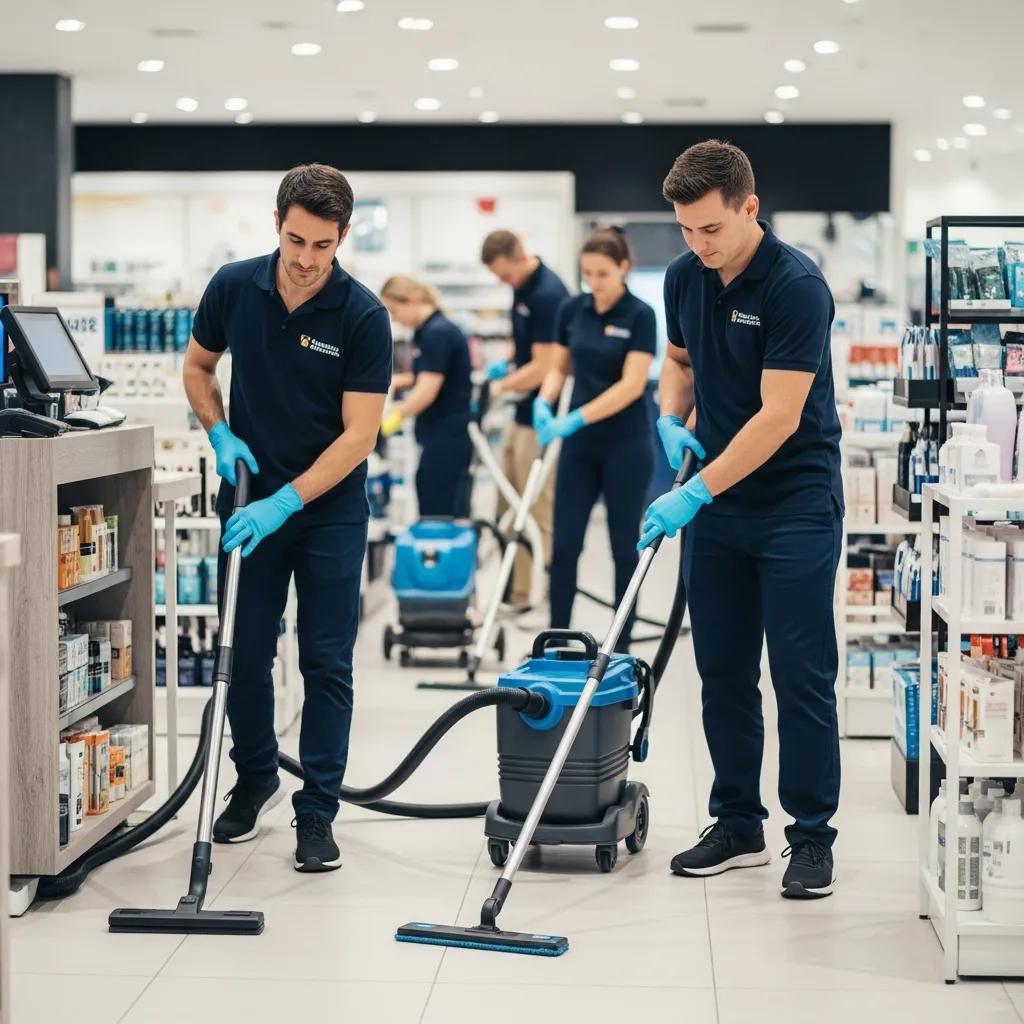
Professional cleaning improves retail hygiene by concentrating on high-traffic zones and high-touch points with targeted disinfection and reliable maintenance cycles. Technicians use commercial vacuums, scrubbers and approved sanitising products to remove soils and pathogens from POS areas, fitting rooms and restrooms, reducing infection risk and improving perceived cleanliness. Thoughtful scent management and clear sightlines also help shape shopper mood and behaviour — factors shown to affect conversion. Routine quality checks and documented task lists create measurable outcomes like fewer complaints and steady presentation, so hygiene gains are both visible and repeatable.
These operational improvements influence customer perception, often leading to longer visits and better sales during peak trading on the Sunshine Coast.
Why Choose Local Cleaning Experts on the Sunshine Coast?
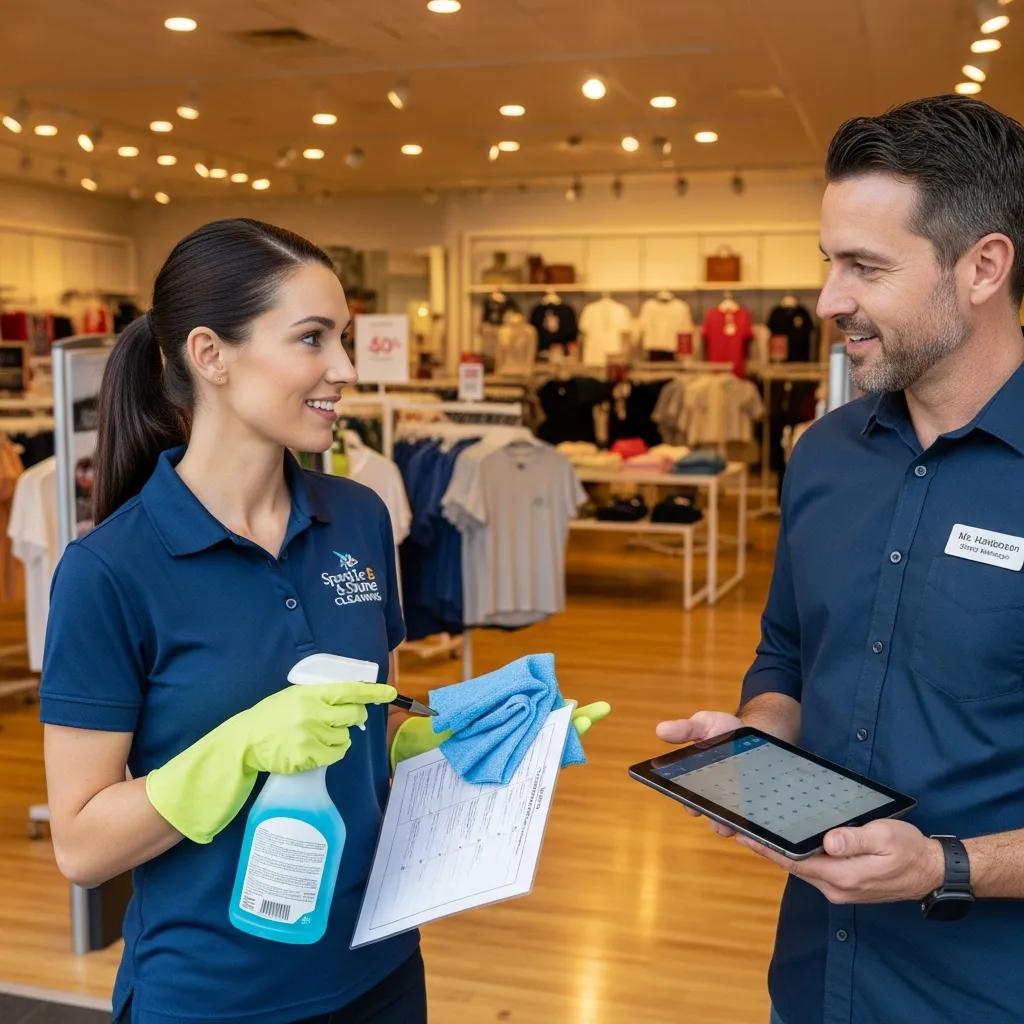
Working with local Sunshine Coast providers gives faster response times, a sharper understanding of seasonal footfall and familiarity with regional regulatory expectations — all of which make services more relevant for Minyama retailers. Local teams that know the area can schedule deep cleans around tourism peaks or sales events to limit disruption and maximise shopfront presentation when it matters. Proximity also allows quicker on-site troubleshooting and relationship-based adjustments, building trust between store managers and their cleaning partner. Experienced regional providers can recommend climate-aware products and methods that account for humidity, salt air or local flooring types, helping extend asset life and improve efficiency.
This local insight supports flexible contracts and ensures cleaning schedules reflect real trading rhythms, which we cover next when outlining service offerings.
What Retail Cleaning Services Does Divine Commercial Cleaning Offer in Minyama?
Our retail cleaning services for Minyama stores cover routine maintenance, targeted sanitisation and periodic deep cleans that together protect hygiene, appearance and asset longevity. Common tasks include sales-floor sweeping and scrubbing, restroom sanitation, fitting-room care, glass and window cleaning, shelf and display dusting, and POS/till disinfection using professional equipment and documented checklists. Services are tailored after a site assessment and can include eco-friendly product choices or specialist equipment where needed. We focus on reliability, quality assurance and measurable KPIs, often combining daily touch-point cleans with scheduled deep cleans to balance uninterrupted trading and thorough maintenance.
| Service Type | Recommended Frequency | Typical Method / Best Use-Case |
|---|---|---|
| Floor care (sweeping, mopping, scrub) | Daily to weekly depending on traffic | Mechanical scrubbers and microfibre mops for sales floors; scheduled strip-and-seal for resilient floors |
| Window and glass cleaning | Weekly to monthly | Streak-free detergents and reach systems to maximise storefront visibility and natural light |
| POS and till sanitisation | Multiple times daily | Disinfectant wipes or spray for tills, scanners and EFTPOS terminals to reduce contamination risks |
This table shows how different services are applied; the next section lists the typical areas covered and the surface-specific approaches we use.
Which Areas and Surfaces Are Covered in Retail Store Cleaning?
A thorough retail cleaning scope maps tasks to store areas and surface types so each space gets the right care at the right frequency. Sales floors need daily sweeping, spot mopping and periodic machine scrubbing; fitting rooms require disinfectant wipes and fabric care for benches and curtains; back-of-house areas benefit from degreasing and waste-management routines. Restroom sanitation includes frequent touch-point cleaning, supply checks and surface disinfection; display shelving and product fixtures are dusted and hand-polished to support visual merchandising. Surface-specific treatments — vinyl floor sealing, glass polishing or fabric spot care — follow manufacturer recommendations to protect materials and extend service intervals.
Mapping tasks to areas reduces missed surfaces and supports consistent store presentation, which informs how we tailor cleaning schedules for retail operations.
How Are Cleaning Schedules Tailored to Minyama Retail Businesses?
We tailor schedules after a site assessment that reviews foot traffic, peak trading hours, store layout, product types and staff movements to create a practical cleaning plan. Assessments identify critical touchpoints and high-traffic zones so cleaning windows can be aligned to quieter periods or after-hours to avoid disruption. Sample templates might include daily morning touch-point cleans, nightly floor care, weekly window cleaning and monthly deep cleans timed around local events or promotions. Tailored plans also allow for seasonal ramps and ad-hoc events, ensuring coverage scales with temporary increases in visitors.
This assessment-led process ensures frequency and scope match your store’s commercial rhythm, which feeds into the recommended cadences for different retail formats below.
How Often Should Retail Stores in Minyama Be Cleaned for Optimal Hygiene?
Frequency depends on retail format, foot traffic, product sensitivity and regulatory requirements. High-touch surfaces usually need daily attention while deeper maintenance follows weekly or monthly cycles. Typical daily tasks include sweeping, mopping, rubbish removal and high-touch disinfection; weekly routines cover window cleaning, display dusting and restroom restocking; monthly or quarterly work includes deep carpet cleaning, hard-floor maintenance and fixture polishing. Frequency should increase during peak trading, promotions or health events to protect customers and staff. Flexible contracts let stores scale services up or down with short notice, keeping hygiene aligned to demand without tying you into unnecessary long-term costs.
To make this practical, the next section maps retail types to suggested cleaning cadences.
What Are Recommended Cleaning Frequencies for Different Retail Environments?
- Boutique: Daily touch-point cleaning plus weekly deep dusting and display care.
- Supermarket: Multiple daily high-touch cleans and nightly floor scrubbing.
- Pharmacy: Several daily disinfecting cycles, weekly deep clean and documented checks.
These examples help you choose a schedule that matches trading patterns and product risk.
How Do Flexible Service Contracts Support Cleaning Frequency Needs?
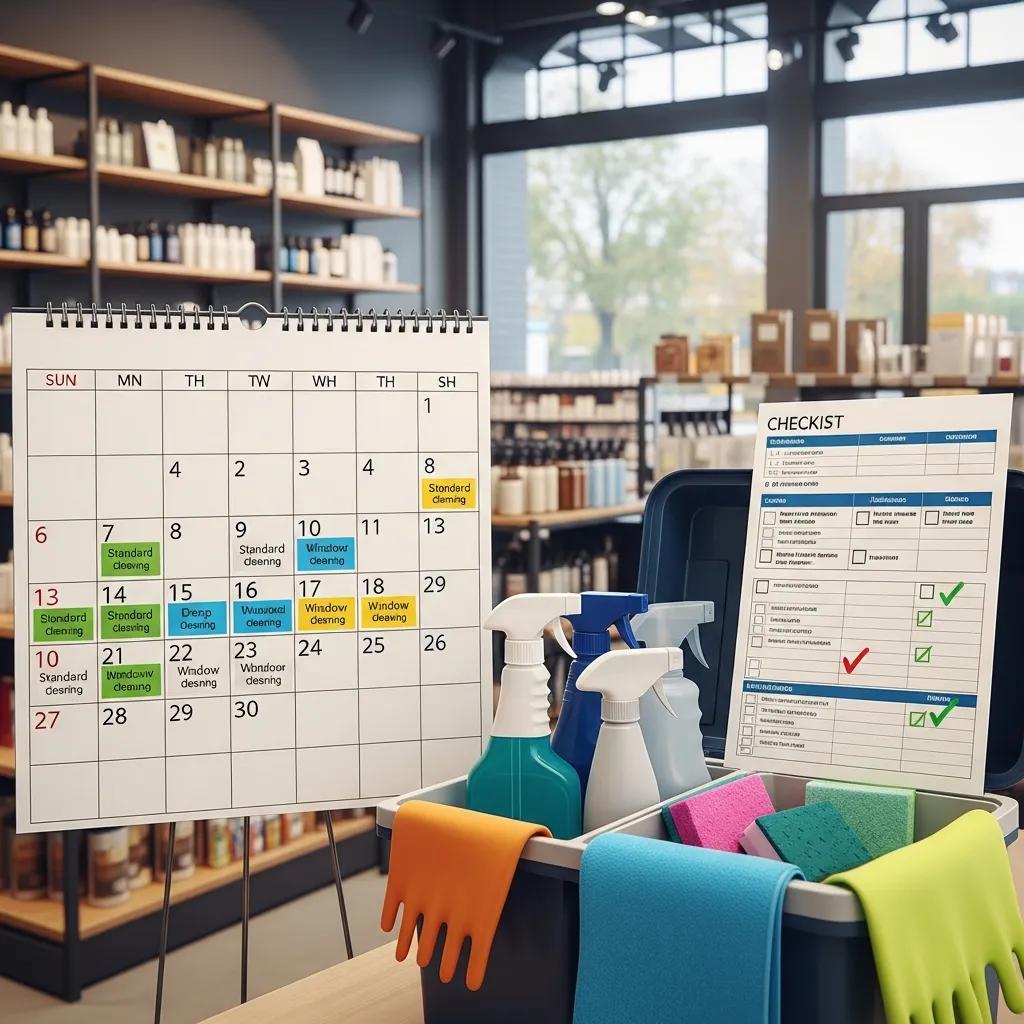
Flexible contracts give retailers the tools to scale services for seasonal peaks, events or changing footfall without long-term penalties, allowing short-notice increases and custom add-ons. Common flexible terms include rolling monthly agreements, notice-period options for scaling and add-on services for targeted deep cleans or emergency responses. These arrangements let managers align cleaning spend with revenue cycles and promotions while keeping budgets predictable through packaged options. Providers handle sudden frequency changes by reallocating crews, updating task lists and documenting scope amendments to maintain continuity and measurable results.
What Are the Pricing Structures and Contract Options for Retail Cleaning in Minyama?
Pricing varies by visit type, store footprint and service complexity. Typical models include per-visit pricing, hourly rates, per-square-metre charges and packaged contracts that bundle scheduled visits. Each model balances predictability and flexibility: per-visit suits one-offs, hourly rates work for irregular tasks, per-square-metre scales with footprint, and packaged contracts smooth costs and include agreed services. Contract options range from single cleans to scheduled recurring visits and flexible rolling agreements for seasonal adjustments. Cost drivers include store size, frequency, surface types and specialised services like high-level dusting or deep carpet extraction.
The table below summarises common contract types and their typical benefits.
| Contract Type | Characteristic | Example Benefit |
|---|---|---|
| One-off / Event | Single visit with scoped tasks | Great for openings or post-event recovery |
| Scheduled recurring | Set visits per week or month | Predictable presentation and budget smoothing |
| Flexible rolling | Adjustable with short notice and add-ons | Scales for peak season and special events |
After comparing options, the next section explains how Divine Commercial Cleaning approaches pricing and quotes.
How Does Divine Commercial Cleaning Price Its Retail Store Cleaning Services?
We price transparently, focusing on practical cost drivers such as store footprint, visit frequency, surface types and any specialist services requested rather than one-size-fits-all packages. That lets Minyama retailers receive tailored quotes that reflect the real scope, with clear inclusions and optional add-ons like deep carpet extraction or window restoration. We recommend a site assessment so proposals match local trading patterns and asset-care needs; the assessment determines crew hours, equipment and task frequency. Clear scope and KPIs form the basis of reliable delivery and predictable budgeting.
- Per-visit pricing suits isolated tasks but can be less efficient for frequent needs.
- Hourly rates give transparency for variable work but can make ongoing budgeting less predictable.
- Per-square-metre pricing scales with store size and helps compare vendors, while packaged contracts provide predictability and bundled value.
What Are the Benefits of Flexible Commercial Cleaning Contracts?
Flexible contracts offer scalability during seasonal surges, dependable baseline coverage and the option to add specialist services without renegotiating long-term ties. For retailers, flexibility means you can increase staffing or cleaning intensity for sales events and scale back in quieter months, protecting cash flow while maintaining hygiene. Flexible agreements often include service-level guarantees, defined notice periods for changes and documented quality checks to ensure continuity and measurable performance. This approach reduces operational risk by keeping coverage during staff absences and supporting quick responses to incidents that could affect safety or presentation.
What Do Minyama Retail Clients Say About Divine Commercial Cleaning?
Local client feedback typically highlights consistency, responsiveness and the ability to tailor schedules to store needs — signs of reliable service and regional experience. Sunshine Coast customers often mention punctual service windows, clear communication and steady presentation that supports retail merchandising plans. Testimonials and repeat contracts commonly point to fewer complaints, better restroom standards and sharper sales-floor presentation, all practical outcomes of professional cleaning. These patterns show how local knowledge and documented quality assurance deliver real benefits for Minyama retailers.
Which Testimonials Highlight Service Quality and Reliability?
Across the Sunshine Coast, clients regularly praise on-time arrivals, adherence to agreed scopes and the team’s ability to adapt schedules around peak trading — all indicators of reliable operations. Customers note consistent floor care and fast spill response, preserving safety and appearance. Other positives include courteous staff and the visible use of professional equipment that creates a more polished result than ad-hoc cleaning. These attributes support repeat business and show promise matched by delivery.
How Do Client Experiences Reflect Local Expertise and Customer Satisfaction?
Client stories show that local expertise — knowing trading cycles, climate impacts and event calendars — helps cleaners plan high-impact maintenance without disrupting peak hours. Satisfaction often links to measurable outcomes like fewer customer complaints, steady presentation during promotions and the ability to quickly scale services for events. Repeat contracts and referrals follow when providers demonstrate reliability, clear communication and visible improvements to store environments. This local proficiency builds long-term partnerships that protect brand standards and operational continuity.
What Are Common Questions About Retail Store Cleaning Services in Minyama?
Retail buyers commonly ask about standard inclusions, appropriate task frequency and whether professional cleaning meets Australian hygiene expectations — questions that inform purchasing and compliance decisions. Clear answers help procurement teams set scopes, compare bids and document obligations for regulators or head office. Providers should supply checklists, service records and training evidence to support audits. Below are concise, practical answers to frequent buyer questions when tendering for retail cleaning.
The list below outlines standard tasks in a typical retail cleaning scope and common optional add-ons.
What Is Included in Retail Store Cleaning Services?
Retail cleaning packages usually cover the core tasks needed to present a clean, safe retail environment and offer optional services for specialised needs. Core inclusions typically include sweeping and mopping sales floors, dusting and polishing displays, restroom sanitation, waste removal, fitting-room upkeep and disinfection of high-touch points. Optional add-ons include deep carpet extraction, high-level dusting for ceilings and vents, window restoration and emergency or post-event cleans. These tiers let retailers pick a baseline service for daily presentation and add specialist work for asset care or compliance.
Stores should match included tasks to their compliance needs and merchandising plans when finalising a scope of work.
| Area / Task | Typical Inclusion | Optional Add-on |
|---|---|---|
| Sales floor | Daily sweeping and spot mopping | Scheduled machine scrub and seal |
| Restrooms | High-frequency disinfection and supply checks | Deep sanitisation and odour treatment |
| Displays & shelving | Weekly dusting and polishing | Product-safe polish or fabric care |
This table shows how core inclusions and add-ons align with store maintenance priorities.
How Does Professional Cleaning Comply with Australian Hygiene Standards?
Professional cleaning supports regulatory and customer-safety expectations through documented procedures, staff training and the use of approved cleaning products that follow public-health guidance. Compliance practices include keeping cleaning logs, performing routine quality audits and using surface-appropriate disinfectants on high-touch areas to reduce microbial risk. Training ensures technicians understand cross-contamination prevention, safe chemical handling and record-keeping for audits or incident reviews. These measures give retailers defensible hygiene processes and help demonstrate due diligence to regulators and stakeholders.
Record-keeping and documented quality checks connect daily cleaning activity with broader health and safety obligations, helping stores meet both customer expectations and compliance needs.
What Is Included in Retail Store Cleaning Services?
Retail cleaning services typically include a comprehensive set of tasks to maintain hygiene, presentation and safety across customer-facing and back-of-house areas. Core tasks cover sweeping, mopping, dusting, restroom sanitisation, rubbish removal and disinfection of high-touch points such as POS terminals and door handles. Many providers offer add-ons like deep carpet cleaning, high-level dusting, floor restoration and specialised surface treatments. Clear scopes and checklists ensure both routine tasks and optional services are defined, measurable and auditable for store managers and procurement teams.
Choosing the right mix of core and optional tasks ensures hygiene standards and brand presentation goals are consistently met.
How Does Professional Cleaning Comply with Australian Hygiene Standards?
Professional cleaning aligns operations with Australian hygiene expectations by using approved disinfectants, maintaining documented schedules and training staff in cross-contamination prevention and hazard communication. Providers keep service logs and quality-assurance records that support internal audits and regulatory queries, and they select products and methods compatible with materials and public-health guidance. This alignment lets retail operations demonstrate compliance with records, training certificates and consistent task completion. Regular reviews keep practices up to date with evolving guidance, maintaining a defensible hygiene program.
These processes link everyday cleaning work with legal and reputational obligations for retail businesses.
What Is Included in Retail Store Cleaning Services?
Retail cleaning services commonly include the tasks listed above and are packaged to balance daily needs with periodic maintenance; ongoing communication and documentation ensure expectations are met. Core tasks — sweeping, mopping, dusting and disinfecting high-touch points — form the foundation, while optional deep cleans and specialist treatments are scheduled as required. Providers typically offer site assessments to align scope and frequency with store priorities. This structured approach supports hygiene, presentation and regulatory compliance across Minyama retail settings.
These definitions help retailers scope services before requesting quotes or assessments.
How Does Professional Cleaning Comply with Australian Hygiene Standards?
Compliance is achieved through consistent use of effective cleaning agents, documented procedures and staff training tailored to retail environments. Regular audits, task checklists and chemical-safety documentation provide transparency and traceability for hygiene activities. Providers match methods to surface types and regulatory expectations so disinfectant dwell times and cleaning frequencies meet public-health recommendations. This combination of method, documentation and training helps retailers demonstrate due diligence in managing hygiene.
Such compliance measures complete the practical guidance in this article and give retailers confidence when choosing a cleaning partner.
Frequently Asked Questions
What should I consider when choosing a retail cleaning service provider?
Look for experience in the retail sector, local knowledge and flexible service options. A good provider understands your store layout and customer flow, uses appropriate products (including eco-friendly options if required) and can tailor schedules to minimise disruption. Check client testimonials and case studies to confirm reliability and service quality before you decide.
How can I ensure the cleaning service meets my specific needs?
Start with a comprehensive site assessment that covers layout, foot traffic and specific cleaning needs. Set clear expectations, note any special requirements for high-touch areas or seasonal changes, and maintain regular feedback with the cleaning team so services can adapt as your operations evolve.
What types of cleaning products are typically used in retail cleaning?
Retail cleaners use disinfectants, general-purpose surface cleaners and eco-friendly alternatives on request. They also use specialised products for glass, floor sealants and fabric-safe solutions. Discuss product choices upfront to ensure they match your safety, branding and compliance needs.
How do I handle complaints about cleaning quality?
Address complaints quickly by giving specific examples to your cleaning provider — missed areas, timing issues or inadequate sanitisation. Reputable companies will respond to feedback and correct problems. A regular review process helps spot and fix issues before they become recurring.
Can cleaning services be adjusted during peak seasons?
Yes. Many providers offer flexible contracts that let you increase visit frequency or add tasks for busy periods. Plan seasonal adjustments in advance where possible so your provider can allocate resources and adjust schedules to keep standards high during peak trading.
What are the common challenges faced in retail cleaning?
Common challenges include managing heavy foot traffic, consistently cleaning high-touch areas and matching schedules to store operations. Varying layouts and product types can complicate routines, and seasonal spikes may require quick scaling. Clear communication and regular assessments help overcome these challenges.
How can I measure the effectiveness of my retail cleaning service?
Use regular inspections and audits, gather customer feedback and track KPIs such as task completion frequency and response times. Quality-check reports and service logs give objective data to evaluate performance and identify areas for improvement.
Conclusion
Investing in professional retail cleaning in Minyama improves hygiene and safety while strengthening customer confidence and supporting sales. Choosing a local expert like Divine Commercial Cleaning gives you tailored schedules that fit your trading patterns, reliable maintenance and flexible contracts that scale with your business. Regular cleaning and clear communication keep stores presentable and compliant year-round. Contact us to discuss a tailored cleaning plan and get a quote that matches your needs.

Dianne, originally from Rockhampton, hails from a business-oriented family, with her father owning electrical stores and her uncle serving as Mayor. Moving to the Sunshine Coast at 13, she later pursued a rewarding real estate career and raised three children. As a single mom, she balanced university studies with domestic cleaning work. Armed with a Bachelor’s Degree in Business, majoring in Supply Chain Management, Dianne founded and grew Divine Commercial Cleaning into a thriving company. Her success is rooted in strong family mentorship, a positive attitude, and a solution-oriented approach, offering tailored cleaning services with integrity and strategic insight.