Professional Carpet and Floor Cleaning Services: Expert Solutions for Brisbane and Sunshine Coast Businesses
Professional carpet and floor cleaning services deliver targeted hygiene, surface restoration, and long-term asset protection for businesses in Brisbane and the Sunshine Coast. This article explains how commercial carpet and floor care improves indoor air quality, reduces slip-and-fall risks, and extends the service life of carpets, vinyl, tile, concrete, and sealed floors. Readers will learn which cleaning methods (including hot water extraction and dry encapsulation) suit specific settings, how routine maintenance and restoration like floor stripping and sealing preserve value, which industries require specialised approaches, and typical cost drivers so you can budget effectively. We also outline practical maintenance schedules, best-practice protocols for tile and grout, and the trust signals to look for when choosing a provider. Throughout, keywords such as professional carpet cleaning Brisbane, deep carpet cleaning, floor stripping and sealing, and eco-friendly commercial floor solutions are integrated to help facility managers, property managers, and business owners make informed decisions.
Why Choose Professional Commercial Carpet and Floor Cleaning Services?
Professional commercial carpet and floor cleaning services combine specialist equipment, trained processes, and facility-focused scheduling to deliver measurable hygiene and appearance improvements. By using industry-grade extraction machines, encapsulation polymers, and appropriate surface sealers, professional teams remove embedded soil, allergens, and contaminant films that routine vacuuming or mopping cannot address. The result is improved indoor air quality, better first impressions for customers, and reduced long-term replacement costs through preserved floor integrity. Choosing a professional provider also reduces operational risk because qualified crews manage safety controls, traffic management, and product selection for different substrates and hygiene standards. These operational advantages set the stage for tailored solutions in offices, medical centres, retail, and industrial sites, so the next section explores how professional cleaning concretely improves hygiene and image.
Professional providers often back services with trust signals that matter to commercial clients. For example, some local businesses emphasise consistent staffing, police-checked staff, fully insured operations, no lock-in contracts, and money-back guarantees as proof points that support reliability and accountability. These assurances help reduce onboarding friction and increase confidence in regular maintenance programs, which in turn strengthens client relationships and reduces service variability.
How Does Professional Cleaning Improve Business Hygiene and Image?
Professional cleaning improves hygiene by removing allergens, bacteria, and particulate soil that accumulate in commercial environments, which directly reduces respiratory irritants and microbial load. High-capacity hot water extraction and targeted disinfectant applications break bonds between soils and fibres, while deep cleaning of hard floors removes grease and biofilms that attract dirt and pathogens. The visible result is renewed floor appearance and less surface wear, which enhances client perceptions and employee morale; improved aesthetics frequently reduce complaints and support brand standards. Routine documentation and cleaning logs further demonstrate compliance for regulated sites, so businesses can present verifiable hygiene records during audits or inspections.
These hygiene improvements also support safety outcomes by reducing slip risks and eliminating residue that can contribute to falls. Understanding specific methods and scheduling requirements leads naturally to examining customised cleaning plans that match each facility’s traffic patterns and surface types.
What Are the Key Advantages of Customised Floor Cleaning Solutions?
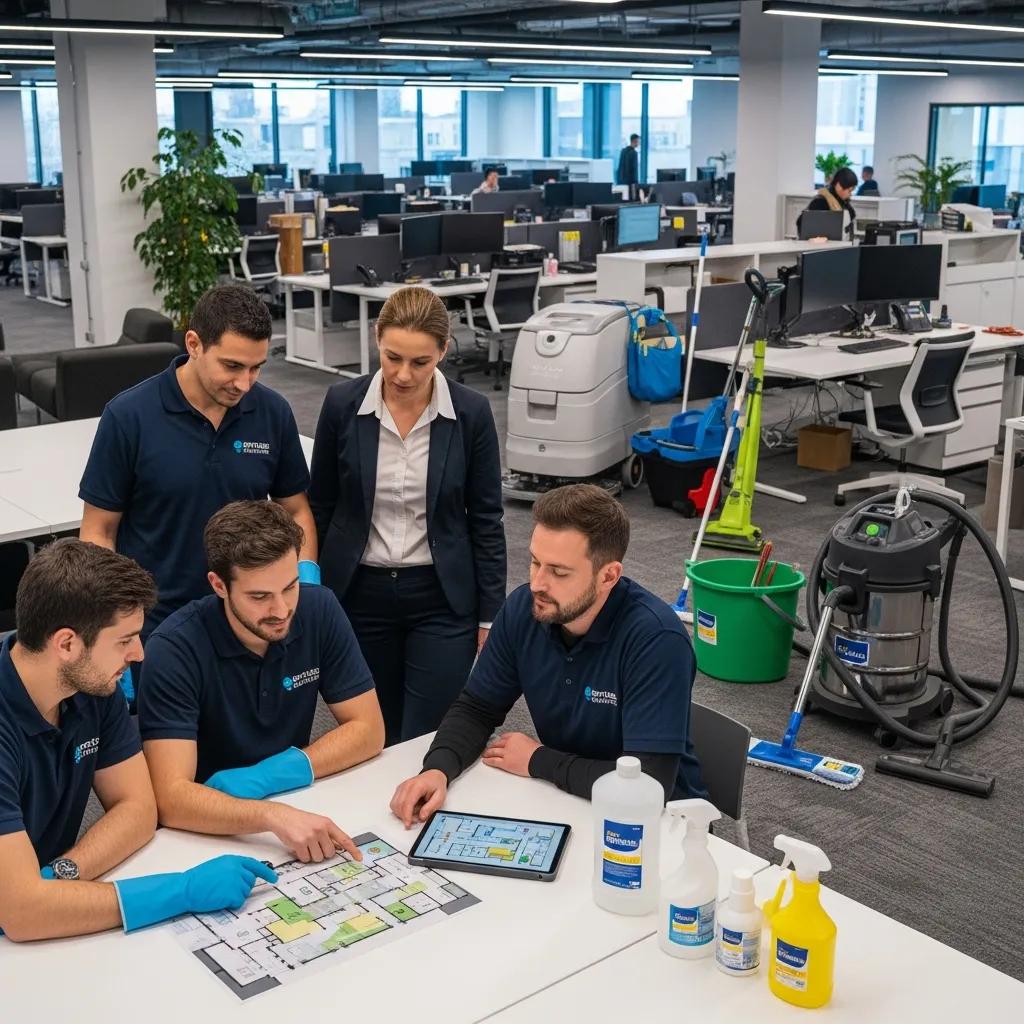
Customised floor cleaning solutions prioritise frequency, method selection, and access windows to minimise downtime while maximising cleaning effectiveness for each surface type. Tailored programs assess foot traffic, soil loads, floor substrate (carpet, VCT, polished concrete, tile), and regulatory requirements to prescribe hot water extraction, dry encapsulation, or stripping and sealing on an appropriate cadence. The main advantages include cost control through planned maintenance, targeted intervention on problem zones, and reduced operational disruption because crews work within agreed timeframes and use methods that balance drying time and cleanliness. Custom elements such as assigning the same cleaner to a site or scheduling outside peak hours enhance accountability and continuity, which makes maintenance predictable and measurable.
What Commercial Carpet Cleaning Services Are Available in Brisbane?
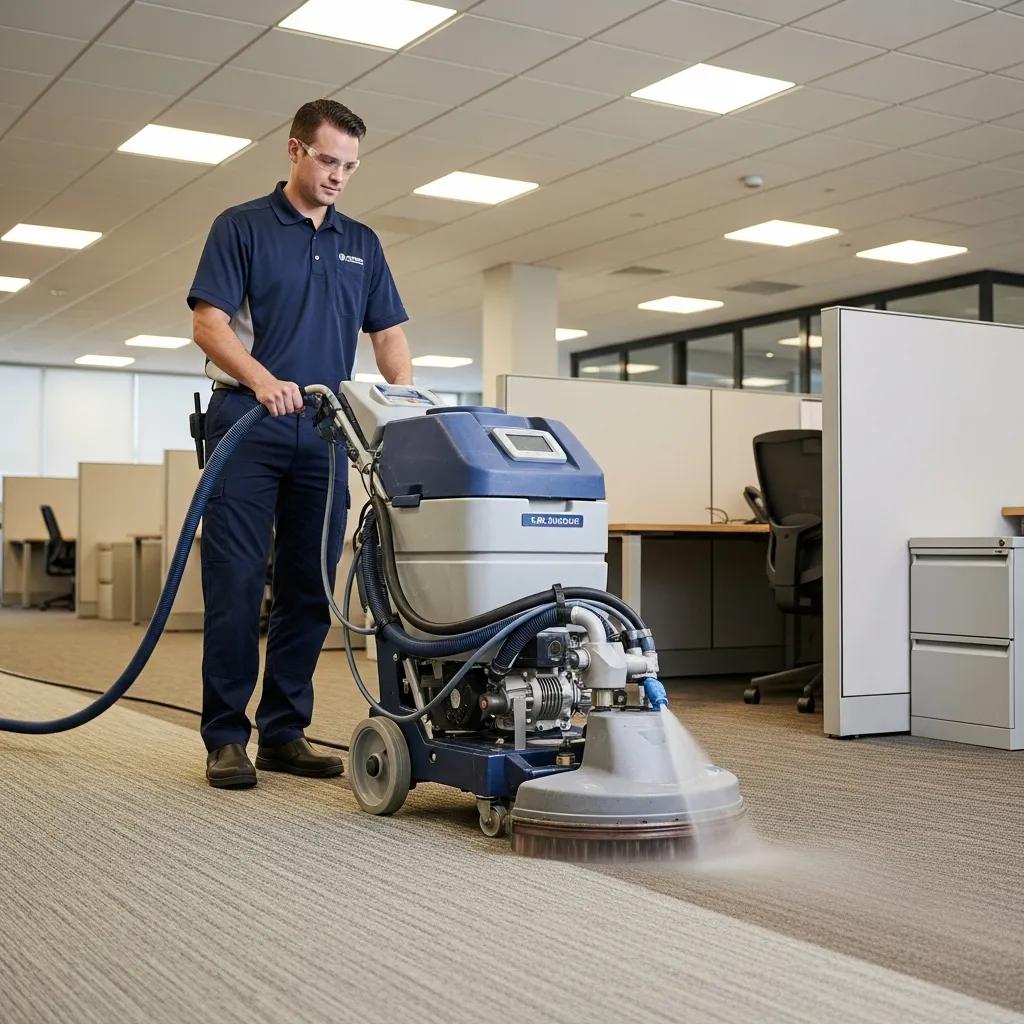
Commercial carpet cleaning services in Brisbane typically include deep hot water extraction, dry encapsulation, and low-moisture bonnet or dry carpet cleaning techniques, each chosen for specific use-cases and downtime constraints. Hot water extraction uses heated water, detergents, and high-flow extraction to remove deep soil and allergens, while dry encapsulation employs polymers that surround soils for rapid vacuum removal and minimal moisture. Low-moisture bonneting provides surface refresh for high-traffic areas but is less effective for deep soil removal. These options allow facility managers to prioritise either restoration (deep cleaning) or rapid turnaround (low-downtime methods) depending on business needs.
Many local commercial providers, including Divine Commercial Cleaning, offer these primary methods in Brisbane, enabling businesses to match method selection with operational requirements and carpet construction. The table below summarises the mechanisms, downtime, suitability, and typical benefits of three common approaches.
| Method | Mechanism | Typical Downtime | Best Suited For |
|---|---|---|---|
| Hot Water Extraction | Heated water + detergent + high-flow extraction removes embedded soil and allergens | 6–12 hours drying depending on ventilation | Heavily soiled carpets, healthcare, high-traffic commercial zones |
| Dry Encapsulation | Polymer granules encapsulate soil for vacuuming; low moisture | Minimal; carpets ready in 30–60 minutes | Offices, retail during business hours needing quick return-to-service |
| Low-Moisture Bonnet Cleaning | Rotary pad and cleaning solution refresh surface and lift light soils | Very short; immediate foot traffic allowed | Surface maintenance between deep cleans in high-turnover areas |
This comparison shows how selection balances restoration depth and operational uptime; the next section examines how floor cleaning practices enhance overall facility maintenance.
How Does Hot Water Extraction Deep Clean Commercial Carpets?
Hot water extraction deep cleans commercial carpets by injecting pressurised hot water and detergent into carpet fibres, agitating soils, and immediately extracting the resulting slurry with a high-powered vacuum. The combination of temperature, mechanical agitation, and extraction breaks bonds that trap oils, allergens, and particulate matter, restoring pile resilience and reducing odour sources. Benefits include thorough allergen removal and restoration of appearance in heavily trafficked zones, though drying time can require scheduling considerations and adequate ventilation. Typical commercial use-cases include post-event restorations, periodic deep cleans for retail centres, and scheduled maintenance in medical waiting areas.
This deep-clean process sets expectations for recovery time and informs decisions about whether to choose hot water extraction or a low-downtime alternative like encapsulation.
What Are the Benefits of Dry Encapsulation Carpet Cleaning for Offices?
Dry encapsulation carpet cleaning benefits offices by offering fast return-to-service with minimal moisture, making it ideal for environments that cannot tolerate prolonged downtime. Encapsulation agents surround and crystallise soils into brittle residues that vacuum extraction removes, reducing surface tack and extending the interval between wet extractions. Advantages include reduced disruption to business operations, lower risk of microbial growth since moisture exposure is limited, and the ability to maintain appearance on a frequent schedule. Limitations include a reduced capacity to remove deep-seated oils and heavy soiling compared with hot water extraction, so a mixed-strategy approach often yields the best long-term results.
Selecting the right mix of methods depends on traffic patterns and cleaning goals, which links directly to floor-specific maintenance strategies discussed next.
How Do Commercial Floor Cleaning Services in Sunshine Coast Enhance Facility Maintenance?
Commercial floor cleaning services on the Sunshine Coast improve facility maintenance by combining restorative treatments and routine upkeep to extend floor lifespan, improve safety, and maintain hygiene standards. Regular cleaning removes abrasive grit and contaminants that accelerate wear, while protective coatings and sealers guard against chemical spills and moisture ingress. These interventions lower replacement costs, reduce slip-and-fall incidents by maintaining appropriate surface friction, and help facilities meet industry hygiene expectations. Below is a concise list of the primary facility maintenance outcomes delivered through consistent professional floor care.
Key facility maintenance outcomes from professional floor care include:
- Extended surface lifespan by removing abrasive contaminants and protecting finishes.
- Reduced slip and fall risk through proper cleaning and anti-slip maintenance.
- Lower total cost of ownership via scheduled maintenance and targeted restorations.
- Improved hygiene and compliance readiness for regulated industries.
These outcomes translate into measurable operational benefits, and the next subsections explain best practices for tile and grout care and how stripping and sealing restore floors.
What Are the Best Practices for Commercial Tile and Grout Cleaning?
Best practices for tile and grout cleaning begin with a thorough pre-inspection to assess grout condition and substrate type, followed by a staged cleaning that uses oxygen-based bleaches or neutral pH cleaners appropriate to the surface. Mechanical agitation with rotary brushes or low-pressure steam can dislodge soils, while targeted grout cleaning tools address deeply soiled joints without damaging tiles. After cleaning, applying a suitable grout sealer reduces re-soiling and simplifies ongoing maintenance, and establishing a maintenance interval—typically quarterly to biannually depending on traffic—keeps surfaces hygienic and appearance consistent. Post-cleaning documentation and moisture checks ensure sealers cure properly and that slip resistance remains within acceptable limits.
These steps help preserve tiled areas and prepare facilities for periodic restorative work such as stripping and sealing on other floor types.
How Does Floor Stripping and Sealing Restore and Protect Commercial Floors?
Floor stripping and sealing restores vinyl and VCT and similar finishes by removing old buildup, neutralising residues, and applying fresh protective coatings that restore gloss and durability. The process typically follows three stages: strip (chemical removal of old finish), neutralise and rinse (to prepare the substrate), then apply sealer or finish coats and allow proper cure time. Benefits include restored appearance, improved resistance to traffic abrasion, and easier daily maintenance. Frequency depends on usage; high-traffic commercial areas may require full strip-and-seal annually, while maintenance coats can be applied more frequently to preserve the finish.
Understanding the equipment and chemistry involved clarifies pricing drivers, which we examine in the next section.
Which Industries Benefit Most from Specialised Floor Cleaning Services?
Specialised floor cleaning benefits any sector where hygiene, appearance, or safety influence operations, but it is especially critical for medical facilities, retail, hospitality, offices, gyms, strata complexes, and industrial sites. Each industry imposes distinct requirements: medical centres need validated disinfection and low-downtime scheduling, retail demands pristine presentation to support sales, and industrial settings require heavy-duty degreasing and concrete care. Providers tailor methods and schedules to meet these needs while balancing cost and operational impact. The list below highlights core industry groups that most commonly engage commercial floor care specialists.
Industries that most commonly require specialised floor cleaning:
- Medical and healthcare facilities that need infection-control protocols and traceable cleaning records.
- Retail and hospitality sites where appearance affects customer experience and brand perception.
- Offices, strata, and commercial property managers seeking aesthetic maintenance and occupant safety.
- Gyms, industrial workshops, and warehouses that require heavy-duty cleaning and slip-risk mitigation.
These categories indicate where tailored protocols deliver the greatest ROI; the following subsections explore medical centre hygiene needs and office/retail challenges specifically.
How Are Medical Centres’ Floor Hygiene Needs Addressed?
Medical centres address floor hygiene by using validated cleaning agents, hospital-grade disinfectants where appropriate, and scheduling that minimises patient disruption while maintaining traceability. Protocols typically include frequent targeted cleaning of waiting areas and treatment rooms, immediate response procedures for spills, and documentation for audit readiness. Low-residue cleaning chemistries and rapid-drying methods minimise microbial growth risk and support infection-control programs. Staff training in cross-contamination prevention and scheduled deep cleans help ensure consistent results and support regulatory expectations.
These medical protocols contrast with retail and office needs, which prioritise aesthetics and turnover—issues discussed next.
What Floor Cleaning Challenges Do Offices and Retail Spaces Face?
Offices and retail spaces commonly face heavy foot traffic, transient spills, and spot stains that degrade appearance and escalate cleaning costs if left untreated. Challenges include balancing cleaning schedules with business hours, preventing moisture-related damage in high-traffic entryways, and managing localised wear in point-of-sale or corridor zones. Practical mitigation strategies include entry mat programs, targeted spot treatments, frequent low-downtime maintenance (such as dry encapsulation), and periodic restorative hot water extraction. Case in point: scheduling encapsulation during open hours can preserve polish and appearance while reserving deep extraction for after-hours to avoid disruption.
Addressing these operational challenges requires understanding cost drivers and how providers price services, which we cover next.
What Are the Typical Costs and Pricing Factors for Commercial Floor Cleaning?
Costing for commercial floor cleaning varies with floor type, condition, site access, labour intensity, equipment needs, and frequency of service. Major cost drivers include square metre area, soil load and restoration needs, furniture or fixture moving, required dry times, and any hazardous-material handling. Illustrative price bands help set expectations: full strip-and-seal is priced higher due to labour and materials, while maintenance waxing and routine carpet encapsulation fall in lower ranges. Below is a practical pricing table that outlines common services, the primary cost drivers, and typical price ranges to guide budgeting and procurement conversations.
Pricing for commercial floor services depends on multiple variables that influence labour and materials.
| Service | Cost Drivers | Typical Price Range (Indicative) |
|---|---|---|
| Floor Stripping & Sealing | Surface area, number of finish coats, condition of existing finish | Moderate to high per m² depending on restoration needs (approx. $5–$15 per m²) |
| Routine Waxing / Maintenance Coats | Frequency, product type, access complexity | Low to moderate per m² for scheduled maintenance (approx. $2–$6 per m²) |
| Commercial Carpet Cleaning (deep clean) | Soil level, drying requirements, stain treatment | Low to moderate per m²; higher for restorative work (approx. $3–$8 per m²) |
This table demonstrates that condition and scope drive cost; for an accurate quote, providers assess site-specific variables on inspection. If you need a customised estimate based on these factors, requesting an on-site assessment will provide precise pricing and scheduling options.
How Is Commercial Floor Stripping and Waxing Priced?
Commercial floor stripping and waxing is typically priced on a per-square-metre basis with condition-based surcharges for heavy build-up, damage repairs, or extensive furniture moving. A basic pricing formula considers area × labour rate + product cost + setup/cleanup time, with add-ons for hazard remediation or specialised sealers. Common extra charges include initial restorative work for floors that have multiple old finish layers or chemical damage. For budgeting, facilities often compare the lifecycle cost of regular maintenance waxing versus intermittent full strip-and-seal restorations to determine the most cost-effective cadence.
Understanding these pricing mechanics helps procurement teams weigh maintenance contracts against one-off restorations and informs decisions about recurring service levels.
What Should Businesses Expect to Pay for Commercial Carpet Cleaning in Brisbane?
Commercial carpet cleaning pricing in Brisbane varies by square metre and service type, with routine encapsulation priced lower than hot water extraction or restorative treatments that target heavy soiling and stain removal. Expect additional charges for deep stain extraction, deodorisation services, and rapid-dry systems required to meet short turnaround times. Recurring contracts typically reduce per-service rates compared with one-off cleans because scheduling and pre-planning lower mobilisation costs. For precise figures tailored to your site, request a site-specific quote that accounts for traffic patterns, carpet construction, and any restorative needs.
After reviewing cost drivers, the final section summarises how a reputable provider demonstrates quality, reliability, and environmental responsibility.
How Does Divine Commercial Cleaning Ensure Quality, Reliability, and Environmental Responsibility?
Divine Commercial Cleaning emphasises trust signals and environmentally conscious practices that align with commercial client expectations for safety, reliability, and sustainability. According to available information, the company highlights consistent staffing assignments, police-checked staff, fully insured operations, no lock-in contracts, and a money-back guarantee as operational assurances that support client confidence. Environmentally conscious cleaning choices reduce chemical load and support healthier indoor air quality while also meeting many organisations’ sustainability goals. The table below maps these practices to the business value they provide for clients.
This mapping links company practices to client benefits.
| Practice | What It Ensures | Evidence / Client Value |
|---|---|---|
| Police-checked staff | Enhanced site security and trust | Reduces onboarding friction for sensitive sites |
| Consistent staffing | Accountability and quality continuity | Builds client relationships and reduces variability |
| Fully insured operations | Financial protection and peace of mind | Protects client assets during service delivery |
| Environmentally conscious practices | Reduced chemical impact and better indoor air quality | Supports sustainability goals and occupant health |
| Money-back guarantee | Service confidence and accountability | Lowers perceived risk of contracting services |
These operational commitments translate into reliable service delivery and help clients choose a partner that aligns with safety and sustainability objectives. For businesses seeking tailored quotes or to discuss maintenance plans, Divine Commercial Cleaning offers assessments and proposals aligned with facility needs.
What Eco-Friendly Practices and Certifications Does Divine Commercial Cleaning Follow?
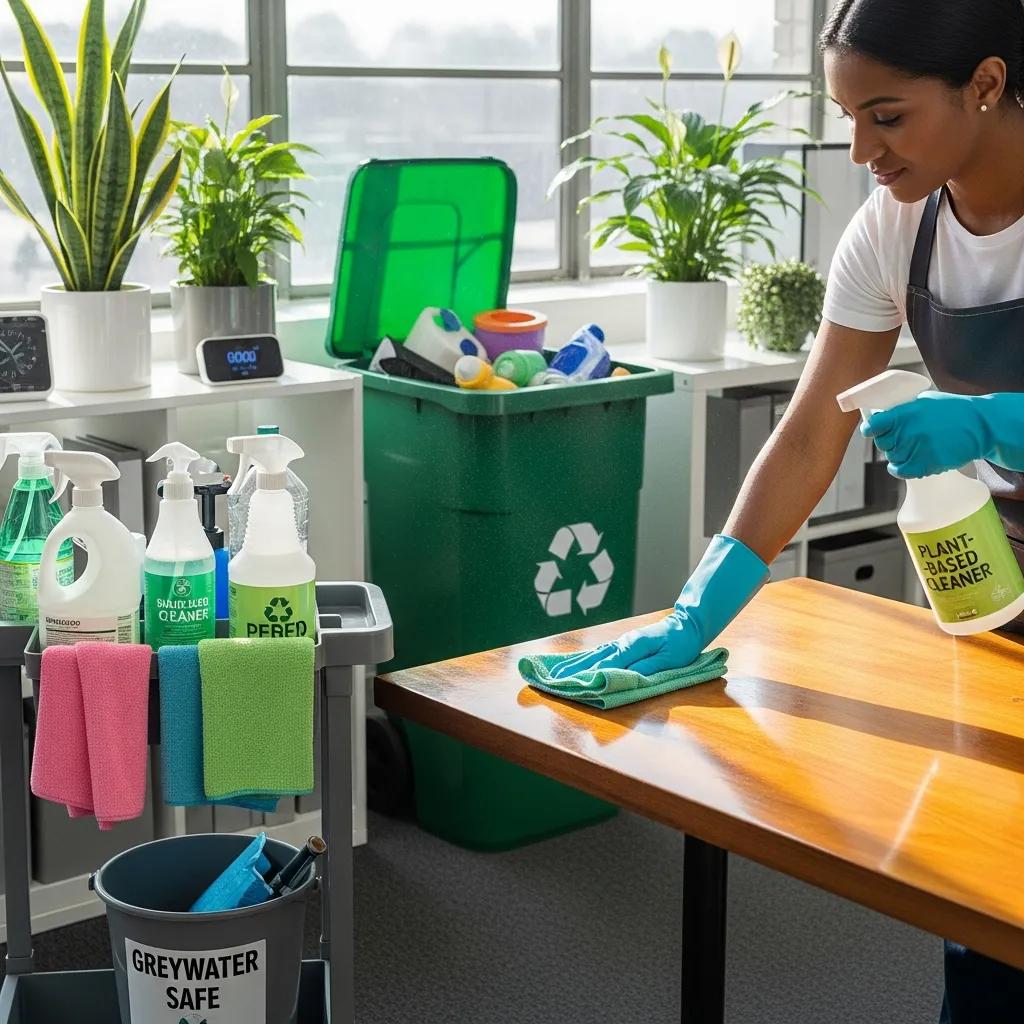
Divine Commercial Cleaning states a commitment to environmentally conscious practices, which typically means selecting low-residue chemistries, minimising water use where feasible, and choosing products with reduced environmental impact. These practices support healthier indoor air quality and reduce downstream disposal concerns for facility operators. While specific certifications were not listed in available information, the company’s stated eco-focus projects sustainability as a service pillar and ties directly to better occupant health outcomes. Choosing providers that prioritise eco-friendly options helps organisations meet internal sustainability targets and regulatory expectations.
This eco-focus complements operational reliability and leads into how staffing practices further enhance service consistency.
How Does Consistent Staffing and Police Checks Enhance Service Reliability?
Consistent staffing and police-checked personnel enhance reliability by creating stronger client–staff relationships, improving site familiarity, and reducing variability in workmanship. When the same cleaner or team regularly services a location, they better understand trouble spots, preferred scheduling windows, and asset-specific care requirements, which improves efficiency and reduces rework. Police checks reduce the administrative burden for clients with sensitive access requirements, such as medical centres or schools, and provide a clearer baseline of trust for contract approval. Together, these practices lower the risk of service disruption and support predictable maintenance outcomes for commercial clients.
These operational assurances, combined with clear pricing approaches and tailored maintenance plans, give facility managers a structured pathway to protecting floor assets and maintaining high hygiene standards.

Dianne, originally from Rockhampton, hails from a business-oriented family, with her father owning electrical stores and her uncle serving as Mayor. Moving to the Sunshine Coast at 13, she later pursued a rewarding real estate career and raised three children. As a single mom, she balanced university studies with domestic cleaning work. Armed with a Bachelor’s Degree in Business, majoring in Supply Chain Management, Dianne founded and grew Divine Commercial Cleaning into a thriving company. Her success is rooted in strong family mentorship, a positive attitude, and a solution-oriented approach, offering tailored cleaning services with integrity and strategic insight.