Professional Commercial Cleaning Services on the Sunshine Coast: Your Guide to Reliable Business Cleaning Solutions
Professional commercial cleaning refers to structured, regulated cleaning services designed for workplaces and public facilities, delivering hygiene, presentation, and compliance benefits to businesses across the Sunshine Coast.
This guide explains the range of commercial cleaning services, how they meet industry hygiene standards, and practical advice for selecting the right provider to protect staff, customers, and assets.
Many businesses struggle with inconsistent cleaning quality, regulatory expectations, and balancing cost with service levels; understanding common service types and contract options helps decision-makers set clear scopes and evaluate providers effectively. The article outlines typical service categories, examples of how packages vary by business size, eco-friendly approaches that reduce chemical exposure and improve indoor air quality, and the contract and pricing factors that drive quotes on the Sunshine Coast.
You will also find a practical hiring checklist and verification steps to evaluate insurance, police checks, and testimonials before engaging a contractor. Throughout, the focus is on actionable guidance and comparisons so that managers, strata committees, and procurement officers can shortlist providers and request meaningful commercial cleaning quotes in Maroochydore and the wider Sunshine Coast region.
What Commercial Cleaning Services Are Available on the Sunshine Coast?
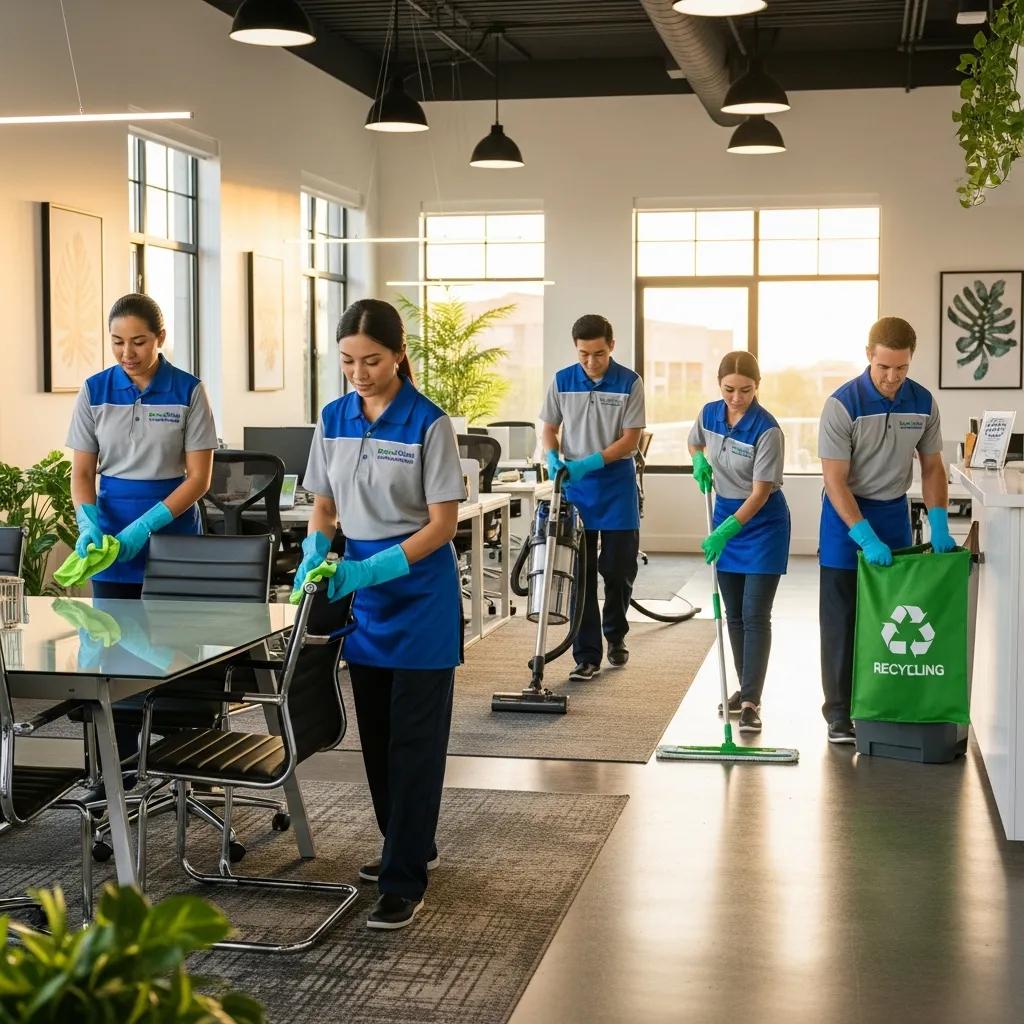
Commercial cleaning services on the Sunshine Coast cover a broad spectrum of facility needs, from routine office cleaning to specialist restoration and floor care, each tailored to industry requirements and site complexity. These services exist to control infection risk, maintain appearance, and extend the life of fixtures and finishes by applying appropriate mechanised and chemical processes. Below is a concise catalogue of common service types with one-line descriptions to help readers match needs to service categories before reviewing detailed comparisons.
- Office cleaning: Regular tasks such as trash removal, surface cleaning, vacuuming, and meeting-room preparation to support daily operations.
- Medical centre cleaning: Enhanced disinfection, waste segregation, and surface protocols designed to meet clinical hygiene expectations.
- Strata and body corporate cleaning: Common-area servicing, lift and lobby care, and scheduled deep cleans that preserve communal property value.
- Specialist services: Targeted treatments like carpet steam cleaning, window cleaning, strip and seal flooring, high-pressure cleaning, tile and grout cleaning, and flood restoration.
These service categories help facility managers decide which scopes to include in routine or periodic programs. The following comparison table clarifies typical tasks and which business types benefit most from each service.
Introductory comparison to match services with business needs and typical tasks.
| Service Type | Typical Tasks | Best For (Business Types) |
|---|---|---|
| Office cleaning | Daily trash removal, desk surface cleaning, vacuuming, restroom upkeep | Small to large offices, co-working spaces |
| Medical centre cleaning | High-touch disinfection, waste segregation, clinical surface protocols | Medical centres, imaging/X-ray centres, clinics |
| Retail/shopping centre cleaning | Floor care, restroom servicing, waste management, window washing | Shops, malls, food courts |
| Strata/body corporate cleaning | Communal area cleaning, stairwell maintenance, deep cleans | Apartment complexes, commercial strata |
| Specialist services | Carpet steam cleaning, strip & seal, high-pressure cleaning, flood restoration | Gyms, studios, retail, industrial sites |
This table highlights how different services map to typical operational challenges and helps readers prioritise which services to request in an initial quote. Understanding these mappings makes it easier to structure scopes of work and identify mandatory versus optional tasks for quotes and procurement.
After clarifying service types, consider how office cleaning packages vary with business size and staffing levels to ensure service frequency and task lists match workplace requirements.
Which Office Cleaning Options Suit Different Business Sizes?
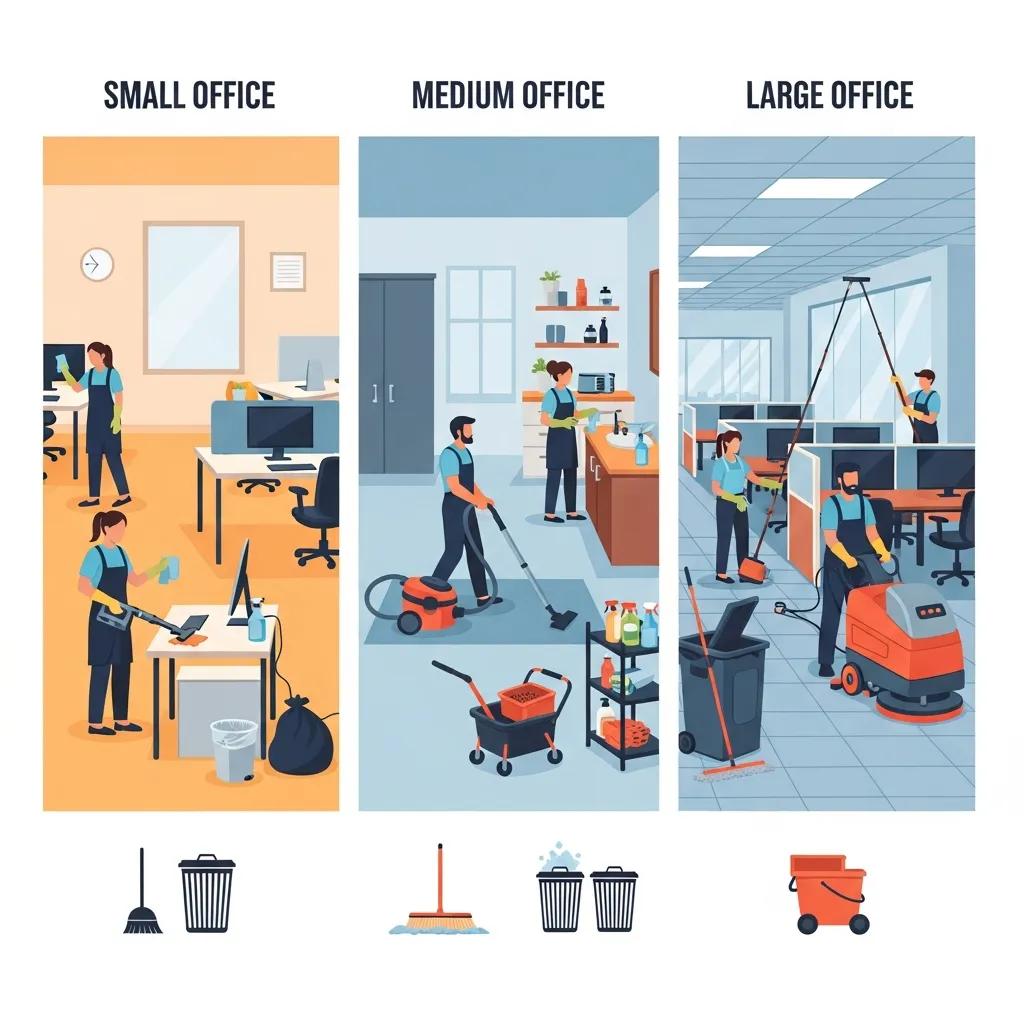
Office cleaning packages are structured around team size, office layout complexity, and daily use patterns, balancing frequency and task depth to control cost while maintaining standards. For a small five-person office, a basic package typically includes daily trash removal, weekly vacuuming, surface wipes, and fortnightly window or glass cleaning to keep presentation consistent. Medium offices of 20–50 people usually require more frequent restroom checks, daily common-area maintenance, weekly floor care and monthly deep cleans to address higher foot traffic and shared facilities.
Large offices or multi-floor sites need scheduled day and after-hours teams, specialised floor maintenance, periodic carpet steam cleaning, and on-call responses for incidents to maintain continuous service levels. Choosing the right package depends on operational hours, customer-facing areas, and whether additional specialist services (like strip and seal flooring or high-pressure cleaning) should be scheduled quarterly or annually.
Recommended cleaning frequency by business size helps procurement teams set expectations before requesting quotes.
- Small offices (1–10 people): light daily upkeep, weekly deep clean.
- Medium offices (10–50 people): daily cleaning with targeted weekly tasks.
- Large offices (50+ people): multiple daily touchpoint checks, scheduled deep maintenance.
These scenarios clarify when to upgrade packages; once frequency and scope are aligned, businesses can compare supplier proposals on the same basis to identify best value and service fit.
How Do Medical Centre Cleaning Services Meet Hygiene Standards?
Medical centre cleaning employs clinical-grade cleaning protocols to reduce infection risk by focusing on validated disinfection, waste handling, and staff competency rather than generic surface wiping. Protocols include targeted high-touch surface disinfection, scheduled deep cleans of patient areas, segregation and secure handling of clinical waste, and use of appropriate disinfectants for healthcare environments, ensuring the environment supports infection prevention. Staff assigned to medical settings typically follow documented procedures, wear appropriate PPE, and undertake specific training in hygiene expectations and cross-contamination prevention.
A short checklist used for medical settings includes surface contact frequency, disinfectant dwell times, waste segregation steps, and post-clean verification routines to maintain traceable compliance.
These processes reduce cross-infection risk and support operational continuity for clinics and imaging centres that cannot tolerate lapses in hygiene standards.
Understanding these protocols guides decision-makers when drafting service specifications and evaluating provider competencies for clinical environments.
Why Choose Divine Commercial Cleaning for Your Sunshine Coast Business?
Choosing a commercial cleaner often comes down to trust signals, proven service consistency, and flexibility in contract terms that align with operational realities. Divine Commercial Cleaning is a family-owned and operated business based in Maroochydore, QLD, offering professional commercial cleaning services across the Sunshine Coast and Brisbane and emphasising consistent teams, customised solutions, and full insurance cover. Their unique value propositions include same cleaner every time, police checks for staff, environmentally conscious practices, a money-back guarantee, and no lock-in contracts — all features that reduce onboarding risk and provide accountability for regular service delivery. For businesses seeking a partner who can service offices, medical centres, strata properties, gyms, and retail spaces while offering specialist services like carpet cleaning and strip and seal flooring, these trust elements matter in procurement decisions.
What Are the Benefits of Family-Owned, Experienced Cleaners?
Family-owned cleaning teams often deliver higher accountability and personalised service because ownership and management are closely aligned with day-to-day operations, creating stronger local responsiveness. Experience contributes to consistent quality through refined scheduling practices, better-trained staff, and practical solutions to common facility problems, such as managing peak cleaning demands or integrating specialist floor care without disrupting business hours. Local ownership also tends to prioritise reputation within the community, making teams more likely to provide the same cleaner regularly and tailor approaches to a facility’s culture and layout. These advantages reduce turnover impacts and create continuity that benefits both cleaning outcomes and tenant or staff satisfaction.
Recognising how ownership and experience affect service delivery is useful when comparing tender responses and can be a deciding factor when references and verification steps are similar across suppliers.
How Do Customised Cleaning Solutions Enhance Workplace Productivity?
Customised cleaning plans align cleaning tasks and schedules with operational rhythms so that cleaning activity supports, rather than disrupts, productivity and customer service. For example, after-hours cleaning for hospitality or retail avoids daytime interruptions, while increased disinfection during flu season reduces staff absenteeism and maintains a presentable environment for customers. Customisation can include frequency adjustments, targeted high-touch protocols, and specific specialist services such as carpet extraction or strip and seal scheduling to coincide with low-traffic periods. Measuring the impact of tailored cleaning — through reduced sick days, improved employee feedback, and customer presentation scores — provides procurement teams with tangible metrics to justify service investments. When cleaners understand a site’s workflow and deliver consistent, aligned services, workplaces experience fewer disruptions and improved operational resilience.
Clear KPIs and review cadences help cement this relationship, enabling incremental adjustments as business needs evolve.
How Does Eco-Friendly Commercial Cleaning Benefit Sunshine Coast Businesses?
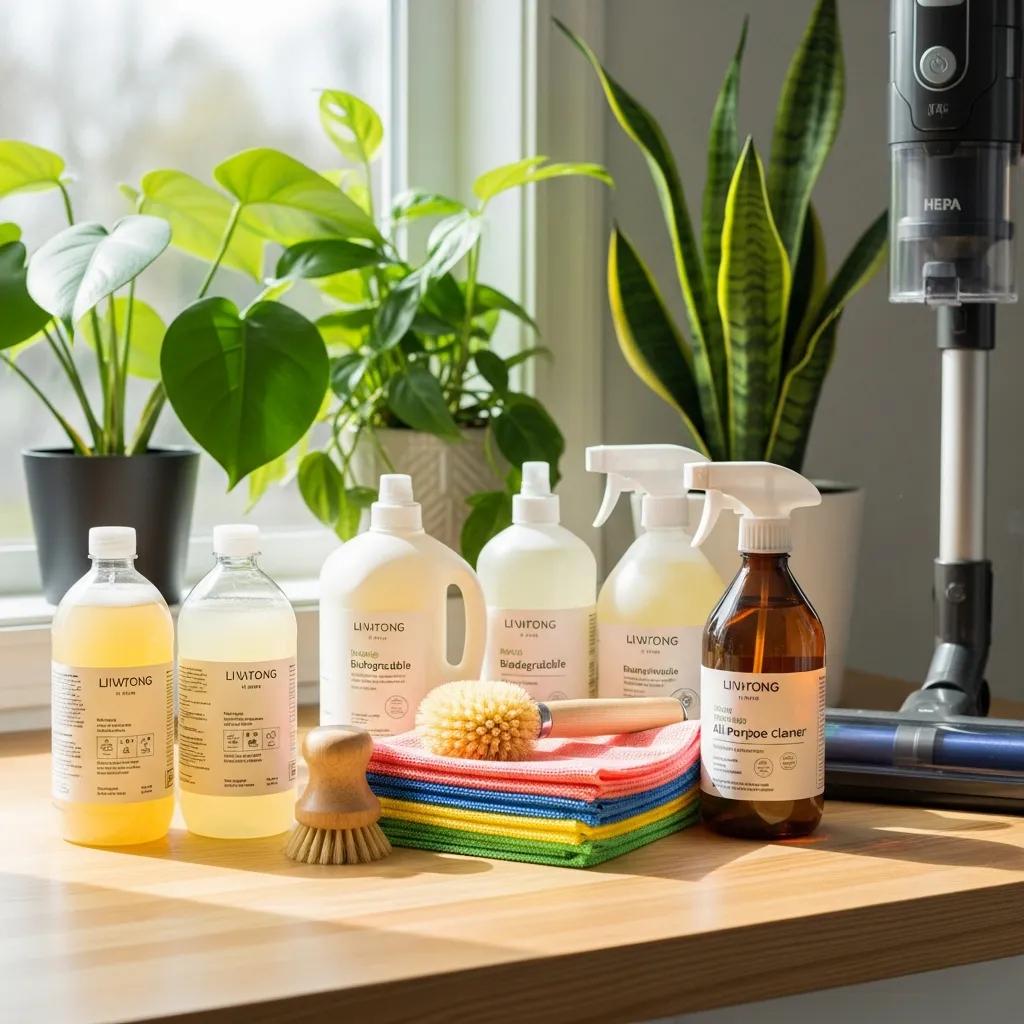
Eco-friendly commercial cleaning reduces environmental footprint and improves indoor health by using lower-VOC products, microfibre systems, and efficient water and chemical use while maintaining effective sanitation. These practices limit employee and customer exposure to harsh chemical residues, reduce unpleasant odours, and support corporate sustainability commitments that many clients and tenants increasingly expect. Environmentally conscious cleaning also aligns with local sustainability agendas and can be a differentiator for businesses seeking greener premises. The brief table below links common eco practices with the products or methods used and the direct benefits businesses typically observe.
Intro to EAV table explaining green cleaning practices and their business benefits.
| Eco Practice | Product / Method | Business Benefit |
|---|---|---|
| Microfibre cleaning | Microfibre cloths and mops | Fewer chemicals, improved soil removal |
| Reduced-VOC detergents | Biodegradable, low-VOC cleaners | Better indoor air quality, safer residues |
| HEPA vacuuming | HEPA-filtered vacuums | Lower airborne particulates, allergy reduction |
| Water-efficient methods | Controlled rinse and extraction | Reduced water use and faster drying times |
| Scheduled targeted disinfection | Green-approved disinfectants | Meets hygiene needs without high chemical load |
This table clarifies how substituting conventional products with green alternatives delivers measurable health and environmental benefits. The next paragraphs outline specific products and operational changes you can request in scope documents.
What Sustainable Practices and Green Products Are Used?
Common sustainable practices in commercial cleaning include the use of biodegradable detergents, microfibre systems that capture more dirt with less chemical use, HEPA-filtered vacuums that reduce airborne particulates, and water-efficient extraction methods for carpets and hard floors. These choices are selected because they deliver comparable or better cleaning results while reducing chemical exposure and environmental discharge, and they often reduce long-term maintenance costs through gentler treatment of surfaces. Operationally, cleaners may adopt scheduled dosing systems, concentrate on preventive cleaning to limit heavy chemical interventions, and implement recycling and waste-segregation routines to reduce landfill contributions. Implementing these practices across office, retail, and strata environments helps businesses meet sustainability targets without compromising hygiene or presentation.
When specifying green requirements, include acceptable product categories and measurable outcomes so providers can price and scope services accurately.
How Does Eco-Friendly Cleaning Improve Health and Safety?
Eco-friendly cleaning improves health and safety by lowering the presence of volatile organic compounds, reducing irritant residues on frequently touched surfaces, and lowering airborne particulates that trigger allergies or respiratory issues. The mechanisms include using low-VOC formulations that evaporate without producing harmful byproducts, microfibre removal of particulate matter rather than chemical masking, and HEPA filtration capturing fine dust, pollen, and dander. Businesses typically see fewer reported irritations, fewer complaints about odours, and sometimes reduced sick days when green cleaning replaces high-chemical routines. To monitor improvements, organisations can track metrics such as indoor air quality complaints, employee wellness surveys, and relevant absenteeism trends, then adjust cleaning regimes accordingly to sustain gains.
Clear measurement and transparent reporting are useful when justifying green cleaning investments in procurement cycles.
What Are the Typical Costs and Contract Options for Commercial Cleaning?
Commercial cleaning costs on the Sunshine Coast vary with site size, service frequency, industry-specific compliance requirements, and any specialist tasks required, such as carpet restorations or flood remediation. Contract options commonly include regular ongoing service agreements, ad-hoc or once-off deep cleans, and flexible no lock-in arrangements that allow businesses to adjust or cancel services without long-term commitments. Price drivers include square-metreage, traffic levels, required hygiene standards (for medical settings), equipment and product needs, and travel or mobilisation time for specialist tasks. Below is a concise contract-type comparison to help businesses anticipate price ranges and flexibility characteristics when requesting quotes.
Intro to contract comparison table and how it informs quote requests.
| Contract Type | Typical Price Range (indicative) | Flexibility / Notes |
|---|---|---|
| Regular weekly/bi-weekly | Varies by site size and scope | Predictable costs, scheduled service windows |
| No lock-in contract | Varies with scope | High flexibility, suitable for changing needs |
| Ad-hoc / one-off deep clean | Higher single-visit cost | Ideal for renovations or special events |
| Specialist services | Priced per task / m2 | Carpet, strip & seal, high-pressure cleaning |
This comparison helps procurement teams decide which contract style suits operational needs and budget cycles, and it encourages consistent scope definitions to enable accurate quoting.
How Do No Lock-In Contracts Provide Flexibility?
No lock-in contracts allow businesses to engage recurring cleaning services without committing to long-term terms, enabling adjustments as premises, staffing, or occupancy change. This arrangement benefits businesses that expect variable occupancy, short-term leasing, or seasonal peaks, because schedules and scope can be modified without penalty. Providers offering no lock-in terms typically define clear notice periods for changes and ensure transparent billing to maintain trust; some also combine no-lock terms with satisfaction guarantees to reduce perceived risk. For organisations undergoing growth or uncertain occupancy cycles, this flexibility supports rapid scaling of service levels without renegotiation hurdles or termination fees, while preserving access to trained teams and documented cleaning protocols.
When comparing quotes, ask providers about required notice periods, minimum service windows, and any guarantees tied to no lock-in offerings.
What Factors Influence Commercial Cleaning Pricing on the Sunshine Coast?
Pricing is influenced by measurable variables: total square metres to service, the condition and material of floors and surfaces, the required frequency of visits, industry-specific requirements such as clinical disinfection protocols, and the inclusion of specialist tasks like carpet extraction or flood restoration. Local labour rates, travel time from base to site, and equipment needs (for instance, floor buffers or HEPA vacuums) also affect estimates. When preparing a quote request, include floor plans, current cleaning frequency, photos of high-traffic areas, and any regulatory needs to receive an accurate proposal. Illustrative example: a small office may receive a modest weekly-rate estimate, while medical clinics and shopping centres will attract higher quotes due to compliance and traffic levels.
Providing comprehensive scope information upfront reduces variability between quotes and helps buyers benchmark competing proposals effectively.
After reviewing contract types and pricing drivers, it’s important that businesses know which questions to ask and which verification steps build confidence in a chosen provider.
How Can Businesses Find and Hire Reliable Commercial Cleaners on the Sunshine Coast?
Finding a reliable commercial cleaner follows a structured procurement checklist: define scope and frequency, request itemised quotes, verify insurance and police checks, ask for references or case examples, and trial services where possible. Clear scopes and measurable KPIs allow apples-to-apples comparisons between proposals and make it easier to evaluate price versus service. Below is a numbered checklist of essential questions to ask prospective cleaning contractors to ensure compliance, capability, and cultural fit for your business site.
- Are you fully insured and can you provide a current certificate of insurance covering public liability?
- Do you perform police checks for staff and have staff vetting procedures documented?
- Can you outline the scope, frequency, and exact tasks included in the quote?
- What training do your staff receive for specialist or clinical cleaning, and can you provide references?
- How are replacements or staff changes handled to maintain consistency, and do you assign the same cleaner where possible?
What Questions Should You Ask When Choosing a Cleaning Contractor?
When choosing a contractor, concentrate on insurance, staff vetting, scope clarity, availability for additional tasks, and complaint resolution procedures to protect your operation and maintain cleanliness standards. Model answers to look for include transparent insurance documentation, formal police-check policies, clearly itemised proposals that map tasks to frequencies, and defined escalation paths for issues. Red flags include vague scopes, lack of evidence for staff vetting, and inflexible billing models that prevent adjustments. A short engagement period or trial clean can also reveal whether the contractor’s execution matches written promises, allowing for evidence-based decisions before committing to ongoing arrangements.
Asking targeted questions ensures procurement managers receive the operational detail needed to compare providers fairly and avoid hidden costs.
How Do Police Checks, Insurance, and Testimonials Build Trust?
Police checks, insurance, and client testimonials are practical trust elements that reduce onboarding risk and demonstrate a provider’s operational maturity and reputation. Requesting proof of insurance and documented police-check policies verifies that a contractor assumes responsibility for incidents and that staff vetting is in place. Testimonials or case examples illustrate experience across similar sites and provide context for claims about service reliability. Verification steps include asking for certificate copies, understanding the frequency of police checks, and contacting referees for short clarifying questions. Taking these steps reduces the risk of theft, damage, or poor-quality delivery and supports safer onboarding for both tenants and property managers.
Concrete verification and trial periods complement these trust signals and help confirm a contractor’s fit for your operational needs.
For businesses ready to request a quote or discuss tailored cleaning programs, local providers with verified trust signals and flexible contract options can simplify procurement and execution. Divine Commercial Cleaning is a family-owned, fully insured provider based in Maroochydore offering customised commercial cleaning solutions across the Sunshine Coast and Brisbane. Their service model highlights same-cleaner consistency, police-checked staff, no lock-in contracts, and environmentally conscious practices to match the needs described above. To request a tailored quote or discuss how these features apply to your site, contact Dianne (owner-contact person) for a direct discussion about requirements and scheduling.
This business mention is supplementary; the preceding guidance remains the primary basis for selecting and evaluating cleaning contractors on the Sunshine Coast.

Dianne, originally from Rockhampton, hails from a business-oriented family, with her father owning electrical stores and her uncle serving as Mayor. Moving to the Sunshine Coast at 13, she later pursued a rewarding real estate career and raised three children. As a single mom, she balanced university studies with domestic cleaning work. Armed with a Bachelor’s Degree in Business, majoring in Supply Chain Management, Dianne founded and grew Divine Commercial Cleaning into a thriving company. Her success is rooted in strong family mentorship, a positive attitude, and a solution-oriented approach, offering tailored cleaning services with integrity and strategic insight.