Sustainable Office Cleaning and Environmental Impact Reduction: Eco-Friendly Commercial Cleaning Solutions for Businesses
Sustainable office cleaning is the practice of reducing environmental harm while maintaining hygienic, safe, and productive commercial spaces by using low-toxicity products, efficient methods, and measurable waste and energy reductions. This article explains why environmental office cleaning matters for businesses, how green cleaning practices improve indoor air quality and employee wellbeing, the product and method choices that qualify as eco-friendly commercial cleaning, and practical ways to measure environmental impact. Readers will learn concrete strategies facility managers can implement, the technologies and materials that deliver results, and how local businesses can apply sustainability without sacrificing cleanliness or compliance. For organisations on the Sunshine Coast and in Brisbane, there is also a brief guide to locally available services and how to request a sustainable cleaning quote from a family-owned provider in Maroochydore. If you want a tailored proposal, request a sustainable cleaning quote by calling 0459 949 969 or emailing info@divinecleaning.com.au — the final section explains contact options and what to expect.
What Are the Key Benefits of Green Office Cleaning for Businesses?
Sustainable cleaning delivers measurable business benefits by improving employee health, lowering operational costs, enhancing brand reputation, and reducing regulatory risk through safer product choices and better data on environmental performance. The mechanism is straightforward: substituting low-VOC, non-toxic products and efficient techniques reduces airborne contaminants and chemical residues, which improves indoor air quality and decreases illness-related absences. Facilities that adopt sustainable cleaning practices often see downstream savings from longer-lived surfaces and equipment, lower waste disposal costs, and fewer supply-chain impacts due to concentrated or refillable products. These outcomes also support marketing and procurement goals because green business cleaning signals corporate responsibility to clients and stakeholders, helping attract both customers and talent.
- Improved indoor air quality and lower VOC exposure, reducing respiratory complaints and allergen loads.
- Lower long-term operational costs through efficient product use, equipment longevity, and waste reduction.
- Enhanced brand reputation and client trust from visible sustainability practices.
- Reduced regulatory liability and easier compliance with environmental health standards.
- Increased employee wellbeing and productivity via cleaner, safer work environments.
These benefits link directly to specific practices described below, which facilities managers can adopt and measure to verify outcomes.
How Does Green Cleaning Improve Workplace Health and Indoor Air Quality?
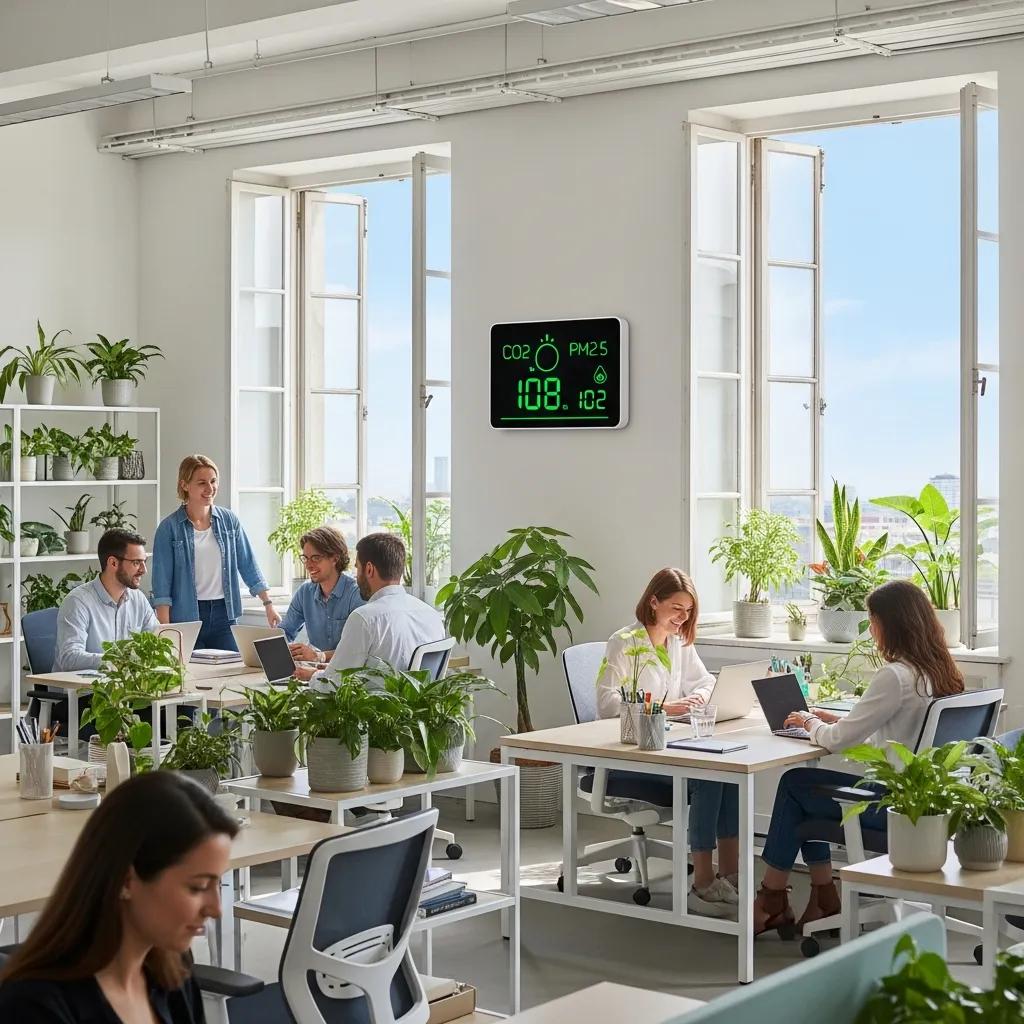
Green cleaning improves workplace health by reducing volatile organic compound (VOC) emissions, removing allergens, and limiting residues that can irritate eyes and respiratory systems. Mechanistically, non-toxic cleaning solutions combined with microfiber systems and HEPA filtration reduce particulate and chemical load in the air, so fewer irritants are available to trigger asthma or allergy symptoms. Recent studies and industry guidance indicate that reducing VOCs and improving ventilation decreases short-term sick leave and improves perceived air quality, which supports productivity and employee satisfaction. Practical steps for managers include switching to low-VOC disinfectants, adopting microfiber for high-touch surfaces, and coordinating cleaning schedules to avoid peak occupancy and minimise exposure during business hours.
These operational choices naturally lead to cost and reputational benefits, which are covered in the next subsection and supported by the case examples later in the article.
In What Ways Can Sustainable Cleaning Reduce Operational Costs and Enhance Brand Reputation?
Sustainable cleaning reduces operational costs by lowering product consumption through concentrated formulations and dilution-control systems, extending the life of furnishings via gentle cleaning methods, and decreasing waste disposal expenses through refillable packaging and recycling. The reason is that efficient products and methods require smaller volumes and reduce abrasive or corrosive impacts on assets, so replacement cycles lengthen and total lifecycle costs fall. Beyond direct savings, organisations gain branding value by communicating verified sustainability practices to clients and stakeholders, which can differentiate a business in competitive markets like the Sunshine Coast and Brisbane. Facilities can quantify savings by tracking product use, waste diversion rates, and maintenance intervals to compare pre- and post-implementation costs.
The interplay between cost savings and brand value creates a compelling business case for adopting green cleaning at scale, as the following sections detail product choices and measurement approaches.
Which Eco-Friendly Cleaning Products and Methods Are Used in Sustainable Commercial Cleaning?
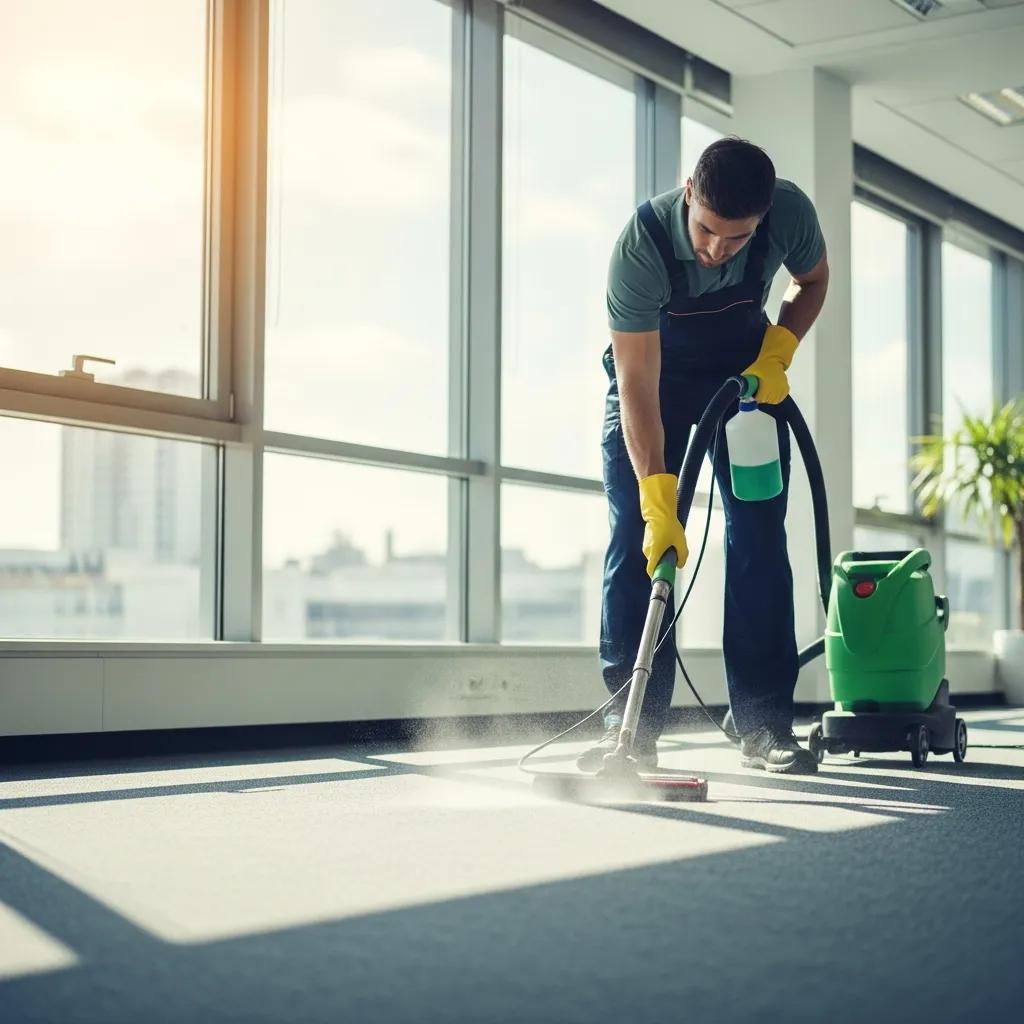
Eco-friendly commercial cleaning uses products and methods that are non-toxic, low-VOC, biodegradable, and supported by proper dilution and application controls to achieve hygiene goals with minimal environmental harm. The mechanism involves selecting product chemistries that break down rapidly in the environment, applying them in controlled dilutions to reduce waste, and pairing them with methods such as microfiber, steam, and energy-efficient equipment to cut chemical and water demand. Selection criteria emphasise supplier transparency, third-party certification cues, and compatibility with high-traffic commercial use-cases. Implementing these choices requires staff training on dilution control, microfiber maintenance, and equipment operation to realise both environmental and health benefits.
Common product types and methods used in sustainable commercial cleaning include:
- Biodegradable detergents and surface cleaners designed for high-traffic areas.
- Concentrated solutions with calibrated dispensers to reduce packaging and overdosing.
- Refillable systems and bulk supply strategies to minimise single-use packaging.
- Microfiber cloths, steam cleaning, and HEPA-filtered vacuums to reduce chemical reliance.
- Energy-efficient floor scrubbers and vacuums that lower electricity consumption.
These product and method choices also require comparative evaluation, shown in the EAV table below to help facilities managers match solutions to use cases.
Introductory comparison of common eco-friendly product categories and their typical attributes:
| Product / Method | Key Attribute | Typical Use-case |
|---|---|---|
| Biodegradable surface cleaner | Low toxicity / biodegradable | High-touch surfaces in offices and retail |
| Concentrated solutions + dispensers | Reduced packaging / accurate dilution | Daily janitorial use in large facilities |
| Microfiber systems | Mechanical removal / low-chemical need | Desks, screens, and communal surfaces |
| Steam cleaning | Chemical-free disinfection | Restrooms, kitchens, and medical areas |
| HEPA-filtered vacuuming | Particulate reduction | Carpets and dust-prone zones |
This table helps decision-makers prioritise product-method pairs based on toxicity, waste, and use-case considerations.
When choosing suppliers, opt for transparent manufacturers and documented ingredient lists; avoid vague “green” claims without certification or safety data sheets. The next subsection defines non-toxic and biodegradable solutions in greater depth.
What Are Non-Toxic and Biodegradable Cleaning Solutions?
Non-toxic and biodegradable cleaning solutions are formulations designed to clean effectively while minimising harm to people and ecosystems by using ingredients that break down in the environment and present low VOC emissions. The mechanism for their safety rests on using surfactants and solvents that biodegrade in wastewater treatment and avoiding persistent or bioaccumulative chemicals. Selection cues include clear ingredient disclosure, safety data sheets, and recognised eco-labels when available; these help buyers avoid greenwashing where marketing claims outpace actual environmental performance. Use-cases range from daily surface maintenance with low-foaming, biodegradable cleaners to targeted stain and soil removal with enzyme-based products that are effective and environmentally preferable.
Managers should verify supplier transparency, request dilution protocols to ensure cost-effective dosing, and pilot new products in high-traffic zones to confirm performance before full rollout. Avoiding greenwashing requires asking for technical data and application guidance from suppliers.
How Do Advanced Techniques Like Microfiber and Energy-Efficient Equipment Support Sustainability?
Microfiber and energy-efficient equipment support sustainability by enabling effective cleaning with less water, fewer chemicals, and lower energy consumption across the cleaning lifecycle. Microfiber cloths and mops mechanically remove microbes and soils, allowing for reduced chemical concentrations or even chemical-free cleaning when paired with steam, which saves both purchases and disposal. Energy-efficient vacuums and floor machines use optimized motors and battery or low-wattage systems to minimize electricity use during operations, and HEPA filtration captures fine particulates, improving indoor air quality. Maintenance practices such as regular laundering of microfiber and scheduled equipment servicing preserve performance and extend the useful life of tools, amplifying environmental benefits.
Adopting these techniques requires training and procurement planning but results in consistent cleaning outcomes with lower environmental footprints and operating costs.
How Does Sustainable Commercial Cleaning Reduce Environmental Impact in Offices?
Sustainable commercial cleaning reduces environmental impact through three measurable mechanisms: waste reduction and recycling, water conservation, and energy/carbon reduction via efficient equipment and logistics. Each mechanism operates through specific practices—refill systems and packaging reduction divert waste from landfill, low-flow and controlled-rinse tools save water, and route optimisation plus energy-efficient machines lower fuel and electricity use. These combined actions reduce a facility’s operational footprint while maintaining or improving hygiene standards. Facilities managers should track key performance indicators such as waste diverted, litres of water saved, and CO2-equivalent estimates per service to document progress and support continuous improvement.
A concise, numbered list of the main mechanisms helps facilities target outcomes:
- Waste reduction and recycling through refillable supplies and packaging minimisation.
- Water conservation by adopting low-flow equipment and minimising rinse cycles.
- Energy and carbon reduction via efficient scheduling, local sourcing, and low-energy equipment.
Measuring these mechanisms supports procurement and sustainability reporting and enables comparison across vendors and cleaning programmes.
What Waste Management and Recycling Practices Are Implemented?
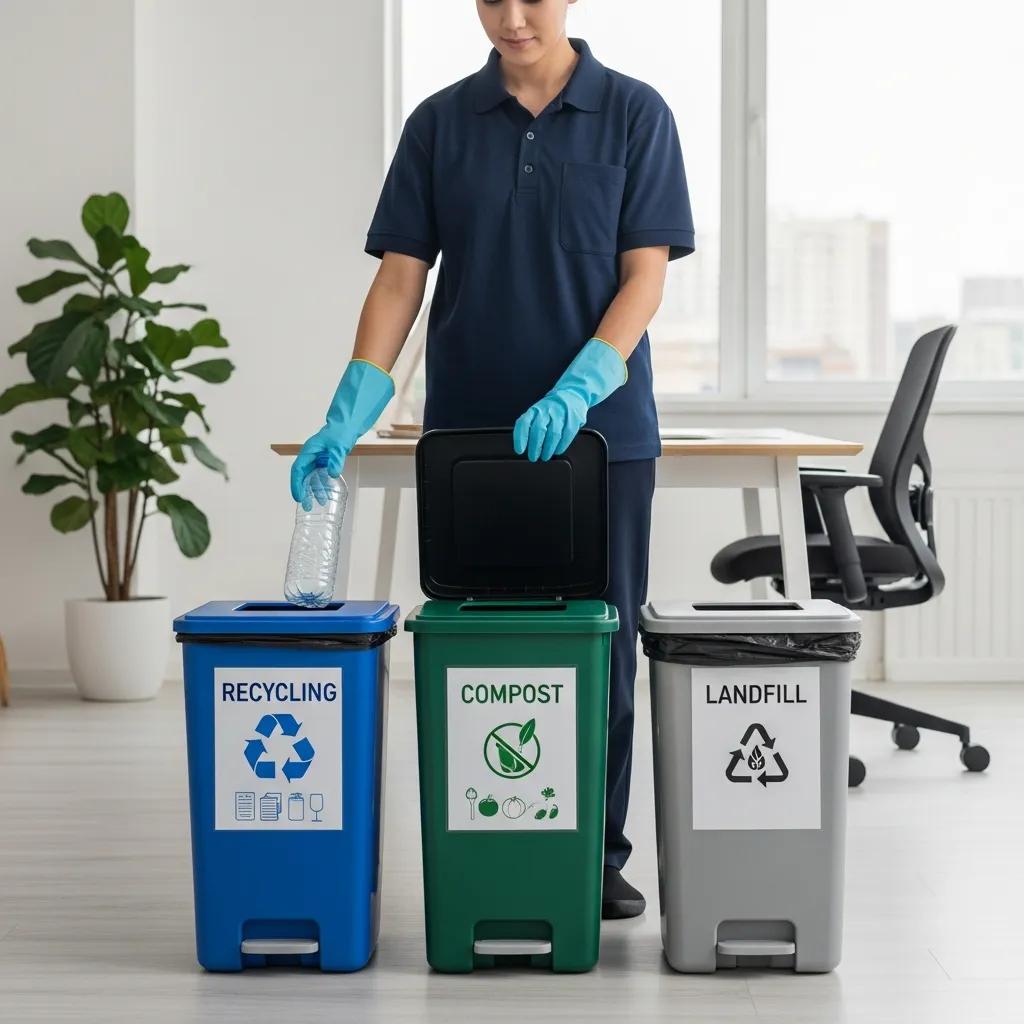
Effective waste management in sustainable cleaning prioritises on-site segregation, reduced packaging, and coordination with client recycling systems to increase diverted waste rates and lower disposal costs. Practically, cleaners implement separate streams for recyclables, compostables where available, and landfill-bound waste, and they favour refillable dispensers and bulk purchasing to reduce single-use packaging. Collaboration with building tenants to align recycling destinations and signage improves capture rates, and periodic audits of waste streams identify quick wins for reduction. Reporting and tracking—such as monthly diverted tonnage or volume—turn anecdotal improvements into verifiable KPIs for sustainability reporting.
Quick-win actions include replacing single-use paper towels with high-efficiency dispensers, switching to refillable soap systems, and documenting diversion metrics in client reports to verify progress.
| Practice | Environmental Metric | Typical Outcome |
|---|---|---|
| Refillable dispensers | Packaging waste reduced | Lower landfill volume |
| On-site segregation | Diversion rate increased | Higher recycling capture |
| Bulk purchasing | Supply-chain emissions reduced | Fewer deliveries / lower packaging |
| Compostable collections | Organic waste diverted | Reduced methane risk in landfill |
This table clarifies which operational choices produce specific environmental benefits, assisting procurement decisions and client reporting.
How Are Carbon Footprint and Energy Consumption Minimised in Cleaning Services?
Minimizing carbon footprint in cleaning operations relies on tactics such as optimised fleet routing, local staffing and supply chains, scheduling to reduce repeat trips, and use of energy-efficient equipment that consumes less electricity during operation. The reason these approaches work is they lower fuel use and grid energy demand, which directly reduces CO2-equivalent emissions associated with service delivery. Facilities can estimate carbon impact by combining fuel and electricity consumption data with standard emission factors to produce simple CO2 estimates per service, enabling month-over-month comparisons. Supplier choices—like sourcing concentrated products locally—also reduce embodied emissions from transport and packaging.
Operational measures include consolidating service appointments geographically, using battery-powered or energy-star equipment where appropriate, and tracking emissions at the service-level to drive continual improvements.
What Are Real-World Examples of Green Cleaning Success in Sunshine Coast and Brisbane?
Local case studies show how targeted sustainable cleaning programmes produce both environmental and business benefits by improving air quality, reducing waste, and streamlining cleaning costs for commercial clients. In regional contexts like the Sunshine Coast and Brisbane, interventions often combine switching to low-VOC products, implementing microfiber and steam for high-touch areas, and introducing refillable dispensers to cut packaging. These mixed interventions deliver measurable outcomes such as reduced product consumption, improved occupant satisfaction, and documented waste diversion—outcomes that support procurement decisions and sustainability reporting. The following summaries illustrate typical client-focused interventions and results that local businesses can expect when adopting green cleaning.
Below are concise local case summaries framed to highlight client type, challenge, actions taken, and observed outcomes.
| Client Type / Location | Baseline vs Post-Implementation | Observed Outcome |
|---|---|---|
| Small office, Sunshine Coast | Baseline: frequent complaints about odours and dust. Post: low-VOC cleaners, microfiber, HEPA vacuums. | Improved air quality and fewer occupant complaints |
| Retail outlet, Brisbane | Baseline: high packaging waste from single-use supplies. Post: refillable dispensers, bulk procurement. | Reduced packaging waste and fewer deliveries |
| Medical-centre lobby, Sunshine Coast | Baseline: high touchpoint infection concern. Post: steam cleaning and targeted disinfection schedule. | Enhanced perceived cleanliness and confidence among visitors |
These qualitative case summaries demonstrate the types of measurable improvements achieved locally and provide a template for tracking similar outcomes in other facilities.
Which Local Case Studies Demonstrate Environmental and Business Benefits?
Local case studies typically follow a pattern: identify baseline issues such as poor indoor air quality, high waste volumes, or elevated supply costs; implement a suite of sustainable measures tailored to the client; and then document improved metrics and stakeholder satisfaction. For example, switching to microfiber and HEPA vacuums in an office can reduce visible dust and complaints, while introducing bulk refill systems in retail stores cuts packaging and logistic burdens. Facilities managers should request post-implementation reports that show the before-and-after picture for product use, waste diversion, and occupant feedback to verify the business case.
If you need a customised case study for budgeting or procurement, request a detailed proposal that includes baseline assessment and projected outcomes from your local provider.
How Has Divine Commercial Cleaning’s Sustainable Policy Impacted Clients?
Divine Commercial Cleaning, a family-owned and operated business based in Maroochydore, applies sustainability practices that emphasise customised solutions, consistent staffing, and transparent reporting to help clients transition to greener cleaning models. The company’s approach—no lock-in contracts, same cleaner every time, and customised sustainability plans—supports continuity of care and ensures staff follow client-specific recycling and product-use protocols. Clients served across Sunshine Coast, Brisbane, Pacific Paradise, Maroochydore, and Birtinya have benefited from reduced product waste and improved consistency in service, and the company offers a money-back guarantee, police-checked staff, and full insurance to provide additional client confidence. For businesses interested in a sustainability-focused cleaning partnership, Divine offers tailored proposals and can prepare a site-specific sustainable cleaning quote on request.
This local track record ties directly into staffing and verification processes described in the final section, which explain how commitments are implemented operationally.
What Is Divine Commercial Cleaning’s Commitment to Sustainability and Green Cleaning Policies?
Divine Commercial Cleaning states a clear commitment to sustainability through the adoption of non-toxic products where appropriate, staff training in eco-friendly techniques, and transparent client reporting to verify environmental outcomes. These commitments are operationalised by providing customised solutions without lock-in contracts, assigning the same cleaner to promote consistency, and maintaining full insurance and police checks for staff safety and assurance. The company serves clients across the Sunshine Coast region and into Brisbane, and it positions sustainability as an integrated element of regular commercial cleaning rather than an add-on service. For businesses ready to compare options, request a sustainable cleaning quote by calling 0459 949 969 or emailing info@divinecleaning.com.au to discuss site-specific proposals and reporting expectations.
Below are the key policy commitments summarised as an actionable list.
- Product selection: prefer low-VOC, non-toxic, and biodegradable products where performance allows.
- Training and consistency: same cleaner assigned to each site with ongoing training in dilution control, microfiber care, and waste handling.
- Transparency: reporting on waste diversion and product usage available on request as part of customised proposals.
These commitments align business practices with environmental goals and provide clients with practical, verifiable pathways to reduce their facility footprint.
How Are Staff Trained and Certified in Eco-Friendly Cleaning Practices?
Staff training focuses on practical skills that deliver sustainability outcomes: correct dilution and dosing to avoid chemical waste, microfiber maintenance to maximise reuse and effectiveness, waste segregation to increase diversion rates, and operational protocols that reduce water and energy use. Divine’s operational practices include assigning the same cleaner to each site to ensure consistency and implementing police checks and full insurance to protect client safety and trust. Training is ongoing, with site-specific instructions and periodic refreshers to maintain quality and environmental performance. These practices ensure staff competence and enable clients to rely on consistent, sustainability-minded service delivery across their locations.
Ongoing verification and client feedback loops support continuous improvement and ensure that staff training translates into measurable on-the-ground results.
Which Certifications and Standards Does Divine Commercial Cleaning Adhere To?
The source material does not list specific third-party green certifications; however, customers should expect service providers to follow recognised industry standards for safety, product handling, and environmental practice. Useful certification types to request or verify include third-party eco-labels for products, evidence of staff training records, and clear documentation of policies such as waste diversion reporting. Divine follows best-practice operational standards—such as police checks for staff, full insurance coverage, and customised client reporting—and encourages clients to ask for supplier documentation and safety data sheets when evaluating green cleaning claims. Asking for these documents provides assurance and helps avoid greenwashing in procurement decisions.

Dianne, originally from Rockhampton, hails from a business-oriented family, with her father owning electrical stores and her uncle serving as Mayor. Moving to the Sunshine Coast at 13, she later pursued a rewarding real estate career and raised three children. As a single mom, she balanced university studies with domestic cleaning work. Armed with a Bachelor’s Degree in Business, majoring in Supply Chain Management, Dianne founded and grew Divine Commercial Cleaning into a thriving company. Her success is rooted in strong family mentorship, a positive attitude, and a solution-oriented approach, offering tailored cleaning services with integrity and strategic insight.