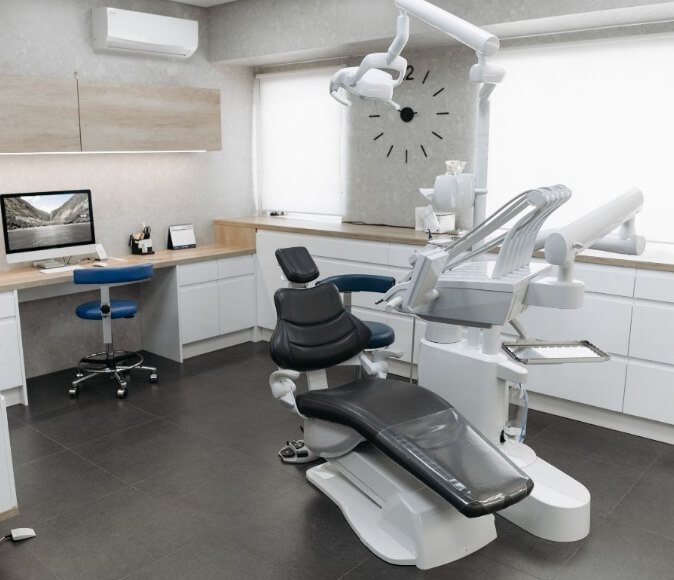
Maintaining a clean and hygienic medical facility is crucial for patient safety and well-being. We have learnt a lot since Covid and how a spotless environment helps prevent infections, promotes faster recovery, and ensures compliance with health regulations. It also fosters trust and confidence in patients, knowing they are receiving care in a sanitised space. Regular cleaning and disinfection practices are essential to protect both patients and healthcare professionals. A clean medical facility is a fundamental part of quality healthcare.
We take pride in our exceptional customer service and affordable rates. Our flexible cleaning schedules ensure that your practice is always clean and well-maintained, and that your patients and staff are satisfied.
Don’t settle for subpar cleaning services that can put your patients and staff at risk. Contact us today to schedule a consultation and experience the benefits of our expert business cleaning services for medical practices on the Sunshine Coast and Brisbane.
A clean and well-maintained environment reflects the professionalism and commitment to patient care exhibited by medical centers, X-ray and imaging facilities, and dental clinics. Patients and visitors form their first impressions based on the cleanliness and appearance of these spaces and this is where
Divine Cleaning shine. A professionally cleaned facility instills confidence and trust in patients, reassuring them that their health and safety are of utmost importance. Professional cleaning services can help create a positive and welcoming atmosphere, contributing to a superior patient experience.
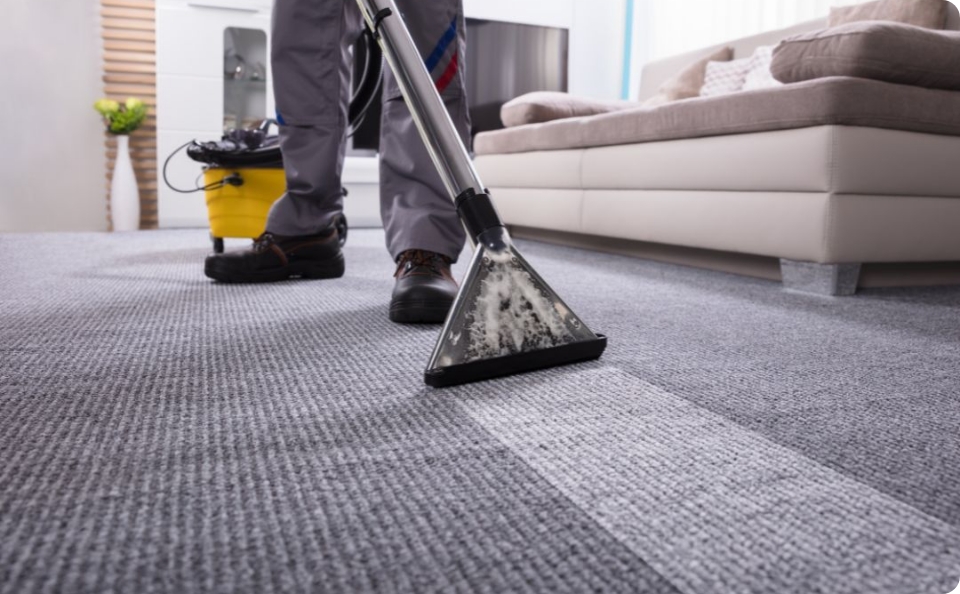
Enhance your space with our premium carpet cleaning service, an essential add-on to your regular cleaning routine. Carpets can trap dirt, allergens, and odours, impacting the overall air quality and appearance of your environment. Our professional carpet cleaning uses advanced products to deeply cleanse and refresh your carpets, removing stains and revitalising fibres. This service not only extends the life of your carpets but also creates a healthier and more inviting atmosphere. Our carpet cleaning is the perfect finishing touch to ensure a spotless, welcoming environment.
We proudly serve Brisbane and Sunshine Coast surrounding areas, offering convenient and accessible services to cater to your carpet cleaning needs. Whether you’re in the bustling city or the serene coastal regions, our expert team is ready to deliver exceptional results right to your doorstep.
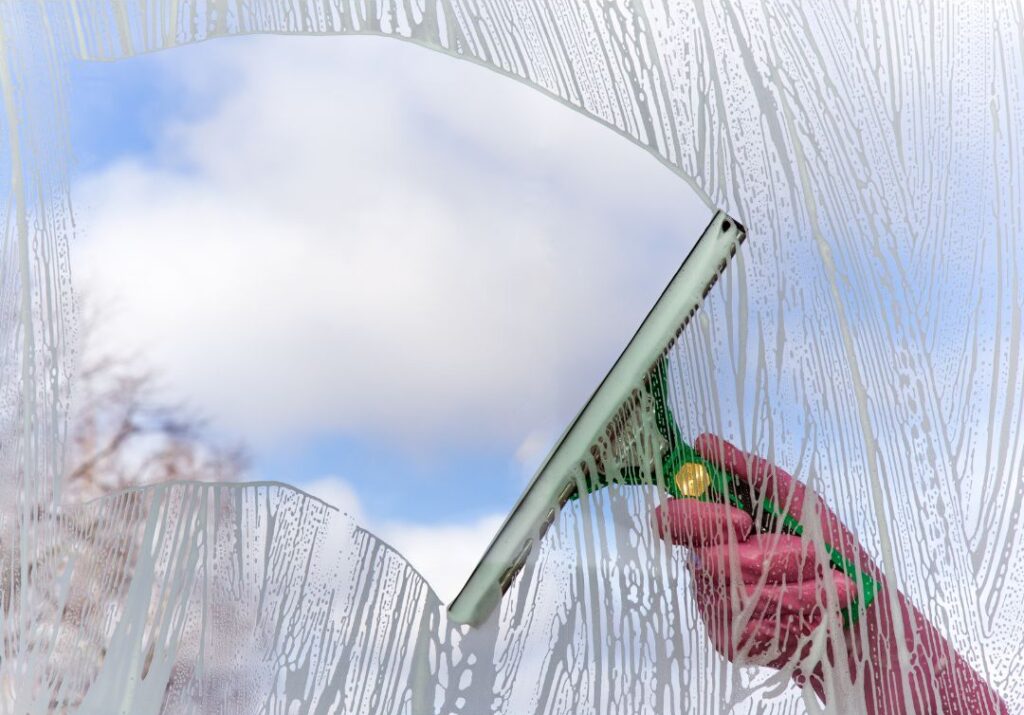
Elevate your workplace appearance on the Sunshine Coast with our expert commercial cleaning services, featuring specialised window cleaning. Clean windows not only enhance your view but also improve the overall ambience of your space, allowing natural light to flood in. Our professional team uses specialised equipment and solutions to remove dirt, grime, and streaks, leaving your windows crystal clear and spotless. This service is perfect for offices and commercial buildings, creating a polished and inviting look. Let us handle the hard-to-reach areas and keep your windows sparkling, enhancing the beauty and brightness of your environment.
With our focus on commercial cleaning, we ensure businesses on the Sunshine Coast enjoy a pristine and professional setting.
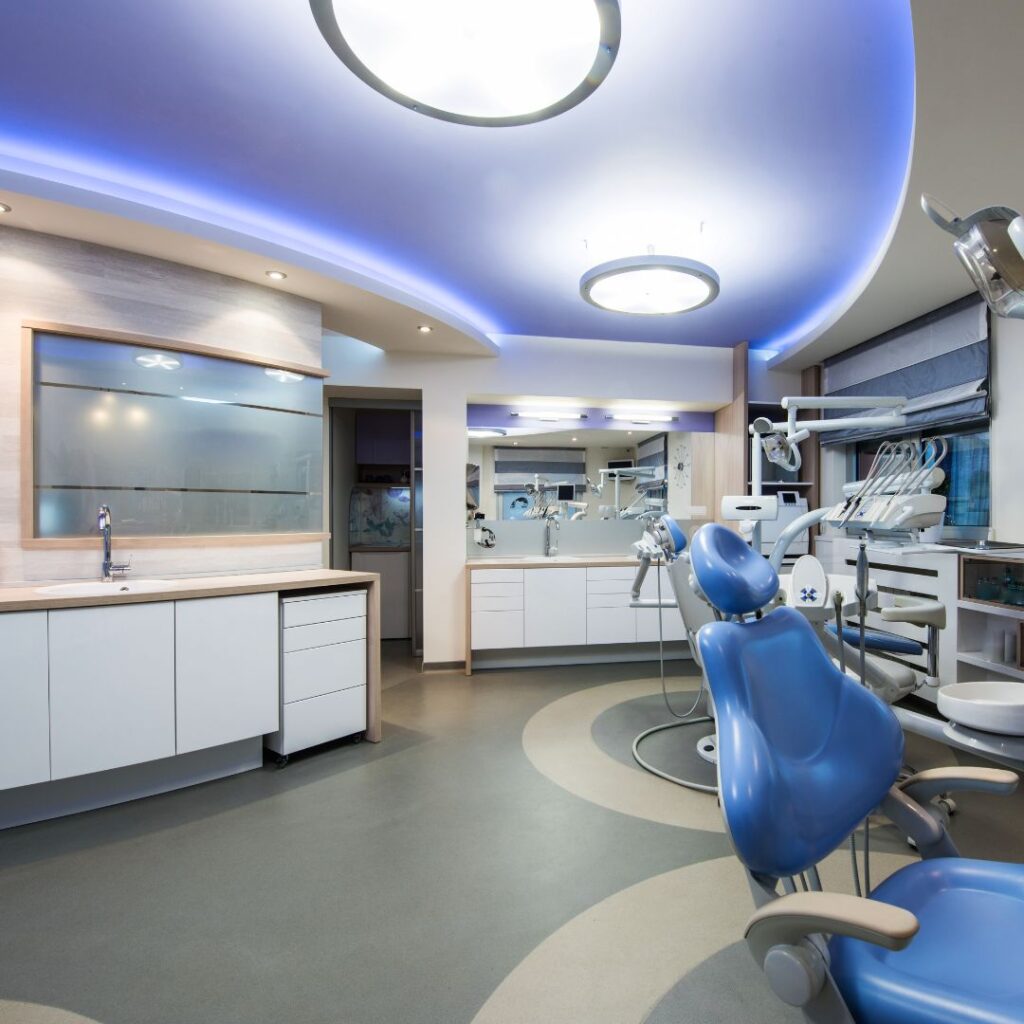
Ensure a pristine and hygienic environment in your Sunshine Coast medical and dental practices with our specialised commercial cleaning services, focusing on flooring strips and seals. Over time, floors in high-traffic areas can become worn and less effective at maintaining cleanliness. Our expert team carefully removes old layers, thoroughly cleans, and applies a high-quality sealant to rejuvenate and protect your flooring. This process not only enhances the appearance of your practise but also improves durability and ease of maintenance, which is crucial for meeting stringent hygiene standards.
Trust us to provide a professional, long-lasting finish that supports a clean and safe environment for staff and patients in the Sunshine Coast area.
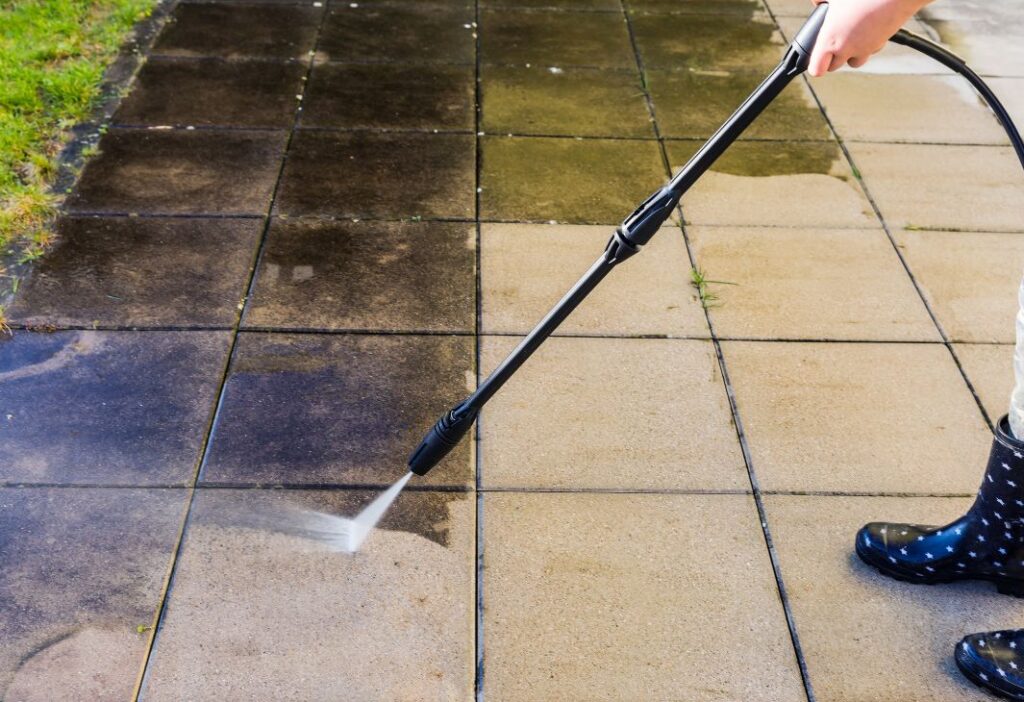
Revitalise your building’s exterior with our high-pressure washing service, an excellent add-on for maintaining pristine façades and entrances. Over time, concrete surfaces can become stained and grimy, affecting the overall appearance of your property. Our high-pressure washing technique effectively removes dirt, mould, and other contaminants, restoring concrete to a like-new condition. Ideal for building façades, entrances, and other high-visibility areas, this service not only enhances curb appeal but also prolongs the life of your surfaces.
Trust us to bring back the sparkle and cleanliness to your property’s exterior, creating a welcoming and professional impression.
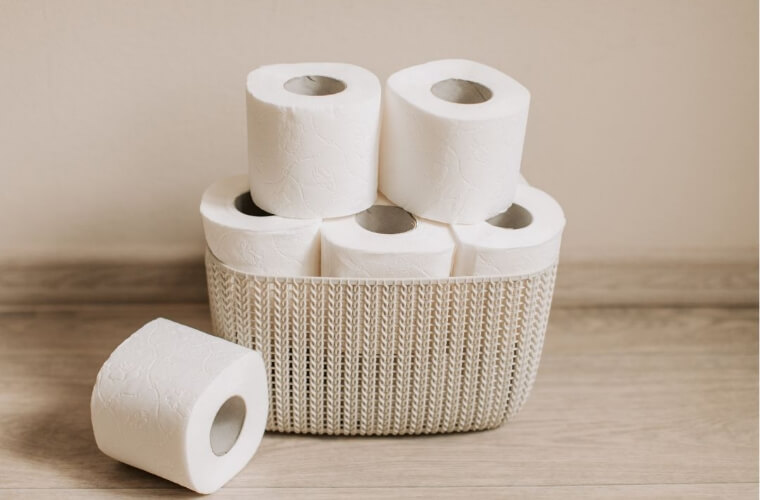
Streamline your facility’s operations on the Sunshine Coast with our specialised commercial cleaning services, featuring convenient supply organisation and delivery. This valuable add-on ensures a well-stocked environment by handling the logistics of organising and delivering essential supplies like toilet paper, paper hand towels, and liquid soap. Our reliable service saves you time and hassle, allowing you to focus on your core activities. We properly track inventory levels and schedule deliveries to match your needs, keeping your restrooms and facilities fully stocked and efficiently managed.
Trust us to provide a seamless supply solution, enhancing your operational efficiency for businesses throughout the Sunshine Coast.
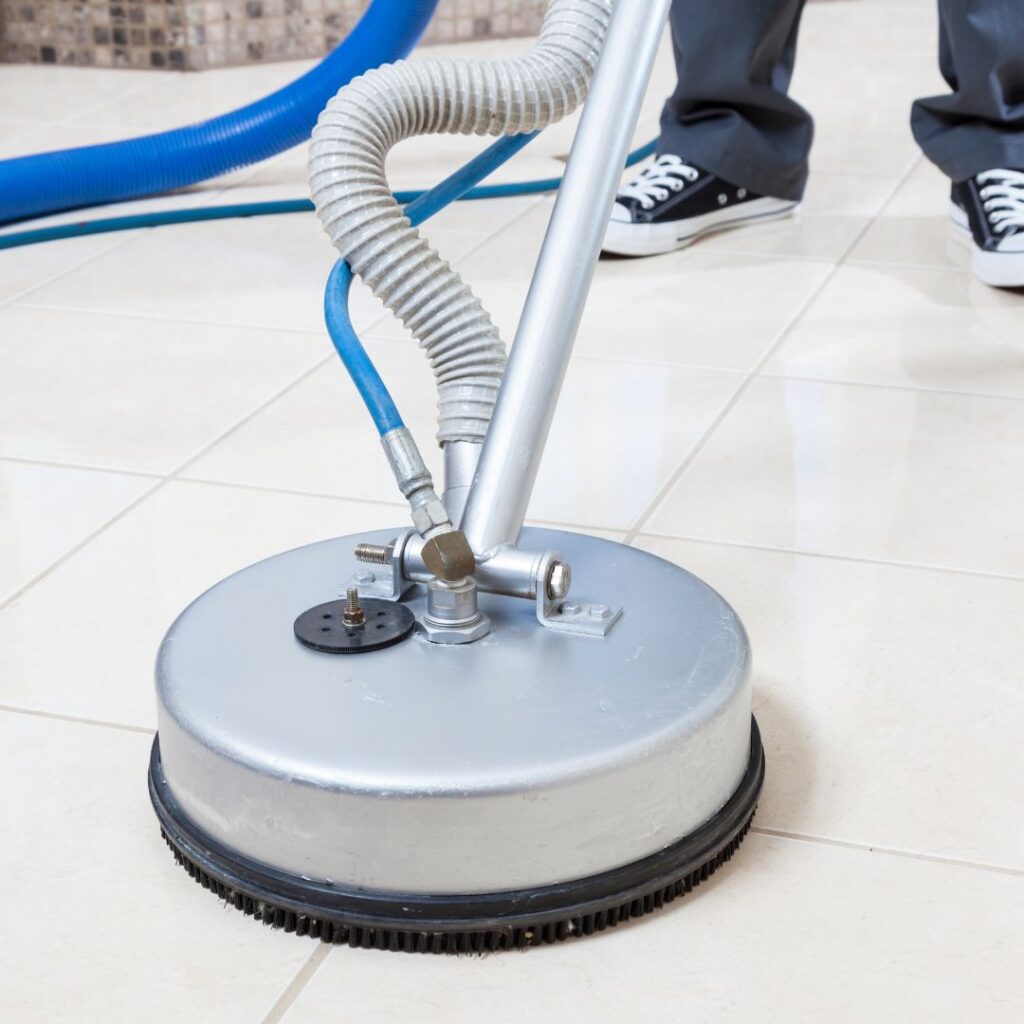
Even the most determined cleaners find it virtually impossible to remove the full build-up of dirt and grime from tiles & grout. However, with the right equipment and know how, Divine’s technicians can restore your floors and tiled surfaces to their original condition, adding not only shine, but also hygiene, pride and value to your property.
Do you have a tiled commercial kitchen, bathroom or public area that requires regular professional tile & grout cleaning on the Sunshine Coast? Divine Cleaning can clean your tiles & grout outside of regular business hours to ensure there is no interruption to your commercial operations. Talk to the team at Divine about the right solution for your business needs.
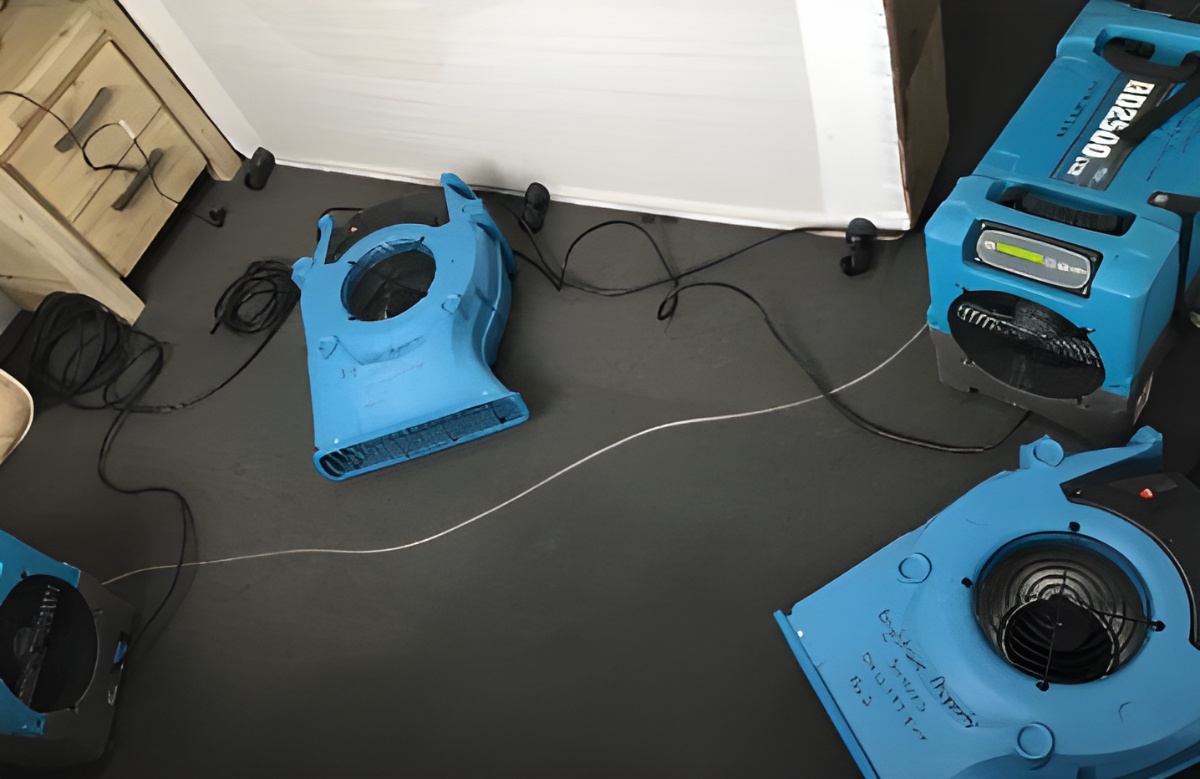
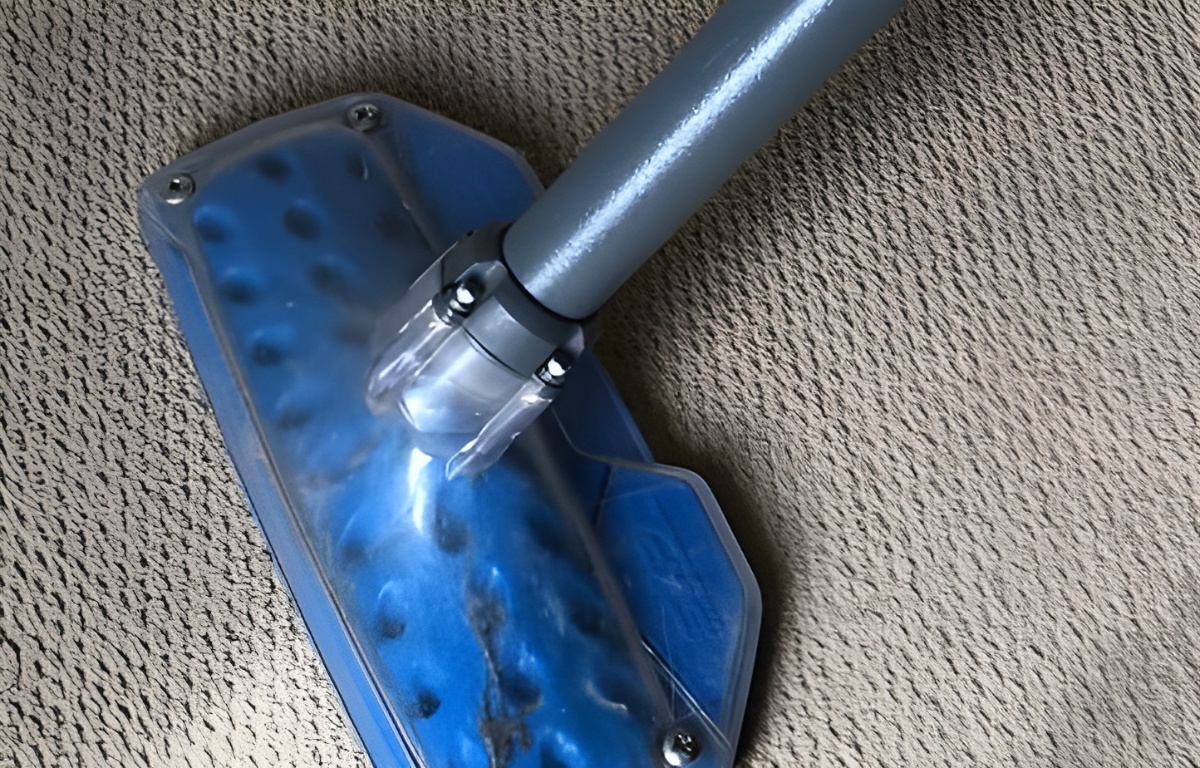
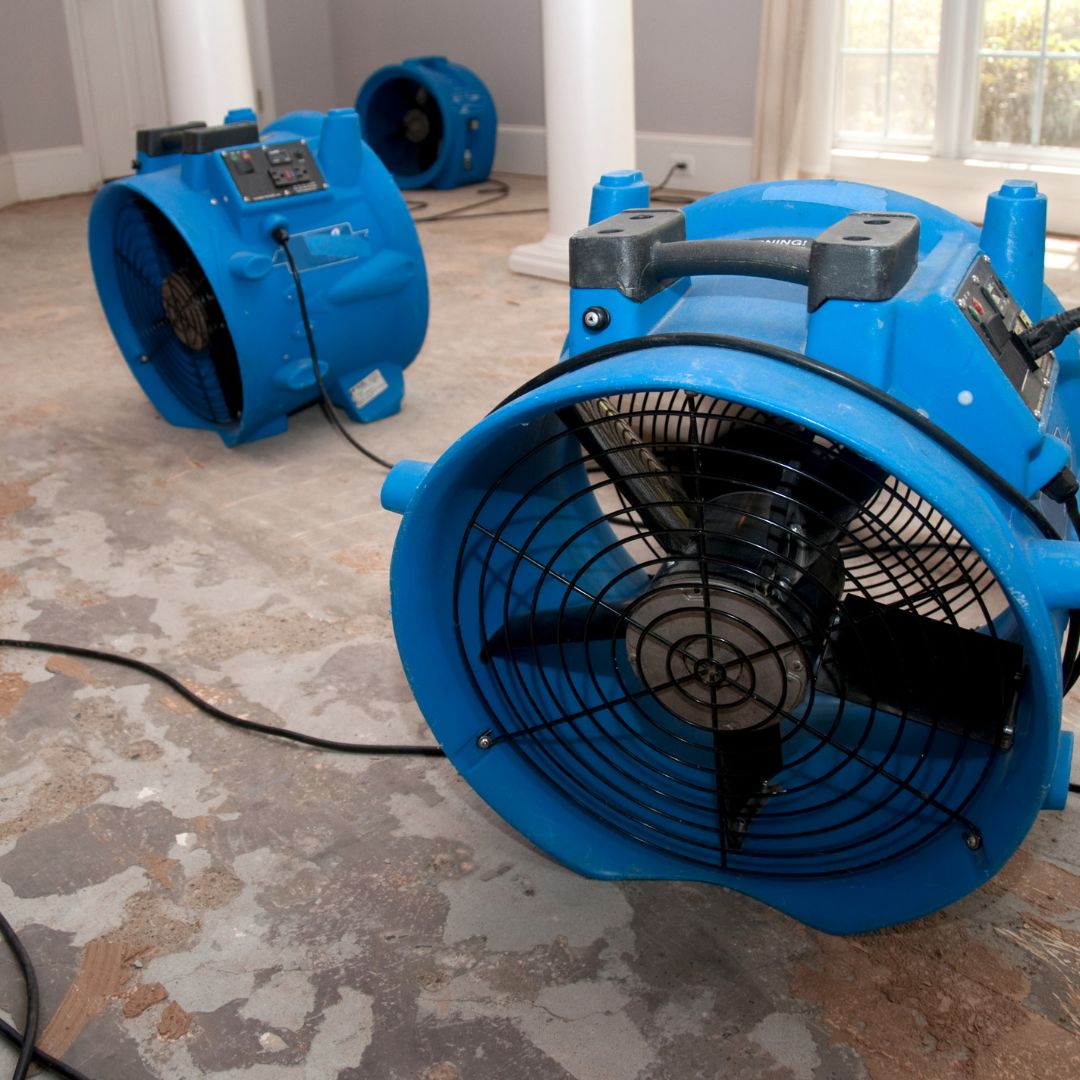
We understand that flood damage can be devastating – that’s why we have developed a flood repair & restoration process that can quickly and safely remove moisture and water damage from carpets and walls.
We also provide flexible payment options, allowing us to bill your insurer directly, or provide invoices on completion after your flood restoration job on the Sunshine Coast.
Divine Cleaning are your reliable source of drying and dehumidification on the Sunshine Coast. We have an array of devises which remain on site, to increase the speed of the drying process. We monitor this process, shifting the fans appropriately to dry all affected areas. We take every precaution to ensure the excess moisture is removed from the room and everything is restored back to normal.
Ensure your medical facility meets the highest standards of cleanliness and hygiene. Partner with Divine Cleaning today to create a safe, spotless environment that patients trust and staff appreciate. Contact us now for a customised cleaning solution tailored to your healthcare practice!
Heather Mayfield
They’re very easy to deal with, they’re responsive not reactive. Personable and very easy to work with.
Heather
Divine Cleaning provides a fantastic and thorough service in our office ensuring we arrive to a clean and tidy workplace to begin each week.
Couldn’t recommend them more highly.
BNI Platinum
Very happy with the Divine Team. Happy to recommend!
Keith Burns
Exceptional service provided by Heather
Nigel Sellars
5 Bluff St, Birtinya, QLD 4575