Medical Facility Cleaning in Chevallum — Infection Control and Compliance You Can Trust
Medical cleaning reduces microbial contamination, manages clinical waste and keeps healthcare environments safe and audit-ready. The provider you choose in Chevallum directly affects patient outcomes, staff wellbeing and accreditation results — effective cleaning lowers bioburden, limits cross-contamination and supports compliance with national standards. This guide explains the standards that shape medical cleaning in Chevallum, how they influence day-to-day protocols, and what to look for in a specialist contractor. You’ll read about how NSQHS and NHMRC guidance drives schedules and product choice, why TGA-registered disinfectants matter, and which operational controls — training, equipment and audits — deliver measurable infection-control results. Practical sections compare services, outline theatre and waste procedures, and highlight the benefits of working with a local specialist.
For Chevallum healthcare managers who want to discuss a tailored cleaning plan, Divine Commercial Cleaning is available to provide a quote; the rest of this guide focuses on the technical and regulatory foundations that should inform any contracting decision.
What are the essential medical cleaning standards for Chevallum?
Medical cleaning in Chevallum is guided by national safety standards and best-practice infection‑control guidance that specify frequency, documentation and product performance. These requirements call for risk‑based cleaning schedules, verified disinfectant contact times and clear audit trails so facilities can demonstrate compliance during inspections. Translating those standards into practice means daily high‑touch disinfection, theatre terminal cleans with validated dwell times, and routine environmental monitoring. Below is a practical mapping of core standards and their implications for local facilities when designing or reviewing cleaning programs.
These guidelines help facility managers and policymakers make consistent, evidence-based decisions that protect public health and support accreditation readiness.
Essential environmental health standards for healthcare facilities
A concise set of guidelines used to set baseline environmental health standards for healthcare settings. Intended for policy‑makers and facility managers, these principles support the development, implementation and monitoring of safe, consistent practices across clinical sites.
Essential environmental health standards for health care, J Adams, 2008
| Standard / Guideline | Key Requirement | Practical implication for Chevallum facilities |
|---|---|---|
| NSQHS (National Safety and Quality Health Service) | Risk‑based environmental cleaning, documented procedures and audit capability | Adopt scheduled cleaning logs, tiered frequencies by area risk and handovers for clinical zones |
| NHMRC (Australian guidelines) | Evidence‑based disinfectant selection and validated contact times | Use TGA‑registered disinfectants where appropriate and record product batch and dwell times |
| TGA (Therapeutic Goods Administration) | Product registration/approval for efficacy claims where applicable | Confirm product registration and match formulation to the intended use (surfaces vs instruments) |
This table shows how high‑level standards become operational controls: schedule design, product validation and record‑keeping. The next section explains how NSQHS and NHMRC clauses shape local cleaning practice and audits.
How do NSQHS and NHMRC guidelines shape local healthcare cleaning?
NSQHS and NHMRC guidance require that cleaning is proportionate to clinical risk, documented and verifiable through audits. Practically, this means classifying areas (reception, consult rooms, theatres), applying tiered cleaning frequencies and keeping visible records for site reviews. NSQHS often translates into daily cleaning of high‑touch surfaces and immediate response procedures during outbreaks. NHMRC guidance informs product choice and contact‑time validation, so teams follow manufacturer instructions and record dwell times for each cleaning event.
These standards influence training, procurement and quality assurance. Mapping checklists to NSQHS items and NHMRC product guidance builds a defensible cleaning program that reduces infection risk and supports accreditation reviews.
What role does TGA registration play in product selection for Chevallum facilities?
TGA registration signals that a disinfectant or antiseptic meets regulatory expectations for safety and, where claimed, efficacy. For Chevallum clinics and hospitals, checking TGA status helps procurement confirm a product’s spectrum of activity and that manufacturer contact times are validated. Surface disinfectants, instrument cleaners and antiseptics fall into different categories, so it’s important to match product type to the specific clinical application for safety and compliance.
Balancing clinical efficacy with environmental impact means choosing TGA‑registered formulations where needed and considering lower‑impact options in low‑risk areas. Keep product documentation on file and include batch and contact‑time records in routine cleaning logs to show adherence to TGA and NHMRC expectations.
How does Divine Commercial Cleaning deliver infection control in Chevallum?
Divine Commercial Cleaning combines structured training, evidence‑based protocols and approved disinfectants to meet NSQHS and NHMRC expectations. Our model includes staff vetting, competency‑based induction and operational controls such as colour‑coded systems, PPE standards and scheduled audits to prevent cross‑contamination and ensure consistent results. The table below summarises how training, equipment and procedures work together to produce measurable infection‑control benefits.
| Program area | Attribute | Outcome / example |
|---|---|---|
| Staff training & vetting | Competency‑based induction and refresher modules | Consistent procedure delivery and documented competency records |
| Equipment & supplies | Hospital‑grade and lower‑impact product options | Effective bioburden reduction with reduced environmental burden where suitable |
| Protocols & QA | Colour coding, PPE standards, scheduled audits | Lower cross‑contamination risk and audit‑ready results |
Infection control comes from aligning trained staff, validated products and clear procedures. The following sections describe the training and product selection that support these outcomes.
What training and vetting do our cleaning professionals receive?
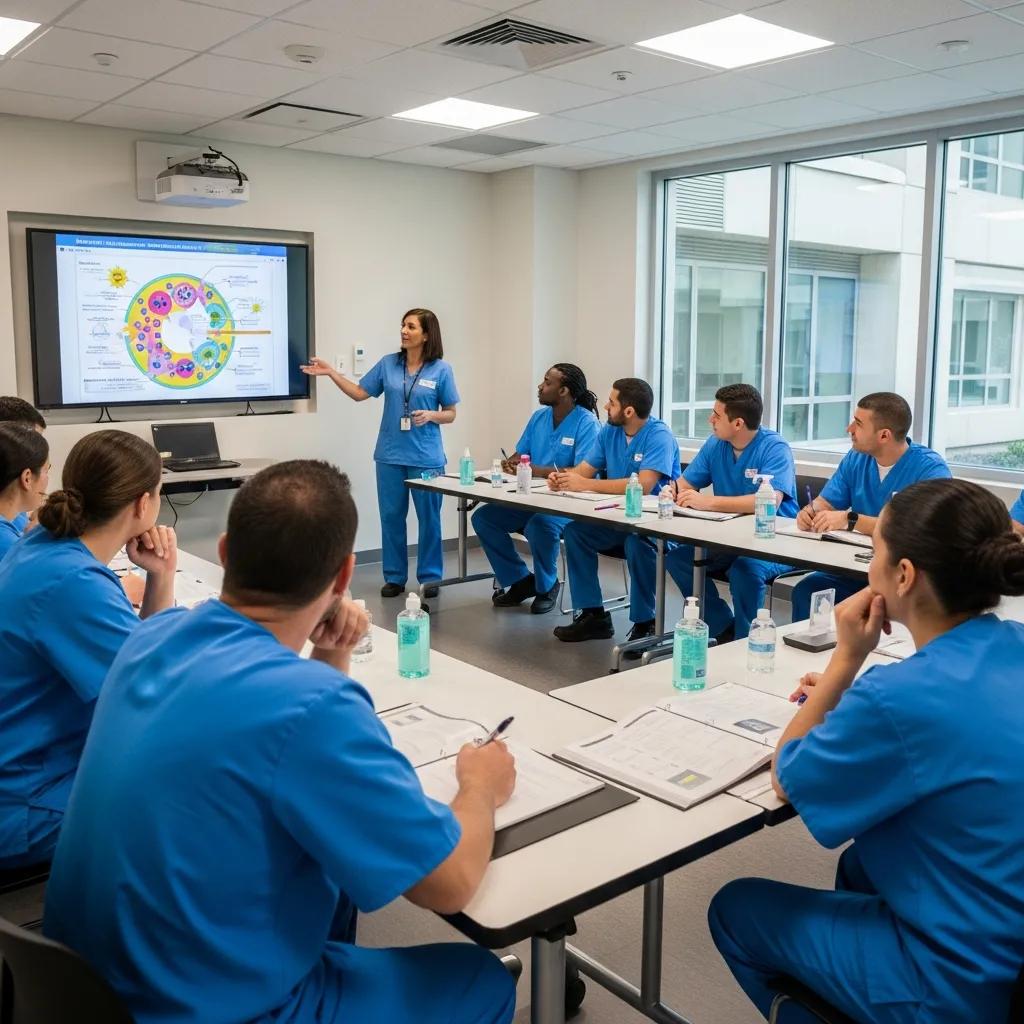
Team members assigned to medical cleaning are recruited for suitability in clinical environments and complete an induction covering infection‑control fundamentals. Training modules cover pathogen transmission, correct PPE use, surface‑disinfection techniques and area‑specific protocols for high‑risk zones such as theatres and procedure rooms. Competency checks and scheduled refreshers keep skills current and ensure staff adapt to procedure or product updates.
Quality assurance includes on‑site supervision, periodic audits and corrective‑action tracking to close performance gaps. This structure delivers dependable cleaning outcomes, improves audit readiness and gives clinical teams confidence that environmental risks are managed effectively.
Which hospital‑grade and eco‑friendly products do we use?
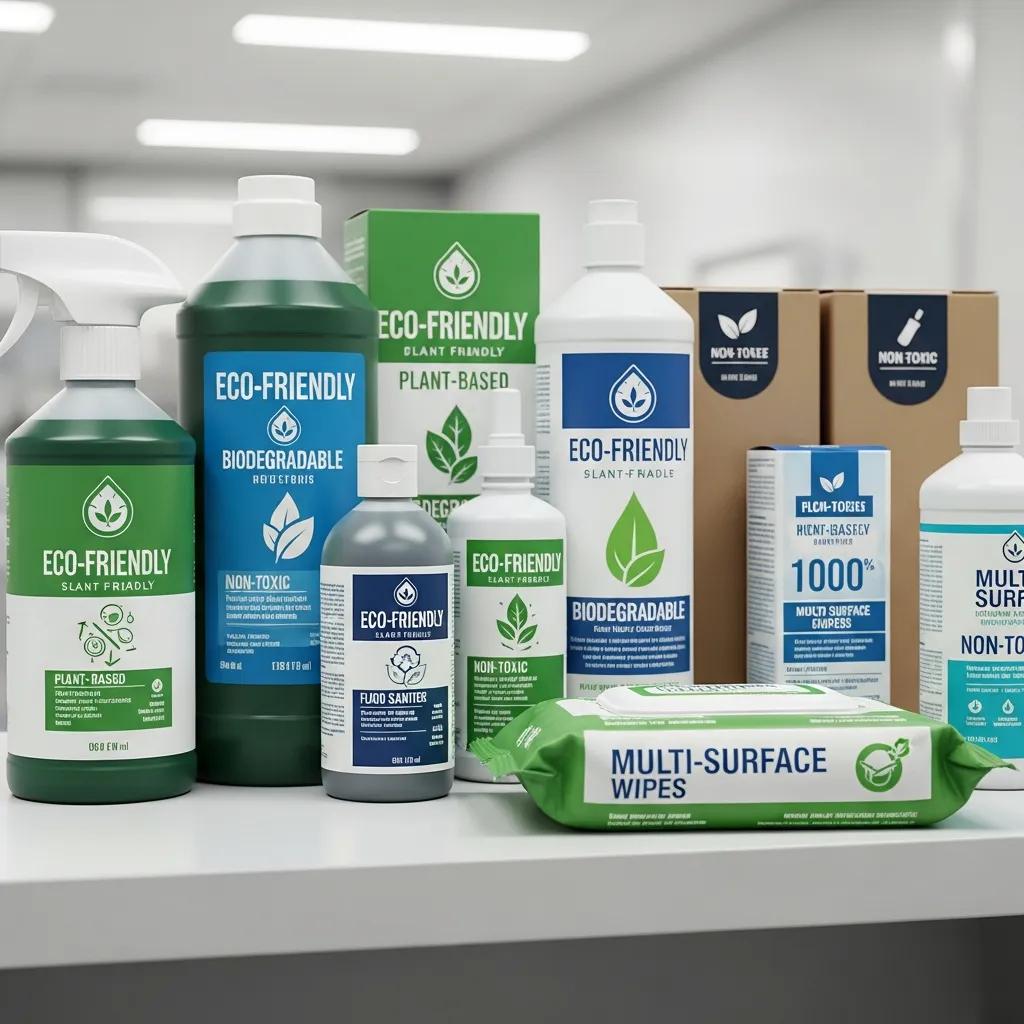
Product selection balances clinical performance with environmental considerations. We use hospital‑grade disinfectants in high‑risk zones and compatible lower‑impact formulations where clinical risk allows. Typical categories include surface disinfectants validated for target organisms, instrument cleaners for non‑sterile instrument areas and hand hygiene products for staff and patient areas. Whenever a disinfectant makes efficacy claims, we reference regulatory guidance and manufacturer‑validated contact times to ensure real‑world effectiveness.
Choosing eco‑friendlier options requires confirming they do not compromise pathogen control; lower‑risk areas can benefit from products that meet cleaning objectives while supporting sustainability goals. Correct dilution and application for each area preserve infection‑control integrity and limit unnecessary environmental impact.
What are the advantages of choosing a local medical cleaning service in Chevallum?
Working with a local specialist delivers clear benefits in responsiveness, compliance alignment and ongoing collaboration. Local providers understand regional audit expectations, can mobilise quickly for urgent cleaning, and provide closer oversight of routine service delivery. That proximity allows scheduling to fit clinic hours and clinical workflows and supports practical improvements after internal or external audits.
- Faster mobilisation and emergency response for contamination or outbreak events.
- Better alignment with local regulatory expectations and audit documentation.
- Closer working relationships with facility managers for tailored service adjustments.
These advantages make a local specialist a practical choice for facilities seeking dependable, accountable cleaning partners. Next we explain how professional cleaning directly improves safety and operations.
How does professional cleaning improve patient and staff safety?
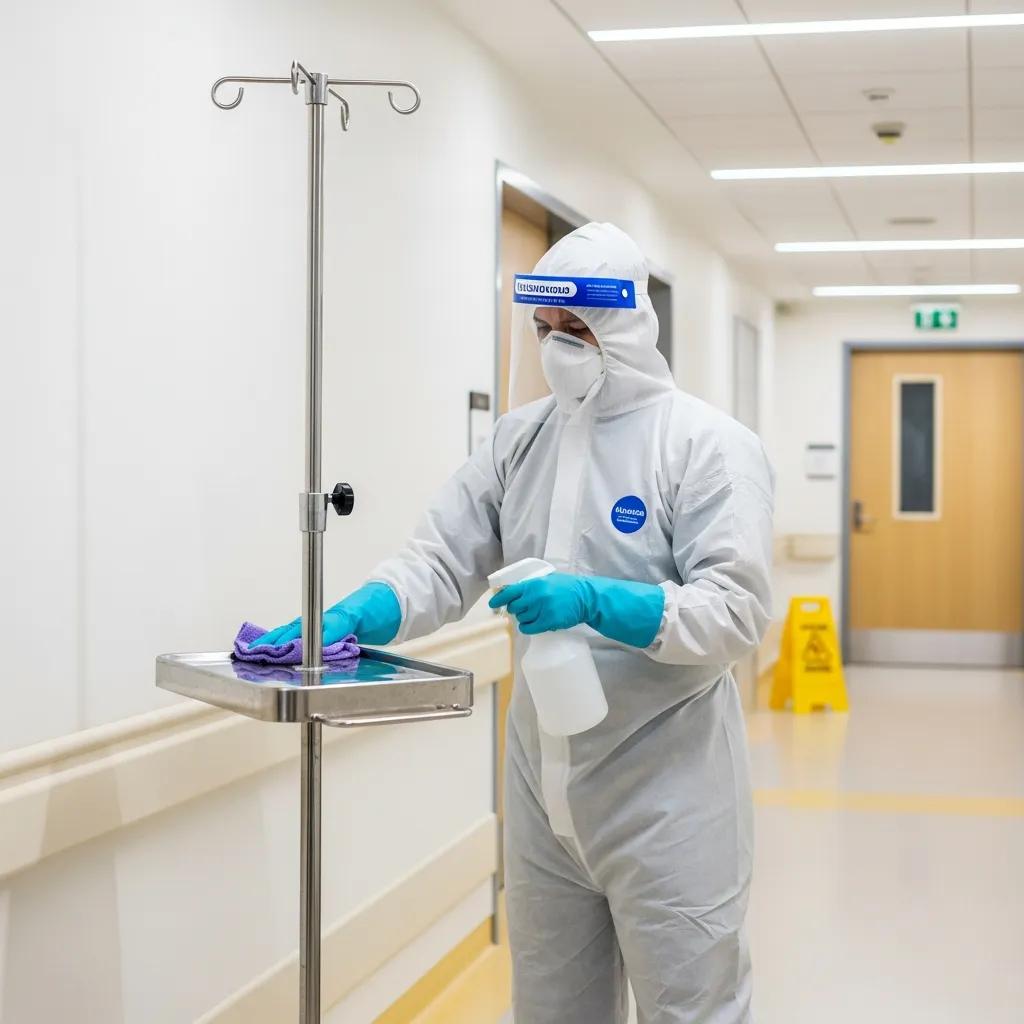
Professional medical cleaning lowers surface microbial loads, interrupts transmission paths and reduces healthcare‑associated infection risk through targeted measures. Key actions include frequent high‑touch disinfection, correct cleaning sequencing to avoid cross‑contamination and use of validated disinfectants with the required contact times. Waiting rooms and consult rooms benefit from consistent attention to shared touchpoints, while higher‑risk areas receive enhanced processes to reduce pathogen persistence.
Examples include scheduled multiple daily high‑touch cleans and theatre terminal cleans that follow validated procedures — both reduce overall bioburden. These consistent practices deliver measurable safety improvements and give staff and patients greater confidence in the clinical environment.
How does a local service improve responsiveness and compliance?
Local providers offer faster turnaround for urgent cleans, flexible scheduling aligned to clinical operations and on‑site support during audits or incident reviews. For Chevallum facilities this can mean next‑day deep cleans, quicker supply replenishment and simpler coordination for after‑hours access. Local oversight also supports continuous improvement where feedback between cleaners and clinicians leads to practical protocol changes.
Shorter communication lines and clearer accountability help facilities maintain better documentation and accelerate corrective actions when audits identify gaps. The result is stronger regulatory compliance and reduced disruption during critical events.
Which medical cleaning services does Divine offer in Chevallum?
Divine Commercial Cleaning provides a full range of medical cleaning services for clinics and hospitals across the Sunshine Coast and Brisbane region. Our offerings suit consultation rooms, reception areas, operating theatres and support spaces. Services are risk‑based and can include daily routine cleaning, deep and terminal cleans, and medical waste handling. The table below helps facility managers compare typical services, target areas and frequency options when choosing a plan.
| Service | Area / risk level | Typical frequency | Compliance / note |
|---|---|---|---|
| Routine clinical cleaning | Consultation rooms, reception (low–medium risk) | Daily to several times per week | Aligned to NSQHS scheduled cleaning |
| Theatre terminal cleans | Operating theatres (high risk) | After each procedure / scheduled terminal | Performed to theatre‑specific terminal protocols |
| Deep cleans & outbreak response | Whole facility or targeted zones | As required / emergency | Rapid mobilisation with documented validation |
| Medical waste handling | Clinical waste areas | Scheduled pickups per agreement | Segregation and secure storage procedures |
This summary clarifies scope and typical frequency while highlighting compliance points relevant to audits and daily operation. Common service offerings include:
- Routine clinical and public‑area cleaning with focused high‑touch disinfection.
- Terminal and theatre‑grade cleaning with validation and documentation.
- Deep cleans for outbreaks, post‑construction turnover or remediation.
- Medical waste segregation, secure storage and coordination with authorised disposal partners.
Services are available as ongoing contracts or one‑off engagements, tailored to your facility’s risk profile and operational needs. The following sections cover theatre protocols and safe waste handling in more detail.
What protocols apply to high‑risk areas like operating theatres?
Operating theatres require terminal cleaning that emphasises correct sequencing, validated disinfectant contact times and verification before turnover. Typical steps are removal of visible soil, cleaning from clean to dirty zones, application of an approved disinfectant for the specified dwell time, and documentation of the activity. Where relevant, air‑quality precautions — such as limiting movement during terminal cleans and checking ventilation — are included to reduce airborne contamination risk.
Maintaining surgical safety depends on strict, well‑documented infection control processes from pre‑op preparation through to maintaining aseptic conditions during procedures.
Operating room protocols and infection control
In modern oral and maxillofacial practice, increasingly complex procedures raise the risk of infectious complications. To improve surgical outcomes, teams must follow comprehensive infection control measures: appropriate scrubbing, clear protocols for operating staff, correct instrument handling and maintenance of an aseptic environment throughout perioperative care. This chapter outlines preoperative, operative and postoperative steps designed to reduce infection risk and protect patient safety.
Documentation and verification — typically checklists and sign‑offs — are essential for theatre readiness and audit evidence. These steps ensure instrument areas and sterile fields meet expected hygiene standards before the next procedure.
How is medical waste managed and disposed of safely?
Medical waste management follows segregation, secure storage, authorised collection and lawful disposal to safeguard staff and the public. Segregation starts at the point of generation with colour‑coded containment, then moves to secure storage until authorised collection. Facilities should keep chain‑of‑custody records for clinical and pharmaceutical waste and partner with approved disposal services to ensure lawful handling.
Proper medical waste management is a critical public‑health practice that requires consistent attention to segregation, storage and authorised disposal to prevent contamination.
Importance of proper medical waste management for public health
Medical waste is a significant public health concern worldwide. Proper management — from segregation through final disposal — is essential to limit exposure and environmental harm. This review examines current practices and highlights gaps and improvements in different countries’ medical waste systems.
Comparison of medical waste management methods in different countries: a systematic review, A Fadaei, 2023
- Segregate waste at source into the designated containers.
- Seal and label containers with category and date.
- Store securely out of public areas until authorised collection.
- Keep collection and disposal records for audit trails.
Following these steps reduces exposure risk and supports regulatory compliance during routine operations and incident responses.
Why choose Divine Commercial Cleaning for Chevallum medical facilities?
Divine Commercial Cleaning builds services around quality assurance, local responsiveness and continuous improvement to support audit readiness and clinical safety. We focus on training, documented procedures and routine audits as the foundation of our delivery, and tailor schedules to match clinical workflows. For Chevallum facility managers, a local specialist simplifies urgent‑clean coordination, strengthens record‑keeping and provides a partner familiar with regional compliance expectations.
- Competency‑based training and regular refresher programs for staff.
- Routine audits with corrective‑action tracking to close gaps.
- Tailored cleaning programs aligned to risk and local audit needs.
These elements create a continuous‑improvement loop that helps facilities sustain high hygiene standards and regulatory compliance.
What do local medical clients say about our service?
Local clients consistently highlight reliability, clear documentation and practical responsiveness. Facilities value providers who keep accurate cleaning logs, respond promptly to incidents and work collaboratively to adjust procedures. Reliability, a compliance focus and fast response are recurring priorities for clinics and small hospitals when selecting a cleaning partner.
Understanding these priorities helps prospective buyers assess whether a provider’s operating model matches their expectations for safety, documentation and service agility.
How does Divine commit to continuous improvement?
We deliver continuous improvement through scheduled audit cycles, targeted refresher training, incident reviews and the adoption of effective, lower‑impact technologies where appropriate. Performance is tracked with KPIs such as audit scores and client feedback, and improvement plans are implemented when data show gaps. Regular review meetings with facility managers ensure service levels stay aligned with clinical needs and that new regulatory guidance is promptly integrated into operations.
This cycle of review and improvement, combined with local presence, supports sustained compliance and measurable infection‑control outcomes for Chevallum facilities. If you’re ready to discuss a tailored medical cleaning plan, Divine Commercial Cleaning can provide a quote and help align services with NSQHS and NHMRC expectations.
Frequently Asked Questions
What specific training do cleaning staff receive for medical facility work?
Our cleaning staff complete targeted training for medical environments: infection‑control principles, correct PPE use, validated cleaning sequences and area‑specific protocols for high‑risk zones like theatres. Training includes competency checks and regular refresher sessions so teams stay current with procedures and product changes, ensuring consistent, effective outcomes.
How often should facilities audit their cleaning practices?
Regular audits are recommended — quarterly is a practical baseline — to confirm adherence to NSQHS and NHMRC expectations. More frequent reviews may be needed after incidents, outbreaks or regulatory changes. Audits identify improvement areas, verify compliance and keep documentation accurate for inspections.
What environmental considerations apply to medical cleaning?
Environmental choices should never compromise infection control. Use hospital‑grade disinfectants in high‑risk areas and consider certified lower‑impact products in lower‑risk zones. Proper waste segregation and recycling, plus careful product selection and dilution, help minimise environmental impact while maintaining clinical effectiveness.
How can local facilities benefit from a nearby cleaning service?
A local service offers faster response times, schedule flexibility aligned with clinical operations and on‑site support during audits or incidents. Local providers know regional compliance nuances and can coordinate access, supply replenishment and emergency mobilisation more efficiently than distant contractors.
Which medical waste types need special handling?
Special‑handling waste includes sharps, infectious materials and hazardous chemicals or pharmaceuticals. Sharps require puncture‑resistant containers; infectious waste must be segregated and stored securely until authorised collection; hazardous substances need compliant disposal methods. Proper training and clear procedures are essential for safe handling.
How important is documentation for compliance?
Documentation is essential. Accurate cleaning logs, product batch numbers, contact times and training records provide a verifiable trail for NSQHS and NHMRC audits. Good records improve accountability, support corrective actions and build trust between cleaning teams and clinical staff.
How does Divine ensure cleaning protocols remain effective?
We combine structured training, evidence‑based procedures and regular audits to maintain effectiveness. Staff are trained in current infection‑control practices and approved disinfectant use. Routine audits identify improvements, and we work closely with facility managers to refine protocols based on real‑world feedback and changing requirements.
Choosing Divine Commercial Cleaning for medical facility cleaning in Chevallum means partnering with a local team focused on infection control, compliance and practical responsiveness. Our tailored services, trained staff and validated products help your facility stay clean, safe and audit‑ready. Contact us to discuss a customised cleaning plan that aligns with your clinical needs and regulatory obligations.

Dianne, originally from Rockhampton, hails from a business-oriented family, with her father owning electrical stores and her uncle serving as Mayor. Moving to the Sunshine Coast at 13, she later pursued a rewarding real estate career and raised three children. As a single mom, she balanced university studies with domestic cleaning work. Armed with a Bachelor’s Degree in Business, majoring in Supply Chain Management, Dianne founded and grew Divine Commercial Cleaning into a thriving company. Her success is rooted in strong family mentorship, a positive attitude, and a solution-oriented approach, offering tailored cleaning services with integrity and strategic insight.