Kuluin Healthcare Cleaning — Medical‑Centre Services Designed to Protect Patients
Keeping medical centres clean in Kuluin needs more than a quick wipe. It requires specialist methods that cut infection risk, safeguard patients and staff, and keep clinics running smoothly. This guide explains why targeted healthcare cleaning matters locally, how infection‑control steps fit into clinic workflows, and the practical protocols Queensland facilities should expect. You’ll find clear guidance on high‑touch surface disinfection, staff training and verification, and service models that limit disruption to clinical operations. We also map service options for GP surgeries, dental practices and imaging suites, outline audit‑ready recordkeeping, and explain eco‑friendly choices that don’t compromise effectiveness. Use the examples and action points here to assess providers and build a compliant cleaning plan for your Kuluin medical setting.
Why Healthcare Cleaning in Kuluin Matters for Medical Facilities
Healthcare cleaning in Kuluin matters because it breaks the pathways pathogens use to spread, helps meet regulatory expectations, protects a clinic’s reputation and cuts the risk of avoidable downtime from outbreaks. Concentrated cleaning on high‑touch areas lowers pathogen load, reduces cross‑contamination between patient zones and creates measurable results for infection‑control programs. Local clinics contend with seasonal virus surges and varying patient numbers, so disciplined cleaning regimens are essential. Recognising these drivers helps managers allocate resources and set cleaning frequencies and techniques that match patient‑safety goals.
Good healthcare cleaning balances visible tidiness with real microbiological risk reduction — and that balance depends on consistent procedures and proven products. The sections that follow explain how infection control is applied across clinic workflows and highlight the Queensland‑specific standards and risks to consider.
How Infection Control Protects Patients in Kuluin Clinics
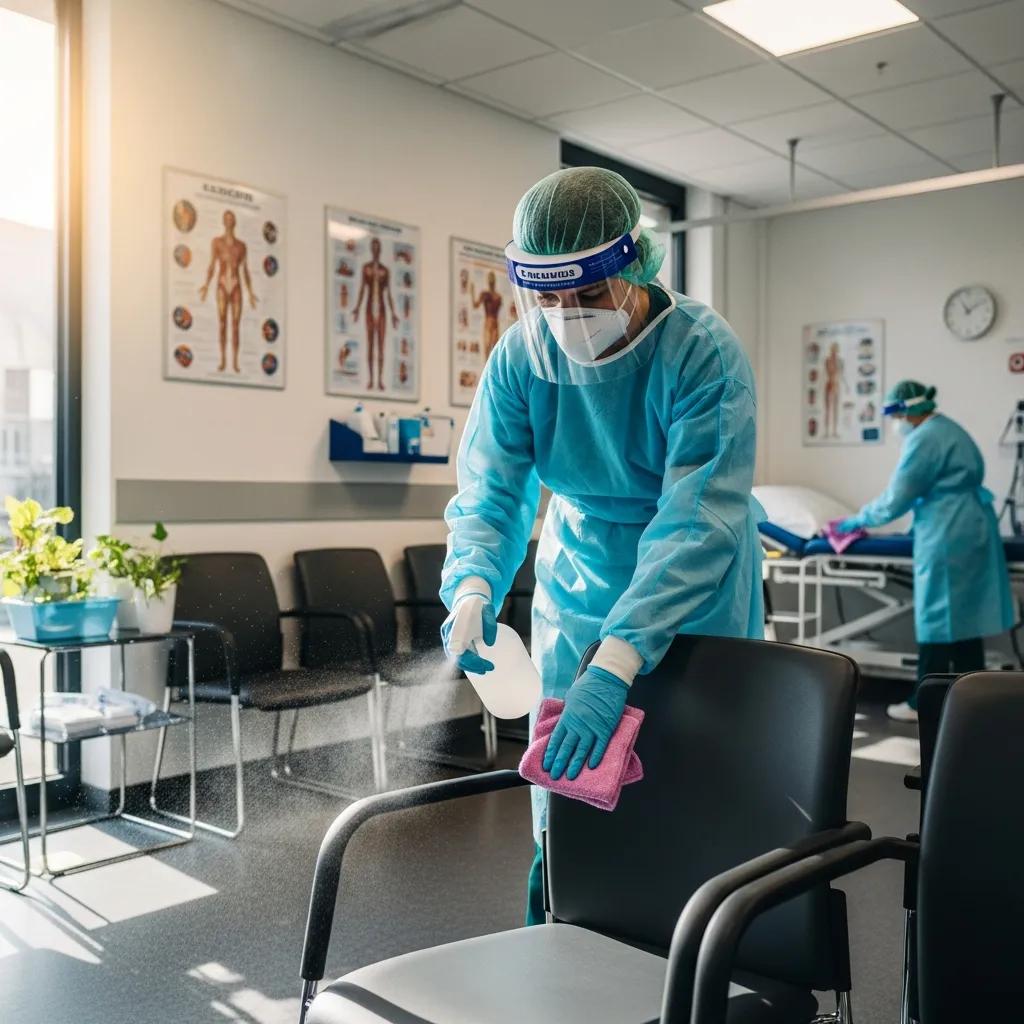
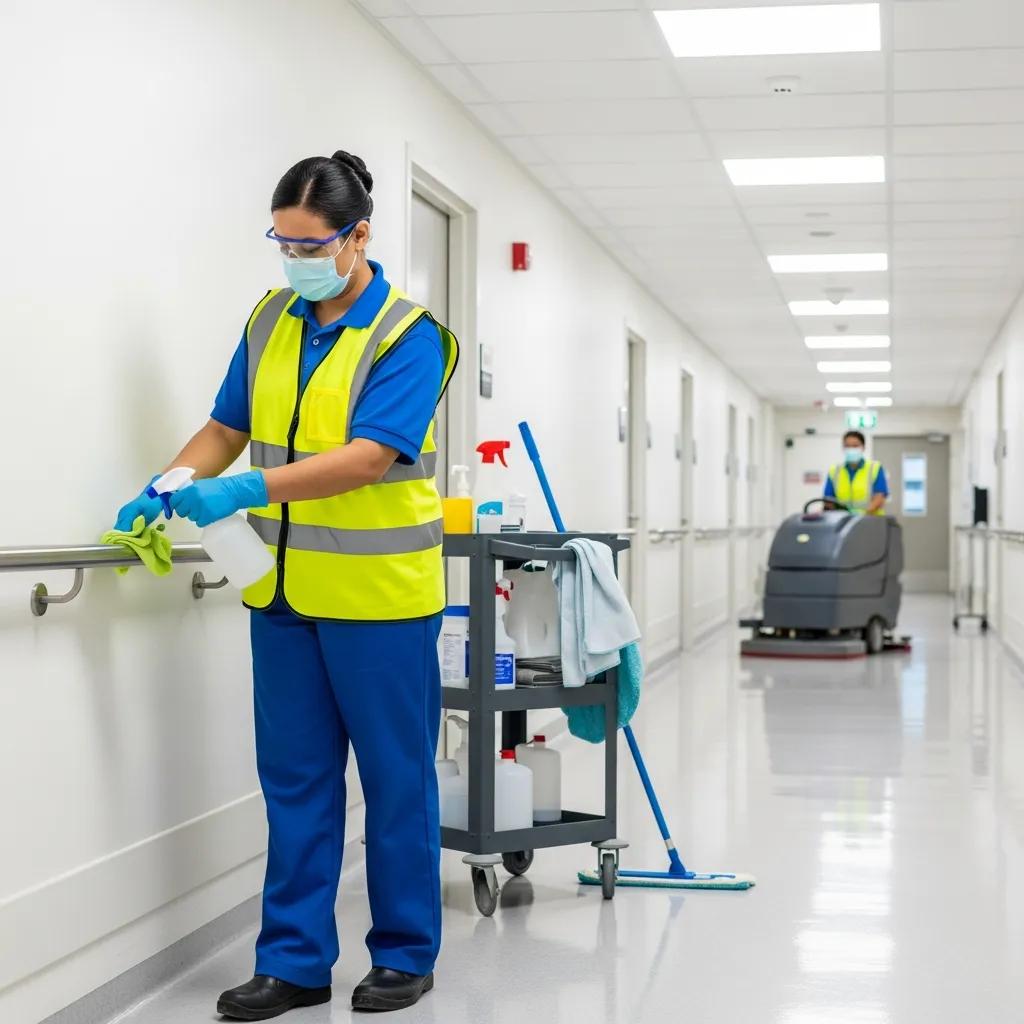
Infection control prevents transmission by interrupting routes such as direct contact, contaminated surfaces (fomites) and respiratory droplets. Practical protocols define which surfaces need routine disinfection, the required contact times for hospital‑grade products, and the correct task sequence so clean‑to‑dirty transitions minimise spread. In practice this means regular cleaning of waiting‑room armrests, consultation room touchpoints and restroom fixtures, plus scheduled deep cleans for procedure areas. These measures reduce healthcare‑associated infections, protect vulnerable patients and help avoid unplanned clinic closures.
Effective infection control also needs verification — surface swabs, audit checklists and competency checks confirm cleaning is working. That feedback loop supports continuous improvement and keeps practices aligned with clinical risk.
Local Health Standards and Risks for Kuluin Medical Centres
Queensland Health provides the framework clinics should follow, with emphasis on risk‑based cleaning, correct waste segregation and thorough documentation of cleaning processes. Local risks include seasonal respiratory outbreaks, busy appointment periods and proximity to other community services that increase exposure. To manage these risks, facilities should keep audit trails, record cleaning frequencies, and document staff training and incident responses so they can demonstrate compliance during inspections.
Regularly reviewing risk assessments and updating cleaning plans keeps practices in step with changing public‑health advice and local infection patterns — a proactive approach that reduces liability and builds patient confidence.
How Divine Commercial Cleaning Supports Healthcare Cleaning in Kuluin
Divine Commercial Cleaning delivers healthcare cleaning in Kuluin through role‑based training, hospital‑grade disinfectants and responsive local service models that fit clinic timetables. Our approach centres on clear infection‑control protocols, police‑checked staff and flexible schedules designed to reduce patient and staff exposure. For clinic managers, we provide audit‑ready documentation, environmentally conscious product options where suitable, and a satisfaction guarantee to back up our work.
Below is a quick staff training overview that links role responsibilities to the practical outcomes clinics rely on.
| Staff Role | Training / Verification | Purpose / Outcome |
|---|---|---|
| Cleaning Technician | Infection‑prevention procedures; PPE use; on‑site competency checks; police‑checked verification | Consistent, safe cleaning by verified personnel |
| Team Leader / Supervisor | Audit checklists; shift planning to avoid clinic disruption; incident reporting procedures | Quality control, compliance documentation and deep‑clean coordination |
| Specialist Disinfection Operator | Hospital‑grade disinfectant protocols; electrostatic spraying; contact‑time adherence | Validated surface disinfection in high‑risk clinical zones |
| Support Admin | Record keeping and service reporting; client communication protocols | Transparent audit trails and responsive client support |
This mapping shows how targeted training and verification deliver consistent cleaning quality, traceable records and trustworthy personnel in sensitive clinical settings.
Training and Certifications for Our Medical Cleaning Team
Our staff training focuses on infection prevention, correct PPE use, safe handling of biohazardous material and site‑specific cleaning sequences that respect patient safety and privacy. Team members receive hands‑on instruction, regular competency checks and supervisor audits to confirm compliance; background checks such as police verification add another layer of trust. Ongoing refresher sessions and documented assessments keep skills current as guidance evolves. These measures create a reliable workforce and a clear audit trail clinics can review during compliance checks.
Because our staff are trained and practised, they can scale up cleaning safely and effectively during outbreak responses.
Hospital‑Grade Products and Advanced Equipment Used in Kuluin
We use hospital‑grade disinfectants chosen for proven activity against the pathogens of concern and applied with correct dilution and contact times. Equipment includes microfibre systems for effective soil removal, controlled‑dilution dispensers for consistent dosing, and electrostatic sprayers for even coverage of complex surfaces. Product selection balances kill‑claims with staff and patient safety, favouring lower‑toxicity options when they meet clinical requirements.
Research continues to inform better disinfectant options as challenges like antimicrobial resistance evolve.
Next‑Gen Disinfectants for Hospital Hygiene & AMR
This narrative review examines the growing challenge of antimicrobial resistance (AMR) in healthcare settings and the limits of some traditional disinfectants — for example, biofilms and environmental concerns. It highlights peptide‑based disinfectants as a promising avenue, noting their broad‑spectrum activity, biodegradability and potential for lower environmental impact.
Antimicrobial Peptides as Next‑
Generation Disinfectants: Tackling Biocide and Antimicrobial Resistance in Hospital Hygiene–A Narrative Review, MU Asghar, 2025
Safe handling, clear product data and documented storage and waste procedures ensure chosen products and equipment deliver reliable results without adding unnecessary hazards to clinical areas.
Comprehensive Healthcare Cleaning Services for Kuluin Medical Facilities
Comprehensive services for Kuluin clinics include routine clinical cleaning, targeted disinfection for procedure areas, biohazard management aligned to clinical waste rules, and flexible scheduling to minimise patient disruption. Providers should offer tailored scopes for GP surgeries, dental clinics, imaging centres and aged‑care medical services, adapting frequencies and techniques to each setting’s risk profile. Clear service descriptions should list included tasks, recommended frequencies and outcome metrics such as reductions in surface bioburden and audit pass rates. Comparing service types helps managers pick the scope that fits clinical needs and budgets.
The table below shows how cleaning scope changes by facility type and what outcomes each scope targets.
| Facility Type | Recommended Frequency | Key Tasks | Expected Outcome |
|---|---|---|---|
| GP Clinic / Medical Office | Daily routine + after‑hours deep clean | Waiting area disinfection, consult room wipe‑downs, restroom sanitation | Lower surface contamination; fewer transmission incidents |
| Dental Clinic | Between‑patient surface disinfection + end‑of‑day deep clean | Chair and instrument‑area disinfection, aerosol‑zone cleaning, waste segregation | Reduced cross‑contamination risk for aerosol procedures |
| Imaging Centre | Daily routine + weekly deep clean | External equipment wipe‑downs, control room sanitation, floor cleaning | Maintained equipment cleanliness and patient safety |
| Aged Care Medical Services | Increased frequency during outbreaks | High‑touch surface disinfection, communal area sanitation, targeted deep cleans | Protection for high‑risk patient groups |
This comparison helps facilities weigh effort against outcomes and align cleaning scope with clinical risk and patient‑safety objectives.
Tailoring Cleaning for Medical Offices and GP Surgeries in Kuluin
For GP surgeries we focus on minimising disruption while ensuring frequent disinfection of patient touchpoints and consulting areas. Typical tasks include waiting‑room surface sanitation, consult room wipe‑downs between appointments, instrument‑tray area cleaning, restroom sanitation and scheduled upholstery or carpet care where needed. Best practice is to combine after‑hours deep cleans with staggered mid‑day touch‑ups so clinic flow isn’t interrupted. Confidentiality and privacy needs shape cleaning times and staff access to avoid exposure of patient records.
A schedule synced to appointment patterns reduces patient contact with contaminated surfaces and demonstrates proactive infection control to inspectors.
Specialist Disinfection for Dental Clinics and Imaging Centres
Dental clinics require strict protocols for aerosol‑generating procedures, with close attention to contact times on chair surfaces, light handles, suction latches and instrument prep areas. Imaging centres need careful cleaning around equipment interfaces, control‑room consoles and non‑porous surfaces near scanners to avoid downtime. Services include contact‑time‑based applications, coordinated cleaning with clinical teams to avoid interfering with sterile fields, and secure handling of clinical waste. These specialist services reduce procedure‑related transmission risk and help keep equipment available.
Close coordination with clinical staff ensures disinfection methods match clinical protocols and don’t harm sensitive instruments or imaging devices.
Why Infection Control and Patient Safety Are Central to Kuluin Healthcare Cleaning
Infection control and patient safety are ethical obligations, regulatory expectations and practical needs for uninterrupted clinical care. Prioritising these areas lowers healthcare‑associated infections, protects vulnerable patients, preserves staff health and reduces reputational and operational risk. From a business view, strong infection control boosts patient confidence, reduces absenteeism and maintains throughput; clinically, it fulfils duty‑of‑care and compliance obligations. Clear protocols, ongoing training and reliable documentation ensure infection‑control priorities become measurable facility outcomes.
The following sections outline the practical protocols that prevent cross‑contamination and how cleaning practices map to Queensland Health record‑keeping requirements.
Protocols That Prevent Cross‑Contamination in Medical Settings
We prevent cross‑contamination with standard approaches such as colour‑coded cloth and equipment systems, task sequencing from clean‑to‑dirty, and correct PPE use for relevant activities. Routine work follows established cleaning orders — high‑to‑low and clean‑to‑dirty — and high‑touch areas get extra attention during outbreaks. Audit checklists, surface testing where possible and supervisor sign‑offs verify adherence and trigger corrective actions when needed. These layers reduce transmission risk and demonstrate due diligence in infection control.
An audit‑led approach combining checklists and periodic validation supports continuous improvement and reassures stakeholders about cleaning reliability.
Below is a practical mapping of common infection‑control protocols to frequency and benefits for facility safety and compliance.
| Protocol | Frequency / Trigger | Tangible Benefit |
|---|---|---|
| High‑touch surface disinfection | Multiple times daily; increased during outbreaks | Lower cross‑contamination and reduced infection rates |
| Colour‑coded equipment systems | Ongoing | Prevents transfer of pathogens between zones |
| PPE and task‑specific sequences | Every cleaning episode | Protects staff and limits surface contamination |
| Audit checklists & documentation | Weekly/monthly or incident‑triggered | Clear evidence of compliance and continual improvement |
How Our Practices Meet Queensland Health Requirements
We align cleaning scopes to risk‑based guidance, keep training records, maintain documented audit trails and hold product safety data sheets for inspection. Our SOPs specify cleaning frequencies, task sequences and verification steps compatible with Queensland Health expectations, while digital or paper logs record completed work and corrective actions. Transparent record keeping and accessible training documentation let clinics demonstrate compliance during reviews or investigations. These routines not only meet regulatory needs but also build operational resilience and patient trust.
Keeping these records up to date supports continuous improvement and lets practices evolve with public‑health guidance.
Why Kuluin Healthcare Businesses Choose Divine Commercial Cleaning
Healthcare clients in Kuluin pick partners who deliver consistent results, clear communication and verifiable personnel; Divine Commercial Cleaning focuses on those priorities with responsive local teams, customised cleaning plans and a satisfaction guarantee. As a family‑owned local business we offer specialised medical cleaning without lock‑in contracts, environmentally conscious choices where appropriate, and police‑checked professionals. These trust signals address procurement concerns around flexibility, quality assurance and verified staff. Clinics benefit from predictable delivery and documented service commitments.
The list below summarises the core value propositions that matter to healthcare clients and the practical benefits each provides.
- Local responsiveness: Quick on‑site adjustments and scheduling that fits clinic hours.
- No lock‑in contracts: Flexibility to change or scale services without long‑term ties.
- Police‑checked professionals: Verified staff for sensitive clinical environments.
- Satisfaction guarantee: We fix issues promptly and uphold service quality.
These value points translate into reliable service, simpler contract management and greater staff and patient confidence day to day.
What Sets Us Apart in Kuluin
Our difference is practical: customised cleaning plans matched to facility risk, transparent pricing that helps budgeting, and local account management for fast incident response. Tailored scopes focus on high‑risk areas and appointment patterns, while clear contracts remove ambiguity about deliverables. A single local account manager gives clinics a direct contact for changes and documentation requests, streamlining communication during audits or incidents. Together, these elements create a pragmatic, trust‑based partnership for healthcare clients.
Clearly presenting these points in procurement materials helps clinical managers compare operational fit between providers.
How Local Testimonials Show Our Commitment to Healthcare Cleaning
Relevant testimonials should highlight healthcare outcomes like reliability, outbreak responsiveness and audit‑ready documentation rather than broad praise. Sharing anonymised, specific testimonials and using structured review formats increases credibility and helps buyers verify claims. Clinics should favour reviews that mention concrete deliverables — consistent checklists, fast incident response and staff professionalism — so social proof speaks to operational performance, not just marketing.
Structured, verifiable testimonials help healthcare buyers identify providers who deliver measurable, compliant cleaning services.
How Eco‑Friendly Practices Improve Healthcare Cleaning in Kuluin
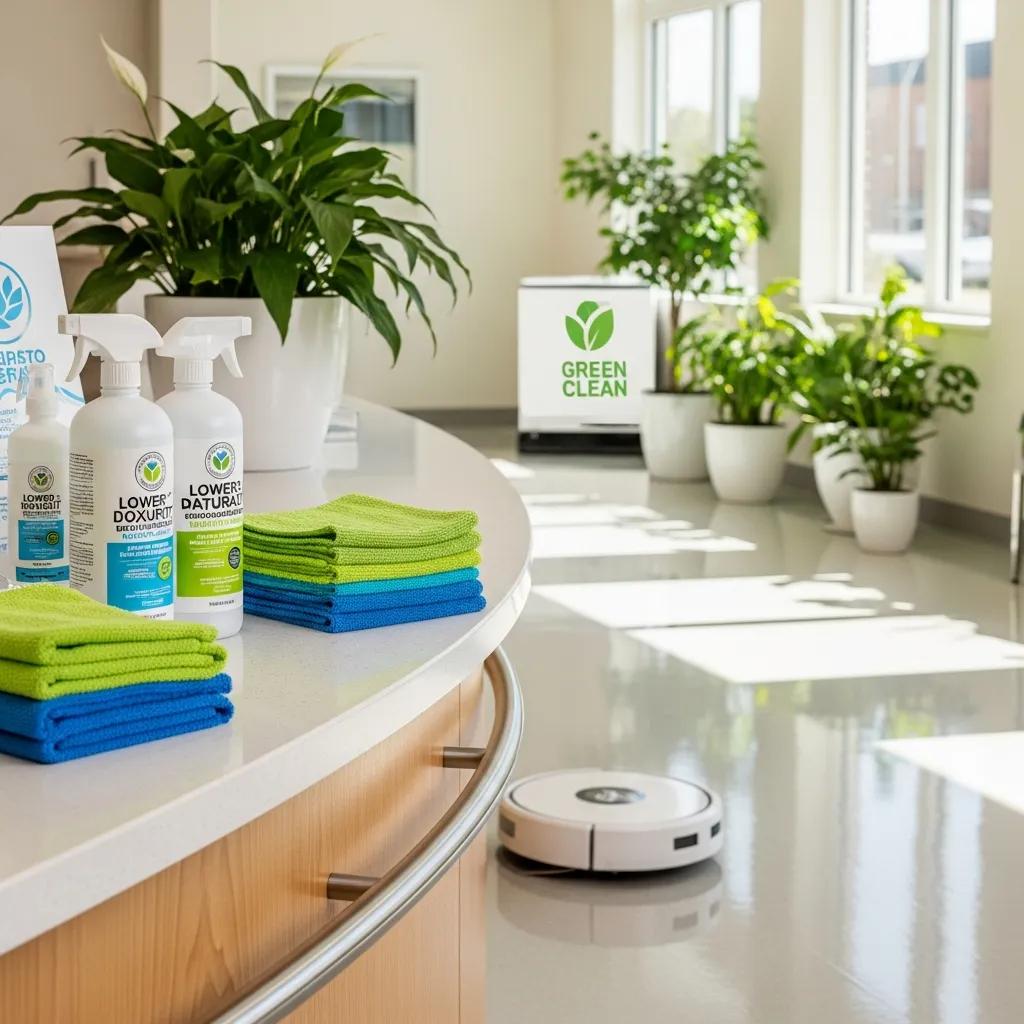
Eco‑friendly choices can support healthcare cleaning by reducing toxic exposures without sacrificing disinfection performance. These approaches benefit patient and staff respiratory health and local environmental goals. Options include lower‑toxicity disinfectants where appropriate, microfibre systems that cut chemical use through better mechanical cleaning, and dilution‑control systems to avoid over‑concentration. Waste‑reduction practices and correct disposal of clinical waste also reduce environmental impact. Crucially, any greener option must meet required kill claims and contact‑time specifications so infection control isn’t compromised.
Choosing sustainability while preserving validated efficacy is the key to responsible healthcare cleaning.
Sustainable Solutions That Protect Kuluin’s Environment
Sustainable solutions include eco‑labelled disinfectants suitable for healthcare, microfibre technology to lower chemical use, and dosing systems that standardise dilution. When selected and used according to manufacturer contact times and verification checks, these approaches maintain microbial control. Operational tactics like spot‑disinfection and scheduled deep cleans (rather than blanket overuse) further reduce chemical load while keeping effectiveness. Any sustainability choice should be backed by efficacy data and incorporated into staff training.
When done right, these measures reduce environmental footprint without sacrificing infection‑control performance.
How Green Practices Help Patient and Staff Health
Green practices cut exposure to volatile chemicals and respiratory irritants, improving indoor air quality and staff comfort and supporting patient wellbeing — especially for people with sensitivities. Lower chemical exposure can reduce irritation complaints and enhance perceptions of care. Organisationally, environmental stewardship builds community goodwill and can align with broader health promotion goals. Any switch to greener products must be validated for microbial efficacy and accompanied by training to ensure correct application.
Combined, these benefits make sustainable practices a valuable part of a comprehensive infection‑control plan when efficacy is maintained.
Family‑owned business based in Maroochydore; specialised Medical and Healthcare Facility Cleaning; no lock‑in contracts; satisfaction guarantee; environmentally conscious practices; experienced, police‑checked professionals. For tailored quotes or to discuss healthcare cleaning for your Kuluin facility, contact Divine Commercial Cleaning: Dianne Webber, 5 Bluff St, Birtinya, QLD 4575, Australia; phone 0459 949 969; email info@divinecleaning.com.au
- Request a tailored cleaning scope: Tell us your facility type, busiest times and any procedure‑specific risks.
- Review audit and training documentation: Ask for our SOPs, training logs and verification records.
- Schedule a site assessment: A local visit refines frequencies and task lists to suit your workflows.
Frequently Asked Questions
What are the benefits of using eco‑friendly cleaning products in healthcare settings?
Eco‑friendly products can reduce exposure to harsh chemicals for patients and staff, improve indoor air quality and lower respiratory irritants. They also support environmental goals and can enhance a facility’s reputation with eco‑conscious patients. The important caveat is that any greener product must still meet required kill claims and contact times to keep patients safe and satisfy regulatory standards.
How can healthcare facilities ensure compliance with cleaning regulations?
Compliance comes from documented, risk‑based cleaning protocols that match local health guidance, regular staff training, and reliable audit trails. Keep training records, SOPs and product safety data sheets on file, and perform routine risk assessments to update protocols as guidance changes. Regular audits and clear documentation demonstrate adherence and support continuous improvement.
What role does staff training play in effective healthcare cleaning?
Staff training is fundamental. It teaches infection‑prevention techniques, correct PPE use and the site‑specific sequences needed in clinical spaces. Regular competency checks and refresher courses keep teams current with best practice and regulation changes. Well‑trained staff reduce cross‑contamination risk and deliver consistent, auditable cleaning outcomes.
How often should high‑touch surfaces be disinfected in medical facilities?
High‑touch surfaces should be disinfected multiple times daily, with increased frequency during outbreaks or peak traffic. Examples include doorknobs, light switches, waiting area armrests and consultation room touchpoints. Frequency should be adjusted to the specific risks of each area to minimise healthcare‑associated infections.
What are the key components of a comprehensive healthcare cleaning plan?
A comprehensive plan includes a clear scope of work with task lists and frequencies, infection‑control protocols, cross‑contamination prevention measures, staff training and competency checks, and documentation practices for audit trails. It should also include regular risk assessments and scheduled reviews so the plan stays effective as conditions change.
How can healthcare facilities measure the effectiveness of their cleaning practices?
Measure effectiveness using surface testing (swabs), audit checklists, and feedback from staff and patients. Surface testing verifies microbial load reductions, while audits ensure procedures are followed. Staff and patient feedback gives insight into perceived cleanliness and safety — all useful for continuous improvement.
Choosing Divine Commercial Cleaning for your Kuluin healthcare cleaning gives you a local partner focused on patient safety, compliance and reliable outcomes. Our tailored services, trained teams and considered eco‑choices deliver measurable infection‑control results and peace of mind. Partner with us to create a cleaning plan that fits your facility and protects the people in your care — contact us to start the conversation.

Dianne, originally from Rockhampton, hails from a business-oriented family, with her father owning electrical stores and her uncle serving as Mayor. Moving to the Sunshine Coast at 13, she later pursued a rewarding real estate career and raised three children. As a single mom, she balanced university studies with domestic cleaning work. Armed with a Bachelor’s Degree in Business, majoring in Supply Chain Management, Dianne founded and grew Divine Commercial Cleaning into a thriving company. Her success is rooted in strong family mentorship, a positive attitude, and a solution-oriented approach, offering tailored cleaning services with integrity and strategic insight.