Marcoola Commercial Cleaning — Local expertise that protects your people, property and reputation
Cleanliness isn’t just cosmetic — it’s an operational control that lowers infection risk, extends asset life and helps staff do their best work. Below we explain why professional commercial cleaning matters for Marcoola businesses, how specialist protocols reduce downtime, and what to prioritise when choosing a provider. Divine Commercial Cleaning serves the Sunshine Coast and Brisbane, with a dedicated focus on Marcoola. We provide practical advice to help facility managers and business owners select the right services, request quotes and plan professional assessments. Read on for clear comparisons, checklists and sector-specific examples that connect cleaning decisions to measurable business outcomes.
Why our Marcoola commercial cleaning makes a difference
Commercial cleaning in Marcoola goes beyond routine janitorial tasks. We combine sector-specific protocols, measurable quality controls and local responsiveness so your site stays safe and operational. Our process begins with a needs assessment, follows evidence-based hygiene practices and measures results against agreed KPIs — delivering reliable surface cleanliness, fewer infection pathways and a sharper workplace presentation. Rather than a one-size-fits-all schedule, we tailor frequency, disinfectant choice and staff training to your site so you get efficient, compliant service. Divine Commercial Cleaning brings local knowledge, customised plans and a quick response capability that matches changing business rhythms. The next section explains how we scope those plans and why that matters for continuity.
- Fast local response and scheduling that minimises disruption to your trading hours.
- Industry-aligned hygiene standards and clear checklists for regulated environments.
- Trained, supervised teams with transparent reporting and outcome-focused KPIs.
Those strengths turn planning and quality systems into measurable operational benefits. The subsection below explains the scoping process that creates tailored plans.
How tailored cleaning plans support your operations
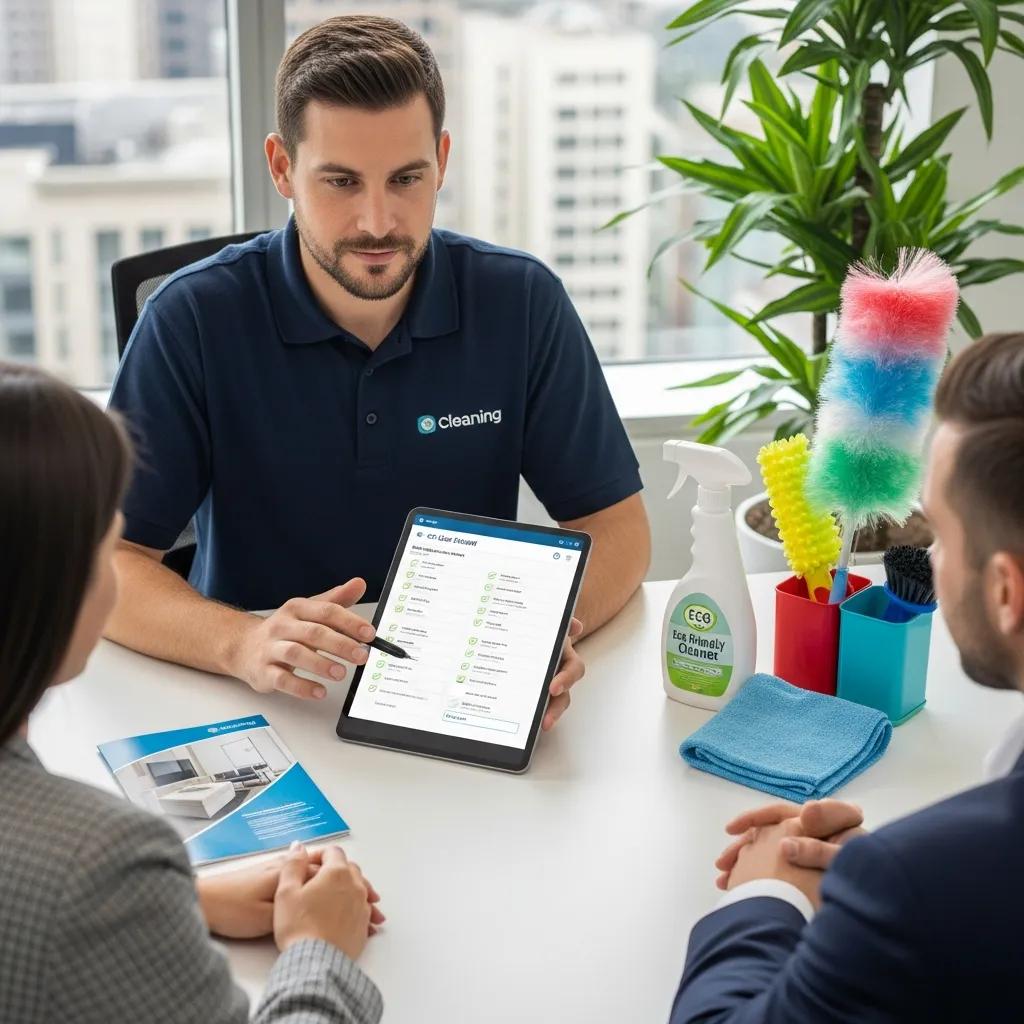
We begin with a scoping review that maps your facility zones, high-touch points, usage patterns and any regulatory requirements. That assessment — done on-site or remotely — produces a bespoke checklist and frequency recommendation tied to outcomes such as reduced sick days or improved client impressions. Typical deliverables include frequency tiers (daily, weekly, monthly), a high-touch rotation plan and outcome KPIs like inspection pass rates and client satisfaction checks. This structure lets you scale resourcing as occupancy changes while keeping clear accountability through documented checklists. Knowing the scoping steps makes it easier to see how staff training and supervision deliver consistent results.
Our team’s experience and approach in Marcoola
Our cleaning teams are recruited, trained and supervised to deliver consistent quality across Marcoola sites. Staff follow sector-specific procedures — from infection-control workflows in medical centres to child-safe practices in daycares — and carry out documented steps for disinfection, waste segregation and equipment care. Quality is checked through scheduled inspections, digital reporting and corrective actions when standards slip, creating a continuous improvement loop. Local account managers keep communication straightforward and resolve issues quickly, preserving continuity and trust. Next, we outline the service types most relevant to Marcoola businesses and what each delivers.
Commercial cleaning services built for Marcoola businesses
We cover a full range of commercial cleaning needs — office, medical centre, daycare, post-construction and one-off deep cleans — each with task lists and protocols matched to business outcomes. The table below helps you match service scope to your facility’s needs so you can choose the right frequency and controls.
| Service Type | Key Tasks/Protocols | Benefit to Business |
|---|---|---|
| Office cleaning services | Daily high-touch disinfection, rubbish removal, floor care, meeting-room resets | Cleaner workplaces, better first impressions and higher staff productivity |
| Medical centre cleaning services | Pre-clean triage, hospital-grade disinfection, clinical waste handling | Lower infection risk and support for compliance requirements |
| Daycare cleaning services | Toy and play-equipment sanitisation, linen protocols, non-toxic products | Safer spaces for children and reassurance for carers |
| Post-construction cleaning | Dust removal, HVAC vent cleaning, surface restoration | Faster, safer re-occupancy and less rework |
| One-off deep cleaning | Upholstery/carpet extraction, high-level dusting, targeted sanitisation | Restored appearance and allergen reduction |
This quick comparison helps managers pick the right service and prepares you for the sector details below.
Office cleaning: what you gain
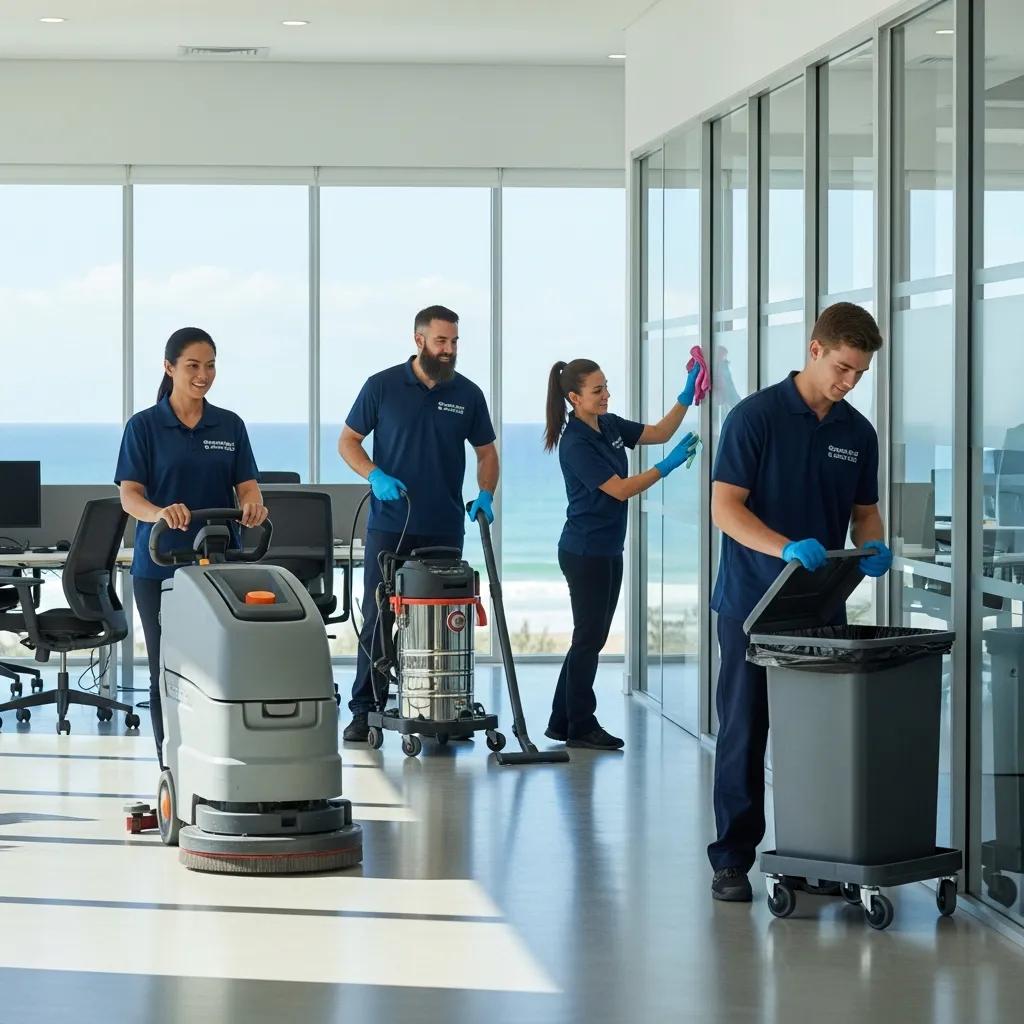
Regular office cleaning reduces microbial load on high-touch surfaces and prevents gradual asset wear, which leads to fewer sick days and lower maintenance costs. Core tasks include desk-area disinfection, communal-area sanitising, floor care and scheduled deep-clean cycles for carpets and upholstery to remove embedded soil and allergens. For Marcoola offices we scope packages to match occupancy and trading hours, then provide a tailored quote. Prioritising these tasks protects both people and your professional image.
Medical centre cleaning: how we meet hygiene standards
Cleaning for medical centres uses a layered approach: pre-clean assessment, targeted cleaning of patient-facing zones, then disinfection with hospital-grade products applied to correct contact times and techniques. This ensures waiting rooms, treatment areas and high-touch points get validated disinfection cycles while waste handling and privacy tasks follow strict procedures. Outcomes include reduced cross-contamination risk and stronger patient confidence. Ask prospective providers for a checklist that covers pre-clean, cleaning, disinfection and clinical waste steps — we can supply a sector-specific protocol and quote to show our compliance focus.
Daycare cleaning: keeping children safe in Marcoola
Daycare cleaning centres on child-safe products, timing that minimises exposure and rigorous toy and play-area sanitisation to reduce illness spread. The approach combines careful product selection and controlled processes: non-toxic, low-odour cleaners used with documented contact and drying times, and routines scheduled to limit disruption to daily activities. This reduces transmission of common childhood illnesses and helps carers and centre managers feel confident about hygiene. The next sections explain product choices and operational routines we use to keep centres safe and transparent.
External health guidance also supports the need for specialist cleaning protocols in childcare settings.
Specialised cleaning matters for children’s health and safety
Specialist cleaning protocols are more than a recommendation for childcare — they are a practical safeguard. Young children have developing immune systems, so a consistent, documented cleaning program helps reduce the spread of infections and keeps play areas safe and usable.
Our standard daycare practices include:
- Non-toxic, biodegradable cleaning agents suitable for use around children.
- Toy sanitisation steps: remove debris, wash with detergent, disinfect and air-dry.
- Scheduling cleaning during low-occupancy periods to minimise exposure and downtime.
These steps lower health risks and help toys and equipment last longer. Below we outline the products and routines we use.
Child-safe products and how we apply them
We choose low-toxicity, low-odour, biodegradable products that leave minimal residue and are safe once surfaces have dried. Material Safety Data Sheets are kept on file and shared on request. Best practice includes a wet-wipe followed by an approved sanitiser where needed, separate tools for food and play areas, and secure chemical storage out of reach. Clear product choices and application routines build trust with centre managers and support reliable scheduling.
Daily routines for early learning centres
Hygiene in early learning centres relies on predictable daily and weekly routines that focus on high-touch rotation, dedicated nappy-area protocols and ventilation checks. A typical plan might include morning communal-surface sanitation, midday toy cleaning and an evening deep clean of rest areas, with strict linen handling to avoid cross-contamination. We coordinate handovers with centre managers so staff know when cleaning happens and what to expect, keeping disruption to a minimum and supporting compliance with childcare health guidance.
Why specialised deep cleaning is important for Marcoola sites
Deep cleaning tackles accumulated soil, embedded allergens and construction residues that routine cleaning misses. It uses intensive mechanical and chemical methods — hot-water extraction, HEPA-filtered vacuuming and targeted disinfection — to restore indoor air quality and surface performance. Knowing the triggers for deep cleaning and matching techniques to the situation ensures cost-effective scheduling and the right equipment for safety and efficacy. The table below links common scenarios with recommended techniques and timing.
| Deep Cleaning Scenario | Techniques/Equipment Used | When to Schedule |
|---|---|---|
| Post-construction cleaning | HEPA vacuuming, dust scrubbing, final surface sanitisation | Immediately after work finishes, before re-occupancy |
| Tenant turnover / move-out | Carpet extraction, upholstery cleaning, kitchen degrease | Between tenancies to present a market-ready space |
| Seasonal deep clean | High-level dusting, HVAC vent cleaning, allergen removal | Quarterly or at seasonal changeovers |
| Outbreak response | Electrostatic spraying, targeted surface disinfection, high-touch rotation | As soon as an outbreak is identified or on public-health advice |
| Event / post-function clean | Rapid debris removal, spot disinfection, floor restoration | Within 24–48 hours after high-use events |
When to schedule one-off or post-construction deep cleans
Schedule deep cleans after events that leave heavy soil, fine dust or when tenancy changes hands. Common triggers include construction completion, major renovations, tenant move-out or biological contamination where routine cleaning won’t suffice. Aim to complete these cleans before regular operations resume to avoid exposing staff or customers to residual dust or contaminants. Staging the work during off-hours minimises disruption and ensures a thorough job.
Techniques and technology that improve deep-clean outcomes
Effectiveness comes from matching method to surface and contaminant: steam for hard floors, hot-water extraction for carpets, HEPA-filtered vacuums for fine dust and electrostatic sprayers for wide disinfectant coverage. HEPA filtration and electrostatic application boost capture and distribution, and UV can be used as a supplementary tool where appropriate. Safety training is essential — technicians must respect dwell times, material compatibility and ventilation needs to avoid damage and ensure results. These approaches reduce allergens, restore appearance and create documentation you can rely on for compliance and assurance.
Our commitment to sustainability and practical innovation
We balance environmental responsibility with service performance to deliver lower impact and better efficiency. That means choosing biodegradable cleaners, concentrated formats to cut packaging, and technologies that reduce labour while improving coverage. These choices support corporate responsibility goals and can lower long-term costs through efficiencies. The table below outlines common practices, their eco-attributes and the business advantages they deliver.
| Practice/Product | Attribute (eco-friendly/tech-enabled) | Business Advantage |
|---|---|---|
| Biodegradable cleaners | Low-toxicity, low-residue | Improved indoor air quality and lower environmental impact |
| Concentrated formulations | Less packaging and transport impact | Lower procurement and storage costs |
| Electrostatic sprayers | Tech-enabled even coverage | Faster, more consistent disinfection |
| Digital QA checklists | Transparent, tech-enabled reporting | Measurable quality, audit trails and client confidence |
| Water-use optimisation | Efficient processes and equipment | Reduced utility bills and easier sustainability reporting |
Eco-friendly products and how we use them
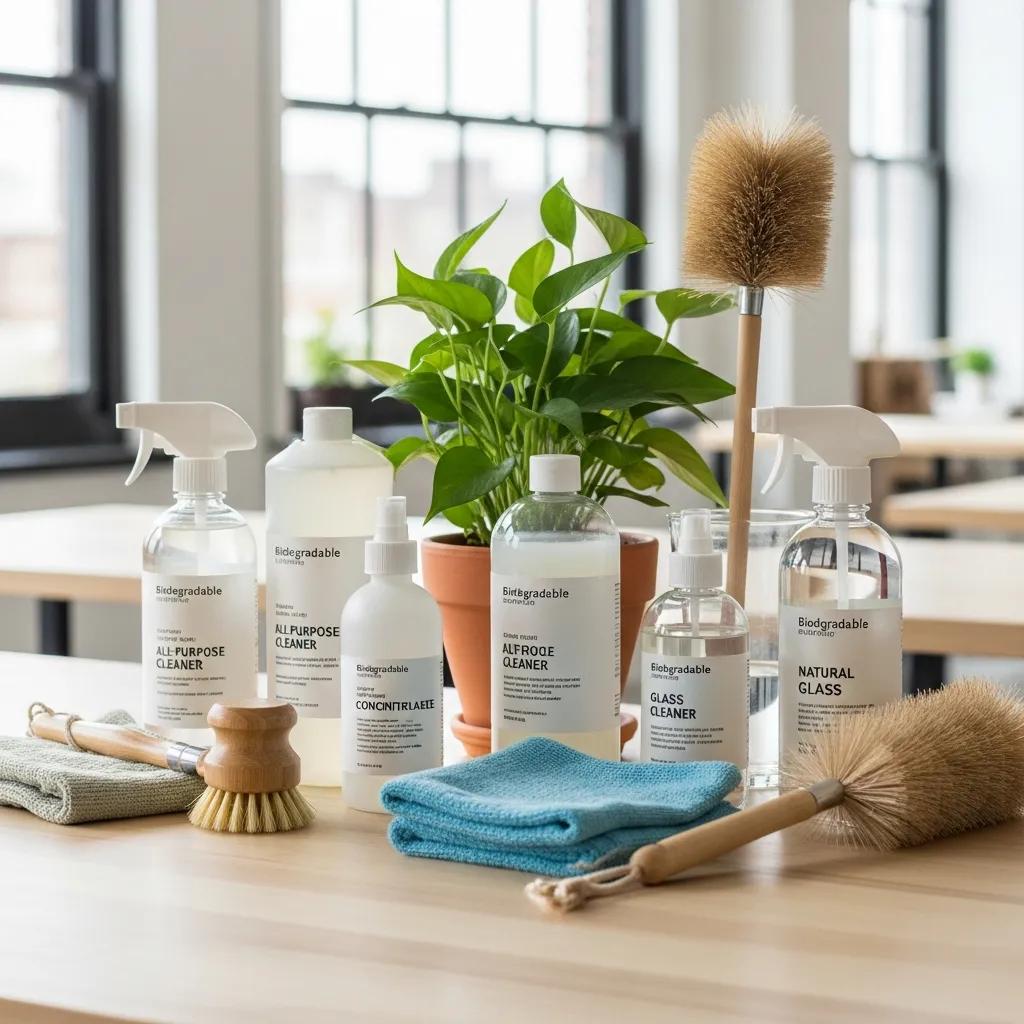
We prefer biodegradable chemistries with low VOCs and concentrated formats to shrink packaging waste without losing performance. On the process side we use dilution control, consolidated deliveries and water-efficient equipment to cut the operational footprint. The business benefits include alignment with CSR goals, potential cost savings and healthier indoor air for staff and customers. Consistent training and supplier partnerships ensure these benefits are delivered and documented.
How technology raises the standard of service
Technology reduces human error and makes results measurable. Electrostatic sprayers give even disinfectant coverage, HEPA vacuums capture fine particulates standard vacuums miss, and digital checklists create a visible audit trail of inspections and corrective actions. The result is quicker service, fewer reworks and client-facing data that proves consistent standards. Using these tools helps us operate more efficiently while keeping disruption to your business minimal.
What Marcoola clients typically say about our service
Client feedback usually highlights reliability, quality and sector knowledge rather than generic praise. Reviews and surveys commonly mention punctuality, consistent checklist completion and clear communication — all signals of a dependable provider. Clients also value measurable improvements such as reduced absenteeism and stronger presentation for visitors. We present client feedback through profile listings and case summaries so prospective customers can compare providers on real outcomes. Below we explain the common themes and what to look for when assessing service impact.
Clients most often call out these strengths:
- Reliability: On-time attendance and consistent adherence to schedules.
- Quality: Thorough checks, attention to high-touch zones and documented results.
- Sector expertise: Experience with medical and childcare protocols where they matter.
Those themes show what to probe during supplier evaluations; the next section describes the types of feedback that indicate true capability.
What to expect from testimonials and references
Rather than rely on single quotes, look for references that mention timeliness, thoroughness and compliance with agreed protocols. Valuable feedback will reference inspection pass rates, prompt issue resolution and sector-specific competence — for example, handling clinical waste or following child-safe procedures. Aggregated, outcome-focused feedback is a stronger signal of consistent service than isolated anecdotes. Ask for structured references and documented outcomes when comparing suppliers.
Real improvements clients see after engaging our services
The impact of disciplined cleaning shows up as fewer sick days, better scores on cleanliness audits, quicker tenant turnover readiness and improved customer impressions. Measurable results include lower surface contamination levels, restored carpet and upholstery appearance after deep cleans, and reduced allergens following HEPA-based interventions. Those outcomes translate into fewer disruptions, improved customer experience and a stronger compliance posture. When evaluating providers, request outcome metrics and case summaries that demonstrate similar results for your facility.
Measuring success by outcomes — not just activities — is the most reliable way to judge a cleaning program’s value.
Outcome-focused measurement drives better cleaning results
Outcome-based metrics prioritise the real-world effects of cleaning work — lower infection rates, improved air quality and reduced downtime — rather than just tracking tasks completed. For organisations aiming to improve sustainability and operational resilience, this approach provides clearer, more useful performance data.
Frequently Asked Questions
What should businesses consider when choosing a commercial cleaning service?
Check the provider’s experience in your sector, their flexibility around your hours and special needs, and the detail of their cleaning protocols for health and safety. Ask about training, quality checks and how they measure outcomes — inspection pass rates, client satisfaction and response times are useful indicators. Clear pricing and a written scope of work also help avoid surprises.
How often should businesses schedule deep cleaning services?
That depends on the type of facility, foot traffic and regulatory requirements. Medical centres and daycares often need deep cleans quarterly or monthly, while many offices find a biannual deep clean sufficient. We recommend a site review to set a schedule based on usage patterns and risk areas.
What are the environmental benefits of using eco-friendly cleaning products?
Eco-friendly products typically have biodegradable ingredients and lower VOCs, which reduces pollution and improves indoor air quality. Concentrated formats cut packaging waste and transport impact. Using greener products supports CSR goals and can contribute to a healthier workplace for staff and visitors.
How can businesses measure the effectiveness of their cleaning services?
Use KPIs such as inspection pass rates, frequency of cleaning-related complaints, employee feedback and absenteeism trends. Regular audits, digital checklists and client satisfaction surveys give you measurable data to track performance and drive improvements.
What role does technology play in modern commercial cleaning services?
Technology increases consistency and transparency. Electrostatic sprayers and HEPA vacuums improve coverage and particle capture, while digital checklists and reporting provide audit trails and real-time visibility. Data from these tools helps optimise schedules and resources.
How can businesses ensure compliance with health and safety regulations in cleaning?
Partner with a provider that understands industry standards and keeps detailed documentation. Ensure staff receive regular training on agents, waste handling and infection control, and conduct periodic audits to confirm procedures are followed. Request written protocols and inspection records as part of your agreement.
Choosing Divine Commercial Cleaning for Marcoola gives you a local partner who tailors services to your sector, measures outcomes and keeps disruption to a minimum. Our programs protect hygiene, support staff wellbeing and preserve your assets — all backed by clear reporting and local support. Contact us to arrange a site review and a tailored quote that fits your operations.

Dianne, originally from Rockhampton, hails from a business-oriented family, with her father owning electrical stores and her uncle serving as Mayor. Moving to the Sunshine Coast at 13, she later pursued a rewarding real estate career and raised three children. As a single mom, she balanced university studies with domestic cleaning work. Armed with a Bachelor’s Degree in Business, majoring in Supply Chain Management, Dianne founded and grew Divine Commercial Cleaning into a thriving company. Her success is rooted in strong family mentorship, a positive attitude, and a solution-oriented approach, offering tailored cleaning services with integrity and strategic insight.