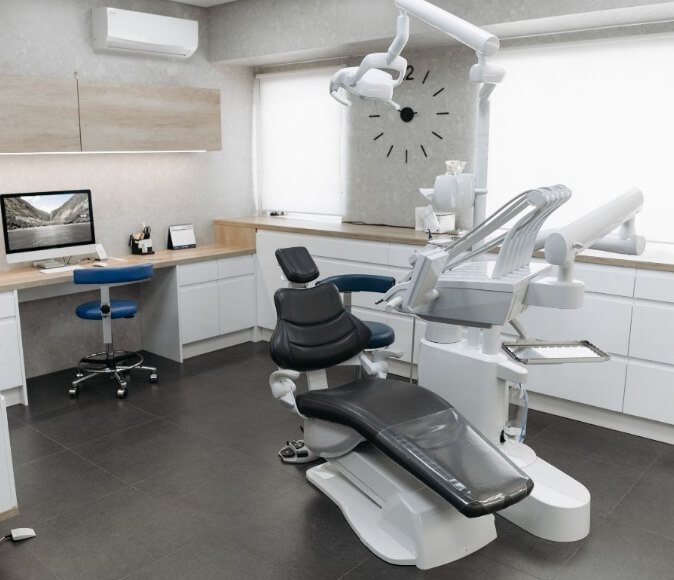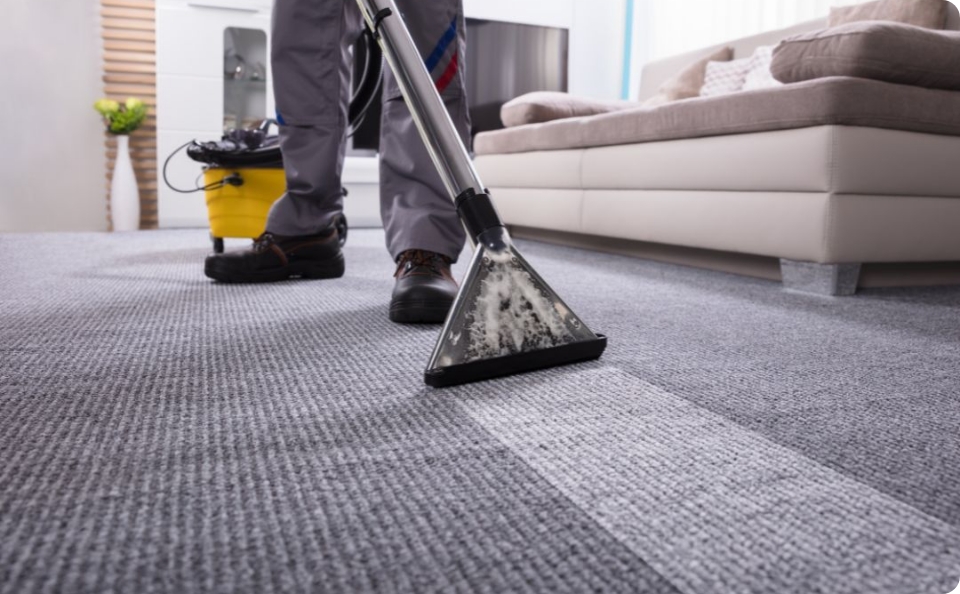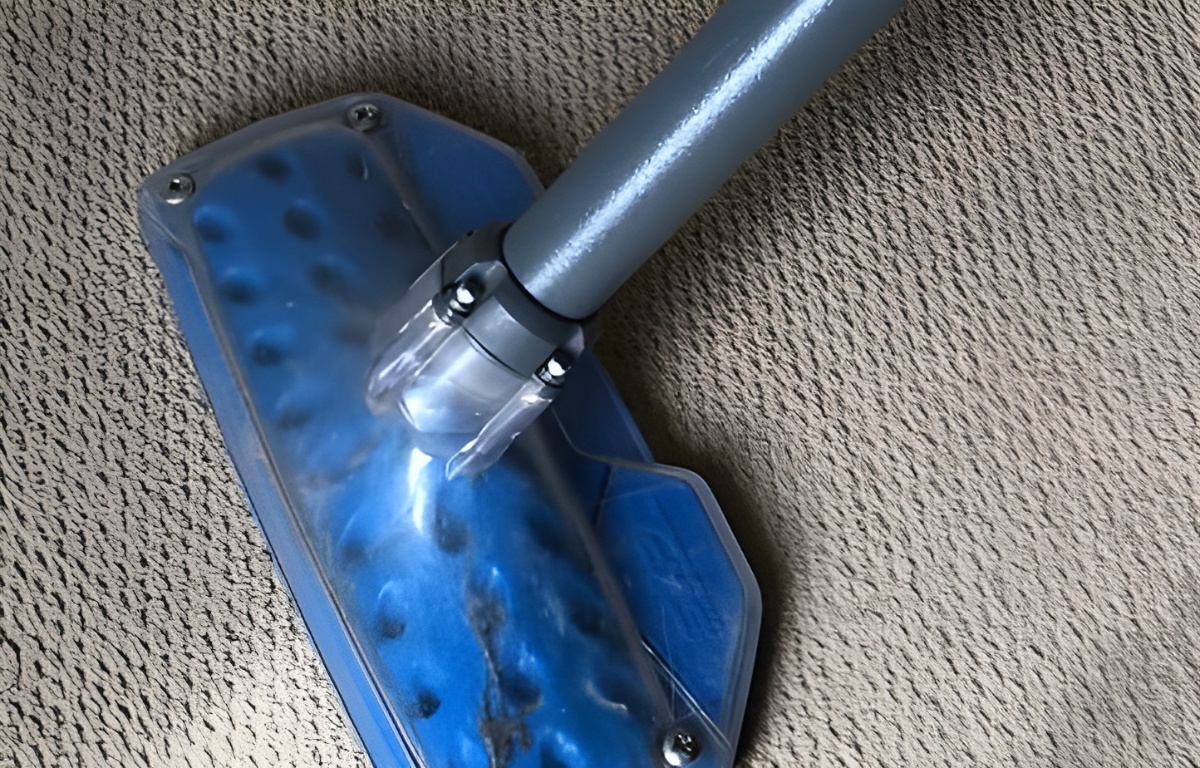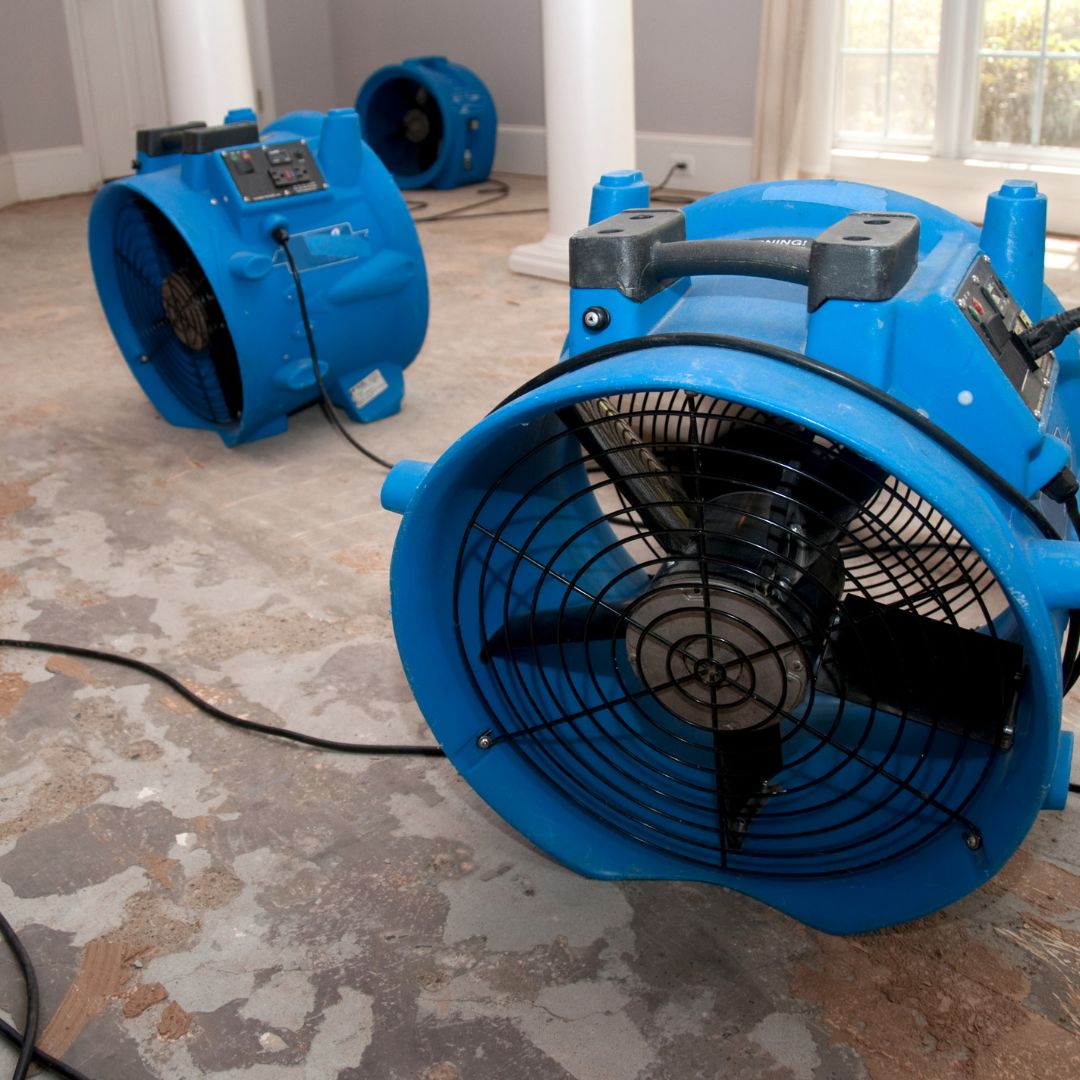
Healthcare cleaning professional using hospital-grade supplies in a modern medical center

Best Practices for Medical Centre Cleaning in Bells Creek

Healthcare cleaning professional using hospital-grade supplies in a modern medical center

Best Practices for Medical Centre Cleaning in Bells Creek: Ensuring Safe and Effective Healthcare Facility Hygiene

Medical centre cleaning in Bells Creek covers the planned cleaning, disinfection and contamination-control routines used to cut infection risk, protect patients and staff, and meet healthcare regulations. Effective cleaning pairs infection‑control best practice with day‑to‑day procedures shaped for each facility, surface type and Queensland guidance. Facility managers who adopt clear, hospital‑grade cleaning programmes often see fewer healthcare‑associated infections, stronger audit results and greater patient confidence. This guide walks through the essential standards, key infection‑control drivers, recommended techniques and products, staff qualification expectations, monitoring plans and how to choose the right vendor for Bells Creek and the wider Sunshine Coast.

You’ll find practical checklists for evaluating providers, comparisons of disinfectant types and sample monitoring schedules to help sustain cleaning quality and compliance. We also use local search terms such as hospital grade cleaning Bells Creek, infection control cleaning Queensland and healthcare facility cleaning services Bells Creek to help teams align operations with regional expectations.

What Are the Essential Standards for Medical Centre Cleaning in Bells Creek?

Standards for medical centre cleaning set the minimum expectations needed to prevent cross‑contamination, define cleaning frequency, classify surfaces and manage clinical waste. These standards rest on three core pillars: risk‑based surface categorisation (critical, semi‑critical, non‑critical), written procedures with validated disinfectant contact times, and traceable records to support audits. Putting these pillars into practice reduces pathogens on high‑touch and clinical surfaces and lowers transmission risk to patients and staff. Queensland guidance reinforces national frameworks by prioritising audit readiness and clear documentation; Bells Creek facilities should convert those requirements into daily rosters, terminal cleans and incident‑response steps. The concise list below summarises the standards every medical centre should adopt.

  1. Clear surface categorisation and risk‑based cleaning schedules: Label areas critical, semi‑critical and non‑critical and set cleaning frequency accordingly.
  2. Hospital‑grade disinfectants with validated contact times: Use products matched to the target organisms and surfaces, and follow manufacturer dwell times.
  3. Comprehensive documentation and audit trails: Keep cleaning logs, product data sheets and verification records available for inspection.
  4. Segregated waste and sharps handling: Apply clinical waste segregation and secure disposal to prevent exposure.
  5. Staff training and competency records: Ensure cleaning staff complete infection‑control training and regular refreshers.

These elements form the operational framework for hospital‑grade cleaning. The section that follows explains what qualifies as hospital‑grade services and how Queensland clinic standards shape local practice.

Which Hospital Grade Cleaning Services Meet Bells Creek Requirements?

Hospital-grade cleaning products and tools organised on a service cart in a clinical area

Hospital‑grade cleaning services use protocols, products and verification methods designed specifically for healthcare environments — not generic commercial cleaning like standard commercial cleaning. Typical services include routine high‑touch disinfection, terminal cleans for procedure rooms, targeted outbreak decontamination and verification testing (ATP checks or microbiological swabs). Providers who meet Bells Creek needs supply written SOPs, product lists showing hospital‑grade disinfectants and documented staff training aligned with infection‑control expectations. When assessing vendors, ask for evidence of product efficacy against relevant organisms, examples of terminal‑clean procedures for operating or procedure rooms, and sample audit reports demonstrating consistent outcomes. These checks help you distinguish specialised healthcare environmental services from general facility maintenance and set clear acceptance criteria in contracts.

How Do Medical Clinic Cleaning Standards in Queensland Influence Local Practices?

Queensland clinic cleaning standards shape local practice by emphasising compliance with state infection‑control guidance, targeted record keeping and inspection readiness. State guidance typically requires clear role assignments, seasonal frequency adjustments during outbreaks, and formal records of staff competency and safety data sheets. In Bells Creek, that translates to daily cleaning logs, extra high‑touch disinfection during local outbreaks and keeping MSDS on site for all disinfectants. Facility managers should treat Queensland guidance as an operational checklist: define audit cycles, schedule refresher training and set escalation steps for exposure incidents. Turning regulatory recommendations into practical rosters and templates makes compliance easier to manage on site.

How Does Infection Control Shape Medical Cleaning Practices in Australia?

Infection control provides the scientific and procedural basis for medical cleaning in Australian healthcare settings. It identifies how pathogens spread and prescribes measures to interrupt transmission. The core pillars are hand hygiene, effective surface disinfection and correct PPE use; cleaning protocols translate these pillars into surface‑specific methods, contact times and verification practices. Applying infection‑control principles reduces healthcare‑associated infections, speeds bed turnover and lowers reputational and regulatory risk. Well‑written SOPs ensure environmental services work alongside clinical teams during procedures and outbreak responses. The next sections outline the most impactful protocols and why hospital‑grade cleaning matters for prevention.

What Are the Key Infection Control Protocols for Healthcare Facility Cleaning on the Sunshine Coast?

Local infection‑control protocols focus on consistent hand hygiene, targeted disinfection of high‑touch points and correct waste handling to prevent cross‑contamination. Routine cleaning should prioritise door handles, light switches, bed rails, charting stations and reception counters, using disinfectants with appropriate contact times for likely pathogens. Protocols also define PPE for cleaning tasks — gloves for routine work, gowns and eye protection for body‑fluid incidents — and clear re‑entry times when using fumigants or strong oxidisers. Monitoring typically includes periodic ATP checks or microbial swabs to confirm cleaning effectiveness and prompt retraining when thresholds are exceeded. Following these protocols reduces transmission in clinics and keeps outbreak responses predictable and effective.

Why Is Hospital Grade Cleaning Critical for Infection Prevention in Medical Centres?

Hospital‑grade cleaning matters because it uses validated disinfectants, documented methods and verification steps designed to break transmission chains that ordinary commercial cleaning may miss. The difference is most visible in procedure rooms and other higher‑risk areas: hospital‑grade terminal cleaning reduces residual contamination to safe levels and allows rooms to be reused with confidence. Evidence‑based measures — choosing disinfectants proven against the target organisms and following recommended contact times — lead to measurable results: fewer post‑procedure infections, lower environmental bioburden and stronger audit outcomes. Commit to hospital‑grade standards and you reduce room downtime, protect staff and preserve patient trust.

Which Cleaning Techniques and Products Are Best for Medical Centres in Bells Creek?

Choosing techniques and products for Bells Creek medical centres means balancing microbiological effectiveness, surface compatibility and staff safety. Practical techniques include cleaning from clean‑to‑dirty zones, single‑use microfiber systems for high‑touch areas, and validated application methods such as electrostatic spraying where even coverage is needed. Product choice should favour hospital‑grade disinfectant classes with manufacturer‑validated contact times, plus equipment like HEPA‑filtered vacuums to control airborne particulates. Keep MSDS for every disinfectant and train staff on compatibility to avoid surface damage or reduced efficacy. The table below helps facility managers match disinfectant classes to use cases and precautions.

The following table compares common disinfectant classes and their recommended applications for different medical centre surfaces.

Disinfectant ClassContact Time / Surface SuitabilityRecommended Use & Precautions
Chlorine‑based (hypochlorite)1–10 minutes on hard, non‑porous surfacesBroad spectrum; avoid long term use on metals and some fabrics; prepare fresh dilutions and use PPE
Quaternary ammonium compounds (QACs)5–10 minutes; suitable for most non‑porous surfacesLow corrosivity on many materials; not ideal for porous surfaces; perform cleaning step before disinfection
Hydrogen peroxide / peracetic acid1–10 minutes depending on concentration; compatible with many surfacesFast‑acting and generally material friendly; follow manufacturer guidance on concentration and ventilation
Alcohol‑based solutions (70% IPA/ethanol)30 seconds–1 minute; best for small surfaces and equipmentRapid action on non‑porous items; flammable—keep away from ignition sources

Many hospitals and clinics work with professional providers for access to hospital‑grade products and validated application methods. Providers can supply calibrated sprayers, HEPA vacuums and certified disinfectants, and offer tailored consultations or quotes to adjust services to your facility’s needs.

What Are the Recommended Disinfectants and Equipment for Medical Centre Cleaning?

Recommended disinfectants are those with proven efficacy against clinical organisms and clear manufacturer instructions on contact time and surface compatibility. Key classes include chlorine‑based agents for broad decontamination, QACs for routine high‑touch surfaces, and accelerated hydrogen peroxide for rapid action with good material compatibility. Useful equipment includes single‑use microfiber systems to remove soil, HEPA‑filtered vacuums for airborne particulates, and calibrated electrostatic sprayers for even application in complex areas. Always keep MSDS on site, train staff on correct dilution and contact times, and ensure adequate ventilation when using oxidisers. The right choices reduce rework and keep cleaning outcomes audit‑ready.

How Do Eco-Friendly Cleaning Solutions Fit into Healthcare Facility Maintenance?

Eco‑friendly cleaning products can be part of healthcare maintenance when they provide validated efficacy against target pathogens and meet required contact times. Many green‑label products rely on hydrogen peroxide or low‑toxicity QAC formulations at proven concentrations; facility managers should review independent efficacy data and confirm the product suits the clinical risk profile of each area. Green options work well in non‑critical zones such as waiting rooms and offices, while high‑risk areas (procedure rooms, theatres) usually require conventional hospital‑grade disinfectants unless a green product has equivalent validation. Introduce greener cleaning via a decision matrix that weighs efficacy, surface compatibility and staff safety, and pilot test before widescale adoption.

Who Are the Qualified Professionals for Medical Centre Cleaning in Bells Creek?

Training session with cleaning staff reviewing infection control procedures in a clinical setting

Qualified medical cleaning professionals combine infection‑control training, supervisory oversight and fit‑for‑purpose documentation. Typical roles include environmental services technicians trained in clinical cleaning, supervisors who manage audits and corrective actions, and quality officers who coordinate verification testing and reporting. Qualifications are demonstrated by completed training in infection control, chemical handling and PPE use, plus competency assessments and scheduled refreshers. Providers should make training records and supervisory structures available so you can see how competency is maintained and non‑conformances are handled. The table below summarises roles and what to verify.

Verifying staff qualifications ensures cleaning teams apply hospital‑grade processes consistently and protect patients and staff.

Role / CertificationWhat It DemonstratesHow It Improves Outcomes
Environmental services technician trainingPractical competency in clinical cleaning tasksConsistent cleaning, correct product use and less rework
Chemical handling and MSDS trainingSafe dilution, storage and application of disinfectantsFewer exposure incidents and reduced chemical misuse
Infection control refresher certificationUp‑to‑date protocols and outbreak proceduresQuicker, more effective outbreak response and better audit results

This table shows which credentials deliver measurable benefits and what to request from providers. The following subsection outlines specific training expectations.

Professional cleaning teams are available to contract with medical centres and can also train in‑house staff; facility managers should ask about training programmes, verification methods and contractual guarantees.

What Training and Certifications Are Required for Healthcare Cleaning Staff?

Healthcare cleaning staff need training in infection‑control basics, chemical handling, PPE use and clinical cleaning protocols. Training should include hands‑on terminal‑clean demonstrations, safe dilution and MSDS comprehension, and correct clean‑to‑dirty workflows. Documented completion or certification provides evidence of competency and should be backed by a recorded refresher schedule. Facility managers should confirm that training includes practical assessments and that records are kept for audit purposes. Clear training documentation and a refresh cadence keep hospital‑grade cleaning consistent and reduce compliance risk.

How Do Experienced Cleaners Ensure Compliance with Medical Clinic Cleaning Standards?

Experienced teams meet standards through strict SOP adherence, supervisor spot checks and thorough documentation that creates an audit trail. Practical steps include area checklists, logging completion times and product batch numbers, and periodic verification (for example ATP testing). Supervisors conduct random inspections, coach staff during complex tasks and trigger corrective actions when standards slip. These practices support steady audit performance and consistent infection‑control results. Regular oversight plus data‑driven corrective workflows links procedure to measurable quality improvements.

How Can Medical Centres in Bells Creek Maintain Ongoing Cleaning Quality and Safety?

Ongoing quality and safety depend on a QA/QC system that combines routine monitoring, scheduled audits and continuous training to close performance gaps quickly. Effective monitoring uses visual inspections, ATP bioluminescence testing for organic residue and periodic microbiological sampling in high‑risk areas. Audit plans should define sample sizes, frequency and pass/fail thresholds with clear corrective actions. Tie refresher training into performance reviews so competency keeps pace with new products or risks. The table below gives practical monitoring tools, suggested frequencies and the actions triggered by results to help you build a working plan.

Use the table to create a pragmatic monitoring schedule that links measurements to specific actions.

Monitoring ToolFrequency / Metrics TrackedAction Triggered
Visual inspection checklistDaily; completion and observed conditionImmediate re‑clean and retraining if non‑compliant
ATP testingWeekly in high‑touch zones; RLU thresholdsDeep clean and technique review if above threshold
Microbiological swabsMonthly in procedure rooms; CFU limitsInvestigation, targeted decontamination and staff briefing
Audit scorecardsQuarterly; compliance % by areaContract review and corrective action planning

Linking checks to prescribed interventions helps catch issues before they become safety events. The next subsection explains how training cadence improves outcomes.

Below are recommended tools and audit practices facility managers should adopt.

  1. Monitoring tools to adopt: visual checklists, ATP testers, microbiological swabs and audit scorecards.
  2. Audit frequencies to consider: daily visual checks, weekly ATP in critical zones, monthly microbiology and quarterly comprehensive audits.
  3. Corrective actions: immediate re‑cleaning, targeted retraining, supplier review and procedure updates.

What Are Effective Monitoring and Audit Practices for Healthcare Facility Cleaning?

Effective monitoring pairs routine visual checks with quantitative methods such as ATP testing and targeted microbiological swabs so cleanliness meets defined thresholds. Daily visual inspections spot obvious issues; ATP testing gives quick, quantitative data on organic residue in high‑touch areas; microbiological sampling verifies organism‑level cleanliness in procedure rooms. Audits should specify sample sizes, acceptance criteria and escalation steps; results must feed into staff reviews and refresher training. Scorecards and KPIs let management track trends and target resources to persistent problem areas. These practices make cleaning measurable and continuously improvable.

How Does Regular Staff Training Improve Infection Control and Cleaning Outcomes?

Regular training builds consistent technique, clarifies product use and keeps staff aware of changing protocols — leading to higher audit scores, fewer re‑cleans and fewer breaches during outbreaks. Suggested refresher cadences are quarterly for high‑turnover areas and twice yearly for stable teams, with competency checks after major protocol or product changes. Training that combines demonstration, supervised practice and objective assessments produces the most reliable results. When training is linked to monitoring data, education targets real performance gaps.

Where Can Medical Centres in Bells Creek Find Reliable Hospital Grade Cleaning Services?

Find reliable hospital‑grade cleaning providers by running a focused due‑diligence check on healthcare experience, insurance, documented protocols and local responsiveness. Key selection criteria include healthcare‑specific SOPs, staff training records, product lists showing hospital‑grade disinfectants and proof of liability and professional indemnity cover. Ask for sample audit reports, clinical references and service‑level agreements that spell out response times and corrective‑action commitments. Validate claims with site visits, SOP reviews and verification data to confirm capability and fit. The checklist below helps guide selection and the recommended next step is a site‑based pilot or demonstration before signing a contract.

  • Selection checklist to use:Evidence of insurance and liability coverageHealthcare cleaning experience and clinical referencesDocumented SOPs and product lists with contact timesStaff training records and supervisor structure
  • Questions to ask providers:How do you verify cleaning effectiveness?Can you supply sample audit scorecards and references?What is your typical response time for urgent decontamination?

After reviewing proposals and evidence, request a formal quote and a site‑based demonstration or pilot to validate methods and outcomes before committing.

When you’re ready to engage, ask local hospital‑grade cleaning providers for documented protocols and verification methods to ensure they meet Bells Creek clinical needs.

What Should You Look for When Choosing a Healthcare Cleaning Provider?

Choosing a provider means checking insurance, healthcare experience, proven protocols and supply‑chain transparency. Confirm they hold appropriate insurance, provide medical client references and a product list with hospital‑grade disinfectants and validated contact times. Check staffing ratios, supervisory oversight, incident‑response procedures and training programmes. A pilot clean or site demonstration reveals practical competence and clarifies logistics such as service windows and waste handling. These checks reduce procurement risk and ensure the provider can meet routine and surge needs.

How Do Local Cleaning Companies Meet Bells Creek Medical Facility Needs?

Local companies adapt to Bells Creek logistics, travel times and regional regulations by offering tailored service windows, rapid incident response and familiarity with Queensland infection‑control guidance. Common local adjustments include scheduling around clinic hours, assigning dedicated teams to build site knowledge and embedding local audit expectations into reports. Facility managers should ask for regional references, proof of quick mobilisation and SOPs tailored for clinics versus day‑surgery settings. Local presence usually delivers faster response times and easier coordination for pilots or training sessions, improving operational continuity.

  1. Local advantages: faster response, tailored scheduling and regional regulatory knowledge.
  2. Contract checks: define mobilisation time, pilot terms and training support in contracts.
  3. Validation steps: require on‑site demonstration, reference checks and sample SOPs.

These steps help medical centres secure hospital‑grade cleaning that fits Bells Creek operational realities.

Request quotes and contact us for service proposals

Frequently Asked Questions

What are the benefits of using hospital-grade cleaning products in medical centres?

Hospital‑grade products are formulated and tested to remove a wide range of pathogens, so they’re essential for clinical areas. Using them supports compliance with regulations, boosts patient safety and builds trust among staff and patients. Documented use of hospital‑grade disinfectants also helps with audit readiness and shows a commitment to high cleaning standards.

How often should cleaning protocols be reviewed and updated in medical facilities?

Review cleaning protocols at least annually, and sooner if regulations change, new infection‑control guidance is issued, or new products are introduced. Also review protocols after any significant infection event so you can improve procedures and maintain safety and compliance.

What role does staff training play in maintaining cleaning standards?

Staff training is central. Proper training ensures personnel understand infection control, correct product use and why following protocols matters. Regular refresher sessions and competency checks keep practice current and reduce the risk of non‑compliance, improving overall patient safety.

How can medical centres assess the effectiveness of their cleaning practices?

Combine visual inspections with ATP testing and microbiological sampling. Visual checks catch immediate problems, ATP testing offers quick quantitative data on organic residue, and microbiological swabs identify specific organisms in high‑risk areas. Regular audits against benchmarks let you track performance and focus improvement efforts.

What should be included in a cleaning service contract for medical centres?

Include a clear scope (tasks and frequency), the products to be used, staff qualifications and training requirements, incident and emergency procedures, performance metrics and audit schedules, and corrective‑action steps. Also state liability and insurance terms to protect the facility.

How do eco-friendly cleaning solutions compare to traditional disinfectants in healthcare settings?

Eco‑friendly products can be effective when independently validated against clinical targets and when they meet required contact times. They’re often suitable for lower‑risk areas like waiting rooms, while high‑risk zones usually require proven hospital‑grade disinfectants unless a green product has equivalent validation. Always verify efficacy and compatibility before switching.

What are the key factors to consider when selecting a cleaning provider for a medical centre?

Look for healthcare experience, adherence to infection control standards, staff qualifications and training, and transparent protocols. Review product lists, request references and ask for sample audit reports. A site demonstration or pilot clean helps confirm practical capability.

Adopting these best practices for medical centre cleaning in Bells Creek improves patient safety and reduces infection risk through clear standards, trained staff and measurable verification. Prioritise hospital‑grade cleaning, insist on documented procedures and monitor performance regularly. If you need expert support, consider engaging a professional provider with healthcare experience — request quotes and a site demonstration to confirm methods and outcomes before you commit.

Comments

Leave a Reply

Your email address will not be published. Required fields are marked *

Gift Divine Commercial Cleaning Logo