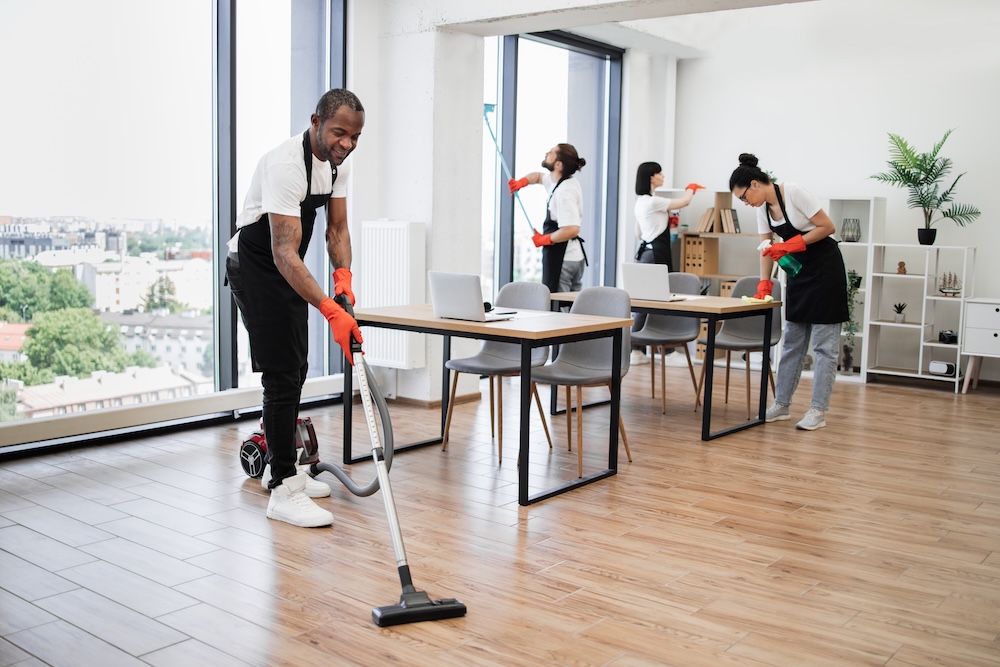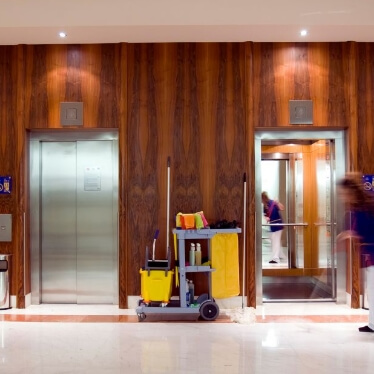
Diverse cleaning team using eco-friendly products in a commercial space

Discover How Buddina Commercial Cleaning Guarantees Consistent Quality Across All Your Cleaning Needs

Diverse cleaning team using eco-friendly products in a commercial space

How Buddina Commercial Cleaning Delivers Consistent, Measurable Quality Across Every Service

Consistent quality in commercial cleaning means repeatable, measurable results that protect health, preserve assets and present your business well every time we visit. When cleaning is consistent, staff miss fewer workdays, clients walk into reliably welcoming spaces, and compliance is easier to prove — all of which supports productivity and your reputation. This article outlines what quality assurance and consistency look like for Buddina commercial cleaning, the day‑to‑day systems that create them, and how measurement and people processes keep standards high.

You’ll learn the core drivers of repeatability — from standardised checklists and staff training to technology and KPI feedback loops — and see how protocols change for medical centres and daycares. Finally, we lay out a practical 6‑step quality framework and explain how a 90‑day review closes the loop so your cleaning program stays reliable and responsive.

What Defines Quality Assurance and Consistency in Buddina Commercial Cleaning?

Cleaner following a checklist to confirm quality in a commercial setting

Quality assurance in commercial cleaning is a clear system of documented processes, inspections and feedback that makes the same cleaning outcome repeatable each visit. Practically, QA standardises who does what, specifies the materials and methods used, and verifies results through audits and client input so variations are caught and corrected. For Buddina businesses, consistency delivers tangible benefits: healthier teams, stronger customer impressions and lower regulatory risk.

The mechanisms that create consistency include written procedures, trained staff, performance measurement and regular reviews that capture and correct deviations. Seeing these pieces together makes it easy to understand how QA improves results in offices, clinics and retail spaces.

For Buddina businesses, consistent cleaning translates to measurable results that matter to managers and stakeholders:

  1. Fewer sick days: Lower pathogen levels reduce staff illness and absenteeism.
  2. Stronger client impressions: Clean, dependable spaces help retain customers and build trust.
  3. Easier compliance: Documented processes and records simplify audits and inspections.

How Does Quality Assurance Impact Your Business Environment?

Quality assurance reduces operational risk and improves the everyday experience for employees and customers by delivering predictable hygiene outcomes. In offices, consistent cleaning lowers surface contamination and reduces minor outbreaks, which improves attendance. In medical clinics, it supports infection‑control expectations and audit readiness. In retail and hospitality, it protects your brand through a consistently clean presentation. Measurable indicators — fewer sick days, higher customer feedback scores and fewer corrective visits — help quantify the value and support further investment. The practical result is a safer, more productive space rather than intermittent or cosmetic cleaning that leaves risks unchecked.

These results rely on the specific elements that create consistency, which we describe next to show how they fit together to produce reliable outcomes.

What Are the Key Elements of Consistent Commercial Cleaning Services in Buddina?

Consistent commercial cleaning rests on a compact set of repeatable elements that turn strategy into daily practice. Core elements include standardised checklists that define tasks and frequencies, structured staff training for technique and safety, assignment models that favour the same cleaner for the same site, consistent equipment and chemical dosing, and scheduled quality audits that verify performance. Together, these parts reduce variability and make service delivery auditable and improvable.

  • Checklist‑driven work: Clear task lists make sure nothing is missed.
  • Trained, vetted staff: People perform reliably when they’re well trained.
  • Equipment and supply standards: The same tools and dosages produce consistent results.

These components feed into a formal quality process — a 6‑step framework that operationalises consistency across teams and sites.

How Does Divine Commercial Cleaning’s 6‑Step Quality Assurance Process Ensure Reliable Cleaning?

A structured 6‑step quality assurance process turns quality principles into dependable cleaning outcomes by defining phases from onboarding through review and corrective action. Each step assigns responsibility, specifies concrete actions and links client benefits to measurable outputs so reliability becomes deliberate, not accidental. The framework culminates with a 90‑day quality review that closes the feedback loop and drives continuous improvement, keeping standards steady over time. Below is a scannable summary of the six steps to show how they connect and produce consistent service.

The following table summarises each step, its purpose, the tangible action and the client benefit so you can quickly evaluate the approach.

StepPurposeTangible actionClient benefit
Onboarding and site assessmentSet the baseline and expectationsDetailed site walk and customised checklist creationServices matched to site‑specific needs
Standard operating proceduresDefine methods and materialsDocumented checklists and dosing instructionsRepeatable technique and less variation
Training and vettingBuild staff capability and trustInduction training, police checks and skill assessmentsCompetent, trustworthy teams on site
Supervision and routine auditsVerify adherence and correct driftScheduled inspections using scorecardsEarly detection and correction of issues
Client feedback integrationCapture the user experience and issuesRegular feedback channels and action logsResponsive service adjustments
Continuous review (90‑day)Consolidate learning and update processesFormal 90‑day inspection and review meetingMaintained performance and documented improvements

This ordered approach helps ensure each clean delivers predictable results, with the 90‑day review as the formal mechanism to validate performance and implement improvements. If you’d like a reliable, documented cleaning plan with site‑specific checklists and a formal 90‑day review, request a quote or contact Divine Commercial Cleaning to discuss how the 6‑step framework can work for your Buddina premises.

What Are the Detailed Steps in Divine’s Quality Assurance Framework?

Each step in the 6‑step framework explains who does what, why it matters and the expected outcome. Onboarding starts with a thorough site assessment that produces customised checklists and agreed performance standards. Standard operating procedures capture cleaning sequences, product dosing and frequencies, while training ensures every cleaner follows the same techniques and safety practices. Supervision and audits use inspection scorecards to measure performance and trigger corrective actions when scores dip. Client feedback is logged and routed to supervisors for resolution, keeping the system responsive. The 90‑day review formalises the evaluation, summarises score trends and updates procedures where needed, creating a closed‑loop improvement cycle.

How Does the 90‑Day Quality Review Maintain Service Excellence?

The 90‑day quality review is a scheduled re‑evaluation that goes beyond daily checks to spot trends and systemic issues. It brings together inspection reports, client feedback and staff performance data to identify recurring faults, training gaps or process mismatches. Typical outcomes include updated checklists, targeted retraining or schedule adjustments to better match your needs. By documenting findings and actions, the 90‑day review turns short‑term fixes into lasting improvements and prevents standards from drifting. This regular review completes the feedback loop so measurable improvements persist across teams and sites.

Why Is Staff Training and Vetting Crucial for Consistent Commercial Cleaning in Buddina?

Cleaning staff in a training session on safety and techniques

Recruitment, vetting and ongoing training are the human foundation of any consistent cleaning program because people carry out the procedures that equipment and checklists specify. Vetting (including police checks and reference checks) reduces client risk and builds trust, while structured training aligns technique, safety and product use so results are repeatable. Regular upskilling and performance coaching stop technique drift and support the “same cleaner every time” model, which helps teams learn site‑specific needs. Together, these people systems increase accountability, reduce variability and make quality measurable via inspection scorecards and client satisfaction metrics.

To show how staffing practices translate into trust and reliability, Divine Commercial Cleaning uses police‑checked staff, structured induction training and a continuity model that assigns the same cleaner to a site where possible. These practices reflect industry best practice and help build client confidence. For a site‑specific training and vetting plan tailored to your risk profile, request a quote or contact Divine Commercial Cleaning to discuss options.

How Are Divine’s Cleaners Trained and Police‑Checked for Quality?

Training starts with a formal induction covering site‑specific checklists, infection‑control basics, PPE use and safe chemical handling, followed by practical assessments and periodic refresher modules. Police checks and reference verification are part of the vetting process to ensure staff are suitable for sensitive sites. Assessments use simple pass/fail criteria on core skills and inspection scorecards to confirm competence before cleaners work independently. Regular supervisory reviews and feedback sessions keep skills sharp and close performance gaps identified in inspections or client feedback.

This structured people approach supports the added consistency that comes from assigning the same cleaner to a site, which we explain next.

What Benefits Does Having the Same Cleaner Every Time Provide?

Assigning the same cleaner to a site improves both efficiency and quality because the cleaner learns site‑specific quirks, client preferences and risk areas that rotating teams may miss. Continuity increases accountability since issues can be traced and fixed faster when ownership is clear, and familiar cleaners often spot emerging problems earlier. Measurable benefits include fewer corrective visits, higher inspection scores and improved client satisfaction over time. This model also builds relationships that make it easier to communicate changing needs or priorities.

Maintaining continuity also depends on consistent tools and products — modern technology and eco‑friendly practices help standardise those, which we cover in the next section.

Which Advanced Technologies and Eco‑Friendly Practices Enhance Cleaning Quality in Buddina?

Modern equipment and carefully chosen green products reduce variability and support sustainable, high‑quality outcomes by improving coverage, efficacy and safety. Technologies such as standardised dosing systems, electrostatic sprayers for even disinfectant application and mechanised floor scrubbers increase repeatability and reduce operator variance. Eco‑friendly products lower VOC exposure and support your sustainability goals while delivering reliable cleaning when selected for efficacy and correct dwell times. Combining technology with environmental care produces consistent results that are also safer for occupants and better for the planet.

The table below compares representative technologies and products, showing how they improve consistency, their sustainability benefits and typical use cases so you can see how choices translate into outcomes.

Technology/ProductRole in consistencySustainability benefitUse case
Electrostatic sprayerEven surface coverage and faster applicationLess chemical waste through targeted applicationHigh‑touch surface disinfection
Standardised dosing systemsPrecise chemical concentrations every usePrevents overuse of detergentsDaily restrooms and hard‑floor cleaning
Mechanised floor scrubbersConsistent scrubbing action and speedWater‑efficient models reduce wasteLarge floor areas like shopping centres
Low‑VOC biodegradable cleanersEffective cleaning with lower indoor pollutionImproved indoor air quality and biodegradabilityDaycare centres and offices

How Do Eco‑Friendly Products Contribute to Sustainable Commercial Cleaning?

Eco‑friendly products support sustainability by reducing volatile organic compounds (VOCs), using biodegradable surfactants and minimising persistent environmental contaminants while still delivering effective cleaning when chosen correctly. Look for third‑party performance testing, low‑VOC formulas and compatibility with dosing systems to ensure correct concentrations. In sensitive environments like daycares or offices, lower‑toxicity products reduce occupant exposure and improve indoor air quality without sacrificing results. The trade‑off to manage is ensuring green products meet required contact times and disinfection standards where infection control is essential.

What Role Do Modern Equipment and Automation Play in Consistency?

Modern equipment and automation cut human variability by standardising application methods, contact times and coverage patterns so results are reproducible across teams and shifts. For example, robotic scrubbers keep pressure and speed consistent on large floors, while dosing systems deliver the same chemical mix each time to avoid under‑ or overdosing. Automation still needs operator training and maintenance so machines don’t become a new source of inconsistency; scheduled calibration and cleaning are essential parts of the QA plan. Paired with human oversight and inspection scorecards, automation raises throughput and reduces technique drift.

Because you can’t improve what you don’t measure, the next section outlines the KPIs and feedback systems we use to sustain standards.

How Does Divine Commercial Cleaning Measure and Maintain High Cleaning Standards?

Measuring cleaning quality requires a small set of clear KPIs, routine inspections and structured reporting that make performance transparent and easy to act on. Common KPIs include inspection score, client satisfaction rate, response time to issues and corrective‑action closure rate; each KPI should have a defined measurement method and frequency to avoid ambiguity. Regular inspections produce objective trend data, while client feedback captures the lived experience and highlights gaps audits may miss. By combining KPI dashboards with documented corrective actions and the 90‑day review, providers can maintain and lift standards in an evidence‑driven way.

Below is a concise KPI table describing how each metric is measured, target thresholds and recommended frequency to show measurement rigour.

KPIHow measuredTarget thresholdFrequency
Inspection scoreStandardised scorecard completed by supervisor≥ 90%Weekly
Client satisfaction rateShort client survey or feedback form≥ 85% positiveMonthly
Response time to issuesTime from report to action logged< 24 hours for urgent issuesAs incidents occur
Corrective action closureAudit of action completion and verification100% closure within 7 daysWeekly review

What Key Performance Indicators Are Used to Track Cleaning Quality?

KPIs turn qualitative expectations into measurable indicators you can trend over time. Inspection scorecards record task completion and technique adherence, client surveys capture perceived quality, response times show service agility and corrective‑action closure rates prove problems are resolved. Each KPI only works when paired with a measurement method and a target; for example, a standardised supervisor scorecard with pass/fail items lets us spot drift and schedule retraining when scores fall. Regular reporting at set intervals supports both day‑to‑day control and longer‑term improvement.

How Is Client Feedback Integrated into Continuous Improvement?

Client feedback is collected through simple, consistent channels — short surveys, direct reports to site supervisors and scheduled review meetings — and logged centrally for analysis. Feedback is triaged by severity and routed to supervisors who resolve issues immediately or escalate them into corrective actions tied to our KPI framework. Patterns in feedback inform checklist updates, retraining topics or schedule changes, and outcomes are verified in follow‑up inspections or at the 90‑day review. This closed‑loop process ensures feedback drives both quick fixes and lasting improvements.

What Specialised Cleaning Protocols Does Divine Use for Medical and Daycare Facilities in Buddina?

High‑risk environments like medical centres and daycares need specialised protocols that prioritise infection control and occupant safety while staying practical for daily operations. For medical centres, protocols focus on validated disinfectants, correct contact times, PPE and documentation to support audits. Daycare and school cleaning emphasise child‑safe product choices, secure storage and scheduling to minimise exposure during occupied hours. Both settings benefit from rigorous checklists, supervisor verification and clear reporting to demonstrate compliance and create safe spaces for patients, children and staff.

These specialised protocols rely on infection‑control best practice and thorough documentation, which we expand on for medical centres next.

How Are Medical Centre Cleaning Standards Maintained for Infection Control?

Medical centre standards focus on using disinfectants with proven efficacy for the pathogens of concern, following required contact times and using PPE correctly to protect staff and patients. Procedures include clear donning and doffing steps, segregated waste handling and routine documentation of cleaning tasks for audit trails. Supervisory inspections verify adherence and record any deviations with corrective actions to ensure traceability. Together, these measures reduce cross‑contamination risk and help clinics demonstrate consistent, auditable infection‑control practice.

What Safety Measures Are Implemented for Daycare and School Cleaning?

Daycare and school cleaning prioritises non‑toxic, low‑VOC products, secure chemical storage out of children’s reach and scheduling tasks for times when children are not present or during low‑occupancy periods. Additional steps include clear wet‑floor signage, locked storage for concentrated chemicals and staff training on minimising exposure during activities. Communication with facility managers about timing and product choices prevents disruption and keeps caretakers informed. These practical measures protect children while maintaining hygienic spaces that support attendance and parental confidence.

For tailored cleaning programs, including specialised protocols and a documented QA framework with a 90‑day review, request a quote or contact Divine Commercial Cleaning to explore options for your Buddina site.

Frequently Asked Questions

What types of businesses can benefit from Buddina commercial cleaning services?

Our Buddina commercial cleaning services suit a wide range of businesses — offices, medical facilities, retail outlets and educational institutions. Each sector has different needs, so we adapt protocols to match. For example, medical facilities require strict infection control while daycares prioritise non‑toxic products. By tailoring services to each environment, we help keep workplaces safe and presentable for staff and visitors.

How often should commercial cleaning services be scheduled?

Cleaning frequency depends on your sector, foot traffic and specific needs. High‑traffic areas like retail or busy offices often need daily cleaning to maintain hygiene and appearance. Lower‑use spaces may be fine with weekly or fortnightly visits. Regular site assessments and client feedback help determine the optimal schedule so standards are met without unnecessary cost.

What eco‑friendly practices are incorporated into Buddina commercial cleaning?

We prioritise sustainability by using eco‑friendly products and modern cleaning technologies. That includes low‑VOC biodegradable cleaners to reduce indoor air pollution and responsible methods that cut chemical waste. Equipment such as electrostatic sprayers and mechanised scrubbers improves efficiency while maintaining safety. By combining green products with effective tools, we meet client expectations and support broader sustainability goals.

How does Buddina ensure staff reliability and accountability?

Reliability comes from rigorous vetting and training. Our cleaners undergo background checks, including police verification, and complete comprehensive training on protocols, safety and site requirements. Assigning the same cleaner to a site when possible also increases ownership and makes communication about preferences and priorities easier. This structured approach builds trust and consistent performance.

What role does client feedback play in maintaining cleaning standards?

Client feedback is central to maintaining high standards. We collect it via surveys, direct communication and scheduled reviews so clients can share satisfaction levels or concerns. Feedback is analysed and used to adjust checklists, retrain staff or change schedules. Integrating client input into our QA process ensures services keep improving and expectations are consistently met.

Are specialised cleaning protocols available for high‑risk environments?

Yes. We provide specialised cleaning protocols for high‑risk settings like medical centres and daycares. These protocols prioritise infection control and safety with validated disinfectants, secure chemical storage and thorough documentation. Medical facilities receive audit‑ready procedures, while daycare cleaning focuses on child‑safe products and scheduling to minimise exposure. These tailored protocols keep high‑risk environments safe and compliant.

Investing in Buddina commercial cleaning brings consistent quality that improves workplace hygiene, strengthens client perceptions and simplifies compliance. A structured quality assurance framework produces measurable gains in health and safety. Take the next step toward a cleaner, more reliable environment by requesting a quote or contacting Divine Commercial Cleaning today — and see the difference professional, consistent cleaning makes for your business.

Comments

Leave a Reply

Your email address will not be published. Required fields are marked *

Gift Divine Commercial Cleaning Logo