Expert Commercial High Traffic Carpet Cleaning Services for Businesses
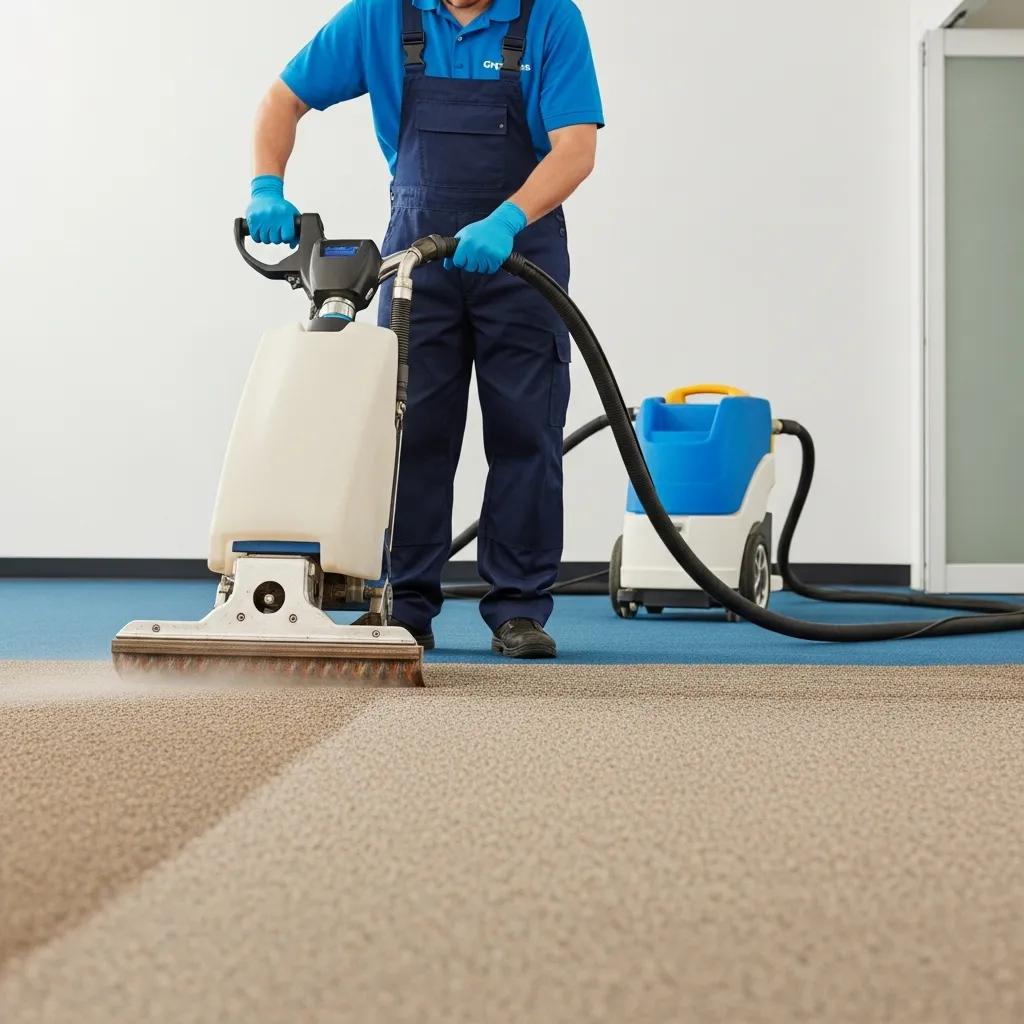
Commercial high-traffic carpet cleaning focuses on restoring and maintaining carpets in areas with heavy footfall to preserve appearance, hygiene, and lifespan. High-traffic carpets suffer accelerated fibre abrasion, embedded soil, allergen accumulation, and visual deterioration that ordinary vacuuming cannot resolve; targeted commercial cleaning removes deep soil, reduces indoor air quality (IAQ) risks, and extends replacement intervals. This article explains why high-traffic commercial carpets require specialised approaches, compares advanced cleaning methods such as hot water extraction and low-moisture encapsulation, and maps method selection to business types including offices, retail and medical centres. You will also find practical preventative maintenance strategies, daily practices for facility teams, and FAQ-style guidance on scheduling and method choice. Throughout, the guidance emphasises outcomes facility managers can expect — improved appearance, measurable IAQ benefits, and reduced total cost of ownership — as well as how providers like Divine Commercial Cleaning tailor services for Sunshine Coast and Brisbane businesses. Read on to learn actionable maintenance schedules, method decision criteria, and how to integrate professional cleaning into operational uptime plans.
Why Do High-Traffic Commercial Carpets Require Specialised Cleaning?
High-traffic commercial carpets require specialised cleaning because constant footfall embeds abrasive grit and oils into the carpet pile, which abrades fibres and accelerates wear. Embedded soil and allergens also act as reservoirs for pollutants that lower indoor air quality and contribute to odours, so deep cleaning is necessary to remove material beyond the reach of vacuuming. Professional methods address both surface appearance and sub-surface contaminants, restoring fibre loft, sanitising allergen-laden zones, and improving overall hygiene. Understanding the typical failure modes of carpets drives method selection and maintenance planning for facility managers seeking both aesthetic and IAQ outcomes.
What Are the Common Issues in Heavy Foot Traffic Carpet Areas?
Heavy foot traffic produces a predictable set of carpet problems that require operational attention and scheduled interventions. The most common issues are soil and grit buildup that abrades fibres, pile compaction or matting that flattens the carpet surface, persistent staining and trapped odours that degrade presentation, and increased allergen loads that affect occupant comfort and health. Facility managers should inspect entrance zones, aisles and between furniture for visible matting, colour change, and worn pile as early indicators of accelerated deterioration. Proactive identification of these issues supports cost-effective deep-clean scheduling and targeted spot treatment, which in turn reduces lifecycle replacement costs and improves indoor air quality for staff and visitors.
- Soil and grit buildup: Coarse particles abrade fibre surfaces and cut short carpet life.
- Pile compaction and matting: Flattened pile loses resilience and looks worn even when clean.
- Persistent staining and odors: Chemical or organic spills bind to fibres and require specialised removal.
These recurring issues make a strong case for routine professional intervention; recognising them early leads directly to selecting the right cleaning method in the next stage of the maintenance plan.
Which Advanced Carpet Cleaning Methods Are Best for Commercial High-Traffic Areas?
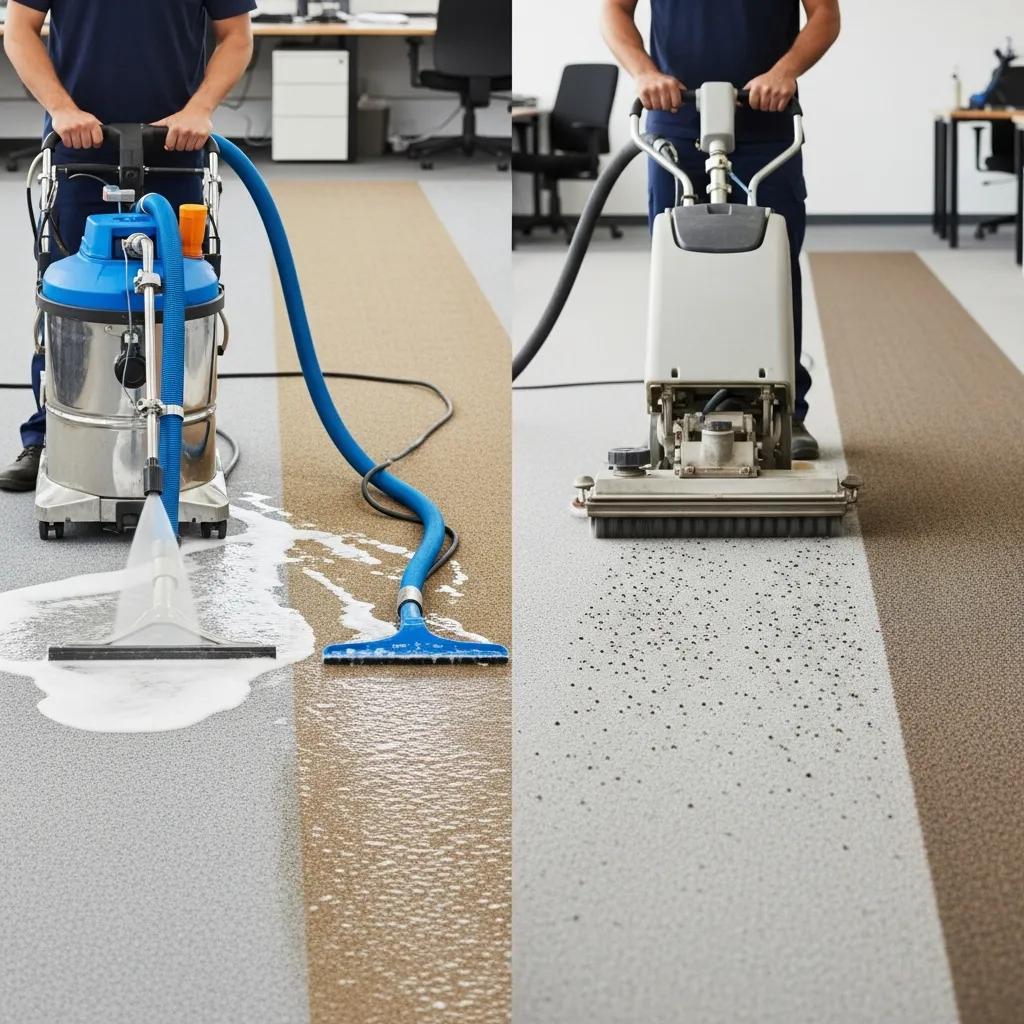
Advanced commercial carpet cleaning methods differ in mechanism, downtime and suitability for various soil loads, making method selection a function of traffic profile and operational constraints. Hot water extraction (HWE) provides deep soil and allergen removal through heated rinse and extraction, ideal for restoring heavily soiled zones but requires longer drying. Low-moisture encapsulation uses polymer chemistry to surround and crystallise soils for quick vacuum removal, offering rapid return-to-use and lower water usage for frequent maintenance. Bonnet or low-moisture bonnet cleaning and interim maintenance approaches are useful for appearance restoration between deep cleans and for facilities that need minimal downtime. Deciding which method to apply requires balancing soil severity, available downtime, and IAQ priorities.
Different methods suit different operational goals, summarised in the comparison table below for quick reference before method selection.
| Method | Typical Drying Time | Best Use Case | Key Advantage |
|---|---|---|---|
| Hot Water Extraction | 6–12 hours depending on airflow and carpet type | Deep-cleaning heavily soiled and allergen-laden carpets | Removes embedded soil and allergens; restores pile loft |
| Low-Moisture Encapsulation | 20–60 minutes | Interim maintenance and frequent cleaning cycles | Fast drying; minimal downtime; lower water use |
| Bonnet / Low-Moisture Maintenance | 30–90 minutes | Appearance refresh in retail or event spaces | Quick appearance improvement between deep cleans |
This comparison clarifies when to use deep extraction versus low-moisture methods and prepares facility teams to schedule either a restorative clean or an interim service based on business needs.
Divine Commercial Cleaning applies these method principles operationally, matching equipment and scheduling to site constraints while prioritising environmentally conscious products and documented quality control. Their teams adapt between deep hot water extraction and low-moisture maintenance depending on traffic and downtime, and they can accommodate after-hours or last-minute requests to minimise business disruption. For facility managers interested in site-specific recommendations, Divine offers tailored quotes and scheduling flexibility to align cleaning cycles with operational windows.
How Does Hot Water Extraction Deep Clean Commercial Carpets?
Hot water extraction deep-cleans by combining pre-treatment, agitation, and a high-temperature rinse followed by powerful extraction that pulls suspended soils and cleaning solution from the carpet backing. Pre-sprays break down oils and particulate bonds while agitation—mechanical or bonnet-assisted—helps the chemistry reach root-level soiling around the carpet pile and backing. A heated rinse flushes soil from the fibre and the extraction vacuum removes the solution and suspended particles to a waste tank, reducing residue risk when performed correctly. Typical equipment ranges from truck-mounted systems to portable HWE units, and adequate drying time plus airflow management completes the process to restore pile loft and reduce allergen load in the carpet structure.
These mechanics make hot water extraction the preferred choice for periodic restorative cleaning, particularly where deep soil and indoor air quality are priorities, and understanding its workflow helps facilities plan around drying-time requirements and seasonal deep-clean cycles.
What Are the Advantages of Low-Moisture Encapsulation Cleaning?
Low-moisture encapsulation cleaning utilises polymer-based detergents that encapsulate oily and particulate soils, forming brittle crystals that are vacuumed away once dry, delivering rapid drying and quick return-to-service for busy spaces. The chemistry is designed for frequent use as part of a maintenance regimen, consuming less water and lowering the risk of microbial growth associated with excess moisture. Encapsulation is particularly effective for interim maintenance in retail aisles, lobbies and office corridors where appearance and uptime are primary considerations. However, for heavily embedded soil or severe staining, encapsulation works best when combined with periodic hot water extraction to address sub-surface contaminants.
Because encapsulation lowers downtime and water usage, it is an efficient tool in a layered maintenance strategy that balances frequent appearance care with scheduled deep extraction for longevity.
How Does Divine Commercial Cleaning Tailor Carpet Care for Different Business Types?
Tailored carpet care recognises that offices, retail and medical centres present unique traffic patterns, hygiene requirements and scheduling limitations, and the right plan maps method, frequency and access strategies to each environment. Office environments prioritise staff comfort, IAQ and appearance; a mixed schedule of frequent low-moisture maintenance with quarterly to semi-annual hot water extraction typically balances cleanliness with minimal disruption. Retail sites demand visible cleanliness during trading hours and rapid stain response, so flexible scheduling—overnight or off-peak low-moisture maintenance plus targeted HWE for high-use months—works best. Medical centres require rapid-dry methods, verified sanitation, and documented QA to support infection-control expectations, therefore combining low-moisture interim care with periodic validated deep extraction is recommended.
| Business Type | Primary Concern | Recommended Frequency / Method | Access Strategies |
|---|---|---|---|
| Offices | IAQ and staff comfort | Low-moisture maintenance every 1–4 weeks; HWE every 3–6 months | After-hours or weekend windows |
| Retail | Appearance and stain response | Encapsulation or bonnet 1–2x weekly; HWE quarterly | Nightly or early-morning access; targeted stalls |
| Medical Centres | Infection control and rapid turnover | Rapid-dry low-moisture between patients; HWE with documented QA as needed | Coordinated with clinical schedules; documented checklists |
This mapping frames method selection as a function of risk, visibility and operational access, enabling facility managers to specify service windows and outcomes before booking professional work.
Divine Commercial Cleaning converts these recommendations into customised checklists and documented inspections to ensure consistency; they emphasise tailored cleaning plans, a satisfaction guarantee, and a no lock-in contracts policy so businesses can scale service intensity. Their operational flexibility includes accommodating last-minute requests where schedules permit, which helps retail and healthcare clients maintain presentation and hygiene standards without long-term commitment.
What Are the Carpet Cleaning Needs for Offices, Retail, and Medical Centers?
Offices often require a balance between air quality and minimal disruption: routine vacuuming, interim encapsulation maintenance, and periodic HWE keeps appearance and IAQ aligned with staff wellbeing. Retail spaces prioritise immediate visual impact and stain management; frequent low-moisture maintenance combined with rapid spot-treatment protocols preserves presentation and minimises customer-facing downtime. Medical centres face stricter hygiene and documentation needs, so methods emphasise fast drying, validated sanitation steps and routine QA inspections to support clinical safety. Each setting also has access and logistics constraints—after-hours work for offices, pre-opening windows for retail, and tight coordination with clinic schedules for medical facilities—which should be integrated into service contracts and checklists.
These examples show how function drives method choice and scheduling, and they lay the groundwork for an actionable maintenance plan that reduces lifecycle costs and supports compliance and customer experience goals.
What Preventative Maintenance Solutions Extend Carpet Life in High-Traffic Areas?
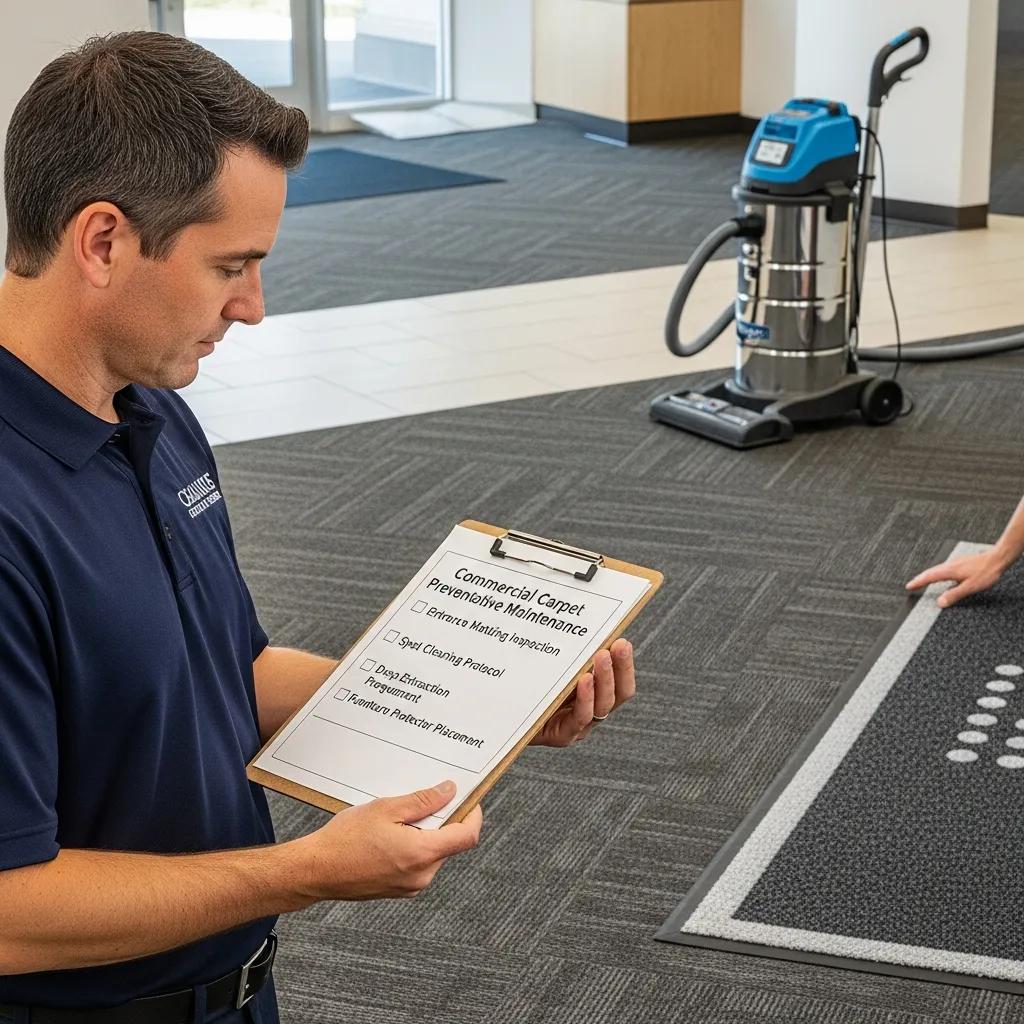
Preventative maintenance combines daily practices, entrance control, spot-response protocols and scheduled professional intervention to significantly extend carpet life and protect IAQ. Regular vacuuming with commercial HEPA-capable units removes abrasive particulates before they abrade fibres; entrance matting and traffic zoning trap grit at entry points and reduce soil migration. Immediate spot treatment and standardised stain-response procedures prevent permanent staining, while planned professional deep cleaning at defined intervals eliminates embedded soil and allergens that degrade both appearance and indoor air quality. Together, these measures reduce replacement frequency and deliver predictable budget outcomes for facility managers.
Checklist below outlines practical actions facility teams can adopt to reduce wear and maintain presentation between professional visits.
- Vacuum by zone: Use high-filtration vacuums daily in entry and aisle zones; weekly in low-traffic areas.
- Maintain entrance matting: Keep walk-off mats clean and sized to capture at least two steps of foot traffic.
- Immediate spot treatment: Apply manufacturer-approved spot cleaners and blot rather than rub to lift stains.
- Documented spot-log: Record stains, treatments and outcomes to monitor recurring issues and adjust cleaning scope.
These steps create a proactive maintenance culture that pairs on-site actions with vendor-managed cycles, reducing total cost of ownership and improving occupant comfort; the daily practices directly feed into scheduling decisions for professional cleaning.
| Maintenance Action | Implementation / Frequency | Effect on Carpet Life / IAQ |
|---|---|---|
| Daily vacuuming | Daily in high-traffic zones; weekly elsewhere | Reduces abrasive soil, extends pile resilience |
| Entrance matting | Inspect and clean weekly; replace as needed | Traps grit at source, lowers soil migration |
| Spot treatment | Immediate; documented spot-log | Prevents permanent staining, preserves appearance |
Which Daily Practices Help Maintain Commercial Carpets?
Daily practices form the backbone of preventative care and are simple to implement with a short operations checklist for on-site teams. Key actions include zoned vacuuming frequencies, standardised spot-treatment steps that prioritise blotting and neutralisers, and upkeep of walk-off zones and mats. Training janitorial staff on stain identification and escalation protocols ensures the right early response, while documenting incidents builds history that informs professional cleaning schedules and product selection. Implementing these straightforward routines reduces abrasive wear, preserves visual standards and makes professional deep-cleaning more effective when scheduled.
Consistent daily maintenance directly lowers lifecycle costs and improves occupant perception, which makes investing in training and proper tools a cost-effective decision for any high-traffic facility.
Why Choose Divine Commercial Cleaning for Your Commercial Carpet Needs?
Divine Commercial Cleaning positions itself as a family-owned, locally based partner for Sunshine Coast and Brisbane businesses, offering expertise in commercial cleaning across offices, medical centres, daycare and amenity spaces.
- Expertise and experience: Commercial-focused teams trained for high-traffic settings and diverse sectors.
- Tailored cleaning plans: Customised checklists and inspection cadence matched to facility needs.
- Sustainable practices: Use of environmentally conscious cleaning agents and waste reduction strategies.
- Flexible engagement: No lock-in contracts, accommodation of last-minute requests, and a satisfaction guarantee.
These differentiators provide purchasing managers with contractual flexibility and operational transparency, enabling cleaner facilities without long-term commitment or surprise outcomes; the next subsection outlines how eco-practices and QA are implemented in practice.
What Eco-Friendly and Quality Assurance Practices Do We Follow?
Divine Commercial Cleaning emphasises environmentally conscious products and documented quality assurance processes to support sustainability goals and indoor air quality improvements. Eco-friendly detergents and reduced-water techniques such as encapsulation lower chemical and water footprints while maintaining cleaning performance in high-traffic areas. Quality assurance is enforced through customised checklists and regular inspections that verify outcomes against agreed standards, creating a documented trail for compliance and service assurance. These practices reduce environmental impact and provide measurable evidence of cleaning effectiveness to stakeholders and facility managers.
The combination of sustainable products and systematic QA ensures that cleaning outcomes support both operational and environmental objectives, making it easier for businesses to meet internal sustainability targets while preserving facility presentation.
How Do Client Testimonials Reflect Our Service Excellence?
While specific testimonial text is not provided here, clients typically report outcomes that matter most to commercial operators: visibly improved appearance, reduced odours, timelier responses to incidents, and measurable improvements in perceived indoor air quality. Requesting references or case studies during the quote process allows prospective clients to verify these claims and understand how outcomes were achieved in comparable facilities. Divine encourages interested businesses to request references and documented inspection records to evaluate service fit and expected results.
Providing access to prior client outcomes and inspection records helps procurement teams assess risk and predict service performance before committing to a cleaning schedule.
What Are the Frequently Asked Questions About Commercial Carpet Cleaning?
This section answers common operational questions directly to help facility managers make scheduling and method decisions with confidence. Short, actionable answers are provided to aid quick decision-making and to serve as featured-snippet friendly guidance for managers comparing options.
How Often Should High-Traffic Commercial Carpets Be Professionally Cleaned?
High-traffic commercial carpets typically require professional deep cleaning every 3–6 months as a baseline, with the exact interval determined by traffic volume, soil testing and visual inspection. Facilities with extreme soil loads, food service, or healthcare activities should err toward the 3-month end of the range, while low-soil office corridors may extend to six months. Regular interim maintenance using low-moisture encapsulation can reduce visible soiling between deep cleans and extend the interval between HWE cycles. If carpets show pile crushing, persistent odours, or rising allergen counts on IAQ testing, increasing frequency is warranted.
This numeric range gives procurement teams a starting point for budgeting and scheduling, and adjustments should be made based on documented inspection findings and business priorities.
What Is the Best Cleaning Method for Busy Office Carpets?
For busy office carpets the best practical approach pairs frequent low-moisture encapsulation for interim maintenance with scheduled hot water extraction for periodic deep cleaning. Encapsulation minimises downtime and keeps public-facing areas presentable, while HWE every 3–6 months removes accumulated allergens and embedded soil that interim methods cannot fully extract. Scheduling encapsulation during short after-hours windows and HWE on weekends provides a balance of cleanliness, IAQ improvement and minimal disruption to office operations. Facility managers should choose a mixed strategy that aligns method intensity with traffic patterns and IAQ objectives.
For site-specific method recommendations and scheduling, facility managers are encouraged to request an inspection and quote from Divine Commercial Cleaning to align method selection with operational windows and documented checklists.

Dianne, originally from Rockhampton, hails from a business-oriented family, with her father owning electrical stores and her uncle serving as Mayor. Moving to the Sunshine Coast at 13, she later pursued a rewarding real estate career and raised three children. As a single mom, she balanced university studies with domestic cleaning work. Armed with a Bachelor’s Degree in Business, majoring in Supply Chain Management, Dianne founded and grew Divine Commercial Cleaning into a thriving company. Her success is rooted in strong family mentorship, a positive attitude, and a solution-oriented approach, offering tailored cleaning services with integrity and strategic insight.