Complete Guide to Commercial Office Cleaning Services for Businesses
A professional commercial office cleaning service is a specialised facility maintenance offering that keeps workplaces healthy, safe, and productive through systematic cleaning, sanitisation, and preventative care. This guide explains why businesses invest in commercial office cleaning, the spectrum of routine, deep and specialised services available, and how to evaluate providers so facility managers can make informed procurement decisions. Many organisations face rising expectations for workplace hygiene, tighter regulatory scrutiny in certain sectors, and a direct link between cleanliness and employee attendance; this guide delivers practical checklists, comparison tables, and selection criteria to address those pressures.
You will learn what routine cleaning covers, when to schedule deep cleans, which specialised treatments matter for carpets and air quality, and how eco-friendly options can support wellness and corporate sustainability goals. Each section includes actionable lists and EAV tables to compare service types, craft a deep-clean checklist, and verify provider attributes, helping you select a commercial cleaning partner that meets performance, safety and budget requirements.
Why Are Professional Commercial Office Cleaning Services Essential?
Professional commercial office cleaning services are essential because they reduce disease transmission, preserve fixtures and finishes, and protect an organisation’s reputation through consistently maintained environments. By applying evidence-based sanitisation and regular maintenance routines, professional cleaners lower pathogen loads on high-touch surfaces and help prevent workplace outbreaks that drive absenteeism and operational disruption.
A clean office also extends the life of carpets and hard floors, reducing capital replacement costs, while presenting a professional image for clients and visitors that supports business development and trust. These operational benefits tie directly into procurement decisions for cleaning contracts, so the next section outlines specific ways cleaning improves employee health and productivity.
For businesses seeking local providers, trust signals matter; family-owned companies with vetted staff and satisfaction guarantees offer reassurance while flexible, no lock-in contract terms reduce procurement risk. Divine Commercial Cleaning is a family-owned and operated provider serving the Sunshine Coast and Brisbane region; their service offering and customer guarantees align with the operational benefits described here and can be a practical option for organisations seeking local, flexible cleaning arrangements.
How Does Office Cleaning Improve Employee Health and Productivity?
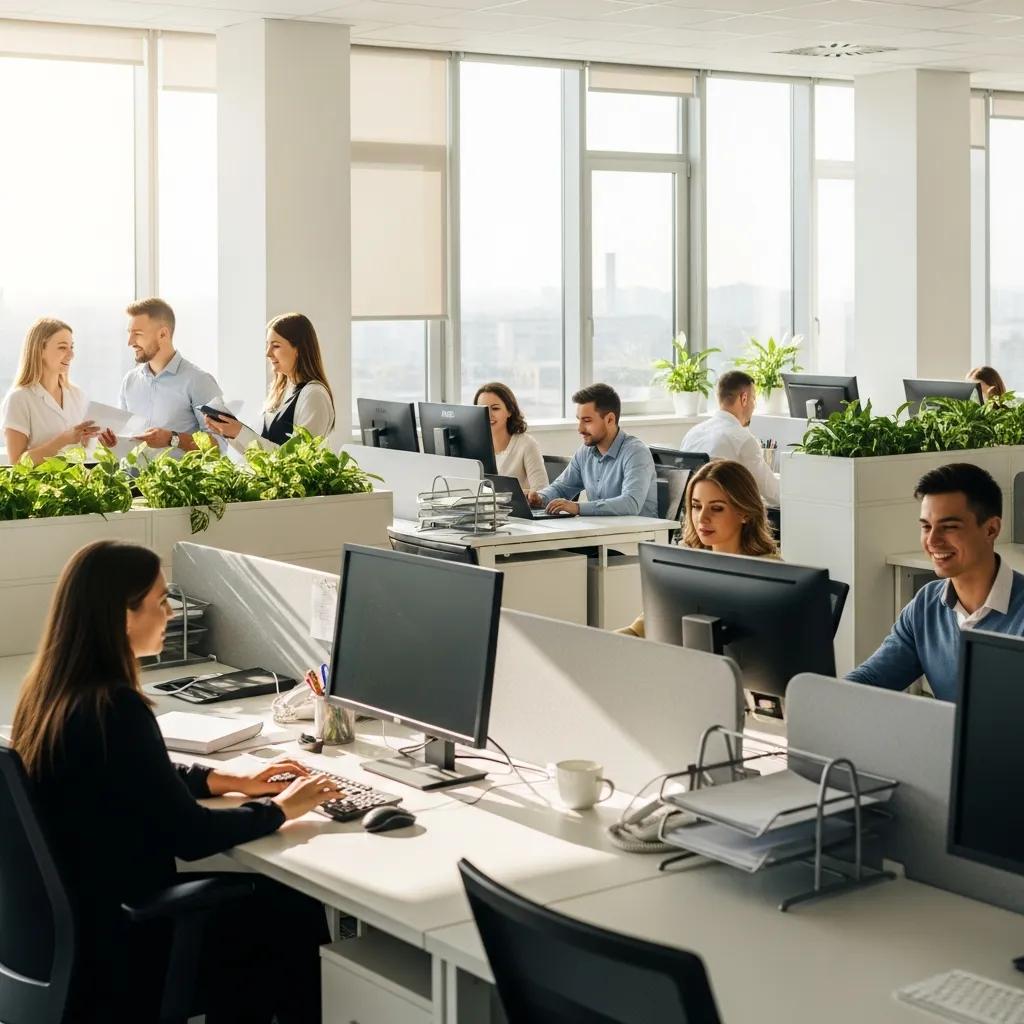
Routine and targeted cleaning improves employee health and productivity by reducing exposure to infectious agents, allergens and indoor air contaminants that contribute to illness and cognitive impairment. Regular disinfection of high-touch zones such as door handles, light switches and shared equipment interrupts transmission chains for respiratory and gastrointestinal pathogens, which industry studies link to fewer sick days and faster recovery when combined with good ventilation.
Allergen and dust control—through filtration upgrades, microfibre cleaning and carpet maintenance—reduces symptoms for sensitive staff and improves air quality metrics that correlate with concentration and cognitive performance. Cleaner environments also produce a psychological uplift; staff report higher morale and perceived safety in well-maintained spaces, which translates into higher engagement and fewer distractions. Understanding these mechanisms clarifies why cleaning frequency and methods should match business risk profiles and occupancy patterns.
What Are the Benefits of Maintaining a Clean Business Environment?
Maintaining a clean business environment yields tangible operational savings and intangible benefits that influence employee well-being and external perceptions. First, safety improves: removing slip hazards, waste and clutter reduces incidents and liability exposure, while rigorous restroom and breakroom cleaning address hygiene risks that could otherwise lead to complaints or regulatory attention. Second, asset longevity improves through scheduled maintenance—regular floor and carpet care prevents premature wear, preserving capital and lowering lifecycle costs. Third, external reputation benefits: clients and partners form impressions within seconds, and a polished workplace reinforces professionalism and trust. Finally, internal efficiency increases as organised, clutter-free spaces support streamlined workflows and fewer interruptions. These benefits provide a foundation for selecting appropriate service types, which we explore next.
What Types of Commercial Office Cleaning Services Are Available?
Commercial office cleaning services typically fall into three main categories—routine, deep, and specialised—each tailored to frequency, scope and specific facility needs. Routine services focus on daily or weekly upkeep to keep spaces functional and presentable; deep cleaning addresses built-up soils and seasonal or periodic needs; specialised services handle targeted substrates and technical requirements such as carpet extraction, window access, or post-construction debris removal. Selecting the right mix depends on occupancy, client-facing exposure and industry compliance; the table below compares service types, typical tasks and suggested frequency to help decision-makers choose the right combination.
Different service levels suit different operational needs and budgets; the following table outlines typical scopes and best-use cases.
| Service Type | Typical Tasks Included | Best Use Case / Frequency |
|---|---|---|
| Routine Office Cleaning | Dusting workstations, vacuuming, mopping, rubbish removal, sanitising high-touch areas | Daily or several times weekly for occupied office environments |
| Deep Office Cleaning | Carpet extraction, high-level dusting, detailed restroom sanitation, vent cleaning | Quarterly or biannual for thorough soil removal and maintenance |
| Specialised Cleaning | Window cleaning, hard-floor refurbishment, carpet restoration, disinfection services | As-needed: post-construction, seasonal maintenance, or outbreak response |
This comparison helps buyers map cleaning intensity to organisational risk and aesthetics; the next subsections break down routine versus deep tasks and list specialised options you may require. Divine Commercial Cleaning offers flexible plans that include routine, deep and specialised options to match these categories for businesses across the Sunshine Coast and Brisbane area.
What Does Routine and Deep Office Cleaning Include?
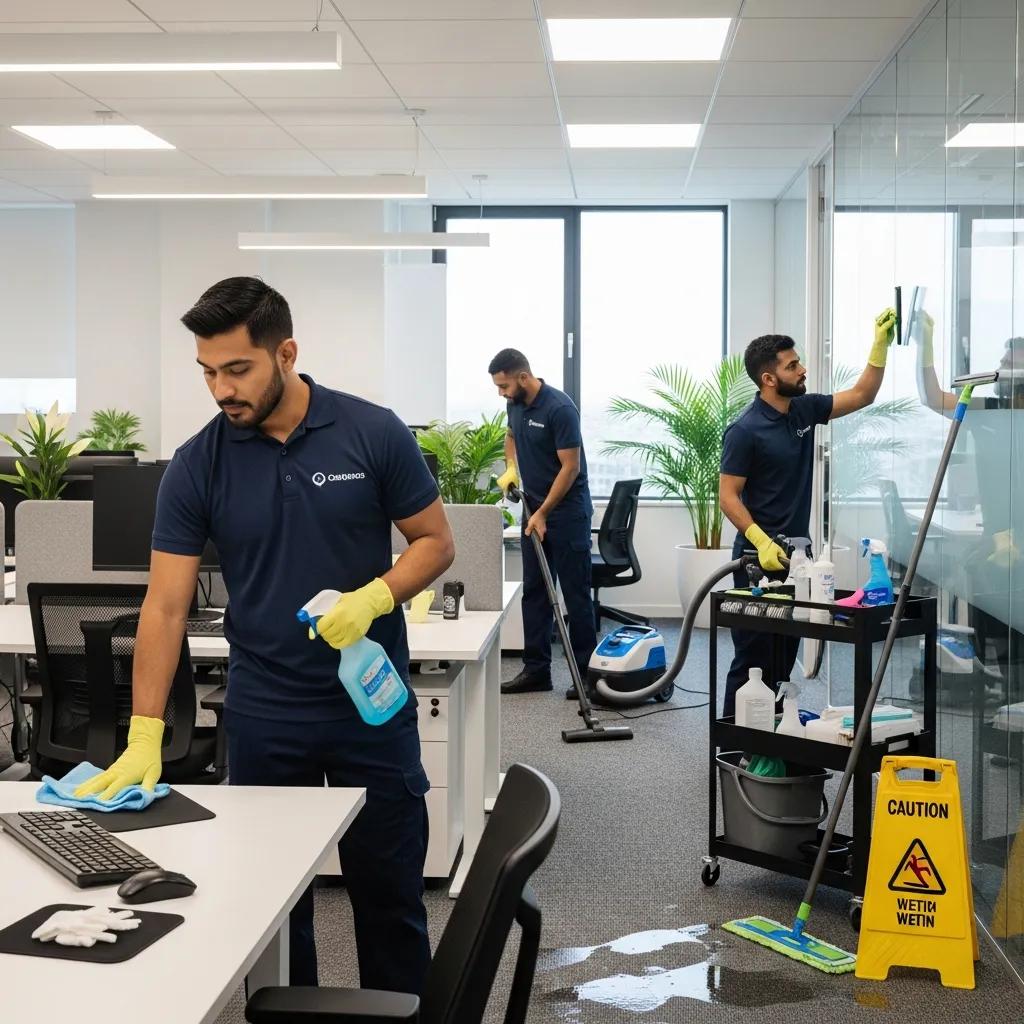
Routine office cleaning covers everyday tasks that maintain hygiene and appearance, such as emptying bins, vacuuming carpets, mopping hard floors, dusting horizontal surfaces and sanitising commonly touched points. These recurring actions preserve a baseline level of cleanliness and should be scheduled according to occupancy density—high-traffic reception areas may require daily attention while meeting rooms might be serviced between bookings.
Deep cleaning, by contrast, applies intensive methods: hot-water extraction for carpets, steam cleaning, high-reach dusting, detailed restroom descaling and HVAC vent cleaning to remove accumulated soils and biofilms. Businesses typically schedule deep cleans quarterly or biannually depending on footfall, industry standards, and any special events or seasonal requirements. Planning a mix of routine and periodic deep cleans balances ongoing appearance with longer-term asset protection and hygiene.
Which Specialised Cleaning Services Enhance Office Hygiene?
Specialised cleaning services address substrates and situations that standard routines do not, such as commercial carpet restoration, high-level window washing, hard-floor polishing, and targeted disinfection programmes for outbreak control. Use carpet extraction after peak seasons or heavy soiling to restore appearance and improve indoor air quality, while professional window cleaning improves natural light and corporate presentation.
For healthcare-adjacent offices or during high-transmission periods, enhanced disinfection regimes and medical-grade surface cleaning reduce microbial load beyond routine sanitisation. Choosing specialised services should be based on building materials, occupancy risks and regulatory obligations, ensuring contractors have the right equipment and training for the task. These specialised options complement routine work and deep cleans to maintain optimal hygiene and appearance.
How to Choose the Right Commercial Cleaning Company for Your Office?
Choosing the right commercial cleaning company requires a structured assessment of provider attributes, documented processes, and proof points that align with your organisation’s risk tolerance and service needs. Core evaluation criteria include verifying insurance and compliance, reviewing staff training and vetting protocols, confirming quality control systems and understanding contract flexibility and pricing transparency. Procurement teams should prioritise providers who can demonstrate consistent operational controls, responsive communication and alignment with sustainability or industry-specific standards where applicable. The table below gives a practical checklist of provider attributes, verification steps and why each item matters for risk reduction and service reliability.
Before the table, here is a short checklist that procurement teams can use as a quick reference when screening suppliers.
- Verify Insurance: Ask for certificates of currency and relevant public liability coverage.
- Check Staff Vetting: Request evidence of police checks and staff training records.
- Review Quality Control: Insist on documented inspection routines and remediation processes.
- Understand Contract Terms: Seek transparent pricing, scope definitions and flexible contract options.
Each of these items protects businesses from liability, ensures consistent performance and limits surprise costs; the following table expands on how to verify these attributes.
| Provider Attribute | What to Ask / Verify | Why It Matters |
|---|---|---|
| Insurance & Compliance | Request insurance certificates and WHS documentation | Mitigates financial risk from accidents or damages |
| Staff Training & Vetting | Ask about induction training, police checks and supervision | Ensures safe, effective cleaning and trustworthiness |
| Quality Control Systems | Review inspection schedules, checklists and remediation steps | Maintains service consistency and measurable outcomes |
| Contract Flexibility | Clarify notice periods, no lock-in options and pricing transparency | Reduces procurement risk and supports operational changes |
This framework helps organisations make evidence-based supplier choices; next we unpack specific questions to ask and explain how operational attributes like insurance and training impact service delivery. Divine Commercial Cleaning aligns to many of these buyer expectations, providing police-checked staff, no lock-in contracts and a satisfaction guarantee for local clients.
What Should You Look for in a Professional Cleaning Provider?
When vetting providers, request references and case examples, examine documented safety procedures, and verify that equipment and products are appropriate for your facility’s surfaces and risks. Ask for sample checklists that detail daily, weekly and monthly tasks so you can compare scope and avoid scope creep in quotes. Confirm that the provider uses calibrated dosing systems and microfibre cleaning to enhance effectiveness while limiting chemical use, and ask about staffing continuity and supervision so you’re not handed inconsistent performance. Finally, request a clear invoicing and service-change process that makes it simple to scale frequency or add specialised tasks without renegotiating core terms. These practical checks translate procurement principles into actionable verification steps you can use during supplier selection.
How Do Insurance, Staff Training, and Quality Control Impact Service?
Insurance, staff training and quality control form the operational backbone that delivers consistent, safe cleaning outcomes and lowers organisational risk when outsourcing. Adequate insurance protects the client if accidental damage or personal injury occurs during cleaning operations, shifting financial exposure to the provider and preserving business continuity. Comprehensive staff training improves cleaning effectiveness, ensures correct use of chemical agents and equipment, and reduces safety incidents; regular refresher training and supervision maintain high standards over time. Quality control systems—inspection checklists, supervisor sign-offs and remediation protocols—create accountability and measurable service levels that facility managers can audit.
These operational attributes reduce variability and create reliable service delivery, which is why they should be non-negotiable items in contracts and service-level agreements.
What Is Included in a Deep Office Cleaning Checklist and Best Practices?
A deep office cleaning checklist maps areas and intensive tasks to expected outcomes so facility managers can plan quarterly or biannual maintenance with minimal disruption.
Deep cleaning targets accumulated grime and hidden contaminants: carpet extraction removes embedded soils, HVAC vent cleaning improves airflow and reduces dust recirculation, and high-level dusting prevents allergen build-up that standard routines miss.
The table below provides an area-by-area mapping of deep-clean tasks and expected results, designed to serve as a ready template for procurement briefs and site inspections.
Before the table, here is an explanatory paragraph describing the purpose of the checklist and how to use it during planning.
This checklist is designed to guide pre-clean preparation, on-site execution and post-clean verification so managers can schedule deep cleans during low-occupancy windows and confirm outcomes using measurable indicators.
| Area / Item | Deep Cleaning Task | Expected Outcome / Best Practice |
|---|---|---|
| Carpets | Hot-water extraction or low-moisture extraction | Restored appearance, reduced allergens and improved air quality |
| Restrooms | Descaling, grout cleaning, disinfectant dwell times | Microbial reduction, odour control, compliance with hygiene standards |
| High Surfaces & Vents | High-reach dusting, vent vacuuming and sanitisation | Reduced dust circulation and improved HVAC efficiency |
| Hard Floors | Strip, scrub and reseal or buffing and polishing | Even finish, slip mitigation and extended floor life |
This table clarifies which tasks produce which outcomes and helps you assign responsibility for verification; next we explain practical scheduling and preparation steps to make deep cleans efficient and minimally disruptive.
Which Areas and Tasks Are Covered in Deep Cleaning?
Deep cleaning covers areas that accumulate soil over time or are difficult to reach during routine service, including carpets, vents, ceiling fixtures, high windows and detailed restroom fixtures.
Tasks include carpet extraction using hot-water methods or controlled low-moisture systems depending on fibre type, steam or chemical-assisted descaling in restrooms, and careful cleaning of electronics and workstations using manufacturer-safe techniques. Effective deep cleans also address baseboards, light fixtures and under-furniture areas that trap dust, and include HVAC filter checks or vent cleaning to reduce airborne particulates. By explicitly listing these areas and tasks in a service brief, facility managers ensure deep cleans deliver measurable hygiene and appearance improvements.
How to Schedule and Prepare for Effective Deep Office Cleaning?
Scheduling a deep clean requires advance planning, clear communication with staff and temporary adjustments to minimise disruption to operations and data security. Provide contractors with a site map, access instructions for locked areas, and a list of sensitive equipment that should be secured or unplugged, and communicate expected downtime to in-office teams so they can plan around meeting rooms or shared spaces. Arrange for point-of-contact supervision on the day of the clean and a post-clean inspection using the checklist to confirm that outcomes meet the agreed standards; capture photos and sign-off to document completion. These preparation steps reduce delays, protect assets and ensure the deep clean yields the intended hygiene and maintenance benefits.
How Do Eco-Friendly Office Cleaning Solutions Benefit Your Business?
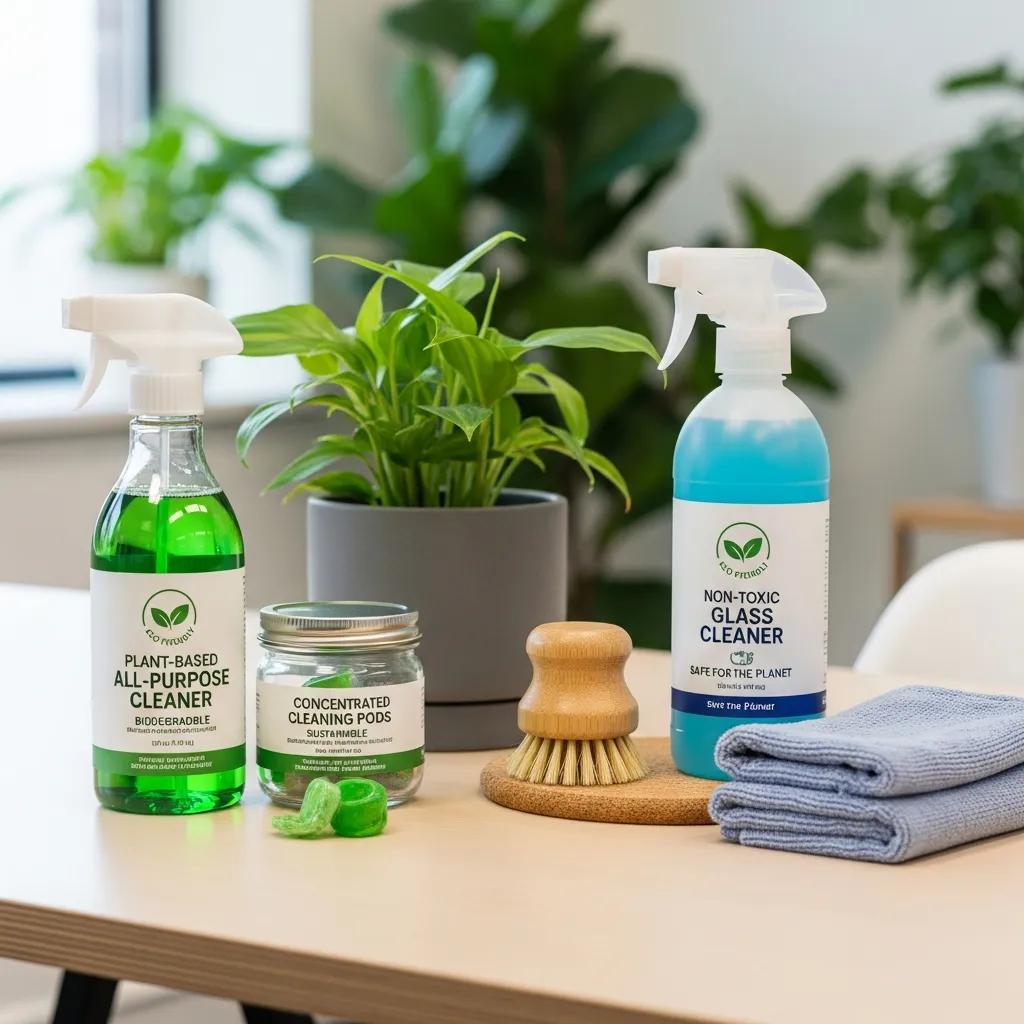
Eco-friendly office cleaning solutions deliver health, environmental and reputational benefits by reducing exposure to harmful chemicals, minimising waste and supporting corporate sustainability commitments.
Green cleaning relies on low-VOC products, biodegradable surfactants, concentrated dosing systems and physical cleaning methods such as microfibre and HEPA filtration to achieve effectiveness without heavy chemical loads. These practices reduce staff and visitor exposures to irritants, lower environmental discharge and often align with corporate ESG reporting goals; procurement can track KPIs such as reduced chemical use, waste diversion and indoor air quality improvements to measure impact.
What Sustainable Practices and Products Are Used in Green Cleaning?
Sustainable cleaning uses non-toxic disinfectants, enzymatic cleaners where appropriate, microfibre cloths for mechanical soil removal, concentrated dilutions to minimise packaging waste and HEPA-filtered vacuums to reduce airborne particulates. Certifications and supplier transparency on product ingredients help procurement verify claims and maintain safety for occupants with chemical sensitivities. Operational practices such as scheduled cold-water cleaning where feasible, bulk refills to reduce single-use plastics and tracking chemical consumption through dosing systems further reduce environmental impact. These measures preserve cleaning effectiveness while supporting health and sustainability goals, making green cleaning a practical choice for modern workplaces.
How Does Eco-Friendly Cleaning Support Workplace Wellness and Sustainability?
Eco-friendly cleaning supports workplace wellness by lowering occupant exposure to respiratory irritants and by fostering a culture of care that contributes to employee satisfaction and retention. From a sustainability perspective, reducing chemical usage, packaging waste and water consumption contributes to measurable corporate environmental performance that can be reported in ESG metrics. Businesses can track KPIs such as reductions in volatile organic compound (VOC) emissions, lower waste volumes and improved indoor air quality scores to demonstrate progress. Adopting green cleaning can also create cost efficiencies over time through reduced product purchase volumes and improved asset longevity, aligning operational savings with sustainability objectives.
Where Can You Find Professional Office Cleaning Services in Brisbane and Sunshine Coast?
Local commercial cleaning providers offer advantages for rapid response, tailored scheduling and local regulatory familiarity, making them a practical choice for businesses in Brisbane and the Sunshine Coast region.
When sourcing services, ask for local references, site visit availability and clarity on coverage areas so you understand lead times and routing.
- Faster Response Times: Local teams can address emergency or same-day requests more rapidly than distant contractors.
- Local Knowledge: Providers familiar with regional facility types understand local building materials and compliance contexts.
- Simpler Onboarding: Proximity makes site visits, training and quality checks easier to schedule and manage.
These benefits make local procurement attractive for organisations that require flexible, accountable cleaning partners; the final subsection describes how Divine Commercial Cleaning serves businesses in the Sunshine Coast and Brisbane area with practical next steps for requesting a quote.
What Are the Advantages of Localised Commercial Cleaning Services?
Localised commercial cleaning services offer practical advantages such as reduced travel times, quicker site assessments and the ability to tailor rosters to local business hours and seasonal demand. Local providers are often more accessible for in-person quality checks and tend to build regional references that demonstrate experience with local facility types such as small offices, larger campuses and retail premises.
Coordination for onboarding—key card access, site orientation and trial cleans—is simpler with a nearby contractor, and emergency mobilisation for spills or post-event cleanups is typically faster. These operational conveniences reduce downtime and increase the reliability of service, which supports ongoing workplace readiness and client-facing presentation.
How Does Divine Commercial Cleaning Serve Brisbane and Sunshine Coast Businesses?
Divine Commercial Cleaning is a family-owned and operated commercial cleaning provider serving Sunshine Coast and Brisbane businesses from their local base. They emphasise flexible arrangements—such as no lock-in contracts—police-checked staff, environmentally conscious practices and a satisfaction guarantee to match the quality and trust requirements described earlier.
Businesses seeking a local quote can contact Divine Commercial Cleaning directly using their published contact details to arrange a site inspection, discuss customised cleaning rosters, or request a written proposal for routine, deep or specialised services. Their local focus enables responsive scheduling and tailored solutions for offices across the region.
Contact details for Divine Commercial Cleaning:
| Contact | Details |
|---|---|
| Company | Divine Commercial Cleaning |
| Address | 5 Bluff St, Birtinya, QLD, 4575, Australia |
| Phone | 0459 949 969 |
| info@divinecleaning.com.au |
These contact points provide a direct way to request a quote or begin a site assessment; when you speak with providers, refer to the checklists and tables in this guide to ensure scope, quality control and sustainability expectations are clearly defined.

Dianne, originally from Rockhampton, hails from a business-oriented family, with her father owning electrical stores and her uncle serving as Mayor. Moving to the Sunshine Coast at 13, she later pursued a rewarding real estate career and raised three children. As a single mom, she balanced university studies with domestic cleaning work. Armed with a Bachelor’s Degree in Business, majoring in Supply Chain Management, Dianne founded and grew Divine Commercial Cleaning into a thriving company. Her success is rooted in strong family mentorship, a positive attitude, and a solution-oriented approach, offering tailored cleaning services with integrity and strategic insight.