Commercial Window Cleaning and Pressure Washing Services in Sunshine Coast & Brisbane: Expert Solutions for Businesses
Commercial window cleaning and pressure washing combine specialised techniques to maintain a building’s appearance, longevity, and safety across Sunshine Coast and Brisbane commercial properties. This guide explains how professional commercial window cleaning and pressure washing services remove grime, biological growth, and pollutants while protecting surfaces and meeting safety and environmental standards. You will learn which services suit specific business types, how modern equipment and eco-friendly methods deliver streak-free glass and surface restoration, and practical scheduling recommendations to minimise disruption.
For local businesses seeking reliable providers, Divine Commercial Cleaning — a family-owned team that offers tailored commercial window cleaning and high-pressure cleaning add-ons with no lock-in contracts, insured staff, police-checked personnel, and a money-back guarantee. Understanding the mechanics and value of these services clarifies why routine maintenance reduces long-term repair costs and preserves professional curb appeal, and the sections that follow map benefits, pressure-wash service types, tailored approaches by business, advanced eco-practices, local coverage, and practical FAQs.
Why Choose Professional Commercial Window Cleaning Services?
Professional commercial window cleaning delivers measurable business value by improving appearance, increasing natural light, and protecting glass and frames using proven tools and techniques. Hiring trained teams means consistent streak-free results through methods like purified water and water-fed poles, and it reduces liability because crews follow site-specific safety protocols and insurance requirements. For businesses, the outcome is clearer glazing that enhances storefront visibility, increases natural daylight in workspaces, and reduces ongoing maintenance costs by preventing abrasive buildup.
Different window-cleaning outcomes deliver specific business advantages and maintenance benefits.
| Benefit | Business Impact | Typical Outcome |
|---|---|---|
| Streak-free glazing | Improved curb appeal and clearer displays | Higher customer impressions and better product visibility |
| Regular cleaning | Extended glass & fixture life | Lower replacement and repair costs over time |
| Purified water systems | Reduced use of chemicals and fewer re-cleans | Cleaner windows for longer, less residue |
| Scheduled service | Predictable appearance and workflow | Consistent public image and minimal disruption |
This comparison clarifies why investing in professional cleaning pays off across aesthetics, maintenance, and operational predictability, which leads into more specific business-facing benefits below.
What Benefits Does Commercial Window Cleaning Offer to Businesses?
Commercial window cleaning enhances curb appeal, increases employee wellbeing through more daylight, and reduces long-term maintenance costs by preventing corrosive deposits on frames and seals. Clearer windows improve natural light penetration which can reduce artificial lighting needs and boost staff mood and productivity, while shopfront clarity directly affects customer perception and sales. Regular cleaning programs also allow early detection of glazing issues such as seal failure or frame corrosion, enabling targeted repairs before costly replacements are necessary. Understanding these operational and financial benefits helps businesses prioritise cleaning frequency and tailor maintenance plans to traffic patterns and environmental exposure.
How Does Divine Commercial Cleaning Ensure Streak-Free, Eco-Friendly Window Washing?
Professional streak-free results depend on technique, water quality, and operator skill; technicians commonly use water-fed pole systems with purified water to wash and rinse without detergents, or biodegradable low-impact cleaners when needed for stubborn grime. Quality control includes post-clean inspections and repeat-visit policies to guarantee satisfaction while using environmentally conscious practices to limit chemical runoff.
Divine Commercial Cleaning emphasises reliable, insured crews who are police-checked and trained to select the least invasive method for each façade, balancing safety with environmental responsibility. These combined practices produce consistent results and reduce the frequency of repeat cleans.
What Are the Key Commercial Pressure Washing Services Available?
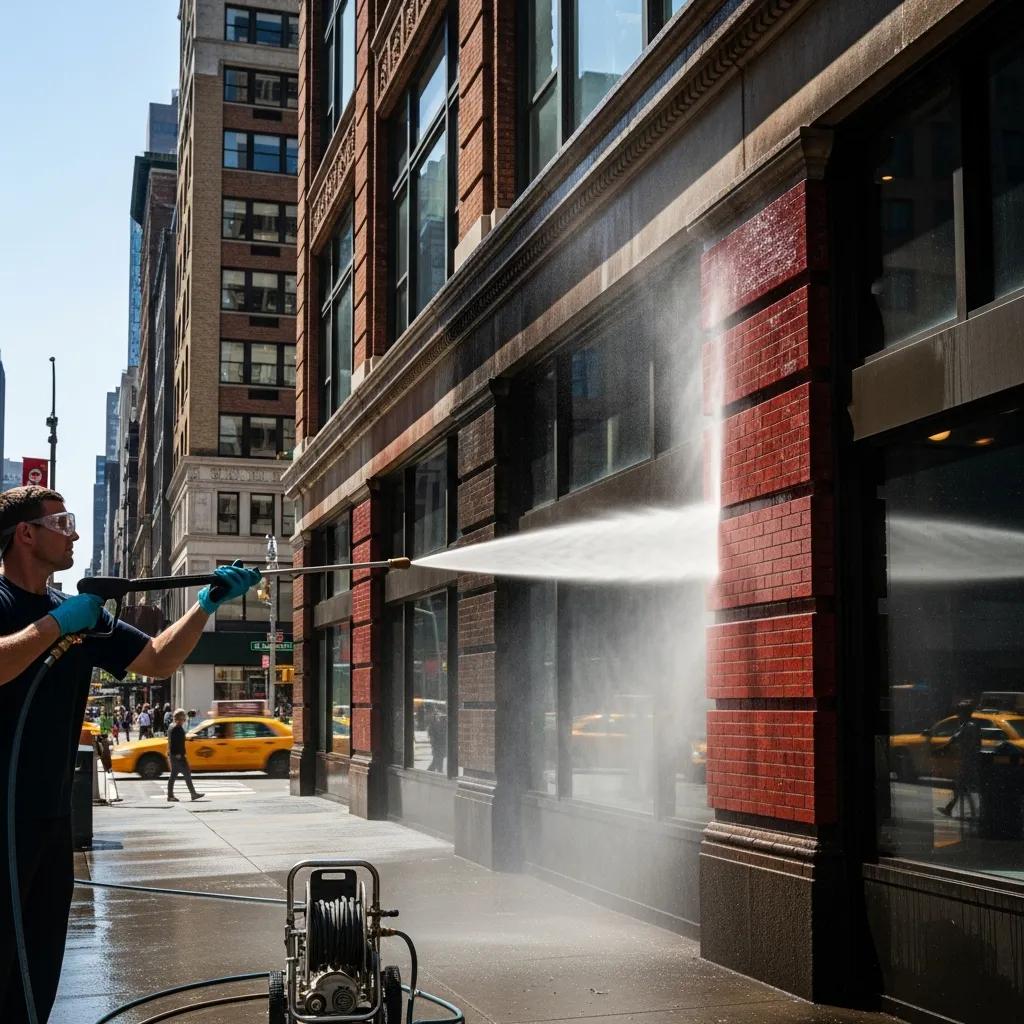
Commercial pressure washing services cover a spectrum of surface-restoration tasks designed to remove dirt, grease, mold, and graffiti while protecting substrate integrity through correct pressure and cleaning chemistry. Core service types include concrete and hard-surface cleaning, façade and cladding restoration, roof and gutter cleaning, and specialised treatments such as graffiti removal and soft-wash for delicate surfaces. Selecting the right method — high-pressure for durable concrete, soft-wash/low-pressure with biodegradable agents for painted cladding — prevents damage while restoring appearance.
| Service Type | Recommended Method | Typical Frequency |
|---|---|---|
| Concrete cleaning | High-pressure rotary or surface cleaner | Quarterly to annually based on traffic |
| Façade/cladding cleaning | Soft-wash or controlled pressure | Annually or biannually |
| Roof and gutter cleaning | Low-pressure soft-wash and manual debris removal | Annually or after storms |
| Graffiti removal | Targeted solvent and pressure combination | As required; prompt removal recommended |
This comparison helps maintenance planners choose appropriate treatments and intervals, and the next subsections explain restoration mechanics and surface-business mappings in practice.
How Does Pressure Washing Restore and Maintain Commercial Building Exteriors?
Pressure washing removes biological growth, oil, and particulate pollutants that accelerate material degradation, restoring texture, colour, and slip resistance where applicable. Mechanically, high-pressure water dislodges surface-bound soils while detergents and soft-wash chemistries break down organic films for safer rinsing; this stops progressive decay and reduces long-term repair bills. Businesses benefit from restored curb appeal and safer pedestrian surfaces, and scheduled pressure washing prevents accumulation that could otherwise necessitate expensive resurfacing or coatings. Proper technique selection preserves substrate warranties and avoids etching or paint damage, which is why surface-appropriate pressure guidelines and test patches are industry best practice.
Which Surfaces and Business Types Benefit from Commercial Pressure Washing?
Pressure washing suits a wide range of surfaces — concrete aprons, loading docks, pavers, metal cladding, and tiled roofs — and maps directly to business needs: warehouses need heavy-duty concrete and loading-bay cleaning, retail centres prioritise shopper-area pavers and façades, and healthcare facilities focus on hygienic low-residue soft-wash approaches. Example mappings include warehouses (high-volume concrete cleaning), retail forecourts (façade and carpark cleaning), and medical centres (gentle, sanitising-friendly soft-wash). Selecting the right pressure and chemical profile ensures effective cleaning while minimising downtime and preserving finishes, which leads to custom scheduling strategies discussed in the next section.
How Are Commercial Window Cleaning and Pressure Washing Tailored for Different Business Types?
Tailoring cleaning plans involves matching frequency, technique, and access logistics to each property’s usage patterns and safety constraints, producing cost-effective maintenance that aligns with operational hours. For example, after-hours windows cleaning minimises disruption in office towers, while retail storefronts may require frequent daytime cleans to maintain display clarity. Access planning addresses high-rise work using poles or rope systems and single-storey sites with simple ladders or temporary platforms, ensuring safety and compliance.
Divine Commercial Cleaning aligns its offerings to these needs by providing customised solutions, no lock-in contracts, and the option to have the same cleaner assigned consistently to a site to improve familiarity and quality control. This approach supports business continuity and ensures service reliability while respecting client scheduling constraints.
What Specialised Window Cleaning Solutions Are Offered for Offices, Retail, and Strata Properties?
Specialised solutions include after-hours office cleans to avoid disturbing employees, frequent retail window servicing to keep displays pristine, and strata-focused communication protocols that coordinate with managers and bylaws. Office programs can integrate weekly interior glass spot-cleaning with monthly exterior washes, while retail schedules prioritise peak-season display readiness. Strata properties often require pre-approved access plans and documented safety checks before each job, ensuring transparent coordination between cleaners and building managers. These specialised schedules and communication practices reduce friction and ensure that cleaning supports, rather than interrupts, daily operations.
How Does Pressure Washing Address Needs of Warehouses, Shopping Centers, and Medical Facilities?
Pressure-washing strategies differ by facility: warehouses typically need high-pressure surface cleaners and degreasers for loading bays, shopping centres require façade and shopper-area maintenance with quick-response windows, and medical facilities demand soft-wash options and enhanced containment to avoid cross-contamination. For warehouses, cleaning frequency is driven by operational traffic and spill rates; shopping centres schedule around trading hours to minimise impact; medical facilities coordinate with infection-control protocols to ensure safe product selection and runoff management. Each scenario prioritises safety, minimal downtime, and surface-appropriate methods to preserve finishes and meet regulatory expectations.
What Advanced Techniques and Eco-Friendly Practices Are Used in Our Services?
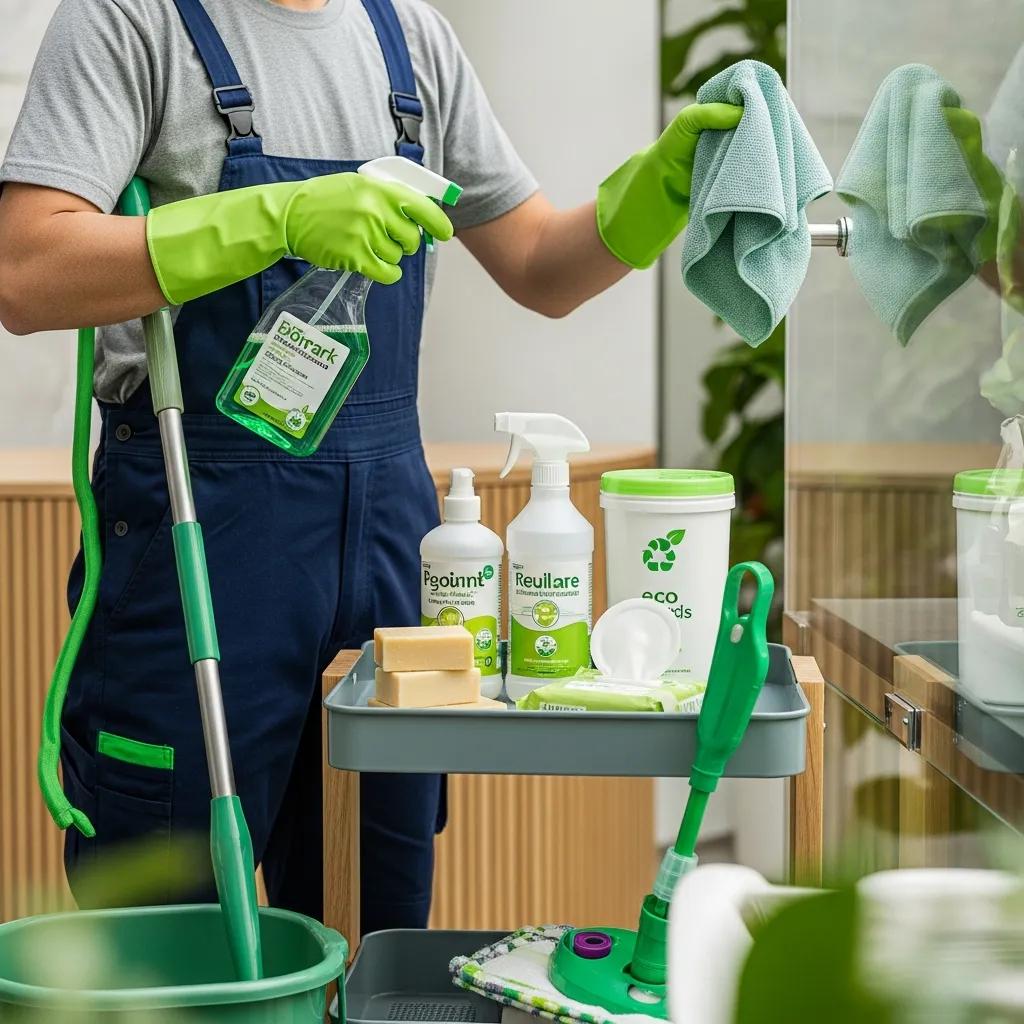
Advanced window and exterior-cleaning techniques combine equipment choices, water management, and biodegradable chemistries to reduce environmental impact while maintaining high cleaning standards. Equipment such as purified water-fed pole systems eliminate the need for detergents on many glass surfaces and lower water consumption, while soft-wash chemical systems allow effective organic removal at low pressure to protect delicate cladding. A concise equipment-to-benefit EAV table below maps common tools and methods to environmental and performance advantages, clarifying why modern approaches outperform conventional high-pressure-only strategies.
| Technique/Equipment | Environmental Benefit | Use Case |
|---|---|---|
| Water-fed pole with purified water | Reduces chemical use and water waste | Medium-height glazing and solar panels |
| Soft-wash chemical system | Low-pressure biological removal with biodegradable agents | Painted cladding and timber surfaces |
| Pressure surface cleaner with flow control | Faster cleaning with reduced runoff | Large concrete aprons and carparks |
| Containment & filtration | Prevents pollutant discharge to drains | Sensitive site compliance and medical facilities |
This table demonstrates that selecting the right technique reduces environmental footprint and preserves surfaces, which leads into specific equipment and sustainability explanations in the next subsections.
Which Equipment and Methods Ensure Safe High-Rise Window Cleaning?
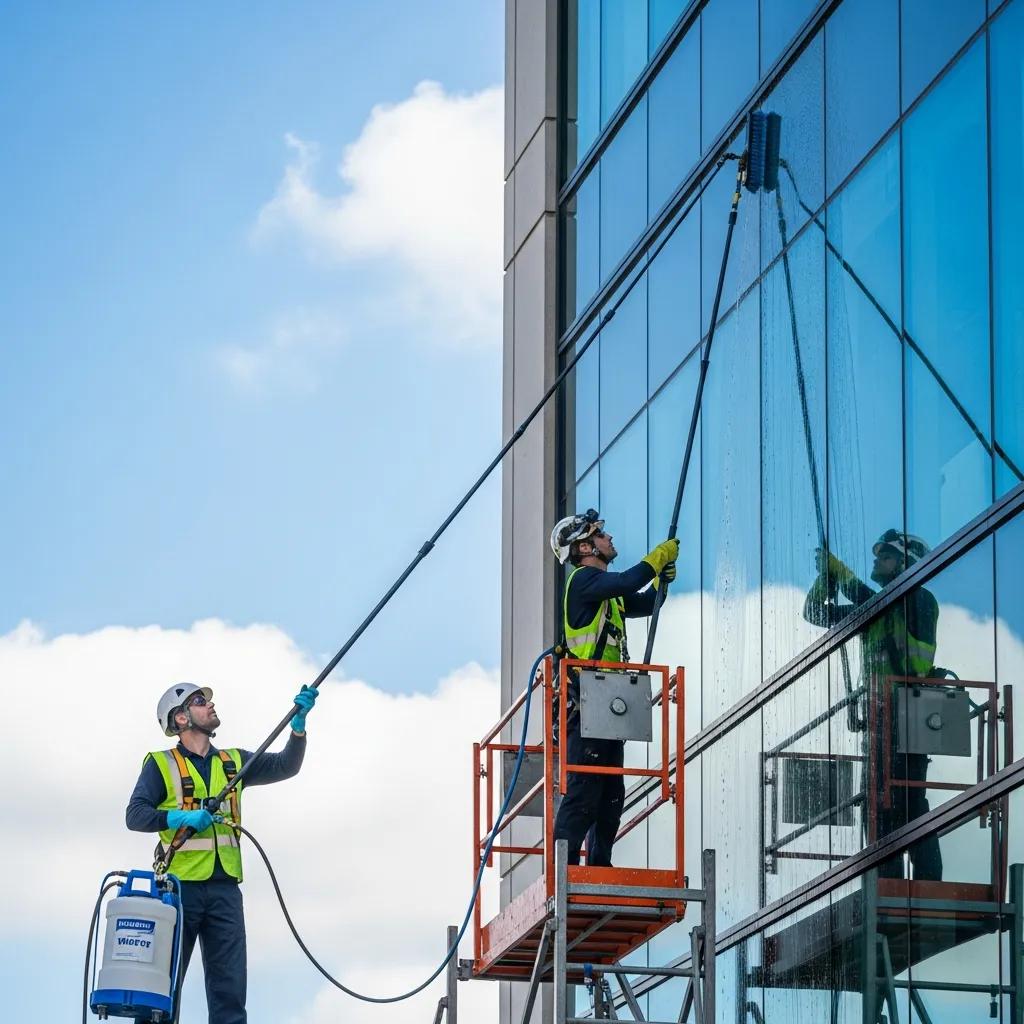
High-rise window cleaning uses rope access systems, bosun chairs, or long-reach water-fed poles depending on building design and site constraints, combined with fall-arrest gear and pre-job risk assessments to safeguard workers and occupants. Teams perform site-specific safety plans, inspect harnesses and anchor points, and use purified-water systems to avoid chemical exposure at height.
When rope access is inappropriate, long-reach poles provide streak-free results without suspended platforms, while mechanical lifts may be employed where permitted by site access. These equipment choices are paired with documented safety checks and trained operators to maintain compliance and reduce operational risk.
How Do Sustainable Cleaning Solutions Support Environmental Responsibility?
Sustainable cleaning emphasises biodegradable cleaners, reduced water usage, and containment practices to prevent pollutants entering stormwater systems, supporting both regulatory compliance and corporate sustainability goals. Biodegradable low-toxicity detergents break down more readily than conventional solvents, and water-efficient pumps and flow-control nozzles reduce volume while maintaining cleaning power.
Additionally, reclaiming rinse water where feasible and filtering runoff protects local waterways and aligns with community environmental expectations. These practices lower ecological impact while maintaining cleaning efficacy and are increasingly expected by customers and regulators alike.
Where Do We Provide Commercial Window Cleaning and Pressure Washing Services?
Services focus on the Sunshine Coast and Brisbane regions, with local knowledge of coastal exposure, humidity-driven biological growth, and urban pollution patterns used to set appropriate cleaning frequencies and methods. Response times and scheduling flexibility are tailored to local business needs, and crews familiar with regional conditions can advise on seasonal timing to avoid heavy rains or peak trading periods. Below is a short list of representative service-area considerations and logistics that clients typically weigh when arranging commercial cleaning, followed by contact and quoting guidance to request tailored proposals.
Which Areas in Sunshine Coast and Brisbane Are Covered?
Primary coverage includes Sunshine Coast suburbs and Brisbane commercial districts where businesses face coastal salt, pollen, and urban grime that influence cleaning schedules and method choice. Local insights inform frequency recommendations—coastal sites may need more frequent exterior attention than sheltered inland properties—and crews plan site visits around tidal and weather conditions. Clients can expect informed timelines and responsiveness that reflect local site realities, and these operational advantages improve both cleaning outcomes and cost-effectiveness.
How Can Businesses Request a Quote or Schedule Services?
Requesting a quote follows a simple three-step process designed to streamline procurement and planning for busy facilities managers: contact, assessment, schedule. First, provide basic site details and preferred contact method to initiate a conversation; second, the provider conducts a site assessment (remote or on-site) to scope access, surface types, and safety needs; third, receive a tailored written quote and proposed schedule with options for one-off, seasonal, or recurring services. Practical items to include when requesting a quote are surface types, approximate square metres, access restrictions, and preferred timing to ensure a fast and accurate response.
What Are the Frequently Asked Questions About Commercial Window Cleaning and Pressure Washing?
This section addresses common operational questions to help facility managers plan effective maintenance programs, covering frequency, staff credentials, and service guarantees. Clear answers reduce procurement friction and ensure that decision-makers understand the trade-offs between cost, frequency, and surface preservation. The FAQs below are structured to provide concise, actionable guidance for scheduling and assurance checks when engaging professional providers.
How Often Should Commercial Windows and Exteriors Be Cleaned?
Typical frequency recommendations balance exposure and usage: many businesses find twice-yearly exterior cleans sufficient for moderate environments, while high-traffic or coastal locations often require quarterly or monthly attention. Seasonal factors, pollution levels, and footfall drive adjustments; for example, retail storefronts benefit from more frequent glass cleaning during peak sales periods, and coastal sites need additional attention for salt spray.
Use this rule of thumb to plan inspections that trigger cleaning before appearance or safety issues arise, and adjust intervals based on observed soiling rates.
Are Your Cleaning Staff Licensed, Insured, and Background-Checked?
Clients should request proof of public liability insurance, evidence of safety training and equipment maintenance, and confirmation of background checks for staff working on sensitive sites; these trust signals protect both parties and reduce liability. Divine Commercial Cleaning provides insured teams, police-checked personnel, and a money-back guarantee as part of its commitment to reliable, accountable service, and it offers no lock-in contracts to provide flexible engagement terms. Asking for certificates of insurance, a copy of the site-specific safety plan, and references to the provider’s satisfaction policy assists in verifying competence and protecting your asset.

Dianne, originally from Rockhampton, hails from a business-oriented family, with her father owning electrical stores and her uncle serving as Mayor. Moving to the Sunshine Coast at 13, she later pursued a rewarding real estate career and raised three children. As a single mom, she balanced university studies with domestic cleaning work. Armed with a Bachelor’s Degree in Business, majoring in Supply Chain Management, Dianne founded and grew Divine Commercial Cleaning into a thriving company. Her success is rooted in strong family mentorship, a positive attitude, and a solution-oriented approach, offering tailored cleaning services with integrity and strategic insight.