Eco‑Friendly Commercial Cleaning Nambour — Sustainable, Health‑First Services for Your Business
Eco‑friendly commercial cleaning in Nambour means professional facility care that prioritises occupant health and the local environment. We use low‑toxicity, biodegradable products and practical procedures that still deliver the high hygiene standards businesses expect. This guide explains what green cleaning looks like across offices, retail sites, medical centres and shopping centres on the Sunshine Coast; why choosing sustainable methods supports workplace wellbeing and your reputation; and how to assess providers that deliver genuine environmental and operational gains.
Many property managers and business owners face pressure to reduce volatile organic compounds, cut chemical waste and meet modern occupational‑health expectations — the right eco‑cleaning program answers those challenges without sacrificing cleanliness. Read on for the practical benefits, the product types and certified methods that work in commercial settings, how services are customised and priced, client outcomes after switching, and short answers to common purchasing questions.
What Are the Benefits of Choosing Eco‑Friendly Commercial Cleaning in Nambour?
Switching to sustainable commercial cleaning gives clear, measurable wins for health, the environment, compliance and long‑term asset care. By moving away from high‑VOC solvents and adopting biodegradable products and modern techniques, you improve indoor air quality, reduce staff irritation and allergy triggers, and lower the environmental footprint of everyday maintenance by reducing chemical runoff and packaging waste. Green cleaning also meets tenant and customer expectations for responsible businesses, boosting brand reputation and supporting lease and retail outcomes. For property managers and business owners balancing hygiene with sustainability, these immediate and strategic benefits make green cleaning a sensible investment.
Below are the main benefits, summarised for quick reference and optimised for common search answers.
- Improved workplace health — fewer VOCs and non‑toxic disinfectants reduce respiratory irritation and related complaints.
- Smaller environmental footprint — biodegradable products and waste‑reduction practices cut chemical discharge and landfill waste.
- Stronger compliance and reputation — sustainable practices meet customer expectations and demonstrate regulatory awareness.
- Extended asset life and cost savings — gentler, targeted cleaning helps finishes and flooring last longer, lowering replacement costs.
These practical benefits flow directly from changes to on‑the‑ground cleaning routines. Next, we explain how green cleaning improves workplace health and reduces environmental impact in more detail.
How Does Sustainable Office Cleaning Improve Workplace Health?

Sustainable office cleaning replaces harsh, high‑VOC cleaners with low‑VOC, non‑toxic products and targeted disinfection routines that cut airborne irritants. Less exposure to volatile organic compounds means fewer headaches, throat irritation and allergy‑like symptoms among staff — which can lower absenteeism and improve comfort and productivity. Modern green methods also rely on microfibre systems and touch‑point protocols to mechanically remove pathogens, reducing the need for broad‑spectrum, harsh chemicals and helping preserve surface finishes. Knowing how these health improvements work makes it easier for managers to choose the right products, train teams and monitor outcomes that protect occupants.
In What Ways Does Green Cleaning Reduce Environmental Impact?
Green cleaning cuts environmental harm through smarter product choices, waste‑reduction practices and efficient procedures that use fewer resources. Biodegradable formulations break down faster in wastewater, while concentrated dispensing and refillable packaging reduce plastic waste and transport emissions. Microfibre systems and HEPA‑filtered vacuums increase cleaning efficiency, lowering water and energy use, and correct dilution control prevents overuse of chemicals. Together these steps reduce chemical loads entering waterways and shrink the carbon and material footprint of day‑to‑day cleaning, delivering tangible benefits for local ecosystems and municipal wastewater systems.
Which Eco‑Friendly Cleaning Products and Methods Are Used by Nambour’s Leading Services?
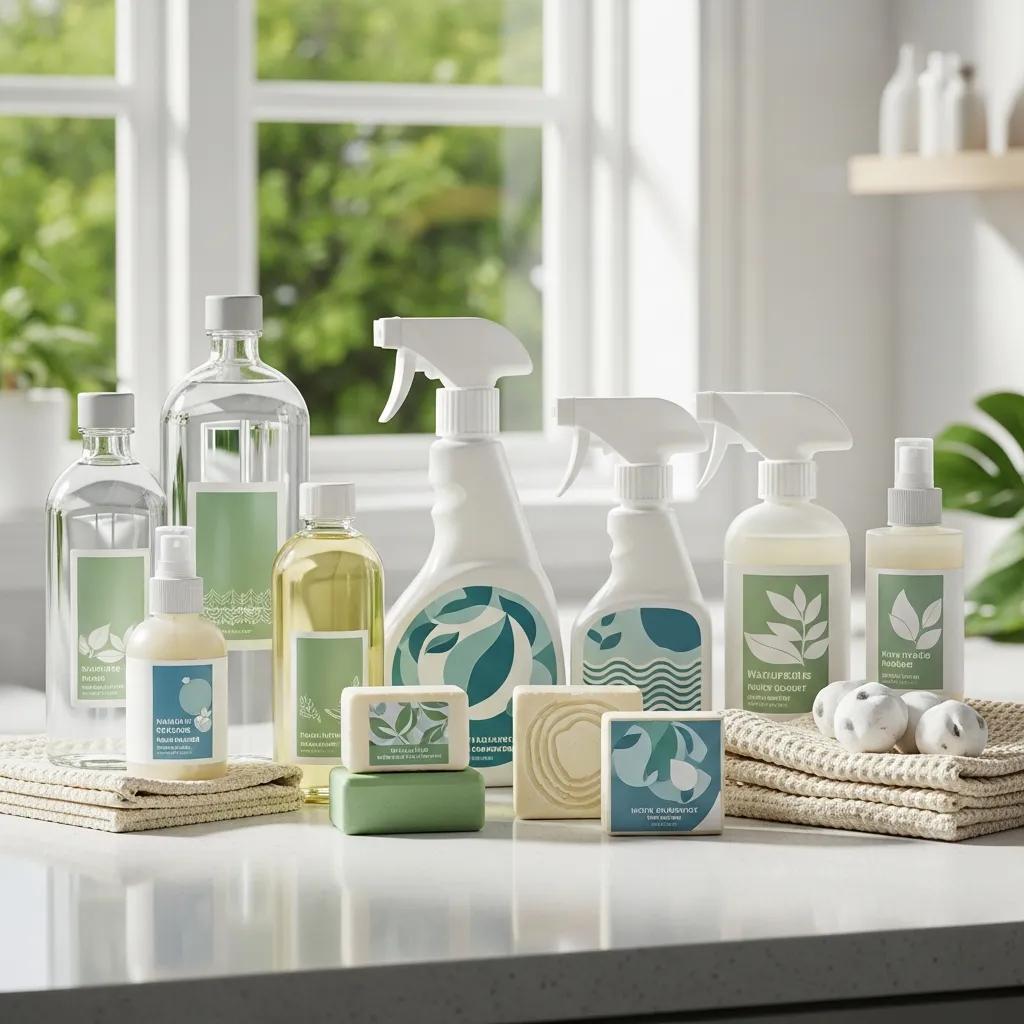
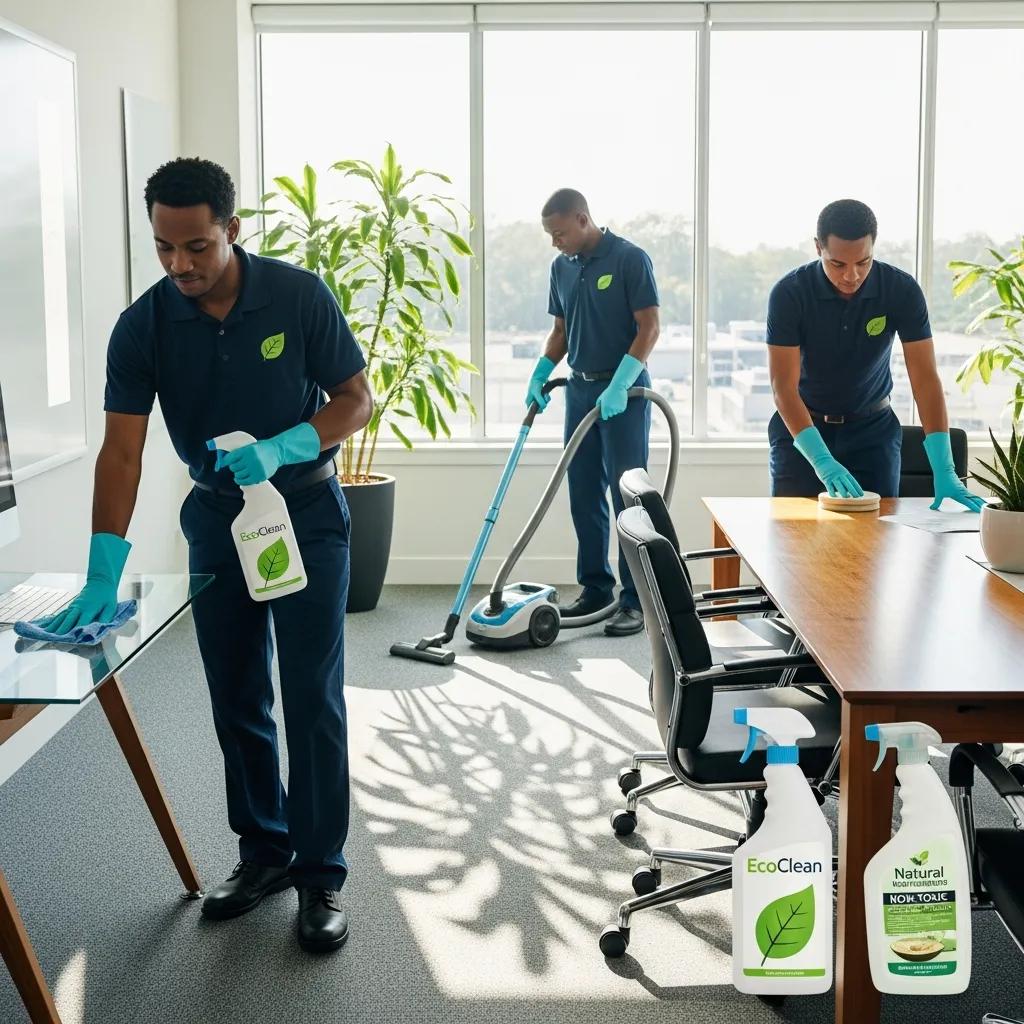
Leading eco‑friendly cleaning services in Nambour choose products and methods that balance biodegradability with proven antimicrobial performance to meet commercial standards. Typical choices include certified biodegradable detergents, low‑toxicity disinfectants validated for high‑touch areas, enzymatic cleaners for organic soils, and microfibre systems that lift soils without heavy chemicals. Operational controls often include colour‑coded equipment to prevent cross‑contamination, dilution‑control dispensers to ensure correct dosing, and HEPA‑equipped vacuums to catch fine particulates and improve air quality. These product and process decisions help facility managers evaluate performance and procurement risk with practical outcome links — e.g., biodegradable agents reduce environmental toxicity; microfibre systems remove surface contaminants more effectively.
The table below compares common eco product types by toxicity profile, certification cues, and typical commercial use cases to support procurement decisions.
| Product Category | Key Attribute | Typical Use‑Case |
|---|---|---|
| Biodegradable Detergents | Low aquatic toxicity; breaks down quickly | Daily surface cleaning in offices and retail areas |
| Non‑Toxic Disinfectants | Low VOCs with validated efficacy claims | High‑touch points like lobbies and reception desks |
| Enzymatic Cleaners | Targets organic soils without harsh solvents | Spot treatment for carpets and upholstery |
| Microfibre Systems | Mechanical soil removal that reduces chemical need | General surface cleaning and hard‑floor care |
This comparison shows how product selection aligns with operational needs and environmental outcomes, helping buyers select the right agents for different areas of a facility.
Many local providers document their use of biodegradable and non‑toxic agents in their commercial offerings. Divine Commercial Cleaning, for example, highlights environmentally safe, non‑toxic and biodegradable cleaning agents across its Queensland commercial services, which helps local businesses request quotes that match sustainability goals.
What Are the Features of Biodegradable and Non‑Toxic Cleaning Agents?
Biodegradable and non‑toxic agents are formulated to break down quickly while minimising volatile organic compounds and hazardous residues. Readily biodegradable surfactants and oxygen‑based cleaners remove organic soils without persistent chlorinated by‑products, and low‑VOC formulas reduce inhalation risk for occupants. When procuring, look for third‑party labels and product data sheets that list biodegradation rates and VOC content, and always check material safety data sheets. Practical tips include using concentrated refills to reduce packaging waste and never mixing products that could neutralise the effectiveness of disinfectants — these practices preserve both safety and performance.
How Do Certified Green Products Ensure Safety and Effectiveness?
Certified green products undergo third‑party verification of environmental and health attributes, as well as performance testing, reducing procurement risk. Certifications commonly cover biodegradability, reduced toxicity and sometimes antimicrobial efficacy, signalling consistent manufacturing and verifiable claims. When comparing products, ask for certification references and performance validation for your specific use case — certification plus efficacy data gives confidence a product will perform in a medical reception as well as in an office. Verifying credentials and matching claims to site needs reduces the chance of buying ineffective or mislabelled cleaners.
How Do Commercial Cleaning Companies in Nambour Customise Eco‑Friendly Service Plans?
Commercial cleaners in Nambour tailor eco‑friendly plans through a clear, repeatable process that starts with a site audit and continues with regular quality checks and reporting. Providers assess traffic patterns, surface types, compliance needs and client priorities, then recommend frequency, product mixes and staffing models for the site. Scheduling can include daily daytime maintenance, after‑hours deep cleans and periodic specialist services for carpets or medical areas; pricing is offered transparently based on scope and frequency. This process helps businesses balance hygiene, budget and sustainability targets while maintaining continuity with written service agreements.
Typical customisation steps — written to be concise for featured snippet use — are below.
- Conduct a site audit to record surfaces, high‑touch points and special requirements.
- Define a tailored scope of work detailing products, frequency and performance standards.
- Provide a pricing estimate and service schedule with options for regular or ad‑hoc visits.
- Implement quality checks and reporting to confirm outcomes and adjust the plan as needed.
These steps show how providers turn sustainability goals into practical cleaning schedules and measurable service levels.
The pricing table below compares common service plan types by frequency, scope and estimated cost bracket to help with early budgeting.
| Service Plan Type | Frequency & Scope | Estimated Cost Bracket |
|---|---|---|
| Basic Daytime Maintenance | Daily light cleaning and rubbish removal | Low–Medium |
| Standard Contract Cleaning | Scheduled visits with touch‑point disinfection | Medium |
| Deep & Specialist Cleaning | Periodic deep cleans, carpets or medical‑grade tasks | Medium–High |
This table helps you see how frequency and specialist tasks influence budget and suitability for different property types.
When requesting quotes, provide site size, activity type and preferred schedule for an accurate price. Divine Commercial Cleaning operates across Queensland and offers eco‑friendly commercial cleaning solutions for offices, retail, medical centres and shopping centres; businesses are encouraged to request a site assessment to confirm scope and pricing.
What Pricing Options Are Available for Sustainable Office Cleaning?
Pricing models for sustainable office cleaning typically include per‑square‑metre rates, hourly billing or fixed monthly contracts. The final cost depends on frequency, service level and any specialist needs. Per‑square‑metre works for uniform spaces, while hourly or retainer models suit irregular or changing sites. Costs rise if you need medical‑grade disinfectants, very high‑frequency touch‑point cleaning or specialist floor care. A site‑specific quote is the best way to get a reliable estimate because materials and scheduling choices materially affect price.
How Can Businesses Request Quotes and Flexible Cleaning Schedules?
To request a quote, share basic site details, traffic and activity patterns, and desired cleaning frequency and special requirements. Providers usually follow up with a site visit or a detailed proposal. Be ready to provide floor area, number of workstations, facility type (office, retail, medical) and any regulatory needs. Many companies offer flexible scheduling — after‑hours shifts, weekend cleans and phased deep‑clean windows to avoid disruption. Expect a proposal within a few business days after an initial review, and capture service expectations in a written agreement.
What Do Clients Say About Nambour’s Top Eco‑Friendly Commercial Cleaning Services?
Client feedback for eco‑friendly commercial cleaners often highlights better indoor comfort, fewer chemical complaints and clear communication from providers — outcomes that reflect effective sustainable programmes. Case summaries typically show measurable drops in chemical use, improved occupant satisfaction scores and fewer reactive deep cleans after moving to targeted green regimens. Reviews commonly praise punctuality, responsiveness and visible results from microfibre and touch‑point protocols; constructive comments usually relate to initial transition logistics or reporting cadence. These themes help prospective clients set realistic expectations and evaluate providers.
The table below summarises representative client-reported outcomes after switching to eco‑friendly cleaning, using concise metrics to show impact.
| Client Type | Metric Improved | Result |
|---|---|---|
| Office complex | Chemical usage reduction | 45% reduction in concentrated chemicals |
| Retail centre | Occupant complaints | 60% fewer air‑quality complaints reported |
| Medical reception | High‑touch contamination control | Faster turnaround on infection‑control audits |
These examples show the environmental and hygiene benefits businesses commonly see after adopting sustainable cleaning programmes.
Which Case Studies Demonstrate Environmental and Hygiene Improvements?
Local case studies often follow a problem→action→result format showing how targeted changes reduced chemical loads and improved hygiene. For example, a multi‑tenant office swapped broad‑spectrum solvents for dilution‑controlled, non‑toxic disinfectants and microfibre cleaning, significantly reducing chemical use and improving occupant comfort scores. A retail centre adopted refillable dispensing and enzymatic cleaners in food‑court areas, reducing packaging waste and odour complaints. These practical changes led to both environmental gains and better tenant experiences.
How Do Customer Reviews Reflect Service Quality and Trust?
Reviews for green commercial cleaners typically point to reliability, attention to detail and clear communication as core trust indicators. Positive feedback usually mentions consistent cleanliness and fewer chemical‑related complaints. Reviews that highlight transparent reporting, responsiveness and on‑time service indicate strong operational controls. When assessing providers, look for consistent patterns in feedback, request references and check verified local profiles to confirm that a provider’s practices match their sustainability claims.
What Are Common Questions About Eco‑Friendly Commercial Cleaning in Nambour?
Below are concise, buyer‑focused answers to common questions about green commercial cleaning, designed to support quick decisions. Each short answer is optimised for clear, practical guidance.
- What makes a service truly eco‑friendly? Use of certified biodegradable products, waste‑reduction practices and staff training that prevent chemical overuse define a genuinely eco‑friendly service.
- Is green cleaning more expensive than traditional methods? Upfront costs are often comparable or slightly higher, but long‑term savings from reduced product use, longer asset life and fewer reactive cleans usually offset initial premiums.
- How can I verify a provider’s sustainability claims? Ask for product SDS, certification references and recent case summaries to confirm claims before contracting.
These short answers prepare buyers for the deeper checklist that follows and link to the practical onboarding steps providers use.
What Makes a Commercial Cleaning Service Truly Eco‑Friendly?
A truly eco‑friendly commercial cleaning service combines certified biodegradable, non‑toxic products with operational practices that reduce waste and energy. Look for transparent reporting, staff training and controls such as dilution management, refillable packaging and microfibre use. Suppliers should provide safety data sheets and third‑party environmental claims, and demonstrate ongoing monitoring through quality checks and simple metrics such as chemical usage and complaint rates. This checklist helps facilities systematically vet providers.
How Much Does Green Cleaning Cost Compared to Traditional Services?
Costs for green cleaning vary by frequency, facility type and whether specialist disinfection is required, but many clients find the lifetime value favourable due to lower product use and extended asset life. Main cost drivers are product grade (medical vs general), staff training and any additional reporting or audit requests. While specialist deep cleans can increase the price bracket, routine sustainable maintenance often falls within the same price bands as conventional services once efficiencies from modern equipment and dilution control are applied. Always get a site‑specific quote — hypothetical ranges rarely reflect clinic, retail or multi‑tenant realities accurately.
How to Choose the Right Eco‑Friendly Commercial Cleaning Company?
Use a short verification checklist: confirm product SDS and certifications, request sector‑specific references (office, retail, medical), verify insurance and ask for sample reports or KPIs. Check that the provider conducts a site audit, offers tailored scheduling and maintains quality controls such as regular inspections and client feedback loops. Request clear documentation of proposed products and methods and insist on a pilot or phased onboarding to observe performance before a long‑term commitment. This approach reduces procurement risk and aligns services with both hygiene and sustainability goals.
For Nambour businesses seeking a local provider that prioritises environmentally safe, non‑toxic, biodegradable agents, Divine Commercial Cleaning operates across Queensland, offering tailored commercial cleaning solutions for offices, retail, medical centres, and shopping centres. Requesting a site assessment or quote is the practical next step to match the cleaning scope with sustainability targets.
How to Choose the Right Eco‑Friendly Commercial Cleaning Company?
When selecting a provider, prioritise those that supply product SDS, run formal training programmes for staff, and provide transparent quality reporting and audit trails. Verify sector experience for your facility type — medical centres need different protocols than retail or offices — and ask for references or case summaries showing past performance. Confirm insurance and insist on a clear service‑level agreement with KPIs such as cleanliness scores, chemical‑usage metrics and scheduled inspections. Finally, request a trial period or phased onboarding to confirm the provider’s discipline and that their green practices deliver the promised results.
This final checklist helps buyers make a defensible choice and ensures a smooth transition to ongoing green cleaning. Divine Commercial Cleaning is one locally verified option offering eco‑focused quotes and assessments for Queensland commercial properties, helping businesses align sustainability with service performance.
Frequently Asked Questions
What types of facilities can benefit from eco‑friendly commercial cleaning?
Eco‑friendly commercial cleaning suits a wide range of facilities: offices, retail spaces, medical centres and shopping centres. Each facility has specific needs — medical centres may need stricter disinfection protocols, while retail benefits from non‑toxic products that improve customer comfort — and sustainable practices can be tailored to meet those needs. Across facility types, green cleaning improves indoor air quality and lowers environmental impact.
How can businesses ensure their cleaning provider is genuinely eco‑friendly?
To verify eco‑credentials, ask for product safety data sheets (SDS), certification details for biodegradable products and evidence of sustainable practices. Request references from similar facilities and information about staff training on eco methods. Regular audits and transparent reporting further confirm a provider’s commitment to sustainability.
What are the long‑term cost benefits of switching to eco‑friendly cleaning?
Long‑term benefits often include lower chemical spend, reduced maintenance costs and extended asset life. While initial costs can be similar or slightly higher, savings from reduced product use and fewer reactive deep cleans typically offset any premium. Over time these operational savings and reduced disruption make green cleaning a financially sensible choice for many businesses.
Are there specific certifications to look for in eco‑friendly cleaning products?
Yes — look for trusted labels such as Green Seal, EcoLogo or the EPA’s Safer Choice, which indicate products meet strong environmental and health standards. These certifications signal biodegradability, low toxicity and verified performance. Third‑party testing and manufacturer documentation add further assurance.
How often should businesses schedule eco‑friendly cleaning services?
Frequency depends on facility type, traffic and specific needs. High‑traffic areas such as retail or medical centres may require daily or multiple‑times‑weekly cleaning, while offices may need weekly or bi‑weekly visits. Customising the schedule to traffic patterns and risk areas ensures a healthy environment while keeping costs in check.
What should businesses expect during the initial consultation with a cleaning provider?
You should expect a thorough site assessment covering traffic flows, surface types and cleaning priorities. The provider will outline the eco‑friendly products and methods they use and discuss any compliance requirements. This meeting is the time to share your expectations. After the assessment, you should receive a tailored plan outlining frequency, scope, and pricing that align with your sustainability goals.
Choosing commercial cleaning in Nambour improves workplace health, reduces environmental impact, and supports modern sustainability goals. By adopting biodegradable products and sustainable practices, you can improve indoor air quality and reinforce a positive reputation with tenants and customers. Working with local providers such as Divine Commercial Cleaning provides tailored solutions that meet your operational needs — request a site assessment today to start the transition to a cleaner, greener workplace.

Dianne, originally from Rockhampton, hails from a business-oriented family, with her father owning electrical stores and her uncle serving as Mayor. Moving to the Sunshine Coast at 13, she later pursued a rewarding real estate career and raised three children. As a single mom, she balanced university studies with domestic cleaning work. Armed with a Bachelor’s Degree in Business, majoring in Supply Chain Management, Dianne founded and grew Divine Commercial Cleaning into a thriving company. Her success is rooted in strong family mentorship, a positive attitude, and a solution-oriented approach, offering tailored cleaning services with integrity and strategic insight.