Pet-Friendly Commercial Cleaning Solutions: Safe, Effective Office Cleaning Services with Pets
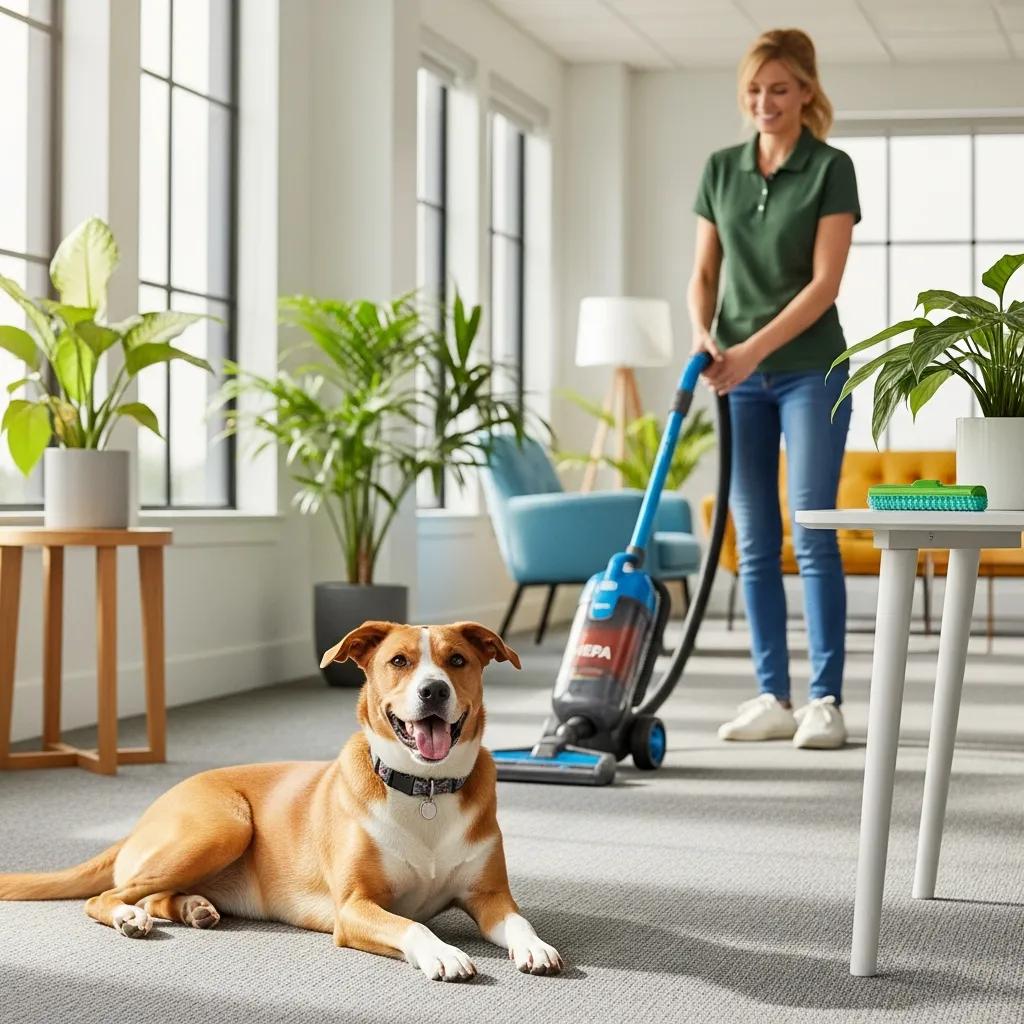
Pet-friendly commercial cleaning refers to professional cleaning approaches and protocols specifically designed to protect animals, employees, and customers while maintaining high facility hygiene standards. These approaches combine non-toxic product selection, targeted removal of hair and dander, and processes that neutralise odours without exposing people or pets to harmful residues. For businesses on the Sunshine Coast and in Brisbane, pet-friendly cleaning preserves workplace image, supports employee wellbeing, and reduces allergen load—addressing operational and reputational risks in one program. This article explains why pet-safe cleaning matters, the science behind enzymatic and HEPA-based methods, how eco-friendly products are chosen, and what tailored plans look like for offices, medical centres, retail and daycare environments. You will also see practical checklists, equipment breakdowns, and example comparison tables to help facility managers select effective services and partner with a local provider. Read on to understand how to implement pet-friendly commercial cleaning that balances efficacy, sustainability, and safety for all occupants.
Why Choose Pet-Friendly Commercial Cleaning for Your Business?
Pet-friendly commercial cleaning is an operational strategy that reduces allergens and odours while protecting pets, staff, and visitors from toxic exposures. The mechanism relies on targeted source removal—mechanical capture of hair and dander, enzymatic breakdown of organic stains, and low-VOC, biodegradable formulations that minimise airborne irritants. The key result is a healthier indoor environment that supports employee productivity and customer perception while lowering liability related to pet exposure. Facility managers should weigh health benefits, brand image, and regulatory or insurance considerations when choosing a pet-aware provider.
Below is a concise list illustrating the principal business advantages of adopting pet-friendly protocols.
Pet-friendly commercial cleaning delivers clear, actionable benefits:
- Reduced allergen load: Targeted removal of dander and fur lowers respiratory triggers for sensitive occupants.
- Improved customer and employee impressions: Clean, odour-free environments support a professional image.
- Lower absenteeism and higher morale: Healthier indoor air correlates with fewer sick days and better retention.
- Liability mitigation: Using non-toxic products reduces the risk of accidental pet poisoning and related claims.
These advantages make the business case for pet-focused cleaning; understanding product safety at the ingredient level clarifies how those outcomes are achieved.
How Do Pet-Safe Cleaning Products Protect Health and Environment?
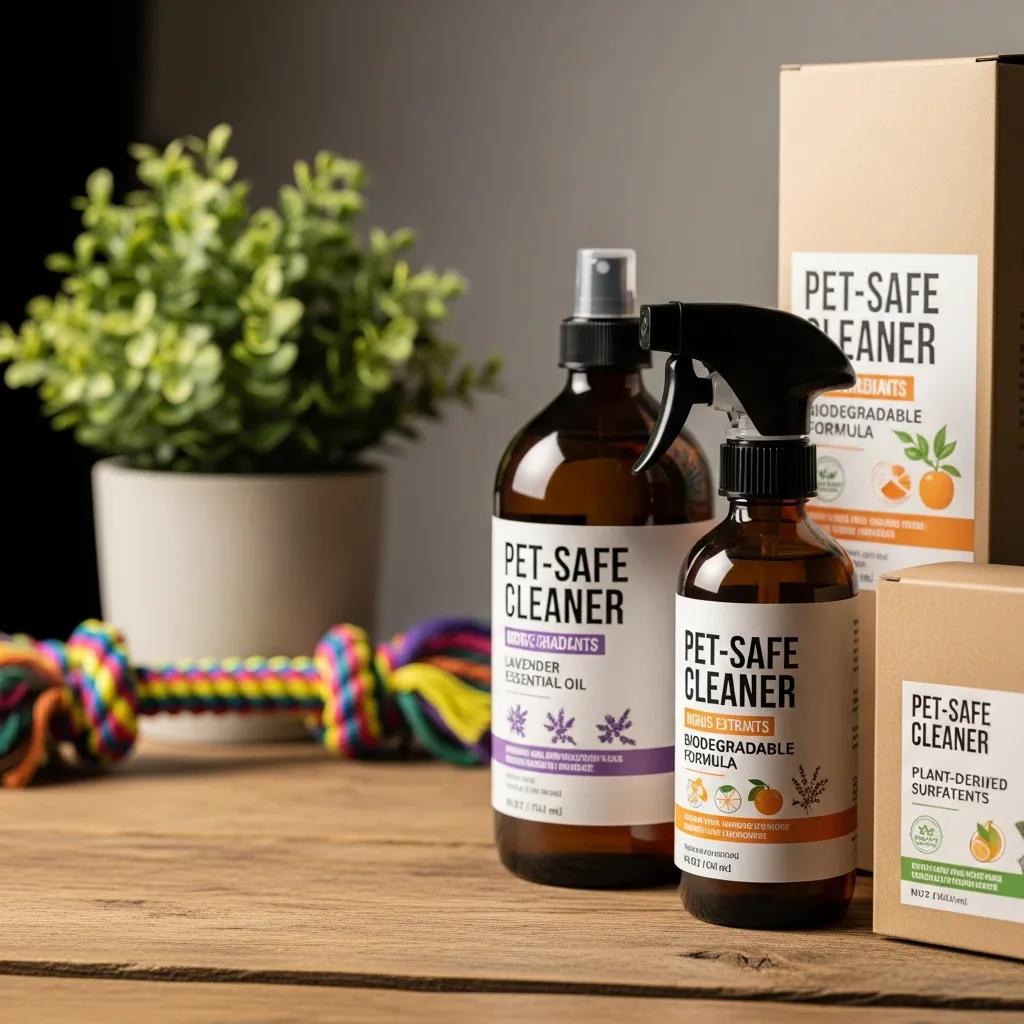
Pet-safe cleaning products are formulated to avoid acute toxins, reduce volatile organic compounds (VOCs), and to biodegrade into non-harmful components, protecting animals and humans alike. Mechanistically, low-VOC detergents and plant-derived surfactants lower the concentration of airborne irritants, while enzymatic agents break down organic residues into harmless molecules, preventing odor re-emergence. Selecting products without harsh solvents or high concentrations of quaternary ammonium compounds reduces irritation and environmental persistence, which benefits local waterways and pets that may contact cleaned surfaces. Recent studies and indoor air-quality guidance indicate that choosing low-VOC, biodegradable formulations meaningfully reduces respiratory symptoms in sensitive populations. Understanding these chemistry choices helps managers demand safer formulations during procurement and informs scheduling to further minimise exposure risk.
This product-level safety links directly to workplace benefits like improved attendance and client experience, which are covered in the next subsection.
What Are the Benefits of Maintaining a Pet-Friendly Workplace?
Maintaining a pet-friendly workplace delivers measurable benefits for culture and operations, including higher employee satisfaction, stronger recruitment appeal, and positive customer interactions in client-facing spaces. The reason these benefits accrue is straightforward: a well-managed pet program reduces nuisances like odour and visible fur, which otherwise degrade professional impressions and comfort. Employers who pair pet-friendly policies with disciplined cleaning schedules see lower complaints and smoother day-to-day operations, as staff are less likely to be distracted or concerned about allergens. Operationally, businesses that invest in routine mechanical and deep-clean cycles maintain surface longevity and reduce costly restorations over time. These organisational advantages demonstrate why cleaning strategies must be tailored to support both the human and animal occupants of a space.
A practical implementation requires targeted methods for hair, dander, and odour — the technical approaches described in the following section explain those methods in detail.
How Does Divine Commercial Cleaning Address Pet Hair, Dander, and Odors?
Divine Commercial Cleaning addresses pet hair, dander, and odours through an integrated workflow: source identification, mechanical removal with HEPA-grade equipment, enzymatic treatment for organic residues, and air-quality management to prevent recontamination. The mechanism begins with a site assessment to locate pet traffic zones and high-shedding surfaces, followed by HEPA vacuuming and agitation to extract fur and microscopic dander. Enzymatic cleaners are applied to organic stains with dwell time and then followed by deep extraction when needed, producing measurable reductions in allergen counts and odour molecules. Air purification and ventilation adjustments complete the process to ensure sustained indoor air quality. As a family-owned Sunshine Coast provider serving Sunshine Coast and Brisbane clients, Divine Commercial Cleaning combines local knowledge with eco-conscious product selection and customised plans to deliver these outcomes.
The table below maps common problems to the methods used and expected outcomes to provide a quick technical reference for facility managers.
The table below links typical pet-related cleaning problems to specific professional methods and the resulting benefits expected after service.
| Problem | Method | Outcome |
|---|---|---|
| Accumulated animal hair and surface fur | HEPA-grade vacuuming with agitation | Visible fur removal and reduced airborne particulates |
| Dander embedded in carpets and upholstery | Hot water extraction (commercial) | Lower allergen counts and improved carpet appearance |
| Organic odours from urine or food | Enzymatic treatment followed by extraction | Neutralised odours and removal of odor-causing molecules |
What Techniques Remove Animal Fur and Allergens Effectively?
Effective removal of animal fur and allergens combines mechanical separation, filtration, and periodic deep extraction to attack both loose hair and microscopic dander. HEPA-grade vacuuming captures particles down to 0.3 microns, which materially reduces airborne allergen loads when used across high-traffic zones and soft surfaces. Agitation and brush attachments loosen embedded fur from carpets and upholstery, and commercial hot-water extraction pulls trapped dander and proteins from fibres for more lasting relief. Routine maintenance (daily or several times per week for busy pet-friendly offices) paired with quarterly or semi-annual deep extraction creates a layered defense that outperforms consumer-level equipment. Understanding the frequency and equipment rationale helps managers budget services that sustain allergen reduction over time.
How Are Enzymatic Cleaners Used for Pet Odor and Stain Removal?
Enzymatic cleaners work by releasing specific enzymes that catalyse the breakdown of organic molecules—proteins and uric acid in pet urine—into smaller, non-odorous components that are easier to remove. In practice, technicians identify the contamination zone, pre-treat with an enzyme solution and allow an appropriate dwell time to ensure enzymatic action, then follow with extraction or blotting to remove residue and reaction products. Enzyme selection and correct dilution are critical: too weak a solution leaves residual odor precursors, while excessive mechanical agitation without proper extraction can redistribute molecules. For persistent or aged stains professional deep extraction and repeat enzymatic cycles are often necessary to fully neutralise odours. Proper enzymatic protocols reduce the need for masking agents and support long-term odour control.
Which Eco-Friendly and Pet-Safe Products Are Used in Commercial Cleaning?
Choosing eco-friendly, pet-safe products means selecting categories that combine biodegradability, low VOC emissions, and non-irritant formulations while still delivering cleaning power for commercial environments. Common product groups include enzymatic stain removers, plant-based surfactants for general cleaning, oxygen-based whiteners for stain lifting, and low-VOC disinfectant alternatives where appropriate. The selection process evaluates active ingredients, biodegradability, and recommended contact times to ensure both efficacy and safety for animals and sensitive humans. Below is a practical EAV-style table comparing typical product categories to their pet-safety attributes and usage notes to guide procurement and operational choices.
The following table compares common pet-safe product categories, their safety attributes, and practical usage notes for facility managers aiming to balance performance and animal safety:
| Product / Ingredient | Attribute (pet-safe / non-toxic / biodegradable) | Value (safety note / usage example) |
|---|---|---|
| Enzymatic cleaners | Pet-safe, biodegradable | Effective for urine and organic stains when allowed adequate dwell time |
| Plant-based surfactants | Low-toxicity, biodegradable | General surface cleaning with minimal respiratory irritation |
| Low-VOC detergents | Non-irritant formulations | Use in occupied spaces to reduce airborne irritants |
| Oxygen-based whiteners (peroxide) | Breaks down to water and oxygen | Safer bleaching alternative for textiles vs chlorine-based agents |
Summary: This comparison helps managers prioritise product categories that reduce exposure risk while delivering necessary cleaning outcomes in pet-populated environments.
What Are the Key Ingredients in Non-Toxic Cleaning Solutions?
Non-toxic commercial cleaning solutions typically rely on enzyme blends, plant-derived surfactants, oxygen-based oxidisers, and buffered pH systems that minimise skin and respiratory irritation. Enzymes target organic residues at the molecular level, surfactants lift soils from surfaces, and peroxide-based oxidisers remove stains without creating persistent hazardous byproducts. Avoiding harsh solvents and concentrated quaternary ammonium compounds when pets are present reduces the risk of ingestion or skin contact hazards for animals that explore low surfaces. Practical handling notes emphasise correct dilution, labelled storage, and adherence to product dwell times to maximise safety and performance. Choosing ingredient groups with documented biodegradability aligns operational practice with environmental stewardship in coastal regions.
Good product selection supports safe daily operations and ties into customised cleaning plans that address specific business needs, which we discuss next.How Do Eco-Friendly Products Ensure Safety for Pets and Employees?
Eco-friendly products ensure safety through lower VOC emissions, reduced irritant potential, and chemical compositions that biodegrade quickly after use, thereby minimising environmental persistence and exposure risk. Lower VOCs mean fewer airborne irritants, which reduces respiratory stress for sensitive employees and visiting animals; biodegradable products break down in wastewater instead of accumulating in local ecosystems. Non-irritant formulations and controlled dilution reduce dermal and mucous membrane exposures during cleaning, while clear manufacturer instructions and PPE protocols further mitigate risk. When facilities combine these product attributes with scheduling that avoids cleaning during peak occupancy, the net effect is a safer environment for both pets and staff. These safety mechanisms are crucial inputs when designing tailored cleaning plans for different business types.
The next section outlines how those customised plans are structured by business type and traffic patterns.
How Are Customised Pet-Friendly Cleaning Plans Tailored for Different Businesses?
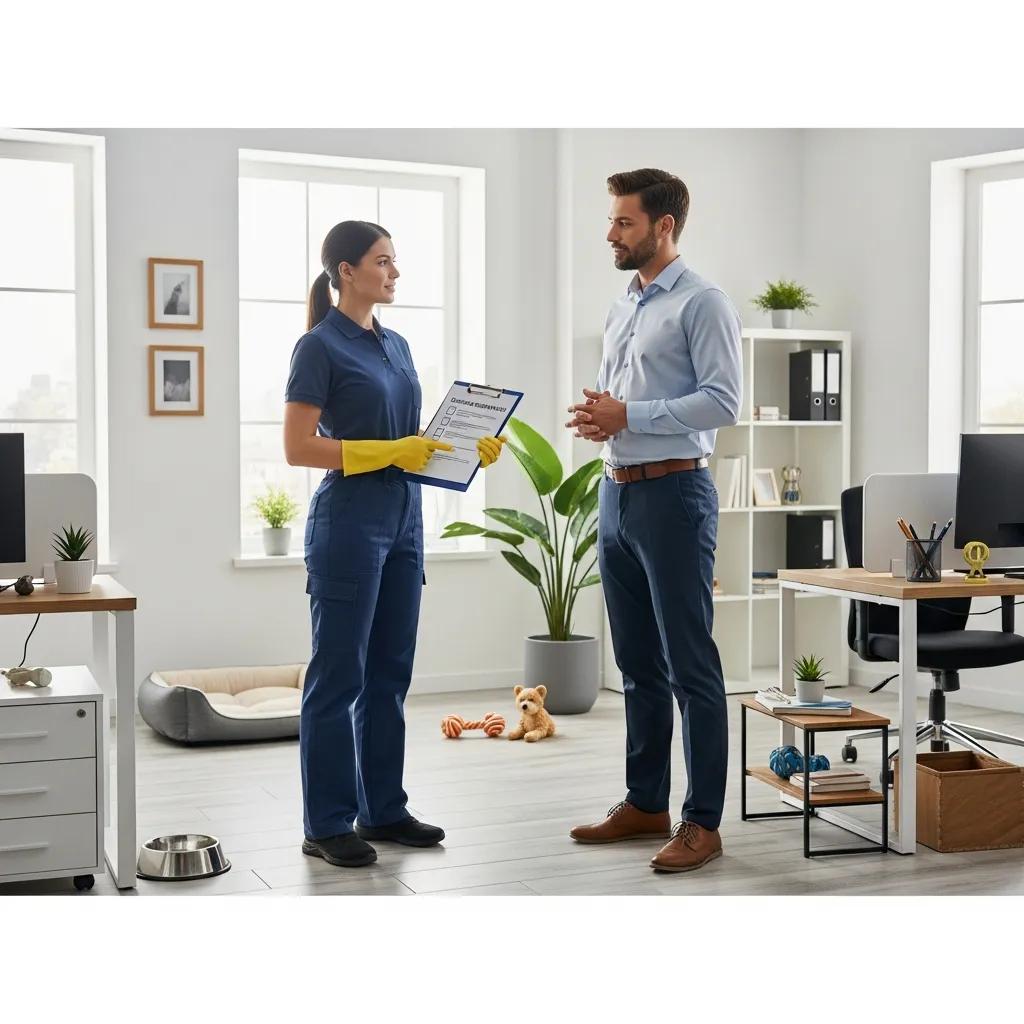
Customised pet-friendly cleaning plans begin with an assessment of facility layout, pet presence and behaviour, surface composition, and daily traffic patterns to create a frequency and method matrix that balances hygiene with safety. The reason for bespoke plans is that offices, medical centres, retail settings and daycare spaces each present unique risks—carpets retain dander differently than hard floors, while medical settings require infection-control-compatible approaches. A tailored plan specifies routine maintenance tasks, periodic deep-clean cycles, and targeted interventions like enzymatic treatments for high-risk zones. Sample service bundles and frequency recommendations help decision-makers visualise practical schedules and budgets without overprescribing unnecessary treatments. The table below offers a quick reference mapping business types to recommended service components and cadence.
The table below offers practical recommendations for service bundles and frequencies across common commercial business types that host pets or require pet-friendly protocols.
| Business Type | Recommended Services | Frequency / Notes |
|---|---|---|
| Offices | HEPA vacuuming, spot treatment, low-VOC surface cleaning | Daily or weekly maintenance with quarterly extraction |
| Medical centres | Low-VOC cleaners, targeted upholstery extraction, infection-control-compatible steps | Frequent surface disinfection protocols with careful product choice |
| Retail | Odour response, carpet cleaning, high-touch surface management | Daily maintenance during open hours, extra treatments for stained areas |
| Daycare / childcare-adjacent | Deep extraction, soft-surface sanitation, rapid odor neutralisation | Frequent cleaning with careful product selection for sensitive occupants |
What Services Are Offered for Offices, Medical Centers, and Retail Spaces?
Service offerings vary by site demands but typically include a core set of elements—routine HEPA vacuuming, low-VOC surface cleaning, enzymatic spot treatment, and scheduled deep carpet and upholstery extraction. In offices the focus is on maintaining textiles and air quality to support productivity, achieved via daily or weekly maintenance and periodic extraction of soft surfaces. Medical centres require carefully selected, compatible products that support infection control without exposing vulnerable patients or animals to harsh residues, so product choice and procedural controls are emphasised. Retail spaces prioritise immediate stain and odour response to protect customer-facing impressions, combining rapid spot treatments with scheduled deep cleans. These tailored service bundles ensure each site type receives appropriate intensity and timing of interventions.
These differentiated services must also reflect local climate and operational rhythms, which influence product choice and scheduling.
How Does Location Influence Cleaning Solutions in Sunshine Coast and Brisbane?
Local climate and operational context—such as humidity, coastal dust, and seasonal tourist peaks—shape product selection and service frequency for businesses in Maroochydore, the Sunshine Coast, and Brisbane. Humidity can accelerate microbial growth and enhance odour persistence, which argues for more frequent extraction cycles and attention to ventilation in coastal offices. Coastal dust and salt-laden air increase surface soil loads and may necessitate different cleaning chemistry to avoid corrosion of equipment and to preserve finishes. Seasonal business fluctuations—higher foot traffic during peak tourism—mean flexible scheduling and rapid-response stain management are important. These location-driven considerations ensure that plans remain effective year-round and that products and methods are appropriate to regional conditions.
Next we describe the practical service process clients can expect when engaging with Divine Commercial Cleaning.
What Is the Pet-Friendly Commercial Cleaning Process at Divine Commercial Cleaning?
Divine Commercial Cleaning follows a structured process that begins with a site consultation, proceeds to a customised plan and scheduling, and concludes with execution using pet-safe products and verified quality control measures. The process definition includes an initial walkthrough to identify pet zones, surface types, and high-traffic areas; this assessment informs equipment selection, product choices and frequency recommendations. Execution uses HEPA-grade vacuuming, enzymatic treatments, and commercial extraction as required, while operational controls minimise occupant exposure during service windows. Quality assurance includes post-service inspections, client feedback loops and remedial follow-ups if performance targets are not met—backed by a satisfaction guarantee and no lock-in contract terms to provide flexibility. These steps create a transparent customer journey that balances safety, efficacy and local responsiveness.
The consultation and QA processes are essential for predictable outcomes; the next table summarises key consultation items and QC checkpoints used during engagements.
| Phase | Task | Outcome |
|---|---|---|
| Consultation | Walkthrough to note pet areas, surfaces, and traffic | Tailored plan and accurate quote |
| Execution | HEPA vacuuming, enzymatic spot treatment, extraction | Allergen reduction and odour neutralisation |
| Quality Control | Post-service inspection and client feedback follow-up | Measured satisfaction and corrective action if needed |
A standardised process ensures predictable results and gives clients confidence that pet-safety and cleaning performance are being actively managed.
How Is Consultation and Quality Control Managed?
Consultation involves a concise checklist: identify animal traffic zones, catalogue surface types (carpets, upholstery, hard floors), record occupancy windows and note special sensitivities among occupants. This assessment leads to a written plan specifying methods, products (pet-safe, low-VOC), and frequency—ensuring clarity for both the client and technician teams. Quality control uses measurable checkpoints: post-service inspection against the plan, photographic records where appropriate, and a client feedback loop that triggers remedial visits if service standards are not met. Divine Commercial Cleaning presents no lock-in contracts and offers a satisfaction guarantee, which helps translate QC findings into rapid corrective action and sustained service improvement. This structured approach reduces uncertainty and sets clear expectations for performance.
Thorough pet-friendly commercial cleaning relies on HEPA-grade vacuums for particle capture, commercial hot-water extractors for deep textile cleaning, and targeted application tools for enzymatic and low-VOC solutions. HEPA filtration prevents re-release of fine particulates into the air during vacuuming, while extractors remove dissolved soils and enzymatic residues deep within fibers. Air purifiers and ventilation management complement surface cleaning by reducing airborne allergen concentrations and supporting long-term indoor air quality. Technicians also use agitation tools, upholstery wands and controlled dwell times to maximise product effectiveness without over-saturating materials. Combining these equipment choices with trained operator protocols ensures both immediate cleaning outcomes and longer-term environmental control.
These execution tools and methods set clear expectations for service results and link to the next practical topic: requesting a quote and partnering with a local provider.
How Can Businesses Request a Quote and Partner with Divine Commercial Cleaning?
Partnering with Divine Commercial Cleaning begins with a simple engagement pathway: initial enquiry, site assessment, and a customised proposal that outlines services, frequency and pricing options. The process is designed for busy facility managers and emphasises transparency: provide site type, approximate square footage, presence and types of pets, and preferred service windows to expedite an accurate proposal. As a family-owned operation based in Maroochydore with local coverage across the Sunshine Coast and Brisbane, Divine positions itself as a responsive, eco-conscious cleaning partner that offers customised plans, no lock-in contracts and a satisfaction guarantee. The steps below summarise the easiest way to request a pet-friendly cleaning quote and what to expect next.
This numbered list explains the minimal steps to request a free pet-friendly cleaning quote.
- Submit a brief enquiry: Include site type, approximate size, pet presence, and preferred service times.
- Schedule a site assessment: A technician inspects surfaces, traffic patterns, and pet zones to tailor a plan.
- Receive a customised proposal: The proposal outlines recommended services, frequency, and next steps to begin service.
What Are the Steps to Get a Free Pet-Friendly Cleaning Quote?
To obtain a free quote, businesses provide essential details—site type (office, medical centre, retail), estimated square metres, frequency expectations, and notes on pet traffic—and then schedule an assessment if required. The assessment refines the scope and leads to a written proposal that specifies recommended methods (e.g., HEPA vacuuming, enzymatic treatment), suggested service cadence, and any special preparations needed before initial service. Typical timelines from enquiry to proposal are short, with scheduling flexibility to fit operational windows and minimise disruption to occupants. Clients can expect transparent communication regarding product choices (pet-safe, low-VOC) and the ability to adjust plans without lock-in contract penalties. Clear, practical expectations at this stage improve onboarding and long-term satisfaction.
Divine Commercial Cleaning is a family-owned Maroochydore business serving the Sunshine Coast and Brisbane that emphasises local knowledge, environmentally conscious practices, and tailored cleaning plans to meet diverse facility needs. Their local expertise informs scheduling, product selection and responsiveness to regional climate factors such as humidity and coastal dust, which improves service relevance and outcomes. The company’s commitment to customised plans, experienced professional cleaners, no lock-in contracts and a satisfaction guarantee provides assurance for facility managers choosing a pet-friendly cleaning vendor. Prospective partners are encouraged to prepare site details before enquiry to speed assessment and receive a proposal aligned with both pet safety and operational priorities.

Dianne, originally from Rockhampton, hails from a business-oriented family, with her father owning electrical stores and her uncle serving as Mayor. Moving to the Sunshine Coast at 13, she later pursued a rewarding real estate career and raised three children. As a single mom, she balanced university studies with domestic cleaning work. Armed with a Bachelor’s Degree in Business, majoring in Supply Chain Management, Dianne founded and grew Divine Commercial Cleaning into a thriving company. Her success is rooted in strong family mentorship, a positive attitude, and a solution-oriented approach, offering tailored cleaning services with integrity and strategic insight.