Flooding can severely disrupt commercial operations and cause costly damage. Sunshine Coast businesses need prompt, professional flood restoration to limit loss, restore safe working conditions, and speed reopening. This article summarises the emergency cleanup sequence, rapid extraction advantages, advanced drying, and mold remediation essentials so businesses can respond and recover more effectively.
Key Takeaways
- Local Sunshine Coast flood restoration services provide fast, comprehensive commercial recovery.
- Emergency cleanup typically follows inspection, water removal, antimicrobial treatment, drying, and final cleaning.
- Rapid extraction reduces structural damage and lowers mold risk.
- Advanced drying combines air movement, dehumidification, and moisture monitoring.
- Mold remediation protects health, structure, and belongings after flooding.
- Choose certified providers with insurance and clear guarantees.
- Document damage and contact insurers promptly to support claims.
- Preventative steps — inspections, gutters, and waterproofing — reduce future exposure.
- Local teams bring regional knowledge and quicker response times.
What Are the Key Steps in Emergency Water Damage Cleanup?
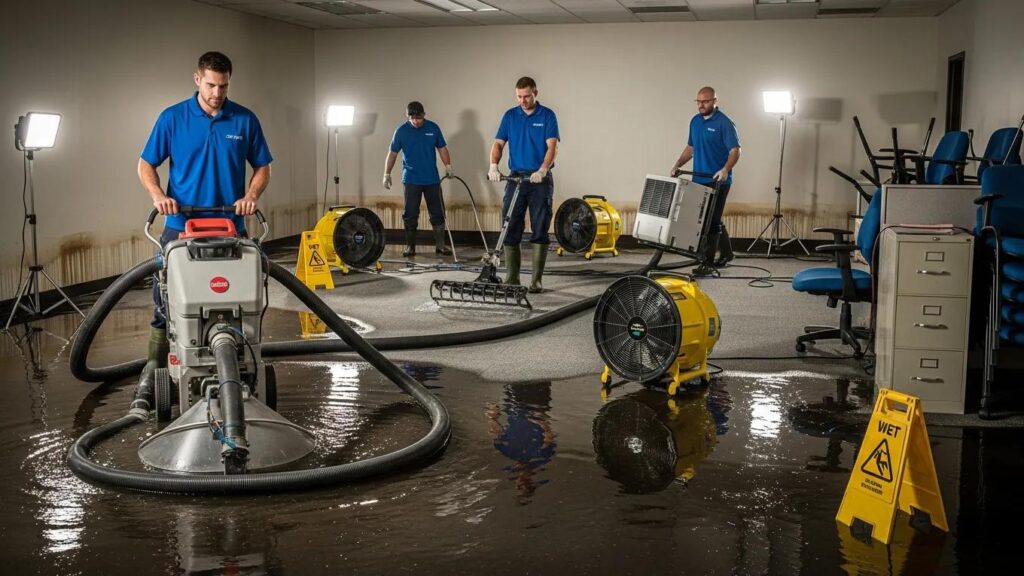
Emergency cleanup follows a clear sequence to make premises safe and limit long-term harm: inspect and assess, remove water, apply anti-microbials where needed, dry materials thoroughly, and carry out a final clean to restore usability.
- Inspection and Assessment: Rapid evaluation to prioritise work and protect assets.
- Water Removal: Emergency extraction with pumps and vacuums to remove standing water quickly.
- Anti-microbial Application: Targeted treatments to reduce contamination and block mold growth.
- Drying Processes: Controlled air movement and dehumidification to remove embedded moisture.
- Final Steam Cleaning: Sanitation and finishing to return spaces to safe use.
When these steps are implemented promptly and in sequence, they reduce repair costs and shorten downtime.
How Does Rapid Water Extraction Protect Commercial Properties?
Removing standing water quickly limits structural damage, prevents warping and delamination, and cuts the window for mold to take hold. Fast extraction preserves asset value and creates a safer environment for staff and customers. Using a local, responsive restoration team ensures rapid mobilisation and focused commercial expertise.
What Advanced Drying Techniques Ensure Effective Flood Restoration?
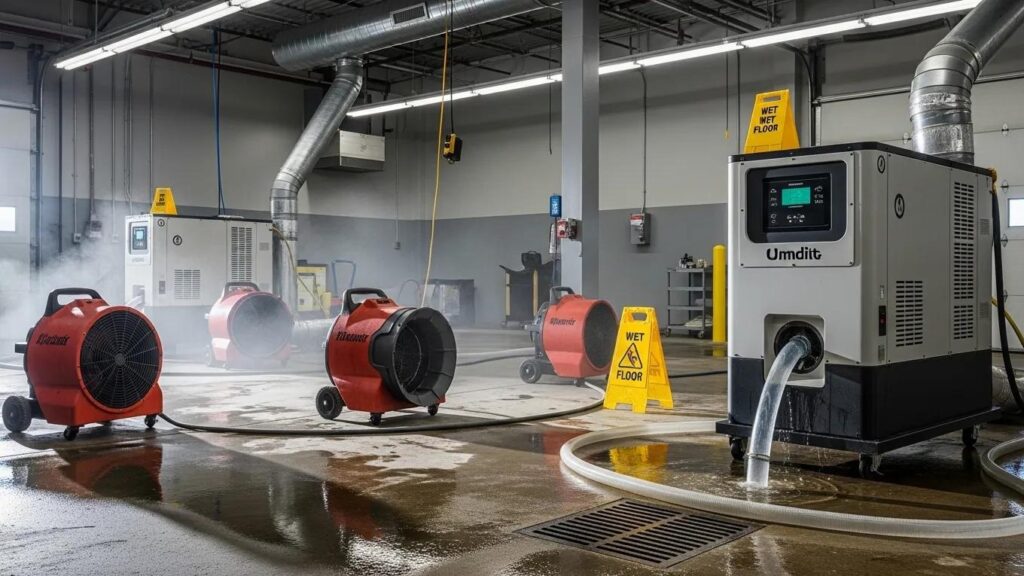
Effective drying addresses both air and materials and is verified by moisture monitoring. Key techniques are:
- Air Movement: High-velocity fans accelerate evaporation from surfaces and cavities.
- Dehumidifying: Industrial dehumidifiers remove moisture from the air to prevent rewetting.
- Monitoring: Regular checks with moisture meters confirm when materials reach safe moisture levels.
These methods together reduce the risk of hidden moisture and long-term deterioration.
How Does Mold Remediation and Prevention Enhance Post-Flood Cleaning Services?
Mold thrives where moisture remains. An integrated remediation approach removes contamination, prevents spread, and combines with drying to stop recurrence. Including mold controls in the restoration plan protects occupant health and the building fabric.
- Health Protection: Removal and prevention reduce respiratory and allergy risks for occupants.
- Structural Integrity: Treating mold preserves building components and reduces repair bills.
- Belongings: Timely remediation protects inventory and equipment from permanent loss.
Why Is Mold Prevention Critical After Flood Damage?
Preventing mold is essential because exposure can worsen respiratory and allergic conditions. Rapid moisture control, ventilation, and humidity management limit growth and protect vulnerable occupants.
- Health Risks: Quick action reduces exposure-related problems.
- Prevention Strategies: Maintain low humidity, ventilate, and finish drying promptly.
- Timely Intervention: Early remediation significantly lowers remediation scope and cost.
What Mold Remediation Services Are Offered for Commercial Buildings?
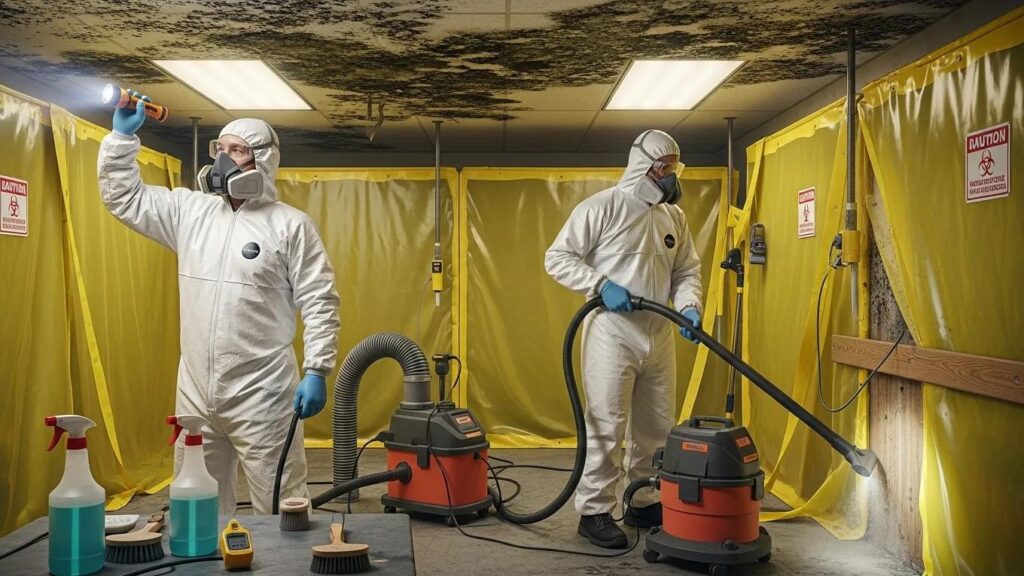
Commercial remediation typically includes inspection, water removal, antimicrobial application, drying, and final cleaning — coordinated to return buildings to a healthy state while meeting safety standards.
- Inspection: Locate contamination and plan containment.
- Water Removal: Remove sources that feed mold growth.
- Treatment: Apply appropriate anti-microbial agents where required.
- Drying: Use targeted drying to remove residual moisture.
- Final Cleaning: Restore surfaces and reoccupy safely.
What Are the Benefits of Choosing a Local Flood Restoration Service in Sunshine Coast?
Local providers offer faster response, understanding of regional regulations, and community-focused service. Quick mobilisation reduces damage, and local knowledge helps navigate permits and recovery resources.
- Faster Response: Local teams reach sites sooner to limit damage.
- Regulatory Familiarity: Better guidance on local codes and health requirements.
- Community Support: Choosing local firms supports recovery and local resilience.
How Does Divine Commercial Cleaning Ensure Rapid Response and Customised Plans?
Divine Commercial Cleaning emphasises fast mobilisation and tailored restoration plans to meet commercial priorities.
- Rapid Response: 24/7 availability to start mitigation quickly.
- Comprehensive Process: Assessment, extraction, drying, and cleaning delivered end-to-end.
- Customer Focus: Plans customised to the client’s operations and risk profile.
This structured, client-centred approach helps businesses resume normal operations sooner.
What Qualifications and Guarantees Build Trust in Our Flood Restoration Service?
Trust is founded on verifiable certifications, insurance protection, and clear service guarantees. These provide assurance that work meets industry standards and that clients are protected while restoration proceeds.
- Certifications: Demonstrate technical proficiency and best practice.
- Insurance Coverage: Protects clients and contractors during work.
- Satisfaction Guarantees: Written commitments on quality and follow-up.
How Can Businesses Navigate Insurance Claims and Flood Damage Prevention?
Efficient claim management and prevention reduce financial impact. Key steps: review your policy, document damage, notify insurers promptly, work with restoration experts, and keep organised records.
- Review Your Policy: Know your coverage and exclusions.
- Document Damage: Take photos and detailed notes for claims support.
- Contact Insurer: Prompt notice expedites assessment and payments.
- Work with Experts: Professional reports strengthen claims and ensure compliant restoration.
- Keep Records: Maintain invoices, photos, and correspondence.
What Support Is Available for Insurance Claims Related to Flood Damage?
Insurers, agents, and restoration specialists can help clarify coverage, compile documentation, and provide detailed reports to substantiate claims and speed resolution.
- Coverage Clarification: Talk with your agent to confirm limits and procedures.
- Documentation Help: Professionals assist with inventories and damage reports.
- Expert Reports: Technical assessments strengthen claim validity.
Which Flood Damage Prevention Tips Help Protect Commercial Properties?
Basic, cost-effective measures reduce future flood risk and potential losses.
- Regular Inspections: Spot vulnerabilities early.
- Gutter Maintenance: Keep water directed away from the building.
- Install Waterproofing: Protect critical entry points and low areas.
This research further emphasizes the economic importance of such preventative measures in commercial buildings.
These proactive actions reduce future flood impacts and protect commercial assets.
Frequently Asked Questions
What should businesses do immediately after a flood event?
Ensure safety and evacuate if needed. Document damage with photos and notes, contact a professional restoration service to begin mitigation, and notify your insurer to start the claim process.
How can businesses prepare for potential flooding in the future?
Create a flood readiness plan with risk assessment, barriers where suitable, improved drainage, regular gutter maintenance, and employee training. Consider appropriate flood insurance.
What are the long-term effects of flooding on commercial properties?
Long-term impacts include structural repairs, mold remediation, operational downtime, inventory loss, and potential reduction in property value. Prompt action reduces these risks.
How can businesses ensure their flood restoration service is reliable?
Check certifications and reviews, confirm insurance coverage, request a clear restoration plan and guarantees, and prefer local firms for quicker response.
What role does community support play in flood recovery efforts?
Community coordination provides shared resources, emotional and practical assistance, and local fundraising to help affected businesses recover faster.
What are the signs of hidden water damage after a flood?
Watch for musty odours, staining, visible mold, warped floors or walls, bubbling paint, and unexplained humidity. Use moisture monitoring and inspections to reveal hidden problems.
Engaging a reliable, local flood restoration service on the Sunshine Coast minimises damage and accelerates commercial recovery. Applying proven mitigation, drying, and remediation measures protects assets, staff, and customers while shortening downtime. Regular inspections and timely intervention help lower the risk of future flooding. Contact us to discuss tailored flood restoration solutions for your premises.

Dianne, originally from Rockhampton, hails from a business-oriented family, with her father owning electrical stores and her uncle serving as Mayor. Moving to the Sunshine Coast at 13, she later pursued a rewarding real estate career and raised three children. As a single mom, she balanced university studies with domestic cleaning work. Armed with a Bachelor’s Degree in Business, majoring in Supply Chain Management, Dianne founded and grew Divine Commercial Cleaning into a thriving company. Her success is rooted in strong family mentorship, a positive attitude, and a solution-oriented approach, offering tailored cleaning services with integrity and strategic insight.