
Chermside Commercial Cleaning — Sunshine Coast’s Trusted Choice
In 2026, Chermside’s commercial cleaning landscape is being reshaped by higher hygiene expectations, tighter regulation and stronger sustainability standards — conditions that favour specialist local providers. This guide explains why teams that focus on Chermside and the greater Brisbane area succeed: they bring local regulatory knowledge, customised service plans and modern disinfection tools that deliver measurable business outcomes. Read on to learn which market trends influence buyer decisions, how tailored cleaning cuts disruption and compliance risk, and why eco‑aware practices and well‑trained teams protect reputation and safety.
The guide covers seven practical areas: 2026 market drivers; the benefits of tailored plans with a service comparison; advanced disinfection for medical centres; sustainable processes and reputation impacts; workforce training and stability; and how testimonials plus transparent processes build trust — all from a Chermside perspective.
Independent research supports this: the cleaning market is growing while clients increasingly demand clear evidence of sustainability and compliance.
Cleaning Industry Trends: Sustainability, Disinfectants & Regulations 2026
The global market for cleaning and personal care chemicals — including detergents, dishwashing liquids, disinfectants and cosmetics — is expanding rapidly. Household cleaning products are projected to grow from USD 207.9 billion in 2024 to USD 384.3 billion by 2034 (CAGR 4.4–6.4%), while the disinfectants segment is forecast to rise from USD 31.4 billion in 2023 to USD 63.1 billion by 2030 (CAGR 10.8%). At the same time, environmental concerns around pollutants such as triclosan and volatile organic compounds (VOCs) are driving innovation in sustainability practices. This summary brings together market signals, pollutant concerns and greener product approaches to help managers balance growth with environmental responsibility amid shifting regulations and customer expectations.
SUSTAINABILITY VS. MARKET GROWTH IN HOUSEHOLD AND PROFESSIONAL CLEANING PRODUCTS, 2026
What Makes Chermside Commercial Cleaning Different in 2026?
Chermside commercial cleaning this year is shaped by three core pressures: stricter infection‑prevention expectations from healthcare and retail, procurement priorities for greener suppliers, and demand for measurable outcomes backed by QA technology.
Those priorities change how providers assign staff, select disinfection methods and schedule work to match local trading patterns — reducing infections, improving tenant satisfaction and cutting rework.
Service providers who align cleaning with local regulations and precinct logistics also reduce downtime — a practical benefit for busy Chermside offices and retail centres.
Key differentiators for leading Chermside cleaning teams include:
- Tailored schedules and scopes that respect trading hours and business type.
- Advanced hygiene and disinfection beyond routine cleaning to lower pathogen levels.
- Professionalism and reliability through consistent teams, regular QA checks and clear reporting.
- Eco‑friendly practices that lower chemical and water use and favour greener products.
- Local expertise that matches scheduling and logistics to Chermside precinct rhythms.
These strengths explain why purpose‑built local services often outperform one‑size‑fits‑all approaches. At Divine Commercial Cleaning we combine technology, sustainability and precinct knowledge to meet client priorities and to support local businesses looking for reliable, measurable results.
Looking ahead, AI and automation are becoming more common — bringing smarter, more efficient cleaning tools to the market.
AI & Automation in Commercial Cleaning: 2026 Trends & Benefits
AI and automation are changing commercial cleaning by making services faster, more consistent and often greener. Businesses are adopting autonomous machines, smart sensors and AI‑driven QA tools to raise standards, reduce costs and ease labour pressure. These technologies help maintain hygiene in busy places such as offices, hospitals and airports by enabling real‑time cleanliness tracking, automating repetitive tasks and keeping standards steady across multiple sites.
The Future of Commercial Cleaning: AI and Automation in 2026
How We Use Local Know‑How in Chermside
Local know‑how means planning around peak retail periods, understanding patient flows at nearby clinics, and optimising routes between sites. We use this precinct knowledge to schedule cleans that minimise disruption — favouring night or off‑peak windows when needed — and to manage strata turnovers and retail display work with dependable timelines. That local insight shortens response times, improves satisfaction and reduces unplanned rework. In short, local patterns shape our staffing and supply decisions so Chermside clients get reliable service.
What Local Buyers Want from Commercial Cleaning in Chermside
Clients in Chermside look for proven hygiene performance, sustainable practices, flexible scheduling, transparent pricing and measurable QA reporting. Hygiene expectations often include advanced disinfection for higher‑risk sites like medical clinics, while sustainability covers product choice and waste minimisation to meet procurement policies. Flexible windows allow daytime retail work and night‑time office deep cleans, reducing business impact. Clear pricing and documentation speed approvals and simplify budgeting. These preferences reflect wider Brisbane trends: buyers want providers who can prove outcomes and adapt to operational constraints.
- Hygiene & disinfection: measurable pathogen reduction for health‑sensitive sites.
- Sustainability: low‑impact products and reduced resource use.
- Flexibility: schedules and scopes that align with business operations.
- Transparency: detailed quotes, scope lists and QA reporting.
- Measurable outcomes: response times and QA KPIs that support decision making.
Meeting these demands requires technical competence plus clear, consistent processes — which leads naturally into how tailored plans deliver tangible benefits for Chermside businesses.
How Tailored Commercial Cleaning Plans Help Chermside Businesses
A tailored cleaning plan sets frequency, scope, methods and reporting to match a site’s risk profile and operating needs, delivering gains in safety, cost control and operational continuity. By assessing foot traffic, surface risk and compliance requirements, providers focus effort where infection or wear risk is highest and cut unnecessary service hours. Tailored plans also establish clear deliverables and KPIs — for example response time, cleaning check frequency and QA audit targets — so managers can track performance and justify spend.
Service comparison: the table below summarises common commercial service types in Chermside by frequency, regulatory notes, typical deliverables and sample KPI targets to show how plans differ by site.
| Service Type | Key Attribute | Typical Deliverable / KPI |
|---|---|---|
| Office Cleaning | Frequency / Timing | Daily surface cleaning, weekly deep cleans; KPI: response time <24h |
| Medical Centre Cleaning | Regulatory / Disinfection | Daily clinical‑grade disinfection, documented logs; KPI: QA pass rate >98% |
| Retail Cleaning | Presentation / Peak Support | Daily floor and fixture maintenance, same‑day event support; KPI: customer‑visible cleanliness score |
| Strata / Common Areas | Turnover / Scope | Scheduled common‑area cleans, post‑lease deep cleans; KPI: tenant turnover readiness |
The table shows how frequency and regulatory needs shape deliverables and KPIs, helping Chermside businesses choose a plan that balances cost and operational needs. Providers who design plans this way reduce disruption and align cleaning outcomes with client goals. We apply these principles site by site to deliver dependable results and clear information for decision makers.
Which Spaces Need Specialised Cleaning in Chermside?
Different spaces need different protocols: offices require regular high‑touch surface care and carpet maintenance; retail focuses on presentation and event readiness; medical centres demand clinical‑grade disinfection; and strata complexes benefit from coordinated common‑area schedules. We match equipment, product selection and staffing to each environment for safe, efficient results. For example, strata clients typically see faster turnover with scheduled deep cleans and move‑in checklists, while retail operators report fewer customer complaints when floor and display maintenance are prioritised. Tailoring service style to business type delivers measurable outcomes like reduced downtime and improved customer perception.
How Plans Are Customised to Meet Regulations and Client Needs
In regulated settings, customisation focuses on product choice, cleaning frequency and documentation to demonstrate compliance. For medical centres this means hospital‑grade disinfectants, specified dwell times, signed cleaning logs and scheduled audits; for workplaces with WHS concerns, training and safe chemical handling are recorded. Service agreements list scope, substitution rules and change‑order processes so both parties understand obligations. QA checks and documentation support audit readiness and give clients verifiable records of cleaning activity, reducing liability and easing regulator conversations. These elements form the backbone of compliant, client‑tailored plans.
Why Advanced Disinfection Matters for Medical Centres in Chermside
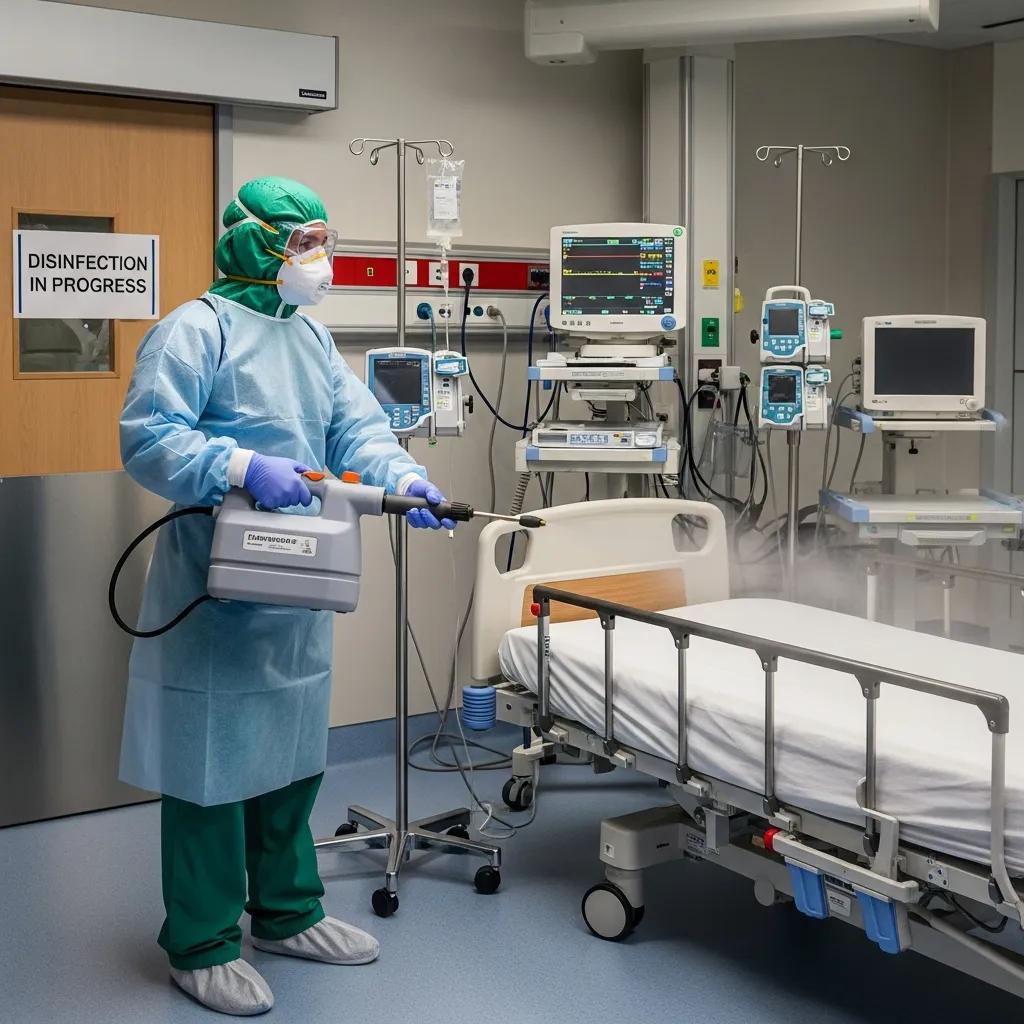
Advanced disinfection is critical in medical settings because it targets pathogen reservoirs beyond routine cleaning, lowering infection risk for patients and staff and meeting stricter health requirements. Techniques such as electrostatic spraying and UV‑C complement manual wipe protocols to improve surface coverage and deliver validated microbial reductions, supporting safety goals and audit readiness. The right combination of methods also reduces healthcare‑associated infection risk and helps clinics maintain patient confidence and their regulatory standing.
Research supports the effectiveness of methods like electrostatic spraying for broad surface sanitisation and reduced pathogen transmission.
Electrostatic Disinfection for Enhanced Hygiene & Surface Sanitization
Surfaces, in addition to aerosols, can carry SARS‑CoV‑2 and other pathogens. Thorough disinfection of indoor spaces is therefore an effective strategy to reduce surface‑to‑human transmission through frequent touch points. Electrostatic spraying is a proven method for applying liquid disinfectants uniformly, covering both exposed and obscured surfaces and reaching hidden areas that manual spraying can miss. This technique improves coverage and efficiency for targeted sanitisation.
Chargeability study of disinfectants and the optimization of design parameters of a handheld electrostatic disinfection device for small scale applications, MK Patel, 2023
Advanced methods at a glance: the table below summarises three disinfection approaches by mechanism, best uses, dwell‑time notes and practical safety considerations for Chermside medical sites.
| Method | Characteristic | Application / Notes |
|---|---|---|
| Electrostatic Spraying | Charged mist coats surfaces evenly | Best for large open areas and rapid coverage; follow manufacturer dwell‑time guidance |
| UV‑C Disinfection | Germicidal ultraviolet inactivates microbes | Ideal for unoccupied rooms and equipment surfaces; requires strict exposure safety protocols |
| Manual Wipe Protocols | Physical removal plus chemical action | Essential for high‑touch points and immediate sanitation; supports routine daily compliance |
This comparison clarifies when each method performs best and how they can be combined to meet compliance goals. Choosing the right mix improves documented outcomes and aligns infection control with regulatory expectations.
Which Advanced Methods We Use
For clinical sites we combine electrostatic spraying for broad coverage, targeted UV‑C cycles for unoccupied treatment rooms, and hospital‑grade disinfectants applied via manual wipe protocols for critical touchpoints. Electrostatic spraying reaches complex surfaces; UV‑C provides an extra reduction step between appointments when rooms are vacant; manual wiping remains central for point‑of‑care surfaces where dwell time and physical removal are required. Method selection is driven by the clinical layout and safety constraints so each technique adds measurable benefit to patient and staff safety.
How These Methods Support Compliance
Compliance comes from written SOPs, staff training in disinfection techniques, and logging of disinfection cycles and product use for audit trails. SOPs spell out product application, dwell times and required safety controls; training verifies staff competency and correct documentation in QA systems. Routine verification — such as ATP testing or visual QA checklists — provides measurable evidence that regimes meet internal and regulatory standards. Together, procedures, training and records create a defensible compliance posture and simplify regulatory inspections for Chermside medical centres.
How Eco‑Friendly Practices Differentiate Our Service on the Sunshine Coast
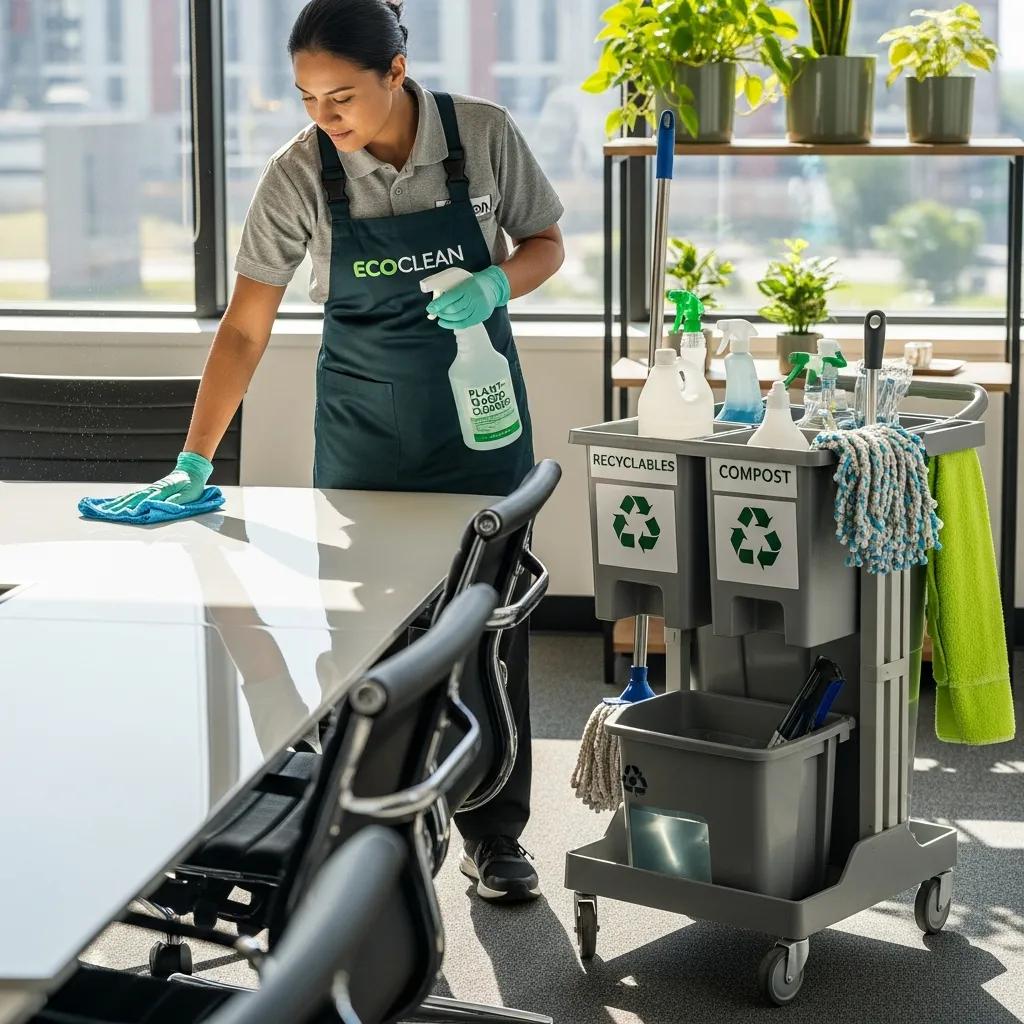
Eco‑friendly commercial cleaning reduces environmental impact and supports client reputation by using low‑toxicity detergents, saving water and minimising waste — priorities procurement teams increasingly score. Sustainable measures can also lower long‑term operating costs through reduced chemical use and longer surface life. For businesses that promote green credentials, an eco‑aware cleaning program becomes a tangible part of sustainability reporting and procurement compliance. Below are common sustainable approaches used by forward‑thinking Chermside providers.
Practical eco‑friendly techniques that reduce footprint while maintaining standards:
- Eco‑certified detergents and concentrated dosing systems to cut packaging waste.
- Microfibre systems that reduce water and chemical use while improving soil pickup.
- Water‑saving equipment and targeted application to limit runoff and consumption.
- Waste segregation and reduction protocols to support local recycling streams.
A sustainable cleaning program lowers environmental impact and strengthens client brand messaging. Businesses can reference these practices in marketing and RFPs to demonstrate measurable sustainability performance.
Sustainable Products and Techniques We Use
Common sustainable choices include microfibre cloths that clean effectively with less chemical, concentrated eco detergents that reduce packaging and transport emissions, and dosing systems that prevent overuse. Equipment such as low‑water extractors and HEPA‑filter vacuums reduce environmental impact and improve indoor air quality. Waste minimisation uses reusable dispensing and segregated collections to lift recycling rates. Together, these choices keep cleaning effective while cutting lifecycle environmental costs for Chermside properties.
How Eco‑Friendly Cleaning Helps Reputation and Compliance
Adopting eco‑friendly cleaning supports reputation by aligning operations with tenant and customer values and can score points in procurement assessments with environmental criteria. Clear, demonstrable practices can be cited in tenant communications or tender responses to set you apart from conventional suppliers. Compliance benefits include easier alignment with local environmental rules and lower risk from hazardous chemical handling. Simple messaging — for example “operational cleaning using low‑impact, certified products” — lets clients promote green credentials backed by documented service practices.
How Our Team Delivers Reliable Cleaning Services
Reliability comes from a professional team with formal training, clear supervision and robust QA systems that ensure consistent methods and scope adherence. Staff trained in infection control, WHS and customer service produce predictable outcomes and reduce quality variability. Supervisors, routine audits and performance reviews drive continuous improvement and build client confidence. These operational practices translate into fewer service failures, quicker issue resolution and higher satisfaction for Chermside businesses that need dependable partners.
How We Ensure Staff Training and Certification
Training covers WHS, infection control, safe product handling and customer service, with documented refresher schedules to keep skills current. Competency is verified through training records, observed checks and periodic refreshers aligned to procedure updates. Ongoing upskilling ensures teams use new tools — like electrostatic sprayers or UV‑C — correctly and meet documentation requirements for regulated sites. This structured approach creates an auditable trail supporting consistent service delivery and compliance.
Why Workforce Stability Matters
Stable teams reduce disruptions from turnover such as rework, onboarding delays and inconsistent client contact. Staff familiar with a site’s needs build accountability, which improves QA scores and cuts escalations. For clients, consistent staffing means predictable service and stronger working relationships that speed issue resolution. Investing in staff retention therefore delivers higher reliability and long‑term savings for Chermside cleaning contracts.
How Testimonials and Transparent Processes Build Trust in Chermside
Clear processes and client evidence — testimonials, short case studies and QA data — build credibility by showing real results and setting expectations. Transparency includes itemised quotes, scope‑of‑work documents, QA reporting and straightforward change‑order procedures to remove ambiguity for procurement teams. Local case summaries reinforce claims about reliability, compliance and sustainability. Below are concise ways transparency is commonly communicated to build trust.
Practical transparency steps that strengthen client confidence:
- Clear, itemised quotes that define scope, frequency and deliverables.
- Service agreements with explicit change‑order and cancellation terms.
- Regular QA reports and documented cleaning logs accessible to client managers.
- Short case summaries that highlight measurable hygiene or turnaround improvements.
These practices create a straightforward commercial relationship and make procurement decisions easier for local businesses. We use transparent processes and factual service statements to support lead generation and to act as an information hub for Chermside clients.
Success Stories That Show Local Impact
Our short case narratives follow a problem → solution → result structure. For example: a medical centre at audit risk adopted a combined manual and electrostatic protocol that lifted QA pass rates; a retail outlet cut customer complaints after focused floor and display routines; and a strata complex sped up turnover readiness with coordinated deep cleans and move‑in checklists. Paired with KPIs such as improved cleanliness scores or fewer complaints, these examples give prospective clients concrete evidence of impact and encourage new engagements in Chermside.
How We Present Pricing and Service Agreements
We present pricing as itemised quotes that separate labour, materials and optional services, with a clear scope list and defined KPIs. Service agreements document frequency, substitution rules and change‑order procedures. Change orders are processed via written amendments with agreed timelines and pricing to avoid misunderstandings. Agreements also specify communication channels for scheduling and QA updates to maintain accountability. This clarity helps clients compare proposals objectively and supports long‑term contracts based on predictable deliverables and transparent costs.
Frequently Asked Questions
What types of businesses benefit most from tailored cleaning services in Chermside?
Tailored cleaning works well for medical centres, retail stores, offices and strata complexes. Each environment has unique needs: medical centres require clinical‑grade disinfection, retail spaces prioritise presentation and event readiness, offices need regular high‑touch cleaning, and strata sites benefit from coordinated common‑area schedules. Custom plans improve hygiene, reduce downtime and lift satisfaction for staff and customers.
How does Divine Commercial Cleaning ensure the quality of its services?
We maintain quality through comprehensive staff training, routine audits and robust QA systems. Employees are trained in infection control, safe chemical handling and customer service. Regular inspections and performance reviews identify improvement areas so cleaning standards stay consistent. This structured approach builds accountability and trust with our clients.
What are the environmental benefits of using eco-friendly cleaning practices?
Eco‑friendly cleaning reduces environmental impact by using low‑toxicity products, cutting water use and promoting waste reduction. These practices create healthier indoor spaces and align with growing consumer expectations for sustainability. They can also reduce long‑term operating costs through lower chemical use and packaging waste.
How can businesses effectively communicate their cleaning needs to a service provider?
Provide clear details about frequency, scope, regulatory requirements, operating hours and peak periods. Share special event dates and any site constraints. Using itemised quotes and written service agreements helps set expectations so both parties understand deliverables and can work together efficiently.
What role does client feedback play in improving cleaning services?
Client feedback is essential for continuous improvement. Regular surveys or direct reports help providers address issues quickly and adapt services to changing needs. This proactive approach improves service quality and strengthens long‑term client relationships.
What are the advantages of using advanced disinfection methods in commercial cleaning?
Advanced methods like electrostatic spraying and UV‑C treatment deliver deeper, more consistent disinfection than routine cleaning alone, which is important in sensitive environments such as medical centres. These techniques reduce pathogen loads, help meet stricter health regulations and increase client confidence in site safety.
What are the benefits of using eco-friendly cleaning products in commercial spaces?
Eco‑friendly products reduce environmental impact and often improve indoor air quality by containing fewer harsh chemicals. That creates a healthier workplace for staff and visitors and strengthens your brand with sustainability‑minded customers. Over time, concentrated detergents and efficient systems can also lower costs through reduced chemical and packaging use.
How can businesses ensure compliance with health and safety regulations in cleaning?
Start with clear SOPs that define cleaning steps, product use and safety measures, then train staff and keep records of activity and audits. Use certified products, follow manufacturer dwell times and maintain logs to support inspections. A culture of documented compliance and regular refresher training minimises risk and demonstrates due diligence.
What role does technology play in modern commercial cleaning services?
Technology improves consistency and efficiency: AI can optimise schedules, sensors monitor occupancy and cleanliness, and automated equipment handles repetitive tasks. Real‑time QA tools give managers visibility into service performance, while data analytics reveal improvement opportunities — together these tools raise standards and can reduce costs.
How do tailored cleaning plans improve operational efficiency for businesses?
Tailored plans match cleaning frequency and methods to actual risk and usage patterns, focusing time and resources where they matter most. That reduces unnecessary cleaning, lowers disruption during business hours and produces measurable KPIs managers can track, resulting in better cleanliness and lower operating costs.
What are the key factors to consider when choosing a commercial cleaning service?
Look for relevant industry experience, transparent evidence of sustainability practices and a full service range. Confirm regulatory compliance, check for modern technology use, and request references. A provider whose services align with your operational needs and values will be the best long‑term fit.
How can businesses measure the effectiveness of their cleaning services?
Use a combination of cleanliness audits, client feedback and KPI tracking (response times, QA pass rates, complaint frequency). Regular inspections and documented QA checks identify gaps, while agreed KPIs and open communication with the provider support continuous improvement and consistent results.
Partnering with a Chermside commercial cleaning service gives you customised solutions that enhance hygiene, support sustainability goals and reduce operational disruption. With local knowledge and advanced disinfection techniques, these providers help businesses stay compliant while building confidence among employees and customers. If you’re ready to lift cleaning standards, Divine Commercial Cleaning offers practical, measurable results tailored to Chermside sites — discover how we can help transform your cleaning approach today.

Dianne, originally from Rockhampton, hails from a business-oriented family, with her father owning electrical stores and her uncle serving as Mayor. Moving to the Sunshine Coast at 13, she later pursued a rewarding real estate career and raised three children. As a single mom, she balanced university studies with domestic cleaning work. Armed with a Bachelor’s Degree in Business, majoring in Supply Chain Management, Dianne founded and grew Divine Commercial Cleaning into a thriving company. Her success is rooted in strong family mentorship, a positive attitude, and a solution-oriented approach, offering tailored cleaning services with integrity and strategic insight.