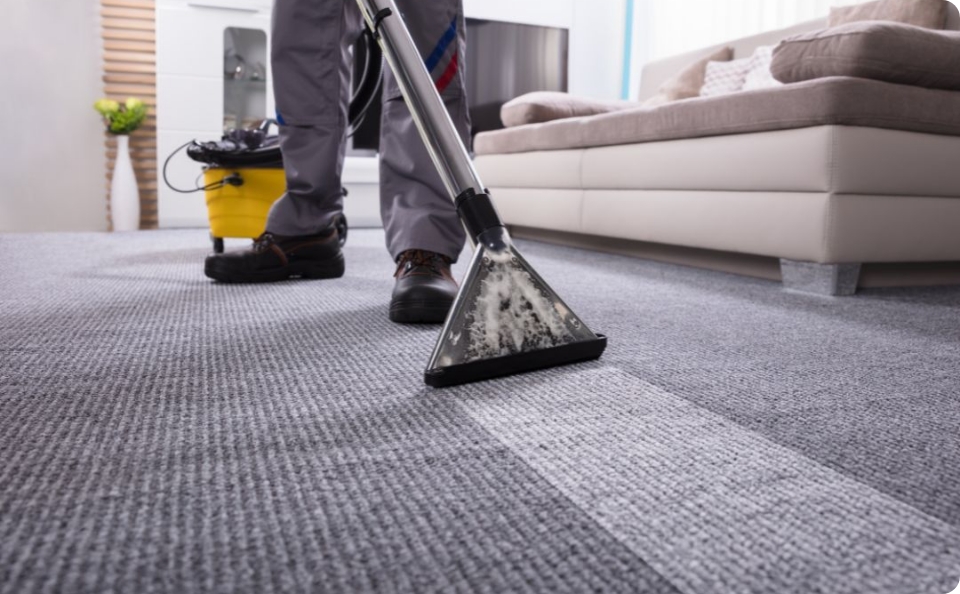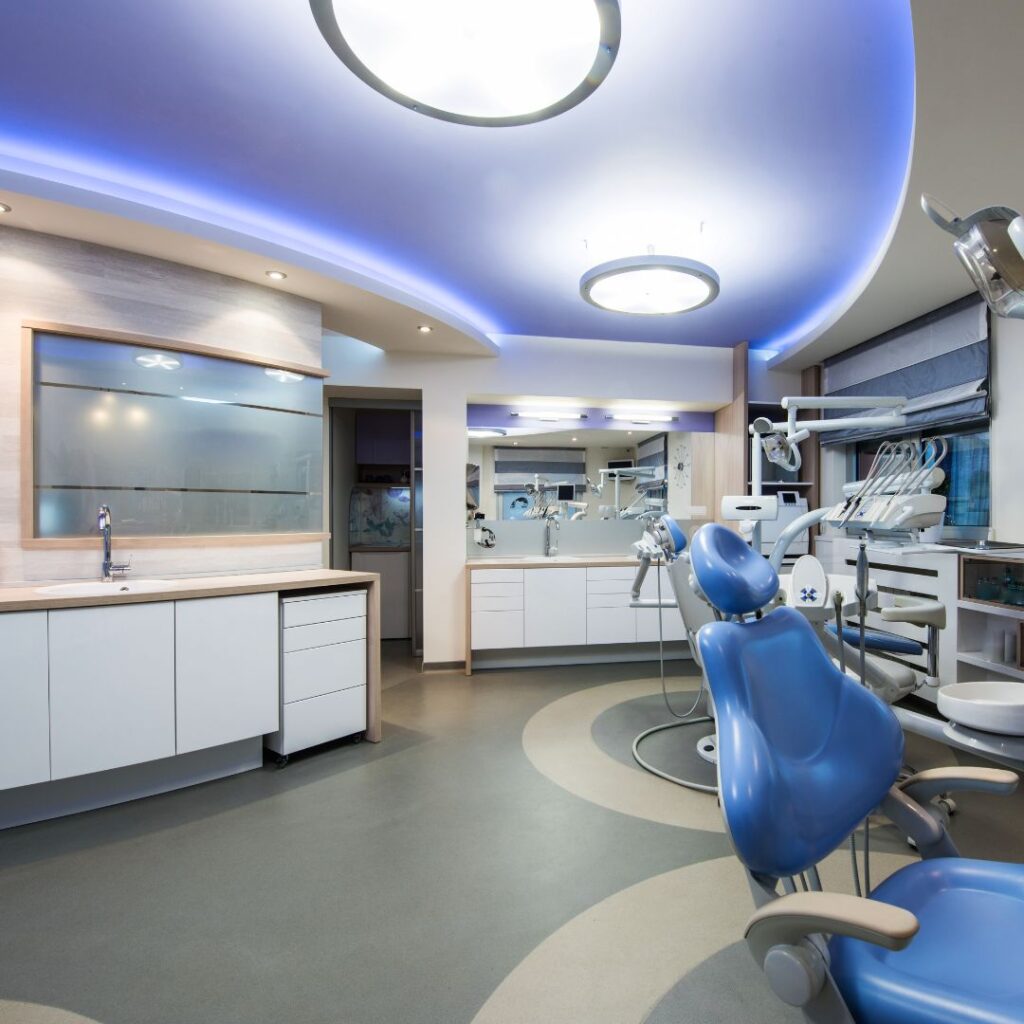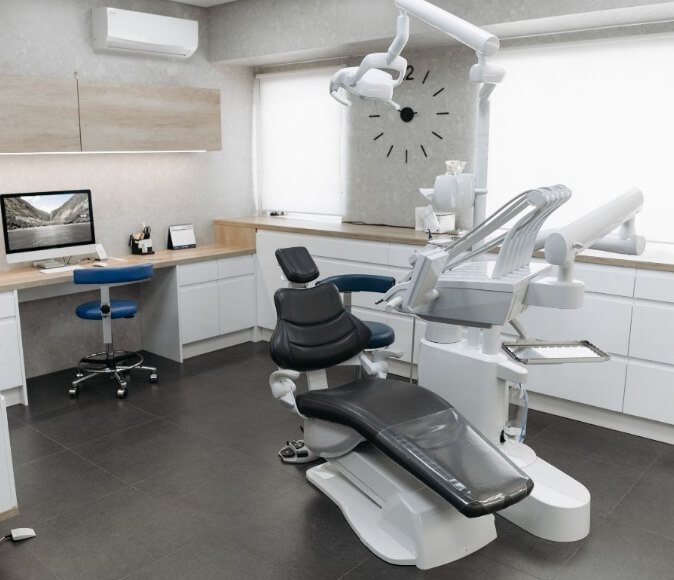
Modern medical center in Kunda Park emphasizing cleanliness and professionalism

Why Choose Kunda Park for Medical Centre Cleaning?

Modern medical center in Kunda Park emphasizing cleanliness and professionalism

Kunda Park Medical Centre Cleaning — Specialist Healthcare Cleaning Services

Kunda Park’s concentration of clinics, specialist rooms and allied‑health practices creates a clear need for clinical‑grade cleaning that protects patients, staff and accreditation outcomes. This page explains why Kunda Park clinics benefit from specialised healthcare cleaning, how infection‑control protocols are applied locally, which Australian and Queensland standards guide practice, and which advanced — yet sustainable — methods deliver hospital‑level results. Our aim is to help clinic managers and facility directors in Kunda Park find practical, compliant cleaning solutions and to generate leads for tailored services. You’ll find descriptions of local facility types and risks, step‑by‑step infection‑control protocols, a standards mapping for NSQHS and Queensland guidance, the tangible benefits of professional cleaning, and recommended technologies and green options suitable for clinics across the Sunshine Coast and Brisbane region. Practical examples and implementation guidance help decision‑makers match their clinic needs to an appropriate cleaning strategy and confirm compliance readiness.

What Makes Kunda Park Suitable for Specialist Medical Cleaning?

Kunda Park mixes general practice clinics, allied‑health providers and small procedural suites inside a compact industrial and commercial precinct. That density raises foot traffic and service overlap, creating demand for fast‑response cleaning, scheduled terminal cleans between procedures and coordinated clinical waste handling to reduce cross‑contamination and keep clinics running smoothly. Coastal humidity and seasonal patient surges also affect scheduling and product choice, so frequency, ventilation awareness and site‑specific protocols matter. Understanding these local factors helps cleaning teams align service windows, supplies and staff rosters to clinic workflows and accreditation timetables — improving resilience and patient safety.

Kunda Park’s clinic mix points to different cleaning priorities:

  • General practice clinics: high patient turnover and many high‑touch points need multiple daily disinfections.
  • Allied‑health and therapy rooms: shared equipment, mats and fabrics need standardised surface and fabric sanitisation procedures.
  • Small procedural suites: require terminal cleans, instrument‑safe disinfectants and planned downtime for safe turnover.

These categories set the scene for how local experience and logistics improve cleaning outcomes in the precinct.

How Local Knowledge Improves Medical Cleaning in Kunda Park

Local cleaning professionals working in a Kunda Park medical clinic

Local experience means our teams know clinic layouts, peak appointment times and nearby suppliers — which shortens response times and makes scheduling more reliable. Staff familiar with Kunda Park can handle same‑day adjustments for surge clinics, source TGA‑approved products locally, and plan cleaning rounds to keep disruption to a minimum. Knowing common equipment and room set‑ups reduces terminal clean set‑up time and helps keep audit records consistent. That familiarity supports infection control by ensuring critical tasks are done when and where they matter most, reducing the risk of missed high‑risk surfaces during busy periods.

That on‑the‑ground knowledge also shapes practical, scenario‑based staff training and the specific cleaning protocols used across the precinct.

What Are the Distinct Facility Needs in Kunda Park?

Different clinic types have different risks and require tailored cleaning plans that specify frequency, products and waste procedures. In GPs the priorities are frequent disinfection of high‑touch points and waiting areas; allied‑health rooms need validated wipe‑down routines for equipment and shared therapy surfaces; procedural suites need comprehensive terminal cleans, compatible disinfectants and clear room‑turnover checklists. Mixed‑use buildings and shared amenities demand coordinated cleaning to avoid cross‑contamination between clinical and non‑clinical spaces. Recognising these differences lets providers define service levels, colour‑coded systems and documentation that reflect actual risk instead of a one‑size‑fits‑all approach.

How Divine Commercial Cleaning Delivers Infection Control in Kunda Park Clinics

Effective infection control combines defined protocols, verified staff competency, appropriate product selection and objective verification. Divine Commercial Cleaning uses scheduled cleaning frequencies, PPE protocols, colour‑coded workflows and audit‑ready record keeping to meet clinical expectations for healthcare hygiene. Training focuses on high‑touch surface routines and escalation steps for suspected outbreaks; we use TGA‑approved disinfectants and hospital‑grade techniques for both routine and terminal cleans. Regular audits and logging create traceable proof of work, helping clinics demonstrate readiness for inspections and accreditation.

These measures are effective only when everyone on site understands and follows the procedures — from cleaning staff to clinical teams.

Australian Healthcare Cleaning: Nurses’ Role in Infection Control

Nurses and midwives are central to preventing healthcare‑associated infections — from COVID‑19 and influenza to multi‑drug resistant organisms. Improved environmental cleaning reduces infection risk and is cost effective, but its success depends on healthcare staff correctly applying cleaning measures. This study explored nurses’ and midwives’ knowledge, attitudes and practices around the care environment and identified challenges in keeping patient areas consistently clean.

Nurses’ and midwives’ cleaning knowledge, attitudes and practices:

An Australian study, BG Mitchell, 2020

Below is a practical, step‑by‑step protocol commonly used in Kunda Park clinics to keep infection control systematic and auditable.

  1. Risk assessment and scheduling: identify higher‑risk zones and set cleaning frequency by room type and occupancy.
  2. Preparation and PPE: put on suitable PPE and control access to the area during cleaning.
  3. High‑touch disinfection: clean and disinfect patient‑contact surfaces with TGA‑approved products, observing validated contact times.
  4. Terminal cleaning and waste handling: perform terminal cleans after procedures and manage clinical waste according to local rules.
  5. Verification and documentation: log completed tasks, record products and batches used, and run periodic audits or ATP testing where needed.

Consistent application of these steps lowers cross‑transmission risk and builds a defensible audit trail for clinics. The next section examines these protocols in more detail.

Key Infection Control Protocols We Use

Protocols focus on interrupting transmission at predictable points — high‑touch surfaces, patient equipment and procedure rooms. High‑touch disinfection uses targeted wipes or sprays with hospital‑grade disinfectants applied for the manufacturer’s specified contact time. Terminal cleaning after procedures includes full‑room surface cleaning, linen handling, floor sanitisation and safe disposal of single‑use items to prevent environmental reservoirs. Outbreak escalation increases cleaning frequency, introduces focused disinfection techniques such as electrostatic spraying and adds extra documentation to trace cleaning actions and exposures. Protocols are prioritised for patient‑facing areas and recorded through checklists and logs so every step can be verified.

Reliable application of these steps depends on careful product choice, covered next.

Why Use TGA‑Approved Products?

TGA registration shows a disinfectant or product is assessed for medical use and carries efficacy claims appropriate for healthcare. For Kunda Park we select hospital‑grade surface disinfectants, instrument‑safe solutions and validated environmental cleaners that list contact times and their spectrum of activity. Choosing TGA‑approved products reduces uncertainty, simplifies procurement specifications and provides clear audit evidence when clinics need to justify their product choice. We balance trade‑offs such as material compatibility, scent and dwell time against efficacy so products are safe for equipment and certified for clinical use.

TGA’s testing and registration process gives clinics confidence that disinfectants used in Australian healthcare settings meet high standards for performance.

TGA Licensed Disinfectants for Australian Healthcare

TGA‑licensed disinfectants are subject to prescriptive, robust testing regimes that have evolved over many years. This regulatory framework helps ensure disinfectants perform reliably in healthcare environments.

Disinfectants in Australia, 2010

Product selection and TGA alignment lead into how national and state standards shape cleaning scope and documentation.

Which Australian and Queensland Standards Guide Our Work?

National and Queensland guidance sets expectations for cleaning frequency, scope and record keeping in medical facilities. The most relevant references are the National Safety and Quality Health Service (NSQHS) Standards for infection prevention, Queensland Health guidance on environmental cleaning and waste handling, and TGA product registration requirements. Mapping each standard to practical tasks helps clinics understand how cleaning activities translate into compliance and what documentation auditors will expect. The table below summarises key standards, their practical requirements and how a cleaning provider implements them in the field.

Standard / GuidancePractical RequirementImplementation Approach
NSQHS Standards (Infection Prevention)Risk‑based cleaning schedules, documented staff competency, formal processesWe carry out risk assessments, competency checks and maintain cleaning logs aligned to each clinical area
Queensland Health environmental cleaning guidanceCorrect waste segregation, sharps handling, defined disposal routes and reportingWe coordinate with clinic waste contractors, use colour‑coded systems and keep disposal records
TGA product registrationUse registered disinfectants with validated contact times and claimsWe specify TGA‑approved products, record batch/product use and follow manufacturer contact times

This mapping makes clear what auditors expect and how our documented cleaning work meets those expectations for Kunda Park clinics.

How We Apply NSQHS Standards in Kunda Park

NSQHS emphasises infection prevention through systems: area‑specific cleaning schedules, demonstrable staff competency and monitoring of outcomes. Practically, this means we create cleaning plans tied to clinic risk profiles, deliver training that is logged and assessed, and supply evidence such as checklists and incident reports for facility managers. Regular internal audits and corrective‑action tracking support continuous improvement, and we adjust cleaning frequency based on usage and audit findings. Applying these standards helps clinics show their environmental hygiene is systematic, evidence‑based and aligned to national expectations.

Local Regulations for Medical Cleaning in Queensland

Queensland Health and local environmental regulators set requirements for clinical waste segregation, sharps containment, transport and record‑keeping. Practical obligations include correct container labelling, secure storage until collection and detailed disposal records — especially important in mixed‑use precincts where collection times and access vary. Certain incidents are reportable and require prompt notification and remediation; cleaning providers document and escalate these per clinic protocols. Embedding local regulatory workflows into daily practice reduces compliance risk and ensures safe handling of potentially infectious materials.

Benefits of Professional Medical Cleaning for Kunda Park Clinics

Professional medical cleaning combines targeted protocols, trained staff and auditable processes to reduce infection risk and protect clinic reputation. Benefits include fewer healthcare‑associated infections through consistent high‑touch disinfection, better patient perception leading to stronger referrals, and lower staff absenteeism from workplace‑transmitted illness. Operational advantages include faster room turnover, clearer audit trails for accreditation and efficient waste handling that reduces costly errors.

BenefitOutcome MetricExample Result
Reduced HAI riskFewer infection incidents / auditable cleaning logsTargeted cleaning and documented processes reduce environmental reservoirs and help prevent outbreaks
Improved accreditation readinessAudit passability and documentation completenessConsistent checklists and training simplify audit preparation and evidence collection
Staff wellbeingLower absenteeism and higher moraleFewer workplace illness incidents and clearer hygiene processes help retain staff

Viewed together, these outcomes give clinic managers greater operational stability and build patient confidence over time.

  • Patient safety gains from systematic high‑touch disinfection and terminal cleans.
  • Operational efficiency from standardised room‑turnover procedures and coordinated scheduling.
  • Accreditation and reputation support through consistent documentation and audit‑ready records.

These benefits create a strong case for investing in specialist medical cleaning and for requesting site‑specific proposals from experienced providers.

How Cleaning Helps Reduce HAIs and Improve Patient Safety

Cleaning interrupts common transmission routes by focusing on surfaces and equipment that harbour pathogens, using validated disinfectants at defined frequencies. High‑touch items — door handles, reception desks, chair arms and clinical equipment — are common transmission vectors; regular disinfection reduces microbial load and exposure for patients and staff. Terminal cleans after procedures remove environmental contamination and reset the room for the next patient. Combined with staff hygiene and clear documentation, these measures form a layered defence that lowers the risk of healthcare‑associated infections and supports safer care.

How Cleaning Supports Staff Wellbeing and Clinic Reputation

A consistently clean workplace reduces staff exposure to environmental pathogens, lowering absenteeism and boosting morale through predictable safety practices. When clinics can show regular, documented cleaning and prompt remediation of contamination events, staff feel supported and patients report greater confidence in care. Better patient perception often leads to improved online feedback and referrals, strengthening the clinic’s local reputation. These intangible benefits sit alongside measurable operational gains to improve clinic resilience and community trust.

Clinics wanting a tailored proposal can request a quote and a scope review to quantify expected benefits for their site and schedule.

Advanced and Eco‑Friendly Cleaning Practices Used in Kunda Park

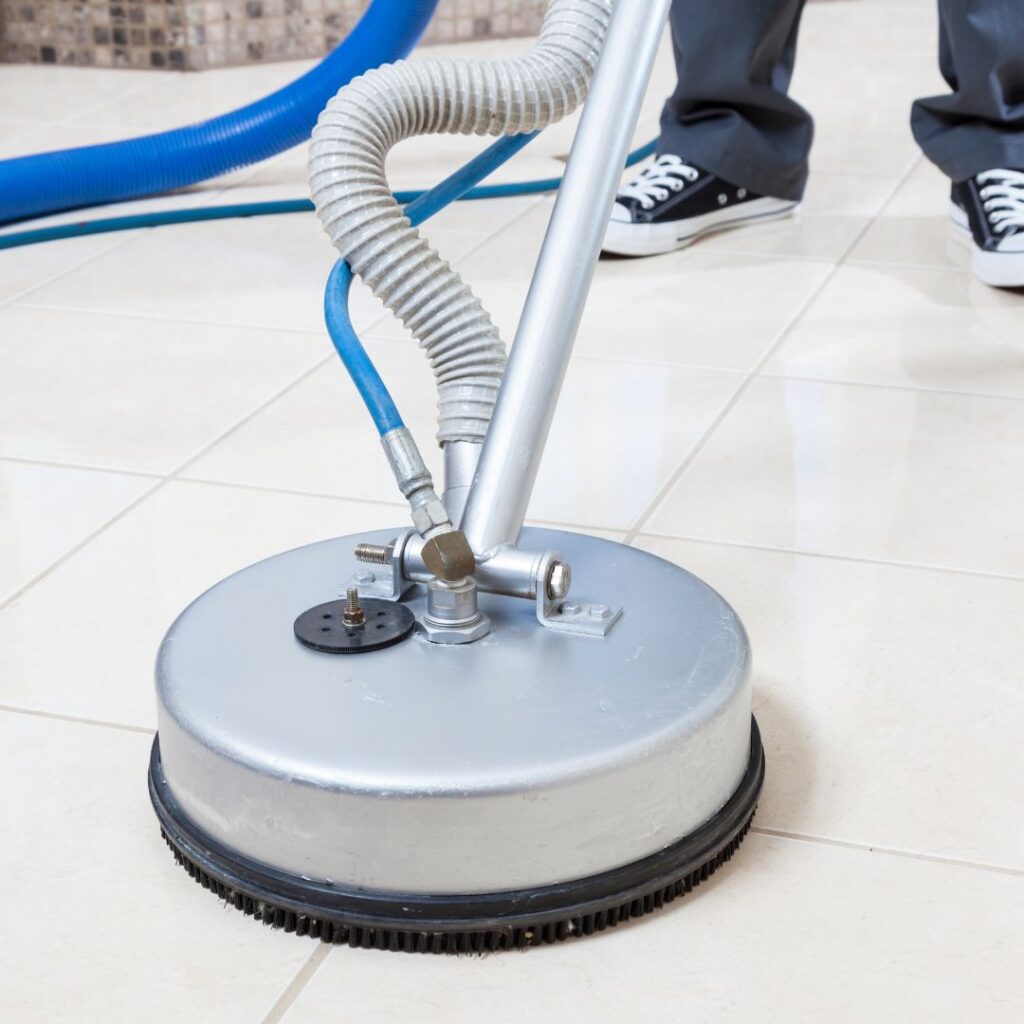
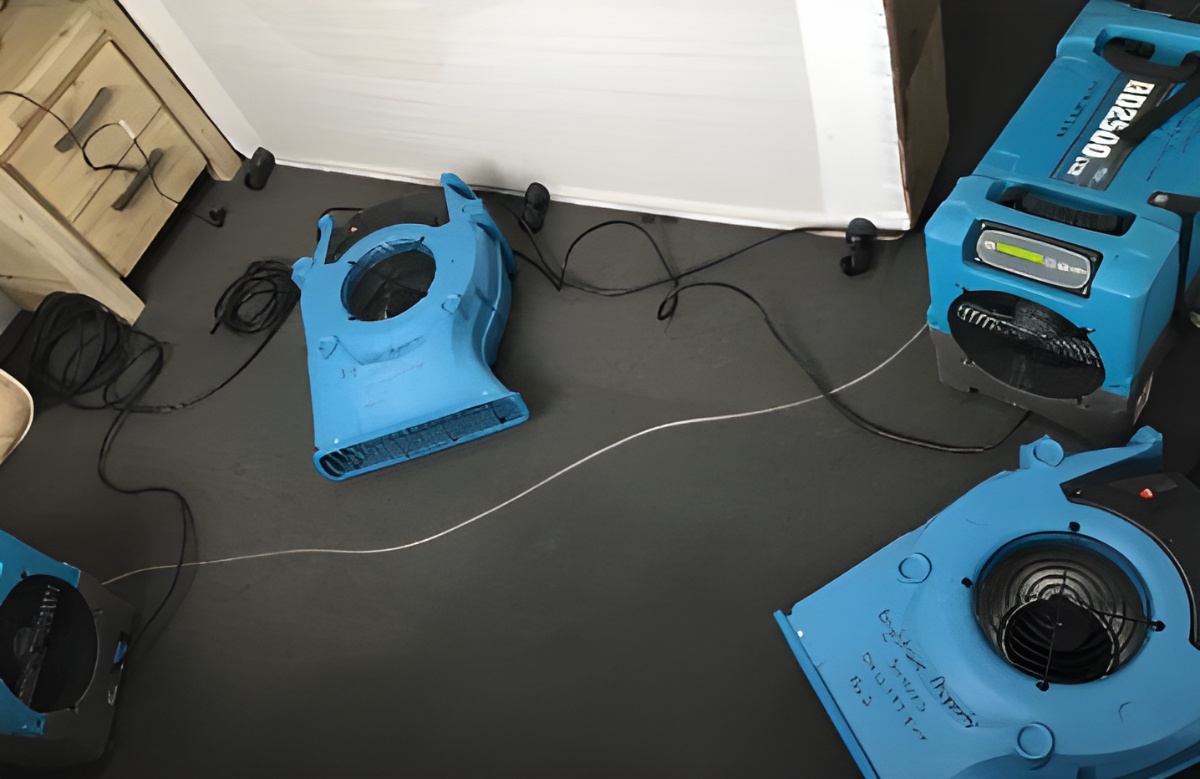
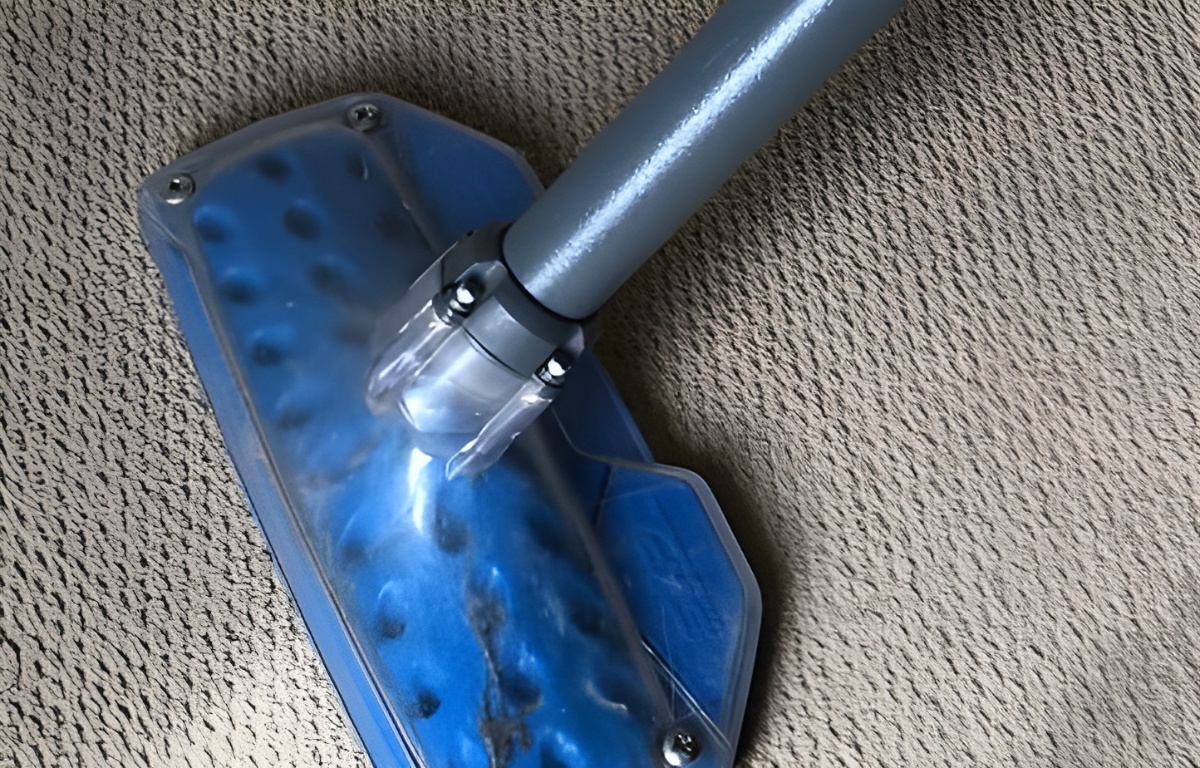
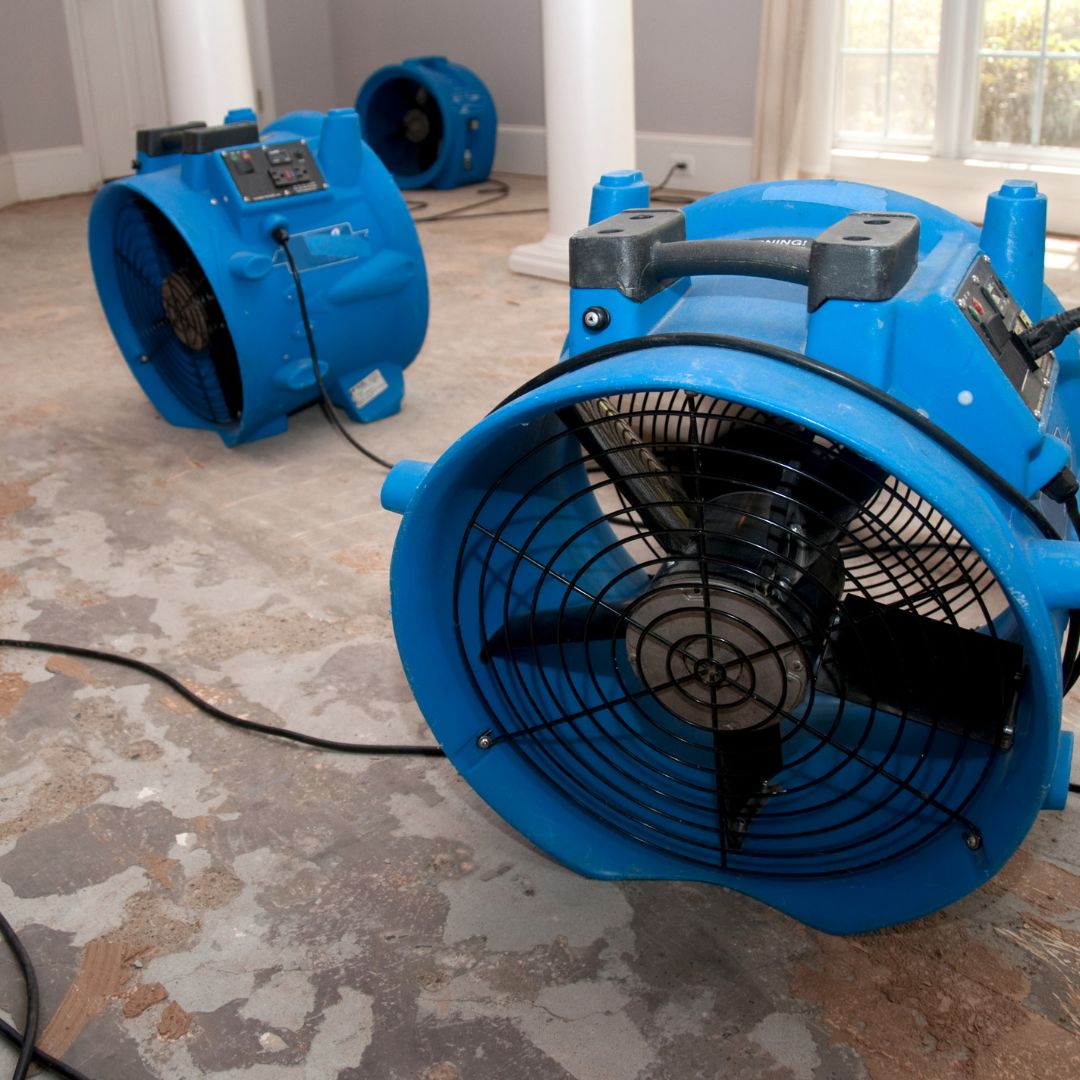
Specialised cleaning equipment and eco‑friendly products used in medical cleaning

Advanced methods and sustainable practices let clinics achieve hospital‑grade cleanliness while minimising environmental impact and protecting patients and staff. Common technologies in Kunda Park include electrostatic sprayers for broad, even coverage; UV‑C for targeted room decontamination; HEPA‑filtered vacuums for particulate control; and microfibre systems that improve soil removal while reducing chemical use. Sustainable product choices include green‑certified cleaners and concentrated dosing systems that cut packaging waste and chemical volumes without compromising performance. The table below outlines how each technique maps to benefits and suitability across different clinic settings.

Traditional cleaning can fall short in some scenarios; adopting complementary modern technologies helps raise infection‑prevention outcomes.

Modern Cleaning Technologies for Hospital Infection Prevention

Experts agree environmental cleaning and disinfection are essential to infection prevention, but manual practices are sometimes inconsistent. Personnel challenges and incorrect use of disinfectants can reduce effectiveness. Modern adjunctive technologies can improve consistency and coverage when used alongside good cleaning practice.

Modern technologies for improving cleaning and disinfection of environmental surfaces in hospitals, 2016
Technique / ProductBenefit / Use‑caseSuitability / Limitation
Electrostatic sprayingFast, even surface coverage — useful for outbreak responseEffective in larger areas; requires correct dwell time and ventilation checks
UV‑C disinfectionNon‑chemical, targeted surface and air decontaminationGood for terminal cleans; limited in shadowed areas
Microfibre systemsMechanical soil removal with less chemical relianceIdeal for routine cleaning; needs proper laundering protocols
Concentrated eco‑cleanersLower packaging waste and reduced chemical useUseful for daily cleaning; must be TGA‑approved or clinically compatible

Choosing the right mix helps clinics balance efficacy, safety and sustainability for their workflows.

Specialist Equipment That Supports Hospital‑Grade Cleaning

Key equipment that improves effectiveness and reduces cross‑contamination risk includes electrostatic sprayers for rapid coverage, HEPA‑filtered vacuums for particle capture, and UV‑C units as adjunctive decontamination tools in procedure rooms. Microfibre cloths and mops pick up soil more effectively than traditional materials and help limit chemical use when paired with suitable detergents. Equipment choice should reflect clinic scale: small GP rooms benefit most from microfibre and portable HEPA vacuums, while larger centres may use electrostatic units and scheduled UV‑C cycles. Operator training, ventilation management during spraying and UV‑C safety measures are essential to protect patients and staff.

Pairing technology with sustainable products is central to delivering green cleaning without sacrificing infection control.

How We Apply Sustainable Cleaning Solutions

At Divine Commercial Cleaning we balance sustainability with clinical safety. Our approach uses efficient dosing systems, microfibre to cut chemical loads, and products that provide environmental benefits while meeting TGA‑aligned efficacy where required. We also focus on waste reduction and smarter procurement to lower environmental impact while maintaining hospital‑grade cleanliness. These sustainable choices are layered on top of standard infection‑control measures so clinics never trade compliance for greener operations.

What Kunda Park Medical Clients Say About Divine Commercial Cleaning

Local clients consistently highlight reliability, compliance focus and responsiveness when choosing a medical cleaning partner in Kunda Park. Clinics and allied‑health providers value teams that keep to agreed schedules, provide clear documentation for audits and respond quickly to urgent terminal cleans or outbreak escalations. Case summaries and testimonials commonly reference improved audit readiness, fewer operational interruptions and simpler accreditation preparation after adopting a systematic cleaning programme. The sections below share anonymised examples and common testimonial themes that reflect these results.

Local Case Studies Showing Real Improvements

Short, anonymised case studies show how targeted interventions deliver measurable improvements. For example, a small procedural clinic on the Sunshine Coast introduced terminal‑clean checklists and gained clearer audit trails and smoother accreditation preparation; a multi‑room allied‑health provider switched to microfibre systems and saw fewer cleanliness complaints. Each case follows a problem → intervention → outcome pattern: identify a contamination or operational issue, apply a tailored cleaning programme with documented procedures and products, and record better audit readiness or operational uptime. These practical examples help Kunda Park clinics picture how similar steps could work for them.

Testimonials That Reflect Service and Compliance

Client feedback often highlights punctuality, adherence to documented plans and the value of auditable records for accreditation. Clinics report that consistent cleaning protocols simplified internal audits and that staff appreciated clear communication around schedules and escalation pathways. Operational reliability — arriving on time, maintaining agreed frequencies and following risk‑based plans — is a recurring theme that supports patient confidence and clinic management. These themes underline the value of working with a specialist provider who understands the regulatory and operational environment.

We’ve outlined practical, standards‑aligned approaches and technologies for Kunda Park medical cleaning. When you’re ready to act, request a tailored cleaning plan from Divine Commercial Cleaning to assess your needs, set a risk‑based schedule and receive a documented scope of work aligned to local standards and your clinic’s workflows.

Frequently Asked Questions

What types of cleaning products are recommended for medical facilities in Kunda Park?

We recommend TGA‑approved cleaning products designed for healthcare use. These products should demonstrate efficacy against common pathogens and carry appropriate safety information. Hospital‑grade disinfectants, instrument‑safe solutions and validated environmental cleaners are essential. When selecting products, consider material compatibility and manufacturer contact times to ensure effective disinfection without damaging equipment or surfaces.

How often should cleaning be performed in medical centres?

Cleaning frequency depends on facility type and patient throughput. General practice clinics often need multiple daily disinfections of high‑touch areas; allied‑health rooms may need thorough cleaning less frequently but with validated procedures; procedural suites require terminal cleans after procedures. A risk‑based schedule tailored to each clinic’s activity levels is the best way to maintain compliance and patient safety.

What training do cleaning staff receive for medical cleaning?

Cleaning staff receive targeted training on infection control protocols, correct product use and PPE, and terminal cleaning procedures. Training covers identification of high‑touch surfaces, escalation for potential outbreaks and accurate record‑keeping. Regular refreshers and audits make sure staff remain competent and up to date with relevant standards and best practices.

How can clinics ensure compliance with cleaning standards?

Ensure compliance by implementing structured cleaning protocols aligned with national and state guidance such as the NSQHS Standards. Maintain detailed cleaning logs, run regular audits and provide staff training tied to competency records. Clear documentation of cleaning activities and outcomes is crucial during inspections and accreditation.

What role does technology play in medical cleaning?

Technology enhances cleaning effectiveness and consistency. Electrostatic spraying, UV‑C disinfection and HEPA‑filtered vacuums can improve coverage and pathogen removal when used alongside proper manual cleaning. Integrating these tools into protocols helps clinics achieve higher standards of cleanliness and supports infection control strategies.

What are the environmental considerations for medical cleaning?

Environmental considerations include using eco‑certified products, concentrated dosing systems and practices that reduce waste and chemical volumes. Microfibre cleaning improves soil removal while lowering chemical reliance. The aim is to balance sustainability with clinically proven effectiveness so infection control isn’t compromised.

How can clinics measure the effectiveness of their cleaning protocols?

Measure effectiveness through audits, staff and patient feedback, and monitoring infection trends. ATP testing provides quantitative surface cleanliness data; cleaning logs track compliance. Continuous improvement — updating protocols and training based on audit findings — keeps cleaning programmes effective and aligned with standards.

Engaging professional medical cleaning in Kunda Park helps clinics meet infection‑control standards while improving patient safety and protecting reputation. By combining local expertise with proven protocols and thoughtful technology choices, clinics can achieve measurable gains in hygiene and operational efficiency. Investing in a tailored cleaning solution protects patients and staff, supports accreditation readiness and reduces the risk of healthcare‑associated infections. Contact Divine Commercial Cleaning to discuss a customised plan for your facility.

Comments

Leave a Reply

Your email address will not be published. Required fields are marked *

Gift Divine Commercial Cleaning Logo