Custom Commercial Cleaning Services in Moffat Beach: How We Tailor Solutions to Meet Your Unique Business Needs
Custom commercial cleaning is about more than a checklist — it means creating a cleaning program that fits your business rhythms, meets any regulatory requirements and keeps customers and staff comfortable. We do this through a simple cycle: assess the site, design a tailored plan, agree a schedule and review performance. This article explains how different businesses in Moffat Beach have different needs, what practical levers a cleaning provider uses to customise a plan, scheduling options that reduce downtime, how eco-friendly and compliance-focused practices are combined, and the pricing factors that shape transparent quotes. You’ll learn how to choose frequency, products and equipment, align cleaning to peak trading hours, and prepare the details a provider needs for an accurate, itemised proposal — all framed for Sunshine Coast conditions like coastal humidity and seasonal tourism. The focus throughout is practical: how tailored cleaning works day to day and how to get a precise proposal for your site.
What Are the Unique Cleaning Needs of Different Business Types in Moffat Beach?

Every business is different — function, foot traffic, surface materials and compliance requirements define what a cleaning plan must include. In coastal locations like Moffat Beach, humidity affects mould risk and floor care, and tourist seasons create predictable peaks that change how often spaces need attention. Clinics, retail shops, offices and large centres each demand a different emphasis — from infection control and clinical waste handling to privacy-aware office cleaning and zoned plans for large shopping complexes.
Use the short summary below to quickly spot which priorities will matter most for your premises.
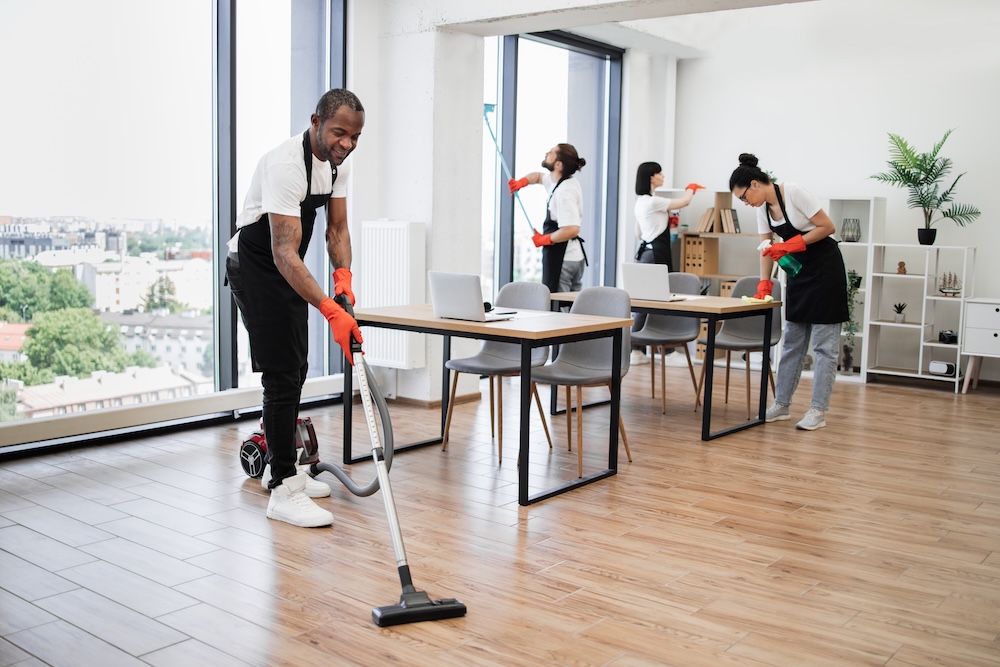
- Offices: Regular desk and communal-area sanitisation, quick meeting-room turnarounds and clean kitchens/break rooms to support staff wellbeing.
- Retail: Clean displays and POS terminals, well-maintained floors and frequent checks of high-touch areas to protect the customer experience.
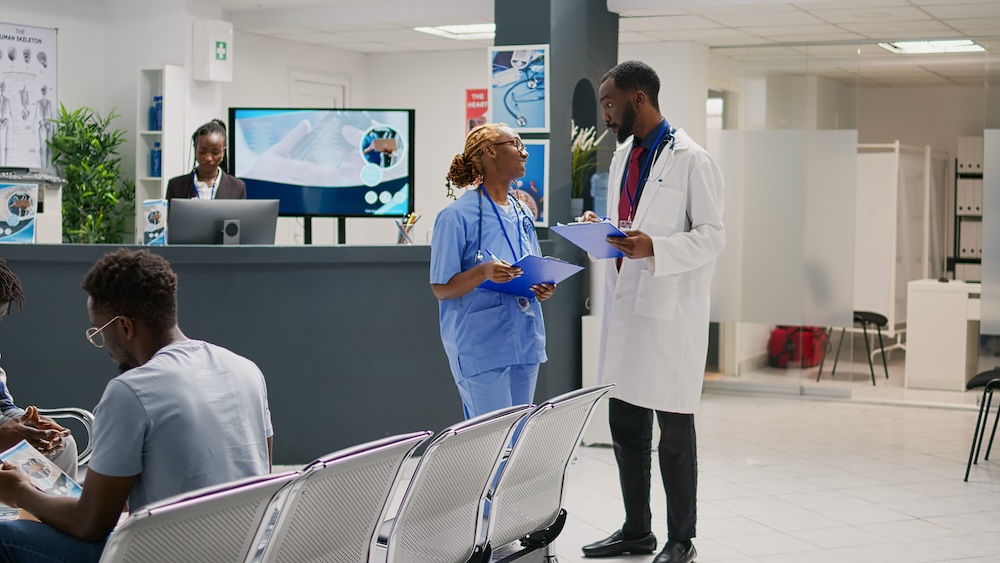
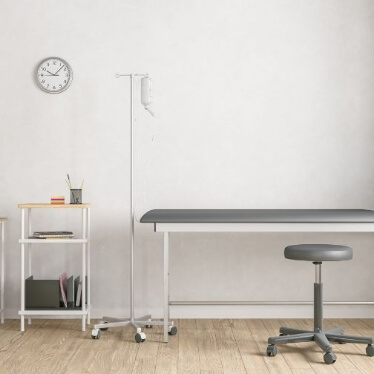
- Medical centres: Strict disinfection routines, clinical-waste segregation and recorded procedures to meet health obligations.
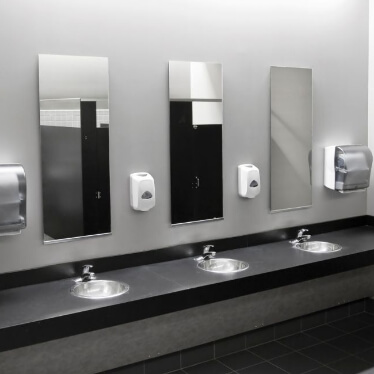
- Shopping centres/large spaces: Zoning, peak-time resourcing, restroom throughput management and tenant coordination for smooth operations.
Those differences directly shape the scope and frequency of work and explain why one-size-fits-all contracts rarely deliver the right results.
How Do Office Cleaning Requirements Differ from Retail and Medical Centres?
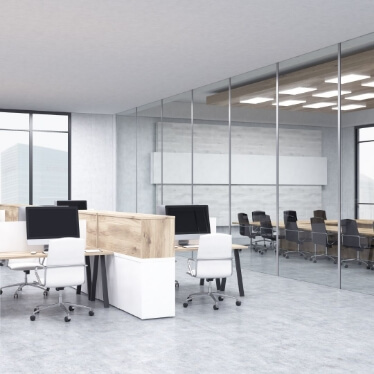
Office cleaning centres on shared workstations, meeting rooms and communal areas — places where repeated surface contact and data privacy change how tasks are handled. Good practice includes scheduled sanitisation for shared keyboards and phones, secure handling of waste that could contain sensitive documents, and attention to breakrooms to limit staff illness.
Retail focuses on customer-facing surfaces: product displays, POS systems, glass and floor finishes. These environments often need quick-touch cleaning during trading hours together with nightly restorative work. Medical centres require higher-disinfection standards, clear isolation zones, careful clinical-waste procedures and full documentation for compliance. Those differences explain why staff training, product choice and frequencies vary so much across sectors.
In short: the type of business determines priorities, and the plan should balance frequency, products and trained staffing to match those priorities.
Why Is Customised Cleaning Essential for Shopping Centres and Large Commercial Spaces?
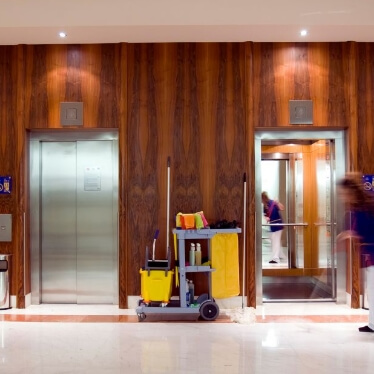
Large spaces bring scale challenges: multiple tenants, fluctuating peak periods and many surface types. The most practical approach is to divide the property into zones — entrances, food courts, restrooms, tenancies and service corridors — and assign staff and equipment per zone to match peak traffic. Controls such as rapid-response teams during busy hours, scheduled deep cleans in quieter windows and clear coordination with centre management for deliveries and events keep the operation running smoothly.
These measures reduce bottlenecks, keep priority customer areas presentable during trade and make sure wide areas are managed efficiently without blind spots. Zoning and event-aware scheduling are central to building a tailored plan during the assessment phase.
How Does Divine Commercial Cleaning Customise Cleaning Plans for Your Business?
Our customised plans start with a structured assessment — a site walkthrough, stakeholder conversations and a review of compliance risks — to identify tasks, frequencies and product needs. From there we design the plan, run a short trial to confirm fit, and schedule ongoing reviews using KPIs to keep improving. It’s an iterative process: assessment creates a written scope, trial validates operations, and reviews fine-tune frequency and materials.
Below is a concise workflow that shows how a tailored plan is built in practice.
- Assess: Visit the site, consult stakeholders and map risk areas and peak traffic.
- Plan: Define tasks, set frequencies, select products and allocate staffing.
- Implement: Trial the program, monitor KPIs and gather feedback from users.
- Review: Adjust scope, frequency or products as needs evolve.
This step-by-step approach keeps plans practical and rooted in how the business actually operates. The table below illustrates how attributes change by sector to show typical plan differences.
| Business Type | Attribute (frequency/scope/priority) | Example Plan/Value |
|---|---|---|
| Office | Frequency: daily & weekly; Scope: desks, meeting rooms, kitchen; Priority: privacy & infection mitigation | Daily desk wipe, weekly carpet deep clean, sanitise meeting rooms after events |
| Retail | Frequency: hourly checks + nightly deep clean; Scope: displays, POS, floors; Priority: customer-facing surfaces | Hourly POS wipe, nightly floor maintenance, daily glass polishing |
| Medical | Frequency: multiple daily disinfections; Scope: clinical zones, waiting room, waste handling; Priority: compliance & traceability | After-patient sanitisation, documented disinfectant logs, specialised waste protocols |
| Shopping Centre | Frequency: zone-based, peak-aware; Scope: restrooms, entrances, food courts; Priority: throughput & tenant coordination | Peak-hour restroom servicing, scheduled food-court deep cleans, tenant liaison for deliveries |
This comparison shows why staffing levels and product choices are customised, not just tasks — and why a site assessment is essential.
Divine Commercial Cleaning serves the Sunshine Coast and Brisbane with personalised cleaning plans, professional-grade equipment, eco-friendly products and flexible scheduling carried out by vetted local teams. Those practical advantages matter: local knowledge helps plan peak staffing, better equipment speeds large-area work, and greener products protect occupants without sacrificing cleanliness. If you want a tailored proposal, request a site assessment so the plan reflects your layout, traffic and compliance needs.
What Factors Influence the Frequency and Scope of Custom Cleaning Services?
Frequency and scope are set by several practical factors: foot traffic and peak hours, industry regulations, surface materials and layout complexity, and special events or seasonal changes. High-footfall zones and customer touchpoints need more frequent micro-cleaning; durable surfaces may allow longer intervals between restorative treatments. Medical settings demand more documentation and higher disinfection frequency, and coastal humidity increases the need for mould control and ventilation attention. For example, a medical clinic may need multiple daily disinfections while an office may rely on nightly restorative cleans plus daytime spot-sanitising.
Understanding these factors lets a cleaning program match resources to risk and keep costs aligned with priorities, which then informs product choices and eco-friendly integration.
How Are Professional-Grade and Eco-Friendly Products Integrated into Tailored Cleaning?
Choosing products balances efficacy, occupant safety and environmental impact. We match disinfectants, floor-care chemicals and biodegradable cleaners to each task and the sensitivity of the space. Clinical zones use high-efficacy disinfectants applied to correct contact times; offices and retail often use low-VOC, biodegradable cleaners for routine work to reduce irritation. Professional equipment — high-capacity vacuums, microfibre systems and extractors — improves results and cuts chemical use. Where compliance requires stronger agents, we use them; for general maintenance we favour greener options to reduce environmental load.
This balanced approach maintains health and compliance while lowering unnecessary chemical exposure, and it ties directly into how scheduling reduces disruption to your operation.
What Flexible Scheduling Options Minimise Disruption to Your Business Operations?

Flexible scheduling aligns cleaning with business hours, customer flow and key operational windows so work doesn’t interrupt trade. Common models include after-hours deep cleans, split shifts for daytime micro-cleaning and weekend blocks for major restorative work. Scheduling also takes staff availability and local traffic into account to keep crews punctual and dependable.
Below are common scheduling models and the businesses that usually benefit from each, to help you match an approach to your needs.
- After-hours deep clean: Ideal for offices and retail that close overnight — lets heavy equipment be used without customer disruption.
- Split shifts (micro-clean + deep clean): Best for busy retail needing daytime touch-ups plus nightly restorative work.
- Weekend blocks: Suited to large facilities and shopping centres that require long uninterrupted windows for major tasks.
- Nightly scheduled maintenance: Preferred for medical centres and 24/7 operations to ensure regular overnight disinfection cycles.
These models reduce impact while keeping standards high. The table below matches options to business types and shows the operational benefits.
| Scheduling Option | Best For (business type/hours) | Benefit/Impact |
|---|---|---|
| After-hours deep clean | Offices, non-24-hour retail | Prevents customer disruption and allows equipment-heavy work |
| Split shifts (day micro, night deep) | High-traffic retail, mixed-use venues | Keeps customer areas presentable during trading hours |
| Weekend blocks | Shopping centres, large facilities | Provides long windows for restorative tasks without rush |
| Nightly scheduled maintenance | Medical centres, 24/7 operations | Delivers consistent disinfection and compliance documentation |
Choosing the right scheduling model minimises disruption and makes staffing more cost-effective by directing effort where it’s most needed.
How Can Cleaning Frequency Be Adjusted to Suit Your Business Hours and Needs?
Start by mapping occupancy and high-touch hotspots, then use micro-clean checks during open hours and reserve deeper cleans for low-traffic windows. The practical flow is: analyse occupancy, schedule daytime spot-checks for POS, restrooms and entrances, and plan deep cleans after close or on weekends. Examples include retail stores wiping POS hourly during peak trade or offices arranging weekly carpet extraction on weekends. Ongoing monitoring and feedback let you tighten or relax frequencies as wear and feedback indicate.
That keeps customer-facing areas consistently clean while concentrating intensive tasks when they cause the least operational friction.
What Are the Benefits of Flexible Scheduling for Commercial Cleaning in Moffat Beach?
Flexible scheduling brings operational, financial and compliance benefits: it cuts disruption for customers and staff, concentrates resources where they deliver the most value and keeps critical disinfection tasks on a reliable timetable. On the Sunshine Coast, seasonal tourism creates busy periods, so peak-aware staffing and flexible blocks prevent service gaps. Financially, targeted scheduling trims wasted labour hours, and compliance improves because required tasks happen predictably.
For these reasons, flexible scheduling is a cornerstone of a cost-effective, tailored cleaning program.
How Do Eco-Friendly and Health-Compliant Practices Enhance Commercial Cleaning Services?
Eco-friendly and compliance-focused practices improve indoor air quality, reduce chemical exposure for occupants and staff, and — when applied correctly with modern equipment — still meet required efficacy. Low-VOC cleaners, biodegradable detergents and water-saving methods reduce environmental impact, while recorded disinfection procedures, staff training and traceability support compliance in regulated sectors.
The right mix is set by a risk assessment: use high-efficacy disinfectants where life-safety or clinical compliance requires them, and choose greener products for routine maintenance where appropriate. The table below summarises common eco-friendly product categories and their typical uses.
| Product Category | Purpose | Typical Use-Case |
|---|---|---|
| Low-VOC general cleaners | Reduce airborne irritants | Daily surface cleaning in offices and retail |
| Biodegradable detergents | Minimise environmental persistence | Routine floor and surface maintenance |
| High-efficacy disinfectants | Kill pathogens to compliance benchmarks | Clinical zones, after-exposure sanitisation |
| Water-saving methods | Reduce water use and runoff | Large floor rinses and external pressure-wash tasks |
This framework helps teams choose products that balance health, compliance and environmental impact while supporting a tailored task plan.
What Eco-Friendly Products and Methods Are Used in Customised Cleaning Plans?
Typical eco-friendly choices include low-VOC surface cleaners, biodegradable detergents, concentrated formulas to reduce packaging, microfibre systems that cut chemical use and water-saving rinsing techniques. Combined with efficient application and professional equipment, these options lower a facility’s environmental footprint while maintaining hygiene and appearance. Where stronger measures are needed — for example, post-exposure disinfection in medical areas — compliant disinfectants are used with documented contact times. Blending eco-friendly and high-efficacy products selectively protects occupant health and reduces environmental impact without compromising performance.
Selecting the right mix depends on risk assessment and operational priorities, and that same assessment defines compliance practices for medical and regulated sites.
Why Is Health Compliance Important for Medical Centres and Offices?
Health compliance reduces risk and liability by ensuring disinfection levels, staff training and documentation meet recognised standards. Tailored plans embed these controls into daily operations: validated disinfectant use, written procedures for clinical zones, secure waste handling and training records that demonstrate staff competency. In offices, compliance-focused steps also reduce absenteeism and protect sensitive information through secure waste practices. Building compliance into a custom plan means tasks, products and frequencies are chosen not just for cleanliness but to meet duty-of-care expectations.
These compliance-driven protocols affect pricing and the level of detail in quotes, which we cover next.
How Transparent Is the Pricing and Quote Process for Custom Commercial Cleaning?
Transparent pricing starts by identifying cost drivers — facility size, frequency, specialised services, materials and travel/local rates — and showing them in an itemised way so you can see how each factor influences the final quote. A clear quote process includes a site visit, a defined scope, line-item pricing for tasks and frequencies, and an explanation of how trial periods and adjustments work. The table below clarifies typical pricing factors and how they affect proposals so businesses know what to expect before requesting a quote.
| Pricing Factor | What It Means | How It Affects Quote |
|---|---|---|
| Facility size & layout | Total area and complexity | Larger or segmented layouts increase labour and equipment time |
| Frequency & hours | Number of visits and after-hours work | Higher frequency or out-of-hours rates increase recurring costs |
| Specialised services | Disinfection, clinical waste, floor restoration | Add-on line items for compliance or specialist equipment |
| Materials & products | Type and cost of chemicals and consumables | Premium eco or clinical-grade products raise supply costs |
| Travel/local rates | Distance and regional staffing rates | Remote or peak-demand locations may include travel or premium rates |
This breakdown makes quotes easier to compare. The checklist below lists the details to prepare for an accurate estimate.
- Provide floor plans or photos: Share layout details and access points to clarify area and challenges.
- Detail operating hours and peak periods: Tell us when cleaning can occur to estimate after-hours premiums.
- List specialised requirements: Note clinical needs, waste handling or event schedules that change scope.
- Confirm desired frequencies: State expected daily/weekly/monthly visits for accurate labour estimates.
- Request a site visit: An on-site assessment yields the most precise, itemised quote.
Providing this information upfront reduces surprises and helps the provider deliver a clear, itemised proposal; the following section explains what drives pricing locally.
What Factors Determine Pricing for Tailored Cleaning Services in Moffat Beach?
Pricing depends on facility size and layout complexity, frequency and after-hours work, specialised compliance or restorative services, product choices and local considerations such as seasonal demand. For example, a medical practice needing multiple daily disinfections and waste handling will show higher labour and consumable costs than a small office with nightly maintenance. Coastal humidity can increase floor and mould-control needs, which may add equipment or chemical usage. Knowing these drivers helps business owners prioritise tasks and balance frequency, product choice and budget.
With those drivers clear, businesses can request targeted adjustments or negotiate trial periods to confirm value — details we cover in the next step.
How Can Businesses Request Accurate Quotes for Their Unique Cleaning Needs?
To get accurate quotes, prepare floor plans or photos, operating hours and peak times, a list of specialised tasks and any compliance obligations, then invite a site visit so the provider can measure and observe traffic patterns. During the visit, ask for a written scope with line-item pricing and an explanation of trial periods and adjustment policies. Request evidence of staff vetting and the product categories used so you understand consumable costs. Finally, agree a timeline for implementation and scheduled reviews that fit your operational calendar.
Supplying these details upfront shortens turnaround and produces transparent, comparable proposals that reflect your true needs.
What Do Local Businesses Say About Divine Commercial Cleaning’s Customised Services?
Local clients report that customised plans boost reliability, reduce disruption and align cleaning with day-to-day operations. Common themes in feedback are responsiveness, clear scopes and minimal customer impact. Businesses appreciate tailored scheduling, eco-conscious product choices and professional equipment that shortens task duration. Anonymised examples show fewer after-hours interruptions for offices and improved restroom throughput in retail centres, illustrating practical outcomes without quoting individuals. If you’d like, ask for references or a site assessment to confirm fit for your premises.
Which Testimonials Highlight the Benefits of Tailored Cleaning Solutions?
Clients consistently note three benefits: dependable scheduling that minimises downtime, bespoke scopes that target high-impact areas, and clear communication during rollout and review. These outcomes translate into fewer cleanliness complaints, smoother event turnarounds and fewer ad-hoc cleaning requests. Across offices, retail, medical and large venues, tailored approaches deliver more consistent results than generic contracts — often without added cost.
Those themes make a strong case for requesting an on-site assessment and a short trial period to confirm service levels before committing to a long-term arrangement.
How Have Customised Plans Improved Business Operations on the Sunshine Coast?
Custom plans typically reduce operational disruption, improve compliance for regulated businesses and focus cleaning budgets on priority areas — delivering measurable, practical improvements. On the Sunshine Coast, seasonal traffic and tourism mean targeted scheduling and peak-aware staffing often prevent busy-period bottlenecks and keep customer-facing areas presentable. The next step is straightforward: prepare the details outlined earlier — floor plans, hours, special requirements — and request a site assessment to receive a tailored, itemised proposal.
If you’re ready to proceed, a site visit is the quickest way to secure a transparent, customised cleaning plan that reflects local conditions and your operational priorities.
Frequently Asked Questions
What are the benefits of using eco-friendly cleaning products in commercial cleaning?
Eco-friendly products improve indoor air quality and reduce chemical exposure for staff and customers. Low-VOC cleaners and biodegradable detergents are effective for routine cleaning while having a smaller environmental footprint. Integrating these options keeps hygiene standards high, supports occupant comfort and can strengthen your business’ reputation with environmentally minded customers.
How can businesses ensure compliance with health regulations during cleaning?
Ensure compliance by adopting a tailored cleaning plan with documented procedures for cleaning and waste handling, plus regular staff training and audits. Use approved disinfectants where required and keep records of cleaning activities — especially important in medical settings. Working with a professional service that understands industry regulations helps reduce liability and keeps practices up to date.
What role does staff training play in effective commercial cleaning?
Staff training is essential. Trained teams know which products and techniques to use, how to spot high-touch areas and how to follow safety and compliance protocols. Ongoing training keeps staff current with best practices and regulatory expectations, which improves outcomes and strengthens customer confidence.
How can businesses assess their unique cleaning needs?
Assess needs by reviewing foot traffic patterns, surface types and any industry-specific requirements. Talk with stakeholders about priorities and bring in a professional for a site walkthrough to identify high-risk areas and appropriate frequencies. A thorough assessment ensures the plan matches operational realities.
What are the advantages of flexible cleaning schedules for businesses?
Flexible schedules minimise disruption, maintain a positive customer experience and let you allocate resources where they matter most. By aligning cleaning with trading hours and peak traffic, businesses keep high-use areas clean without interfering with service — which often saves costs and improves overall cleanliness.
How can businesses measure the effectiveness of their cleaning services?
Measure effectiveness through staff and customer feedback, routine inspections and established KPIs such as cleaning frequency, surface hygiene and compliance with regulations. Tracking cleanliness-related complaints and using KPIs in review meetings helps identify improvements and ensures the service meets operational needs.
What should businesses include in their cleaning service contracts?
Contracts should clearly specify the scope of work, cleaning frequency, product types and compliance requirements. Include performance expectations, review intervals, and remedies for non-compliance. Transparent pricing and a clear communication process help build a reliable, long-term partnership.
Custom commercial cleaning in Moffat Beach delivers practical, locally informed solutions that improve operations, support compliance and enhance customer experience. By recognising the distinct needs of different business types and using eco-friendly, evidence-based practices, providers can create plans that work day to day. Start with a site assessment to get a personalised, itemised proposal that reflects your layout, traffic and compliance needs — and take the first step toward a cleaner, healthier workplace.

Dianne, originally from Rockhampton, hails from a business-oriented family, with her father owning electrical stores and her uncle serving as Mayor. Moving to the Sunshine Coast at 13, she later pursued a rewarding real estate career and raised three children. As a single mom, she balanced university studies with domestic cleaning work. Armed with a Bachelor’s Degree in Business, majoring in Supply Chain Management, Dianne founded and grew Divine Commercial Cleaning into a thriving company. Her success is rooted in strong family mentorship, a positive attitude, and a solution-oriented approach, offering tailored cleaning services with integrity and strategic insight.